2027 Highest-Paying Jobs You Can Get With a Marriage and Family Therapy Degree

Co-Founder and Chief Data Scientist
Faced with choosing a pathway that maximizes earning potential-graduate credentials in marriage and family therapy offer a notable advantage. Professionals holding a master's degree with licensure earn approximately 20% more than those without certification, reflecting a significant wage premium. This premium varies by industry and region, underscoring the importance of strategic credentialing and geographic choice. Comparing return on investment, advanced degrees in marriage and family therapy often outperform alternative credentials in health and human services fields. This article examines the key factors shaping compensation in marriage and family therapy careers-including degree level, licensure status, and workplace setting-to guide financially informed career decisions.
Key Things to Know About the Highest-Paying Jobs You Can Get With a Marriage and Family Therapy Degree
- Graduate credentials in marriage and family therapy increase lifetime earnings by approximately 20% compared to bachelor's-only holders-reflecting significant wage premiums for advanced degrees in clinical roles.
- Professional licensure and certification raise salaries by up to 25%-licensed therapists access higher-paying positions in healthcare systems, private practice, and specialized counseling settings.
- The return on investment for marriage and family therapy degrees often surpasses alternative mental health pathways-yielding competitive salaries relative to program length and tuition costs in key geographic markets.
What Exactly Does a Marriage and Family Therapy Degree Qualify You to Do in Today's Job Market?
A marriage and family therapy degree equips graduates to provide specialized counseling addressing relational, emotional, and behavioral challenges affecting individuals, couples, and families. Recognized by state licensing boards and professional bodies such as the American Association for Marriage and Family Therapy, this credential signals advanced training that surpasses general psychology or social work qualifications. This credential is key for those targeting licensed marriage and family therapist job prospects and earning potential.
Core competencies that distinguish degree holders from those with only on-the-job experience include:
- Clinical Expertise: Mastery of systemic assessment, diagnosis, and intervention techniques tailored specifically to family systems and couple dynamics-skills not typically gained outside formal graduate education.
- Ethical and Legal Knowledge: In-depth understanding of confidentiality, informed consent, and professional boundaries vital for licensed practice.
- Research and Analytical Skills: Capability to apply evidence-based methods and critically assess treatment outcomes, with this skill set frequently highlighted in employer job postings on platforms like LinkedIn.
- Interpersonal Communication: Proficiency in facilitating difficult conversations within diverse family structures while promoting empathy and conflict resolution.
It is important to clarify that without proper licensure, graduates cannot independently practice as licensed marriage and family therapists or provide clinical diagnoses. Some roles requiring medical or doctoral psychology degrees fall outside this field's scope. Conversely, paraprofessional or social service support positions often do not require this degree and generally offer lower compensation. This distinction underscores the wage premium attributable to professional licensure and certification in marriage and family therapy.
Throughout this article, we explore the highest-paying jobs available to marriage and family therapy degree holders-especially those with master's and doctoral-level education-who command the greatest salaries and clinical responsibilities. For individuals seeking a financially sound credential, comparing this degree's return on investment against alternatives-such as online DNP programs-is crucial for informed career planning in the US market.
Which Marriage and Family Therapy Jobs Command the Highest Salaries Right Now?
Several key roles stand out as the highest paying marriage and family therapy jobs in the US, according to the latest data from the U.S. Bureau of Labor Statistics (BLS) and industry compensation surveys. These positions offer varied salary ranges influenced by degree level, specialization, geographic location, and employer type-factors crucial for anyone considering the top salary careers for marriage and family therapy graduates.
- Clinical Marriage and Family Therapists: Median annual wages hover around $52,000, rising to about $70,000 at the 75th percentile and exceeding $90,000 in the top decile.
- Degree Level: Master's degrees dominate the field, though doctorate holders command higher pay.
- Specialization: Expertise in complex trauma or substance abuse enhances earnings.
- Industry: Private practice, outpatient centers, and major healthcare systems often provide superior salaries.
- Geography: Urban regions and states with high living costs-such as California and New York-offer the highest compensation.
- Employers: Hospitals, insurance companies, and government agencies generally pay more than nonprofit organizations.
- Licensed Mental Health Counselors (LMHCs) with a Marriage and Family Therapy Degree: These professionals earn median salaries near $58,000, with the 75th percentile exceeding $75,000.
- Degree Level: Licensure is essential; pairing it with a marriage and family therapy degree improves competitiveness.
- Specialization: Focus on behavioral health and family systems counseling drives higher salary potential.
- Industry: Employment within managed care organizations and state health departments elevates earning prospects.
- Clinical Supervisors or Program Directors in Marriage and Family Therapy Settings: Senior roles offer median wages typically from $65,000 to $85,000, with top earners surpassing $100,000 annually.
- Degree Level: A master's with extensive experience or a doctorate is usually required.
- Specialization: Leadership in specialized clinics-such as veteran or addiction services-commands pay premiums.
- Employers: Larger healthcare systems, academic institutions, and government bodies lead compensation.
Although many of these occupations involve competition with candidates holding degrees in psychology, counseling, or social work, a marriage and family therapy degree often delivers a measurable salary advantage-especially when combined with relevant licensure and experience in family-centered clinical roles.
Salary potential in marriage and family therapy varies widely based on degree level, specialization, geographic market, and employer sector. Prospective students should consider these factors carefully to align their career ambitions and financial goals. For those interested in related fields, pursuing a healthcare administration bachelor's degree may offer alternative pathways in the healthcare industry.
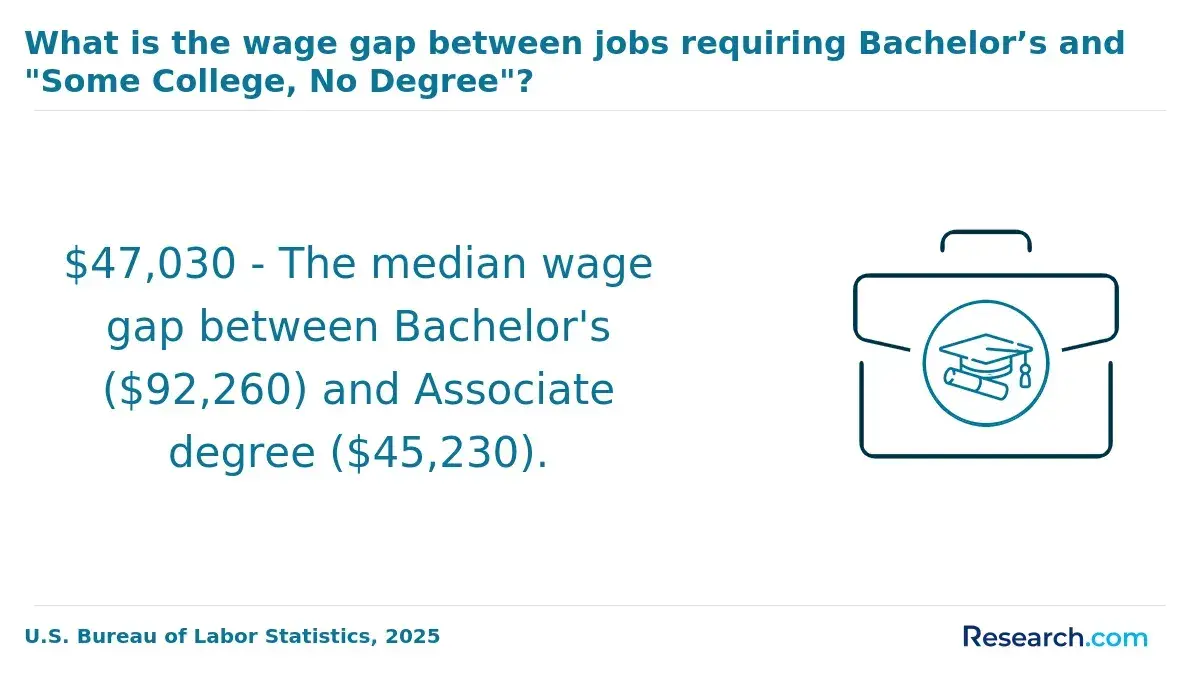
How Does Degree Level-Bachelor's vs. Master's vs. Doctoral-Affect Marriage and Family Therapy Earning Potential?
Bachelor's Degree: Graduates holding a bachelor's often work in support or assistant roles within marriage and family therapy, earning median salaries near $40,000. These positions generally lack licensure eligibility and restrict clinical responsibilities, limiting income growth opportunities.
Master's Degree: A master's is typically required for licensure as a licensed marriage and family therapist (LMFT), enabling access to higher-paying clinical roles with median salaries ranging from $50,000 to $65,000. This degree grants authorization for independent practice and case supervision, with specialization options that can further boost earnings.
Doctoral Degree: Doctoral credentials-either professional (PsyD) or research-focused (PhD)-offer an enhanced salary potential, often surpassing $70,000 annually. These degrees are essential for academic careers, advanced clinical leadership, or research roles, reflecting income premiums linked to expertise and institutional authority.
Credential-Gated Roles: High-paying positions demand graduate-level qualifications: Master's degrees plus supervised clinical hours for independent therapist licensure.Doctorates commonly required for clinical directorships or academic appointments.Research roles in policy or academia call for PhDs and provide salaries above typical clinical ranges.
Return on Investment Considerations: Prospective students must weigh deferred earnings during graduate study, tuition expenses, and the income lift gained from licensure and advanced roles against costs. Balancing these variables ensures a sensible economic decision.
Pathways to Income: Individuals with a relevant bachelor's degree often achieve the most efficient financial return by pursuing a master's program. Career changers might benefit from accelerated or bridge programs that reduce time and expense. Doctoral studies suit those focused on academia or leadership roles with clear economic rewards.
A professional who completed a marriage and family therapy degree shared how challenging the transition was: "Leaving a stable job to return to school felt risky, especially with the financial strain and lost income. The rigorous coursework and clinical hours tested my endurance, but earning licensure opened doors I hadn't imagined. Achieving independent practice and finally supervising cases gave me confidence both professionally and financially. The decision to pursue a master's paid off, but it was not without moments of doubt and sacrifice."
Employer Confidence in Online vs. In-Person Degree Skills, Global 2024

Which Industries and Employers Pay Marriage and Family Therapy Graduates the Most?
Private sector employers typically lead in offering the most lucrative marriage and family therapy salaries by industry-largely because large healthcare systems, private hospitals, and specialized mental health clinics possess greater revenue streams. These employers compete fiercely for certified therapists skilled in complex family dynamics and insurance processes, with urban centers and regions featuring a high cost of living often providing top-tier pay. Government agencies-encompassing federal, state, and local levels-also hire marriage and family therapists in public health, veterans' support, and correctional settings. Although salaries here generally lag behind private industry, roles requiring security clearances or specialization may exceed average wages and provide extensive benefits. Funding constraints can limit base pay, but higher degrees or certifications can improve earning potential in public service.
- Nonprofit Sector: Organizations serving underserved populations typically offer lower wages than the private sector yet may present job stability and mission-driven satisfaction. Some nonprofits with significant grant funding can match or surpass government pay.
- Self-Employment: Therapists running private practices can significantly boost income by cultivating client bases and referral networks, especially in metropolitan areas where demand and fees are higher. Success here demands strong business skills alongside clinical expertise.
The intersection of industry choice, degree level, and job title creates a broad salary spectrum. Master's degree holders with licensure often secure higher remuneration across sectors, whereas doctoral credentials unlock roles in academia or advanced clinical leadership with premium pay. Leadership titles like clinical director usually come with salary advantages reflecting increased responsibility. Targeting high-paying employers entails developing specialized competencies-such as trauma-informed or family systems therapy-and acquiring relevant certifications. Networking during education and internships enhances access to employers with the highest compensation packages for marriage and family therapy graduates.
Market dynamics including talent shortages in veterans' healthcare and substance abuse treatment inflate wages by elevating demand for credentialed professionals. These trends shape the top paying employers for marriage and family therapy graduates and should inform strategic career planning. Those researching educational pathways can also explore options like the cheapest self-paced online college programs to balance education costs with earning potential.
What Geographic Markets Offer the Best-Paying Marriage and Family Therapy Jobs?
Marriage and family therapy wages fluctuate widely across different metropolitan regions due to varying local demand, living expenses, and employer density in healthcare and social service sectors. West Coast and Northeast metros typically report top median salaries, but after adjusting for regional cost of living, actual earning power may shift considerably.
- San Francisco Bay Area: This region delivers some of the highest nominal wages for marriage and family therapists, driven by prestigious healthcare organizations and private practices. Yet, steep living costs diminish take-home pay advantages, making individual budgeting a critical factor.
- New York City Metro: The dense network of hospitals, clinics, and counseling centers here supports elevated salaries. Still, the high urban expenses soften net financial gains, underscoring the value of professional growth and networking opportunities in this environment.
- Seattle-Tacoma Area: Expanding healthcare infrastructure and a somewhat lower cost of living compared to California's tech hubs combine to provide solid real income potential, particularly for therapists with advanced licenses or certifications.
- Denver and Surrounding Suburbs: Emerging as a competitive market, this area balances attractive wages with affordable housing and lifestyle benefits, appealing to professionals open to relocation.
- Florida Coastal Cities: Miami and Tampa stand out for above-average pay adjusted to moderate living costs, thanks to strong demand for mental health services among diverse groups, including retirees.
- Remote Roles Nationwide: Teletherapy's rise allows many marriage and family therapy jobs to shift toward remote or hybrid formats, mostly in outpatient counseling and private practice settings. Licensing and regulatory constraints remain, but therapists based in lower-cost states can tap into higher-paying markets, reshaping income possibilities.
Weighing relocation to a high-paying metro against remote work from a more affordable area requires careful analysis of salary, cost of living, and job setting. Some roles demand on-site presence-such as inpatient or government facility positions-whereas remote options expand flexibility for others. Licensing requirements and personal financial goals should guide these career location decisions.
When discussing geographic salary landscapes with a marriage and family therapy graduate, she reflected on her own experience relocating to a less costly state while maintaining clients in high-paying metros through telehealth. "The initial licensing hurdles and state-by-state rules were daunting," she explained, "but once established, I found that remote work allowed me to grow financially without the stress of expensive city living." She emphasized the value of patience and flexibility during credentialing and the importance of understanding each state's regulations. Her journey illustrates how a strategic approach to geography and licensure can unlock rewarding opportunities beyond traditional local markets.
How Do Professional Certifications and Licenses Boost Marriage and Family Therapy Salaries?
Licensure: The Licensed Marriage and Family Therapist (LMFT) credential is essential for independent practice across all U.S. states. Candidates must complete a relevant master's degree, accumulate 2,000 to 4,000 hours of supervised clinical experience, and pass the national exam administered by the Association of Marital & Family Therapy Regulatory Boards (AMFTRB). Maintaining the license requires ongoing continuing education and periodic renewal fees, which differ by state. Industry data indicate that obtaining LMFT licensure typically increases earning potential by 15-25% compared to counselors without licensure.
Certification: The Certified Marriage and Family Therapist (CMFT) credential represents a higher level of expertise than licensure alone and is offered by professional organizations. The certification process includes exams covering advanced clinical knowledge and skills, with renewal every few years contingent upon continuing education. Costs generally range between $300 and $600 depending on the certifying entity. Certification endorsed by well-regarded accrediting bodies such as ANSI or NCCA enhances credibility and reduces risks associated with lower-recognition certificates.
Salary Impact: Compensation surveys reveal that therapists holding specialized certifications often earn 10-20% more than those without them. This wage premium is especially prominent in private practice and healthcare settings, where such credentials increase trust and professional rigor.
Employer Preferences: It is critical to research industry-specific employer requirements, as some prioritize licensure while others value both licensure and advanced certifications. Credentials aligned with state mandates and recognized accreditation deliver the strongest financial returns and career advancement opportunities.
What Is the Salary Trajectory for Marriage and Family Therapy Professionals Over a Full Career?
Entry-level marriage and family therapy professionals typically begin with annual salaries between $45,000 and $55,000, reflecting their limited experience and initial licensure status. Early years emphasize building clinical skills and obtaining state licensure, foundational steps that enable future income growth. According to Bureau of Labor Statistics data and industry surveys, salary growth during the first five years is steady but modest-generally rising by 10% to 20% as therapists gain expertise and develop their client base.
- Mid-Career Inflection: Between five and ten years, earnings often accelerate significantly, aligning with the attainment of advanced credentials such as Licensed Marriage and Family Therapist-Clinical Fellow status and specialized certifications in trauma or substance abuse counseling.
- Specialization and Leadership: Therapists who focus on niche practice areas-including forensic therapy, executive coaching, or family business consulting-command higher fees. Taking on supervisory or managerial roles within clinics or private practice groups also contributes to noticeable salary increases.
- Business Development: Building a strong personal brand through community involvement, publishing, or workshops expands referral networks and client volume, enabling some therapists to reach peak earning potential.
- Peak Career Stage: After 15 or more years, seasoned professionals in private practice or leadership positions within healthcare organizations typically earn between $80,000 and $110,000 annually, although geographic location and employer type heavily influence these figures.
Long-term compensation growth is closely tied to strategic decisions such as pursuing doctoral degrees, engaging in ongoing professional development, and diversifying service offerings. Research from the Georgetown Center on Education and the Workforce highlights the wage premiums associated with graduate-level credentials, while BLS and professional association studies confirm that specialization and leadership responsibilities most reliably drive salary advancement throughout a marriage and family therapy career.
Which Marriage and Family Therapy Specializations and Concentrations Lead to the Highest-Paying Roles?
Within marriage and family therapy degree programs, certain specializations are linked to notably higher-paying careers. Clinical focuses on trauma and substance abuse therapy stand out-these niches face talent scarcity and regulatory complexity, which drive salary premiums. Child and adolescent therapy also offers strong earning potential, fueled by insurance reimbursements and integration in school-based programs. These areas rank among the top marriage and family therapy concentrations for salary growth due to sustained high demand and limited qualified practitioners.
Geriatric family therapy is increasingly lucrative, reflecting the aging U.S. population and the need for specialized care. Therapists in this field manage complex family and health dynamics, commanding well-compensated roles. Forensic or legal therapy specializations serve courts and law enforcement-markets where technical expertise and certification requirements promote higher wages. These insights align with labor market data highlighting which highest-paying marriage and family therapy specializations in the United States yield optimal financial returns.
Students early in their planning should integrate labor market analysis-evaluating growth projections and employer preferences-rather than relying solely on interest when selecting concentrations. Those enrolled in general programs can enhance prospects without new degrees by pursuing targeted internships, advanced certifications, or stacking credentials such as licensure combined with addiction counseling. This strategic approach often results in significant salary boosts.
Return on Investment: Top-ranked online programs offer flexible learning pathways and strong alumni outcomes across a diversity of specializations.
Salary Impact: Professional licensure and specialized certifications materially boost earning potential.
Market Demand: Concentrations addressing shortages-like substance abuse and adolescent therapy-command wage premiums.
Career Strategy: Graduates leveraging internships and certifications transition into better-compensated roles.
For further education options related to healthcare specialties, consider exploring the online PharmD programs, which similarly emphasize career outcomes and salary growth.
How Does the Marriage and Family Therapy Job Market's Growth Outlook Affect Long-Term Earning Stability?
The job market outlook for marriage and family therapy professionals is robust, with the U.S. Bureau of Labor Statistics projecting about 17% employment growth over the next decade-significantly faster than the average across occupations. This expansion is driven by increasing societal focus on mental health, a rising need for family-centered care, and demographic shifts such as aging populations and changing family dynamics. These factors underpin strong long-term earning stability for marriage and family therapy professionals entering the workforce.
Several key labor market trends influence compensation and job security within marriage and family therapy roles:
- Growth Potential: Therapists working in healthcare settings and specialized private practices often enjoy higher wages supported by expanding mental health funding and improving insurance coverage.
- Automation Risk: The relational, personalized nature of marriage and family therapy shields it from automation threats, securing job continuity and income streams from technological advancements.
- Legislative Changes: Mental health parity laws and policy reforms broadening access to care enhance demand for licensed therapists, supporting stable earning trajectories.
- Structural Challenges: Entry-level or administrative counseling positions may encounter credential inflation and budget limitations in public sectors, making advanced certifications and niche specializations essential to remain competitive.
- Risk Versus Reward: Some high-paying roles may involve lower job volume or cyclical demand shifts, introducing variability in job stability despite attractive salary potential.
For those seeking long-term financial success in marriage and family therapy, pursuing licensure and specialized clinical skills-particularly in growth sectors like private healthcare and teletherapy-is critical. These strategies reduce exposure to market risks and maximize return on investment from a marriage and family therapy degree.
Prospective students should carefully evaluate how a Marriage and Family Therapy degree compares to alternate credentials in terms of salary growth, licensure benefits, and industry demand to make a financially confident enrollment decision. Mid-career professionals and veterans, especially, can explore options such as an FNP post master's certificate online as a complementary or alternative certification pathway to enhance their clinical credentials and income potential within the healthcare field.
What Leadership and Management Roles Are Available to High-Earning Marriage and Family Therapy Graduates?
Leadership and executive positions represent the apex of the marriage and family therapy career path-offering substantially higher earnings than clinical roles through expanded responsibilities in administration and strategic oversight. These roles typically appear in mental health agencies, hospitals, and private organizations, where professionals guide program development, supervise staff, and manage resources.
- Executive Titles: Common leadership roles include clinical director, behavioral health director, program manager, and vice president of clinical services-positions that demand significant strategic decision-making within senior management tiers.
- Salary Premium: Data from the Bureau of Labor Statistics reveals that healthcare and social service managers earn median salaries often $30,000 or more above those of frontline therapists. This compensation gap reflects accountability for regulatory compliance, budget oversight, and staff performance outcomes.
- Credentials and Experience: Advanced degrees-master's or doctorate-in marriage and family therapy or related fields are essential. Licensure such as the Licensed Marriage and Family Therapist (LMFT) credential is standard, while many leaders enhance their qualifications with MBAs or healthcare administration certifications to boost managerial expertise.
- Career Advancement: Progression typically spans 7 to 12 years, beginning in clinical or mid-level supervisory roles. Successful advancement requires demonstrated competencies in team leadership, project management, and operational finance, supported by ongoing professional development.
- Strategic Planning for Leadership: Aspiring executives should specialize early in management skills and pursue formal leadership education. Combining marriage and family therapy credentials with graduate business degrees optimizes eligibility for top-tier executive compensation-especially within large healthcare systems and corporate behavioral health sectors.
Which Emerging Marriage and Family Therapy Career Paths Are Positioned to Become Tomorrow's Highest-Paying Jobs?
Emerging roles within marriage and family therapy are reshaping the profession by leveraging technology, evolving healthcare frameworks, and shifting family needs. These new career paths promise strong growth and lucrative opportunities over the next decade, attracting graduates aiming for superior returns on advanced credentials.
- Teletherapy Specialists: With telehealth's rapid expansion, therapists adept at remote counseling using secure, HIPAA-compliant platforms are increasingly sought after. Degree programs now integrate training that develops digital fluency and telepractice skills to ready students for virtual environments.
- Integrated Behavioral Health Consultants: Working alongside medical teams, these therapists address relational and psychological factors influencing physical health. Curricula are adapting to emphasize interdisciplinary collaboration and evidence-based integrated care models.
- Trauma-Informed Family Therapy Experts: Increased recognition of trauma's complex impact on families drives demand for clinicians certified in trauma-focused interventions, supported by specialized certifications and intensive training programs.
- Policy Analysts and Advocates: Some therapists transition into roles influencing mental health policy, supported by credentials in public administration or health policy, effectively shaping systemic change with clinical insights.
- AI-Augmented Clinical Therapists: Emerging practices incorporating artificial intelligence for assessment and treatment necessitate familiarity with both clinical and technological elements, encouraging additional study in data science or digital health.
Prospective graduates should weigh the advantages of early entry into these innovative niches-such as elevated pay and leadership potential-against uncertain job market acceptance and availability. Pursuing supplementary courses, boot camps, or micro-credentials tailored to these specialties can enhance job readiness. Maintaining awareness through professional associations, industry journals, and labor market analytics tools like Lightcast or the LinkedIn Economic Graph equips therapists to navigate shifting demands and identify financially rewarding, sustainable career trajectories within marriage and family therapy.
What Graduates Say About the Highest-Paying Jobs You Can Get With a Marriage and Family Therapy Degree
- Leonard: "Pursuing an online marriage and family therapy degree truly enhanced my earning potential-there's a noticeable wage premium that comes with graduate credentials in this field. What I didn't expect was how much professional licensure and certification could amplify my salary once I completed the licensing process. For anyone considering the ROI, this degree clearly outperforms many alternative pathways I researched, offering both meaningful work and financial benefits."
- Jairo: "Reflecting on my journey, the role of industry type and geographic location really shaped the highest-paying opportunities I accessed with my marriage and family therapy background. Working in urban healthcare settings paid far more than smaller community clinics-this variability surprised me at first. Still, I found that earning professional certifications opened doors that significantly boosted my overall income and career growth."
- Charles: "From a professional standpoint, the return-on-investment for my online marriage and family therapy degree exceeded expectations-especially when compared to other social science degrees. Licensure made all the difference, driving salary increases and greater job security in clinical settings. I also discovered that certain industries, such as private practice versus nonprofit, have drastically different salary potentials, with location playing a key role in maximizing earnings."
Other Things You Should Know About Marriage and Family Therapy Degrees
In 2027, high-paying jobs for marriage and family therapy degree holders include roles such as clinical director, marriage and family therapist in private practice, and corporate counselor. Salaries can vary, but these positions often offer compensation above $80,000 annually, with potential growth based on experience and specialization.
Entrepreneurship allows marriage and family therapy graduates to control their rates and client load, potentially leading to significantly higher income than salaried positions. Many licensed therapists choose to open private practices-this offers more flexibility and direct access to clients willing to pay premium fees. However, building a client base and managing business costs require time and planning, making entrepreneurship a viable option mainly for those prepared to invest in their own brand.
Employer type strongly influences compensation in the marriage and family therapy field. Private sector jobs, especially those in healthcare organizations or private clinics, typically offer higher salaries than public agencies or nonprofit institutions. However, public and nonprofit roles often provide more comprehensive benefits and stable work environments. Graduates need to weigh salary against job security, work environment, and benefits when choosing where to work.
Internships and practicum placements are critical in securing competitive starting salaries for marriage and family therapy graduates. These experiences provide practical skills and professional networking opportunities that employers value highly. Graduates with substantial clinical hours and strong supervisory recommendations usually have an edge in the job market and may negotiate better initial pay rates based on demonstrated competencies.
References
- 6 Unique MFT Careers | Opportunities for Recent Grads https://www.tuw.edu/health/6-unique-marriage-family-therapy-job-opportunities/
- Is an MFT Degree Worth It? https://onlinecounselingprograms.com/online-counseling-degrees/online-mft-masters-programs/mft-degree-worth-it/
- Marriage and Family Therapists: Salary, career path, job outlook, education and more - RaiseMe https://www.raise.me/careers/community-and-social-service/marriage-and-family-therapists/
- 4 Benefits of Becoming a Marriage and Family Therapist https://gsep.pepperdine.edu/blog/posts/4-benefits-of-becoming-a-marriage-and-family-therapist.htm
- Marriage and Family Therapists — Career Path Guide https://jobcannon.io/careers/marriage-and-family-therapists
- Master's in MFT jobs | edX | edX https://www.edx.org/resources/what-can-you-do-with-a-masters-in-mft
- Marriage and Family Therapist Salary and Jobs for MFT Careers https://teach.com/online-ed/psychology-degrees/online-masters-in-marriage-and-family-therapy/career-outlook/