
2027 Best Career Pivot Options for People With a Marriage and Family Therapy Degree

Co-Founder and Chief Data Scientist
Many individuals with a marriage and family therapy degree face uncertainty about career progression or desire a pivot to higher-paying or rapidly expanding fields. The challenge lies in effectively translating counseling skills to roles beyond traditional therapy settings, such as human resources, social services, or healthcare management, while navigating credential hurdles and building relevant networks.
Recent labor market analyses indicate that sectors employing mental health professionals have grown by over 15% in the past five years, reflecting expanding opportunities for pivoting professionals. This article explores actionable strategies involving transferable skills, entry-level roles, credential enhancements, and resume reframing to guide marriage and family therapy degree holders toward successful, long-term career transitions.
Key Things to Know About the Best Career Pivot Options for People With a Marriage and Family Therapy Degree
- Transferable skills like conflict resolution, empathy, and systemic thinking suit roles in human resources, social services, and healthcare navigation sectors projected to grow 12% by 2030.
- Entry-level pivot roles include case manager and behavioral health coordinator, with credential strategies such as certifications in trauma-informed care, enhancing employability and salary potential.
- Networking through professional associations and resume reframing to highlight interpersonal competencies increases long-term career mobility and access to leadership roles beyond clinical settings.
What Career Pivot Options Are Available to People With a Marriage and Family Therapy Degree?
Career pivoting is increasingly common and professionally legitimate in today's fluid labor market. Data from the Bureau of Labor Statistics and research by the National Association of Colleges and Employers reveal that graduates expect to change careers multiple times, often moving beyond their initial degree focus. This trend is particularly relevant for those with a marriage and family therapy degree, a credential known for its broad, versatile skill set.
Combining interpersonal communication, psychological insight, conflict resolution, and systems thinking, this degree opens doors to a variety of career paths. According to LinkedIn Workforce Insights, graduates in liberal arts and social sciences, including marriage and family therapy degree holders, are tapping alternative career paths that prize emotional intelligence and analytical abilities.
These careers leverage transferable competencies like client assessment, counseling techniques, ethical decision-making, and program development. Exploring career pivot options for marriage and family therapy graduates means recognizing the degree's adaptability across industries. The most common alternative career paths with a marriage and family therapy degree include:
- Healthcare Administration: Utilizing clinical knowledge and patient care expertise to manage healthcare services, coordinate teams, and improve outcomes.
- Human Resources and Organizational Development: Applying counseling and conflict management skills in talent acquisition, employee relations, and training programs.
- Social Services and Community Program Management: Designing and overseeing social support initiatives using insights into family dynamics and community engagement.
- Education and Training: Moving into academic counseling, curriculum design, or professional training that harnesses counseling and educational strategies.
- Behavioral Health Consulting: Providing consultancy for mental health organizations, insurers, or public health agencies, drawing on therapeutic practice expertise.
Each pivot path aligns logically with the foundational skills of a marriage and family therapy degree, whether through direct counseling application or strategic interpersonal and organizational capabilities. For those aiming to navigate this process deliberately, the article will explore credential strategies, accessible entry-level roles, networking approaches, resume reframing, and growth sectors.
This comprehensive guide supports informed career change rather than reactive moves driven solely by dissatisfaction. For marriage and family therapy graduates considering educational upgrades during their pivot, exploring programs like the easiest RN to BSN online program can offer practical pathways into healthcare fields, enhancing career flexibility and growth potential.
Which Industries Outside the Traditional Marriage and Family Therapy Field Hire Marriage and Family Therapy Degree Holders?
Graduates holding a marriage and family therapy degree find valuable career flexibility beyond traditional clinical practice; several high-demand industries hire these graduates based on their unique skill sets and systemic understanding. This broad applicability opens multiple professional pathways for individuals exploring careers for marriage and family therapy degree holders outside clinical practice.
- Healthcare Administration: A leading sector, healthcare administration values these graduates for patient advocacy, care coordination, and clinical program management. Although marriage and family therapy credentials may not always be the primary qualification, the degree's clinical background enhances the ability to lead behavioral health initiatives and interdisciplinary teams. Roles include care coordinators, behavioral health program managers, and patient experience specialists. Transition here often involves remaining in familiar functional areas like operations or administration with moderate credential adaptation.
- Human Resources and Organizational Development: This sector leverages interpersonal and conflict-resolution talents derived from the marriage and family therapy curriculum. Graduates often fill roles in employee relations, diversity and inclusion, and training facilitation by emphasizing transferable skills rather than clinical credentials. Successful pivots require reframing expertise to focus on organizational behavior and workforce wellbeing.
- Education and Academic Support Services: Schools and universities hire these graduates for counseling, student support, and family engagement programs, fields where credentials frequently align well. Additional certifications may be necessary depending on the institution, but opportunities connect strongly to student mental health trends.
- Social Services and Community Programs: Public and nonprofit agencies employ marriage and family therapy graduates in case management, crisis intervention, and outreach roles, blending clinical and administrative functions within community settings. Adaptation to population-level frameworks is essential, offering diverse career paths combining advocacy and program management.
- Research and Policy Analysis: Behavioral health research and family policy development serve as routes for applying academic expertise toward data collection, program evaluation, and policy impact studies.
- This pivot often requires supplementary research training and experience but involves lower credential barriers than switching industries altogether.
- Corporate Wellness and Employee Assistance Programs: Growing corporate focus on mental health creates demand for therapy-trained professionals to lead wellness initiatives, resilience programming, and counseling. Leveraging clinical experience must be supplemented by strategic credential translation to workplace mental health applications.
- Technology and Digital Health: Some graduates transition into digital health startups and telehealth platforms, engaging in product development, user experience, and virtual care coordination. This path demands a significant role and industry switching, requiring technical skill acquisition beyond therapy credentials.
Each of these sectors differs in how they recognize marriage and family therapy degrees-some see it as a direct pipeline, while others require graduates to actively translate their credentials. Role-switching, maintaining familiar functions like research or program management while entering new industries, tends to pose less credential-intensive challenges than switching both roles and industries.
Conducting informational interviews with marriage and family therapy professionals currently in these adjacent sectors offers indispensable insight. This approach transforms the high-level overview above into a concrete, personalized shortlist of target employers, boosting success in career pivots.
Prospective students evaluating the breadth of opportunities may also explore the best schools for healthcare administration online to complement their foundational degree with applicable credentials for administrative roles.
What Transferable Skills Does a Marriage and Family Therapy Degree Provide for Career Changers?
A marriage and family therapy degree cultivates several key transferable skills that extend far beyond clinical settings, drawing on O*NET and NACE frameworks, plus program outcomes reveal broad applicability across industries.
- Active Listening: This involves deep focus and thoughtful response during interactions. It's highly relevant in roles like human resources and customer relations, where addressing stakeholder needs improves outcomes.
- Empathy and Emotional Intelligence: Understanding and managing emotions nurtures trust, essential for leadership, organizational development, and client-facing roles.
- Qualitative Research and Data Analysis: Skills in interpreting complex behavioral data are valuable in user experience research, market analytics, and policy review fields reliant on insights into human behavior.
- Critical Thinking and Problem Solving: The ability to analyze intricate situations and devise interventions supports work in consulting, project management, and program coordination.
- Communication Skills: Clear verbal and written communication, practiced through therapy documentation and client engagement, transfers well to corporate communications and training roles.
- Ethical Judgment and Professionalism: Rigorous ethical standards underpin careers in compliance, advocacy, and nonprofit leadership, demanding accountability and integrity.
- Cultural Competency: Exposure to diverse populations preps graduates for international development, community outreach, and diversity and inclusion positions.
To unlock these opportunities, graduates must actively identify and articulate their skill development through coursework, internships, and projects. The ability to communicate transferable skills is itself a critical asset. Later guidance on resume reframing and networking will help translate marriage and family therapy expertise into language that resonates with employers in new career fields.
A professional who successfully completed his marriage and family therapy degree reflected on this transition: "I realized early that employers wouldn't see my therapy background as relevant unless I explained it clearly. Mapping out how my research projects and internship cases built skills like problem solving and empathy took time, but it changed my interviews. The hardest part was shifting my mindset from clinical jargon to business language. Once I did that, doors began to open."
How Do Employers in Adjacent Fields Evaluate a Marriage and Family Therapy Degree During Hiring?
Employers in adjacent fields typically evaluate a crime analysis degree based on how well its skills and training align with their specific job requirements. They often focus on the candidate’s analytical abilities, practical experience, and transferable competencies rather than the degree title alone.
- Credential Translation: Hiring managers often struggle to interpret a marriage and family therapy degree within fields unfamiliar with it. This process-credential translation requires mapping the degree to relevant job skills. Graduates enhance this by tailoring resumes and cover letters to showcase transferable skills such as client communication, conflict resolution, and systems thinking, aligning these with employer priorities. Incorporating a targeted portfolio further strengthens their position.
- Degree Type and Relevance: Employers weigh the marriage and family therapy degree differently depending on industry norms. Direct degree relevance is more valued in some sectors, while others emphasize related competencies. Institution prestige and GPA hold more sway in larger organizations with formal screening systems, whereas smaller firms focus on demonstrated abilities over credentials.
- Implicit Bias Awareness: Cross-disciplinary hiring may involve unconscious biases discounting marriage and family therapy credentials compared to traditional degrees. Graduates should proactively address this by researching employer openness, leveraging networking to connect with insiders, and offering concrete evidence of applicable skills rather than relying on the degree title alone.
- Employer Size and Type: Large companies frequently use automated tools emphasizing degree prestige and GPA, potentially disadvantaging niche degrees. Smaller businesses and nonprofits often prioritize practical experience, offering more accessible entry points for early career pivots.
- Strategic Employer Targeting: Initial focus on employers with known cross-disciplinary hiring histories-identifiable via LinkedIn alumni data, employee spotlights, or inclusive recruiting content-improves chances of positive evaluation. This approach helps build a track record of relevant experience, broadening future opportunities.
Graduates exploring transferable skills from marriage and family therapy degrees for adjacent careers may also benefit from investigating online colleges free application options to expand educational pathways.
What Entry-Level Pivot Roles Are Most Accessible to Marriage and Family Therapy Degree Graduates?
Operations Coordinator: These entry-level professionals manage workflows, organize projects, and optimize processes. Their duties typically include scheduling resources and coordinating team logistics. Success depends on organizational skills, communication, and problem-solving. They usually report to mid-level operations managers. Marriage and family therapy training enhances systemic thinking and conflict resolution abilities, giving graduates an edge in navigating complex team dynamics and streamlining operations.
Communications Specialist: These roles focus on crafting messages, creating content, and engaging stakeholders. Tasks include drafting communications, managing social media, and assisting with public relations. Strong writing, interpersonal skills, and cultural awareness are essential. Reporting is typically to communications or marketing managers. Marriage and family therapy expertise in empathy and active listening helps graduates develop authentic, audience-centered messaging.
Data Analyst (Entry-Level): In these positions, graduates gather and interpret data, prepare reports, and support decision-making. Responsibilities include data cleaning and basic statistical work with tools like Excel. Attention to detail and analytical reasoning are critical. They typically report to senior analysts or data managers. Marriage and family therapy training strengthens observational skills and structured problem-solving-key to interpreting behavioral data accurately.
Policy Assistant: Often in governmental or nonprofit environments, policy assistants aid research, documentation, and stakeholder communications. They gather information, summarize policies, and liaise with interested parties. Strong research, writing clarity, and ethical awareness are crucial. Reporting lines usually lead to policy analysts or directors. Marriage and family therapy knowledge of social systems enriches policy relevance and community responsiveness.
Sales Development Representative: These client-facing entry roles focus on lead generation, prospect qualification, and CRM management. Essential skills include communication, resilience, and empathy. Reporting is to sales managers or team leads. Graduates' refined interpersonal abilities and empathetic listening enable quick rapport-building and precise client need identification.
According to salary and occupation data, marriage and family therapy graduates commonly advance from entry-level roles to mid-career positions within three to five years, faster than peers lacking comparable interpersonal training. Practical experience gained during internships further accelerates progression. Graduates are advised to carefully evaluate which roles align best with their skills, desired career trajectory, and growth potential.
I spoke with a professional who launched her career after completing a marriage and family therapy degree. "I worried I'd have to start completely over, but my skills in understanding people's perspectives and resolving conflicts quickly became valuable in operations," she explained. Navigating applications, she focused on roles where her relational expertise was an asset. Over time, this intentional approach paid off, allowing her to progress steadily and feel fulfilled in her pivoted career path.
What Are the Highest-Paying Career Pivot Options for People With a Marriage and Family Therapy Degree?
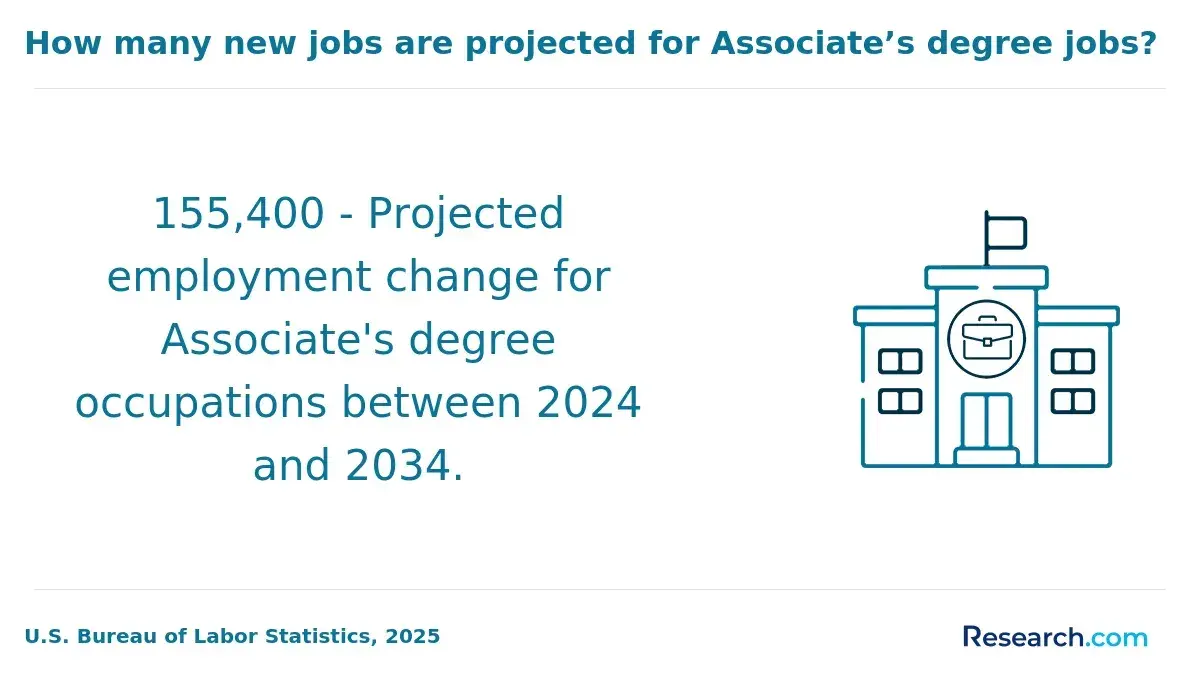
Graduates with a marriage and family therapy degree often find higher-paying career options by applying their counseling, interpersonal, and systems-thinking skills outside traditional therapy roles. Entry-level salaries in therapy commonly hover between $50,000 and $65,000, but alternative pathways can offer significantly greater compensation.
- Financial Services: Positions such as financial advising, corporate wellness, and human capital management typically start around $75,000 early in careers, with mid-career salaries surpassing $110,000. These roles combine analytical abilities and emotional intelligence, often including base pay, bonuses, and profit-sharing in industries known for high margins.
- Management Consulting: Leveraging expertise in human behavior, early-career consultants earn close to $80,000, with mid-career incomes climbing above $130,000. Additional compensation frequently involves performance bonuses and comprehensive benefits tied to project success.
- Enterprise Technology: Roles in user experience, employee engagement, or behavioral data command early-career salaries near $85,000 to $95,000, rising to over $140,000 mid-career. Compensation often extends beyond salary to include equity grants and flexible schedules.
- High-Growth Startups with Equity Compensation: These may offer modest starting pay but grant equity stakes that can yield significant long-term value, often combined with remote work and professional development resources. Such positions usually demand risk tolerance and a commitment to skill-building and networking.
The variation in pay largely stems from sector profitability, role impact, and operational scale. Financial and tech industries have higher revenue per employee, enabling richer pay structures than nonprofits or government roles. Evaluating total compensation accurately means considering bonuses, equity, retirement benefits, healthcare, and work flexibility instead of focusing solely on base salary.
Prospective career switchers should realistically factor in the effort required to enter higher-paying fields, often involving additional credentials, time investment, and expanded networks. Balancing these costs against anticipated financial rewards helps ensure a sustainable and strategic pivot aligned with professional goals.
Which High-Growth Sectors Are Actively Recruiting Professionals With a Marriage and Family Therapy Background?
Professionals with a marriage and family therapy degree bring strong interpersonal, crisis management, and systemic thinking skills, attributes driving their value across several high-growth sectors highlighted by BLS projections, LinkedIn Emerging Jobs, and World Economic Forum data. These sectors demand emotional intelligence and relational expertise, areas where marriage and family therapy graduates excel.
- Behavioral Health and Teletherapy: This sector's rapid digitalization and increasing mental health awareness create roles requiring therapeutic skills adapted for virtual and community care, aligning closely with graduates' training in client engagement and crisis intervention.
- Human Resources and Organizational Development: Expanding focus on workplace well-being and conflict resolution leverages systemic understanding of relational dynamics, allowing graduates to impact team cohesion and organizational culture in evolving work environments.
- Educational and School-Based Services: Investments in student mental health and social-emotional learning drive demand for counselors familiar with family systems, enabling graduates to support academic success through holistic family involvement strategies.
- Community and Social Services: Growth in programs addressing addiction, trauma, and child welfare favors professionals skilled in systemic intervention and trauma-informed care, core Marriage and Family Therapy competencies.
- Technology and User Experience (UX) Research: Some tech companies seek experts adept at interpreting interpersonal behaviors and emotional responses to enhance digital product design, making marriage and family therapy graduates' empathy and communication abilities highly relevant.
Target employers in these sectors often include startups and scale-ups prioritizing adaptability and demonstrated skills over rigid credentials, offering fertile ground for marriage and family therapy graduates pursuing career pivots. Networking within mental health and organizational culture innovation groups can reveal such opportunities.
Graduates should weigh higher opportunity volume and compensation potential against the elevated job volatility typical of high-growth fields and align their job search strategy with personal risk tolerance and long-term career goals.
How Does Earning a Graduate Certificate Help Marriage and Family Therapy Degree Holders Pivot Successfully?
Graduate certificates offer marriage and family therapy degree holders a targeted, flexible way to pivot careers by acquiring specialized skills without the extended time and cost of a full graduate degree. According to the National Center for Education Statistics (NCES), these programs typically take 9 to 12 months and cost significantly less than a second master's. The American Council on Education reports that about 40% of certificate holders experience positive career impacts within a year, reflecting growing employer acceptance.
- Career Signal: While certificates do not carry the same recognition as degrees, they provide concrete proof of new competencies, especially when aligned with high-demand skills, helping overcome credential barriers in targeted fields.
- Evaluating Programs: Credential inflation makes it critical to choose accredited, employer-recognized programs with a proven track record of alumni success. Cost-benefit analysis and professional association guidance should inform decisions before enrollment.
- Timing Strategy: Depending on individual circumstances, pursuing certificates before applying for new roles can clear credential barriers; during job search phases can demonstrate commitment; and after securing roles can support ongoing career growth.
For those exploring fields adjacent to their core training, including healthcare roles, exploring radiology tech programs online may also offer accessible entry points to high-demand sectors. Graduate certificate benefits for marriage and family therapy degree holders lie in their nimble approach to skill-building, enabling practical career pivots without the lengthy commitment of additional degrees.
What Role Do Professional Certifications Play in Validating a Marriage and Family Therapy Career Pivot?
Academic credentials, such as a Marriage and Family Therapy degree, provide foundational knowledge but often lack direct signaling for roles outside clinical practice. Professional certifications serve as industry-recognized labor market signals, validating specific skills highly relevant to non-Marriage and Family Therapy occupations.
For career-pivoting marriage and family therapy degree holders, certifications can offer a meaningful competitive advantage when they align clearly with the functional demands of the new role. Conversely, in fields that weigh experience or advanced degrees more heavily, certifications alone may have less impact on hiring outcomes.
Key certifications relevant for common pivot paths include:
- Project Management Professional (PMP): Requires leadership experience and passing a rigorous exam; preparation takes 3-6 months; cost ranges $405-$555; valued in project manager roles across healthcare, nonprofits, and corporate sectors.
- Certified Analytics Professional (CAP): Requires relevant analytics experience and exam completion; fees about $495; preparation timelines vary; beneficial for data analyst or business intelligence positions.
- SHRM Certified Professional (SHRM-CP): Requires HR work experience; exam prep lasts 2-4 months; costs around $300-$400; ideal for HR generalists and talent management.
- Salesforce Administrator: Certification gained by passing Salesforce's admin exam; preparation usually 1-3 months; exam fee near $200; relevant for CRM system management in healthcare or business environments.
- Certified Case Manager (CCM): Requires clinical experience; exam fees about $325; prep may span several months; highly respected for case management and care coordination roles.
- Certified Professional in Healthcare Quality (CPHQ): Requires healthcare quality experience; exam fees around $395; suits quality improvement and regulatory compliance jobs.
Before committing time and resources to any certification, graduates should scan targeted job postings and LinkedIn profiles of professionals in their pivot roles to validate which credentials are commonly required or preferred. Conducting informational interviews with hiring managers can clarify the practical hiring weight of these certifications in the intended sector. This research ensures alignment of professional certifications for marriage and family therapy career transitions with actual labor market demands.
Timing certification efforts strategically within a career pivot is essential. Beginning preparation before fully transitioning signals proactive growth. Resumes can highlight certifications "in progress" with phrases such as "expected completion date", signaling active development and potentially boosting interview impressions and networking conversations.
Those interested in broader healthcare roles sometimes pursue specialized tracks-for example, exploring best online post master's FNP program options to complement a clinical foundation with a focus on family nurse practitioner certification. Validating marriage and family therapy credentials in career pivot efforts depends on combining formal education with targeted professional certifications that serve as credible, field-specific labor market signals.
How Can Marriage and Family Therapy Degree Holders Leverage Freelance or Contract Work to Break Into a New Field?
The gig economy's rapid growth-freelance work expanded nearly 22% over five years-makes freelance, contract, and project-based roles powerful accelerators for marriage and family therapy degree holders seeking career pivots. Early-stage career changers can leverage freelance opportunities to gain transferable skills, portfolio evidence, and industry connections beyond traditional therapy roles.
- Content Development: Crafting articles, guides, or educational resources enables professionals to demonstrate communication expertise and subject-matter insight relevant to diverse sectors.
- Research and Data Analysis: Engaging in social science research or data interpretation projects builds analytical skills and methodological rigor applicable in many industries.
- Virtual Assistance: Providing administrative and organizational support translates counseling-related client management into business coordination capabilities.
- Communications Consulting: Advising nonprofits or small businesses on outreach strategies utilizes counseling perspectives to develop empathetic messaging.
- Project Coordination: Overseeing timelines, resources, and stakeholder communication mirrors therapy case management, reinforcing leadership and organizational skills.
Launching a freelance pivot involves carefully selecting platforms tailored to professional services, packaging offerings that highlight unique therapy-informed expertise, and setting competitive rates suitable for beginners. Emphasizing credentials that showcase knowledge of human behavior and conflict resolution can differentiate freelance services, fostering client confidence.
Transforming freelance experiences into polished portfolio pieces and securing references strengthens full-time job applications in target fields. However, this route requires assessing personal risk tolerance and financial buffers, as regulated and government sectors often lack viable freelance entry points.
For those with adequate runway, freelancing significantly shortens the timeline to accumulate cross-sector credibility and reputation, facilitating smoother transitions compared to traditional full-time career changes.
What Networking Strategies Are Most Effective for Marriage and Family Therapy Graduates Pursuing a Career Change?
Career changers holding marriage and family therapy degrees often face unique challenges due to limited professional networks in their new industries. Studies from the Harvard Business Review and MIT Sloan Management Review emphasize the power of weak ties and referral hiring connections outside close circles, as vital for uncovering unadvertised job opportunities.
Building intentional networks not only broadens access but also addresses common fears like imposter syndrome, rejection anxiety, and uncertainty about initiating conversations.
- Alumni Network Activation: Connect with alumni from your marriage and family therapy program who have successfully transitioned into your target field. Personalized outreach referencing shared experiences can facilitate mentorship and open doors.
- Professional Association Entry: Join industry-specific associations to attend events, webinars, and access practitioner directories, gaining insights and building credibility.
- Informational Interview Campaigns: Request brief conversations using clear templates, such as "I'm exploring career options related to marriage and family therapy and would appreciate 20 minutes of your advice." These interviews gather intelligence and signal genuine interest.
- LinkedIn Strategic Connection-Building: Send customized connection requests citing mutual interests or contacts, follow up with relevant content or check-ins, and avoid generic messages to build authentic rapport gradually.
- Community of Practice Engagement: Participate in online forums, special interest groups, or local practice communities. Active contribution and volunteering increase visibility and foster meaningful relationships.
To ease networking discomfort, adopt conversational scripts for introductions and follow-ups, such as, "I admire your career path from therapy to [Field] and would value any advice on my transition." Establish a regular weekly time slot for networking, set measurable goals, like three new contacts per week, and monitor progress. A recent LinkedIn report found that 85% of jobs are secured through networking, underscoring the critical role of these strategies in a successful career pivot.
What Graduates Say About the Best Career Pivot Options for People With a Marriage and Family Therapy Degree
- Leonard: "Graduating with a marriage and family therapy degree opened my eyes to the vast transferable competencies we develop, like conflict resolution and empathetic communication, that are highly valued in fields like human resources and organizational development. Early on, I pivoted into employee assistance programs, an accessible entry-level role where my background made a real impact. My advice: focus on credential strategies that complement your therapy license, such as certifications in coaching or mediation, to widen your opportunities in high-growth sectors. "
- Jairo: "Looking back, reframing my resume to emphasize skills like client assessment and crisis intervention was key in transitioning from therapy to social work within community health agencies. Networking, especially connecting with professionals through interdisciplinary workshops, played a crucial role in landing my first position outside traditional counseling. Long-term career outcomes from this pivot have been rewarding, as I'm now positioned in a sector known for steady job growth and meaningful impact. "
- Charles: "From my perspective, one of the smartest moves for those with a marriage and family therapy degree is tapping into credential strategies that align with mental health policy or program administration. This opens doors beyond clinical roles and supports transitions into leadership within government or nonprofit organizations. Embracing these shifts with a professional mindset helps unlock diverse career paths, and it's been personally fulfilling to see how my therapy background informs innovative approaches in those settings. "
Other Things You Should Know About Marriage and Family Therapy Degrees
Graduates should emphasize transferable skills such as active listening, conflict resolution, and case management on their resumes. Highlighting experience with client assessments, treatment planning, and interdisciplinary collaboration makes candidates attractive to a broader range of employers. Using language aligned with target industries, like behavioral health administration or human resources, can also clarify relevance. Quantifying outcomes, such as improved client satisfaction rates or successful therapy cases, strengthens a resume's impact during a pivot.
The timeline varies but often ranges from six months to two years, depending on additional training or certifications required. Entry-level transitions into related roles, such as case management or program coordination, might take less time. More substantial career changes, especially those requiring graduate studies or new licensure, typically require longer preparation. Establishing a professional network early and engaging in targeted skill development can accelerate the pivot process.
Many graduates find increased job satisfaction, higher salaries, and roles with greater leadership responsibility after pivoting. Common fields include healthcare administration, education, nonprofit program management, and corporate wellness. The soft skills gained in marriage and family therapy, such as empathy and communication, enhance effectiveness in diverse professional environments. Long-term outcomes depend on how well candidates adapt their expertise and pursue relevant credentials for their new career paths.
References
- Master's in Marriage and Family Therapy: What Are We Fit For? - Family Therapy Magazine https://ftm.aamft.org/masters-in-marriage-and-family-therapy-what-are-we-fit-for/
- 3 Great Marriage and Family Therapy Jobs | The Chicago School https://www.thechicagoschool.edu/insight/career-development/3-career-opportunities-in-marriage-and-family-therapy/
- Professional Coaching and the Marriage and Family Therapist (MFT) - Relationship Coaching Institute https://www.relationshipcoachinginstitute.com/professional-coaching-and-the-mft/
- Benefits of Earning an Online MFT Degree | TUW https://www.tuw.edu/school-news/online-mft-degree-benefits/
- Home https://networks.aamft.org/emergingprofessionals/home
- Navigating Career Transitions as a Counselor or Therapist https://agentsofchangeprep.com/blog/navigating-career-transitions-as-a-counselor-or-therapist-new-paths-and-opportunities/
- Marriage and Family Therapist (MFT) Certification Guide https://teach.com/online-ed/psychology-degrees/online-masters-in-marriage-and-family-therapy/mft-certification/
- Master's in MFT jobs | edX | edX https://www.edx.org/resources/what-can-you-do-with-a-masters-in-mft
- Marriage And Family Therapist - Alternative Careers and Similar Jobs (Updated for 2026) https://resumeworded.com/career-profiles/marriage-and-family-therapist-career-profile
- Building Your Network: Connecting with Experienced Therapists https://mentecounseling.com/2025/06/building-your-network-connecting-with-experienced-therapists/


