
2027 Return on Investment (ROI) of a Marriage and Family Therapy Degree Program

Co-Founder and Chief Data Scientist
Many prospective students question whether pursuing a marriage and family therapy degree justifies the investment of time and tuition. For example, a working professional considering a career change may worry about the program's cost versus job prospects and earning potential. According to the U. S. Bureau of Labor Statistics, employment for marriage and family therapists is projected to grow 14% from 2022 to 2032, significantly faster than average. This article will analyze the return on investment for marriage and family therapy degree programs by examining costs, employment trends, and salary outcomes to help readers make informed decisions.
Key Things to Know About Marriage and Family Therapy Degree ROI
- The average therapist with a marriage and family therapy degree earns approximately $55,000 annually, with growth potential reaching over $80,000 in senior roles.
- Graduates benefit from strong job stability, as employment in therapy fields is projected to grow 13% through 2031, faster than the average for all occupations.
- The degree offers flexibility across healthcare, social services, and education sectors, enabling diverse career paths and opportunities for private practice and consultancy.
How Is ROI Calculated for a Marriage and Family Therapy Degree Program?
Return on investment (ROI) in higher education evaluates the financial benefits a student gains relative to the total cost and time spent earning a degree. For those assessing a marriage and family therapy degree program, ROI offers a clear way to compare the program's value against its expenses and time commitments.
Several important factors are considered when calculating ROI for a marriage and family therapy degree program:
- Tuition and fees: This covers all direct costs such as tuition, mandatory fees, books, and supplies. Accurate accounting helps estimate the initial financial investment involved.
- Opportunity cost: This reflects potential income lost while attending school, including reduced working hours or wages. Weighing opportunity cost alongside tuition is crucial in appraising the program's total expense.
- Time to completion: The program's duration affects both direct and opportunity costs. Longer time to finish increases total investment and delays workforce entry.
- Post-graduation salary outcomes: Considering starting salaries and growth in marriage and family therapy careers is key to understanding financial returns. This factor directly impacts the calculation of marriage and family therapy degree program cost versus earnings.
- Long-term earning potential: Beyond entry-level pay, career advancement and salary increases accumulate over a lifetime, significantly affecting ROI.
For those exploring affordability and value, reviewing available bcba online programs can provide insights into cost-effective options and support informed decisions.
How Much Does a Marriage and Family Therapy Degree Program Cost?
Evaluating the total cost of a marriage and family therapy degree is crucial for assessing its return on investment, especially as graduate tuition in the U.S. has increased nearly 25% in the past decade, adding to student debt challenges. Knowing all expenses involved provides a clearer picture of the true financial commitment.
Several factors significantly impact the overall cost and ROI of this degree:
- Tuition and fees: Usually the biggest financial burden, these vary based on program duration, institution type, and location, making it essential to compare carefully.
- Books and materials: Students must budget for textbooks and therapeutic tools, which often require additional spending each semester beyond tuition.
- Living and relocation expenses: Moving closer to campus or maintaining housing during full-time study can increase overall costs substantially, affecting the budget.
- Opportunity cost: Time dedicated to coursework typically means less income due to reduced work hours or job interruptions, which can delay financial gains post-graduation.
- Hidden or indirect costs: These often overlooked fees include licensing exams, supervision expenses during clinical hours, and ongoing education needed to maintain credentials.
When I asked a recent graduate of a marriage and family therapy program about costs, he described a balancing act between school and part-time work that made budgeting tight. He explained, "I underestimated how expenses like exam fees and relocating would add up. It wasn't just tuition; tracking every cost was stressful." Despite these hurdles, he emphasized that careful financial planning helped him navigate the process and feel more confident about his investment in the long run.
What Financial Aid Is Available for Marriage and Family Therapy Degree Programs?
Financial aid can substantially decrease the initial expenses of a marriage and family therapy degree, thereby boosting its long-term return on investment by lowering the debt burden. Recent studies indicate that nearly 85% of graduate students rely on some type of financial support, which plays a vital role in managing education costs and future financial health.
Several financial aid options are commonly utilized by students pursuing marriage and family therapy degrees, each influencing debt and ROI differently:
- Scholarships: Awarded based on merit or financial need, scholarships reduce the total amount students must borrow, improving ROI by cutting costs upfront.
- Grants: Often provided by government or private organizations, grants decrease out-of-pocket expenses and help limit reliance on loans, enhancing financial outcomes over time.
- Fellowships: Typically granted to graduate students involved in research or clinical work, fellowships offer stipends that cover living expenses, lessening loan dependence and positively affecting ROI.
- Employer tuition assistance: Some employers support employees' education through tuition reimbursement, allowing students to earn income while reducing educational debt and bettering ROI.
- Federal loans: While repayment with interest is required, federal loans generally offer lower rates and flexible terms compared to private options, helping students finance their studies with manageable debt levels.
How Long Does It Take to Complete a Marriage and Family Therapy Degree?
The duration required to finish a marriage and family therapy degree significantly impacts its return on investment (ROI) by influencing opportunity costs, earning start times, and overall educational expenses. Completing the program more quickly enables earlier workforce entry, which can enhance long-term financial benefits. Several factors determine how long a student might take to complete this degree and thus affect their ROI.
Key elements shaping program length and financial outcomes include:
- Enrollment status: Students enrolled full-time often complete their studies in less time than part-time students, though they may face higher tuition payments per semester and less flexibility with other commitments.
- Program format: Online and accelerated tracks provide adaptable schedules and reduce total completion time, which is particularly advantageous for working professionals seeking to balance study and income.
- Transfer credits: Applying previously earned graduate credits can shorten the degree timeline and decrease costs, giving students a financial edge.
- Internship or thesis requirements: These essential practical experiences typically extend program duration but strengthen employability and skill development, potentially improving long-term earnings.
- Scheduling flexibility: Evening, weekend, or hybrid class offerings allow students to maintain jobs while studying but might extend the total time needed to graduate.
When I spoke with a recent graduate of a marriage and family therapy degree to get her perspective, she reflected on the balancing act she faced. "Managing my coursework alongside part-time work was a real challenge," she shared. "Choosing a program with evening classes helped, but it still stretched my timeline longer than I initially expected."
She also emphasized how the internship phase, while time-consuming, was invaluable for gaining hands-on experience. "It delayed my graduation date but made me more confident and prepared when I finally started practicing." Her experience highlights that while longer paths can delay income, the practical benefits often pay off in readiness and career satisfaction.
Is ROI Higher for Online or On-Campus Marriage and Family Therapy Programs?
The delivery format of marriage and family therapy degree programs significantly impacts the return on investment (ROI) due to differences in cost, flexibility, and career outcomes. Online enrollment for graduate programs has grown steadily, increasing by 5% annually according to the National Center for Education Statistics, reflecting a rising demand for adaptable education models. These trends affect how prospective students weigh their options.
Key factors to consider when comparing ROI between on-campus and online marriage and family therapy degrees include:
- Tuition and fees: Online programs generally have lower tuition and related costs, reducing upfront financial burdens and making them more accessible for many students.
- Opportunity cost and flexibility: Online formats offer greater scheduling flexibility, allowing students to maintain employment and reduce income loss during their studies, which can improve overall ROI.
- Time to completion: Some online programs provide accelerated options, enabling students to finish sooner and enter the workforce earlier compared to traditional on-campus paths.
- Networking and career services: On-campus programs often provide richer networking opportunities and more direct access to career resources, which can enhance job prospects post-graduation.
- Employer perception and long-term earnings: Certain employers may prefer on-campus credentials, potentially influencing salary and advancement, though this varies by region and workplace.
For those interested in exploring cost-effective programs, resources on online counseling degrees offer detailed comparisons relevant to return on investment online marriage family therapy programs. Evaluating ROI comparison on-campus vs online MFT degrees involves balancing these factors carefully to fit personal and financial circumstances.
What Is the Average Salary After Earning a Marriage and Family Therapy Degree?
Post-graduation salary strongly influences the return on investment (ROI) for a marriage and family therapy degree, as it determines how quickly graduates can recover their education costs. A higher average salary shortens the payback period on tuition and related expenses, increasing the degree's financial value.
In the U.S., the average salary for marriage and family therapists ranges between $48,000 and $75,000 annually. Entry-level roles tend to be on the lower end, while seasoned professionals can earn near or above the higher end, depending on various factors. This range directly impacts the marriage and family therapy degree salary prospects.
Several key factors influence salary outcomes and ROI:
- Industry: Earnings vary by setting, with private practice, hospitals, and outpatient care offering different compensation levels. Some environments may pay more but often require additional certifications or experience.
- Geographic location: Salary levels differ widely across states due to factors such as cost of living and demand for therapy services, affecting overall financial returns.
- Prior experience: Relevant internships or work experience during education can boost starting salaries and accelerate career growth.
- Specialization: Therapists focusing on niche areas such as trauma or substance abuse typically command higher fees, improving salary prospects.
- Career level: Advancing to supervisory positions or owning a private practice usually leads to significant income increases over time.
Prospective students interested in flexible learning options may consider an online masters in marriage and family therapy to enhance their education and career potential.
Does a Marriage and Family Therapy Degree Lead to Promotions?
Promotions play a critical role in enhancing the return on investment (ROI) of a marriage and family therapy degree by leading to salary increases, expanded responsibilities, and greater career mobility. These factors collectively contribute to improved long-term earnings and professional fulfillment.
A notable workforce trend is the growing requirement for advanced credentials in clinical leadership roles. Employers increasingly base promotion opportunities on educational qualifications, making specialized degrees like marriage and family therapy essential for advancement into supervisory or administrative positions.
Key ways a marriage and family therapy degree may influence promotion opportunities and ROI include:
- Credential eligibility: The degree meets licensing requirements, qualifying graduates for licensed clinical roles and higher-level positions that often come with increased pay.
- Leadership preparation: Coursework often emphasizes ethical decision-making and supervision skills, equipping students to take on managerial responsibilities.
- Tuition support access: Holding this degree can make candidates eligible for employer-sponsored tuition assistance programs, reducing the financial burden of further education.
- Internal promotion policies: Organizations frequently prioritize candidates with advanced degrees for internal promotions, enhancing career advancement prospects.
- Experience and education synergy: Combining formal education with practical experience strengthens competitiveness for promotion within clinical agencies, aligning with common career advancement with marriage and family therapy degree pathways.
Graduates aiming for higher roles benefit by understanding these dynamics and can strategically plan their education and experience to maximize opportunities. For those exploring educational routes, considering options like a cheapest online college bachelor degree may offer a cost-effective start before pursuing advanced study.
Promotion opportunities for marriage and family therapists are often aligned with these educational milestones, underscoring the degree's value in enhancing both career trajectory and financial returns.
Which Industries Offer the Best ROI for Marriage and Family Therapy Graduates?
The return on investment (ROI) for graduates of marriage and family therapy degree programs varies significantly by industry due to differences in salary levels, career progression opportunities, and demand for specialized skills. These factors influence how quickly professionals can advance and how stable their employment prospects remain.
Industries that typically offer the strongest ROI combine competitive compensation with growth potential and sustained job demand. Here are key sectors commonly providing the best ROI for marriage and family therapy graduates:
- Healthcare and Behavioral Health Services: This industry offers substantial earning potential, particularly in private practices, hospitals, and outpatient clinics. Increasing awareness of mental health challenges drives demand, leading to solid job stability and opportunities for salary growth.
- Educational Institutions: Schools and universities hire therapists to support student and family wellness, providing consistent employment, benefits, and clear paths for career advancement into leadership roles. This sector supports long-term professional development.
- Government and Social Services: Public agencies deliver steady jobs with benefits and opportunities to use specialized marriage and family therapy skills in community programs. Advancement into supervisory roles can significantly enhance compensation.
- Corporate Wellness Programs: An emerging field offering competitive salaries where therapists help improve employee mental health. Growth is driven by innovation, creating diverse experiences and new career pathways.
For those exploring marriage and family therapy career opportunities by industry, understanding where demand and compensation intersect is key. Additionally, considering certificate programs online can bolster credentials and open further doors in these high-return fields. More information about such options is available through certificate programs online.
Does Accreditation Affect ROI for a Marriage and Family Therapy Degree?
Accreditation for marriage and family therapy degree programs involves a formal evaluation by an independent agency to confirm that the curriculum, faculty qualifications, and clinical training meet industry standards. This process ensures educational quality and is increasingly important because many employers and licensing boards prefer or require candidates to graduate from accredited programs.
Such requirements have a direct impact on the return on investment since they affect job eligibility and career advancement prospects within the mental health field. Graduates from unaccredited programs may face limited opportunities or additional hurdles to licensure, influencing their potential earnings and long-term career outcomes.
Accreditation enhances long-term ROI by building confidence among employers regarding a graduate's preparedness and professionalism. It often unlocks eligibility for federal financial aid, reducing the upfront financial burden of education. Additionally, being enrolled in an accredited program facilitates smoother credit transfers between institutions, which can save time and money if students pursue further education.
Crucially, accreditation supports meeting state licensure requirements, enabling graduates to legally practice and move more freely across different job markets and states, which expands career opportunities and potential income growth over time.
Is a Marriage and Family Therapy Degree Worth It?
Financial and career factors shape the return on investment for a marriage and family therapy degree. Program costs, which include tuition and additional fees, vary widely and can impact upfront debt. Completion typically spans two to three years, representing a significant time investment that may delay earning potential.
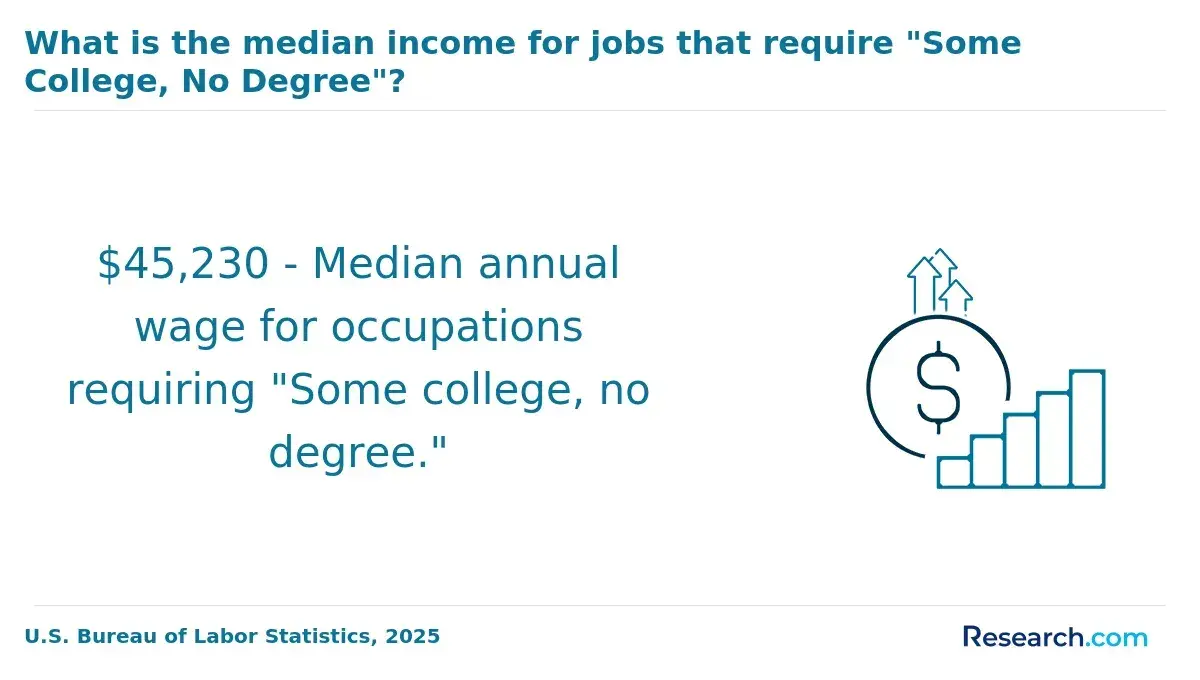
Graduates often earn median annual salaries near $50,000, though earnings fluctuate based on experience, location, and work setting. Career advancement opportunities, such as private practice or leadership roles, also contribute to long-term financial gains in this field.
The degree tends to be more valuable when pursued by individuals with clear clinical or counseling career goals, particularly if they access scholarships or financial aid and select flexible program formats, including online options. Growth in mental health services signals steady demand, supporting employment prospects.
However, high tuition without support, extended program durations, or weaker local job markets can diminish overall ROI. Evaluating licensing requirements, program costs, and employment trends helps ensure an informed decision about investing in this education path.
What Graduates Say About The ROI of Their Marriage and Family Therapy Degree
- Nathanael: "Choosing a marriage and family therapy degree felt like a smart investment given its strong long-term ROI; the average cost hovered around $30,000, but the career stability and growth exceeded my expectations. Completing the traditional program deepened my hands-on experience, which made me confident stepping into clinical roles right away. Now, I see the value daily as a licensed therapist helping families heal and thrive."
- Russell: "As an online student, I was initially concerned about the costs-often close to $25,000-but the flexibility allowed me to work while studying, which balanced expenses and career growth perfectly. Reflecting on my journey, the program was absolutely worth it; it opened doors to advanced counseling positions and has been pivotal in my career progress. The degree's ROI became clear as I now impact clients' lives more meaningfully than I ever imagined."
- Jose: "Balancing part-time studies with work was challenging, especially when considering the $28,000 average tuition cost, but the long-term benefits proved invaluable. I've come to appreciate how the program's structure prepared me for real-world therapy practice, increasing my professional opportunities significantly. Completing this degree was a wise decision that continues to pay dividends in my career and personal growth."
Other Things You Should Know About Marriage and Family Therapy Degrees
In 2027, the rising demand for mental health services positively influences the ROI of a Marriage and Family Therapy degree. As societal awareness and acceptance of mental health care grow, therapists are likely to see increased job opportunities, potentially leading to higher salaries and an improved return on educational investment.
Licensure significantly impacts the ROI for a Marriage and Family Therapy degree in 2027. Graduates who obtain licensure typically access higher-paying roles, improve their employability, and meet the requirements for insurance reimbursement, thus enhancing their overall career prospects and financial returns.
References
- The 23 Highest Paying Jobs with a Psychology Master's Degree - Psych Degree Starter https://psychdegreestarter.com/resources/highest-paying-jobs-with-psychology-masters/
- Choosing the Right Master’s Program For Your MFT Degree https://blog.tfc.edu/marriage-and-family-therapy/choosing-the-right-masters-program-for-your-mft-degree
- Marriage & Family Therapist Salaries in Oregon and the U.S. https://www.georgefox.edu/counseling-programs/programs/marriage-family/salary.html
- Marriage and Family Therapists: Salary, career path, job outlook, education and more - RaiseMe https://www.raise.me/careers/community-and-social-service/marriage-and-family-therapists/
- Inside MFT Programs Online with Financial Aid Options https://www.edumed.org/online-schools/marriage-and-family-therapy-mft-programs/financial-aid/
- What Financial Aid Is Available for Marriage and Family Counseling Students? https://www.marriageandfamilycounselingdegrees.com/faq/what-financial-aid-is-available-for-marriage-and-family-counseling-students/
- Why get an MFT degree? | edX https://www.edx.org/resources/is-a-masters-in-mft-worth-it
- Online Marriage & Family Therapist Degree | MFT Degree | TUW https://www.tuw.edu/academics/behavioral/marriage-family-therapy/
- California MFT Scholarships - California MFT https://californiamft.org/scholarships/
- MFT Career Paths: 17 Settings, Salaries & Growth 2025 https://careersinpsychology.org/where-people-mft-degrees-work/


