
2027 Which Marriage and Family Therapy Degree Careers Offer the Best Long-Term Salary Growth?

Co-Founder and Chief Data Scientist
Which careers in marriage and family therapy offer the highest salary growth over time? This question matters to recent graduates and career switchers who want to maximize their return on investment in an evolving healthcare landscape.
While entry-level roles like licensed marriage and family therapist positions may offer modest starting pay, advanced roles such as clinical supervisors or program directors often see substantial salary increases. Employment in this field is projected to grow 15% from 2022 to 2032, faster than average, indicating expanding opportunities.
This article explores which marriage and family therapy degree careers provide the best long-term salary growth and the factors behind these trends.
Key Benefits of Marriage and Family Therapy Degree Careers That Offer Long-Term Salary Growth
- Marriage and Family Therapy careers show steady salary increases, with median wages projected to grow over 15% through 2032, reflecting rising demand and expanded service opportunities.
- Advancing clinical skills and obtaining certifications directly contribute to higher earning brackets, enabling practitioners to secure specialized roles and enhanced client outcomes.
- Long-term career development in Marriage and Family Therapy supports financial stability through supervisory positions, private practice potential, and academic or administrative advancement.
Which Marriage and Family Therapy Careers Have the Highest Long-Term Salary Growth?
Certain marriage and family therapy careers consistently show stronger long-term salary growth compared to others, driven largely by expanded roles and leadership opportunities.
The U.S. Bureau of Labor Statistics reports a nearly 15% wage increase over the past decade for these professionals, highlighting the earning potential as one advances in the field. This makes marriage and family therapy long-term salary growth trends particularly promising for strategic career planning.
Several career paths within this field stand out for their earning progression:
- Clinical Directors: Professionals in these roles typically oversee therapy services and programs, which leads to ongoing salary increases tied to their expanding administrative responsibilities. Their leadership positions often come with performance-based raises aligned with organizational growth.
- Specialized Private Practice Therapists: Therapists who cultivate a niche client base in affluent areas or corporate wellness settings frequently negotiate higher fees, resulting in steady income growth. Establishing a strong reputation over time is key to unlocking this financial potential within marriage and family therapy careers with highest salary potential.
- Academic and Research Professionals: Though starting salaries may be modest, experienced individuals who secure tenure or lead university departments tend to enjoy substantial pay increases. Additional income often comes from consultancy, research grants, and publication royalties, supporting consistent long-term growth.
For those weighing educational options tied to sustained income growth in healthcare fields, exploring various PharmD programs may provide useful comparisons in long-term career investment returns.
How Does Salary Growth Progress Over Time in Marriage and Family Therapy Careers?
Salary progression in marriage and family therapy careers generally follows a steady upward trend over time, with earnings growing incrementally as professionals gain experience and establish their practice. Research indicates that related counseling and therapy professionals often see average annual wage increases of about 2% to 3% throughout their careers.
While these yearly raises may seem modest, the cumulative effect over several decades results in significant growth in long-term earnings. This steady pattern of salary growth tends to reflect a continuous accumulation of expertise and a growing client base or professional responsibilities.
Typically, salary growth in marriage and family therapy careers unfolds in phases, starting with gradual increases as foundational experience is built. This is followed by more noticeable earnings growth as practitioners expand their scope and responsibilities.
Over the long term, salaries tend to rise steadily or accelerate slightly, often aligning with increased specialization, leadership roles, or a larger clientele. This gradual advancement creates financial stability over a 20- to 30-year career span, with earnings increasing consistently rather than through abrupt changes.
Which Entry-Level Marriage and Family Therapy Jobs Lead to High-Paying Careers?
Several entry-level marriage and family therapy roles are widely recognized for their potential to foster significant salary growth over time.
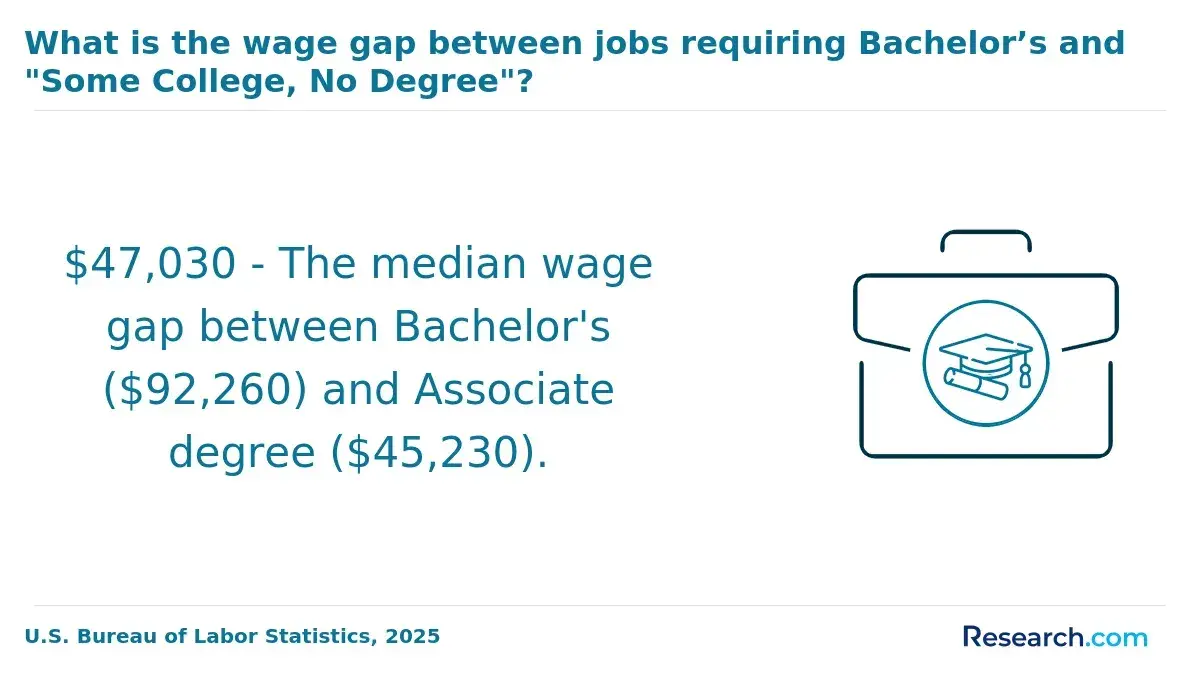
Data indicates that the average starting salary for these positions typically falls between $45,000 and $55,000 annually. These jobs offer foundational experience that supports advancement into more lucrative and specialized areas within the field.
The following list highlights some of the key entry-level positions often linked to strong long-term earning prospects:
- Associate Therapist: Working under supervision, individuals in this role gain essential clinical experience while delivering therapy services. This stage is crucial for obtaining licensure and progressing into solo practice or leadership roles associated with higher pay.
- Family Support Specialist: This position centers on counseling and coordinating resources for families, helping professionals build skills applicable to both clinical and administrative job paths that typically lead to increased compensation.
- Behavioral Health Counselor: Focused on managing behavioral challenges in individuals or families, this job cultivates expertise relevant to more advanced therapist roles that command higher salaries.
- Mental Health Case Manager: Primarily administrative, this role involves overseeing client treatment plans and honing organizational skills valuable for moving into supervisory or director-level positions.
- Therapy Intern: Often practicum-based and temporary, internships provide early career exposure essential for licensure and opening doors to higher-paying opportunities.
When asked about which entry-level jobs lead to high-paying careers, a new marriage and family therapy graduate reflected on the demanding yet rewarding nature of the early stages. He shared, "Starting out, it was challenging balancing client needs with the learning curve, but each case taught me more about effective communication and clinical decision-making."
He noted that gaining hands-on experience, even in less glamorous roles, gave him confidence and a strategic outlook on advancing to positions with better remuneration in the future. "The key was embracing every opportunity for growth, even when the salary wasn't high initially."
What Industries Offer the Best Salary Growth for Marriage and Family Therapy Graduates?
Industries with broader compensation frameworks and growing demand for mental health services often provide stronger long-term salary growth for marriage and family therapy graduates.
According to the U.S. Bureau of Labor Statistics, those working in outpatient care centers can expect an average salary increase exceeding 20% from 2020 to 2030. These trends reflect the highest paying sectors for marriage and family therapy graduates.
Below are several industries where salary advancement potential is particularly notable:
- Healthcare Systems: Hospitals and integrated health facilities usually follow structured pay scales that reward increased experience and responsibility. This setting supports consistent salary growth over time through promotions and performance-based incentives.
- Private Practice: Therapists operating in private or outpatient care environments can gradually raise their income by attracting more clients and adjusting fees. The flexibility to grow a personal brand contributes to significant earning potential as demand for personalized therapy expands.
- Education Sector: Universities and specialized training programs offer salary progression tied to rank and tenure. While starting salaries may be modest, advancement through academic promotions can bring notable financial benefits.
- Government and Non-Profits: These organizations typically provide predictable, incremental pay increases aligned with standardized public sector scales, often supplemented by comprehensive benefits packages.
- Behavioral Health Services: Growing public and private investments in substance abuse and behavioral health treatment foster competitive compensation that rises with job complexity and responsibility levels.
Prospective students interested in the best industries for marriage and family therapy salary growth might also explore options through the cheapest ADN online programs, which can provide valuable foundational education for entering these fields.
What Factors Influence Long-Term Salary Growth in Marriage and Family Therapy Careers?
Long-term salary growth in marriage and family therapy careers depends on several broad professional and career development factors that shape earning trajectories over time. These influences combine workplace dynamics with progress in skills, reputation, and market conditions, affecting compensation in meaningful ways.
The following points highlight key elements that determine how earnings may evolve throughout a career in this field.
- Experience and Expertise: Years of practice generally lead to deeper clinical skills and stronger client relationships, which can support higher pay. As therapists become more effective, their professional value usually increases, allowing for steady income growth.
- Expanded Responsibilities: Taking on supervisory, leadership, or administrative roles often results in additional salary benefits. Increased accountability and broader duties typically come with compensation that reflects these added contributions.
- Location Factors: Regional differences in demand, cost of living, and available funding for mental health services create wide salary variation. Working in areas with higher pay scales or greater need for services can improve long-term earnings potential.
- Professional Networking: Building strong referral connections and cultivating a respected reputation can attract more clients or better contract terms. This enhanced visibility often translates into increased fee opportunities and financial growth.
- Economic and Policy Environment: Changes in healthcare funding, insurance reimbursements, and public attitudes toward mental health influence income trends. Therapists who adapt effectively to these evolving conditions often sustain more robust salary increases.
When I spoke with a professional who holds a marriage and family therapy degree, she shared how advancing in her career involved navigating fluctuating insurance policies and securing contracts with local agencies.
She described early frustrations when reimbursement rates seemed stagnant, but over time, cultivating a diverse client base and adapting to policy shifts helped her "build a more resilient practice." Her experience showed that persistence and flexibility were crucial in overcoming economic uncertainties to achieve steady financial progress.
How Do Skills and Specializations Affect Salary Growth?
Developing specific skills and focusing on specialized areas strongly influence long-term salary growth in marriage and family therapy careers.
Therapists who refine advanced techniques or work in high-demand niches tend to experience greater income increases over time. According to the American Association for Marriage and Family Therapy, practitioners with focused expertise earn up to 20% more annually than those without.
Here are some key ways specialization and skills impact earning potential:
- Targeted Expertise: Specializing in areas like trauma-informed care or substance abuse counseling allows therapists to tackle complex client needs, which often results in higher pay due to the specialized knowledge required.
- Population Focus: Working with distinct groups such as military families or adolescents enables therapists to attract a broader client base, increasing demand and salary prospects over time.
- Evidence-Based Skills: Mastery of therapeutic models like cognitive-behavioral therapy (CBT) or emotionally focused therapy (EFT) boosts credibility and desirability in clinical settings, contributing to stronger earning potential.
- Advanced Training: Ongoing professional development that deepens clinical skills supports long-term financial benefits by positioning therapists as experts with valuable, in-demand services.
Do Advanced Degrees or Certifications Increase Long-Term Earnings?
Advanced degrees and professional certifications often lead to greater long-term earnings in marriage and family therapy careers by opening doors to roles with increased responsibility, such as clinical supervision and program management. These qualifications frequently correspond with higher salary brackets compared to those holding only basic credentials.
Research suggests therapists with doctoral degrees or advanced certifications can earn 20-30% more over their careers than those with just a master's degree. This wage premium reflects the enhanced expertise and specialized skills acquired through advanced education.
The effect of advanced education and certifications on income can vary based on the specialization and work setting within marriage and family therapy. Therapists focusing on areas like trauma, substance abuse, or geriatric family therapy often benefit from higher compensation when they hold relevant credentials.
Moreover, those working in private practice or healthcare tend to see greater financial gains from advanced qualifications than peers in nonprofit or educational institutions, due to different pay scales and funding. State licensure requirements and recognition of certifications also influence how much additional earning potential is available.
How Does Job Stability Impact Long-Term Salary Growth?
Job stability plays a crucial role in long-term salary growth in marriage and family therapy careers by enabling professionals to build a loyal client base and refine specialized skills over time. Consistent employment allows therapists to gain valuable experience, which supports gradual income increases and sustained earnings progression throughout their careers.
Industry data indicates that those with continuous tenure in marriage and family therapy-related roles typically see an annual wage growth rate between 3% and 5%. This steady advancement highlights how stability in the workplace positively impacts financial outcomes in this field.
The relationship between job stability and earnings progression in marriage and family therapy often manifests through incremental compensation increases tied to consistent work experience. Professionals with stable employment histories are more likely to receive regular raises, pursue further credentials, and access opportunities for career advancement.
These factors combine to produce a salary trajectory that outpaces peers with interrupted work histories. Additionally, stable employment enhances access to benefits and professional development, further strengthening long-term financial growth.
Those interested in accelerated educational pathways might explore options like a fast track bachelor degree to complement their career stability and enhance earning potential.
What Are the Highest-Paying Career Paths After 10+ Years?
Certain careers in marriage and family therapy tend to reach their highest earning potential after 10 or more years of professional experience.
By the mid-to-late career stage, therapists often see their median annual income rise to approximately $70,000 to $90,000, with some supervisory roles surpassing $100,000. These trends reflect long-term salary growth in marriage and family therapy professions based on expertise and leadership.
High-paying career paths typically align with advanced roles that leverage both clinical skills and administrative or academic responsibilities. Common examples include the following:
- Senior Licensed Therapist: Experienced therapists working independently or within established group practices often achieve high incomes due to their extensive client bases and professional reputations.
- Clinical Supervisor or Program Director: These leadership positions within hospitals, mental health clinics, or social service agencies combine clinical expertise with management duties, resulting in significantly higher compensation.
- Private Practice Owner: Therapists who successfully establish and maintain their private practices commonly reach elevated earnings by offering both direct therapy and supervisory services after a decade of client development.
- Academic Faculty or Researcher: Marriage and family therapists transitioning into academia or research can secure competitive salaries as tenured faculty or senior mental health researchers, especially at universities or institutions focused on family dynamics and mental health.
For those considering continued education to support these career paths, exploring MHA online programs may provide valuable administrative and leadership training relevant to top-paying roles in the field.
How Do You Choose a Marriage and Family Therapy Career Path With Strong Salary Growth?
Evaluating long-term earning potential is essential when choosing a marriage and family therapy career path, as compensation can vary widely across roles and settings.
For example, the top 10% of professionals in this field earn nearly twice the median salary, reflecting significant differences based on experience and specialization. Such disparities emphasize the importance of selecting a path aligned with both financial goals and personal interests.
Several factors play a key role in identifying the best marriage and family therapy career paths for salary growth, including:
- Long-Term Earning Potential: Earnings differ substantially depending on work environment. Private practice often offers higher pay compared to institutional or community health employment, especially as one advances in their career.
- Professional Development: Specializing and gaining additional expertise can open doors to higher-paying positions and leadership roles, boosting overall salary prospects.
- Demand Trends: The rising need for mental health services influences job availability and compensation, making it important to consider market dynamics when choosing a specialty.
- Role Progression: Understanding typical career advancement timelines helps set realistic expectations for salary growth and identifying promising opportunities.
- Geographic Influence: Regional differences affect salary ranges and openings, highlighting the value of evaluating location alongside career choices.
Addressing these considerations alongside personal aptitude can improve decision-making for those seeking how to choose a marriage and family therapy specialty with high earnings. For those interested in complementary healthcare fields, exploring RN to BSN programs can also provide valuable insights into career growth opportunities.
What Graduates Say About Marriage and Family Therapy Degree Careers That Offer Long-Term Salary Growth
- Lisa: "Choosing a marriage and family therapy degree was one of the best decisions I ever made. The field not only offers rewarding work helping families heal, but it also has impressive salary growth potential over time. The return on investment is clear as I've seen tangible career advancement and financial stability because of this degree."
- Jaire: "Looking back, pursuing a marriage and family therapy degree truly transformed my professional path. The comprehensive knowledge I gained allowed me to find fulfilling roles that provide long-term salary increases. More importantly, the degree deepened my understanding of family dynamics, which has been invaluable in making a positive impact on clients' lives."
- Charles: "From a practical standpoint, investing in a marriage and family therapy degree pays off remarkably well in the long run. The specialized training opens doors to higher-paying positions and meaningful work in mental health. I appreciate how this degree balances both a strong financial return and the ability to serve families in a profound way."
Other Things You Should Know About Marriage and Family Therapy Degrees
In 2027, marriage and family therapists can find the best salary growth opportunities in healthcare organizations, private practices, and educational institutions. These sectors typically offer competitive starting salaries with potential for growth due to demand, client diversity, and institutional support for professional development.
Clinical experience is critical for salary growth in marriage and family therapy careers because it builds practical skills and professional credibility. Therapists with several years of supervised clinical hours are more likely to secure advanced roles, such as clinical supervisors or program directors, which offer higher compensation. In addition, hands-on experience often enhances the therapist's ability to specialize in areas that command better pay.
Yes, geographic location significantly affects salary growth in marriage and family therapy careers. Metropolitan and urban areas typically offer higher salaries and faster growth due to increased demand for mental health services. Conversely, rural or underserved areas might offer loan forgiveness or incentives but generally have lower base salaries and slower growth opportunities.
Networking and participation in professional organizations can enhance long-term salary growth by opening doors to leadership roles, specialized training, and referral opportunities. Active involvement in state or national marriage and family therapy associations often leads to increased visibility and access to job openings with better pay. Building a robust professional network is a strategic move for career advancement and higher earnings.
References
- 3 Great Marriage and Family Therapy Jobs | The Chicago School https://www.thechicagoschool.edu/insight/career-development/3-career-opportunities-in-marriage-and-family-therapy/
- 3 Reasons Why MFT is a Great Option for Career Switchers https://gsep.pepperdine.edu/blog/posts/3-reasons-why-mft-is-a-great-option-for-career-switchers.htm
- Why get an MFT degree? | edX https://www.edx.org/resources/is-a-masters-in-mft-worth-it
- Part 2: Marriage and Family Therapist Workforce Study 2022 - Family Therapy Magazine https://ftm.aamft.org/part-2-marriage-and-family-therapist-workforce-study-2022/
- MFT Salary | Master of Arts in Marriage and Family Therapy https://www.tuw.edu/health/salary-opportunities-master-arts-marriage-family-therapy/
- Is an MFT Degree Worth It? https://onlinecounselingprograms.com/online-counseling-degrees/online-mft-masters-programs/mft-degree-worth-it/


