
2027 How To Become a Phlebotomist in Texas

Co-Founder and Chief Data Scientist
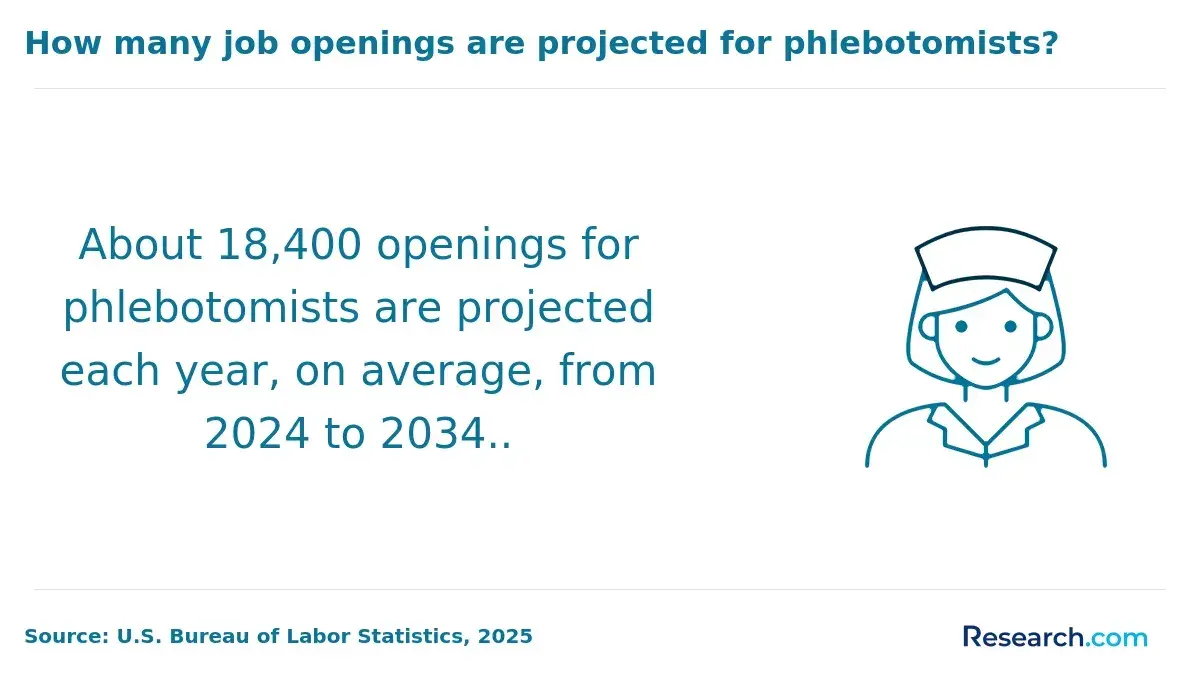
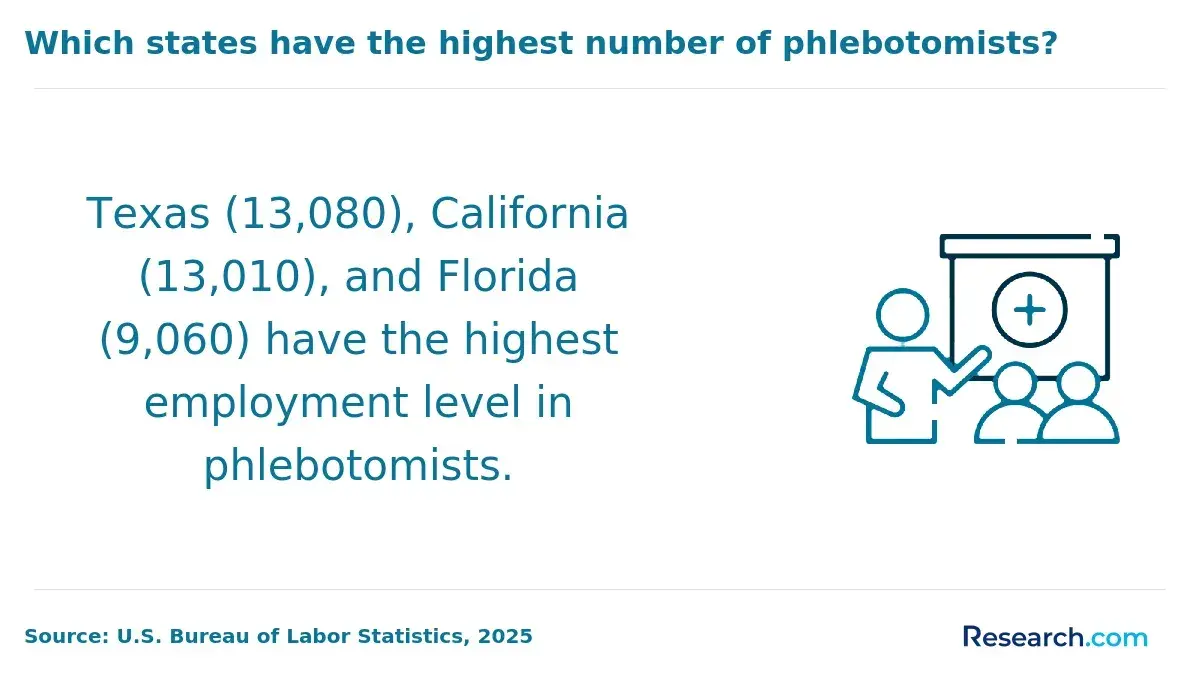
Phlebotomy is a growing field in Texas, with the state employing over 15,000 professionals and expecting steady job growth due to increasing healthcare demands. The average salary for phlebotomists in Texas is competitive, making it a smart choice for those seeking a stable and rewarding career in healthcare. Texas offers many opportunities for hands-on training and certification, which are crucial for entering this field confidently.
This article covers everything needed to become a phlebotomist in Texas. Created by career planning experts, it guides readers through the education, certification, and job search process to help navigate this path smoothly and successfully.
Key Things to Know About Becoming a Phlebotomist in Texas
- You'll need to complete a phlebotomy training program, usually lasting 4 to 8 months, with Texas having over 20 accredited schools offering courses.
- Certification isn't mandatory in Texas, but getting certified by organizations like ASCP or NHA can boost your job prospects in the state's growing healthcare sector.
- The average salary for a phlebotomist in Texas is about $34,000 per year, and job growth is strong thanks to rising demand in hospitals and labs across major cities like Houston and Dallas.
- What are the education requirements to become a phlebotomist in Texas?
- What subjects are taught in phlebotomy classes in Texas?
- Do you need a state license to work as a phlebotomist in Texas?
- What phlebotomy certifications are recognized in Texas?
- Where can you find accredited phlebotomy training programs in Texas?
- How much does phlebotomy training cost in Texas?
- What skills are required to become a successful phlebotomist in Texas?
- Where do phlebotomists typically work in Texas?
- What is the average salary for phlebotomists in Texas?
- What are the best ways to grow your phlebotomy career in Texas?
What are the education requirements to become a phlebotomist in Texas?
Getting the right education and training is key for anyone wanting to work as a phlebotomist in Texas. It's not just about drawing blood-it's about doing it safely, accurately, and following strict clinical standards to protect patients and ensure reliable lab results.
If you're curious about what it takes, here are the main education steps you'll need to follow to get started.
- High School Diploma or Equivalent: Having a high school diploma or GED is the first must-have. This ensures you're equipped with basic skills in science, math, and communication, which are important when tackling phlebotomy courses and clinical work.
- Minimum Age Requirement: You need to be at least 18 years old to enroll in phlebotomy training in Texas. This age requirement helps make sure candidates are mature enough to handle responsibilities in a healthcare setting.
- State-Approved Phlebotomy Training Program: Completing a program approved by Texas is essential. These courses mix classroom learning-covering anatomy, infection control, and medical terminology-with hands-on practice, typically lasting anywhere from 4 to 12 weeks.
- Clinical Instruction and Practicum: Part of your training will include real-world clinical hours. This hands-on time in healthcare environments helps build the technical skills and confidence you'll need on the job.
- National Certification (Preferred): While Texas doesn't require state licensure, many employers want you to have national certification from organizations like the AMCA or NHA. This gives you a competitive edge and shows you've mastered professional standards.
- Additional Prerequisites: Some programs also ask for BLS CPR certification, immunization records, health insurance, and passing background checks and drug screenings. These ensure safety and compliance throughout your clinical training.
If you're exploring healthcare paths, you might also want to check out what do medical coders do to see how other roles fit into the field.
What subjects are taught in phlebotomy classes in Texas?
Getting a good grip on the subjects taught in phlebotomy classes in Texas is key to becoming confident and competent in the field. Knowing what's behind each lesson helps students safely collect blood, keep patients comfortable, and make sure lab results are spot on.
Here's a quick rundown of the essentials covered in the phlebotomy course curriculum in Texas that set you up for success:
- Anatomy and Physiology of the Circulatory System: You'll dive into how blood vessels and the heart work, which is crucial for finding veins and understanding blood flow. This foundation makes blood draws more accurate and safer.
- Medical Terminology: This part gets you fluent in the language of labs and patient care. Knowing the right terms helps you communicate clearly with healthcare teams and interpret instructions without a hitch.
- Venipuncture and Capillary Puncture Techniques: Hands-on practice is key here, teaching you how to draw blood both from veins and via finger or heel sticks. Mastering needle handling and collection tools means better samples and less discomfort for patients.
- Specimen Handling and Processing: Learning to label, transport, and manage blood samples prevents errors and contamination. This ensures labs get reliable test results that doctors can trust.
- Infection Control and Safety Procedures: You'll be trained on PPE use, hand hygiene, and keeping yourself and patients safe from infections. These are not just rules-they're lifesaving habits in any medical setting.
- Patient Identification and Communication: Verifying who you're working with and explaining procedures calmly builds trust and reduces mistakes. Good communication also helps ease patient nerves and get their cooperation.
- Professionalism and Medical Ethics: Ethical practice and respect for patient privacy are emphasized throughout. This helps you handle sensitive situations with integrity and earn the trust of your coworkers and patients.
- Quality Assurance and Laboratory Regulations: You'll learn about following protocols and documenting your work correctly. Keeping up with regulations guarantees high-quality care and compliance with healthcare laws.
- Clinical Experience: Real-world practice in hospitals or clinics is a must. This hands-on phase lets you apply what you've learned and builds your confidence to step into a job-ready role.
If you want to explore some detailed medical certifications relevant to phlebotomy and related healthcare careers, check out this handy guide on CBCS vs CPC certification key differences.
Do you need a state license to work as a phlebotomist in Texas?
In Texas, you don't need a state license to work as a phlebotomist, which sets it apart from some other states that require formal state licensure. Instead, the state leaves regulation mostly up to employers, who typically want you to have completed an approved phlebotomy training program and hold a national certification from recognized organizations like the NHA or ASCP.
This means that while there's no official state-issued license, you still need to prove your skills and knowledge through education and certification to land a good job. Hospitals, clinics, and labs across Texas usually expect these credentials to ensure patient safety and maintain professional standards, even without a state licensing board overseeing the process.
Knowing how Texas regulates phlebotomy helps you focus your efforts on what really matters-getting the right training and certification that employers trust. Since there's no state licensing hurdle, your path might be a bit quicker, but that doesn't mean you can skip preparing thoroughly.
Understanding the requirements helps you avoid surprises when applying for jobs and makes sure you're competitive in a healthcare market that values verified skills. Ultimately, this employer-driven approach shapes how and where you can work in Texas, so staying informed is key to making smart career moves in phlebotomy.
What phlebotomy certifications are recognized in Texas?
Getting certified is a smart move if you're aiming to work as a phlebotomist in Texas. Employers here usually look for nationally accredited phlebotomy certification Texas candidates because it proves you know your stuff and are ready to meet the high standards of patient care and safety. Plus, having a recognized certification can really boost your job prospects in a competitive healthcare scene.
Here are the main phlebotomy certifications recognized in Texas that can help you stand out:
- National Healthcareer Association (NHA) - Certified Phlebotomy Technician (CPT): This credential is super popular across Texas and is often the standard in local training programs. To qualify, you need a high school diploma, finish a phlebotomy course, and complete a set number of blood draws. The CPT exam tests your skills in blood collection and safety, making it a favorite for employers who want job-ready professionals.
- American Society for Clinical Pathology (ASCP) - Phlebotomy Technician (PBT): ASCP's PBT certification is highly respected nationwide and especially valued in Texas hospitals and labs for its tough standards. You must meet education and clinical experience requirements before taking their exam, showing you're serious about quality and accuracy in phlebotomy work.
- American Medical Technologists (AMT) - Registered Phlebotomy Technician (RPT): The RPT from AMT is on the Texas Education Association's list of industry certifications. You'll need to finish an approved training program and prove you can handle venipuncture and specimen care confidently. AMT also emphasizes ongoing learning, which appeals to employers focused on long-term skill maintenance.
- National Center for Competency Testing (NCCT) - National Certified Phlebotomy Technician (NCPT): NCCT's NCPT is another major credential recognized by Texas employers. Candidates either complete an accredited training program or show relevant work experience to sit for the exam. This test covers both practical and theoretical knowledge, ensuring you're prepared for the clinical phlebotomy challenges you'll face.
Also, if you're curious about other healthcare career paths like billing or coding, you might want to check out what does medical billing and coding mean to explore allied opportunities.
Where can you find accredited phlebotomy training programs in Texas?
Choosing an accredited phlebotomy training program in Texas is key to getting a solid education, qualifying for certification exams, and boosting your chances of landing a good job. Accreditation means the program meets high standards for both classroom learning and clinical practice, which employers really care about.
If you want to be sure you're on the right track, here's a quick look at where you can find these trusted programs across the state.
- Community Colleges: These schools often have comprehensive phlebotomy certificate programs that mix lectures with hands-on clinical experience. Places like Tarrant County College and Houston Community College prepare students for national certification, and you can check the program's accreditation through their health science departments or recognized agencies.
- Vocational and Technical Schools: Short, skill-focused courses are common here, offered by schools such as Central Texas College and Weatherford College. These programs usually include clinical externships and are designed to fit workforce needs; accreditation details are typically available on the school's website or from the Texas Workforce Commission.
- Private Career Institutes: Schools like the Texas School of Phlebotomy and Austin Career Institute offer flexible and sometimes accelerated programs, including online or hybrid options. Making sure these centers are licensed and meet certification requirements is essential, so check with certifying organizations.
- Hospitals and Health Systems: Some hospitals run their own accredited programs, giving students real-world experience and sometimes job placement help. You can verify their accreditation through the hospital's education department or national agencies.
- Online and Hybrid Programs: Universities such as Texas State University offer online or hybrid phlebotomy courses paired with local clinical placements. Online program accreditation is vital to confirm before enrolling to ensure certification eligibility.
One Texas phlebotomist I spoke with shared how navigating program choices felt overwhelming at first. "I wanted a program that was respected and would really prepare me for the real world," he said. After researching, he chose a local community college with a solid reputation and clear accreditation status.
The hands-on practice and direct support from instructors made a big difference, he noted, giving him confidence to pass the certification exam and step smoothly into his career. He advises future students to "look beyond just the schedule or price and really vet the program's credentials-it's worth it."
How much does phlebotomy training cost in Texas?
Phlebotomy training costs in Texas can vary quite a bit depending on where you study and how long the program lasts. Private institutes often offer shorter, more affordable courses, while community colleges and public schools tend to have longer programs that cost more but provide deeper training. Whether fees cover materials and exams or not also changes the price.
Here's a quick rundown of what you'll typically pay for:
- Tuition and Fees: This is usually the biggest chunk of your expenses. You can expect to pay anywhere from about $500 for a short, private course to nearly $1,900 for a longer, college-based program. Longer programs with clinical practice tend to cost more, but they also give you more hands-on experience.
- Books and Supplies: Some programs include textbooks and materials in their tuition, but others make you buy these separately. Costs for these add-ons usually range between $50 and $175 to cover essentials like anatomy and blood collection techniques.
- Uniforms and Equipment: Scrubs are typically required and usually cost around $40 to $50. You might also need closed-toe shoes and sometimes your own venipuncture kit, depending on the school's policy.
- Certification Exam Expenses: After training, you'll need to take a certification exam to work officially as a phlebotomist. Exam fees generally range from $45 to $117, depending on the certifying organization. Some schools roll this fee into tuition, but often you'll pay it separately.
What skills are required to become a successful phlebotomist in Texas?
Being a great phlebotomist in Texas means more than just drawing blood-it's about making sure patients feel comfortable, staying super safe, and getting everything just right every single time. These skills help keep the whole process smooth and trustworthy, which is key in busy hospitals and clinics.
Here are some of the top abilities that make a real difference in this job:
- Attention to Detail: Spotting every small detail helps avoid mistakes in patient ID and specimen labels, keeping everything accurate and safe.
- Communication Skills: Explaining procedures clearly and calming nervous patients helps build trust and ease during blood draws.
- Technical Proficiency: Mastering the right techniques ensures clean, efficient collections without discomfort or errors.
- Professionalism and Ethics: Respecting privacy and following ethical rules earns patient confidence and meets legal standards.
When I spoke with a phlebotomist from Texas who graduated from a local school, she shared how practicing these skills felt challenging but rewarding. Early on, she found that calming anxious patients took patience and real empathy, which only grew with experience.
She also mentioned how mastering the hands-on techniques wasn't just about knowing steps, but about building confidence through repeated practice in clinical settings. She told me, "Learning to balance being detail-oriented while staying friendly and calm really shaped how I connect with patients every day." Her journey shows that combining technical skill with a caring approach is what truly makes a successful phlebotomist in Texas.
Where do phlebotomists typically work in Texas?
Phlebotomists play a key role in Texas healthcare by collecting blood samples that are crucial for diagnostic tests, patient care, and medical research. Their skills help ensure lab results are accurate and contribute to monitoring patient health and safety.
If you're curious where most phlebotomist jobs in Texas hospitals and other settings are found, here's a quick rundown of the main places they work.
- Hospitals: This is one of the busiest places for phlebotomy positions in Texas clinics and other healthcare environments. Here, phlebotomists often work shifts, drawing blood for emergency cases, surgeries, and routine testing, interacting with patients of all ages.
- Diagnostic Laboratories: If you prefer a behind-the-scenes role, labs offer a more technical environment where phlebotomists handle blood samples to support accurate diagnoses and research.
- Blood Donation Centers: Phlebotomists here help collect and manage blood supplies for transfusions and emergencies, playing a vital part in community health efforts and large-scale blood drives.
- Outpatient Clinics: These clinics provide a steady pace for phlebotomists, focusing on routine testing and often including patient education to make visits smoother and less stressful.
- Physician's Offices: In smaller settings like doctors' offices, phlebotomists build ongoing relationships with patients, assist with preventive care, and help ensure lab orders and specimen deliveries run without a hitch.
For anyone considering this career path, knowing where phlebotomy jobs in Texas hospitals or outpatient clinics are can help you find the right fit. And if you're wondering about the best way to get started or advance, it's worth exploring which is better medical billing and coding certificate or bachelors degree to understand your education options alongside your career goals.
What is the average salary for phlebotomists in Texas?
If you're curious about the average phlebotomist salary in Texas, it's good to know that pay can vary quite a bit depending on where you work, your experience level, and the type of employer you have. Whether you're just starting out or have been in the field for a while, these factors play a big role in how much you can earn.
Here's a quick breakdown of the main things that affect phlebotomist salaries in Texas.
- Years of Experience: Beginners usually start at a lower wage, around $17.76 an hour or about $36,947 per year, but as you gain experience, salaries tend to rise, sometimes hitting $40,000 or more. More experienced phlebotomists might even get promoted to supervisory roles that pay better.
- Workplace Setting: Jobs in big hospitals or medical centers typically pay more than smaller clinics or blood donation centers. Hospitals may offer better benefits and higher wages, while smaller places might provide more flexible hours or extra overtime.
- Geographic Region: Locations like Dallas, Houston, and Austin usually offer higher pay due to higher demand and cost of living, compared to rural areas where wages tend to be lower.
- Certification and Education: Getting certified, like becoming a Certified Phlebotomy Technician, can bump your hourly rate up to about $20.53. Pursuing extra credentials like this not only boosts pay but also makes you more competitive in the job market. For a look at related training options, check out how to become a certified medical coder and biller without a degree.
What are the best ways to grow your phlebotomy career in Texas?
Looking to grow your phlebotomy career in Texas? Start by going beyond the basic certification-look into advanced credentials like Certified or Advanced Phlebotomy Technician certifications and consider specialties such as pediatric or donor phlebotomy to stand out.
Keep your skills fresh with continuing education through workshops or online courses offered by Texas-based programs, which often include career services like resume help and interview coaching. Networking is key, so join professional phlebotomy groups or local chapters of national associations to connect with mentors and uncover job leads. Don't forget about career advancement opportunities-many phlebotomists move into supervisory roles, labs, or teaching positions.
Texas also offers unique programs blending classroom learning with hands-on experience, making it easier to climb the ladder. Whether you're aiming for a higher salary or a more diverse role, these practical steps can help turn your phlebotomy job into a long-term, rewarding career in the Lone Star State.
What Do Phlebotomists in Texas Say About Their Career?
Completing my phlebotomy program at Houston Medical Academy was one of the best decisions I've made. The hands-on training prepared me well for real-world scenarios, and now working in a local school, I get to support children's health daily. It's incredibly rewarding to be part of a team that promotes wellness and early intervention among students. Plus, Texas's vibrant healthcare landscape offers excellent job stability, which brings peace of mind for my future. Anthony
After finishing my training at Austin Health Sciences Institute, I began working in a local school where I discovered the true impact of my role beyond collecting blood samples. I have grown both professionally and personally, developing patience and empathy as I interact with students and staff. Texas's diverse population makes every day unique and challenging in the best way, encouraging me to expand my skills continuously. This experience has fueled my passion for community health and inspired me to pursue further certifications to advance my career. Lila
Training at Dallas Phlebotomy College opened doors to unique opportunities in Texas's healthcare system. Working in a school setting allows me to engage with young people and contribute to their well-being, which means a great deal to me. The professional development paths are clear here, and I appreciate how Texas values skilled phlebotomists in both urban and rural areas. Being part of this diverse healthcare environment challenges and motivates me to keep excelling. Drew
Related Articles for Nearby States
- 2027 How To Become a Phlebotomist in Louisiana
- 2027 How To Become a Phlebotomist in Oklahoma
- 2027 How To Become a Phlebotomist in Arkansas
- 2027 How To Become a Phlebotomist in New Mexico
- 2027 How To Become a Phlebotomist in Kansas
- 2027 How To Become a Phlebotomist in Missouri
- 2027 How To Become a Phlebotomist in Colorado
- 2027 How To Become a Phlebotomist in Mississippi
- 2027 How To Become a Phlebotomist in Tennessee
- 2027 How To Become a Phlebotomist in Arizona
References
- The Career Path From Phlebotomy to Phlebotomoney | Phlebotomy USA https://www.phlebotomyusa.com/blog/careers/career-path-phlebotomy-to-phlebotomoney/
- Phlebotomy (PLAB) https://catalog.southtexascollege.edu/courses/plab/
- Phlebotomy https://www.cisco.edu/degrees-programs/certificate-programs/phlebotomy
- Phlebotomy Technician https://www.ntcc.edu/academics/programs-study/health-sciences/phlebotomy-technician
- Phlebotomy Technology https://wc.edu/programs/all-programs/phlebotomy-technology/index.php
- Why Is Phlebotomy a Good Career? | Montes HealthCare College https://monteshcc.com/4-reasons-why-you-should-become-a-phlebotomist/
- Phlebotomist https://www.healthcareers.nhs.uk/explore-roles/wider-healthcare-team/roles-wider-healthcare-team/clinical-support-staff/phlebotomist
- Phlebotomy Certification | CPT https://www.nhanow.com/certification/nha-certifications/certified-phlebotomy-technician-(cpt)
- Phlebotomy Classes McAllen-Mission TX https://www.mycareersunlimited.com/courses/phlebotomy-tech-hybrid/
- Phlebotomy Certification Houston Texas — NPS https://npscerts.com/phlebotomy-certification-houston-texas/
Other Things You Should Know About Becoming a Phlebotomist in Texas
In 2027, the cost to become a phlebotomist in Texas varies depending on the institution and program. Typically, tuition ranges from $1,000 to $3,000. Additional expenses may include textbooks, scrubs, and certification exam fees, which can add several hundred dollars to the total cost.
In Texas, you can start practicing as a phlebotomist immediately after completing the necessary training program and obtaining certification from a recognized body, such as the National Phlebotomy Association. Ensure you meet any additional state-specific requirements for employment.
In 2027, to become a phlebotomist in Texas, you need to complete a phlebotomy training program, which typically includes classroom instruction and practical training. Certification, though not mandatory, is highly recommended. Furthermore, candidates should have a high school diploma or GED and pass a background check.


