
2027 How To Become a Phlebotomist in New Mexico

Co-Founder and Chief Data Scientist
Phlebotomy is a growing profession in New Mexico, with the state projecting a 12% increase in related healthcare jobs over the next decade. This growth reflects expanding healthcare services and an increasing demand for skilled medical technicians. Pursuing a career as a phlebotomist in New Mexico offers promising job stability and competitive wages, making it a viable path for those seeking entry into the medical field without extensive training.
This article provides a comprehensive guide on how to become a phlebotomist in New Mexico. Prepared by experts in career planning, it delivers essential information on certification requirements, training programs, and employment opportunities to help prospective students navigate this career path effectively.
Key Things to Know About Becoming a Phlebotomist in New Mexico
- Complete a state-approved phlebotomy training program, typically lasting 4 to 8 months, to acquire clinical skills and safety protocols.
- Obtain national certification, as New Mexico employers prefer certified phlebotomists, enhancing employment prospects in a growing healthcare sector with a 13% anticipated job growth by 2030.
- Gain practical experience through supervised clinical rotations, which are integral for meeting certification requirements and adapting to New Mexico's diverse patient populations.
- What are the education requirements to become a phlebotomist in New Mexico? Educational Requirements
- What subjects are taught in phlebotomy classes in New Mexico? What subjects are taught in phlebotomy classes in New Mexico?
- Do you need a state license to work as a phlebotomist in New Mexico? License
- What phlebotomy certifications are recognized in New Mexico? Certifications
- Where can you find accredited phlebotomy training programs in New Mexico? Where can you find accredited phlebotomy training programs in New Mexico?
- How much does phlebotomy training cost in New Mexico? Training Costs
- What skills are required to become a successful phlebotomist in New Mexico? Required Skills
- Where do phlebotomists typically work in New Mexico? Where do phlebotomists typically work in New Mexico?
- What is the average salary for phlebotomists in New Mexico? Average Salary
- What are the best ways to grow your phlebotomy career in New Mexico? What are the best ways to grow your phlebotomy career in New Mexico?
What are the education requirements to become a phlebotomist in New Mexico?
Proper education and training are essential for phlebotomists to perform blood collection safely, efficiently, and accurately in clinical and laboratory environments.
These skills protect both patients and healthcare workers while ensuring the integrity of specimens collected. Meeting established standards in education also enhances employability and professional credibility in the healthcare sector.
Below are the key education requirements that aspiring phlebotomists in New Mexico must fulfill to enter the field qualified and competent.
- High School Diploma or Equivalent: Candidates must have a high school diploma or GED before enrolling in any phlebotomy program in New Mexico. This foundational education ensures they possess the necessary academic skills for understanding complex medical concepts and effective communication.
- Completion of a State-Approved Phlebotomy Training Program: Enrollees are required to finish a phlebotomy course recognized by the state or accrediting bodies. These programs include both classroom instruction and practical lab work covering anatomy, infection control, and specimen handling.
- Hands-On Clinical Experience: Practical experience is mandatory, involving supervised training with actual patients. Requirements typically include a minimum number of venipunctures and capillary punctures to develop proficiency in blood collection techniques.
- Classroom and Laboratory Instruction Hours: Programs generally provide 40 to 80 hours of formal classroom and lab education before students advance to clinical rotations. This theoretical foundation covers medical terminology, safety protocols, and legal considerations relevant to phlebotomy practice.
- National Certification Eligibility: Though New Mexico does not require state licensure, employers prefer candidates with national certification such as the Certified Phlebotomy Technician (CPT). Earning this certification requires successful completion of an approved training program and documented clinical procedures.
- Additional Health and Background Checks: Students must typically pass background screenings and provide immunization documentation, including tuberculosis testing, to qualify for clinical assignments. These safeguards uphold healthcare facility standards and patient safety.
For prospective students interested in advancing rapidly, learning how fast can you finish medical billing and coding school might also provide insights into efficient pathways within allied health education.
What subjects are taught in phlebotomy classes in New Mexico?
Mastering the subjects taught in phlebotomy classes in New Mexico is fundamental for students aspiring to become skilled phlebotomists. This knowledge ensures they can perform blood collection accurately, uphold patient safety, and contribute to reliable laboratory results.
A robust understanding of these topics prepares students to meet the practical demands of healthcare settings. Below are the core subjects typically covered in the anatomy and blood collection techniques taught in New Mexico phlebotomy programs.
- Anatomy and Physiology: This subject focuses on the human body's structure, particularly the circulatory system and blood vessels. Understanding vein location and function enables safe and effective blood collection while minimizing patient discomfort and injury.
- Medical Terminology: Students learn healthcare-specific language related to blood collection and laboratory procedures. Proficiency in terminology supports precise communication and accurate documentation within clinical environments.
- Venipuncture and Capillary Collection Techniques: This area trains students in methods for drawing blood from veins and capillaries, including selecting appropriate sites and properly using equipment. Hands-on practice is emphasized to develop competence and confidence in these critical procedures.
- Specimen Processing and Handling: Coursework covers correct labeling, storage, and transportation of blood samples to maintain specimen integrity. Knowledge of anticoagulants and storage protocols ensures high-quality laboratory analysis.
- Infection Control and Safety Procedures: Instruction includes universal precautions, personal protective equipment use, and protocols to prevent disease transmission. These skills are vital for protecting both healthcare workers and patients.
- Equipment and Supplies: Students learn to identify and properly use phlebotomy tools such as needles and collection tubes. Familiarity with equipment optimizes both safety and efficiency during blood collection.
- Ethics, Professionalism, and Legal Issues: Emphasis is placed on maintaining patient confidentiality and adhering to regulatory standards. This foundation fosters trust and accountability in the phlebotomy profession.
- Patient Communication and Care: Training develops interpersonal skills to explain procedures and ease patient anxiety. Effective communication enhances patient cooperation and informed consent.
- Quality Assurance and Laboratory Accuracy: Students study procedures to verify specimen quality and reduce errors, supporting dependable laboratory outcomes.
- Special Populations and Pediatric/Geriatric Phlebotomy: This topic prepares phlebotomists to modify techniques for children, elderly patients, and other vulnerable groups to ensure their safety and comfort.
Phlebotomy education in New Mexico blends these essential subjects with clinical experience to comprehensively prepare students. For those interested, exploring the professional responsibilities of a medical biller and coder can provide further insight into healthcare roles supporting clinical operations.
Do you need a state license to work as a phlebotomist in New Mexico?
In New Mexico, a state license is not required to work as a phlebotomist. The state does not administer a formal licensure process nor regulate the profession through a specific government agency. Instead, regulation occurs primarily at the employer level, where hospitals, clinics, and laboratories set their own standards for hiring phlebotomists.
Typically, these employers require candidates to complete an accredited phlebotomy training program and obtain national certification, such as the Certified Phlebotomy Technician credential. This approach emphasizes competency and certification over state licensing, allowing flexibility in how professionals enter the field.
This regulatory framework directly influences employment opportunities across healthcare facilities in New Mexico, as it places greater responsibility on candidates to meet employer criteria. Prospective phlebotomists must therefore conduct thorough research on the expectations of individual employers, which often include certification, background checks, and proof of clinical skills.
Understanding this employer-driven system is essential, as it impacts where and how professionals may practice within the state. The absence of state licensure highlights the importance of national certification and training quality for long-term success in New Mexico's phlebotomy workforce.
What phlebotomy certifications are recognized in New Mexico?
Certification is a valuable asset for phlebotomists in New Mexico, as it demonstrates professional competence, aligns with employer expectations, and enhances job prospects in a competitive healthcare market.
Most healthcare facilities in the state prefer or require nationally recognized credentials, ensuring credibility and trust with both employers and patients. For those aiming to secure employment or advance their careers, obtaining a recognized certification is a critical step.
Several nationally recognized phlebotomy certifications in New Mexico stand out for their rigorous standards and widespread acceptance among employers. These certifications validate a candidate's skills, clinical knowledge, and adherence to safety practices.
- National Healthcareer Association (NHA) Certified Phlebotomy Technician (CPT): Offered by the NHA, this certification requires candidates to complete an accredited training program with clinical experience, including a minimum number of successful venipunctures and passing the CPT exam. It is widely recognized across New Mexico healthcare settings for evidencing both practical skills and theoretical knowledge.
- American Society for Clinical Pathology (ASCP) Phlebotomy Technician (PBT): The ASCP PBT credential is regarded as a gold standard in laboratory medicine. Candidates must fulfill education and clinical experience requirements before taking the exam. Its reputation for rigorous standards makes it preferred by many large healthcare systems and diagnostic laboratories in New Mexico.
- American Medical Technologists (AMT) Registered Phlebotomy Technician (RPT): This credential, nationally accepted in New Mexico, requires completion of an approved program or relevant work experience, followed by a comprehensive exam. It signifies commitment to ongoing professional development and is valued particularly in community hospitals and outpatient clinics.
- National Center for Competency Testing (NCCT) National Certified Phlebotomy Technician (NCPT): Recognized by multiple employers in New Mexico, the NCPT certification eligibility includes approved training or one year of supervised experience. The exam encompasses specimen collection, safety, and professionalism, making it suitable for entry- and mid-level roles in clinical and lab environments.
- National Phlebotomy Certification Examination (NPCE) Certified Phlebotomy Technician (CPT): This nationally recognized credential requires completion of a training program or equivalent work experience and passing the NPCE exam. Many local programs prepare students specifically for this exam, which enjoys acceptance across employers statewide.
For those interested in further advancing their healthcare qualifications beyond phlebotomy, a free online medical coding course can offer valuable skills to complement your clinical expertise.
Where can you find accredited phlebotomy training programs in New Mexico?
Enrolling in an accredited phlebotomy training program in New Mexico is crucial to obtaining a quality education that meets recognized standards, ensuring eligibility for national certification exams and enhancing employment prospects within the healthcare sector.
Accreditation guarantees that the curriculum includes the necessary theoretical knowledge and practical skills demanded by employers and certifying organizations. Prospective students can find accredited programs at a variety of institutions throughout the state.
Common locations offering accredited or state-approved phlebotomy training include:
- Community Colleges: Institutions like Central New Mexico Community College provide certificate programs combining classroom learning, lab practice, and clinical rotations. These programs usually last one semester, and accreditation can be confirmed through college health science departments and certification exam eligibility.
- Vocational and Technical Schools: These schools offer focused, short-term training with flexible schedules designed for quick workforce entry. Verification of accreditation is possible via state education department recognition and national certifying agencies.
- Hospitals and Healthcare Systems: Certain hospitals operate internal training that involves intensive classroom instruction and clinical experience, often leading to employment within the organization. Accreditation is indicated by preparation for recognized certification exams.
- Private Career Institutes: Facilities such as AtoZ Phlebotomy provide nationally certified courses emphasizing practical skills and exam preparation. Prospective students should inquire about the institute's accreditation and compliance with certifying body standards.
- Public Universities and Regional Colleges: Schools like Northern New Mexico College offer certificate programs integrating specialized courses with clinical training, aimed at adult learners, with accreditation details available through allied health departments.
Reflecting on this, a phlebotomist from New Mexico shared insights about navigating the search for accredited training locally. "Finding a program that fit my schedule and guaranteed eligibility for certification was challenging," he explained.
After researching community colleges and private institutes, he enrolled in a local community college recognized for its comprehensive curriculum and clinical partnerships. "The hands-on experience and direct liaison with healthcare providers gave me confidence. Knowing the program was accredited meant employers took my certification seriously," he noted.
His journey highlights the importance of thorough research and verifying program credentials when seeking credible phlebotomy education in New Mexico.
How much does phlebotomy training cost in New Mexico?
Phlebotomy training costs in New Mexico vary depending on whether the program is offered at a public or private institution, as well as the duration and scope of the coursework.
Public community colleges generally provide more affordable tuition rates for in-state residents, while private programs may have higher fees but offer additional services or flexible payment options.
Below is an overview of the common cost components associated with phlebotomy training in the state.
- Tuition and Fees: The largest expense in phlebotomy training, tuition ranges from approximately $330 to $960 for New Mexico residents at public colleges, with non-resident rates tending to be higher. Private training centers typically charge between $700 and $730 for the course itself. These fees cover instructional time, lab practice, and sometimes clinical rotations that prepare students for real-world experience.
- Books and Supplies: Students should allocate around $43 to $150 for required textbooks and materials, depending on whether they rent or purchase items. Supplies such as needles, collection tubes, and gloves are also necessary, with some programs including specific kits priced near $136.
- Uniforms and Equipment: Clinical uniforms like scrubs generally cost between $37 and $50 per set. Additional requirements often include liability insurance and CPR certification, which may add roughly $30 and $40 respectively to the total training investment.
- Background Checks and Immunizations: Compliance with health and safety standards mandates background screening fees ranging from $73 to $89. Immunization costs vary by individual but represent another necessary expense for meeting clinical placement criteria.
- Certification Exam Expenses: After completing training, many students pursue national certification, paying exam fees between $115 and $200. Although certification is not always mandatory in New Mexico, it significantly enhances employment prospects and professional credibility.
What skills are required to become a successful phlebotomist in New Mexico?
Mastering key skills is essential for phlebotomists in New Mexico to deliver safe, accurate, and compassionate blood collection services. These abilities directly impact patient comfort, uphold stringent safety protocols, and ensure the reliability of laboratory results within diverse healthcare environments across the state.
The following skills form the foundation for professional excellence and effective practice in this specialized field.
- Attention to Detail: Precise specimen identification and labeling prevent diagnostic errors, safeguarding patient safety and test accuracy.
- Technical Proficiency: Skilled execution of venipuncture and capillary puncture techniques minimizes patient discomfort while ensuring efficient blood collection.
- Communication Skills: Clear and empathetic communication helps alleviate patient anxiety and fosters effective collaboration with healthcare teams.
- Professionalism: Upholding ethical standards, confidentiality, and respect for diverse populations strengthens trust in clinical settings.
When I spoke with a phlebotomist who graduated from a local New Mexico program, she reflected on how her training challenged her to build both confidence and precision. "At first, it was intimidating managing anxious patients while performing delicate procedures," she shared. "But through repetitive practice and feedback, I learned to anticipate reactions and adapt my approach, which improved both my technical skills and bedside manner."
She emphasized that balancing professionalism with empathy was key to earning patient trust and excelling in her role. This journey, she noted, cultivated resilience, attention to detail, and communication abilities that remain vital every day in her practice.
Where do phlebotomists typically work in New Mexico?
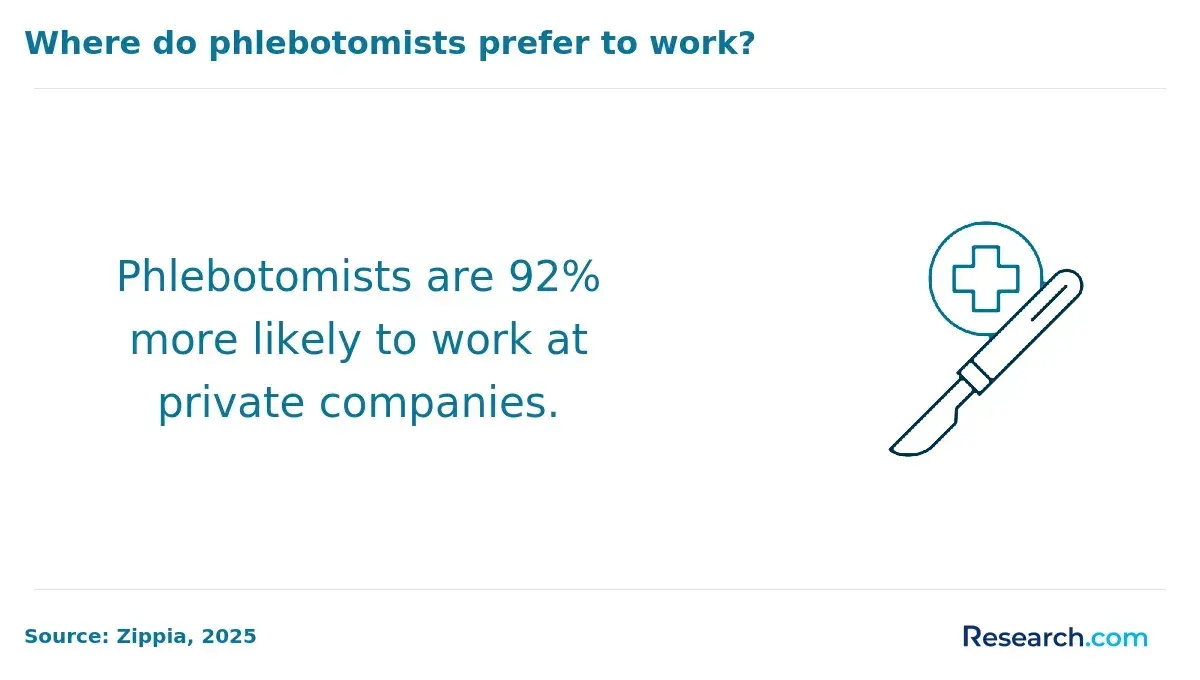
Phlebotomists play a critical role in healthcare settings across New Mexico by supporting diagnostic testing, patient care, and medical research through the accurate and safe collection of blood and other specimens.
Their expertise ensures that essential laboratory analyses are completed efficiently, aiding physicians in delivering informed diagnoses and treatments. The most common workplaces for phlebotomists in the state reflect a broad spectrum of healthcare operations.
- Hospitals: In hospitals, phlebotomists frequently handle urgent blood draws for both inpatients and outpatients, assisting emergency rooms and intensive care units. Their prompt and precise work is fundamental to patient monitoring and timely clinical decisions in these fast-paced environments.
- Diagnostic Laboratories: Phlebotomists employed in diagnostic labs, including facilities like TriCore Reference Laboratories, focus on specimen collection, labeling, and preparation for analysis. Their role is vital in maintaining specimen integrity to support reliable lab results critical to patient care.
- Blood Donation Centers: Working at blood donation centers such as CSL Plasma, phlebotomists collect blood and plasma from donors while ensuring safety and donor comfort. This work is essential for sustaining New Mexico's blood supply, necessary for surgeries, trauma treatment, and chronic illness management.
- Outpatient Clinics: Phlebotomists in outpatient clinics perform routine blood draws that support disease management and pre-surgical testing. Their efficiency contributes to smoother patient flow and enhanced primary and specialty care services.
- Physician's Offices: Many private practices employ phlebotomists to collect specimens directly, eliminating the need for external laboratory visits. This arrangement improves patient convenience and supports integrated healthcare delivery.
For those interested in advancing their career, exploring certified online medical billing and coding programs can provide complementary skills beneficial in a healthcare environment.
Job seekers should consider hospital and clinic phlebotomist jobs in New Mexico, as well as laboratory and blood bank phlebotomist positions in New Mexico, both of which offer diverse opportunities in the field.
What is the average salary for phlebotomists in New Mexico?
Salaries for phlebotomists in New Mexico vary widely, influenced by factors such as geographic location, years of experience, and type of employer.
Understanding these differences is essential for those assessing the phlebotomist average salary in New Mexico and planning their career paths accordingly.
The following points outline the main factors affecting earnings for phlebotomists in the state.
- Years of Experience: Entry-level phlebotomists generally earn between $17 and $19 per hour, while more experienced professionals can command hourly rates above $21.58. Senior phlebotomists with several years of expertise often receive higher pay reflecting their advanced skills and reliability.
- Workplace Setting: Salaries tend to be higher in hospitals and specialized laboratories where procedures are more complex. Outpatient clinics and private practices may offer lower wages but often come with more stable work schedules.
- Geographic Region: Location greatly impacts pay. Cities like Los Alamos and Santa Clara Pueblo report average annual salaries exceeding $42,000, with Los Alamos leading at about $45,763. Regions with lower living costs or demand, such as Gallup and Rio Rancho, typically offer closer to $38,000.
- Additional Certifications: Holding extra credentials beyond state requirements, such as national certification from recognized organizations, can lead to salary premiums. Employers value phlebotomists who demonstrate specialized skills, which enhance their ability to manage diverse patient needs.
For those exploring how much do phlebotomists make in New Mexico, considering these factors is crucial. Also, pursuing further education opportunities like online medical billing and coding with financial aid can complement a healthcare career and provide additional professional pathways.
What are the best ways to grow your phlebotomy career in New Mexico?
Advancing a phlebotomy career in New Mexico requires a strategic blend of certification, continuing education, and professional networking.
Beyond obtaining the Certified Phlebotomy Technician credential, professionals should pursue specialized certifications in areas such as pediatric phlebotomy or point-of-care testing to enhance their qualifications.
Engaging in continuing education not only fulfills renewal requirements but also broadens expertise, positioning phlebotomists for supervisory or specialized roles.
Building strong professional relationships during clinical rotations and through local healthcare organizations can open doors to employment and mentorship. New Mexico facilities like TriCore Laboratories provide structured career pathways offering advancement from entry-level positions to laboratory management and administrative roles.
Additionally, experienced phlebotomists may find rewarding opportunities as instructors at institutions such as Southeast New Mexico College and Clovis Community College, contributing to workforce development while diversifying their career.
By combining certification, education, networking, and exploring various clinical and educational settings, phlebotomists can create sustainable and upwardly mobile careers within New Mexico's healthcare landscape.
What Do Phlebotomists in New Mexico Say About Their Career
- Javier: "Completing my phlebotomy training at Albuquerque Health Academy was a turning point. The hands-on program prepared me well for the real world, and starting my career working in a local school gave me a unique perspective on pediatric care. I love being part of a community that values health education and seeing young students actively engage in their well-being. The job stability in New Mexico's growing healthcare sector also gives me peace of mind."
- Aisha: "Training at Santa Fe Medical Institute opened doors I never imagined. Beginning work as a phlebotomist in a local school has allowed me to combine my passion for science with my desire to help young people grow healthier. The diverse cultural environment of New Mexico presents challenges but also rewards me with a deep sense of connection and purpose in my work. This career has been an incredible journey of personal and professional growth. "
- Daniel: "The clinical program at Las Cruces Health College had a strong focus on community involvement, which prepared me well for my role in a local school setting. Working in New Mexico means adapting to unique cultural and environmental factors, which keeps my work engaging and meaningful. It's rewarding to see how my efforts contribute to improving health awareness among students. The opportunities for advancement in this field within the state's healthcare system continue to motivate me. "
Related Articles for Nearby States
- 2027 How To Become a Phlebotomist in Arizona
- 2027 How To Become a Phlebotomist in Colorado
- 2027 How To Become a Phlebotomist in Texas
- 2027 How To Become a Phlebotomist in Utah
- 2027 How To Become a Phlebotomist in Oklahoma
- 2027 How To Become a Phlebotomist in Nevada
- 2027 How To Become a Phlebotomist in Kansas
- 2027 How To Become a Phlebotomist in Wyoming
- 2027 How To Become a Phlebotomist in Nebraska
- 2027 How To Become a Phlebotomist in California
References:
- Phlebotomy Tech: 7 Common Myths Debunked https://calregional.com/blog/phlebotomy-tech-7-common-myths-debunked
- Albuquerque Phlebotomy Courses - Phlebotomy USA https://www.phlebotomyusa.com/new-mexico/albuquerque-phlebotomy-school-classes
- Online Certified Phlebotomy Technician (Vouchers and Lab Included) from Western New Mexico University https://careertraining.wnmu.edu/training-programs/certified-phlebotomy-technician-lab-and-voucher
- Phlebotomy Supply Costs & Fees https://www.clovis.edu/phlebotomy/cost.aspx
- Phlebotomist https://www.healthcareers.nhs.uk/explore-roles/wider-healthcare-team/roles-wider-healthcare-team/clinical-support-staff/phlebotomist
- Online Certified Phlebotomy Technician (Vouchers and Lab Included) from University of New Mexico - Albuquerque https://careertraining.unm.edu/training-programs/certified-phlebotomy-technician-lab-and-voucher
- Phlebotomy Technician https://www.cnm.edu/programs/programs-a-z/phlebotomy-technician
- Is a Phlebotomist Career the Right Fit for You? https://www.mycareersunlimited.com/blog/phlebotomist-career-outlook
- Phlebotomist Technician - Certificate of Achievement https://catalogs.nmsu.edu/alamogordo/degrees-certificates/allied-health/phleb-tech-cert
- Phlebotomist I at Quest Diagnostics https://careers.questdiagnostics.com/en/job/albuquerque/phlebotomist-i/38852/87116857296
Other Things You Need to Know About Becoming a Phlebotomist in New Mexico
In 2027, to become a phlebotomist in New Mexico, you need to complete a phlebotomy training program accredited by a recognized body, such as the National Accrediting Agency for Clinical Laboratory Sciences (NAACLS). After completing the program, obtaining certification from a recognized organization, like the American Society for Clinical Pathology (ASCP), is recommended to enhance job prospects.
In New Mexico, hybrid and part-time phlebotomy programs are becoming more accessible, catering to students who need flexible scheduling. Several vocational schools and community colleges offer part-time classes or evening sessions to accommodate working adults or those with other commitments.
Hybrid programs, combining online theoretical coursework with in-person clinical practice, are less common but are gradually emerging as an option. Prospective students should verify the program's accreditation and clinical requirements to ensure eligibility for certification and employment within New Mexico.


