
2027 How To Become a Phlebotomist in Wisconsin

Co-Founder and Chief Data Scientist
Wisconsin offers a strong job market for phlebotomists, with employment expected to grow by 15% over the next decade, higher than the national average. The state's healthcare sector frequently seeks trained phlebotomy professionals to meet rising demands. Pursuing a career in this field in Wisconsin is financially attractive due to competitive wages and opportunities in various medical settings.
This article provides a clear, step-by-step guide on how to become a phlebotomist in Wisconsin. Prepared by experts in career planning, it covers educational requirements, certifications, and practical advice. Readers will find reliable, actionable information to successfully start a phlebotomy career in Wisconsin.
Key Things to Know About Becoming a Phlebotomist in Wisconsin
- Complete a state-approved phlebotomy training program, typically lasting 4 to 8 months, with a minimum of 80 hours of clinical practice required for certification eligibility.
- Pass the National Phlebotomy Association or American Society for Clinical Pathology certification exam, which enhances employment chances in Wisconsin's competitive healthcare market.
- Maintain certification through continuing education, as ongoing workforce demand in Wisconsin expects phlebotomists to stay current with evolving medical standards and safety protocols.
- What are the education requirements to become a phlebotomist in Wisconsin?
- What subjects are taught in phlebotomy classes in Wisconsin?
- Do you need a state license to work as a phlebotomist in Wisconsin?
- What phlebotomy certifications are recognized in Wisconsin?
- Where can you find accredited phlebotomy training programs in Wisconsin?
- How much does phlebotomy training cost in Wisconsin?
- What skills are required to become a successful phlebotomist in Wisconsin?
- Where do phlebotomists typically work in Wisconsin?
- What is the average salary for phlebotomists in Wisconsin?
- What are the best ways to grow your phlebotomy career in Wisconsin?
What are the education requirements to become a phlebotomist in Wisconsin?
Proper education and hands-on training are essential for phlebotomists to perform blood collection accurately and safely while ensuring patient comfort and infection control. In clinical and laboratory settings, skilled phlebotomists follow strict procedures and protocols to protect patient health and maintain professionalism.
Below are the key educational requirements needed to become a competent phlebotomist in Wisconsin.
- High School Diploma or Equivalent: Candidates must have a high school diploma or GED to enroll in phlebotomy training programs in Wisconsin. This foundational education ensures the basic reading, math, and communication skills necessary for coursework and clinical practice.
- Completion of a State-Approved Phlebotomy Training Program: Prospective phlebotomists must complete a formal training program approved by the state, typically offered at technical colleges or vocational schools. These Wisconsin phlebotomy training programs usually take one semester and combine classroom instruction with practical laboratory experience to develop essential skills.
- Classroom and Clinical Instruction Hours: Training programs require 40-80 hours of classroom learning covering anatomy, safety, infection control, and specimen handling, complemented by 20-40 hours of supervised clinical practice. This combination prepares students for real-world blood collection and patient interaction.
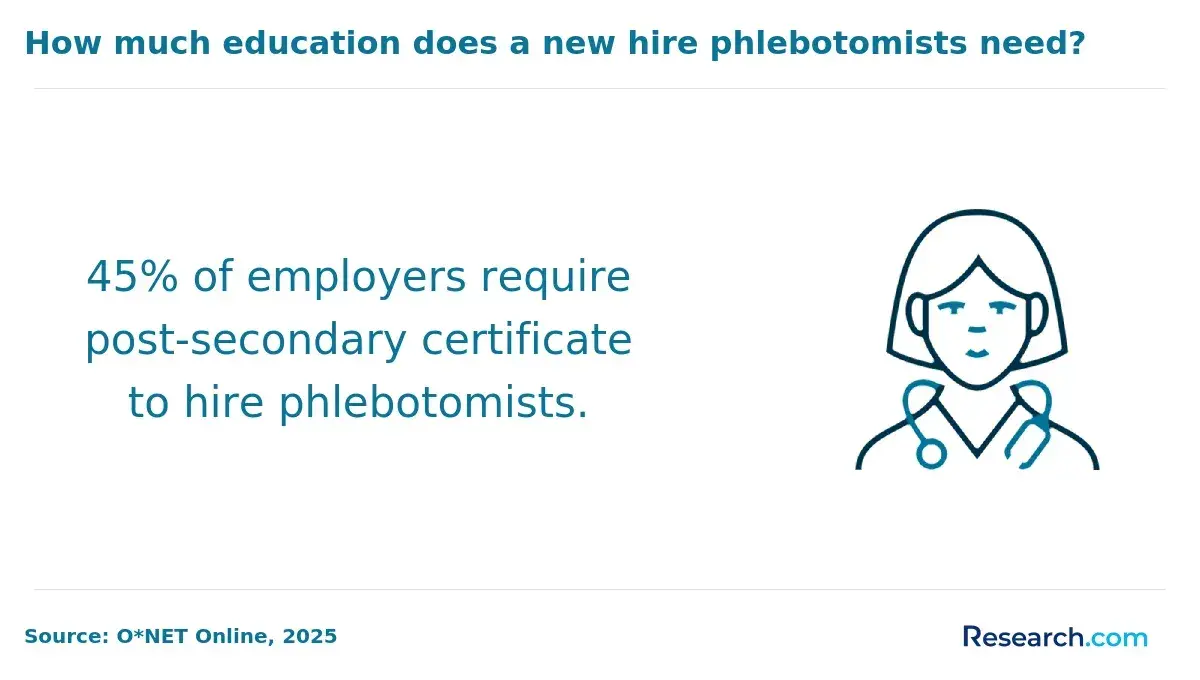
- Certification (Optional but Recommended): Although certification is not mandatory in Wisconsin, many employers prefer candidates who hold national certifications, such as those from the American Society for Clinical Pathology. Certification validates professional competence and can improve job opportunities.
- Additional Requirements: Applicants must be at least 18 years old, pass a criminal background check, and provide evidence of required immunizations. These safeguards help protect both trainees and patients during clinical experiences.
For those exploring healthcare career options, learning what is a medical coder provides insight into related medical professions.
What subjects are taught in phlebotomy classes in Wisconsin?
Knowing the subjects covered in Wisconsin phlebotomy classes is key to building the expertise needed for accurate blood collection, maintaining patient safety, and ensuring laboratory precision. A solid grasp of the phlebotomy course curriculum in Wisconsin prepares students to navigate the technical and ethical demands of this healthcare role effectively.
Below are the fundamental subjects that form the backbone of most phlebotomy training programs in the state.
- Anatomy and Physiology: This subject introduces students to the circulatory system, focusing on blood vessels and organs essential for blood collection. Understanding these concepts helps identify safe venipuncture sites and recognize potential complications.
- Venipuncture and Capillary Techniques: Students learn how to perform blood draws from veins and capillaries across different patient groups. Practical training ensures proficiency in equipment selection and safe procedure execution.
- Specimen Processing and Laboratory Skills: Coursework covers proper labeling, handling, and transport of specimens, as well as basic lab techniques. These skills prevent errors and maintain sample integrity for reliable test results.
- Infection Control and Safety Practices: This area focuses on using personal protective equipment, following safety protocols, and disposing of biohazardous waste correctly. It reduces the risk of infection to both patients and healthcare workers.
- Medical Terminology: Mastery of medical language supports clear communication with health professionals and accurate understanding of lab orders.
- Patient Identification and Communication: Emphasis is placed on verifying patient identity, explaining procedures, obtaining consent, and ensuring confidentiality. Good communication fosters patient trust and minimizes errors.
- Legal and Ethical Standards: Students study relevant regulations and ethical practices, including consent and professional conduct. This knowledge protects both patients and practitioners.
- Customer Service and Professionalism: Training includes handling diverse patient interactions and modeling appropriate professional behavior in healthcare settings.
- Quality Control and Regulatory Compliance: This subject teaches monitoring of quality assurance in specimen collection and lab processes, ensuring adherence to standards and reducing errors.
- Basic Mathematical Skills: Courses cover necessary math calculations for labeling and measurements, promoting accuracy in specimen handling and reporting.
Wisconsin phlebotomy programs often combine these subjects with clinical experience so students can apply their knowledge practically and prepare for certification if desired. Individuals exploring related healthcare roles might also consider should I be a medical biller and coder as a career path option.
Do you need a state license to work as a phlebotomist in Wisconsin?
In Wisconsin, a state license is not required to work as a phlebotomist. The state does not enforce specific licensing or official certification requirements for phlebotomy professionals. Instead, regulation mainly comes down to employer standards, where hospitals, clinics, and laboratories set their own criteria for hiring.
These organizations generally prefer candidates who have completed accredited phlebotomy training and hold national certifications from recognized bodies. This approach means that while legal licensing is unnecessary, demonstrating competency through certification often plays a crucial role in securing a position.
Because state law leaves certification optional, most healthcare employers emphasize professional training and national credentials to ensure quality and safety. This employer-based model can affect where and how aspiring phlebotomists find jobs since larger institutions typically require proof of competency through certification.
Understanding this framework helps candidates focus on obtaining nationally recognized credentials and training programs valued by Wisconsin employers. Being clear on these expectations improves job prospects and ensures compliance with workplace standards without relying on state licensing mandates.
What phlebotomy certifications are recognized in Wisconsin?
Certification is a valuable asset for phlebotomists in Wisconsin as it meets employer expectations and significantly improves job prospects in a competitive healthcare environment. Holding a nationally recognized certification establishes professional credibility and ensures you possess the practical skills and knowledge required for success.
Below is a list of widely accepted credentials from recognized phlebotomy certification agencies Wisconsin employers typically require or prefer.
- National Healthcareer Association (NHA) Certified Phlebotomy Technician (CPT): The NHA CPT is a popular credential that emphasizes both theoretical knowledge and hands-on skills. Candidates must complete an approved phlebotomy training program or demonstrate relevant work experience before passing a national exam, making it a frequent outcome for local technical college graduates.
- American Society for Clinical Pathology (ASCP) Phlebotomy Technician (PBT): Known for its rigorous standards, the ASCP PBT certification is highly respected by hospitals and major laboratories across Wisconsin. To earn this credential, candidates must graduate from an accredited program and pass the ASCP examination, ensuring readiness for clinical settings.
- American Medical Technologists (AMT) Registered Phlebotomy Technician (RPT): The AMT RPT certification highlights competency and ethical standards in phlebotomy practice. It requires completion of accredited training or relevant experience, followed by an exam, and is commonly listed as an acceptable qualification in Wisconsin's outpatient clinics and diagnostic centers.
- National Center for Competency Testing (NCCT) National Certified Phlebotomy Technician (NCPT): The NCCT NCPT is favored for its accessibility and is well-recognized throughout Wisconsin healthcare facilities. Eligibility involves completing an approved program or equivalent experience, with successful completion of a standardized test.
- National Phlebotomy Certification Examination (NPCE) Certified Phlebotomy Technician (CPT): NPCE offers a lower-cost national certification option accessible to Wisconsin candidates who meet education and experience requirements, providing a practical route to certification that some employers accept.
- National Phlebotomy Solutions (NPS) Certified Phlebotomy Technician (CPT): NPS's fully online certification process aligns with national standards, allowing Wisconsin students to prepare and test remotely. Successful candidates are added to a national registry employers can verify.
Consider exploring comprehensive 8 week medical billing and coding courses as part of broadening your healthcare skillset alongside phlebotomy certification.
Where can you find accredited phlebotomy training programs in Wisconsin?
Enrolling in an accredited phlebotomy program in Wisconsin ensures you receive quality training that meets industry standards, helps you qualify for national certification exams, and improves your chances of employment in healthcare settings. Accreditation signals to employers that you have completed rigorous education and hands-on experience required for competent practice.
Below are common types of institutions where you can find credible phlebotomy training programs in Wisconsin.
- Community Colleges: Public colleges like Milwaukee Area Technical College and Madison College offer diploma programs combining classroom learning with clinical experience. Students should confirm accreditation through recognized agencies to ensure the program prepares them for certification exams and job readiness.
- Technical and Vocational Schools: These schools provide short-term certificates or diplomas emphasizing practical skills and clinical work. Colleges such as Mid-State Technical College and Fox Valley Technical College often hold NAACLS accreditation, which assures strong graduate outcomes and high certification pass rates.
- Hospitals and Healthcare Systems: Some hospitals partner with educational bodies or run their own in-house programs focusing on immersive, hands-on training. Prospective students must verify state or national approval before enrolling to guarantee training quality.
- Private Career Institutes: Organizations like PhlebotomyUSA offer intensive, fast-track courses for quick workforce entry. Accreditation varies, so checking with agencies like NAACLS or the National Healthcareer Association is essential before committing.
- Universities and Continuing Education: The University of Wisconsin and similar institutions deliver online or hybrid phlebotomy courses in continuing education divisions. These programs often include preparation for certification exams with local clinical partnerships for hands-on learning.
A phlebotomist from Wisconsin I spoke with reflected on his journey, "Finding an accredited program was my first real challenge-I had to balance program reputation with location and cost." He chose a local community college program after meticulously verifying its accreditation status, appreciating the direct guidance from admissions counselors and clinical instructors.
"The clinical placements were invaluable-they gave me confidence and experience that made passing the national certification exam much easier." He emphasized how the accredited program opened doors to immediate employment in a local hospital, underscoring that taking the time to research accreditation upfront made all the difference in his professional start.
How much does phlebotomy training cost in Wisconsin?
Phlebotomy training costs in Wisconsin can differ widely based on the school type, program length, and if the institution is public or private. Public technical colleges generally offer more affordable tuition compared to private training centers, but total expenses may increase when accounting for additional materials and certification fees.
Below is a detailed breakdown of the common costs involved in completing a phlebotomy training program in Wisconsin.
- Tuition and Fees: Tuition is the largest expense and varies by institution. Public technical colleges usually charge between $492 and $2,318 for certificate programs, while private schools may charge up to $4,800. This covers classroom instruction, lab training, and access to campus resources.
- Books and Supplies: These costs are often separate from tuition and include textbooks, phlebotomy kits, and lab materials. Textbook expenses range around $120, though exact prices depend on course requirements and where materials are purchased.
- Uniforms and Equipment: Students need to purchase clinical uniforms such as scrubs and appropriate footwear. Typical costs for uniforms and related supplies total about $60, ensuring compliance with professional standards during practical training.
- Certification Exam Expenses: After completing training, national certification is necessary for employment. Exam fees vary, commonly around $125 to $200, sometimes including study guides and practice tests.
What skills are required to become a successful phlebotomist in Wisconsin?
Success as a phlebotomist in Wisconsin hinges on mastering a set of practical skills that ensure patient comfort, uphold rigorous safety standards, and guarantee accurate blood collection. These abilities are critical because they directly impact diagnostic accuracy and the quality of patient care in diverse healthcare settings.
Below is a concise overview of the essential skills every aspiring phlebotomist should develop to perform confidently and responsibly.
- Attention to Detail: Ensures correct patient identification and precise specimen labeling, which prevents errors and safeguards patient outcomes.
- Technical Proficiency: Involves mastering blood draw techniques and specimen handling to produce reliable lab results with minimal patient discomfort.
- Communication Skills: Enables clear explanations and empathetic patient interactions, helping to reduce anxiety and build trust.
- Professionalism: Includes ethical behavior, confidentiality, and respectful conduct, fostering a safe and respectful healthcare environment.
A phlebotomist from Wisconsin, who graduated from a local technical school, shared that building confidence with needle techniques alone took weeks of practice under supervision. She recalled how patient reactions sometimes challenged her patience and communication skills, saying, "I learned early that calming nerves was just as important as finding the vein."
Over time, refining her manual dexterity and adapting communication styles to different patients became key milestones. Her experience highlights that becoming successful in Wisconsin's healthcare system is a gradual process fueled by hands-on learning, persistence, and a genuine care for patient well-being.
Where do phlebotomists typically work in Wisconsin?
Phlebotomists in Wisconsin are essential contributors to healthcare, supporting diagnostic testing, patient care, and medical research. Their work ensures that blood specimens are collected and handled correctly, enabling accurate lab results and effective treatment decisions.
Below are the primary work environments where phlebotomists find employment and can develop their skills.
- Hospitals: Hospital laboratories, including facilities in Milwaukee, Madison, and Green Bay Wisconsin, are common workplaces. Here, phlebotomists perform blood draws on both inpatients and outpatients, often in high-pressure situations where accuracy and speed are critical.
- Diagnostic Laboratories: Labs like Labcorp employ phlebotomists to prepare and process samples for analysis. This setting requires strict attention to protocols and safety to support reliable test results across various clinical specialties.
- Blood Donation Centers: These centers focus on safe blood collection from donors, helping maintain a steady blood supply for surgeries and emergencies. Phlebotomists in this role engage directly with the community and ensure donor comfort and safety.
- Outpatient Clinics: Fast-paced outpatient clinics and specialty practices utilize phlebotomists to efficiently collect specimens for routine screening and diagnostic tests, improving patient flow and communication with healthcare teams.
- Physician's Offices: Smaller healthcare practices depend on phlebotomists to independently manage blood collection and administrative tasks, providing essential support for patient management and timely lab results.
Those looking to advance in this field might consider exploring what is the difference between bachelors degree and medical billing and coding certificate to expand their qualifications and open new opportunities within phlebotomy employment opportunities in Milwaukee, Madison, and Green Bay Wisconsin.
What is the average salary for phlebotomists in Wisconsin?
Salaries for phlebotomists in Wisconsin can vary based on several factors, including geographic location, level of experience, and the type of employer. Those working in urban centers or specialized healthcare settings often see higher wages, while entry-level positions and rural areas generally offer less.
Knowing these differences can help you better understand how much do phlebotomists make in Wisconsin and plan your career accordingly. Here are the key factors that influence phlebotomist salaries in the state.
- Years of Experience: Salaries tend to start lower for entry-level phlebotomists, around $32,000 annually, and increase with experience, reaching up to about $48,500 or more for seasoned professionals. Employers value developed skills and are willing to pay premiums to retain experienced staff.
- Workplace Setting: Phlebotomists working in larger hospitals, research labs, or specialized clinics typically earn more than those in smaller physician offices or outpatient centers. Traveling phlebotomists who cover multiple sites can command salaries around $53,000, which is above the statewide average.
- Geographic Region: Urban areas like Milwaukee or Madison offer higher pay, reflecting demand and cost of living. For example, phlebotomists in Appleton earn about $25 per hour, noticeably more than the state average near $20 per hour.
- Additional Certifications and Skills: Holding nationally recognized certifications or specialized training can boost earning potential. Certified phlebotomists often qualify for supervisory roles or specialized positions, which carry higher salaries.
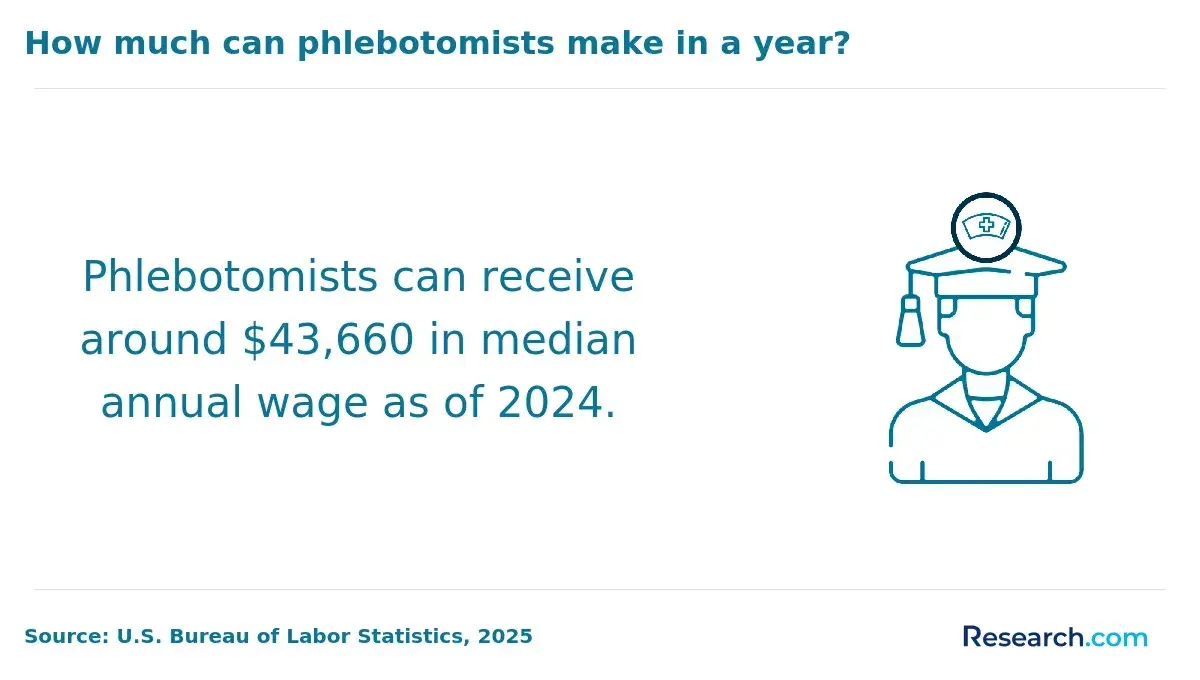
The average phlebotomist salary in Wisconsin is approximately $40,733 per year. For those seeking to improve their skills or credentials, it's worth exploring the best accredited medical billing and coding schools online with financial aid to expand career opportunities and possibly increase salary prospects.
What are the best ways to grow your phlebotomy career in Wisconsin?
To effectively grow your phlebotomy career in Wisconsin, start by obtaining certifications beyond the basic license, such as the nationally recognized Phlebotomy Technician (PBT) credential, which can boost your marketability.
Next, pursue continuing education through workshops or courses offered by institutions like Madison Area Technical College to stay current with industry advancements. Networking is essential; join professional associations such as the American Society for Clinical Laboratory Science to connect with peers, access job opportunities, and gain mentorship.
Additionally, explore career advancement options by seeking roles in hospitals and clinical laboratories, where experience can lead to positions like medical laboratory technician. Teaching phlebotomy at technical colleges is another rewarding path worth considering. Take advantage of local programs, including Northwood Technical College's certificate courses that offer hands-on clinical experience, preparing you for immediate employment.
By following these practical steps, you can enhance your expertise, expand your professional network, and open doors to diverse opportunities within Wisconsin's healthcare sector.
What Phlebotomists in Wisconsin Say About Their Career
Completing the phlebotomy program at Milwaukee Technical College truly set the foundation for my career in Wisconsin. The hands-on experience and supportive instructors prepared me well for real-world challenges. Starting work in a local school allowed me to connect with students and staff, making a meaningful impact every day. I love knowing that my work supports the health and well-being of young people in our community, which makes the job incredibly rewarding. Jake
After finishing the phlebotomy certification at Madison Area Technical College, I found numerous opportunities to grow professionally in Wisconsin. The stability of jobs here, especially in academic settings, gave me peace of mind to focus on refining my skills. Working in a local school, I've developed strong relationships with colleagues and students alike. It feels great to contribute to an environment where health education is valued, and I appreciate the career advancement potential this field offers. Keisha
Training at Fox Valley Technical College opened doors I never expected in my phlebotomy career. Wisconsin's unique community and culture create challenges but also remarkable chances to serve diverse populations. I started by working in local schools, which fostered my passion for supporting young people's health directly. This career has not only advanced my technical skills but has also nurtured my personal growth and commitment to community wellness. Leon
Related Articles for Nearby States
- 2027 How To Become a Phlebotomist in Minnesota
- 2027 How To Become a Phlebotomist in Iowa
- 2027 How To Become a Phlebotomist in Illinois
- 2027 How To Become a Phlebotomist in Michigan
- 2027 How To Become a Phlebotomist in Indiana
- 2027 How To Become a Phlebotomist in Missouri
- 2027 How To Become a Phlebotomist in Ohio
- 2027 How To Become a Phlebotomist in South Dakota
- 2027 How To Become a Phlebotomist in Nebraska
- 2027 How To Become a Phlebotomist in Kentucky
References
- Wisconsin Phlebotomy Frequently Asked Questions - Phlebotomy USA https://www.phlebotomyusa.com/wisconsin/frequently-asked-questions/
- Phlebotomy https://www.nwtc.edu/academics-and-training/phlebotomy
- Phlebotomy Technician https://www.ntc.edu/academics-training/programs/all/technical-diploma/phlebotomy-technician
- License Lookup https://license.wi.gov/s/license-lookup
- 14 Mobile Phlebotomist Jobs in Wisconsin, October 2025 | Glassdoor https://www.glassdoor.com/Job/Mobile-Phlebotomist-Wisconsin-SRCH_KO0,19_IL.20,29_IS481.htm
- Phlebotomy Technician Certification in Racine Wisconsin https://www.npce.org/phlebotomy-technician-certification-racine-wisconsin
- Phlebotomy Technician https://www.mstc.edu/programs/Phlebotomy-Technician
- Phlebotomist https://www.healthcareers.nhs.uk/explore-roles/wider-healthcare-team/roles-wider-healthcare-team/clinical-support-staff/phlebotomist
- Why Phlebotomy Is the Perfect Part-Time Career for Busy Lives - BAMA Institute https://bama-institute.com/2025/09/22/why-phlebotomy-is-the-perfect-part-time-career-for-busy-lives/
- Phlebotomists in Wisconsin https://healthcaredegreesearch.com/careers/phlebotomists/wisconsin-us/
Other Things You Should Know About Becoming a Phlebotomist in Wisconsin
In 2027, to become a phlebotomist in Wisconsin, you must complete a postsecondary non-degree program, typically lasting less than a year, and earn a certificate. Certification from organizations like the National Phlebotomy Association is highly recommended to enhance employment opportunities.
In 2027, the demand for healthcare professionals, including phlebotomists, in Wisconsin is steady due to an aging population and increased healthcare needs. Therefore, pursuing a phlebotomy career in Wisconsin is promising, with numerous opportunities across hospitals, clinics, and laboratories.
Yes, Wisconsin offers options for hybrid and part-time phlebotomy programs to accommodate students with varying schedules. Many technical colleges and healthcare training centers provide flexible formats combining online theory with in-person clinical practice, allowing students to gain essential hands-on experience while managing other commitments. Part-time programs are especially beneficial for working adults or those balancing family responsibilities, as they extend the course duration but maintain the same comprehensive training. Prospective students should verify program accreditation and clinical hours to ensure they meet state certification requirements in Wisconsin.


