
2027 How To Become a Phlebotomist in Oregon

Co-Founder and Chief Data Scientist
Oregon's healthcare sector is expanding, with employment of phlebotomists expected to grow by 15% over the next decade, surpassing the national average growth rate. The state's median annual wage for phlebotomists is approximately $38,000, reflecting competitive pay relative to neighboring states. This growth is driven by increased demand in hospitals, laboratories, and outpatient care centers. Oregon's emphasis on healthcare access and quality makes pursuing a phlebotomy career financially and professionally rewarding for many aspiring medical technicians.
This article provides a data-informed overview of how to become a phlebotomist in Oregon. Developed by career planning experts, it guides readers through certification requirements, training options, and job outlook. The content ensures prospective students access reliable, step-by-step information essential to launching a successful phlebotomy career in Oregon.
Key Things to Know About Becoming a Phlebotomist in Oregon
- Complete a state-recognized phlebotomy training program, which typically requires 40-120 hours of instruction combining classroom and clinical practice.
- Obtain certification from a national agency like the National Phlebotomy Association; Oregon employers strongly prefer certified candidates to meet healthcare compliance standards.
- Stay updated on workforce demands as Oregon's healthcare sector projects a 14% growth in phlebotomy jobs through 2030, making certification and experience critical for job security.
- What are the education requirements to become a phlebotomist in Oregon?
- What subjects are taught in phlebotomy classes in Oregon?
- Do you need a state license to work as a phlebotomist in Oregon?
- What phlebotomy certifications are recognized in Oregon?
- Where can you find accredited phlebotomy training programs in Oregon?
- How much does phlebotomy training cost in Oregon?
- What skills are required to become a successful phlebotomist in Oregon?
- Where do phlebotomists typically work in Oregon?
- What is the average salary for phlebotomists in Oregon?
- What are the best ways to grow your phlebotomy career in Oregon?
What are the education requirements to become a phlebotomist in Oregon?
Proper education and training are essential for phlebotomists to ensure blood collection is performed safely, accurately, and in compliance with clinical and laboratory standards. Mistakes in specimen handling can result in diagnostic errors or patient harm, so rigorous preparation is necessary for professional practice. Below are the key education requirements to become a phlebotomist in Oregon.
- High School Diploma or Equivalent: Candidates must have at least a high school diploma or GED to enroll in phlebotomy training programs throughout Oregon. This foundational education ensures that applicants have the basic academic skills and communication abilities vital for healthcare settings.
- Minimum Age Requirement: Applicants must be 18 years or older to qualify for Oregon phlebotomy programs. This age threshold reflects the responsibility required to perform invasive procedures and interact appropriately with patients.
- Completion of a State-Approved Phlebotomy Training Program: Oregon health employers typically require candidates to finish a formal, two-part training program approved by the state, usually offered at community colleges or accredited centers. These programs last about 7 to 16 weeks and combine classroom instruction with hands-on clinical experience, including a minimum of 100 blood draws during supervised rotations.
- Classroom and Clinical Instruction: Training covers anatomy, specimen handling, infection control, and legal standards. Clinical rotations provide practical experience with real patients, meeting the minimum draw requirements set by certifying organizations.
- Immunizations, Background Check, and CPR Certification: Most programs mandate current immunizations such as MMR and Hepatitis B, tuberculosis screening, criminal background checks, and valid CPR or Basic Life Support certification from recognized bodies.
- National Certification (Preferred): While Oregon does not require state licensure, national certifications from bodies like ASCP or NHA are preferred by employers. Eligibility usually depends on completing approved training and documented blood draws. For information on similar medical credentials, see how long to get a certificate in medical billing and coding.
What subjects are taught in phlebotomy classes in Oregon?
In Oregon, the phlebotomy course curriculum is designed to thoroughly prepare students for the complexities of blood collection and laboratory procedures. A strong grasp of the subjects covered in Oregon phlebotomy training ensures that future phlebotomists can perform their duties with precision, uphold patient safety, and maintain the integrity of laboratory results. The following core topics form the foundation of professional competence in this field:
- Anatomy and Physiology: This subject focuses on the circulatory system, including veins, arteries, and other relevant body structures. Understanding these components is essential for identifying suitable venipuncture sites and minimizing risks during blood draws.
- Venipuncture and Capillary Collection Techniques: Students learn hands-on methods for performing safe venipuncture and capillary punctures, building the skills necessary to obtain accurate blood specimens while ensuring patient comfort.
- Specimen Handling and Processing: Training covers proper labeling, transporting, and storing of blood samples to maintain specimen integrity, prevent contamination, and guarantee reliable laboratory testing outcomes.
- Infection Control and Safety: This subject emphasizes adherence to infection prevention protocols, use of personal protective equipment, and compliance with OSHA and CDC guidelines, all critical for protecting both patients and healthcare workers from bloodborne pathogens.
- Legal, Ethical, and Regulatory Compliance: Students study patient consent, privacy laws such as HIPAA, and professional ethics, which are vital to ensuring confidentiality and minimizing legal risks in clinical settings.
- Laboratory Equipment Use and Quality Control: Instruction includes the correct operation and maintenance of phlebotomy tools and lab devices, alongside quality assurance measures to reduce errors and improve accuracy.
- Patient Communication and Professionalism: Effective patient interaction strategies are taught to help ease anxiety, confirm patient identity, and deliver clear explanations, fostering trust and positive experiences during procedures.
- Special Procedures and Complication Management: Advanced topics cover pediatric and geriatric blood collection techniques as well as managing difficult venipuncture cases and adverse reactions, preparing students for diverse clinical challenges.
- Career Preparation and Certification Readiness: Programs often include exam reviews, resume workshops, and job search tactics. In Oregon, completing a significant number of successful blood draws during clinical rotations is a key requirement to qualify for certification and employment. For more information on certification pathways and exam comparisons, see CBCS vs CPC which is better for medical coding.
Do you need a state license to work as a phlebotomist in Oregon?
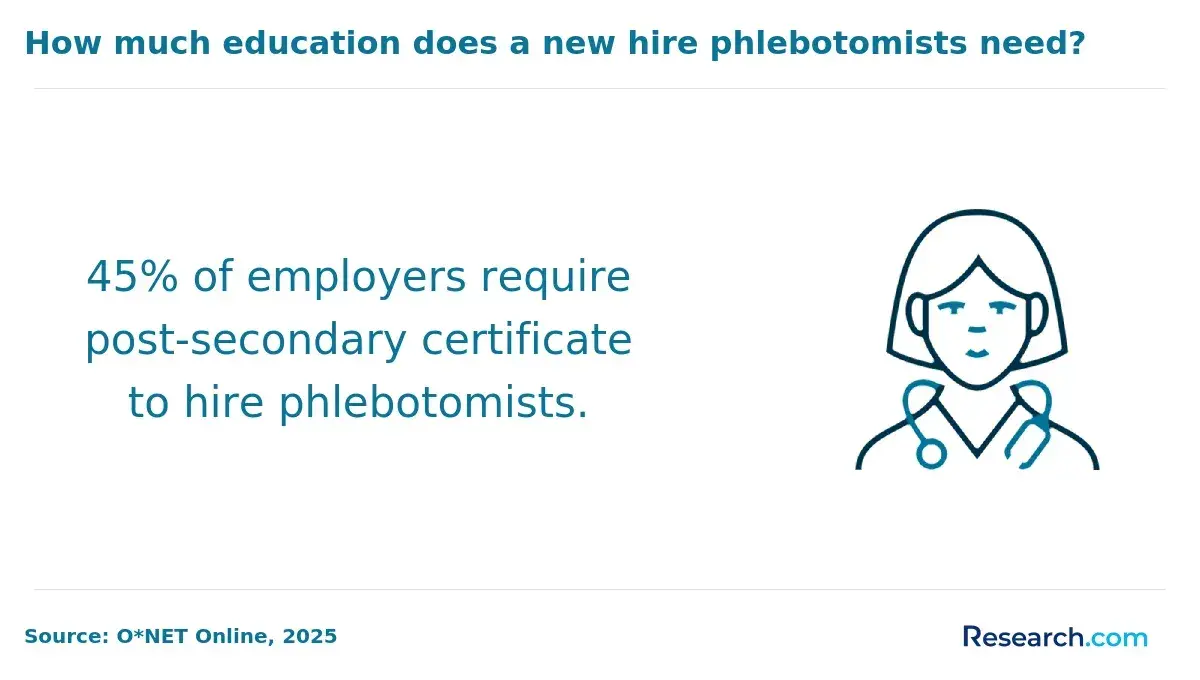
Oregon does not require a state license to work as a phlebotomist, setting it apart from states like California and Nevada that have mandatory licensure. Instead of state-issued licenses, the regulation of phlebotomy practice in Oregon falls under employer-based requirements. Healthcare facilities such as hospitals, clinics, and laboratories typically establish their own standards for hiring phlebotomists, often requiring candidates to complete accredited training programs and obtain national certification through recognized bodies like the American Society for Clinical Pathology (ASCP) or the National Healthcareer Association (NHA). This decentralized approach means that while no formal state licensure is necessary, certification can significantly enhance job prospects and ensure a consistent level of competency across healthcare providers.
The absence of mandatory state licensure places greater emphasis on understanding employer expectations and certification standards for those pursuing a phlebotomy career in Oregon. Knowing these requirements is vital because they directly influence which employers will consider an applicant and determine the scope of responsibilities a phlebotomist can perform. With growing demand for skilled phlebotomists driven by expanding healthcare services, professionals equipped with formal training and certification are better positioned to secure roles in the state's diverse medical settings. Awareness of Oregon's regulatory environment enables candidates to tailor their education and credentialing efforts to meet market needs effectively.
What phlebotomy certifications are recognized in Oregon?
Certification is a valuable asset for phlebotomists in Oregon, as it helps meet employer expectations, improves job prospects, and ensures professional credibility in a competitive healthcare market. While the state does not legally require certification, most employers prefer or require candidates to hold a nationally recognized credential. Below are the major phlebotomy certifications recognized across Oregon that can enhance your qualifications and career opportunities.
- American Society for Clinical Pathology (ASCP), Phlebotomy Technician (PBT) Certification: Offered by ASCP, this certification is one of the most respected in the field and demands completion of an accredited program with at least 100 successful venipunctures. It sets a rigorous standard for technical skill and professionalism, making it highly valued by Oregon healthcare providers.
- National Healthcareer Association (NHA), Certified Phlebotomy Technician (CPT): The CPT credential requires completion of a recognized training program and documented experience with venous and capillary draws. Widely preferred by employers in Oregon, it emphasizes both practical skills and patient care knowledge.
- American Medical Technologists (AMT), Registered Phlebotomy Technician (RPT): AMT awards the RPT certification to those who complete an approved program or demonstrate sufficient work experience, along with passing a national exam. This credential is appreciated in Oregon for its focus on practical abilities and ongoing professional development.
- National Center for Competency Testing (NCCT), National Certified Phlebotomy Technician (NCPT): The NCPT certification requires formal training and proof of clinical experience, assessing a candidate's technical expertise and commitment to continuing education. This certification is recognized both statewide and nationally.
Phlebotomy certification requirements in Oregon prioritize these nationally recognized credentials to ensure quality care and regulatory compliance. For those considering expanding their healthcare skill set alongside phlebotomy, a 4 week online course for medical coding and billing near me can also be a valuable complement.
Where can you find accredited phlebotomy training programs in Oregon?
Enrolling in an accredited phlebotomy training program in Oregon is critical for obtaining a comprehensive education, qualifying for national certification, and increasing employability in the state's healthcare market. Accreditation guarantees that the curriculum meets established standards, which is essential for sitting for certification exams required by most employers. These programs also provide the necessary clinical experience to ensure practical readiness. Below are key types of institutions offering accredited or state-approved phlebotomy training in Oregon.
- Community Colleges: Institutions like Portland Community College and Central Oregon Community College offer structured programs combining didactic instruction and supervised clinical practice. These accredited courses prepare students for certification and can be vetted by reviewing school disclosures or consulting national certifying bodies.
- Vocational and Technical Schools: Facilities such as Lane Community College focus on skill-oriented, non-credit phlebotomy training designed for rapid workforce entry. Accreditation status can be confirmed through state education commissions or school health departments.
- Hospitals and Medical Centers: Healthcare providers including Oregon Health & Science University occasionally run short-term training programs integrating online and hands-on learning. Verification of program approval is available via hospital education offices or certifying agencies.
- Private Career Institutes: Entities like Phlebotomy Training Specialists in Keizer deliver intensive, workforce-ready courses. Students should ensure these schools possess current state approval and certification recognition from bodies such as the NHA or ASCP.
- Online and Hybrid Programs: Schools like Treasure Valley Community College offer flexible courses with clinical simulations and optional in-person labs. Confirming inclusion of required clinical hours and certifying agency acceptance is crucial for these programs.
A phlebotomist who graduated from a local Oregon program talked about navigating training options and he reflected on the challenge of verifying program accreditation amid many providers. "I spent considerable time cross-checking schools against state and national standards to avoid courses that wouldn't qualify me for certification," he explained. He recalled how clear communication from his community college's health department helped him feel confident in his choice. The intensive hands-on sessions and clinical rotations were key to building his skills and professional confidence. His experience underscores the importance of thorough research and selecting an accredited program to ensure a smooth transition into a phlebotomy career in Oregon.
How much does phlebotomy training cost in Oregon?
Phlebotomy training costs in Oregon vary significantly based on the type of institution, program length, and whether the school is public or private. Community colleges typically offer lower tuition rates compared to private or specialized training centers, while shorter programs may have higher costs per hour despite a lower total price. The following outlines the main expense categories prospective students should consider when budgeting for phlebotomy training in Oregon.
- Tuition and Fees: Tuition represents the largest portion of training expenses, covering classroom instruction, lab work, and clinical practice. Community colleges generally charge between $1,946 and $5,550, whereas private programs range from $625 to $3,750 depending on the school.
- Books and Supplies: Required textbooks and learning materials typically cost between $90 and $200, providing essential theoretical knowledge as well as practical guidance in blood collection and safety protocols.
- Uniforms and Equipment: Medical scrubs and protective gear necessary for clinical training usually add $100 to $200 to overall expenses. Some programs may also require students to purchase specific phlebotomy kits.
- Certification Exam Expenses: Candidates must pass a national certification exam post-training, with fees ranging from $45 to $200 depending on the certifying body. These fees are separate from tuition and vary by organization.
- Additional Course Fees: Costs such as background checks, drug screens, and practice exams typically range from $50 to $425, ensuring eligibility for clinical placements and certification.
What skills are required to become a successful phlebotomist in Oregon?
In Oregon healthcare settings, phlebotomy skills are vital for ensuring patient comfort, upholding safety standards, and guaranteeing precise blood collection. These competencies directly impact the quality of diagnostic results and protect both patients and healthcare workers from risks. Below are the essential skills that phlebotomists must master to perform effectively in Oregon's healthcare environment.
- Attention to Detail: Accurately verifying patient identity and labeling specimens prevents errors that could compromise test results and patient safety, making precision a daily necessity.
- Technical Proficiency: Mastery of venipuncture and capillary techniques ensures efficient and safe blood collection, supported by hands-on training with at least 100 supervised draws.
- Communication Skills: Clear explanations and empathetic interaction reduce patient anxiety and facilitate cooperation during procedures.
- Professionalism and Ethics: Maintaining confidentiality and demonstrating empathy build trust and uphold regulatory standards in patient care.
A phlebotomist who graduated from a local Oregon program emphasized how her training sharpened not only her technical skills but also her emotional resilience. She recalled moments early in her career where managing nervous patients required calmness and clear communication, skills she credits to her rigorous education and real-world practice. "It wasn't just about drawing blood," she explained, "but about connecting with people and ensuring their experience was as comfortable and safe as possible." This blend of technical and interpersonal growth, she reflected, was key to becoming a successful phlebotomist in Oregon.
Where do phlebotomists typically work in Oregon?
Phlebotomists are crucial to healthcare in Oregon by collecting blood and specimens that support diagnostic testing, patient care, and medical research. Their role ensures that laboratory professionals and physicians have reliable data for effective treatment decisions. The range of settings where phlebotomists work reflects the diversity of healthcare needs across the state.
Here are the primary workplaces where phlebotomists typically operate in Oregon:
- Hospitals: These facilities employ large numbers of phlebotomists to service varied patient populations including emergency cases and inpatients. Hospital phlebotomists work under time-sensitive and fast-paced conditions to provide accurate specimens that aid physicians in immediate diagnostic processes, especially in metropolitan areas like Portland and Eugene.
- Diagnostic Laboratories: Phlebotomy positions in Oregon clinics and standalone laboratories involve routine and specialized specimen collection such as drug screenings and research samples. These centers require meticulous attention to sample labeling and processing to maintain test integrity amid high volumes.
- Blood Donation Centers: Centers like Bloodworks Northwest rely on phlebotomists to safely collect donor blood, crucial for community transfusion needs. Staff in these roles focus on donor safety and sterile techniques to sustain a stable blood supply for medical procedures.
- Outpatient Clinics: Clinics provide phlebotomists with the opportunity to work in less acute environments, handling diverse samples from ambulatory patients. Collaboration with smaller teams supports efficient specimen collection tailored to outpatient care demands.
- Physician's Offices: In these settings, phlebotomists often establish ongoing relationships with patients during routine blood draws and preventive care. The focus is on patient comfort and consistent specimen collection to support chronic disease management.
Those interested in advancing healthcare roles might also explore the key differences between bachelors degree and medical billing and coding certificate to better understand educational pathways related to medical professions in Oregon.
What is the average salary for phlebotomists in Oregon?
Phlebotomist salaries in Oregon can vary widely depending on factors such as geographic location, experience level, and the type of employer. These variations reflect the diverse healthcare landscape in the state and the specialized skills phlebotomists bring to their roles. Understanding how these elements influence the average phlebotomist salary in Oregon is essential for those considering this career path. Below are the key factors affecting pay rates in this profession.
- Years of Experience: Salaries typically start lower for entry-level phlebotomists, around $39,715 annually, but increase with experience, reaching $48,510 or more. More experienced workers often access supervisory positions or specialized roles that raise their earning potential.
- Workplace Setting: Hospitals and large medical centers generally offer higher wages than outpatient clinics or long-term care facilities. Traveling phlebotomists in Oregon can earn significantly more, with averages reaching up to $55,926 and top salaries nearing $73,481 each year.
- Geographic Region: Urban areas such as Portland and Eugene offer higher pay to reflect greater demand and living costs, with hourly rates ranging from $19.47 to $24.33, which is above the national average. Rural areas tend to have lower wages due to differing demand factors.
- Additional Certifications and Skills: Advanced certifications like Certified Phlebotomy Technician allow for higher starting salaries and open doors to specialized positions. Ongoing education and proficiency in new techniques positively impact compensation and job stability.
- Type of Employment Arrangement: Full-time roles provide stable salaries and benefits, while part-time or per diem positions might offer higher hourly rates but less predictability. Contract and traveling phlebotomists often benefit from the highest pay rates.
For those interested in expanding their credentials beyond phlebotomy, reviewing the certified medical coder and biller requirements can offer insights into additional career pathways in healthcare administration.
What are the best ways to grow your phlebotomy career in Oregon?
Growing a phlebotomy career in Oregon involves strategic steps to enhance skills and professional standing. While no state license is required, obtaining national certifications like the Certified Phlebotomy Technician improves job competitiveness. Advancing skills through programs at institutions such as Rogue Community College and Linn-Benton Community College-offering specialized training including EKG certification-broadens career opportunities.
Pursuing continuing education via workshops or employer-supported programs, such as those available at Oregon Health & Science University, ensures up-to-date expertise in evolving clinical practices. Networking through professional associations like the Oregon Society for Medical Laboratory Science facilitates access to job openings and mentorship. Career advancement is accessible through roles in medical assisting, laboratory technology, or teaching positions within community colleges. Utilizing Oregon's diverse healthcare landscape-from major hospitals to outpatient labs-allows for growth tailored to individual goals.
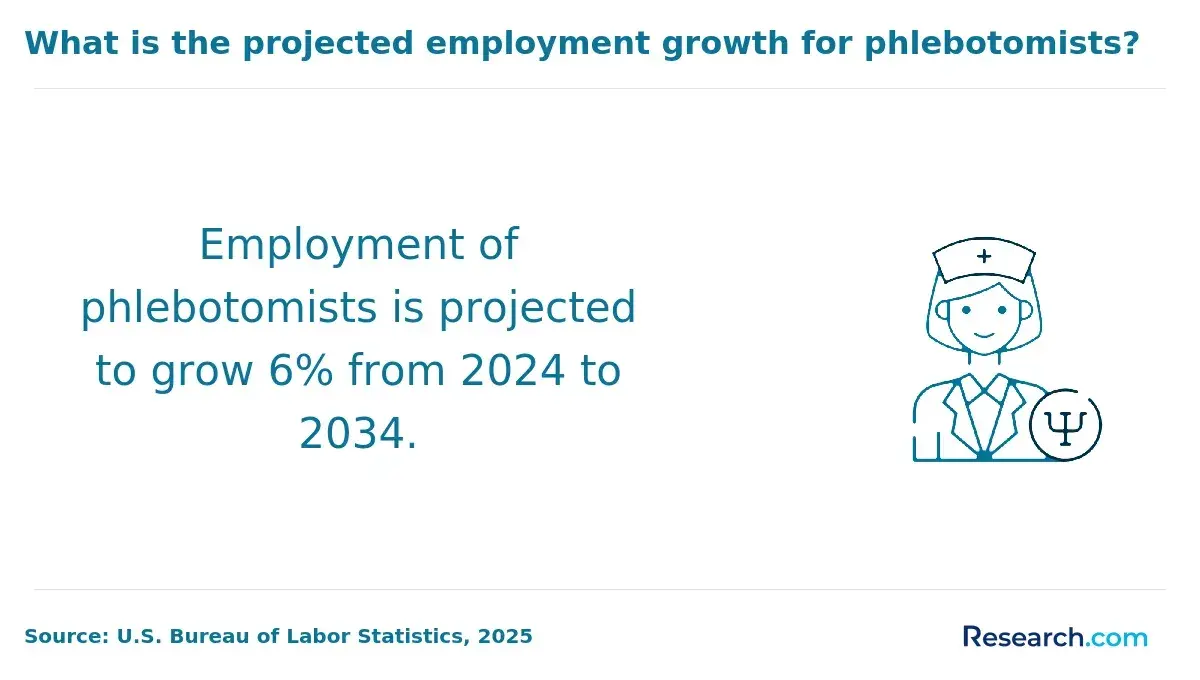
With a projected job growth rate exceeding 25%, proactive engagement in education, certification, and networking is essential for phlebotomists aiming to increase their salary potential and career longevity in Oregon.
What Do Phlebotomists in Oregon Say About Their Career?
- Completing my phlebotomy training at the Portland Medical Academy was a game changer for my career. The hands-on experience I gained there prepared me thoroughly for the real world, and I appreciate how Oregon's healthcare system supports new professionals. Starting out in a local school allowed me to combine my love for teaching with my medical skills, making every day rewarding. I love knowing that my work impacts the health and confidence of young patients in our community. Oregon's mix of medical innovation and community care has given me a steady and fulfilling career path. Eugene
- After finishing the program at Eugene Health Institute, I found that being a phlebotomist in Oregon means constantly growing both professionally and personally. The diverse environment here challenges me to improve my communication skills and respond to unique health situations influenced by Oregon's population and lifestyle. Working in a local school has been incredibly meaningful because I get to contribute directly to my community's well-being and witness the positive effects on students. This profession opened doors for advanced certification and leadership roles, enhancing my career trajectory in healthcare. Pearl
- Training through Salem's River Valley Phlebotomy School gave me the foundation I needed to thrive in a demanding healthcare environment. Oregon's emphasis on wellbeing and preventative care means my role as a school phlebotomist is vital, especially for underserved families. I enjoy the challenge of working within Oregon's unique health systems and appreciate the solid job security the state offers. The experience has helped me grow as a compassionate professional dedicated to improving health outcomes for younger generations in our community. Rhea
Related Articles for Nearby States
- 2027 How To Become a Phlebotomist in Washington
- 2027 How To Become a Phlebotomist in California
- 2027 How To Become a Phlebotomist in Idaho
- 2027 How To Become a Phlebotomist in Nevada
- 2027 How To Become a Phlebotomist in Montana
- 2027 How To Become a Phlebotomist in Utah
- 2027 How To Become a Phlebotomist in Wyoming
- 2027 How To Become a Phlebotomist in Arizona
- 2027 How To Become a Phlebotomist in Colorado
- 2027 How To Become a Phlebotomist in New Mexico
References:
- Phlebotomy Certificate https://www.clackamas.edu/academics/degrees-certificates/phlebotomy-certificate
- Phlebotomy https://www.lanecc.edu/programs-academics/areas-study/health-medical-and-fitness/phlebotomy
- FAQs — RSP https://www.roguesp.org/faqs
- Assessment of the Number of Phlebotomists in a Newly Established Sample Collection Center https://pmc.ncbi.nlm.nih.gov/articles/PMC10493005/
- Keizer Phlebotomy Training School Classes | Phlebotomy USA https://www.phlebotomyusa.com/oregon/keizer-phlebotomy-school-classes/
- Licensing and Certification https://www.oregon.gov/oha/ph/licensingcertification/pages/index.aspx
- Phlebotomy Certification in Eugene Oregon with NPCE https://www.npce.org/phlebotomy-certification-eugene-oregon
- 499 Traveling Phlebotomist jobs in Oregon https://www.linkedin.com/jobs/traveling-phlebotomist-jobs-oregon
- Now Hiring: Phlebotomist in Beaverton, Oregon, United States of America @ Labcorp https://careers.labcorp.com/global/en/job/COVAGLOBAL2527738EXTERNALENGLOBAL/Phlebotomist
- How to Become a Phlebotomist in Oregon https://www.healthjob.org/guide/how-to-become-a-phlebotomist-in-oregon
Other Things You Should Know About Becoming a Phlebotomist in Oregon
In 2027, to become a phlebotomist in Oregon, you typically need a high school diploma or GED, completion of a phlebotomy training program, and certification from a recognized agency like the National Phlebotomy Association. While certification is not mandated, it significantly enhances job prospects.
In Oregon, it is possible to find hybrid or part-time phlebotomy programs that cater to students balancing work or other commitments. Many accredited schools offer flexible schedules combining online coursework with in-person training, allowing students to complete clinical practice locally. These hybrid options provide the essential hands-on experience required for certification while accommodating varied timelines. Prospective students should verify that their chosen program meets Oregon's certification requirements and includes sufficient practical training to ensure eligibility for employment in the state.
In 2027, phlebotomists in Oregon can expect a salary range typically between $35,000 and $45,000 annually, depending on experience, location, and workplace type. Urban centers often offer higher wages compared to rural areas due to demand and cost of living differences.


