
2027 How To Become a Phlebotomist in Massachusetts

Co-Founder and Chief Data Scientist
Massachusetts offers a growing demand for healthcare professionals, with phlebotomy emerging as a vital and accessible career. The state reported over 12% employment growth for phlebotomists between 2018 and 2028, reflecting increased healthcare needs driven by an aging population. Despite this growth, prospective phlebotomists should consider the variability in certification requirements and regional job competition before committing to training. Weighing these factors is essential for realistic career planning. Pursuing this path in Massachusetts can provide stable employment and opportunities for advancement within healthcare settings.
This article, prepared by experts in career planning, explores the necessary steps to become a phlebotomist in Massachusetts. It offers clear guidance on education, certification, and employment prospects, helping readers navigate the complexities of entering this profession effectively. The goal is to equip candidates with reliable information tailored to local standards and labor market conditions.
Key Things to Know About Becoming a Phlebotomist in Massachusetts
- Complete a state-approved phlebotomy training program, which typically requires 40 to 120 hours of coursework and hands-on clinical practice, ensuring foundational skills in blood collection and patient interaction.
- Obtain certification through a nationally recognized body like the ASCP or NHA, as Massachusetts employers often prefer or require certification for phlebotomists to demonstrate verified competency.
- Consider the employment outlook; Massachusetts has a growing healthcare sector with average phlebotomy salaries around $37,000, but regional disparities and competition may influence job prospects.
- What are the education requirements to become a phlebotomist in Massachusetts?
- What subjects are taught in phlebotomy classes in Massachusetts?
- Do you need a state license to work as a phlebotomist in Massachusetts?
- What phlebotomy certifications are recognized in Massachusetts?
- Where can you find accredited phlebotomy training programs in Massachusetts?
- How much does phlebotomy training cost in Massachusetts?
- What skills are required to become a successful phlebotomist in Massachusetts?
- Where do phlebotomists typically work in Massachusetts?
- What is the average salary for phlebotomists in Massachusetts?
- What are the best ways to grow your phlebotomy career in Massachusetts?
What are the education requirements to become a phlebotomist in Massachusetts?
Proper education and training are crucial for phlebotomists to perform blood collection procedures with precision while ensuring safety for both patients and healthcare workers in clinical and laboratory environments. Without thorough preparation, mistakes can lead to inaccurate test results or pose health risks. The following points highlight the essential education requirements for those pursuing phlebotomy training programs in Massachusetts.
- High School Diploma or Equivalent: Candidates must have a high school diploma, GED, or HiSET to enroll in phlebotomy programs, ensuring they have the foundational academic skills needed to grasp medical terminology and healthcare protocols.
- Completion of a State-Approved Phlebotomy Training Program: Prospective phlebotomists should complete a program recognized by Massachusetts institutions such as community colleges or vocational schools, which typically last from 4 to 16 weeks and cover anatomy, infection control, and specimen handling.
- Classroom and Clinical Instruction Hours: Training includes both theory and hands-on practice, often requiring 60 to 120 hours of supervised clinical experience and performing a minimum number of venipunctures to demonstrate competency in real-world blood collection.
- National Certification (Recommended): Although Massachusetts does not mandate state certification, many employers prefer candidates with national credentials from bodies like the National Healthcareer Association or American Society for Clinical Pathology, as these certifications enhance employment opportunities.
- Additional Requirements: Many programs demand students be at least 18 years old, pass health screenings, provide immunization records, and complete background checks before engaging in clinical externships, supporting safety throughout training.
For individuals also interested in other healthcare career pathways, exploring medical billing and coding entry level jobs can provide insight into related opportunities requiring different education requirements in Massachusetts.
What subjects are taught in phlebotomy classes in Massachusetts?
Grasping the core subjects taught in phlebotomy classes is vital for anyone aiming to work efficiently in blood collection, protect patient safety, and ensure accurate laboratory results. The phlebotomy course curriculum in Massachusetts is designed to build both foundational knowledge and practical skills necessary for competent performance in clinical settings. Below is an outline of the essential subjects that form the backbone of this training.
- Anatomy and Physiology: This subject provides students with a detailed understanding of the circulatory system, including veins and arteries. Mastering this knowledge helps reduce risks during blood draws and supports precise access to blood vessels.
- Venipuncture and Capillary Puncture Techniques: Students learn how to properly perform blood collection using needles, focusing on safety and technique. Hands-on practice with simulation tools prepares them to confidently work with patients.
- Specimen Handling and Processing: Proper labeling, transporting, and preparing of specimens are covered to prevent contamination or errors that could compromise diagnostic accuracy.
- Infection Control and Safety Procedures: Training includes mastering hygiene protocols, use of personal protective equipment, and adhering to regulations to minimize exposure to infectious agents.
- Medical Terminology: Familiarity with relevant terms enables clearer communication with healthcare providers and accurate documentation of procedures and test orders.
- Patient Communication and Care: Instruction focuses on effective interaction techniques to ease patient anxiety, explain procedures clearly, and ensure informed consent.
- Professionalism and Ethics: Ethical conduct, confidentiality rules, and professional behavior are emphasized to uphold trust and integrity in healthcare environments.
Students interested in exploring additional details about responsibilities within related healthcare roles can refer to the tasks performed by medical billers and coders for broader context in clinical workflows through this link.
Do you need a state license to work as a phlebotomist in Massachusetts?
Massachusetts does not require a state license to work as a phlebotomist, distinguishing it from states that have formal regulatory mandates such as California or Nevada. Instead, the state relies heavily on employer-driven requirements, where hospitals, clinics, and laboratories often prefer or require candidates to have completed recognized phlebotomy training programs and obtained national certifications from reputable organizations. While the absence of a legal licensing requirement may seem to simplify entry into the field, the practical reality is that certification plays a significant role in securing employment and advancing one's career within Massachusetts' healthcare sector. This system prioritizes professional standards set by national bodies over state-imposed licensure but creates a variable landscape where employer expectations largely dictate workforce qualifications.
Knowing the regulatory environment is important for anyone aiming to enter phlebotomy in Massachusetts because it informs educational choices and career planning. Without a mandatory state license, prospective phlebotomists must carefully evaluate certification options and understand how these credentials impact employability and mobility within the region. Failure to recognize this could limit job prospects, as many employers view national certification as a proxy for competence and reliability. Additionally, since licensing requirements vary by state, individuals considering relocation need to be aware that Massachusetts' approach differs significantly from other states' legal frameworks, influencing both how and where they can practice.
What phlebotomy certifications are recognized in Massachusetts?
Certification holds significant value for phlebotomists in Massachusetts as it meets employer expectations by demonstrating a standardized level of knowledge and skill. It enhances job prospects and earning potential while assuring healthcare facilities of a technician's professional credibility and commitment to ethical practices. Recognizing which certifications are most respected can help candidates focus their efforts effectively in Massachusetts' competitive job market.
The following certifications are widely recognized and valued across the state.
- National Healthcareer Association (NHA) Certified Phlebotomy Technician (CPT): Offered by the NHA, the CPT is among the most recognized phlebotomy certifications nationwide, including Massachusetts. Candidates must complete a formal training program and fulfill practical experience requirements, such as performing a set number of venipunctures. Many Massachusetts employers prefer or require this certification due to its broad acceptance and demonstrated competency standards.
- American Society for Clinical Pathology (ASCP) Phlebotomy Technician (PBT): The ASCP PBT credential carries weight in clinical laboratory environments and is nationally respected for its rigorous certification process. It requires applicants to have completed an accredited training program or possess equivalent experience, making it particularly preferred by hospitals and larger healthcare systems in Massachusetts.
- American Medical Technologists (AMT) Registered Phlebotomy Technician (RPT): The AMT grants the RPT certification to those who complete an approved phlebotomy program or demonstrate equivalent work experience and pass a national exam. Its focus on continuing education appeals to Massachusetts employers aiming to hire phlebotomists committed to ongoing professional development.
- National Center for Competency Testing (NCCT) National Certified Phlebotomy Technician (NCPT): Available to graduates of approved programs or those with verified experience, the NCPT emphasizes technical and safety competencies. The certification's accessible exam process and acceptance by a variety of healthcare facilities, from community clinics to hospitals, enhance its value in the Massachusetts job market.
- National Phlebotomy Certification Examination (NPCE): The NPCE is often cited as the only legal path to practice phlebotomy in Massachusetts. It requires candidates to complete a minimum number of coursework hours and venipuncture procedures, providing state-specific recognition critical for compliance with Massachusetts regulations.
For those exploring how to enter this healthcare field, understanding these certifications is crucial alongside gaining clear insights into what is medical billing and what is medical coding, since these related fields impact many aspects of health services careers.

Where can you find accredited phlebotomy training programs in Massachusetts?
Enrolling in an accredited phlebotomy training program in Massachusetts ensures a comprehensive education that meets established industry standards, providing a solid foundation for professional certification and legal practice. Without proper accreditation, students risk investing time and resources into programs that may not qualify them for required certification exams or recognized employment opportunities. Given the legal and practical importance of approved training in Massachusetts, it is essential to understand where such programs are reliably offered. Below are common types of institutions providing accredited phlebotomy education in the state.
- Community Colleges: These institutions offer certificate programs combining classroom learning with clinical practice, often accredited by bodies like the National Healthcareer Association. Schools such as Massachusetts Bay Community College and Quinsigamond Community College provide strong pathways for certification eligibility. Prospective students should verify accreditation details through the colleges' official program pages or the state's Department of Higher Education.
- Vocational and Technical Schools: Focused, shorter-term programs tailored to workforce readiness are common in vocational schools, including Springfield Technical Community College. Such training typically prepares students for immediate employment and certification, with accreditation verified via allied health departments or workforce offices.
- Hospitals and Medical Centers: Some hospitals affiliated with major health systems offer internal phlebotomy training emphasizing clinical skills. While not as common, these programs may provide certification pathways, and accreditation information can be obtained through hospital education departments.
- Private Career Institutes: Private schools emphasize accelerated programs often paired with job placement support. Approval from recognized bodies like the National Phlebotomy Certification Examination or NHA is critical, and students should confirm accreditation with the Massachusetts Division of Professional Licensure or certifying agencies.
Reflecting on these options, a Massachusetts phlebotomist shared that navigating the myriad of choices was initially overwhelming. He recalled, "I started by researching local community colleges, but also looked at private institutes just to compare." What stood out for him was the emphasis placed on accreditation-"I had to call multiple offices and read through program details carefully to ensure it was approved by the right agencies." His experience underscored the value of patience and thorough verification in finding a program that balanced quality education with practical certification preparation. Graduating from a local community college, he appreciates how this foundation solidified his skill set and opened doors for employment, affirming that informed decisions about accredited training truly impact career outcomes in Massachusetts.
How much does phlebotomy training cost in Massachusetts?
Phlebotomy training costs in Massachusetts vary widely, influenced by factors such as the type of school attended-community colleges, vocational institutes, or private providers-the length of the program, and whether the institution is public or private. Public community colleges typically offer lower tuition rates for in-state residents, while private training centers might charge more, especially for accelerated or flexible options. Several cost components combine to form the full financial commitment required.
- Tuition and Fees: Tuition is the largest expense, often ranging between $2,000 and $2,890 for certificate programs at public institutions. Additional fees for administration and labs can add hundreds of dollars, with in-state students benefiting from lower per-credit costs.
- Books and Supplies: Textbooks and lab materials cost about $150 to $300, with some programs requiring online course access that may increase expenses by $100 to $250.
- Uniforms and Equipment: Clinical and training requirements mean purchasing uniforms, lab coats, and proper footwear, generally costing between $50 and $150, sometimes including basic medical supplies like gloves or practice kits.
- Certification Exam Expenses: Exam fees vary from $75 to $200 depending on the certifying agency. Some programs bundle this cost into tuition, but often it is an additional expenditure.
What skills are required to become a successful phlebotomist in Massachusetts?
Successful phlebotomy in Massachusetts hinges on a combination of technical skills, clear communication, and ethical practice to ensure patient comfort, safety, and accurate blood collection. These competencies not only prevent errors but foster trust between patients and healthcare teams in fast-paced clinical environments. Below are key skills essential for excelling as a phlebotomist in this state:
- Technical Proficiency: Mastery of venipuncture and capillary techniques, along with familiarity with various collection devices, reduces patient discomfort and improves specimen quality.
- Attention to Detail: Precise patient identification and specimen labeling prevent critical mistakes, safeguarding the integrity of test results.
- Communication Skills: Explaining procedures compassionately helps ease patient anxiety and facilitates teamwork within healthcare settings.
- Professionalism and Ethics: Upholding confidentiality and ethical standards builds confidence among patients and colleagues alike.
Reflecting on the journey of a phlebotomist from Massachusetts who graduated locally, she recalls, "The clinical externship pushed me to sharpen my skills under pressure, especially when I encountered patients nervous about needles." She emphasized how real-world situations tested her ability to stay calm and communicate clearly, noting that these experiences transformed theoretical knowledge into practical confidence. Her story highlights the often unseen emotional resilience and adaptability that complement formal training, illustrating what it truly means to become a successful phlebotomist in Massachusetts.
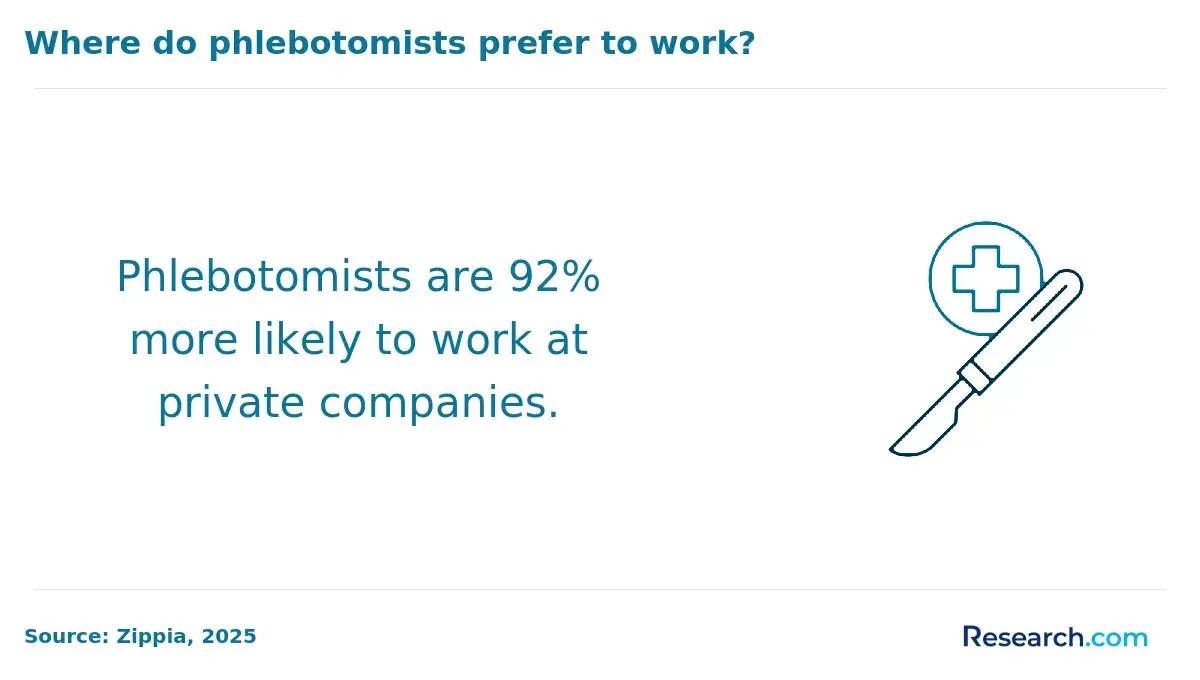
Where do phlebotomists typically work in Massachusetts?
Phlebotomists play a vital role in healthcare across Massachusetts by expertly collecting blood and other specimens that support diagnostic testing, patient care, and medical research. Their contributions help ensure the accuracy of laboratory results, which are essential for effective treatment planning and public health efforts. The varied healthcare landscape in Massachusetts offers multiple professional settings for phlebotomists.
- Hospitals: Working in hospitals often means navigating a fast-paced setting where phlebotomists provide critical support by collecting blood samples from inpatients, emergency department visitors, and surgical patients. Their collaboration with nurses and laboratory personnel ensures timely specimen collection, a key component of urgent diagnostic testing and effective patient care, reflecting the demand for phlebotomist jobs in hospitals and clinics in Massachusetts.
- Diagnostic Laboratories: Phlebotomists in these facilities dedicate their expertise to accurately collecting, labeling, and preparing specimens for diagnostic analysis. This role supports a broad array of tests that help diagnose illnesses and monitor ongoing treatments, making laboratory phlebotomist positions in Massachusetts crucial within both standalone labs and hospital-affiliated systems.
- Blood Donation Centers: In blood banks or donation centers, phlebotomists focus on safely and efficiently collecting blood from volunteer donors. Their skills contribute to maintaining the state's blood supply, essential for surgeries and trauma care, while ensuring donor comfort and safety.
- Outpatient Clinics: These environments offer a steadier workflow where phlebotomists perform routine blood draws for preventive care and chronic disease management. Outpatient settings often facilitate closer patient relationships, enhancing the overall healthcare experience.
- Physician's Offices: Phlebotomists working in private practices may take on additional clinical responsibilities, streamlining specimen collection and integrating laboratory data into patient care. This multifaceted role supports timely diagnosis and ongoing health management.
For those seeking to enter this dynamic field, exploring accredited online medical coding training programs can provide complementary skills, broadening career opportunities within healthcare administration and support roles.
What is the average salary for phlebotomists in Massachusetts?
Salaries for phlebotomists in Massachusetts vary widely due to factors like geographic location, experience level, and employer type. These differences influence how much phlebotomists actually make in the state, with some earning closer to the average while others surpass it. To better understand what affects the average phlebotomist salary in Massachusetts, consider the following key elements.
- Years of Experience: Entry-level phlebotomists typically earn salaries at the lower end of the scale, often around $36,000 to $39,000 annually. As they gain experience, their compensation tends to rise, with seasoned professionals approaching $49,000 per year, especially if they take on specialized or supervisory roles.
- Workplace Setting: Employer type significantly impacts salary. Large hospitals and research institutions generally offer higher wages compared to smaller clinics or physician offices. For example, certain labs like Quest Diagnostics provide an average hourly rate near $19.79, which may lag behind hospital pay but align with entry-level earnings.
- Geographic Region: Phlebotomists working in metropolitan areas such as Boston tend to earn more due to higher demand and cost of living, sometimes exceeding $49,000 annually. In contrast, those in rural communities often receive salaries closer to or slightly below the state average, reflecting local economic differences.
- Additional Certifications: Obtaining advanced certifications, like those from the American Society for Clinical Pathology (ASCP), can enhance earning potential by demonstrating specialized skills. Many Massachusetts employers prefer or require these certifications, which also contribute to job security and bargaining strength.
Those interested in pursuing a phlebotomy career might explore financial assistance options such as AAPC financial aid to support training and certification costs.
What are the best ways to grow your phlebotomy career in Massachusetts?
Growing a phlebotomy career in Massachusetts involves a multifaceted approach that balances skill enhancement, networking, and strategic career moves. Beyond acquiring a basic phlebotomy certification, pursuing additional credentials such as EKG Technician or Medical Assistant can significantly broaden your expertise and job prospects.
Continuing education is accessible through programs at community colleges and supported by initiatives like MassHire Career Centers, which offer funding assistance to eligible candidates. Engaging with professional associations and healthcare networks in Massachusetts-especially within Boston's extensive medical community-can open doors to mentorship and job opportunities. Career advancement often comes through roles in hospitals, large diagnostic labs, or teaching facilities, where leadership positions such as Lead Phlebotomist or Trainer may become attainable.
While certifications and networking are critical, aspiring phlebotomists should also consider lateral moves into related healthcare fields that complement their patient-care experience. A thoughtful, proactive approach to development aligned with local resources will maximize both growth and resilience in this evolving field.
What Do Phlebotomists in Massachusetts Say About Their Career?
- Completing my phlebotomy training at Boston Medical Academy gave me the hands-on experience I needed to confidently start my career right here in Massachusetts. Working in a local school setting has been incredibly fulfilling because I get to help young students stay healthy and informed about their well-being. The stability of this career combined with the chance to grow professionally in an academic environment makes every day rewarding. Massachusetts really supports healthcare professionals with continuous learning opportunities that keep me motivated. I love being part of a community that values both education and health. Almira
- Starting my phlebotomy career in a local school was an eye-opening experience. The diversity of the student population here in Massachusetts has challenged me to develop not only my technical skills but also my cultural sensitivity and communication abilities. Attending the New England Healthcare Institute was the first step, but the real growth came on the job. I feel proud knowing my work contributes positively to children's health and well-being on a daily basis. This career has given me both professional satisfaction and a deeper connection to the community we serve. Mick
- The decision to pursue phlebotomy at Cape Cod Healthcare Training Center opened doors I never imagined. Massachusetts offers unique opportunities for career advancement, especially within academic and healthcare sectors focused on youth. Over time, I have developed a passion for helping students understand their health and build trust with medical professionals early on. This role also pushed me to grow professionally by working alongside dedicated educators and health staff in our schools. The feeling of making a real difference in Massachusetts' communities drives me every day. Yara
Related Articles for Nearby States
- 2027 How To Become a Phlebotomist in Rhode Island
- 2027 How To Become a Phlebotomist in Connecticut
- 2027 How To Become a Phlebotomist in New Hampshire
- 2027 How To Become a Phlebotomist in New York
- 2027 How To Become a Phlebotomist in Vermont
- 2027 How To Become a Phlebotomist in New Jersey
- 2027 How To Become a Phlebotomist in Maine
- 2027 How To Become a Phlebotomist in Pennsylvania
- 2027 How To Become a Phlebotomist in Delaware
- 2027 How To Become a Phlebotomist in Maryland
References:
- Phlebotomy http://slchc.edu/nursing/phlebotomy/
- Workforce Development https://www.rcc.mass.edu/learn/find-your-program/workforce-development/professional-education-programs/phlebotomy.html
- Medical Technology Certificates - Bunker Hill Community College https://www.bhcc.edu/medtech/
- Phlebotomy Career Training Certificate https://quincycollege.edu/program/phlebotomy-career-training-certificate/
- Phlebotomist Travel Jobs in Massachusetts | AMN Healthcare https://www.amnhealthcare.com/careers/allied/apply/travel-phlebotomist-allied-jobs-in-massachusetts/
- 24 mobile phlebotomist Jobs in Massachusetts, October 2025 | Glassdoor https://www.glassdoor.com/Job/massachusetts-mobile-phlebotomist-jobs-SRCH_IL.0,13_IS3399_KO14,33.htm
- Patients Per Hour: How Many Should You Draw? https://www.phlebotomy.com/phlebotomyblog/how-fast-is-fast-enough.html
- Program: Phlebotomy Certificate - Middlesex Community College https://catalog.middlesex.mass.edu/preview_program.php
- Welcome to Our Phlebotomy & Medical Assistant Training Program https://britesticksmedicalsllc.com/
- Boston Phlebotomy & IV School | Northwest Phlebotomy School https://www.nwphlebotomyschool.com/location/boston-ma/
Other Things You Should Know About Becoming a Phlebotomist in Massachusetts
To become a phlebotomist in Massachusetts in 2027, complete an accredited phlebotomy program, pass a certification exam (such as those offered by the National Phlebotomy Association), and acquire hands-on training through clinical practice. Adhere to state-specific guidelines if they are introduced.
In 2027, to become a phlebotomist in Massachusetts, you typically need to complete a phlebotomy training program which can last anywhere from a few weeks to several months. After training, earning certification through an accredited organization like the American Society for Clinical Pathology (ASCP) is recommended for better job prospects.
In Massachusetts, students interested in becoming phlebotomists can often find flexible training options, including hybrid and part-time programs. Many community colleges and vocational schools offer courses that combine online theoretical instruction with in-person lab sessions, making it easier for working adults or those with other commitments to complete their training. Part-time programs are also available, allowing students to progress at a slower pace without sacrificing the hands-on experience required for certification. Prospective students should research local institutions to confirm the availability of hybrid formats and ensure the program meets state certification requirements.


