
2027 How To Become a Phlebotomist in Kentucky

Co-Founder and Chief Data Scientist
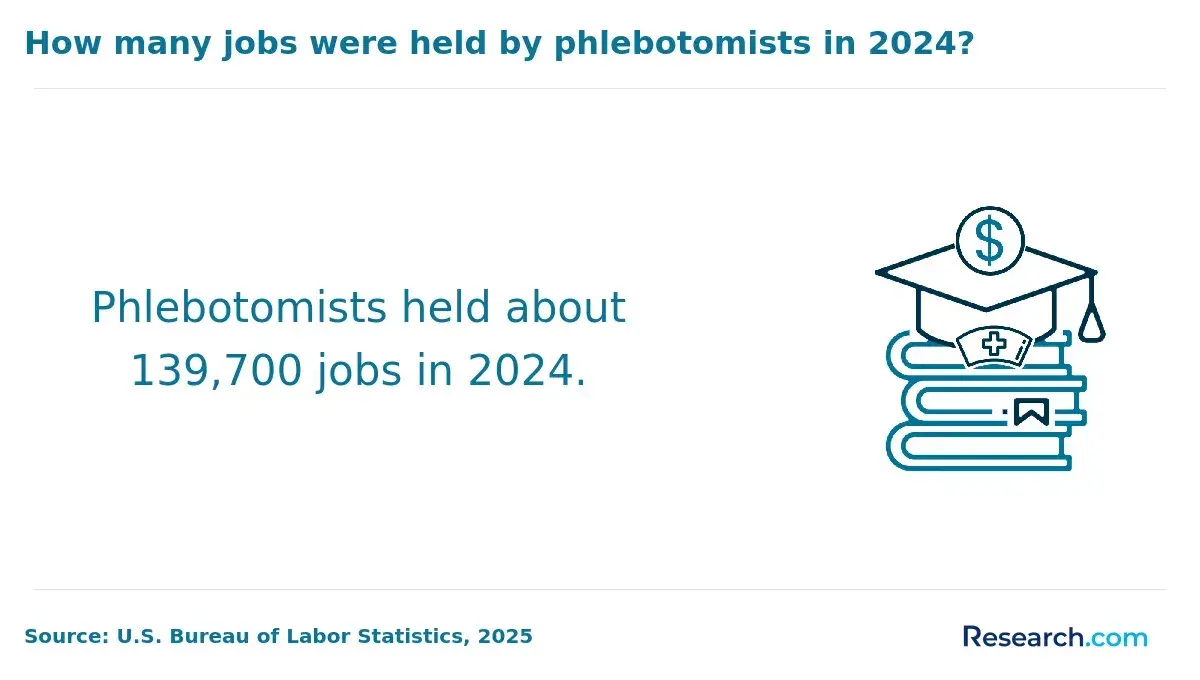
Phlebotomy is a growing career in Kentucky, with the state expecting a 15% increase in demand for phlebotomists over the next decade. This offers solid job security and opportunities for those seeking a healthcare role without a lengthy degree. The median salary in Kentucky for phlebotomists is competitive compared to similar states, making it a smart choice for people wanting a rewarding and stable career close to home.
This article covers everything needed to become a phlebotomist in Kentucky. Created by experts in career planning, it guides readers through certifications, training options, and job prospects. Here you'll find clear, reliable info to help kickstart a successful career in phlebotomy.
Key Things to Know About Becoming a Phlebotomist in Kentucky
- Complete a state-approved phlebotomy training program, usually taking about 4 to 8 weeks, with hands-on clinical hours included.
- Get certified by passing exams like the National Phlebotomy Association, as Kentucky employers prefer certified pros for better job chances.
- Expect entry-level phlebotomist jobs in Kentucky to pay around $30,000 annually, with growing demand thanks to healthcare expansions in cities like Louisville and Lexington.
- What are the education requirements to become a phlebotomist in Kentucky?
- What subjects are taught in phlebotomy classes in Kentucky?
- Do you need a state license to work as a phlebotomist in Kentucky?
- What phlebotomy certifications are recognized in Kentucky?
- Where can you find accredited phlebotomy training programs in Kentucky?
- How much does phlebotomy training cost in Kentucky?
- What skills are required to become a successful phlebotomist in Kentucky?
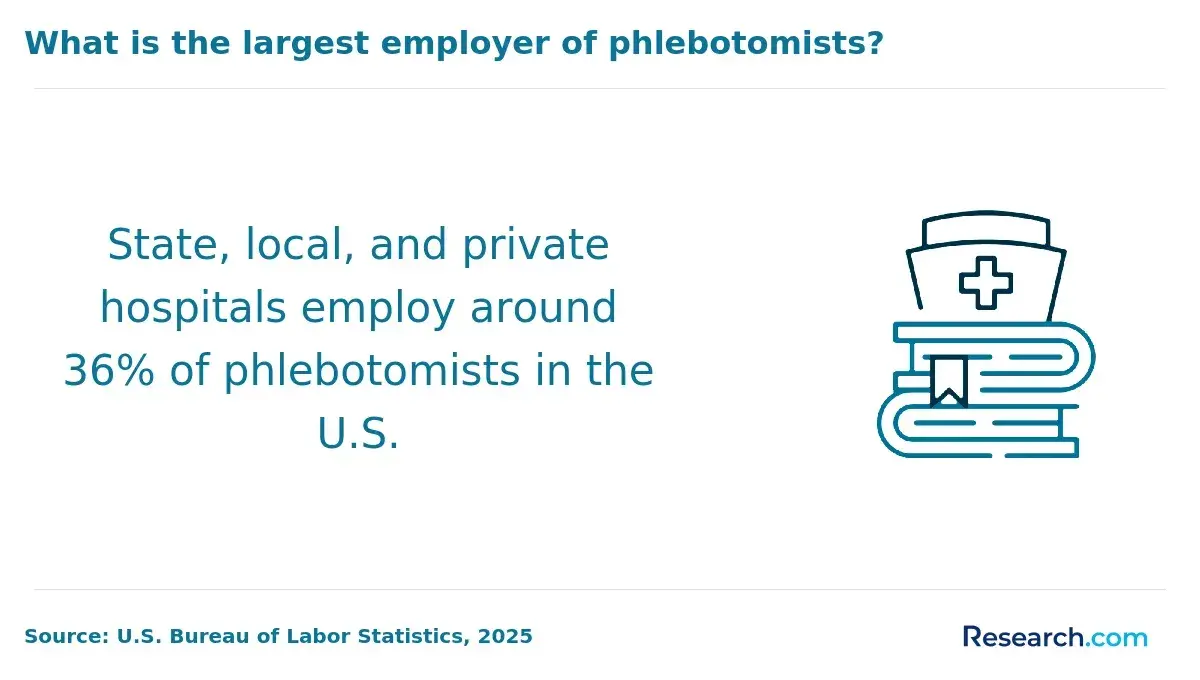
- Where do phlebotomists typically work in Kentucky?
- What is the average salary for phlebotomists in Kentucky?
- What are the best ways to grow your phlebotomy career in Kentucky?
What are the education requirements to become a phlebotomist in Kentucky?
Proper education and training are key for phlebotomists to safely and accurately collect blood, which is crucial for reliable testing and patient care in both clinical and lab settings. Without the right skills, mistakes like specimen errors or patient discomfort can happen.
Here's a quick rundown of the main education requirements to get started as a phlebotomist in Kentucky.
- High School Diploma or GED: To enroll in any phlebotomy training program in Kentucky, you need at least a high school diploma or GED. This basic education sets the foundation so you can handle scientific concepts and training ahead.
- State-Approved Phlebotomy Training Program: The core step is completing a state-approved phlebotomy training, usually available at community colleges or vocational schools across Kentucky. These programs last about 4 to 8 months and teach everything from blood collection methods to infection control and patient communication.
- Classroom and Clinical Instruction: Training blends classroom lessons with hands-on clinical practice, including supervised blood draws. This combo helps you build confidence and real-world skills needed for medical environments.
- National Certification (Recommended): Kentucky doesn't require state certification, but most employers prefer phlebotomists with a national certification like the CPT from recognized organizations. Getting certified shows you're qualified and helps you stand out in the job market.
- Continuing Education (If Certified): If you earn certification, ongoing education is expected to keep your skills sharp - usually a few hours every year or two.
Also, if you're curious about related fields or job possibilities, checking out medical billing and coding job requirements could be helpful as you explore your options.
What subjects are taught in phlebotomy classes in Kentucky?
Knowing what you learn in Kentucky phlebotomy classes is key to becoming confident and capable when it comes to drawing blood, keeping patients safe, and making sure lab results are accurate. These courses cover a variety of important topics designed to prepare you for real-world situations and Kentucky's healthcare environment.
Here's a quick look at the main subjects you'll study in a typical phlebotomy program in Kentucky:
- Anatomy and Physiology: This covers how the circulatory system works, including veins and arteries. Understanding blood flow and where to safely draw blood helps you avoid complications and handle tricky cases with confidence.
- Venipuncture Techniques: Hands-on practice with needles, syringes, and collection devices teaches you the step-by-step process of drawing blood from different types of patients, including kids and older adults.
- Infection Control and Safety Procedures: These lessons focus on stopping infections by following strict hygiene, using personal protective equipment, and safely disposing of sharps. It's all about protecting you and your patients.
- Specimen Processing and Handling: You learn how to label and transport blood samples correctly to avoid errors and keep specimens in good condition for testing.
- Medical Terminology: Knowing the language used in healthcare helps you communicate clearly with other professionals and document your work properly.
- Patient Communication and Professionalism: Training here builds your skills in explaining procedures, easing patient worries, and respecting their privacy and cultural differences.
- CPR and First Aid: Many programs include certification so you're ready to respond quickly if a patient feels faint or has a reaction during a blood draw.
- Medical Law and Ethics: You'll cover patient rights, consent, and legal responsibilities that keep your practice ethical and compliant with Kentucky's rules.
- Quality Assurance and Regulatory Standards: This ensures you understand how to maintain accuracy, document your work, and meet lab standards consistently.
If you're curious about other allied health careers, you might find this helpful on the medical biller and coder career path.
Do you need a state license to work as a phlebotomist in Kentucky?
In Kentucky, you don't need a state license to work as a phlebotomist. The state doesn't have a formal licensing system for this role and doesn't require certification at the state level either. Instead, phlebotomy is regulated more through educational standards and what employers ask for. Most hospitals, clinics, and labs usually want candidates who have completed an approved training program and hold a national certification, like the Certified Phlebotomy Technician (CPT) credential. So, while Kentucky itself won't issue a license, employers often set their own bars, which usually means having some recognized certification improves your chances of landing a job.
Knowing that Kentucky relies on employer-based requirements rather than a state license is important if you're aiming to work there. It means your focus should be on completing a solid training program and earning respected national certification to meet what local healthcare facilities expect. This setup can make it a bit more flexible since you're not tied down to a state licensing board, but competition is real, and employers favor candidates who bring verified skills. Understanding these expectations helps you decide where to invest your time and resources for training, making it easier to find and keep work in Kentucky's healthcare environment.
What phlebotomy certifications are recognized in Kentucky?
Getting certified as a phlebotomist in Kentucky is a smart move for anyone serious about landing a good job and proving they've got the skills to handle blood collection safely and professionally. Most healthcare employers in the state look for candidates with recognized certifications since it shows you meet industry standards and are ready to work. Plus, certification opens doors, giving you a leg up in a competitive job market.
Here are some of the top phlebotomy certifications that employers in Kentucky respect and often require:
- National Healthcareer Association (NHA) - Certified Phlebotomy Technician (CPT): This is a popular credential across Kentucky hospitals and labs. To earn it, you need a high school diploma plus training or clinical experience with successful blood draws. The NHA exam can be taken online or in person, making it convenient and well-suited for those following Kentucky phlebotomy certification requirements.
- American Society for Clinical Pathology (ASCP) - Phlebotomy Technician (PBT): ASCP offers a nationally recognized certification that's highly respected in Kentucky, especially in hospital lab settings. Candidates must complete accredited programs and meet clinical experience standards, which helps ensure quality patient care.
- American Medical Technologists (AMT) - Registered Phlebotomy Technician (RPT): AMT's certification appeals to employers looking for professionals with solid practical training and ethical standards. You qualify by completing phlebotomy training or showing relevant experience, supporting continued education as you grow in your career.
- National Center for Competency Testing (NCCT) - National Certified Phlebotomy Technician (NCPT): With flexible eligibility paths including training or work experience, NCCT's certification focuses on patient safety and specimen handling, making it a strong choice for those preparing for national phlebotomy certification exams in Kentucky.
Whether you're just starting or planning to boost your resume, meeting Kentucky phlebotomy certification requirements with one of these credentials can really make a difference. If you're curious about other medical training options, check out this helpful guide on what is a medical billing and coding course to see how different healthcare careers stack up.
Where can you find accredited phlebotomy training programs in Kentucky?
Picking the right phlebotomy training program in Kentucky is key if you want solid education, to qualify for certification exams, and to boost your chances of landing good jobs. Accredited programs make sure you get practical skills and knowledge that employers actually look for, plus they meet the standards set by certifying organizations.
If you're wondering where to start, here are some common places to find accredited phlebotomy training in Kentucky.
- Community Colleges: These schools, like those in the Kentucky Community and Technical College System, offer certificate programs blending classroom learning with real clinical experiences. Make sure to check if the program is in the KCTCS catalog and if it has state approval.
- Vocational and Technical Schools: Perfect for hands-on training and flexible schedules, these schools often have programs approved by state authorities or aligned with national certifying bodies like the NHA.
- Hospitals and Healthcare Systems: Some hospitals run their own phlebotomy courses focused on practical skills and externships. It's a good idea to ask their education departments about program approval from groups like the NCCT.
- Private Career Institutes: Places such as the Kentucky School of Phlebotomy provide approved certificate programs mixing classroom and clinical training. Accreditation info is usually clear on their websites and can be verified with the state commission.
I spoke with a phlebotomist from Kentucky who graduated from a local accredited school. He shared how tough it was initially to find a program that checked all the boxes-quality training, recognized accreditation, and good clinical opportunities. "I remember spending hours researching and calling different schools," he said. "When I finally found a program that was state-approved and offered hands-on externships, it felt like things clicked." The practical exposure during training gave him confidence and made job hunting easier. His experience really shows how important it is to dig deep and verify before enrolling in any program around here.
How much does phlebotomy training cost in Kentucky?
Phlebotomy training costs in Kentucky can really vary depending on a few factors like whether the program is at a public or private school, how long the course runs, and if they include extras like certification prep or clinical externships. Public schools often offer lower tuition for locals, while private programs might be pricier but bendier on schedules or speed.
Here's a quick look at the typical costs you'll face when signing up for training:
- Tuition and Registration Fees: This is usually the biggest expense, ranging from about $500 to $1,600 depending on how long and in-depth the program is. Many programs charge an extra registration fee of $50 to $200 to hold your spot.
- Laboratory and Externship Fees: Hands-on practice matters, so expect to pay an additional $100 to $150 for lab supplies and around $100 if there's an externship involved to cover clinical placement costs.
- Books and Supplies: Getting the right textbooks and training materials usually adds another $100 to $135 to your budget, which is essential for learning the ropes effectively.
- Uniforms and Equipment: You'll need scrubs and proper shoes for clinical work, typically costing between $50 and $100 to make sure you're ready to hit the floor professionally.
- Certification Exam Fees: When you're done training, taking a national certification exam usually costs between $125 and $200, helping boost your job prospects but not always mandatory.
What skills are required to become a successful phlebotomist in Kentucky?
Being a great phlebotomist in Kentucky means more than just drawing blood-it's about making patients feel comfortable, sticking to strict safety rules, and collecting accurate samples every time. These skills are essential for working smoothly in busy hospitals, clinics, or labs across the state.
To help you succeed, here are the key abilities you'll want to build:
- Attention to Detail: Spotting every small detail prevents mix-ups and keeps samples accurate, which is critical for patients' health and trust.
- Technical Proficiency: You'll master safe blood draw methods and equipment handling through hands-on practice, making sure each sample is properly collected and processed.
- Communication Skills: Clearly explaining procedures and easing patient nerves makes a huge difference during blood collection.
- Professionalism: Being reliable, ethical, and respectful builds confidence with both patients and coworkers every day.
I recently asked a phlebotomist from Kentucky about her experience developing these skills after graduating from a local program. She shared how the tricky part wasn't just the technical steps but learning to stay calm under pressure while comforting nervous patients. "At first, the fast pace of the clinic was overwhelming," she said, "but the training pushed me to stay focused and compassionate at the same time." She also highlighted how practicing on real patients during her externship taught her the fine balance between precision and empathy-skills that truly shaped her success in Kentucky's healthcare settings.
Where do phlebotomists typically work in Kentucky?
Phlebotomists play a key role in healthcare across Kentucky by collecting blood samples that support diagnostic testing, patient care, and medical research. Their work helps labs deliver accurate results quickly, which is crucial for doctors and patients alike.
Here are some of the most common places you'll find phlebotomists working in the state:
- Hospitals: These are busy spots where phlebotomists handle blood draws for patients of all ages, from emergency cases to routine monitoring. Hospitals rely on them for fast and precise sample collection that keeps everything running smoothly.
- Diagnostic Laboratories: In both independent and hospital labs, phlebotomists prep and process blood and other specimens for a range of tests. Their attention to detail ensures samples stay reliable and results come back on time for doctors and patients.
- Blood Donation Centers: These centers depend on phlebotomists to collect blood donations safely and comfortably. They play a big role in maintaining a steady blood supply for transfusions and medical research throughout Kentucky.
- Outpatient Clinics: Many clinics, including community and specialty centers, have phlebotomists doing routine blood work. This setting often involves working closely with diverse patients, supporting ongoing care for chronic conditions and checkups-perfect for those interested in clinic-based phlebotomist jobs in hospitals and clinics in Kentucky.
- Physician's Offices: Smaller than hospitals, these offices use phlebotomists for regular health screenings and pre-surgical testing, offering a steadier schedule and a more personal work environment.
- Mobile Phlebotomy Services and Long-Term Care Facilities: For folks unable to visit clinics, mobile phlebotomy services bring blood-drawing right to their doorstep. This growing option in Kentucky expands access to care and makes a real difference for patients in nursing homes and home care.
Whether you're exploring career options or wondering is there a difference between bachelors degree and medical billing and coding certificate, understanding these common work environments will help you see where you might fit best in this vital healthcare role.
What is the average salary for phlebotomists in Kentucky?
Salaries for phlebotomists in Kentucky can really vary depending on where you work, how much experience you have, and the kind of healthcare facility you're employed by. For example, urban areas usually pay more than rural ones, and big hospitals often offer better wages than smaller clinics.
If you're curious about what shapes the average phlebotomist salary in Kentucky, here are the main factors to consider:
- Years of Experience: If you're just starting out, expect entry-level wages around $14 per hour. But as you gain experience and prove your skills, pay can climb up to $21 per hour or even higher, reflecting your growing expertise and dependability.
- Workplace Setting: Working in a large hospital or specialized lab usually pays better than smaller clinics or doctor's offices. Places with higher patient volume tend to offer more competitive salaries to attract skilled phlebotomists.
- Geographic Region: Location makes a big difference. For instance, phlebotomists in cities like Louisville or Lexington earn more on average compared to those in rural areas. Bowling Green stands out with an hourly wage Kentucky workers might envy, averaging around $22.10.
- Additional Certifications: Getting certified through recognized organizations can boost your pay and open doors to better job opportunities. Employers appreciate certified pros and often reward them with higher hourly wages and more responsibilities.
On a related note, if you're planning your career path, it's smart to check out what requirements are needed to become a certified medical coder and biller, as expanding your skills can increase your value in the healthcare field too.
What are the best ways to grow your phlebotomy career in Kentucky?
If you're looking to boost your phlebotomy career in Kentucky, focusing on more than just the basic license is key. Getting nationally recognized certifications like the ASCP or NHA can really set you apart and open doors to higher-paying jobs. Continuing education is another smart move-places like Hopkinsville Community and Technical College offer courses that help you build skills and get ready for advanced exams.
Don't underestimate the power of networking either; organizations like the Kentucky School of Phlebotomy provide valuable career support and connect you with employers across the state. When it comes to job settings, consider exploring opportunities beyond hospitals and labs-think clinics, outpatient centers, and even teaching roles. Larger Kentucky cities, especially Louisville and Northern Kentucky near Cincinnati, are hotspots with plenty of openings and growth potential. With 131 current job listings and a strong regional healthcare scene, there's plenty of room to grow if you're willing to put in the effort.
What Do Phlebotomists in Kentucky Say About Their Career?
- Completing the phlebotomy program at Bluegrass Technical Academy truly opened doors I didn't know existed in my hometown. The hands-on training and supportive instructors gave me confidence to start working immediately. Beginning my career at a local school allowed me to connect deeply with young people, knowing my work supports their health and success. Kentucky's unique rural healthcare challenges make each day a meaningful opportunity to make a difference. The stability and growth potential in this field keep me motivated to continue learning and advancing. Grelyn
- Finishing my certification at the Lexington Health Institute was a rewarding challenge that prepared me thoroughly for the clinical world. Starting out as a phlebotomist in a local school setting brought a sense of purpose beyond just blood draws; I felt I was caring for the community's future by supporting its children's well-being. Kentucky's strong sense of local pride and community ties make this work very fulfilling. Over time, I've embraced new responsibilities and leadership roles, which has boosted my career development immensely. Thalia
- The decision to train at the Appalachian Medical Training Center was driven by my desire to serve in an area often overlooked. Working in a local school allowed me to witness firsthand the impact that accessible healthcare services can have on students and families in this region. Kentucky's blend of cultures and its evolving healthcare system present unique challenges that keep my work engaging and vital. I've grown not only professionally but personally, inspired by the resilience of the communities I serve. Jaxen
Related Articles for Nearby States
- 2027 How To Become a Phlebotomist in Indiana
- 2027 How To Become a Phlebotomist in Ohio
- 2027 How To Become a Phlebotomist in Tennessee
- 2027 How To Become a Phlebotomist in West Virginia
- 2027 How To Become a Phlebotomist in Virginia
- 2027 How To Become a Phlebotomist in Illinois
- 2027 How To Become a Phlebotomist in Missouri
- 2027 How To Become a Phlebotomist in North Carolina
- 2027 How To Become a Phlebotomist in Georgia
- 2027 How To Become a Phlebotomist in Mississippi
References:
- Career Counseling for KYSP Alumni https://www.kyphleb.com/counseling.php
- Western Kentucky University Phlebotomy Technician Online Certification Course https://wku.edu2.com/product/989/phlebotomy-technician
- Mobile Phlebotomist - Solaris Diagnostics https://solarisdx.com/careers/mobile-phlebotomist/
- Phlebotomy Certification in Nicholasville Kentucky with NPCE https://www.npce.org/phlebotomy-certification-nicholasville-kentucky
- Now Hiring: Phlebotomist in Louisville, Kentucky, United States of America @ Labcorp https://careers.labcorp.com/global/en/job/COVAGLOBAL2530958EXTERNALENGLOBAL/Phlebotomist
- Phlebotomy | SKCTC https://southeast.kctcs.edu/education-training/program-finder/phlebotomy.aspx
- How Much Do Phlebotomists Make? https://nurse.org/healthcare/phlebotomy-salary/
- Phlebotomist Jobs in Louisville Ky | UofL Health https://uoflhealth.org/phlebotomist-jobs-in-louisville-ky/
- Kentucky Phlebotomy Schools & Certification Information | PhlebotomyTraining.org https://www.phlebotomytraining.org/state/kentucky/
- Assessment of the Number of Phlebotomists in a Newly Established Sample Collection Center https://pmc.ncbi.nlm.nih.gov/articles/PMC10493005/
Other Things You Should Know About Becoming a Phlebotomist in Kentucky
Travel and mobile phlebotomy jobs in Kentucky present promising opportunities due to the state's growing healthcare needs and expanding medical facilities. Many companies and healthcare providers in Kentucky offer mobile services, allowing phlebotomists to work in diverse locations such as patients' homes, nursing facilities, and clinics. This flexibility not only increases job availability but also provides professionals with varied work environments and the potential for higher income through travel assignments. Overall, Kentucky's healthcare landscape supports a healthy demand for mobile phlebotomy roles, making it a viable option for those seeking dynamic and location-flexible phlebotomy careers.
In Kentucky, it is possible to find hybrid and part-time phlebotomy programs designed to accommodate students with busy schedules or other commitments. Many community colleges and technical schools offer flexible course formats that combine online instruction with hands-on clinical practice, allowing students to gain essential skills without attending full-time on campus. These programs typically extend the duration of study but provide the same comprehensive training required for certification. Prospective students should research local institutions to confirm program availability and ensure that the curriculum meets state licensing and certification requirements.
To become a phlebotomist in Kentucky in 2027, you typically need to complete a phlebotomy training program accredited by a recognized body, such as the National Accrediting Agency for Clinical Laboratory Sciences (NAACLS), and obtain certification. A high school diploma or GED is usually required before starting a program.


