
2027 How To Become a Phlebotomist in Kansas

Co-Founder and Chief Data Scientist
Phlebotomy in Kansas offers an exciting path with strong demand, as the state employs over 3,500 phlebotomists, reflecting steady growth in healthcare services. This career promises rewarding opportunities with competitive wages and job stability due to rising medical needs.
Kansas' expanding healthcare facilities highlight the need for skilled professionals to handle essential blood collection tasks efficiently and compassionately, making it an excellent choice for those seeking meaningful work.
This article provides a clear roadmap on how to become a phlebotomist in Kansas. Crafted by career planning experts, it delivers trusted advice to guide readers through certification requirements, training options, and employment prospects in the Sunflower State. Readers will find all key information to embark confidently on this promising healthcare career journey.
Key Things to Know About Becoming a Phlebotomist in Kansas
- Enroll in an accredited phlebotomy training program, typically lasting 4 to 8 weeks, to gain hands-on skills required by Kansas healthcare employers.
- Obtain certification from recognized organizations like the American Society for Clinical Pathology; certified phlebotomists in Kansas earn an average of $38,000 annually, reflecting strong local demand.
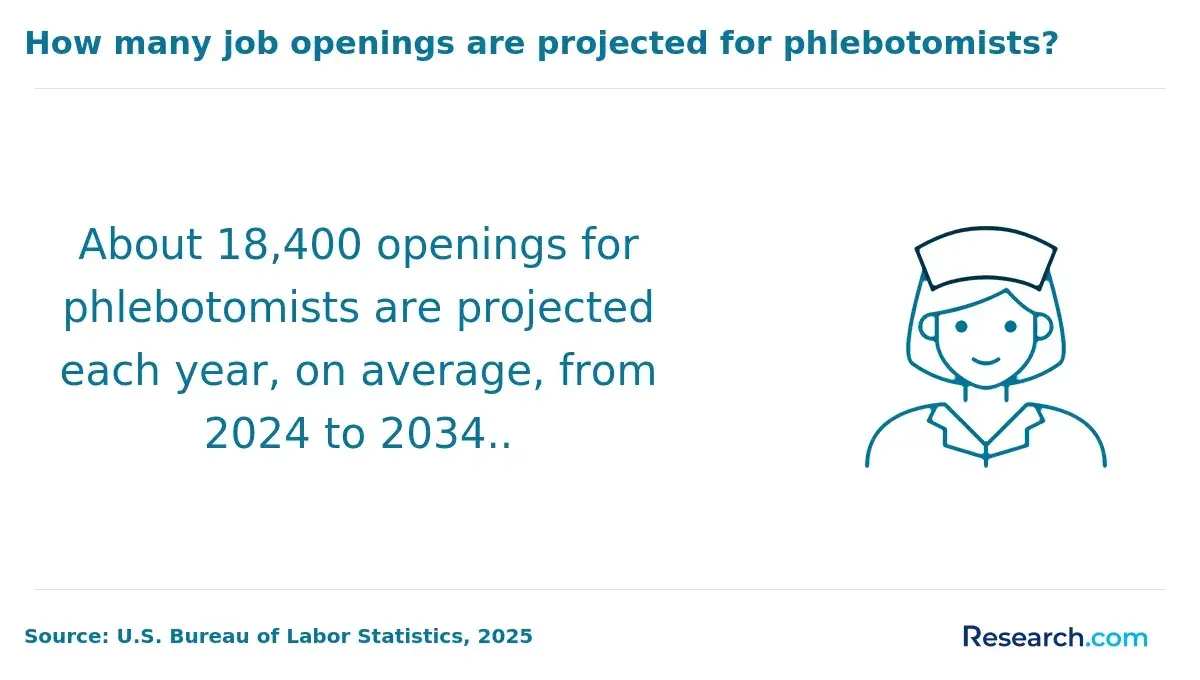
- Stay informed on Kansas workforce trends-phlebotomy jobs are projected to grow by 17% over the next decade, making it a promising career path for healthcare adventurers.
- What are the education requirements to become a phlebotomist in Kansas?
- What subjects are taught in phlebotomy classes in Kansas?
- Do you need a state license to work as a phlebotomist in Kansas?
- What phlebotomy certifications are recognized in Kansas?
- Where can you find accredited phlebotomy training programs in Kansas?
- How much does phlebotomy training cost in Kansas?
- What skills are required to become a successful phlebotomist in Kansas?
- Where do phlebotomists typically work in Kansas?
- What is the average salary for phlebotomists in Kansas?
- What are the best ways to grow your phlebotomy career in Kansas?
What are the education requirements to become a phlebotomist in Kansas?
Proper education and training serve as the backbone for phlebotomists to conduct blood collection with precision, safety, and minimal discomfort for patients. In clinical and laboratory environments, mastering these skills protects patient health and ensures reliable diagnostic results. To equip future professionals for these challenges, a clear path of educational standards awaits. Here are the essential requirements to successfully navigate Kansas phlebotomy training programs and prerequisites:
- High School Diploma or Equivalent: A foundational step that guarantees basic literacy and numeracy skills necessary for medical documentation and comprehension of procedures. This credential is mandatory before enrolling in any phlebotomy program in Kansas, setting the stage for further specialized learning.
- Minimum Age Requirement: Most programs expect candidates to be at least 18 years old, though some allow 17-year-olds if they turn 18 before starting. This age limit corresponds to legal and ethical expectations surrounding patient privacy and professional responsibility.
- Completion of a State-Approved Phlebotomy Training Program: Students must complete a program approved by Kansas or accredited bodies, covering anatomy, physiology, blood collection techniques, safety, and infection control. This ensures a comprehensive foundation aligned with industry standards.
- Classroom and Clinical Instruction Hours: Training typically combines 40-80 hours of theory and 20-120 hours of hands-on clinical practice. These supervised experiences sharpen technical skills and patient interaction essential for real-world readiness.
- National or State Certification (Optional but Recommended): While not required by Kansas law, obtaining national certification boosts employability and professional credibility, often leading to higher wages. Employers favor certified phlebotomists who demonstrate commitment and competence.
For those interested in how long this journey may take, exploring the time it takes to become a medical biller and coder can offer a perspective on similar medical career timelines.
What subjects are taught in phlebotomy classes in Kansas?
Embarking on phlebotomy training in Kansas means diving into a curriculum designed to equip you with essential skills for blood collection, patient safety, and laboratory precision. Mastery of these areas ensures you can confidently contribute to accurate diagnoses while maintaining the highest standards of care. Here's a look at the core subjects that form the foundation of the phlebotomy course curriculum in Kansas.
Key subjects commonly covered in Kansas phlebotomy training include:
- Basic Anatomy and Physiology: This subject helps you understand the human body's structure, focusing on the circulatory system and veins critical for venipuncture. Knowing where and how to collect blood safely prevents complications and preserves specimen quality.
- Venipuncture Techniques: Practical training in needle selection, site preparation, and managing difficulties during blood draws gives you the hands-on experience needed to perform successful collections with minimal discomfort to patients.
- Infection Control and Safety: Learning about infection prevention methods, personal protective equipment, and OSHA regulations prepares you to maintain a safe environment for both patients and healthcare staff.
- Specimen Handling and Processing: This area covers how to properly label, transport, and process blood and other clinical specimens, ensuring tests are reliable and contamination-free.
- Patient Communication and Preparation: Developing communication skills is vital for explaining procedures clearly, gaining consent, and calming patient anxieties to create a cooperative atmosphere during blood collection.
- Legal and Ethical Principles: Understanding patient rights, confidentiality, and your legal responsibilities protects both you and your patients while upholding professional standards.
- Special Collections and Complications: Training prepares you to handle challenging situations like pediatric or geriatric draws and respond effectively to adverse reactions or technical issues.
- CPR and Basic Life Support (BLS): Certification in emergency response techniques ensures you can act quickly if medical issues arise during procedures.
- Laboratory Information Systems: Familiarity with electronic systems for recording and tracking specimens helps smoothly integrate your work into broader healthcare workflows.
For those exploring related healthcare certifications, understanding the cbcs vs cpc certification key differences can offer valuable insight into other medical career paths and credential options.
Do you need a state license to work as a phlebotomist in Kansas?
Kansas takes a unique approach to regulating phlebotomy by not requiring a state-issued license to practice. Unlike states with formal licensing boards or statewide educational mandates, Kansas leaves credentialing largely up to individual employers. Hospitals, clinics, and laboratories set their own standards, often expecting candidates to have national certifications from recognized organizations.
This employer-driven model means that while the state doesn't legally require licensure, having formal training and certification can strongly influence job prospects and professional reputation within the Kansas healthcare community.
This flexible regulatory landscape shapes the career path of phlebotomists in interesting ways. Without a uniform state license, those entering the field must navigate varied employer expectations and prioritize credentials that demonstrate competency and safety.
Understanding how Kansas handles phlebotomy oversight helps professionals identify which certifications hold the most value and where opportunities may exist across different healthcare settings. This insight becomes a key asset in making informed choices about education, certification, and where to apply within the state's diverse healthcare system.
What phlebotomy certifications are recognized in Kansas?
Certification is a valuable asset for phlebotomists in Kansas, offering formal recognition of skills that align with employer expectations and boost professional credibility. Achieving a nationally recognized phlebotomy certification in Kansas opens doors to better job prospects by demonstrating commitment to industry standards and practical competence. For those excited to explore different credentialing pathways, here's a look at the main certifications that shape the field.
- National Healthcareer Association (NHA) Certified Phlebotomy Technician (CPT): This credential is highly respected across Kansas, requiring candidates to complete an approved training program and pass a phlebotomy technician certification exam Kansas employers trust. The NHA CPT emphasizes foundational skills, safety, and patient interaction, ensuring readiness for diverse healthcare environments.
- American Society for Clinical Pathology (ASCP) Phlebotomy Technician (PBT): Endorsed by many hospitals and labs, the ASCP PBT certification combines formal training with clinical experience. Its rigorous exam sets a high standard, often necessary for advanced roles and career growth within larger medical centers.
- American Medical Technologists (AMT) Registered Phlebotomy Technician (RPT): Recognized for practical knowledge, AMT's RPT credential requires passing an exam that focuses on technical skills and safety. It's popular in Kansas, supported by local programs like Washburn Tech, and helps reduce on-the-job training time.
- National Center for Competency Testing (NCCT) National Certified Phlebotomy Technician (NCPT): The NCPT credential is known for its practical approach and acceptance in outpatient settings. Candidates qualify by completing accredited courses or demonstrating experience, then passing a national exam valued by Kansas employers.
- National Phlebotomy Certification Examination (NPCE) Certified Phlebotomy Technician (CPT): NPCE offers an accessible and cost-effective option for certification, requiring training completion and passing their exam. This credential caters to individuals entering the field through varied pathways.
For those curious about how healthcare careers connect, understanding roles alongside phlebotomy can be rewarding; to explain medical billing and coding is one such avenue worth exploring.
Where can you find accredited phlebotomy training programs in Kansas?
Enrolling in an accredited phlebotomy training program in Kansas opens doors to quality education, eligibility for national certification, and stronger job prospects within medical facilities. Such programs ensure students gain up-to-date skills and meet industry standards trusted by employers. For those ready to start, here are common places offering accredited phlebotomy training across the state:
- Community Colleges: Institutions like Barton Community College and Manhattan Area Technical College combine classroom learning with clinical practice. Their programs are accredited by recognized bodies, and students can confirm approval through each college's official website or directly from program coordinators.
- Vocational and Technical Schools: Schools such as Washburn Tech provide focused, shorter-term training tailored to workforce needs. Prospective students should verify accreditation via the Kansas Board of Regents or official school materials before enrolling.
- Private Career Institutes: Facilities like Phlebotomy Training Specialists and Mid-America College offer intensive, nationally approved programs with flexible schedules. Accreditation details are available on their websites and through national certifying organizations.
- Hospitals and Healthcare Systems: Some healthcare providers offer accredited in-house training, often in partnership with educational institutions, ensuring extensive hands-on experience that meets certification standards.
- Workforce Development Centers: Entities such as Allied Health Career Training run phlebotomy courses tied to local workforce initiatives and state approval, with accreditation information typically found on course catalogs or KansasWORKS resources.
Speaking with a phlebotomist from Kansas who graduated from a local community college revealed the personal side of this path. He described the initial uncertainty in choosing a program, emphasizing how verifying accreditation was crucial to avoid dead-end investments of time and money.
"The application process felt overwhelming at first," he shared, "but reaching out directly to the program director and exploring official sites made the choice clearer." Hands-on clinical practice was a highlight, boosting both confidence and readiness for certification exams.
Reflecting on his journey, he noted how discovering these accredited programs felt less like following a strict map and more like navigating a landscape full of supportive resources, ensuring he was well-prepared to enter the workforce with both knowledge and assurance.
How much does phlebotomy training cost in Kansas?
Phlebotomy training costs in Kansas can vary widely based on whether you choose a public technical college, a private training center, or a community college.
Program length and the depth of clinical experience offered also influence tuition rates, with shorter, private programs often costing less but including fewer hours than their longer, more comprehensive counterparts. Here's what to expect when budgeting for phlebotomy training in Kansas:
- Tuition and Registration Fees: Tuition makes up the bulk of training expenses. Private schools typically charge between $500 and $1,500, with registration fees adding $25 to $100. Public technical colleges tend to offer programs closer to $1,000, often reflecting a more extensive training experience over several weeks.
- Books and Supplies: Textbooks, workbooks, and materials are usually not included in tuition and can cost an additional $100 to $135. These essentials help build the knowledge foundation necessary for successful certification.
- Laboratory and Clinical Fees: Hands-on learning requires fees for lab and clinical supplies, which can range from $100 up to $315. This investment ensures practical skills development under professional supervision.
- Uniforms and Equipment: Clinical settings often require scrubs, lab coats, or appropriate shoes, with costs typically between $30 and $100. Some programs include these in fees, but often they are an extra expense.
- Certification Exam Fees: Becoming a certified phlebotomist involves an exam fee of $115 to $200, depending on the certifying organization. This fee may cover study guides and practice tests alongside the official exam.
What skills are required to become a successful phlebotomist in Kansas?
In Kansas, mastering a unique blend of skills is essential for phlebotomists to deliver safe, accurate blood collections while ensuring patient comfort in diverse healthcare environments. These skills create a foundation that supports precise procedures and empathetic interactions, both critical to quality care. Let's explore the key abilities that shape a successful phlebotomist in this evolving field.
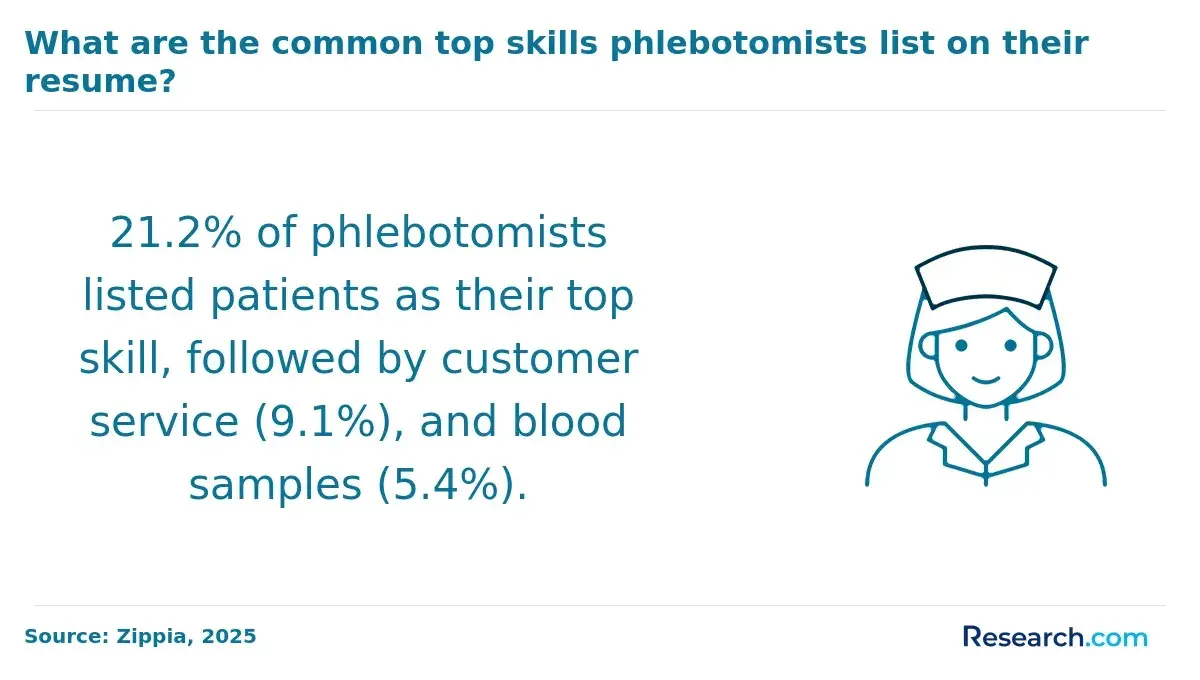
- Attention to Detail: Following strict protocols for patient ID and specimen handling prevents costly errors and protects patient well-being by ensuring test accuracy.
- Technical Proficiency: Skillful venipuncture techniques and equipment handling reduce discomfort and complications, making each blood draw smooth and reliable.
- Communication: Clear, compassionate dialogue eases patient anxiety and fosters teamwork, enhancing the overall healthcare experience.
- Professionalism: Respecting privacy, maintaining appearance, and showing empathy builds trust and reassures patients during stressful moments.
A phlebotomist from Kansas, trained locally, shared how mastering these skills was a gradual but rewarding journey. She recalled the challenge of calming nervous patients while carefully drawing blood, a moment where communication and steady hands truly mattered.
Clinical practice sessions pushed her dexterity and adaptability, often requiring creative problem-solving when veins were hard to find. "The blend of science and human connection here feels like an adventure every day," she reflected, highlighting how each patient encounter deepened both her confidence and care.
This hands-on approach shaped her into the effective phlebotomist she is today, ready to meet Kansas' healthcare demands with skill and heart.
Where do phlebotomists typically work in Kansas?
Phlebotomists serve as vital connectors in Kansas healthcare, skillfully collecting blood and other specimens that empower diagnostic testing, patient care, and medical research. Their expertise and precision ensure accurate laboratory results, enabling healthcare providers to make timely and informed decisions. Below are some of the most common environments where phlebotomists find rewarding work across the state:
- Hospitals: In bustling hospitals, phlebotomists handle a steady flow of blood samples from inpatients, outpatients, and emergency visitors. Their role is crucial for quick diagnoses and ongoing patient monitoring, making phlebotomist jobs in Kansas hospitals highly dynamic and impactful.
- Diagnostic Laboratories: Working in private or hospital-affiliated labs, phlebotomists focus on specimen collection and preparation for analysis. These positions demand precision to maintain specimen integrity and deliver timely results that influence clinical decisions.
- Outpatient Clinics and Ambulatory Centers: Here, phlebotomy positions in Kansas clinics often involve drawing blood for routine checkups or chronic disease management. The repeated patient interactions help build trust and contribute to continuity of care within community settings.
- Blood Donation Centers: These specialized sites rely on phlebotomists to safely collect donor blood, supporting the local supply for hospitals and emergency needs. Attention to donor safety and protocol adherence is essential in this life-saving environment.
- Physician's Offices: Some phlebotomists work directly in doctors' offices, streamlining specimen collection during patient visits and reducing the need for separate lab appointments. This setting enhances efficiency and patient convenience.
- Mobile Phlebotomy Services: Traveling to homes, long-term care facilities, and corporate events, mobile phlebotomists expand access to vital lab services. This growing field supports elderly or homebound patients and innovative wellness programs statewide.
For those considering further healthcare education options, exploring medical billing and coding online courses can be an excellent way to expand skills and career opportunities.
What is the average salary for phlebotomists in Kansas?
Salaries for phlebotomists in Kansas can vary widely based on where you work, how much experience you have, and the type of employer you join. Whether you're near urban hotspots or in more rural areas, these factors shape the income landscape. Exploring the average phlebotomist salary in Kansas reveals a fascinating mix of influences shaping how much one could earn. Here are the key elements that affect pay levels:
- Years of Experience: Entry-level phlebotomists usually start on the lower end of the pay scale, around $26,520 annually, while seasoned professionals with several years under their belt can earn up to $46,960. Experience not only boosts wages but also opens doors to supervisory roles or specialties that command higher pay.
- Workplace Setting: Large hospitals and specialized clinics, especially in metropolitan areas, often offer better compensation than smaller physician offices. For instance, in Overland Park, phlebotomists can earn around $22.50 per hour-significantly above the state average.
- Geographic Region: Living closer to urban centers like Kansas City often means higher salaries to match living costs and demand, while rural areas tend to hover near the statewide average, typically between $35,369 and $39,429 annually. Location truly has a direct impact on potential earnings.
- Additional Certifications and Skills: Credentials from recognized bodies such as the American Society for Clinical Pathology can multiply opportunities. Certified phlebotomists with specialized expertise tend to secure a financial edge with higher wages and better job prospects.
Curious about furthering your healthcare career while managing costs? Consider exploring options like medical billing and coding online financial aid for additional pathways in the healthcare field that could complement your phlebotomy career journey.
What are the best ways to grow your phlebotomy career in Kansas?
Embarking on a phlebotomy career in Kansas opens doors to dynamic growth through strategic advancement. Start by earning certifications beyond the basic phlebotomy license, such as the nationally recognized Registered Phlebotomy Technician credential, to boost your professional standing.
Continuing education plays a vital role-engage in workshops on new blood collection technologies and patient communication to stay ahead in this evolving field. Networking is equally essential; joining professional associations and tapping into programs like the Kansas Hospital Association's apprenticeship partnerships can connect you with mentors and inside knowledge about job openings and promotions.
Don't hesitate to explore diverse career paths within hospitals, laboratories, or educational roles, where leadership or supervisory opportunities await. With local resources like Washburn Tech, Manhattan Area Technical College, and regional employers offering tiered positions and on-the-job training programs, the Sunflower State presents a rich landscape for phlebotomists eager to grow, adapt, and thrive in healthcare's frontline.
What Do Phlebotomists in Kansas Say About Their Career?
- Completing my phlebotomy certification at Wichita Technical Academy was a transformative experience. The hands-on training prepared me thoroughly, and starting my career in a local Kansas school gave me a unique chance to work closely with young students and their families. I love how this role blends technical skills with genuine care, allowing me to support the health of my community during critical moments. Kansas's friendly environment and stable healthcare demand make this a fulfilling and secure career path for me. Jermaine
- My journey began with rigorous training at the Heartland Medical Institute, where I learned the fundamentals of phlebotomy in a supportive atmosphere. Transitioning to work within a local school setting challenged me to develop strong communication skills and patience, helping students feel comfortable during medical tests. The opportunity to impact children's well-being daily is deeply rewarding, fostering my growth both personally and professionally. I appreciate how Kansas's diverse community teaches me to adapt and thrive in various situations. Lan
- Choosing to study at the Central Kansas Health Academy was a strategic move for my career. The program's comprehensive curriculum opened doors to various healthcare settings, and beginning as a phlebotomist in a local academic institution allowed me to witness firsthand how early health interventions can change lives. This role has enhanced my professional skills and deepened my passion for contributing to community health, especially in rural areas where resources are limited. Working here has given me a purpose beyond just a job. Sofia
Related Articles for Nearby States
- 2027 How To Become a Phlebotomist in Nebraska
- 2027 How To Become a Phlebotomist in Oklahoma
- 2027 How To Become a Phlebotomist in Missouri
- 2027 How To Become a Phlebotomist in Colorado
- 2027 How To Become a Phlebotomist in Iowa
- 2027 How To Become a Phlebotomist in Arkansas
- 2027 How To Become a Phlebotomist in Texas
- 2027 How To Become a Phlebotomist in South Dakota
- 2027 How To Become a Phlebotomist in Wyoming
- 2027 How To Become a Phlebotomist in Minnesota
References:
- Phlebotomy Training Program - KANSASWORKS https://www.kansasworks.com/etp/public/institution_programs/5687
- Assessment of the Number of Phlebotomists in a Newly Established Sample Collection Center https://pmc.ncbi.nlm.nih.gov/articles/PMC10493005/
- Salary: Phlebotomist in Kansas City, KS 2025 | Glassdoor https://www.glassdoor.com/Salaries/kansas-city-ks-phlebotomist-salary-SRCH_IL.0,14_IC4990210_KO15,27.htm
- Phlebotomy http://slchc.edu/nursing/phlebotomy/
- Phlebotomy https://www.bartonccc.edu/programs/phlebotomy
- 7-Week Phlebotomy https://www.kcphleb.com/plb.php
- Phlebotomy Certification in Kansas with NPCE https://www.npce.org/phlebotomy-certification-rogers-arkansas/
- Phlebotomy Technician Training Classes - Wichita, Kansas — Allied Health Career Training https://alliedhealthcareertraining.com/ksphlebotomy
- Phlebotomy Technician - Great Jobs KC https://greatjobskc.org/phlebotomy-technician/
- 314 Phlebotomist jobs in Overland Park https://www.linkedin.com/jobs/phlebotomist-jobs-overland-park-ks
Other Things You Should Know About Becoming a Phlebotomist in Kansas
To become a phlebotomist in Kansas in 2027, you need a high school diploma or GED, complete a phlebotomy training program, and gain certification through a recognized organization such as the National Phlebotomy Association. Kansas does not require state licensure.
In Kansas, it is possible to find hybrid or part-time phlebotomy programs that cater to working students or those with other commitments. Many community colleges and technical schools offer flexible scheduling options, including evening or weekend classes combined with online coursework, allowing students to complete theoretical components remotely while attending practical sessions in person. These programs are designed to accommodate diverse learning needs and typically follow state certification requirements, ensuring graduates are prepared for the Kansas phlebotomy certification exam. However, due to the hands-on nature of phlebotomy, a significant portion of training must be completed through in-person clinical practice.


