
2027 How To Become a Phlebotomist in Tennessee

Co-Founder and Chief Data Scientist
Phlebotomy offers a rewarding healthcare path in Tennessee, where the demand for skilled phlebotomists is projected to grow by 15% over the next decade. This growth reflects Tennessee's expanding healthcare sector and the vital role phlebotomists play in reliable diagnostic testing. The average annual salary in the state provides a competitive wage, making the career both accessible and financially appealing to newcomers.
This article, crafted by experts in career planning, unpacks the step-by-step process to become a phlebotomist in Tennessee. It guides readers through education requirements, certification, and local employment trends, ensuring a clear and practical road map for success.
Key Things to Know About Becoming a Phlebotomist in Tennessee
- Complete a state-approved phlebotomy training program, which typically lasts 4-8 weeks and includes both classroom instruction and hands-on clinical experience.
- Pass the national certification exam, such as the ASCP Phlebotomy Technician exam, to enhance job prospects in Tennessee's growing healthcare sector with over 3,000 job openings projected by 2030.
- Maintain certification through continuing education to stay updated with industry standards, as phlebotomy roles in Tennessee demand both skill and credibility for long-term career growth.
- What are the education requirements to become a phlebotomist in Tennessee?
- What subjects are taught in phlebotomy classes in Tennessee?
- Do you need a state license to work as a phlebotomist in Tennessee?
- What phlebotomy certifications are recognized in Tennessee?
- Where can you find accredited phlebotomy training programs in Tennessee?
- How much does phlebotomy training cost in Tennessee?
- What skills are required to become a successful phlebotomist in Tennessee?
- Where do phlebotomists typically work in Tennessee?
- What is the average salary for phlebotomists in Tennessee?
- What are the best ways to grow your phlebotomy career in Tennessee?
What are the education requirements to become a phlebotomist in Tennessee?
Proper education and training serve as the foundation for phlebotomists to collect blood safely and accurately, protecting patients and ensuring reliable diagnostic results. In Tennessee, following the right educational path not only builds technical skills but also nurtures an understanding of healthcare regulations and laboratory protocols. With the state's specific healthcare landscape in mind, here are the essential steps you'll need to embark on a phlebotomy career through recognized paths and standards.
Below are the key educational requirements that highlight how to prepare effectively.
- High School Diploma or GED: This basic educational credential sets the stage by ensuring applicants have the necessary literacy and math skills to handle medical terminology, documentation, and calculations encountered in training and on the job.
- Completion of Accredited Training Programs in Tennessee: Enrolling in state-approved phlebotomy training programs in Tennessee is crucial. These programs, often lasting 4 to 8 weeks, combine classroom instruction with hands-on practice, covering anatomy, venipuncture techniques, infection control, and safety protocols.
- Classroom and Clinical Instruction Hours: Programs require both theoretical learning and practical lab experience. For instance, many courses include around 60 contact hours and optional clinical rotations, allowing students to gain real-world practice under supervision.
- Background Check and Health Screenings: To protect patient safety and meet employer standards, most training requires students to pass a background check, drug screening, and present proof of immunizations before participating in clinical settings.
- National Certification: While Tennessee doesn't mandate a state-specific license, nearly all employers expect certification from national bodies such as the NHA, ASCP, or AMT. Passing these exams confirms your competencies and greatly improves employment prospects.
If you're considering related healthcare fields, exploring the medical billing and coding career might also be an interesting avenue to pursue.
What subjects are taught in phlebotomy classes in Tennessee?
Mastering the phlebotomy course curriculum in Tennessee opens the door to a critical role in healthcare where precision and patient care intertwine. Understanding the diverse subjects covered in Tennessee phlebotomy training is essential for preparing aspiring phlebotomists to perform blood collection safely, promote patient comfort, and ensure laboratory results are reliable. These foundational topics equip students with the skills needed to excel and adapt in clinical environments.
Here is an overview of the key subjects included in most Tennessee phlebotomy programs.
- Anatomy and Physiology: This subject dives into the structure and functions of the circulatory system, focusing on veins, arteries, and capillaries. It helps students grasp how blood flows, enabling them to locate and access veins safely, which is vital for effective blood collection.
- Venipuncture and Capillary Collection Techniques: Students learn proper methods for inserting needles during venipuncture and performing finger or heel stick collections. Gaining proficiency in these techniques ensures high-quality samples with minimal patient discomfort.
- Infection Control and Safety Procedures: Training covers universal precautions, use of personal protective equipment, and guidelines for preventing contamination. This knowledge protects both patients and phlebotomists from infections and aligns with OSHA and CLIA standards.
- Specimen Processing and Handling: This subject teaches correct labeling, transporting, and preparing blood specimens for analysis using tools like centrifuges. Proper handling is crucial to maintain specimen integrity and comply with regulations.
- Patient Identification and Communication: Emphasizing accurate patient verification and effective communication, this area reduces errors and eases patient anxiety, enhancing the overall blood draw experience.
- Medical Terminology: Familiarity with terms, abbreviations, and symbols used in clinical settings allows students to interpret orders and document procedures accurately.
- Order of Draw and Tube Selection: Students learn the precise sequence for collecting multiple blood samples and selecting the correct tubes, preventing cross-contamination and ensuring lab accuracy.
- Legal and Ethical Issues in Phlebotomy: This subject covers patient confidentiality, consent, and legal duties, fostering professionalism and awareness of responsibilities.
- Clinical Externship or Lab Practicum: Hands-on experience through supervised blood draws builds confidence and hones skills essential for real-world healthcare settings.
If your interests extend into medical billing and coding, you might find valuable insights on how to become a licensed medical biller and coder as a related healthcare pathway.
Do you need a state license to work as a phlebotomist in Tennessee?
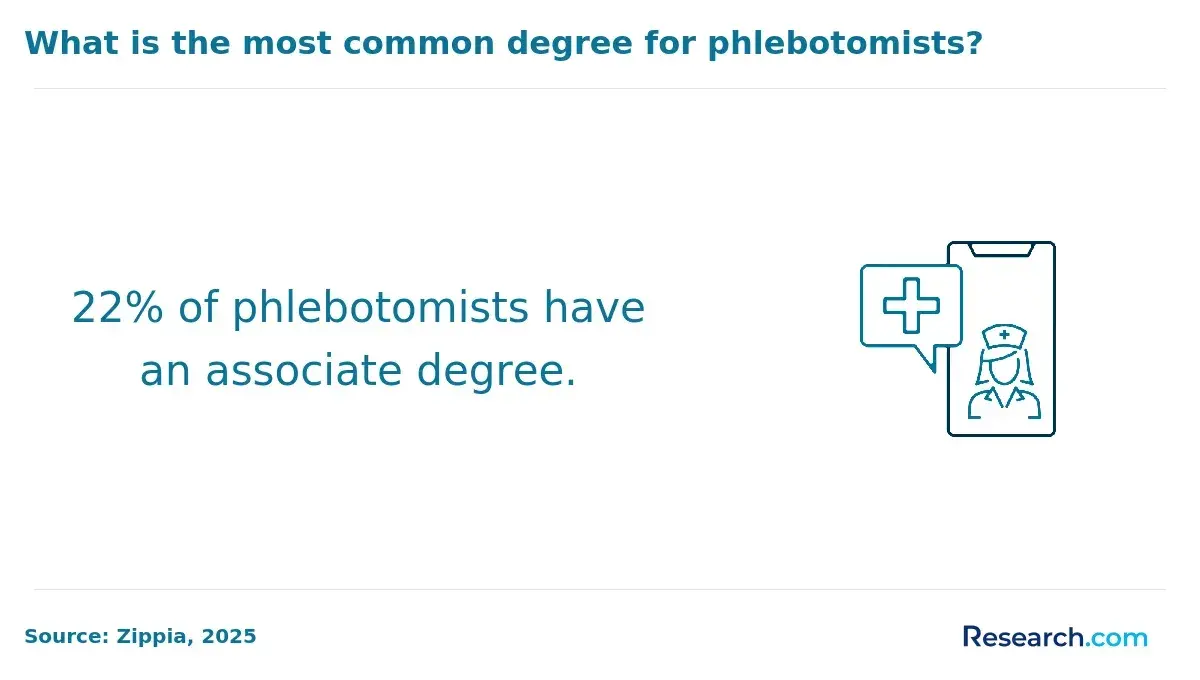
In Tennessee, you do not need a state license to work as a phlebotomist. The state itself does not administer any formal licensing or certification process specific to this profession. Instead, regulation happens largely through employers and the standards set by accredited educational programs. Most hospitals, clinics, and laboratories expect candidates to hold national certifications like the Certified Phlebotomy Technician (CPT), which is widely recognized as evidence of competence and safety in blood collection. This employer-driven approach means that while state law does not mandate licensing, national certification becomes a crucial gateway to gainful employment.
This model creates an interesting dynamic for job seekers-certification is the key that opens doors, even though it's not a legal requirement. Understanding this landscape is vital as it shapes where and how phlebotomists can work within Tennessee. Employers use these certifications to ensure quality and protect patients, so those without recognized credentials often face hurdles in securing positions at reputable healthcare facilities. Navigating this environment with awareness of certification expectations allows aspiring phlebotomists to align their training with the demands of Tennessee's healthcare employers and to position themselves competitively in a growing market.
What phlebotomy certifications are recognized in Tennessee?
Certification opens doors for phlebotomists in Tennessee by meeting the expectations of healthcare employers, improving job prospects, and assuring professional credibility. While not legally required, holding a nationally recognized phlebotomy certification in Tennessee signals to employers a commitment to quality and expertise in blood collection. This can translate into better starting salaries and a stronger foothold in the competitive healthcare job market. Below are the major certifications that carry weight in Tennessee's healthcare facilities.
- National Healthcareer Association (NHA) - Certified Phlebotomy Technician (CPT): This credential is widely accepted across Tennessee and the U.S., requiring candidates to complete accredited training and pass a phlebotomy technician certification exam Tennessee employers respect. The exam covers essential skills such as venipuncture, safety, and specimen management, and many local programs align with NHA standards.
- American Society for Clinical Pathology (ASCP) - Phlebotomy Technician (PBT): Recognized for its rigorous standards, ASCP certification demands education, clinical experience, and passing a thorough exam on blood collection and patient safety. Tennessee healthcare institutions often view this credential as a hallmark of professionalism and competence.
- American Medical Technologists (AMT) - Registered Phlebotomy Technician (RPT): AMT's RPT emphasizes both practical skills and ethical practice, requiring applicants to complete approved training or demonstrate equivalent work experience before certification. This credential appeals to Tennessee employers seeking well-rounded phlebotomy technicians.
- National Center for Competency Testing (NCCT) - National Certified Phlebotomy Technician (NCPT): Valued for its flexible eligibility through formal training, military service, or work history, NCCT certification tests a broad range of phlebotomy skills. Its inclusive approach makes it a popular choice for Tennessee phlebotomists entering the field.
- National Phlebotomy Solutions (NPS) - Certified Phlebotomy Technician (CPT): Offering an affordable and streamlined path, NPS certification focuses on venipuncture knowledge, patient interaction, and safety. This option suits those seeking entry-level recognition in Tennessee healthcare settings.
- National Phlebotomy Certification Examination (NPCE) - Certified Phlebotomy Technician (CPT): NPCE certification is commonly accepted in Tennessee, especially for graduates of local training programs. The exam centers on practical phlebotomy skills and laboratory safety, helping candidates demonstrate readiness for the job.
For those interested in related healthcare careers, exploring the Kaiser Permanente coding course can provide an exciting expansion to the skillset beyond phlebotomy.
Where can you find accredited phlebotomy training programs in Tennessee?
Choosing an accredited phlebotomy training program in Tennessee is a vital step that ensures you receive a solid, recognized education aligned with industry standards. It also opens doors to national certification eligibility and improves your chances of securing a rewarding position in a competitive healthcare market. Knowing where to find these quality programs can make the difference in your career path. Here are common places offering accredited phlebotomy training throughout Tennessee:
- Community Colleges: Offering certificate programs that blend classroom learning with hands-on labs, community colleges in larger cities often have accreditation from regional bodies and recognition from professional agencies such as the National Accrediting Agency for Clinical Laboratory Sciences.
- Vocational and Technical Schools: Institutions like the Tennessee College of Applied Technology provide intense, short-term training tailored to prepare students for certification exams and entry-level roles, with accreditation typically from the Council on Occupational Education and approval from state commissions.
- Hospitals and Medical Centers: Some major hospitals run in-house training programs focusing heavily on clinical experience and externships. These programs usually coordinate with local colleges and maintain official approvals visible through hospital education offices.
- Private Career Institutes: Schools such as the Academy of Allied Health Careers deliver phlebotomy technician programs authorized by the Tennessee Higher Education Commission, often holding accreditation from agencies like NAACLS or the Accrediting Bureau of Health Education Schools.
- Universities and Continuing Education Centers: Universities including Austin Peay State University offer non-degree certificate tracks aimed at adult learners, combining academic and clinical instruction with recognized preparation for national certifications.
One phlebotomist from Tennessee shared how navigating the search for an accredited program felt like setting out on an uncharted course. "I remember scanning through dozens of schools, worried about whether their certificates would truly count," he recalled. Graduating from a local community college, he emphasized the importance of confirming program endorsements and hearing directly from alumni. "It wasn't just about finding any course - it was about finding the right fit that prepared me thoroughly for real-world blood draws and patient interaction." The process required patience and careful attention to each school's credentials, but the confidence gained after completing an accredited program made every moment worth it, especially when it came time to take certification exams and enter the workforce.
How much does phlebotomy training cost in Tennessee?
Phlebotomy training costs in Tennessee can vary widely, depending on whether you choose a public technical college, a private training school, or a university program. The length of the course and what's included in tuition-like materials or certification fees-also make a big difference. Here's a breakdown of the typical expenses you'll want to consider when planning your budget for phlebotomy training in Tennessee.
- Tuition and Fees: This is often the largest part of your investment. Costs can range from a few hundred dollars for short certificate programs at public colleges to over two thousand dollars for more comprehensive courses at private schools or universities. Some programs bundle certification exam fees and textbooks into the tuition, which can simplify payment.
- Books and Supplies: Essentials like textbooks, gloves, needles, and collection tubes usually cost between $100 and $470. While some schools include these in tuition, others require you to purchase them separately, so it's important to factor these in.
- Uniforms and Equipment: Medical scrubs and sometimes additional gear like shoes are required for clinical practice. This can add $50 to $150 to your costs, although a few programs provide scrubs as part of tuition.
- Certification Exam Fees: Passing a certification exam is key to advancing your career. Exam fees usually hover around $115, and while some programs cover this in tuition, others leave it as an additional expense.
What skills are required to become a successful phlebotomist in Tennessee?
Mastering certain skills is at the heart of ensuring patient comfort, upholding strict safety standards, and achieving precise blood collection in Tennessee's varied healthcare settings. These skills not only guide every interaction but also shape the trust and accuracy needed for successful phlebotomy work. Let's explore the essential abilities that set exceptional phlebotomists apart in Tennessee.
- Attention to Detail: Spotting even the smallest errors in patient ID or specimen labeling prevents costly mistakes and safeguards patient health.
- Technical Proficiency: Hands-on expertise with venipuncture and capillary sticks builds confidence and ensures reliable sample collection.
- Communication Skills: Clear, empathetic dialogue helps calm nerves and gathers vital medical information smoothly.
- Professionalism: Upholding privacy and ethical standards earns respect and strengthens patient-practitioner trust.
A phlebotomist from Tennessee who graduated from a local certification program spoke about her journey. She described how early clinical hours felt daunting, especially when mastering the steady hands needed for challenging veins. "At first, the pressure to get every draw right was intense, but learning to listen closely to patients helped me stay calm and focused," she said. Through each patient encounter, she sharpened her technical skills alongside patience and empathy, realizing these combined qualities make the difference between a routine procedure and truly compassionate care.
Where do phlebotomists typically work in Tennessee?
Phlebotomists play a vital role in healthcare across Tennessee by supporting diagnostic testing, patient care, and medical research through the precise collection and preparation of blood samples. Their expertise ensures that healthcare providers have accurate information to diagnose and manage treatments effectively. The opportunities for phlebotomists are varied and dynamic, reflecting the diverse healthcare landscape of the state.
Here are some of the typical work environments where you might find phlebotomist jobs in hospitals in Tennessee and beyond:
- Hospitals: In hospitals, phlebotomists handle blood collection from a wide range of patients, including emergency visitors and inpatients. Their timely and accurate work supports critical medical decisions, collaborating closely with doctors and nurses during urgent or routine diagnostic testing.
- Diagnostic Laboratories: Clinical laboratory phlebotomist positions in Tennessee are common in large diagnostic labs. Phlebotomists here ensure specimens are collected, labeled, and processed correctly to maintain sample integrity, which is essential for reliable test results that clinicians depend on.
- Blood Donation Centers: These centers focus on collecting blood and plasma from donors for transfusions and research. Phlebotomists in this setting must combine technical skill with excellent communication to ensure donor comfort and safety throughout the process.
- Outpatient Clinics: Phlebotomists in outpatient settings support ongoing patient care by performing routine blood draws that help monitor chronic conditions and inform treatment plans, playing a crucial role in preventive medicine.
- Physician's Offices: Many doctor's offices employ phlebotomists to provide convenient, in-house blood collection. This setting often offers a more personalized patient experience and involves supporting healthcare providers with additional clinical tasks.
For those interested in pursuing this career path, consider combining practical training with the complete online training for medical billing and coding to enhance your healthcare knowledge and professional options.
What is the average salary for phlebotomists in Tennessee?
The average phlebotomist salary in Tennessee can shift quite a bit depending on where you work, how much experience you bring to the table, and the type of employer you join. Exploring these factors helps reveal why some phlebotomists earn more in certain cities or specialized settings. Below, we dive into the key influences shaping how much do phlebotomists make in Tennessee.
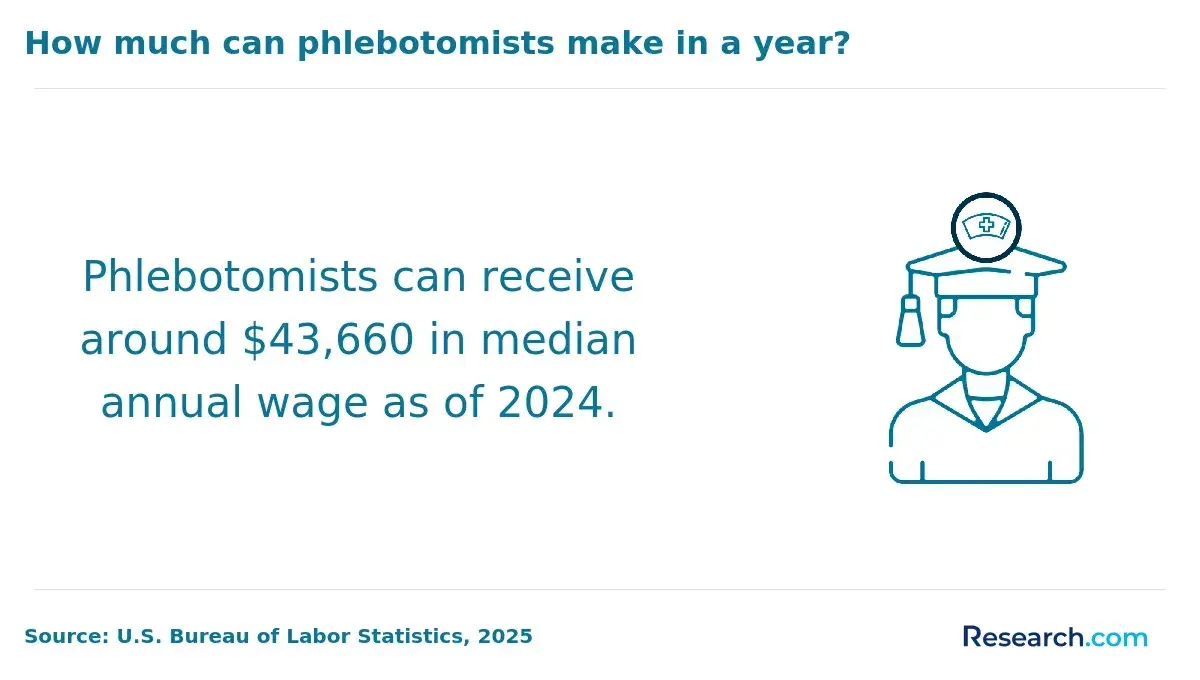
- Years of Experience: Entry-level phlebotomists often start near $33,150 annually, but with time and skill growth, salaries can climb above $40,000. More seasoned professionals may also take on supervisory roles, boosting their earnings further.
- Workplace Setting: Hospitals and specialized clinics tend to pay better than outpatient labs or physician offices. Larger medical centers in cities like Nashville or Knoxville usually offer higher wages because of their volume and demand for skilled staff.
- Geographic Region: Locations like Franklin, Johnson City, and Bristol report some of the highest wages, averaging between $38,500 and $39,157 annually, roughly 8% above the state average. Meanwhile, cities such as Memphis and Chattanooga usually hover closer to $34,000.
- Certifications and Advanced Skills: Certified phlebotomists can expect hourly wages typically ranging from $19 to $20, compared to $15 to $18 for non-certified peers. Additional certifications or specialized skills, similar to the advantages seen in roles like what does a certified medical coder and biller do, can also enhance pay rates.
- Type of Employer: Larger healthcare systems or research hospitals usually offer salaries on the higher end, while smaller clinics and private practices often provide lower wages but might include overtime or shift differentials as supplements.
What are the best ways to grow your phlebotomy career in Tennessee?
Embarking on a phlebotomy career in Tennessee invites a world of opportunities for growth and specialization. To stand out, consider advancing beyond the basic Certified Phlebotomy Technician credential by pursuing additional certifications such as EKG Technician, IV Therapy, or Patient Care Technician. These credentials can unlock diverse roles in hospitals, diagnostic labs, and blood banks across vibrant cities like Nashville and Chattanooga.
Continuing education plays a crucial role-many local teaching hospitals offer workshops and tuition support to keep your skills sharp and current. Networking is equally vital; joining professional groups like the Tennessee Society for Medical Technology connects you with mentors and job prospects, opening doors to leadership or training positions. Explore career advancement through supervisory roles, specialized technician positions, or even teaching opportunities at technical colleges. By embracing Tennessee's rich healthcare landscape and leveraging available resources, phlebotomists can craft a rewarding and dynamic career path full of exciting possibilities.
What Do Phlebotomists in Tennessee Say About Their Career?
- Completing my phlebotomy training at Nashville Medical Academy was a transformative experience that gave me the skills and confidence to enter the healthcare field. Starting my career in a local school allowed me to combine my technical training with my passion for supporting young people's health. I love how Tennessee's close-knit communities appreciate the personalized care we provide, which makes every day rewarding. This role has opened doors for continuous learning and growth in medical settings. Andrei
- Training at Knoxville Health Institute prepared me well for the challenges of working as a phlebotomist in a Tennessee school, where I began my career. The experience strengthened my professional skills and gave me insight into how preventive care can impact student wellness. I find it fulfilling to contribute directly to a healthier community through my role, especially by easing the anxiety many kids feel about blood draws. Being part of a healthcare team in this environment has encouraged me to pursue further certifications. Fatima
- Choosing phlebotomy as a career in Tennessee has been a deeply rewarding journey, shaped by the exceptional program I completed at Memphis Clinical Academy. Working in an academic institution has challenged me to grow professionally while serving diverse students from all backgrounds. I appreciate the unique balance here between high-quality care and community support, reflecting Tennessee's cultural richness. This career offers stability and a clear path for advancement, which motivates me every day. Charlie
Related Articles for Nearby States
- 2027 How To Become a Phlebotomist in Kentucky
- 2027 How To Become a Phlebotomist in Mississippi
- 2027 How To Become a Phlebotomist in Alabama
- 2027 How To Become a Phlebotomist in Georgia
- 2027 How To Become a Phlebotomist in North Carolina
- 2027 How To Become a Phlebotomist in Missouri
- 2027 How To Become a Phlebotomist in Arkansas
- 2027 How To Become a Phlebotomist in Virginia
- 2027 How To Become a Phlebotomist in Indiana
- 2027 How To Become a Phlebotomist in South Carolina
References:
- Exploring a Day in the Life of a Phlebotomist https://www.tnpti.com/blog/exploring-a-day-in-the-life-of-a-phlebotomist-2023-edition
- Phlebotomy Technology Supplemental Certificate https://tcatnashville.edu/programs/phlebotomy-technology-supplemental-certificate
- Assessment of the Number of Phlebotomists in a Newly Established Sample Collection Center https://pmc.ncbi.nlm.nih.gov/articles/PMC10493005/
- Phlebotomist Salary in Tennessee (October 01, 2025) | Salary.com https://www.salary.com/research/salary/benchmark/phlebotomist-salary/tn
- Why Choose a Career in Phlebotomy? | TNPTI https://tnpti.com/blog/why-choose-a-career-in-phlebotomy
- Nashville Phlebotomy Courses - Phlebotomy USA https://www.phlebotomyusa.com/tennessee/nashville-phlebotomy-school-classes/
- Salary: Phlebotomist in Nashville, TN 2025 | Glassdoor https://www.glassdoor.com/Salaries/nashville-tn-phlebotomist-salary-SRCH_IL.0,12_IM604_KO13,25.htm
- 20 Best phlebotomist jobs in tennessee (Hiring Now!) | SimplyHired https://www.simplyhired.com/search
- Phlebotomy Certification Memphis Tennessee — NPS https://npscerts.com/phlebotomy-certification-memphis-tennessee/
- Phlebotomy – Nashville, TN – NGH School of Health Sciences https://www.nghschoolofhealthsciences.com/phlebotomy-technician-program
Other Things You Should Know About Becoming a Phlebotomist in Tennessee
To become a phlebotomist in Tennessee in 2027, you must complete a phlebotomy training program, which is typically offered at community colleges or technical schools. These programs usually last a few months and cover both classroom instruction and hands-on training. Certification is also recommended to enhance job prospects.
Yes, many institutions in Tennessee offer hybrid phlebotomy courses in 2027, blending online theoretical study with in-person practical training. This flexible option allows you to balance your education with other commitments while meeting state certification requirements.


