2027 Best Online Pediatric Nurse Practitioner Degrees for Jobs

Co-Founder and Chief Data Scientist
Choosing the best online pediatric nurse practitioner degree can be daunting-programs vary widely in accreditation, curriculum quality, cost, and practical experience requirements. Students often struggle to identify programs that balance affordability with strong career outcomes and robust student support. Notably, 63% of pediatric nurse practitioners report that program reputation strongly influenced their job placement success. Rigorous accreditation standards ensure clinical relevance, while curriculum depth and hands-on experience prepare graduates for evolving healthcare demands. This article explores these critical dimensions-helping prospective students evaluate programs with a data-driven lens and select degrees that maximize return on investment and career advancement.
Key Things to Know About the Best Online Pediatric Nurse Practitioner Degrees for Jobs
- Accreditation by bodies like CCNE or ACEN ensures programs meet rigorous academic and clinical standards-critical for certification eligibility and employer recognition.
- Curriculum vigor varies-top programs integrate evidence-based pediatric care, advanced pathophysiology, and leadership, typically requiring over 600 clinical hours for practical readiness.
- Cost must be weighed against ROI-median salaries for pediatric nurse practitioners exceed $110,000, with programs offering robust student support often enhancing graduation and licensure success.
What Is a Pediatric Nurse Practitioner Degree, and What Can It Do for Your Career?
A pediatric nurse practitioner degree prepares registered nurses to deliver advanced healthcare to infants, children, and adolescents by combining foundational nursing skills with specialized clinical knowledge. Accredited professional organizations define this discipline through its focus on pediatric assessment, pharmacology, pathophysiology, and evidence-based interventions tailored to younger patients' unique developmental and physiological needs.
The curriculum integrates theoretical frameworks such as developmental psychology and pediatric healthcare ethics, equipping graduates to manage complex pediatric health issues confidently and ethically.
Academic credentials in this field vary widely, catering to diverse career aspirations:
- Associate's Degree: Provides entry-level pediatric care, suitable for licensed practical nurses with limited scope.
- Bachelor's Degree: Offers foundational nursing education, essential for advancement into specialized pediatric roles.
- Master's Degree: The preferred credential for pediatric nurse practitioner certification, emphasizing advanced clinical practice and leadership.
- Doctoral Degree: Including Doctor of Nursing Practice (DNP) programs, highlights research, healthcare policy, and system-level leadership in pediatric nursing.
This article focuses on the best online pediatric nurse practitioner degree programs for career advancement, emphasizing accessibility for working adults and those balancing other responsibilities. It explores top accredited online pediatric nurse practitioner degrees in the United States that combine rigorous curricula, practical experience, and strong student support, guiding readers toward programs with proven career outcomes.
For those beginning their healthcare journey, exploring short medical assistant programs can also provide fast entry points into the health professions.
How Do Online Pediatric Nurse Practitioner Degree Programs Compare to Traditional Campus Programs?
Several key factors differentiate online pediatric nurse practitioner degree programs from traditional campus-based options, impacting career outcomes and educational experience.
- Curriculum Depth and Rigor: Both online and campus programs meet accreditation standards from bodies like the Commission on Collegiate Nursing Education (CCNE) or the Accreditation Commission for Education in Nursing (ACEN). This ensures comparable curriculum content covering core pediatric healthcare, advanced pharmacology, and health assessment techniques. Empirical data confirms that top online pediatric nurse practitioner programs maintain equivalent rigor to on-campus counterparts.
- Faculty Qualifications: Leading online programs employ faculty with doctoral degrees and active clinical roles similar to campus-based faculty. This parity guarantees expert instruction grounded in current research and practice.
- Student-Faculty Interaction: Online formats use live webinars, video conferencing, and discussion boards to provide real-time engagement and personalized feedback. While some students perceive less immediacy than on campus, structured virtual office hours and small cohorts maintain strong interaction.
- Peer Collaboration: Traditional programs offer face-to-face networking, but online cohorts foster peer support with group projects, forums, and virtual study groups. Some programs enhance community bonds through optional on-site residencies or retreats.
- Clinical or Practicum Requirements: Both program types require hands-on clinical hours for licensing eligibility. Online programs help secure local placements and often include on-campus residencies to bolster practical skill-building, addressing concerns over limited in-person instruction.
- Employer Perception: Hiring data indicates increasing acceptance of accredited online pediatric nurse practitioner degrees. Employers recognize that graduates possess comparable skills and documented clinical experience when accreditation is strong.
- Structural Advantages: Online programs particularly benefit working adults, caregivers, military veterans, and students far from campuses-offering education without relocation or full-time presence. This flexibility boosts retention and completion among these groups, making online pediatric nurse practitioner degree vs traditional campus programs a crucial consideration.
- Documented Limitations and Solutions: Challenges like reduced spontaneous peer interaction or technical issues exist. Leading institutions counter these with innovative cohort models, advanced learning platforms, and mandatory on-campus residency intensives that blend theoretical learning with skills practice.
Those seeking cost-effective options can review rankings of online FNP programs that may align with pediatric nurse practitioner education goals and budget. Evaluating differences between online and campus pediatric nurse practitioner education through accreditation, curriculum, support, and career outcomes arms students with the insight to make informed decisions suited to their unique contexts.
What Are the Accreditation Standards That Define a Reputable Online Pediatric Nurse Practitioner Degree?
Accreditation plays a crucial role in validating the quality of online pediatric nurse practitioner programs by ensuring they meet established educational and professional benchmarks. Two primary accreditation types matter here-regional accreditation and program-specific accreditation for nursing.
- Regional Accreditation: This evaluates the overall institution's standards, with agencies like the Middle States Commission on Higher Education (MSCHE) and the Southern Association of Colleges and Schools Commission on Colleges (SACSCOC) recognized for assessing institutional integrity. Degrees from regionally accredited schools often hold greater credibility among employers and graduate schools.
- Programmatic Accreditation: Pediatric nurse practitioner degrees require accreditation focused on nursing programs, primarily granted by the Commission on Collegiate Nursing Education (CCNE) and the Accreditation Commission for Education in Nursing (ACEN). These organizations ensure the curriculum aligns with national nursing standards and prepares graduates for certification.
Attending an unaccredited or poorly accredited program can create serious consequences-difficulty obtaining licensure, challenges transferring credits, and diminished employer recognition all pose significant risks.
To confirm a program's accreditation, students should consult the U.S. Department of Education's Database of Accredited Postsecondary Institutions and Programs and the Council for Higher Education Accreditation (CHEA) directory, both trusted sources for verifying institutional and programmatic credentials.
Ultimately, accreditation is non-negotiable when choosing an online pediatric nurse practitioner program-even if lower cost or convenience tempt otherwise. It safeguards licensure, transfer options, and career prospects.
Which Types of Pediatric Nurse Practitioner Degrees Are Available Online-Bachelor's, Master's, or Doctoral?
IPEDS data highlights that bachelor's completion and master's programs attract the highest enrollment and yield strong completion rates among online pediatric nurse practitioner degree options. These programs balance accessibility and career advancement, while doctoral tracks demand more time but provide broad leadership roles and income gains.
- Associate's and bachelor's completion programs: These paths typically suit recent high school graduates or registered nurses (RNs) without bachelor's degrees seeking foundational training. Coursework spans two to four years, blending clinical practice with theoretical knowledge. These programs prepare students for entry-level nursing roles and often show higher completion rates when strong support services are available. They serve as a launching point for advanced education.
- Master's degrees (MSN): The most prevalent choice for becoming a pediatric nurse practitioner, MSN programs require a BSN and an active RN license. Some schools allow RN-to-MSN progression. Over two to three years, students engage in online coursework combined with on-site clinical experiences. Graduates become eligible for certification and enjoy greater career opportunities and salary enhancements.
- Doctoral programs (DNP or PhD): Targeted at nurses aspiring to senior clinical, research, or leadership positions, doctoral study requires prior master's completion. These intensive three- to four-year programs focus on evidence-based care, policy, and executive skills. Doctorates open access to academic roles, administration, and specialized clinical careers with significant earning potential.
- Post-baccalaureate certificates: Designed for BSN holders wanting a pediatric nurse practitioner credential without a full master's degree, these certificates typically require about one year of focused study and clinical training. They frequently allow credit accumulation toward MSN or DNP degrees, supporting flexible career advancement.
- Stackable pathways: Many online pediatric nurse practitioner programs offer modular credit transfer systems that enable learners to move from certificates or bachelor's completion to master's and doctoral degrees seamlessly, reducing time and cost.
Selecting a program aligned with prerequisites, pace, and long-term goals is essential for success. For working adults and career changers, self paced degrees prove especially valuable in managing these pathways effectively.
What Is the Typical Cost of an Online Pediatric Nurse Practitioner Degree, and How Can You Finance It?
Costs for an online pediatric nurse practitioner degree vary widely depending on the type of institution and extra expenses. Typical tuition at public in-state schools ranges from $15,000 to $40,000, making them the most economical choice. Public out-of-state tuition generally doubles, reaching $30,000 to $70,000. Private nonprofit institutions usually charge between $40,000 and $90,000, reflecting their resources and support services. For-profit schools' fees can overlap with these ranges or be even higher, often adding extra charges.
- Additional Costs: Besides tuition, students should budget for technology fees, course materials, and sometimes travel or on-campus requirements associated with clinical residencies, which can add several thousand dollars.
Financial aid options include several federal programs administered by the U.S. Department of Education's Federal Student Aid (FSA):
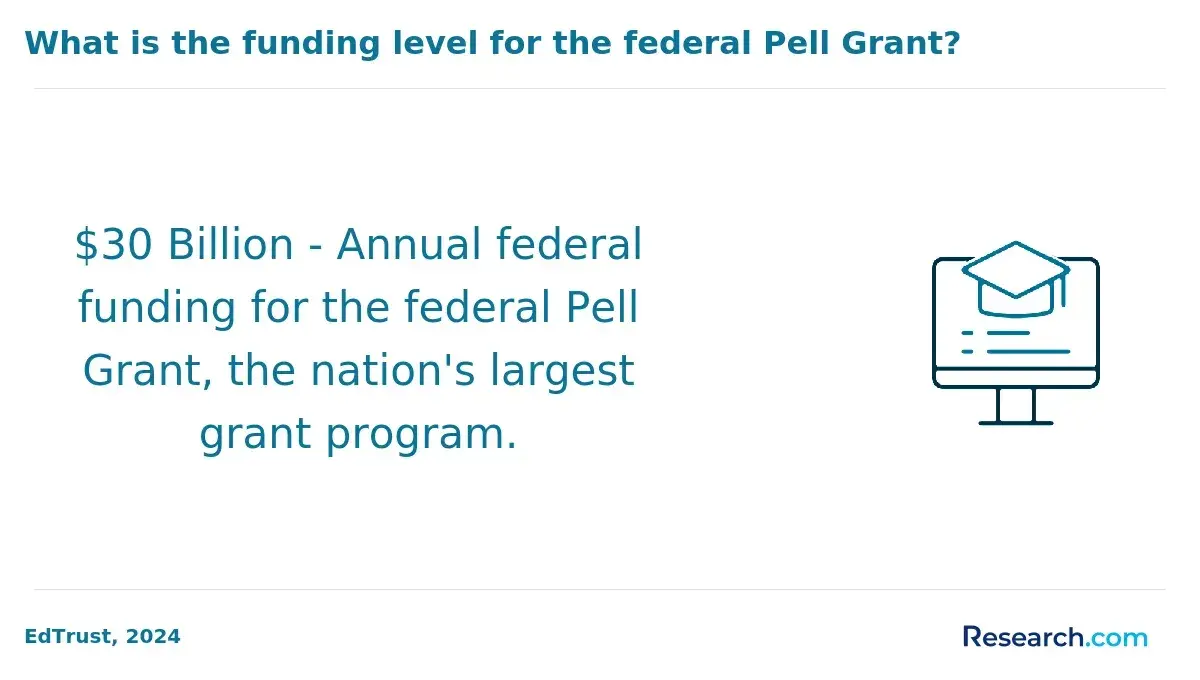
- Pell Grants: Typically for undergraduate students with financial need, though some bridge programs might qualify graduate pediatric nurse practitioner students.
- Federal Loans: Subsidized loans avoid interest during school attendance, while unsubsidized loans accrue interest immediately-both offer flexible repayment plans.
- GI Bill Benefits: Veterans and service members can apply these to offset tuition and fees substantially.
Additional scholarships may come from pediatric nursing organizations, state workforce agencies addressing local health needs, and institutional merit awards based on academic achievement.
Prospective students should calculate total program expenses-including fees and residency-related costs-rather than focusing only on per-credit rates. Tools like the College Scorecard net price calculator help estimate actual out-of-pocket costs after financial aid, providing a clearer picture before enrollment.
How Long Does It Take to Complete an Online Pediatric Nurse Practitioner Degree Program?
Published program lengths represent ideal scenarios, but actual averages suggest many students take longer-especially when managing external obligations. Choosing flexible programs with strong support services helps set achievable expectations and improve success rates. Institutions often enforce minimum and maximum time frames to ensure competency and maintain academic progress standards.
Exceeding these limits might impact eligibility for financial aid due to satisfactory academic progress (SAP) requirements.
- Degree Length: Associate degrees generally span about 2 years and prepare students for roles like licensed practical nurses rather than as pediatric nurse practitioners. Bachelor of Science in Nursing (BSN) programs typically require 4 years, while Master of Science in Nursing (MSN) degrees focused on pediatric nurse practitioner specialization usually take 2 to 3 years full-time. Doctor of Nursing Practice (DNP) programs extend from 3 to 4 years or longer.
- Enrollment and Pace: Full-time study often accelerates completion, whereas part-time enrollment accommodates those balancing work or other responsibilities and therefore may lengthen the timeline. Many programs offer competency-based progression, enabling advancement by demonstrating mastery instead of fixed time, which can shorten overall duration.
- Accelerated and Year-Round Options: Some accredited online pediatric nurse practitioner programs provide accelerated tracks or continuous enrollment without semester breaks, appealing to motivated learners or those with prior healthcare experience seeking faster completion.
- Transfer Credits and Prior Learning: Credits from accredited previous coursework can reduce time to degree. In addition, prior learning assessments (PLA) may award credit for relevant professional experience, certifications, or training-particularly beneficial for working adults aiming to expedite their studies.
What Core Curriculum and Coursework Should a Quality Online Pediatric Nurse Practitioner Program Include?
Accredited online pediatric nurse practitioner programs adhere to curriculum standards set by organizations such as the Pediatric Nursing Certification Board (PNCB) and the National Organization of Nurse Practitioner Faculties (NONPF). These standards ensure students receive comprehensive, evidence-based training that balances theoretical knowledge with clinical practice, preparing them for complex pediatric healthcare challenges.
- Core Courses: Essential subjects include advanced pediatrics, pediatric pharmacology, health assessment, pathophysiology, and clinical decision-making. These courses establish a foundation for diagnosing and managing pediatric conditions from infancy through adolescence.
- Required Sequences: Programs structure coursework progressively-from anatomy, physiology, and pharmacology to advanced clinical management, family-centered care, and health promotion tailored for children.
- Integrative Learning Experiences: High-quality programs integrate capstone projects and clinical practicum sequences that provide students with supervised, hands-on experience-crucial for certification readiness and real-world application.
- Competency Areas and Outcomes: Graduates should demonstrate skills in pediatric assessment, diagnosis, treatment planning, and family education. Key outcomes include clinical reasoning, ethical decision-making, and effective communication-attributes employers in pediatric healthcare highly value.
- Curriculum Currency: Top programs regularly update their curriculum-typically every three to five years-by incorporating emerging pediatric care methodologies, healthcare technology advancements, and evolving regulatory guidelines. Industry advisory boards often play an active role in maintaining curriculum relevance.
- Transparency and Resources: Prospective students should request sample course sequences, detailed syllabi, and learning outcomes maps from programs under consideration, enabling a thorough evaluation beyond marketing descriptions.
Employment for nurse practitioners is projected to grow by 45% through 2030, reflecting strong demand for skilled pediatric nurse practitioners across various healthcare settings.
Which Online Pediatric Nurse Practitioner Programs Offer the Best Return on Investment for Working Adults?
Choosing the best online pediatric nurse practitioner programs for working adults requires balancing cost against clear career benefits. The most competitive programs-often public universities offering in-state tuition and reciprocity agreements-deliver excellent value by keeping tuition affordable and reducing debt burdens. These programs are especially attractive for working adults seeking the best value online pediatric nurse practitioner degrees for career advancement.
- Cost Efficiency: Tuition affordability matters greatly, particularly when combined with employer tuition reimbursement or accessible scholarships that ease financial strain. Programs with lower total costs consistently enhance return on investment (ROI) for career-focused students.
- Employment Outcomes: Top-paying online pediatric nurse practitioner programs for working professionals typically maintain strong employer partnerships and clinical networks, leading to faster job placement and higher employment rates within six months of graduation.
- Post-Graduation Earnings: Median salaries measured at six and ten years post-enrollment indicate program quality. Graduates exceeding national salary averages reflect rigorous curricula aligned with workforce demands, maximizing long-term financial benefits.
- Loan Default Rates: Programs with lower borrower default rates highlight effective student support and career counseling, helping graduates manage financial commitments and avoid pitfalls associated with educational loans.
- Program Quality Indicators: Accreditation from recognized bodies and robust clinical experience requirements ensure graduates remain competitive in pediatric healthcare, supporting sustainable professional growth.
Working adults considering online pediatric nurse practitioner degrees should look beyond prestige or rankings and instead assess detailed outcome metrics like earnings growth, job placement, and financial aid availability. This informed approach helps identify high-value options tailored to personal career goals.
For students interested in related fields, exploring online masters nutrition programs can also reveal affordable, career-enhancing educational opportunities within the healthcare domain.
What Admissions Requirements Do the Top Online Pediatric Nurse Practitioner Programs Typically Require?
Top online pediatric nurse practitioner program admissions requirements typically include several key components designed to ensure candidates possess the academic and practical foundation necessary for advanced study. Minimum GPA expectations usually start around 3.0 on a 4.0 scale, especially for science and nursing prerequisites, though more competitive programs may require 3.3 or higher.
- Standardized Tests: Many programs have shifted to test-optional policies, reflecting broader trends in graduate admissions. When required, exams like the GRE may be requested, though some schools waive this requirement for applicants with significant professional experience or a prior graduate degree.
- Letters of Recommendation: Two to three letters are commonly expected-from academic instructors, clinical supervisors, or professional colleagues-to vouch for clinical skills, professionalism, and readiness for graduate-level practice.
- Personal Statement: A clear, well-crafted statement articulating career goals and motivation for specializing in pediatric nursing is essential, demonstrating fit with the program's offerings and objectives.
- Professional Experience: Most programs require current nursing licensure and at least one to two years of clinical experience to support success in demanding pediatric nurse practitioner coursework and clinical training.
- Prerequisite Coursework: Applicants without a pediatric nurse practitioner or related nursing background may need foundational courses in anatomy, physiology, microbiology, and pathophysiology to prepare for advanced study.
- Program Tier Differences: Admissions criteria vary significantly-from open-enrollment community college programs with lower GPA thresholds and fewer prerequisites to highly selective research universities emphasizing academic excellence, relevant clinical experience, and comprehensive prerequisites to ensure competitive readiness.
Prospective students evaluating prerequisites for top pediatric nurse practitioner online programs should self-assess their credentials carefully and consult admissions advisors directly-policies regarding tests, GPA minimums, and coursework requirements often evolve each admission cycle.
For those considering related health sciences pathways, exploring an online degree in nutrition can provide additional career flexibility.
What Career Paths and Job Titles Are Available to Online Pediatric Nurse Practitioner Degree Graduates?
Graduates from online pediatric nurse practitioner programs find diverse roles across healthcare environments, shaped by their level of education, certification, and experience. Entry-level positions typically include titles like pediatric nurse practitioner, pediatric primary care provider, or acute care nurse practitioner, where they deliver direct clinical care, diagnose illnesses, conduct examinations, and educate families in settings such as outpatient clinics, hospitals, and specialized pediatric centers.
- Management and Leadership: Experienced practitioners often advance into roles overseeing pediatric units or nurse practitioner teams, with titles including nurse manager, clinical nurse leader, or director of pediatric services. These positions blend clinical knowledge with administrative duties.
- Clinical Specialist and Consultant Roles: Those with advanced certifications focus on areas like pediatric cardiology, oncology, or neonatal care, providing expert care and contributing to protocol development, staff education, and improved patient outcomes.
- Research and Academic Positions: Graduates may pursue roles in research institutions or academic settings, participating in clinical studies, epidemiologic research, or teaching nursing students as clinical instructors or faculty members.
- Career Transition and Upskilling: Professionals from related healthcare fields-registered nurses, physician assistants, or paramedics-can leverage pediatric nurse practitioner degrees to specialize in pediatric care, often supplementing their credentials with focused certifications to expand career options and salary potential.
- Employment Sectors: Work environments include hospitals and pediatric specialty centers, primary care clinics, community health organizations, schools providing health services, and telehealth platforms offering remote consults.
- Career Progression: Advancement usually follows a path from staff roles to senior clinician or team lead within five years, with later moves into management, clinical specialty areas, education, public health, or health policy roles.
What Is the Salary Outlook for Professionals with an Online Pediatric Nurse Practitioner Degree?
The median annual salary for online pediatric nurse practitioner degree holders ranges from approximately $90,000 to $110,000, with average earnings rising to around $115,000 as experience and credentials increase. Salaries vary substantially based on multiple factors impacting long-term income potential.
- Degree Level: Those with advanced credentials such as a Doctor of Nursing Practice (DNP) often earn 10-15% more than master's degree holders, particularly in leadership or academic roles.
- Years of Experience: Starting salaries usually align near the median, while practitioners boasting five-plus years in clinical pediatric settings frequently surpass $120,000 annually.
- Industry Sector: Employment within hospital systems and outpatient specialty clinics often comes with enhanced compensation compared to primary care or community health facilities.
- Geographic Market: Urban regions and states with elevated healthcare demands-like California, New York, and Massachusetts-can offer salaries up to 20% above the national average due to cost-of-living and local market conditions.
- Specialization: Focused fields such as neonatal or pediatric oncology care usually command higher wages reflecting the advanced expertise required.
- Certifications and Credentials: Obtaining credentials such as the Pediatric Nurse Practitioner-Board Certified (PNP-BC) or Acute Care Pediatric Nurse Practitioner (PNP-AC) offers a documented salary premium. Online graduates should aim to secure these certifications promptly after becoming eligible to accelerate salary growth.
- Forward-Looking Trends: Demand for pediatric nurse practitioners is projected to grow over 30% in the coming decade, supporting expectations of sustained salary increases-especially for those with specialized certifications and doctoral-level degrees.
Salary figures evolve alongside labor market shifts, so prospective students should regularly consult current Bureau of Labor Statistics and industry compensation data to make well-informed career decisions tailored to their objectives and circumstances.
What Graduates Say About the Best Online Pediatric Nurse Practitioner Degrees for Jobs
- Levi: "When I was choosing an online pediatric nurse practitioner program, accreditation standards were my top priority-and rightly so. Knowing that the program met rigorous national criteria gave me confidence employers would recognize my degree. Plus, the curriculum rigor ensured I was well-prepared for real-world challenges in pediatric care, making my transition into the workforce seamless."
- Ahmed: "Balancing cost and return on investment was essential for me, and the right online pediatric nurse practitioner degree offered the best of both worlds-affordable tuition without sacrificing quality. What really stood out was the strong career outcomes reported by graduates, which made me optimistic about my prospects. Looking back, the practical experience requirements truly made a difference in developing my clinical skills before stepping into my role."
- Christopher: "The student support infrastructure in my online pediatric nurse practitioner program was outstanding-always available and responsive to my questions. This level of support kept me motivated through the program's intensity and helped me manage the demanding curriculum rigor with confidence. I appreciate how these resources gave me an edge during clinical placements and ultimately in my new career."
Other Things You Should Know About Pediatric Nurse Practitioner Degrees
The best online pediatric nurse practitioner programs focus on developing advanced clinical skills, including pediatric assessment, diagnosis, and treatment planning. Graduates gain competencies in pharmacology, family-centered care, and health promotion tailored to children and adolescents. Programs also emphasize critical thinking and evidence-based practice necessary for pediatric primary and acute care settings.
Online pediatric nurse practitioner programs require students to complete supervised clinical hours in real healthcare settings to ensure practical skill development. Schools typically assist in placing students with qualified preceptors near their location, facilitating hands-on training. These clinical experiences are mandatory and adhere to accreditation standards to prepare students for certification and employment.
Quality online pediatric nurse practitioner programs offer extensive student support, including academic advising, tutoring, and career counseling. Many provide access to online communities, webinars, and professional organizations to foster peer networking. These resources help students connect with faculty and fellow practitioners, enhancing their professional development and job placement prospects.
References
- Most Affordable Online Pediatric NP Programs (2026) https://www.healthcaredegree.com/blog/most-affordable-pnp-programs
- 2025 Job Outlook for Pediatric NPs & PAs | AMN Healthcare https://www.amnhealthcare.com/blog/advanced-practice/locums/employment-outlook-for-pediatric-nps-and-pas/
- 6 Best Pediatric Primary Care Nurse Practitioner Programs | ThriveAP https://provider.thriveap.com/blog/6-best-pediatric-primary-care-nurse-practitioner-programs
- FAQ: Are there any online PNP programs that do not require the GRE for admission? https://www.onlinefnpprograms.com/faqs/online-pnp-programs-no-gre-required/
- Inside Pediatric Nurse Practitioner Online Programs https://www.edumed.org/online-schools/nurse-practitioner-programs/pediatric-nursing/
- Career Pathways | PNCB https://www.pncb.org/career-pathways
- How to Get Into NP School: What Nurse Practitioner Programs Look For https://www.bartonassociates.com/blog/3-things-np-programs-look-for-in-applicants/
- Most Affordable Online NP Programs for 2025–2026 - Nurse Practitioner Degrees https://npdegrees.org/degrees/most-affordable-np-programs/
- Top Remote Pediatric NP Jobs: Salary, Skills & How to Get Hired https://www.nphire.com/blog/top-remote-pediatric-nurse-practitioner-jobs-your-complete-guide-to-landing-the-perfect-position
- Nurse practitioner salary trends 2025: Opportunities, challenges, and paths to higher pay https://comphealth.com/resources/np-salary-report