2027 Highest-Paying Jobs You Can Get With a Clinical Mental Health Counseling Degree

Co-Founder and Chief Data Scientist
Choosing a clinical mental health counseling degree involves more than passion-it's a financial investment promising varied returns. Graduate credentials often yield a wage premium-licensed counselors can earn up to 20% more than non-licensed peers. Geographic location and industry influence outcomes dramatically, with metropolitan areas offering higher salaries but increased competition. For some, alternative certifications or degrees may offer quicker returns, but clinical mental health counseling stands out for those targeting stability and growth in health services. This article explores key factors affecting salary-from licensure benefits to industry variances-guiding readers toward informed decisions that align their education with financial and professional goals.
Key Things to Know About the Highest-Paying Jobs You Can Get With a Clinical Mental Health Counseling Degree
- The wage premium for clinical mental health counseling graduates often exceeds 20% compared to bachelor's-only professionals-highlighting the financial advantage of advanced credentials in this field.
- Professional licensure and certification significantly increase earning potential, with licensed counselors earning up to 40% more, reflecting strict credentialing requirements across states.
- Return-on-investment analyses show clinical mental health counseling degrees generally outperform alternative credentials like social work diplomas, especially when factoring in higher median salaries and job stability.
What Exactly Does a Clinical Mental Health Counseling Degree Qualify You to Do in Today's Job Market?
A clinical mental health counseling degree prepares graduates to deliver professional counseling services focused on clients' emotional, psychological, and behavioral well-being. Recognized by licensing bodies and employers, this credential signals mastery of essential competencies such as diagnostic assessment, treatment planning, evidence-based interventions, and adherence to a strong ethical framework.
Based on occupational definitions from the U.S. Bureau of Labor Statistics, those holding this degree generally work as licensed clinical mental health counselors, therapists, or behavioral health specialists in diverse settings-including private practices, hospitals, schools, and community organizations.
Employers consistently prioritize candidates with this degree over those relying solely on on-the-job experience or unrelated credentials. Data from LinkedIn and Lightcast highlight the value of advanced technical skills like administering standardized psychological assessments and performing data-driven treatment adjustments.
Equally important are interpersonal abilities such as empathetic communication, crisis management, and cultural competency-skills highly sought for licensed clinical mental health counselor career paths and salaries.
- Scope: Prepares for clinical assessment, diagnosis, and therapy within legal and ethical guidelines.
- Competencies: Combines advanced technical diagnostic and treatment skills with strong interpersonal communication.
- Licensure: Required for independent practice; degree alone does not confer licensure.
- Limitations: Does not authorize prescribing medication or conducting formal psychological testing.
- Career Paths: Differentiates credential-gated clinical roles from open-entry mental health support jobs.
- Degree Levels: Master's and doctoral degrees correlate most strongly with highest salaries and leadership positions.
- Future Overview: Upcoming sections explore highest-paying jobs obtainable with this degree, wage premiums linked to advanced credentials, and licensure's impact on compensation.
It is crucial to clarify that the degree alone does not confer licensure or authorization to prescribe medications or perform certain psychological testing reserved for psychologists. Licensure is mandatory for independent clinical practice, making the degree a necessary but insufficient condition. Meanwhile, alternative credentialed roles-such as case management or peer support-may not require this degree but tend to offer lower remuneration.
Prospective students evaluating a clinical mental health counseling degree also benefit from comparing return-on-investment metrics between this field and related credentials-such as those in healthcare, where an online pharmacy degree may be considered alongside mental health pathways.
Which Clinical Mental Health Counseling Jobs Command the Highest Salaries Right Now?
Among the highest paying clinical mental health counseling jobs in the United States, several roles stand out based on median, 75th-percentile, and top-decile salary data from the latest BLS Occupational Employment and Wage Statistics and supplemental salary surveys. These figures reflect income levels across experience brackets, offering a realistic view of earning potential.
- Psychiatric and Substance Abuse Counselors: Median annual wages hover near $48,000, with the 75th percentile approaching $70,000 and the top 10% exceeding $90,000. Candidates with clinical mental health counseling degrees often contend with professionals holding addiction counseling certifications or psychology backgrounds.
- Licensed Professional Counselors (LPCs): LPCs with clinical mental health counseling qualifications can expect median salaries ranging from $50,000 to $65,000 depending on the state, with higher earners exceeding $80,000 and some top practitioners going beyond $100,000. Licensure and advanced certifications boost these figures notably.
- Mental Health Program Directors: These leadership roles typically offer median salaries near $70,000, with experienced directors earning over $100,000. Clinical mental health counseling graduates with management expertise hold a competitive edge in this sector.
- Marriage and Family Therapists: Although often requiring specialized degrees, clinical mental health counselors with appropriate certifications earn median salaries of about $52,000, rising well past $80,000 for seasoned therapists. Compensation is significantly influenced by licensure status and geographic location.
Salary potential in top clinical mental health counseling careers with the best salaries is shaped by multiple key factors:
- Degree Level: Graduate credentials-master's and doctorates-bring a wage premium, especially for supervisory or specialized roles.
- Specializations: Expertise in substance abuse, trauma, or program management often leads to enhanced pay, surpassing general counseling roles.
- Geographic Market: Urban areas and regions with elevated demand for mental health services tend to offer superior compensation packages.
- Employer Sector: Salaries vary across private practice, healthcare facilities, government, and non-profit organizations-with private employers frequently leading in pay scales.
Licensure and professional certifications complement clinical mental health counseling degrees by widening job eligibility and improving salary prospects-particularly in competitive areas where candidates hold overlapping credentials. Understanding these dynamics is essential for those seeking the most financially sound credential aligned with their career ambitions and risk tolerance.
Prospective students evaluating educational investment should consider these salary trends alongside alternative paths. For those weighing options, comparing costs with the cheapest online healthcare administration degree can provide a useful financial perspective within healthcare-related fields.
How Does Degree Level-Bachelor's vs. Master's vs. Doctoral-Affect Clinical Mental Health Counseling Earning Potential?
Those transitioning from unrelated fields might find the master's pathway most direct to licensing credentials. Conversely, graduates holding related bachelor's degrees may evaluate whether supplementing with certification or pursuing a doctorate better aligns with ambitions for leadership or research careers.
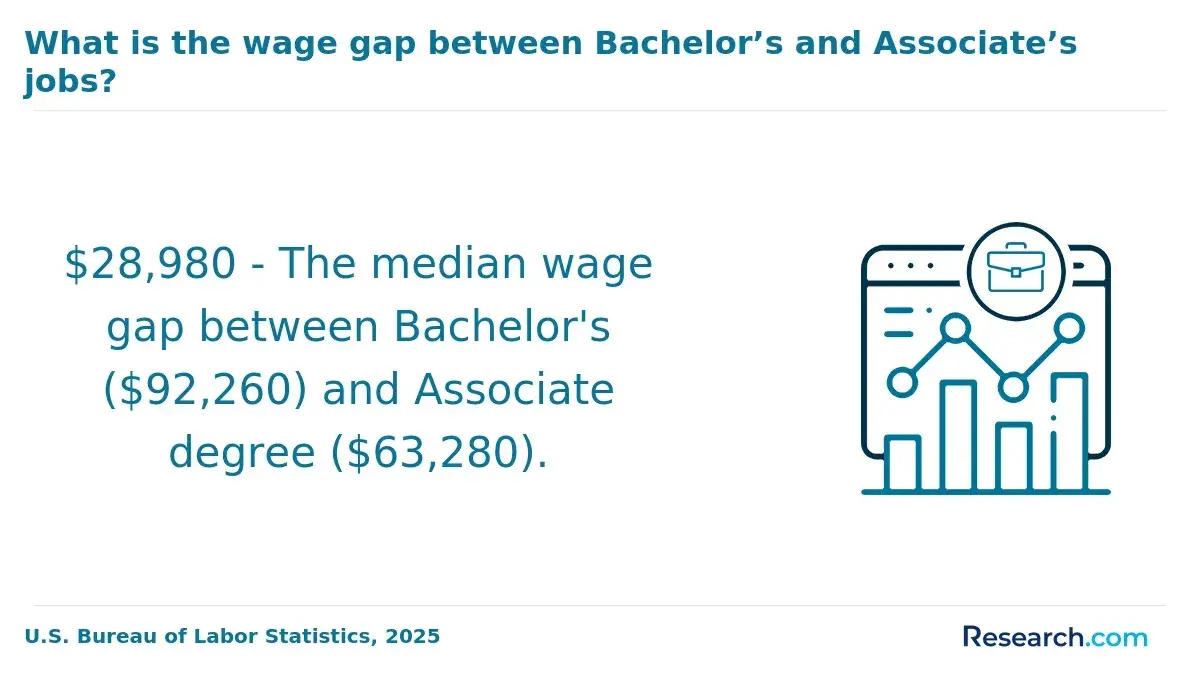
- Bachelor's Degree: Positions strictly requiring only a bachelor's in clinical mental health counseling are uncommon, with many graduates pivoting to roles in support services or case management. Earnings at this level typically fall between $35,000 and $45,000 annually, reflecting limited licensure eligibility and clinical training.
- Master's Degree: The master's degree stands as the pivotal credential required for most clinical mental health counselor licenses nationwide. Graduates holding this level generally earn between $48,000 and $65,000 depending on location and employer type. Licensure designations-such as Licensed Professional Counselor (LPC) or Licensed Mental Health Counselor (LMHC)-are tied to this degree and unlock significantly higher salaries along with enhanced job security. The credential ensures candidates meet clinical training and supervised experience standards unreachable through a bachelor's program alone.
- Doctoral Degree: Doctorates-whether PsyD or PhD-expand access to roles with greater responsibility and pay, particularly in academic settings, administration, or specialized clinical practice. Salaries frequently exceed $80,000 annually but show smaller incremental gains over master's holders than the leap from bachelor's to master's. The doctorate emphasizes advanced research, theory, and independent practice qualifications.
- Licensing And Certification: Licensure remains a critical determinant of compensation-without it, higher-paying job opportunities are scarce. This requirement underscores the vital role of graduate degrees in achieving clinical practice eligibility.
Graduate study typically demands an additional two to four years beyond undergraduate education, coupled with tuition expenses and foregone earnings. Prospective students should rigorously analyze whether the wage increases justify these investments within their personal financial horizons.
Which Industries and Employers Pay Clinical Mental Health Counseling Graduates the Most?
Among the highest paying industries for clinical mental health counseling graduates, the private sector healthcare employers stand out. Hospitals, specialty clinics, and large healthcare systems offer salaries above average due to substantial revenue and competitive markets-particularly valuing counselors with specialties like trauma or substance abuse.
This sector's demand for advanced skills leads to premium pay to attract qualified professionals.
- Government Agencies: Federal, state, and local governments tend to provide strong compensation, especially in departments focused on veterans' health or public health initiatives. Pay scales here are influenced by union rules and budgets, accompanied by benefits and pension packages that enhance total compensation.
- Self-Employment and Private Practice: Counselors with established client bases or specialties can exceed typical industry salaries by operating independently or within group practices. Income levels vary widely based on clientele, specialization, and location.
- Nonprofit Sector: While nonprofits generally offer lower wages than private or government sectors, larger organizations with substantial donor funding can provide competitive pay for leadership roles like clinical directors. Funding availability shapes these salary structures.
- Industry and Credential Variability: Salary differences also emerge based on job titles, certification, and degree levels. For example, licensed counselors holding master's degrees working as behavioral health managers in medical settings earn notably more than entry-level practitioners in community roles. Those with additional certifications like Licensed Professional Counselor (LPC) or trauma therapy credentials often command higher salaries across sectors.
- Strategic Career Positioning: Building skills tailored to high-paying fields-such as integrated care or telehealth-and networking during internships can improve chances of securing well-compensated roles. Pursuing relevant certifications significantly boosts salary potential and opens doors in competitive markets.
Prospective students weighing clinical mental health counseling salary by employer type should consider these factors carefully to align their education with income goals. For those exploring career entry points or alternative pathways, understanding what is the fastest way to become an LPN also informs comparative return-on-investment decisions in healthcare careers.
What Geographic Markets Offer the Best-Paying Clinical Mental Health Counseling Jobs?
Geographic markets offering the highest median wages for clinical mental health counseling often require adjustment for cost of living to understand true earning potential. National wage data paired with cost-of-living indices reveal where counselors gain the greatest real purchasing power across varied regions.
- San Francisco Bay Area: Known for top nominal salaries driven by a dense network of specialized providers and institutions. Despite substantial wages, the notably high living expenses reduce disposable income compared to more affordable markets.
- New York City Metro: Features a dynamic job market with hospitals, private practices, and nonprofits. While salaries are high, costly urban living brings adjusted earnings closer to the national average. Local licensing also limits telehealth flexibility.
- Washington, D.C. Metro: This government and private sector hub offers above-average pay that retains strong buying power after cost-of-living adjustments. The region supports growing hybrid and remote work options.
- Denver and Boulder, Colorado: Provide a favorable balance of competitive compensation and moderate living costs. Outdoor amenities contribute to the area's appeal alongside steady demand for counseling services.
- Midwestern Cities (e.g., Minneapolis, Chicago): Present solid wages paired with generally lower living expenses. Expanding healthcare infrastructure and growing demand for licensed counselors enhance opportunities with increased real income potential.
The rise of telehealth and hybrid roles is reshaping where counselors can work, with some clinical mental health counseling positions allowing full remote practice, though licensing and facility requirements still tether many roles to specific locations. Professionals face trade-offs-relocating to a high-cost, well-paying metro versus leveraging remote work from an affordable region, often balancing salary, lifestyle, and employer benefits.
How Do Professional Certifications and Licenses Boost Clinical Mental Health Counseling Salaries?
Certifications and licenses provide measurable boosts to clinical mental health counseling salaries by demonstrating specialized expertise and increasing trust with employers and clients. Several key credentials are associated with notable income gains-typically raising earnings by 10% to 25%, depending on location and experience levels, as shown in surveys from organizations like the National Board for Certified Counselors (NBCC) and the American Counseling Association (ACA).
- Licensed Professional Counselor (LPC): Required for independent practice in most states, this license usually necessitates a master's degree in clinical mental health counseling, 2,000 to 4,000 hours of supervised clinical work, and successful completion of an exam such as the National Counselor Examination (NCE). Renewal demands continuing education every 1 to 3 years, costing between $100 and $300. LPC holders frequently earn median salaries 12% to 15% higher than their non-licensed counterparts.
- National Certified Counselor (NCC): A voluntary NBCC certification requiring a master's degree, passing the NCE, and documented supervised experience. It must be renewed every five years through continuing education and fees of about $100. Professionals with this credential report up to a 10% increase in salary nationwide.
- Certified Clinical Mental Health Counselor (CCMHC): An advanced NBCC credential for clinical specialization, requiring additional post-master's clinical experience and passage of a focused exam. Recertification involves ongoing education, costing near $200. CCMHC holders typically enjoy salaries 15% to 20% above those lacking this certification.
Prospective candidates should confirm that certifications are accredited by respected agencies like ANSI or NCCA to ensure credibility. Investigating employer preferences-whether certifications are mandatory or merely favored-helps maximize the return on investment.
While time and expenses are considerable, these credentials offer concrete financial benefits that can accelerate career growth in clinical mental health counseling.
What Is the Salary Trajectory for Clinical Mental Health Counseling Professionals Over a Full Career?
Clinical mental health counseling salaries typically begin at modest levels-Bureau of Labor Statistics data show median earnings generally fall between $40,000 and $50,000 annually within the first five years as counselors gain essential supervised experience required for licensure. Progressing into mid-career, around five to ten years in, incomes rise to approximately $55,000 to $70,000 as professionals secure advanced credentials like Licensed Professional Counselor (LPC) or Certified Clinical Mental Health Counselor (CCMHC).
Key career inflection points that accelerate earnings include promotions to supervisory roles, entry into specialized fields such as trauma or substance abuse counseling, and leadership positions like clinical director or program manager. Industry compensation surveys confirm these milestones consistently drive salary growth.
Throughout a clinical mental health counseling career, strategic differentiators distinctly impact compensation:
- Credentials: Graduate degrees and board certifications yield wage premiums and open doors to higher-paying opportunities.
- Experience: Greater years in practice correlate with ascending salary brackets.
- Specialization: Expertise in high-demand therapeutic areas enhances marketability and earning potential.
- Leadership: Management and program oversight roles accelerate income growth substantially.
- Business Acumen: Ownership of private practices or consultancy ventures significantly boosts lifetime earnings beyond typical salary paths.
By their peak-usually 15+ years into the field-clinical mental health counselors often earn from $80,000 to over $100,000 annually, with variations based on geography and employer type. This longitudinal perspective, supported by labor market research from BLS and Georgetown Center on Education and the Workforce, empowers prospective students and career changers to realistically evaluate the return on investment of clinical mental health counseling credentials, informing confident enrollment decisions aligned with their financial and professional goals.
Which Clinical Mental Health Counseling Specializations and Concentrations Lead to the Highest-Paying Roles?
Specializations within clinical mental health counseling greatly impact earning potential, reflecting the highest-paying clinical mental health counseling specializations in the United States. Fields like trauma counseling, substance abuse counseling, and geriatric mental health command higher salaries due to specialized expertise and certification requirements.
Trauma counselors serve vulnerable populations, mastering evidence-based methods-a rare skill set that attracts premium pay. Substance abuse counselors handle complex regulations around medication-assisted treatment and legal compliance, which employers reward financially.
Military and veteran counseling is another lucrative concentration, driven by government funding and rising demand for veteran services, pushing wages above average. Integrated behavioral health-combining mental health care with primary care-also offers competitive salaries as health systems adopt holistic treatment models.
Early students should evaluate specialization choices by examining labor market trends, job growth, state licensure rules, and employer preferences rather than relying solely on personal interest. This approach aligns with top clinical mental health counseling concentrations for salary growth.
- Return on Investment: Top online clinical mental health counseling programs balance cost with strong career placement and exam pass rates.
- Licensure Premium: Licensed Professional Counselor (LPC) credentials often yield a 15-25% salary boost.
- Industry Demand: Healthcare and government sectors tend to pay higher wages due to complex client needs and regulatory standards.
For students already enrolled in general programs, supplementing education with targeted internships and certifications like Certified Clinical Mental Health Counselor (CCMHC) or trauma-informed care credentials can unlock premium roles without requiring a separate degree. Programs with strong alumni outcomes and board exam pass rates provide the best return on investment.
Those comparing career paths might also explore radiology tech programs as an alternative route offering different occupational opportunities.
How Does the Clinical Mental Health Counseling Job Market's Growth Outlook Affect Long-Term Earning Stability?
The clinical mental health counseling job market is projected to experience strong growth over the next decade, with employment rising faster than average according to the Bureau of Labor Statistics (BLS). This trend reflects increasing demand driven by an aging population, expanding mental health awareness, and enhanced healthcare coverage.
Such demographic and policy factors create a solid foundation for long-term income stability for clinical mental health counseling professionals.
- Growth Outlook: Several roles-licensed professional counselors, addiction counselors, and mental health program directors-show both strong employment growth and stable or expanding employer demand, particularly in community health and private practice settings.
- Automation Risk: Low to limited. Positions rely heavily on emotional intelligence and direct human interaction, which technology cannot easily replicate.
- Legislative Impact: Mental health parity laws and increased insurance mandates bolster funding and job availability.
- Structural Headwinds: Certain segments encounter challenges such as credential inflation requiring more advanced qualifications, public sector budget constraints slowing hiring, and some cyclical or contract-based roles with fluctuating demand.
- Job Security vs. Risk: High-paying positions sometimes come with increased risk or limited volume, while more stable roles offer moderate but reliable earnings.
To maintain competitiveness amid these dynamics, professionals should pursue licensure and relevant certifications, stay updated on legislative changes, and develop skills in emerging areas like telehealth counseling. This strategy maximizes the financial return on a clinical mental health counseling degree and ensures resilience in evolving labor markets.
For those evaluating alternative educational pathways, exploring fields like an online nutrition degree may also be worth consideration based on individual career goals and income expectations.
What Leadership and Management Roles Are Available to High-Earning Clinical Mental Health Counseling Graduates?
Top-tier positions in clinical mental health counseling include roles such as Clinical Director, Program Manager, Behavioral Health Manager, and Chief Clinical Officer. These roles often involve supervising counseling teams and allied health professionals while ensuring adherence to clinical protocols and regulatory standards.
- Organizational Levels: Leadership roles commonly exist at the departmental or organizational tier within entities like mental health clinics, hospitals, nonprofit organizations, and managed care companies. Executives balance strategic initiatives with daily operational management.
- Credentials and Experience: Professionals attaining these roles typically hold a master's degree in clinical mental health counseling or related fields and maintain licensure such as the Licensed Professional Counselor (LPC). Many enhance their qualifications with advanced degrees (e.g., MBA) or certifications targeting healthcare management to strengthen their administrative expertise.
- Salary Premium: According to Bureau of Labor Statistics data, management positions in mental health and substance abuse services offer median salaries above $90,000 annually-roughly 30% to 50% higher than front-line counseling salaries, which generally range from $50,000 to $65,000. This wage premium reflects responsibilities including budgeting, staff oversight, regulatory compliance, and quality assurance.
- Advancement Pathways: Progression into leadership commonly requires 5 to 10 years of clinical experience, coupled with incremental supervisory roles. Continuous professional growth through leadership training, certifications, and networking expedites advancement.
Those targeting executive compensation should consider pursuing dual degrees like an MBA early in their career. Building skills in financial management, human resources, and organizational leadership enhances prospects for securing high-level leadership roles within clinical mental health counseling.
Which Emerging Clinical Mental Health Counseling Career Paths Are Positioned to Become Tomorrow's Highest-Paying Jobs?
Technology advances, changing regulations, and demographic shifts are creating new, lucrative career paths within clinical mental health counseling. Professionals skilled in digital platforms and teletherapy-identified as digital therapeutics specialists-are increasingly sought after as mental health apps and online therapy grow. Trauma-informed care consultants are in demand across healthcare and corporate sectors, leveraging specialized expertise to guide organizations through trauma-responsive practices.
The integration of behavioral health within primary care is expanding opportunities for clinicians trained to collaborate in interdisciplinary teams, often requiring knowledge of medical systems.
- Neurofeedback and Biofeedback Therapist: Counselors trained in these emerging neurotherapies can provide niche, high-fee services grounded in evidence-based techniques.
- Program Developer for At-Risk Groups: Specialists designing and assessing programs for youth, veterans, or substance use recovery-with added skills in data analysis and grant writing-are increasingly valuable.
Degree programs are evolving to incorporate telehealth skills, trauma-informed frameworks, and cross-disciplinary collaboration. Prospective students enhance marketability by pursuing micro-credentials or courses in digital health tools, neuroscience, and healthcare administration. However, targeting these emerging roles involves uncertainty; some specialties may develop slower or face regulatory obstacles.
Choosing roles backed by clear market demand and versatile skills reduces risk, while early movers can benefit from sustained growth. Staying attuned to labor market data from professional associations and platforms such as Lightcast, Burning Glass, and LinkedIn Economic Graph empowers informed career planning as the field transforms.
What Graduates Say About the Highest-Paying Jobs You Can Get With a Clinical Mental Health Counseling Degree
- Tony: "Choosing an online clinical mental health counseling degree significantly boosted my earning potential-there's a clear wage premium for grads like me compared to those with just a bachelor's. What really sealed the deal was obtaining my professional licensure, which opened doors to higher-paying roles in private practices. Reflecting on the journey, I'm convinced the investment in this degree far outweighs alternative paths in counseling careers."
- Denver: "The geographic location of opportunities-and the industry you enter-have a massive impact on salary in clinical mental health counseling. After graduating, I moved to a region with strong demand for licensed counselors in hospital settings and saw my compensation jump considerably. It's fascinating how professional certification compounds this effect, making top-tier roles far more accessible."
- Kai: "As someone who's compared multiple career paths, the return on investment with an online clinical mental health counseling degree stands out-especially when factoring in increased earning capacity after licensure. Earning certifications not only elevated my salary but also enhanced my job security. This program prepared me for a flexible career across various industries-with the wage benefits to match."
Other Things You Should Know About Clinical Mental Health Counseling Degrees
Yes, entrepreneurship and self-employment can increase earning potential for clinical mental health counseling graduates. By setting up a private practice or offering specialized services like workshops or courses, counselors have flexibility in pricing and can cater to niche markets, potentially boosting their income.
In 2027, clinical mental health counseling graduates can increase their earning potential by starting a private practice, offering consulting services, or creating online therapy platforms. These self-employment routes not only allow for flexible working conditions but also provide opportunities to set competitive fees and diversify income streams.
Employer type strongly influences salary levels for clinical mental health counselors. Private sector roles, especially in specialized or corporate settings, often offer higher pay than public or nonprofit positions. Public sector jobs may provide better benefits and job security but generally come with lower salaries. Nonprofits typically have the lowest salary scales but can offer unique mission-driven work opportunities.
Internships, practicums, and early clinical experience are critical for increasing starting salaries in this field. They provide practical skills and professional networking that enhance employability and often lead to preferred hiring status. Employers value graduates who have completed substantial supervised clinical hours, which can justify higher entry-level wages.
References
- How Certification Impacts Mental Health Counselor Pay https://scale.jobs/blog/how-certification-impacts-mental-health-counselor-pay
- Alternative Careers for Counselors Who Are Burnt Out [2025 Update] — The Bad Therapist https://www.thebadtherapist.coach/blog/alternative-careers-for-counselors
- Home https://www.husson.edu/online/blog/2025/11/demand-for-mental-health-therapists
- Find Highest Paying Counseling Jobs at Triad's Jobs Marketplace https://www.hellotriad.com/job-categories/highest-paying-counseling-jobs
- Mental Health Psychology Salary Outlook for Master's & PhD Graduates https://mastersinpsychologyguide.com/articles/mental-health-psychology-salary-outlook-masters-phd-graduates/
- From Bachelor’s Degree to Doctoral Study: What You Need to Know About PhDs and PsyDs https://paloaltou.edu/resources/blog/bachelors-degree-doctoral-study-what-you-need-know-about-phds-and-psyds
- Clinical Mental Health Counselor Salary (November 2025) | APOS https://careers.apos-society.org/salary/clinical-mental-health-counselor
- 5 High-Paying Jobs with a Master’s in Counseling| University of Bridgeport https://www.bridgeport.edu/news/high-paying-jobs-with-a-masters-in-counseling/
- Navigating Mental Health Certification: A Guide for Clinicians https://www.blueprint.ai/blog/navigating-mental-health-certification-a-guide-for-clinicians
- Mental health counselors: Salary, career path, job outlook, education and more - RaiseMe https://www.raise.me/careers/community-and-social-service/substance-abuse-behavioral-disorder-and-mental-health-counselors/mental-health-counselors/