2027 Best Online Radiology Technician Degrees for Jobs

Co-Founder and Chief Data Scientist
Choosing the best online radiology technician degree can be daunting-programs vary widely in accreditation, curriculum depth, cost, and career support. A critical issue for prospective students is ensuring their chosen program meets strict accreditation standards and offers practical experience essential for certification and employment. With job growth for radiology technicians projected at 9% through 2032, selecting a high-quality degree with proven career outcomes is vital. This article examines top online radiology technician programs-evaluating rigor, costs, hands-on requirements, and student support-to help readers confidently identify programs that balance investment with strong employment prospects.
Key Things to Know About the Best Online Radiology Technician Degrees for Jobs
- Accreditation by bodies like JRCERT ensures programs meet rigorous national standards-graduates are 15% more likely to pass certification exams on their first attempt.
- Curriculum rigor combining anatomy, radiologic physics, and advanced imaging technologies prepares students for evolving workplace demands and higher earning potential.
- Programs with integrated clinical practicums and strong student support yield employment rates near 90% within six months, optimizing cost and return on investment.
What Is a Radiology Technician Degree, and What Can It Do for Your Career?
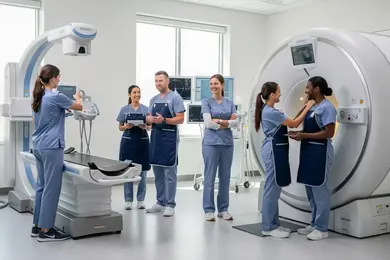
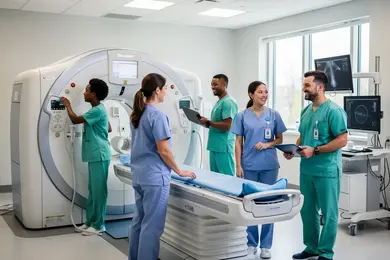
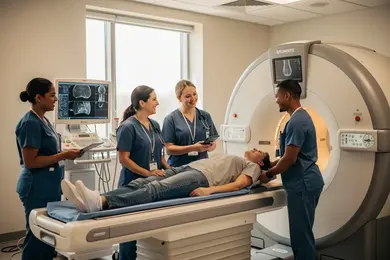
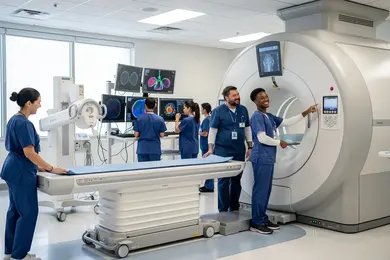
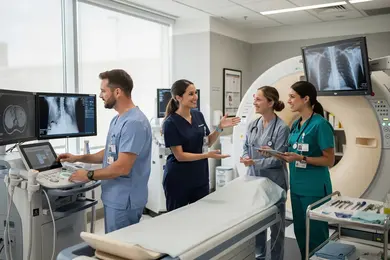
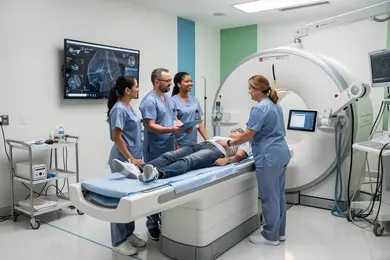
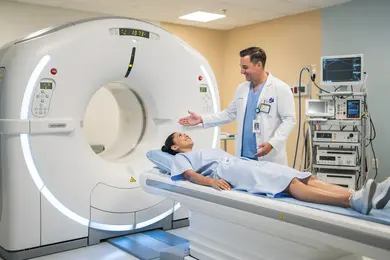
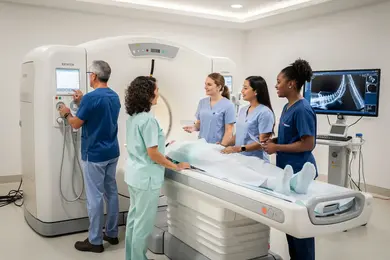
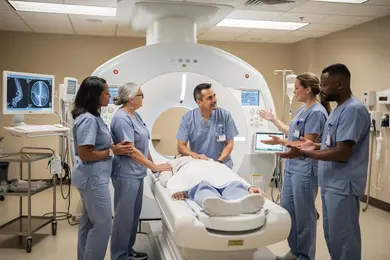
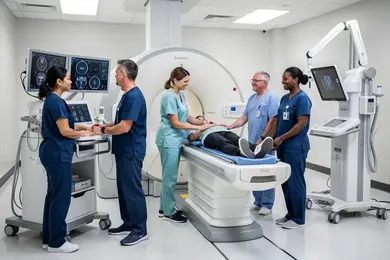
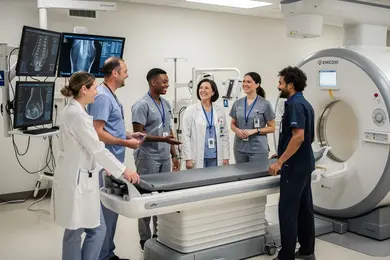
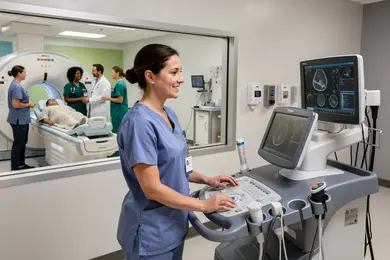
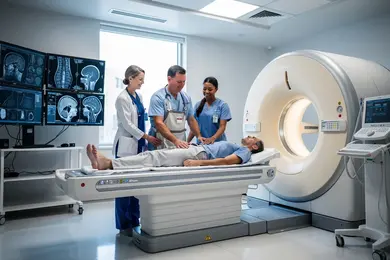
A radiology technician degree equips learners to operate diagnostic imaging equipment-such as X-ray, MRI, and CT scanners-to produce critical medical images. Accredited professional bodies and academic institutions emphasize this field's blend of scientific expertise and practical skills, including patient safety, anatomy, radiation physics, and imaging technology. This foundational knowledge supports accurate diagnoses and timely treatment across healthcare settings.
Core domains covered in best online radiology technician degree programs for career advancement include:
- Technical Proficiency: Skilled operation and upkeep of medical imaging devices.
- Clinical Knowledge: Mastery of human anatomy, pathology, and radiation safety guidelines.
- Patient Care: Effective communication and preparation techniques for diverse patient populations.
- Regulatory Comprehension: Compliance with healthcare laws and ethical standards.
Distinct from related disciplines like radiologic technologist or sonography, radiology technician degrees address specific scopes of practice. Academic credentials range from associate's degrees-which target entry-level clinical roles and certification preparation-to bachelor's degrees emphasizing advanced topics like healthcare management and research methods, aimed at supervisory or specialized positions.
Master's and doctoral programs focus on leadership, education, or advanced clinical practice, supporting professionals pursuing administrative or academic careers.
For those seeking accredited online radiology technician degrees with practical experience, this guide centers on programs designed to meet the needs of recent graduates, career changers, veterans, and advancing professionals. By evaluating accreditation, curriculum rigor, cost-effectiveness, clinical requirements, and student support, learners can make informed decisions aligned with their unique goals.
Additionally, prospective students interested in healthcare may explore PharmD online programs for further professional advancement.
How Do Online Radiology Technician Degree Programs Compare to Traditional Campus Programs?
Comparing online radiology technician degrees versus traditional programs reveals key differences that impact learning and career outcomes. Both formats meet accreditation standards-most notably from the Joint Review Committee on Education in Radiologic Technology (JRCERT)-assuring curriculum rigor and faculty qualifications remain consistent.
Accredited online radiology technician degrees versus traditional programs cover essential subjects like anatomy, imaging technologies, patient care, and radiation safety with similar depth.
- Curriculum Depth and Rigor: Online programs typically deliver instruction through asynchronous lectures, interactive modules, and virtual simulations. While content quality matches traditional campus programs, the latter often provide more hands-on practice during coursework due to available facilities.
- Faculty Qualifications: Faculty credentials in both online and campus programs are generally comparable-often including master's degrees and clinical experience. Leading online programs maintain low student-faculty ratios using video conferencing for personalized feedback.
- Student-Faculty Interaction: Online degrees use discussion boards, live webinars, and scheduled office hours to facilitate engagement. Though spontaneous discussions may be less frequent than on campus, some programs implement cohort models to strengthen peer collaboration and mentoring.
- Peer Collaboration: Campus settings naturally foster daily peer interaction and group work. Online programs compensate with team assignments, virtual study groups, and occasional on-campus residencies to encourage collaboration despite physical distance.
- Clinical or Practicum Requirements: Both delivery types require hands-on clinical experience at approved healthcare sites. Online programs assist with local clinical placements-especially beneficial for working adults and remote learners.
- Employer Perception: Employers generally view graduates of accredited online radiology technician degrees as equally qualified, provided they complete the National Registry Examination. Outcome data from graduate employment surveys indicate similar placement rates within six months for both formats.
- Structural Advantages: Online programs unlock access for working adults, caregivers, military veterans, and students in rural or underserved areas-offering flexibility without the need to relocate. For those evaluating options, exploring the cheapest online acute care nurse practitioner programs can provide insight into affordable, flexible health education options.
- Limitations and Mitigations: Challenges include limited spontaneous interaction and dependence on reliable internet. Leading online radiology technician degrees versus traditional programs address these through mandatory on-campus residencies, advanced virtual simulation technologies, and enhanced student support to ensure high educational quality.
What Are the Accreditation Standards That Define a Reputable Online Radiology Technician Degree?
Accreditation is essential for online radiology technician programs, reflecting educational quality and professional credibility. Regional accreditors-such as the Middle States Commission on Higher Education, which oversees institutions in New York and Pennsylvania; the Higher Learning Commission, serving numerous Midwestern schools; and the Southern Association of Colleges and Schools Commission on Colleges, covering southern states-ensure broad institutional standards that employers and graduate programs recognize.
For radiologic technology specifically, programmatic accreditation is critical. The nationally accepted authority is the Joint Review Committee on Education in Radiologic Technology (JRCERT), which evaluates programs based on clinical training and educational outcomes necessary for professional competence and licensure qualification.
Choosing a program without these accreditations carries significant risks. Graduates may face obstacles in obtaining state licensure, as many require completion of an accredited curriculum. Additionally, credits earned might not transfer to other colleges or advanced degrees, and employer recognition could suffer-affecting job opportunities and career progression.
To confirm a program's accreditation, students should consult reliable databases like the U.S. Department of Education's Database of Accredited Postsecondary Institutions and Programs and the Council for Higher Education Accreditation (CHEA) directory. These tools offer up-to-date verification of both institutional and program-level credentials.
Regardless of factors like affordability or scheduling flexibility, accreditation must remain a fundamental criterion when selecting an online radiology technician program. Without it, professional pathways become uncertain and limited.
Which Types of Radiology Technician Degrees Are Available Online-Bachelor's, Master's, or Doctoral?
IPEDS enrollment statistics reveal higher completion rates for associate degrees due to shorter durations and clear career focus, while bachelor's and master's programs show more variable outcomes influenced by student work commitments and program flexibility. Working adults and veterans leveraging education benefits should weigh these factors carefully when selecting the best online radiology technician degree programs for career advancement.
- Associate's Degree: Serving as the primary gateway for most aspiring radiology technicians, associate programs often span two years and focus on core clinical skills and foundational knowledge. These programs typically require a high school diploma or GED and appeal to recent graduates, career changers, and those aiming for immediate employment in entry-level roles.
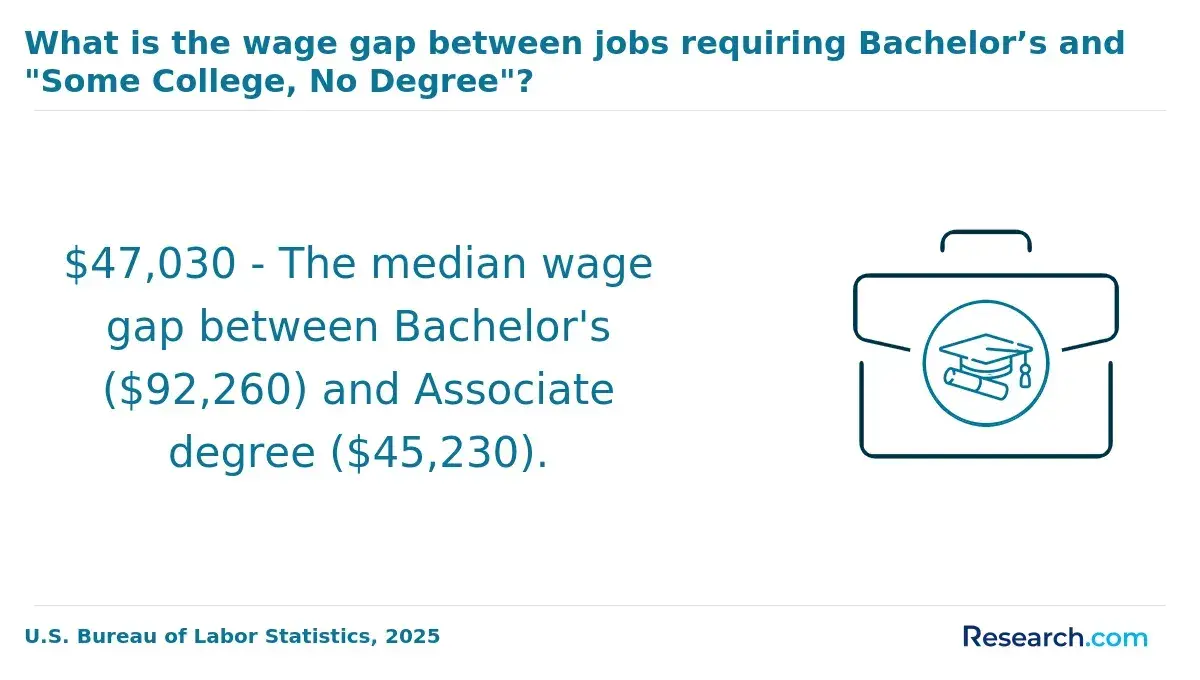
- Bachelor's Completion Programs: Targeted at individuals holding an associate's degree or certificate, these programs extend technical training and introduce leadership and management coursework. Depending on transfer credits, completion usually takes one to two years. Graduates from accredited online radiology technician bachelor's and master's degrees often benefit from elevated salary prospects and promotional opportunities.
- Master's Degrees: Designed for professionals seeking specialized clinical roles, administrative positions, or academic careers, online master's programs require a bachelor's degree and professional certification. Typically lasting about two years, these degrees enhance career advancement and income potential significantly.
- Doctoral Programs: Less prevalent and research-intensive, doctoral studies demand a master's degree for admission and usually take three to five years. Graduates often pursue top-tier healthcare administration, policy-making, or educational leadership roles.
- Post-Baccalaureate Certificates: For students with unrelated bachelor's degrees, these certificates offer a pathway into radiology technician roles by emphasizing essential clinical competencies. Completion generally occurs within two years or less.
- Stackable Credentials: Many programs now allow students to stack certificates, associate degrees, and bachelor's or master's credentials-transferring earned credits to support continuous education and skill development without redundancy.
For those concerned about cost barriers, no application fee online colleges present valuable options without upfront expenses.
What Is the Typical Cost of an Online Radiology Technician Degree, and How Can You Finance It?
Tuition for online radiology technician degrees varies based on school type and residency status. Public in-state programs typically range from $5,000 to $15,000 for the entire course. Those attending public out-of-state institutions often face approximately double that amount. Private nonprofit colleges usually charge between $20,000 and $40,000, while for-profit schools may reach or exceed the high end of this spectrum.
Beyond tuition, learners must account for additional expenses such as mandatory fees, technology access charges for online platforms, and required on-site clinical residencies or labs-these can bring extra costs for travel and lodging.
Students should evaluate total program costs rather than focusing solely on per-credit-hour pricing to get a truthful picture of financial commitment. Tools like the College Scorecard's net price calculator enable comparison of out-of-pocket expenses after factoring in financial aid and scholarships.
- Federal Financial Aid: Pell Grants provide need-based funds that don't require repayment, supplemented by subsidized and unsubsidized student loans. Eligible veterans and active-duty military members can tap into GI Bill benefits that lower educational expenses.
- Scholarships: Numerous awards target radiology technician students, including those from the American Society of Radiologic Technologists, state healthcare workforce programs, and academic merit scholarships offered by colleges.
- Additional Costs: Students may encounter technology fees ranging from $100 to over $500 per semester for essential software and learning systems. Clinical practicums often demand physical presence, making transportation and accommodation budget considerations crucial.
- Financial Planning Advice: It's vital to tally tuition, fees, technology charges, and any residency-related expenses before enrolling. Using federal resources and institutional calculators clarifies the actual financial burden after grants and scholarships.
How Long Does It Take to Complete an Online Radiology Technician Degree Program?
Program lengths for online radiology technician degrees vary by credential level and personal circumstances. Associate's degrees-the most common starting point-typically require about two years of full-time study, while bachelor's degrees often span four years. Advanced graduate degrees such as master's or doctorates usually demand an additional three to six years beyond undergraduate studies.
- Degree Level: Associate programs generally take 18-24 months, bachelor's degrees around four years, and graduate programs three to six years depending on specialization and program design.
- Enrollment Status: Full-time study accelerates completion, whereas part-time enrollment extends duration-sometimes by several years.
- Transfer Credits: Credit for previous college courses or certifications can significantly shorten time to degree.
- Program Format: Accelerated programs with year-round sessions and shorter terms enable faster progression, while traditional semester systems usually require longer timelines.
- Competency-Based Progression: Flexible models that allow advancement upon demonstrating mastery help students move quicker through coursework.
- Prior Learning Assessment (PLA): Many online programs recognize professional experience-an important option for working adults seeking to reduce time in school.
- Time Limits and Financial Aid: Students must meet minimum completion periods for certification eligibility and adhere to maximum time constraints set by schools or financial aid policies to maintain satisfactory academic progress.
- Average Completion Time: Accredited online radiology technician programs often report actual finish times longer than published minimums, reflecting diverse student pace and life commitments.
Knowing these factors helps students set realistic timelines tailored to their unique situations and select programs promoting both flexibility and successful graduation.
What Core Curriculum and Coursework Should a Quality Online Radiology Technician Program Include?
High-quality online Radiology Technician programs distinguish themselves through a rigorous curriculum aligned with standards set by accrediting bodies such as the Joint Review Committee on Education in Radiologic Technology (JRCERT). These standards ensure students receive comprehensive instruction in essential areas needed for competent practice and strong career outcomes.
- Core Science and Technical Courses: Programs offer detailed training in anatomy, physiology, radiographic techniques, radiation physics, and patient care-building the necessary technical proficiency for safe and accurate imaging procedures.
- Clinical Education Sequence: Even primarily online programs integrate supervised clinical placements, often arranged locally, to provide hands-on experience vital for mastering workplace skills.
- Capstone and Integrative Learning: A final project or practicum synthesizes theoretical and practical knowledge, fostering critical thinking and problem-solving skills essential in health care environments.
- Competency Areas and Learning Outcomes: Graduates should demonstrate measurable skills in patient communication, radiation safety adherence, diagnostic image evaluation, and teamwork. These competencies mirror employer expectations and are critical for professional success.
- Curriculum Currency and Industry Alignment: Leading programs maintain up-to-date content through regular reviews-often facilitated by advisory boards of practicing radiology professionals-ensuring responsiveness to technological advances, regulatory changes, and best practices.
- Transparency and Due Diligence: Prospective students should request sample course sequences, detailed syllabi, and outcomes mapping from programs under consideration, rather than relying solely on marketing materials, to accurately gauge academic quality and relevance.
According to the U.S. Bureau of Labor Statistics, employment of radiologic technologists is projected to grow 9% from 2022 to 2032-faster than average for all occupations-highlighting the value of enrolling in programs that combine strong curriculum rigor with real-world preparation.
Which Online Radiology Technician Programs Offer the Best Return on Investment for Working Adults?
Return on investment (ROI) for online radiology technician programs depends heavily on balancing tuition costs with post-graduation salary potential and employment outcomes. Public universities often dominate this space, offering competitive tuition-especially with in-state reciprocity agreements-and strong connections to healthcare employers that boost job placement rates.
Working adults seeking the best online radiology technician degrees for career advancement should prioritize programs that consistently produce graduates with rising median salaries between six and ten years after enrollment, reflecting industry specialization and growth potential.
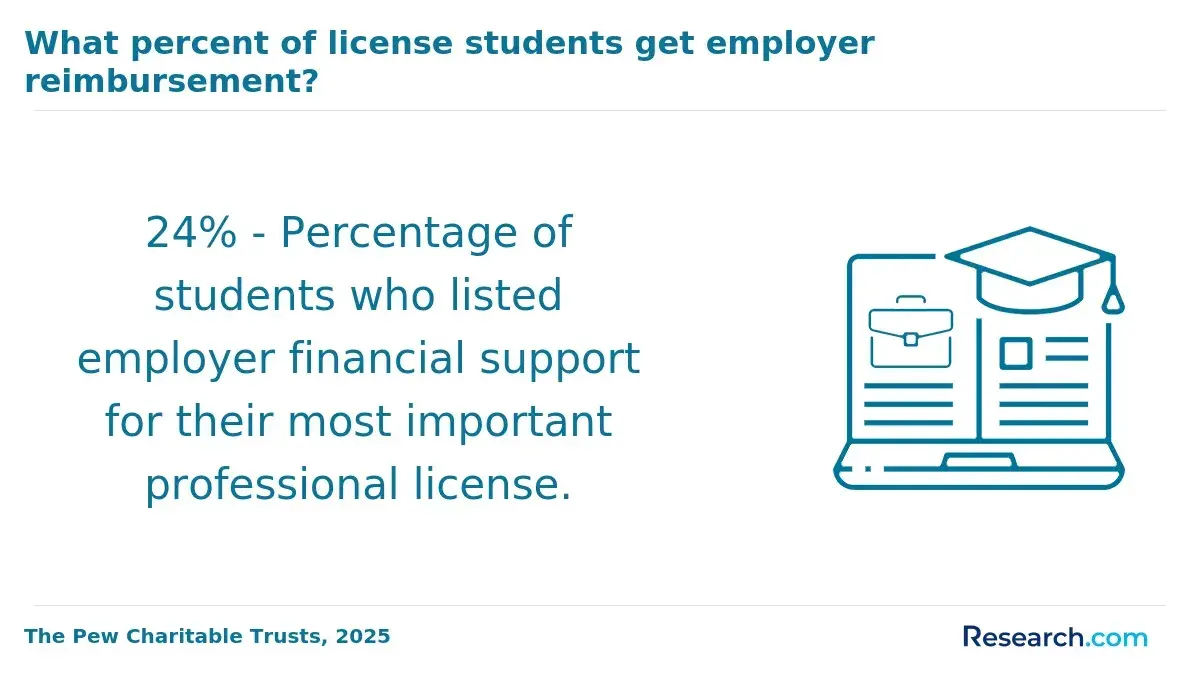
- Cost Efficiency: Public institutions frequently provide affordable radiology technician programs with high salary outcomes by leveraging tuition reciprocity for non-resident students and enabling access to employer tuition reimbursement plans and scholarships tailored for adult learners.
- Employment Outcomes: Programs affiliated with expansive hospital networks and healthcare systems offer essential clinical placements that increase graduates' readiness and immediate employability in competitive job markets.
- Salary Growth: Graduates from top online programs report meaningful increases in median earnings several years post-enrollment, reflecting upward career mobility within the radiologic technology field.
- Financial Aid and Tuition Assistance: Military veterans benefit from education benefits that lower loan burdens, while employer tuition reimbursement programs can further enhance ROI by reducing upfront costs for working adults.
- Program-Specific Outcomes: Rather than relying solely on institutional rankings, prospective students should examine detailed outcome data-such as loan default rates and median earnings specific to each radiology technician program-to accurately gauge long-term financial value.
These considerations are critical for evaluating affordable radiology technician programs with high salary outcomes that truly support career-focused students. Working adults are best served by accredited programs combining affordability, rigorous curriculum, and robust student support systems.
Additionally, exploring resources like ultrasound tech school online offerings can provide insight into related allied health fields with parallel ROI advantages.
What Admissions Requirements Do the Top Online Radiology Technician Programs Typically Require?
Admissions requirements for top online radiology technician programs vary widely depending on the institution's selectivity and degree level-ranging from open-enrollment community colleges to highly competitive graduate-level programs at research universities. Understanding entrance criteria for accredited radiology technician degrees can help applicants assess where their qualifications best fit and what steps they may need to take before applying.
Generally, competitive programs expect applicants to meet several core criteria:
- Minimum GPA: Most reputable programs ask for a minimum GPA, often around 2.5 to 3.0 on a 4.0 scale for undergraduate entry. Graduate radiology technician programs typically require higher GPAs-commonly 3.0 or above-and may scrutinize relevant prerequisite coursework grades.
- Standardized Tests: Many schools have adopted test-optional policies, especially after 2020, so SAT or GRE scores might not be mandatory. However, some graduate programs still require GRE scores as part of their holistic review.
- Letters of Recommendation: Quality references-preferably from academic instructors or professional supervisors familiar with the applicant's clinical or healthcare experience-are often a key component for graduate admissions and more selective undergraduate programs.
- Personal Statement: A well-crafted personal statement or essay demonstrating motivation, understanding of the profession, and long-term goals can substantially strengthen an application, particularly for competitive online master's programs.
- Professional Experience: Graduate programs frequently expect applicants to have prior clinical experience, certifications, or relevant work in healthcare settings. Entry-level programs focus less on this but may still value healthcare exposure.
- Prerequisite Coursework: Applicants without a background in radiology or allied health usually need to complete core science and anatomy courses before enrollment, especially for graduate-level degrees. These may include biology, chemistry, physics, and medical terminology.
Admissions standards vary significantly-from nearly open enrollment at community college institutions to strict academic and experiential criteria at selective online graduate-level programs. Prospective students should evaluate their own academic history, test scores, and work experience to identify programs where their credentials make them competitive.
Since admissions policies-such as test-optional rules, GPA minimums, and prerequisite requirements-can change annually, contacting admissions advisors directly remains the best way to obtain current information. Additionally, candidates interested in advancing beyond technician roles may consider pathways like the RN to NP bridge program as part of their long-term career planning.
Recent high school graduates, working adults, and military veterans using education benefits will find assessing these entrance criteria essential when selecting the best online radiology technician program aligned with their goals.
What Career Paths and Job Titles Are Available to Online Radiology Technician Degree Graduates?
Graduates holding an online radiology technician degree can enter a variety of starting roles that emphasize diagnostic imaging and patient care. Common entry-level positions include:
- Radiologic Technologist: Conducts imaging exams, prepares patients, and ensures image clarity for physician use.
- X-Ray Technician: Operates X-ray equipment in settings like hospitals and outpatient centers, assisting with various imaging procedures.
- Mammography Technologist: Focuses on breast imaging, often requiring additional certification beyond the initial degree.
- Computed Tomography (CT) Technologist: Specializes in advanced CT imaging techniques, typically accessed through post-degree training.
More experienced radiology technicians can advance into specialized or leadership roles-many of which necessitate graduate education, certification, or substantial clinical expertise. Examples include:
- Magnetic Resonance Imaging (MRI) Specialist: Oversees MRI system operation and image acquisition, demanding specific credentials and knowledge.
- Lead Radiologic Technologist or Supervisor: Manages imaging departments, staff schedules, and training programs, representing a move into healthcare management.
- Clinical Instructor or Educator: Provides education and training to aspiring technicians in academic or clinical environments, combining advanced practice with teaching skills.
- Research Technologist: Collaborates with researchers to innovate imaging methods and analyze clinical outcomes, bridging clinical practice and scientific investigation.
An online radiology technician degree also opens pathways for those shifting careers from allied health or technical fields by enabling targeted upskilling and supplemental certifications. This adaptability supports transitions into imaging-specific roles with relevant credentials.
Typically, a radiology technician's career unfolds over five to ten years, beginning with direct patient imaging roles and potentially progressing into specialized subspecialties or supervisory positions. Employment sectors offering varied career and advancement opportunities include hospitals, outpatient care facilities, diagnostic laboratories, and physician offices-each providing distinct environments for expertise growth and diversification.
What Is the Salary Outlook for Professionals with an Online Radiology Technician Degree?
The median annual salary for professionals with an online Radiology Technician degree is approximately $62,000, though actual earnings vary widely based on several factors.
- Degree Level: Salaries tend to rise with education-those holding associate degrees typically earn around $60,000, while bachelor's degree holders or individuals with additional certifications may see salaries approaching or exceeding $70,000.
- Experience: Entry-level Radiology Technicians generally start between $45,000 and $50,000 annually. With five or more years in the field, compensation often climbs to $75,000 or higher depending on location and employer.
- Industry Sector: Employment setting affects pay rates. Radiology Technicians in outpatient care centers or specialized imaging facilities can earn 10-15% more than those working in hospitals or physician offices.
- Geographic Market: Urban centers and states with strong healthcare demand-such as California, New York, and Texas-offer higher wages. Conversely, rural or economically challenged regions usually provide lower compensation.
- Specialization: Obtaining credentials in MRI, CT scanning, or other specialized areas often results in a noticeable salary premium by demonstrating advanced expertise.
- Certifications and Credentials: Earning certifications like the American Registry of Radiologic Technologists (ARRT) is generally linked to increased earnings and job prospects. Online graduates can pursue these certifications after completing their degrees through continuing education and examination.
- Salary Projections: Demand for Radiology Technicians is forecasted to grow moderately over the next decade, with salaries expected to increase in line with inflation and healthcare industry needs. It is important to consult current data sources regularly since salary trends can shift rapidly.
What Graduates Say About the Best Online Radiology Technician Degrees for Jobs
- Valentino: "Choosing an online radiology technician degree that met strict accreditation standards gave me peace of mind-knowing my education was respected by employers nationwide. The curriculum rigor was impressive, pushing me to truly understand both theory and practical applications. This combination made finding a rewarding job far easier than I expected."
- Zev: "The cost and return on investment of my online radiology technician program were major factors in my decision-and it paid off significantly. I appreciated how the program integrated practical experience requirements, which helped me build confidence before entering the workforce. Plus, the student support infrastructure was always available-making the whole journey feel manageable even when challenges popped up."
- Grayson: "Reflecting on my online radiology technician degree, I'm grateful for the focus on career outcomes throughout the program. It wasn't just about learning the material but preparing for meaningful employment afterwards through targeted internships and job placement services. The entire experience was professional and purposeful-something I value as I advance in my career."
Other Things You Should Know About Radiology Technician Degrees
The best online radiology technician programs focus on developing both technical and soft skills essential for the profession. Graduates gain proficiency in operating imaging equipment, understanding radiation safety protocols, and interpreting imaging results accurately. Additionally, these programs emphasize patient care, communication, and critical thinking to prepare students for diverse clinical environments.
Although the coursework is completed online, top radiology technician programs require hands-on clinical practicums or internships at approved healthcare facilities. These placements are often coordinated locally to accommodate the student's geographic location. This structure ensures students acquire real-world experience under professional supervision, which is vital for licensure and job readiness.
Leading online programs offer comprehensive student support that includes academic advising, career counseling, and technical assistance. Many also provide virtual tutoring and access to simulation labs or resources to enhance learning. Networking opportunities often come through online forums, alumni groups, and partnerships with local clinical sites, helping students connect with industry professionals.
Graduates from top online radiology technician programs in 2027 can expect a positive job outlook. According to the Bureau of Labor Statistics, employment for radiologic technologists is projected to grow 9% by 2030, driven by an aging population and increased demand for diagnostic imaging.
References
- Career Center Careers in Radiologic Technology https://www.asrt.org/main/career-center/careers-in-radiologic-technology
- Classes Required for Radiology Tech: Coursework and Clinicals https://hackingthehumanities.org/classes-required-for-radiology-tech-coursework-and-clinicals
- Radiologic Tech Salary Guide (X-Ray, MRI) - Trusted Health https://www.trustedhealth.com/allied-career-guide/radiologic-tech/salary-guide
- 15 Online Bachelor's in Radiology - Healthcare Administration Degree Programs https://www.healthcare-administration-degree.net/best/online-bachelors-in-radiology/
- Online vs. On-Campus LSRT Programs: The Definitive Comparison https://ccitraining.edu/blog/online-vs-on-campus-lsrt-programs-the-definitive-comparison/
- 9 High-Paying Radiology Tech Jobs with a Bright Future https://www.mtmi.net/blog/9-high-paying-radiology-tech-jobs
- Radiation Sciences, BS (Online) | Loma Linda University https://llu.edu/academics/programs/school-allied-health-professions/radiation-sciences-bs-online
- Radiology Technician Remote & Hybrid Only Jobs https://www.ihireradiology.com/t-radiology-technician-remote-jobs.html