
2027 Which Industries Offer the Best Career Paths for Clinical Mental Health Counseling Degree Graduates?

Co-Founder and Chief Data Scientist
Choosing the right industry can determine whether a clinical mental health counseling graduate experiences career growth or stagnation-factors like compensation, job security, and workplace culture vary widely across sectors. For example, the healthcare industry reports a 19% growth rate in counseling positions through 2031, outpacing many fields. Many graduates struggle to weigh immediate salary against long-term advancement and supportive environments that nurture licensure and continual skill development. This article explores which industries offer the optimal combination of these elements-helping graduates make informed decisions that align with their professional goals and personal values.
Key Things to Know About the Industries That Offer the Best Career Paths for Clinical Mental Health Counseling Degree Graduates
- Healthcare settings offer competitive salaries-median pay exceeding $48,000 annually-and strong job stability driven by consistent demand for mental health services nationwide.
- Government and nonprofit sectors emphasize professional development and mission alignment, supporting career advancement through licensure and specialized training opportunities.
- Private practice fosters autonomy and potential high earnings-though income varies widely-while remote counseling roles improve work-life balance and broaden access to diverse client populations.
Which Industries Offer the Highest Starting Salaries for Clinical Mental Health Counseling Degree Graduates?
Among the industries offering the highest mean and median starting salaries for clinical mental health counseling degree graduates, several sectors stand out due to unique economic and structural factors that elevate entry-level pay. Salary premiums often correspond to specialized clinical skill requirements, labor shortages, or sector profitability, guiding graduates toward financially advantageous career paths.
- Government: Federal, state, and local agencies typically provide some of the top starting wages. Budget priorities addressing public mental health challenges and labor policies supporting competitive pay scales contribute to elevated salaries. Demand for licensed counselors remains high in correctional facilities, veterans' affairs, and public health departments.
- Hospitals and Healthcare Systems: Large hospitals and integrated health networks offer premium starting salaries due to the critical role counselors fill in multidisciplinary teams. Profitability and focus on evidence-based treatment increase compensation, often requiring specialized credentials that justify higher entry pay.
- Private Psychiatric and Substance Abuse Facilities: Higher starting salaries reflect the need for clinicians adept at managing acute cases under strict regulations. Labor shortages in these specialized centers push wages upward, attracting qualified mental health counselors prepared for complex environments.
- Corporate Employee Assistance Programs (EAPs): Corporations with robust EAPs invest in clinical counselors to promote mental wellness, boosting productivity and retention. Sustained by sector profitability, these positions often require adaptable skill sets suited for diverse workplace challenges.
- University Counseling Centers: While slightly lower than hospital pay, universities compete for qualified counselors by emphasizing specialized expertise and opportunities for professional advancement. Campus mental health initiatives enhance funding, making starting salaries competitive.
- Nonprofit Mental Health Organizations: Despite generally lower wages than corporate or government roles, some well-funded nonprofits offer competitive starting salaries-particularly those focusing on underserved populations. Grant funding and acute community needs influence these compensation levels.
- Telehealth Services: Rapidly expanding telehealth organizations offer growing starting salaries. Demand for counselors skilled in technology and virtual care modalities drives compensation upward in this evolving sector.
These variations spring from a mix of skill specialization, labor market forces, and sector-wide profitability. Graduates weighing starting salary should consider it alongside career advancement potential, job stability, and work-life balance to identify the best long-term fit.
For those exploring allied health professions with favorable entry options, examining the easy to get into nursing schools can provide additional perspective on the job market and educational investment.
Which industries offer the highest starting salaries for clinical mental health counseling degree graduates in the United States remains a vital question for those seeking top-paying entry-level roles for clinical mental health counseling graduates-this overview illuminates sectors where immediate compensation aligns with career goals and professional expectations.
What Are the Fastest-Growing Industries Actively Hiring Clinical Mental Health Counseling Graduates Today?
The fastest-growing clinical mental health counseling job sectors are shaped by economic shifts, demographic changes, and technological advances that sustain demand beyond short-term hiring spikes. Graduates seeking long-term career opportunities must evaluate the stability and growth trajectory within each industry to ensure alignment with their professional goals.
- Healthcare Services: Healthcare remains the largest employer for clinical mental health counseling graduates, driven by an aging population and heightened mental health awareness.
- Hospital systems and outpatient clinics are expanding mental health programs to address mounting patient needs.
- Telehealth adoption accelerates remote counseling access-offering flexible work options and sustaining demand.
- Educational Institutions: Schools and colleges increasingly invest in student mental wellness, creating stable growth in counseling roles.
- K-12 schools benefit from rising federal and state funding targeting mental health supports for youth.
- Higher education institutions employ counselors dedicated to student retention and mental health challenges, reflecting evolving regulatory priorities.
- Social Assistance Organizations: Nonprofits and community-based agencies grow programs assisting vulnerable populations impacted by social and economic stresses.
- Government grants and philanthropic funding provide consistent support that favors long-term expansion over cyclical hiring.
- Positions often emphasize culturally competent counseling and trauma-informed care.
- Substance Abuse and Behavioral Health Facilities: Sustained demand comes from increasing rates of substance use disorders and integrated treatment models.
- Policy initiatives-such as opioid crisis mitigation-drive structural growth in counseling roles.
- Facilities require specialized expertise in clinical mental health counseling for co-occurring disorders.
- Corporate Employee Assistance Programs (EAPs): Workplace mental health recognition fuels rising demand for counselors within corporate environments.
- Organizations invest in employee well-being to enhance productivity and reduce healthcare expenses.
- Technology enables remote service delivery, broadening access and expanding job possibilities.
For those considering which sectors provide the most promising clinical mental health counseling opportunities, it's essential to examine beyond hiring rates-evaluating licensing requirements and advancement pathways. Many job seekers and career changers also explore combined education and mental health credentials through accelerated healthcare programs to diversify their qualifications and enhance employability in top industries hiring clinical mental health counseling graduates.
How Does Industry Choice Affect Long-Term Earning Potential for Clinical Mental Health Counseling Professionals?
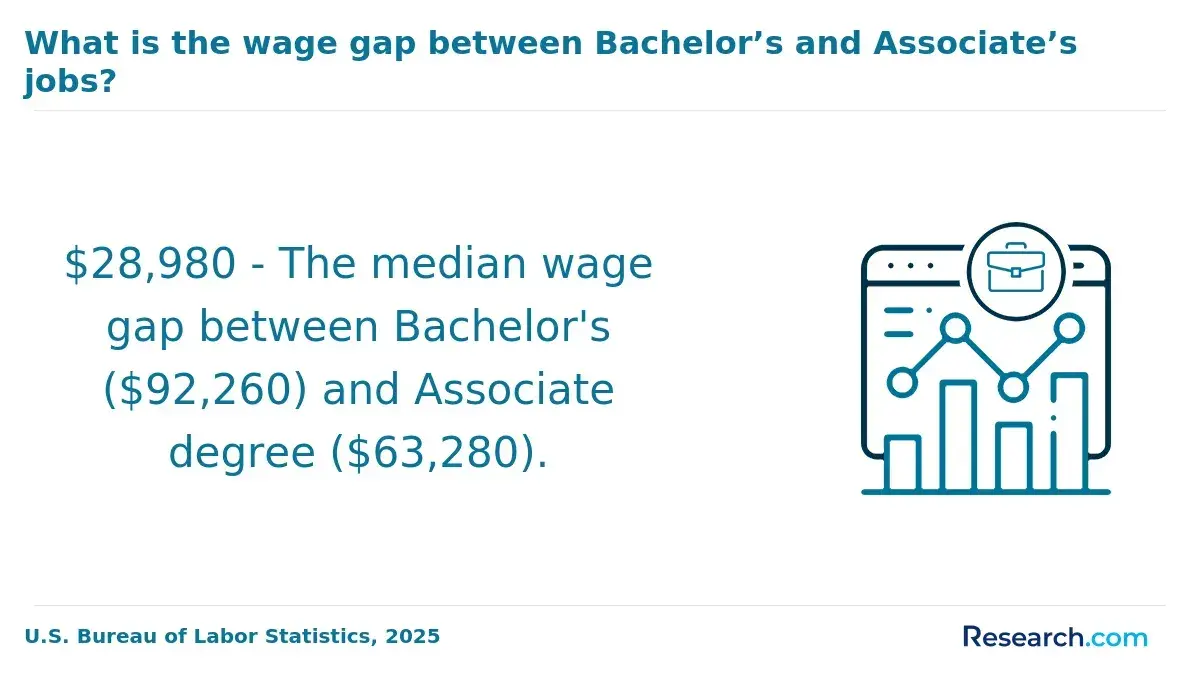
Choosing an industry greatly shapes the long-term earning trajectory of clinical mental health counseling professionals. Although starting salaries often align across sectors, pay patterns diverge sharply over ten to twenty years-highlighting the importance of considering career earnings beyond the initial offer.
- Salary Growth: Private healthcare and corporate assistance programs frequently provide substantial wage escalations-sometimes doubling or tripling salaries within 10 to 15 years-due to consistent promotions and expanding role responsibilities.
- Wage Compression: Government and nonprofit sectors usually maintain stable employment but limit salary growth through narrow wage bands, regardless of experience or performance.
- Incentive Compensation: Some industries enhance total pay with bonuses, equity, or profit-sharing, particularly larger private or for-profit entities, boosting lifelong earnings beyond base wages.
- Licensing and Professional Development: Fields encouraging ongoing certification or advanced credentials tend to translate these efforts into salary increases, widening compensation gaps between sectors invested in employee growth and those less focused on it.
- Career Advancement: Industries with transparent promotion pathways-like healthcare systems or managed care organizations-typically correlate with stronger earning potential over time compared to flatter career structures.
- Remote Work and Flexibility: Though not directly affecting salary, flexible or remote options can influence career longevity and income progression by supporting better work-life balance and retention.
Reflecting on his journey, a professional who earned his clinical mental health counseling degree shared, "Initially, it felt overwhelming trying to navigate which industry would match my goals and pay expectations. I found that focusing only on starting salary was misleading-real growth came with choosing a sector that valued advancement and rewarded continuing education. Transitions were challenging, especially balancing certifications and job demands, but the long-term payoff made the effort worthwhile." This insight underscores the need to evaluate industries with an eye toward the full arc of career earnings and professional development.
Which Industries Provide the Most Stable and Recession-Proof Careers for Clinical Mental Health Counseling Graduates?
The healthcare sector-particularly mental health services linked to hospitals and community centers-has shown resilient demand throughout economic downturns such as the 2008 financial crisis and the 2020 COVID-19 disruption. Key factors include steady funding through Medicare, Medicaid, and private insurance, making healthcare one of the most stable career paths for clinical mental health counseling graduates in the United States. Government roles in veteran affairs and public health programs also maintain stability due to licensure standards, comprehensive benefits, and consistent budget support.
Nonprofit organizations focused on mental health further provide a relatively recession-proof environment. Despite fluctuating grant and donation-based funding, many nonprofits have expanded remote work opportunities and interdisciplinary roles, which broaden employment prospects. Education positions-ranging from school counselors to university mental health staff-benefit from institutional priorities toward student well-being and protections similar to tenure, supporting steady career growth with structured advancement.
Alternately, private-sector industries can offer higher salaries but tend to experience more volatility, including hiring freezes and layoffs during recessions. Graduates must weigh these trade-offs against their financial obligations and risk tolerance when selecting a sector.
- Countercyclical Demand: Healthcare and government sectors increase dependency on mental health counseling services even during economic downturns.
- Licensing and Credentials: Specialized expertise shields professionals from broad market fluctuations and supports wage stability.
- Work Flexibility: Remote options and scheduling adaptability reduce turnover and enhance job retention.
- Financial Security: Public and nonprofit sectors offer lower growth rates but stronger job continuity compared to private enterprises.
Recent labor data show mental health counseling roles projected to grow 23% by 2030-much faster than the average for all occupations-emphasizing the increasing societal recognition of mental health's importance to workforce stability. For graduates considering their next step, resources like the best accredited medical billing and coding schools online may provide complementary career pathways supporting financial resilience alongside clinical expertise.
What Role Does the Private Sector Play in Shaping Career Paths for Clinical Mental Health Counseling Degree Holders?
The private sector offers a wide range of career opportunities for clinical mental health counseling graduates, spanning large corporations, mid-sized firms, and dynamic startups. These employers often provide varied cultures and advancement paths tailored to different professional goals and work styles.
- Healthcare Technology: Firms like Cerner and Teladoc Health incorporate counselors into developing virtual therapy platforms and patient-focused technologies, rewarding clinical expertise alongside innovation with competitive pay and leadership chances.
- Corporate Wellness: Companies such as Google and Johnson & Johnson hire counselors to lead mental health initiatives and workshops, often offering robust benefits, flexible remote work, and well-defined trajectories within HR or wellness teams.
- Financial Services: Institutions including JPMorgan Chase and major insurers engage counselors to support stress management and crisis response, emphasizing measurable outcomes and fast-paced environments where career growth hinges on performance.
- Education Technology: Startups like BetterUp and Headway attract counselors to design coaching programs and digital tools, presenting innovative, flexible roles with rapid advancement linked to product success but less predictability.
Compared to public sector roles, private positions typically offer higher salaries and quicker promotions but require adaptability to performance-driven expectations. Licensing remains essential across sectors, while private employers frequently sponsor ongoing professional development aligned with business aims. Recognizing the unique work culture and mission of each industry helps graduates align their strengths with rewarding career paths.
When asked about her journey, a professional who built her career in the private sector after earning her clinical mental health counseling degree shared how navigating varied organizational cultures was initially challenging. "Adjusting to fast-paced corporate wellness settings demanded learning how to demonstrate impact clearly," she noted, adding that ongoing mentorship and the chance to develop innovative programs made the experience rewarding. Reflecting on her path, she emphasized that understanding each employer's core mission was vital to finding a role where her skills and values aligned, ultimately shaping a fulfilling career trajectory.
How Do Public Sector and Government Agencies Compare to Private Employers for Clinical Mental Health Counseling Graduates?
Career Structure: Federal, state, and local government agencies hire clinical mental health counselors through civil service systems featuring defined grade levels and structured promotion protocols. Key employers include the Department of Veterans Affairs, the Department of Health and Human Services, and state mental health departments. These roles provide clear job descriptions and advancement opportunities tied closely to tenure and performance. In contrast, private sector employers-from small clinics to large hospital networks-offer more flexible but less predictable career paths shaped by organizational needs and networking.
Compensation Model: Public sector counselors typically receive salaries based on established pay scales like the federal General Schedule (GS). Although starting salaries can be lower than in private settings, government positions often include comprehensive benefits that help offset pay differences. Private employers may offer higher initial pay and performance bonuses but with greater variability depending on the employer's size, location, and resources.
Advancement Opportunities: Public sector career growth is often gradual, influenced by promotion regulations and budget limits, but offers predictable incremental pay increases and pathways to supervisory or policy roles. Private sector advancement may occur more quickly, especially within expanding or entrepreneurial organizations, though it depends heavily on market trends and individual drive.
Benefits and Job Security: Government roles appeal to many counseling graduates due to strong job security, loan forgiveness eligibility, defined-benefit pension plans, and extensive healthcare coverage-elements less common or less consistent in private employment.
Trade-offs: Working in the public sector usually means accepting salary caps and slower promotions, balanced by stability and robust benefits. The private sector offers potential for more rapid earnings growth but with less predictable long-term security.
Employment for mental health counselors is projected to grow 23% from 2022 to 2032, reflecting high demand across both public and private sectors for qualified professionals.
Which Industries Offer the Clearest Leadership and Advancement Pathways for Clinical Mental Health Counseling Professionals?
Career growth for clinical mental health counseling degree holders is strongest in industries with clearly defined promotion frameworks-typically leading to management, director, and executive roles within a decade or slightly longer. Data from professional association surveys and LinkedIn workforce analysis show that sectors featuring transparent, merit-based advancement provide the most reliable leadership pipelines.
- Healthcare Systems: Large hospital networks and integrated care systems prioritize structured merit advancements.
- Supplemental qualifications-such as an MBA focused on healthcare or a master's in health administration-can speed progress into director and chief clinical officer positions.
- These health systems invest significantly in leadership development and professional certification supports, aligning clinical expertise with management skills.
- Government and Public Health Agencies: Clear career ladders with defined prerequisites and time-in-grade policies support steady promotions into supervisory and senior leadership roles.
- Advanced degrees in public administration or policy increase leadership competitiveness.
- Robust job security and pension plans encourage long-term career retention and upward mobility.
- Nonprofit Behavioral Health Organizations: These organizations emphasize internal mobility from clinician to executive roles, including program and clinical directorships.
- Advanced sector-specific degrees-like nonprofit management or social entrepreneurship-help shift from clinical duties toward organizational leadership.
- Corporate Employee Assistance and Wellness Firms: Emerging sectors with rapid growth opportunities seek counselors who combine clinical credentials with business leadership skills.
- MBAs or certifications in organizational leadership are often sought for advancement to executive roles.
- Increasing demand for workplace mental health programs expands leadership positions overseeing strategy and innovation.
Key Statistic: Over 60% of clinical mental health counseling professionals in healthcare and government sectors reach leadership roles within 12 years-highlighting strong upward mobility, according to recent survey data.
What Emerging and Technology-Driven Industries Are Creating New Demand for Clinical Mental Health Counseling Skills?
The expansion of emerging and technology-driven industries is creating distinctive opportunities for clinical mental health counseling graduates seeking dynamic careers. These fields-ranging from artificial intelligence to digital health-are increasingly integrating counseling expertise to support workforce well-being, innovation adoption, and holistic care.
- Artificial Intelligence: AI workplaces require specialists who address technostress, ethical dilemmas in AI design, and anxiety tied to human-machine interaction. Skills like trauma-informed care and resilience-building are vital as employees manage rapid technological change and cognitive overload.
- Clean Energy: The shift to sustainable energy demands counseling professionals to aid workers through occupational transitions such as retraining or relocation while managing environmental stress linked to climate change. Knowledge of community mental health and systems thinking enhances effectiveness.
- Biotechnology: Fast-paced biotech environments bring intense pressure; counseling skills focusing on stress management, adaptability, and ethical decision-making empower teams to maintain psychological well-being during innovation surges.
- Advanced Manufacturing: Incorporating automation and robotics, this sector seeks counseling expertise to support workforce mental health, ease skill development anxiety, and facilitate workplace integration through organizational counseling and change management.
- Digital Health: This area-encompassing teletherapy platforms and mental health apps-is a direct extension of clinical mental health counseling. Graduates skilled in technology-enhanced care, data privacy, and remote patient engagement find rising demand.
Employers in these sectors prioritize clinical mental health counseling graduates with hybrid skill sets-blending diagnostic assessment, therapeutic communication, and cultural competence with technical literacy and adaptability. Pursuing targeted upskilling such as certifications in digital health technologies or specialized coursework in ethics in AI, alongside graduate study in interdisciplinary domains like health informatics, can open pathways to emerging technology jobs for clinical mental health counseling graduates.
Opportunities in digital mental health career paths are particularly notable, given the growth of virtual care models. Graduates considering these emerging industries must weigh rapid growth prospects against risks like market volatility and shifting regulatory frameworks. Carefully researching industry trends, professional networks, and aligning career goals with long-term stability is essential to make informed decisions.
Those interested in complementary health fields might also explore options such as dietitian master's programs, which can expand interdisciplinary opportunities in holistic care.
How Do Nonprofit and Mission-Driven Organizations Compare as Career Options for Clinical Mental Health Counseling Graduates?
For graduates holding a clinical mental health counseling degree, nonprofit, social enterprise, and mission-driven organizations offer an appealing option that balances meaningful service with professional growth. These sectors attract those motivated by purpose-driven careers, where mission alignment and workplace culture often matter as much as compensation.
Average earnings in nonprofit roles typically fall in a moderate range-often lower than private practice or healthcare institutions. Still, data from nonprofit compensation surveys suggest that established organizations frequently provide comprehensive benefits such as health insurance, retirement plans, paid leave, and, in some cases, stipends for licensure maintenance or continuing education. Flexible scheduling and remote work options are increasingly common, supporting a healthy work-life balance.
- Compensation: Salaries usually range from lower-mid to mid-tier compared with private sector roles, but benefits and non-monetary rewards contribute meaningfully to total compensation.
- Public Service Loan Forgiveness (PSLF): Graduates working full-time for qualifying nonprofits can benefit immensely from this federal program, which forgives remaining federal student loans after 10 years of payments-an important financial consideration bridging the gap in salary differences.
- Advancement Opportunities: Despite flatter organizational hierarchies, many mission-driven organizations invest in leadership development, cross-functional training, and career progression paths including program management, clinical supervision, or advocacy coordination.
- Mission Alignment And Workplace Culture: These environments foster a culture of collaboration, empathy, and shared values-key drivers of resilience and job satisfaction for professionals prioritizing career advancement in clinical mental health counseling nonprofit sectors.
- Non-Monetary Benefits:
- Flexible scheduling and remote work.
- Access to professional development tailored to nonprofit needs.
- Opportunities to impact broader social change beyond individual client work.
For those exploring mission-driven mental health counseling career opportunities, aligning personal ethics with professional duties creates a rewarding trajectory that transcends salary alone. Additionally, graduates considering further credentials or sector pivots might explore related pathways like RN to NP programs for expanded healthcare roles and higher earning potential.
Which Industries Support the Most Remote and Flexible Work Arrangements for Clinical Mental Health Counseling Degree Holders?
Clinical Mental Health Counseling roles offering remote or hybrid options tend to concentrate in industries that leverage digital platforms and telehealth technologies, enabling more flexible schedules and geographic independence. Fields with strong virtual infrastructure-like telehealth services-typically provide the greatest remote work opportunities, while those requiring direct, face-to-face client engagement-such as inpatient hospital units and school systems-generally mandate on-site presence.
Key sectors fostering flexible or hybrid work arrangements include:
- Telehealth and Behavioral Health Services: Teleconferencing and digital tools dominate service delivery models, making this sector the leader in remote counseling options.
- Higher Education: Mental health counseling via online student support programs allows faculty and staff some hybrid or fully remote roles contingent on institutional policies.
- Nonprofit Organizations: Many nonprofits focused on mental health advocacy or community outreach offer adaptable work locations and hours to accommodate diverse staff needs.
- Corporate Employee Assistance Programs (EAPs): Corporate EAPs often incorporate remote counseling to enhance accessibility and support employee wellbeing across locations.
Remote work expands market access-clinical mental health counseling graduates can tap into higher-wage metropolitan job markets without the burden of relocating to expensive urban areas, improving overall work-life balance and reducing moving costs. Evaluating potential employers' commitment to telehealth adoption, flexible scheduling policies, and remote work benefits is critical during job searches. Clearly communicating your flexibility preferences and asking targeted questions about telework and hybrid expectations can strengthen negotiations.
Recent workforce analyses indicate that approximately 58% of clinical counseling jobs posted since 2022 include some form of remote work-a positive development for professionals prioritizing flexibility in their career trajectories.
How Do Industry-Specific Licensing and Certification Requirements Affect Clinical Mental Health Counseling Career Entry?
Licensing requirements vary significantly by state-graduates must obtain credentials such as the Licensed Professional Counselor (LPC) or Licensed Mental Health Counselor (LMHC) to practice clinically. These licenses generally demand completion of supervised clinical hours, success on licensing exams, and ongoing education, with strict standards enforced by state boards.
Industry Barriers: High-regulation fields like healthcare and substance abuse treatment often require additional certifications-such as Certified Clinical Mental Health Counselor (CCMHC) or addiction-specific credentials-resulting in extended timelines and higher costs beyond the degree itself.
Accessible Pathways: Certain environments, including community agencies and educational institutions, may offer more flexible entry points. Some roles permit working under supervision or holding provisional licenses, facilitating earlier career entry for counseling graduates.
Advanced Credentials: Securing specialty certifications-such as trauma-informed care or child and adolescent mental health-can elevate a candidate's profile, speeding hiring and opening leadership or niche practice opportunities.
Continuous Verification: Since licensing and credentialing standards evolve, staying updated through state licensing boards and professional organizations like the American Counseling Association is critical for compliance and strategic advancement.
Trend Insight: The Bureau of Labor Statistics projects a 23% growth rate for mental health counselor employment from 2022 to 2032, outpacing average job growth and underscoring the competitive advantage of well-rounded licensure and specialized certification.
What Graduates Say About the Industries That Offer the Best Career Paths for Clinical Mental Health Counseling Degree Graduates
- Tony: "Graduating with a degree in clinical mental health counseling opened my eyes to the vast career stability offered in hospital settings. The consistent demand for mental health professionals provides a comforting sense of job security. Plus, the workplace culture in healthcare is incredibly supportive-collaborative teams really make a difference in how you grow and thrive."
- Denver: "I was drawn to the profession because of the advancement opportunities it offers. Starting out in community mental health agencies gave me hands-on experience, but moving up into leadership roles has been rewarding both professionally and financially. Compensation has definitely improved as I've taken on more responsibility, proving this field values growth and dedication."
- Kai: "From the moment I stepped into the world of clinical mental health counseling, I realized how essential workplace culture is to my well-being. Organizations prioritizing employee wellness create environments where compassion extends beyond clients-it fosters true teamwork. In my experience, industries with strong cultures often come with better compensation packages, making it a win-win situation."
Other Things You Should Know About Clinical Mental Health Counseling Degrees
Industries such as community mental health centers, educational institutions, and non-profit organizations typically provide better work-life balance and higher job satisfaction for clinical mental health counseling graduates. These sectors often feature predictable hours, supportive work environments, and missions aligned with service and advocacy-factors that enhance fulfillment. In contrast, inpatient healthcare settings may require longer or irregular shifts, affecting balance and satisfaction.
Geographic location greatly impacts job availability and salary levels in clinical mental health counseling careers. Urban areas often host more diverse employers, including hospitals, private practices, and corporate wellness programs, whereas rural regions may rely more on community clinics and telehealth services. States with higher mental health funding and licensing reciprocity also present more robust opportunities and smoother career mobility.
Healthcare systems and educational institutions are leaders in investing in professional development for clinical mental health counseling staff. These industries often provide access to workshops, certifications, and trainings required for maintaining licensure and staying current on therapeutic techniques. Non-profits may offer fewer resources, but some prioritize continuing education to improve program quality and staff retention.
References
- Technology is Key to Improved Mental Health in the Future https://paloaltou.edu/resources/blog/technology-key-improved-mental-health-future
- What Counseling Areas of Specialty Have the Best Salary Potential? https://www.bestmastersincounseling.com/faq/what-counseling-areas-of-specialty-have-the-best-salary-potential/
- Fastest Way To Become A Therapist Or Licensed Counselor https://www.psychology.org/careers/fastest-way-to-become-counselor/
- Mental Health Counseling Careers | Licensure and Degree Requirements https://www.publichealthonline.org/mental-health-counselor-resource/
- 9 Remote/Hybrid Jobs at Companies That Prioritize Employee Mental Health https://making-space.com/blog/9-remote-hybrid-jobs-at-companies-that-prioritize-employee-mental-health
- The technological revolution in mental health: opportunities, challenges, and practical recommendations - Humanities and Social Sciences Communications https://www.nature.com/articles/s41599-025-06441-z
- Navigating Mental Health Certification: A Guide for Clinicians https://www.blueprint.ai/blog/navigating-mental-health-certification-a-guide-for-clinicians
- Mental Health Counseling MS Salary Guide | University of Bridgeport https://www.bridgeport.edu/news/masters-in-counseling-salary-guide/
- Mental Health Careers https://onlinecounselingprograms.com/mental-health-careers/
- 9 Careers With a Master’s in Clinical Mental Health Counseling https://www.thechicagoschool.edu/insight/career-development/careers-with-masters-degree-clinical-mental-health-counseling/


