
2027 Part-Time vs. Full-Time Clinical Mental Health Counseling Degree Programs

Co-Founder and Chief Data Scientist
Choosing between part-time and full-time clinical mental health counseling degree programs often challenges students juggling work, finances, and academic goals. Nearly 45% of clinical mental health counseling students enroll in part-time programs, reflecting a growing demand for flexible learning. Balancing these factors requires understanding how each format impacts workload, time to graduation, and career readiness.
This article explores key differences between part-time and full-time clinical mental health counseling programs, helping prospective students evaluate which pathway aligns best with their personal circumstances and professional ambitions.
Key Benefits of Part-Time vs. Full-Time Clinical Mental Health Counseling Degree Programs
- Part-time programs allow working professionals to maintain employment, promoting steady income while balancing academic progress and reducing financial strain.
- Flexible scheduling in part-time study supports better work-life balance, minimizing stress and enabling students to apply real-world experiences directly to coursework.
- Part-time enrollment often extends time to complete the degree, offering students more opportunity for career exploration and gradual skill development within clinical mental health counseling.
How Are Part-Time Clinical Mental Health Counseling Programs Structured Compared to Full-Time Programs?
Understanding the differences in clinical mental health counseling degree formats is important for students weighing the benefits of part-time versus full-time study. These structural differences impact scheduling flexibility, learning pace, and the overall academic experience.
Part-Time Program
- Course Load: Typically 3-6 credit hours per semester to reduce weekly demands.
- Weekly Time Commitment: Around 10-15 hours per week, allowing balance with work or family.
- Scheduling Flexibility: Often includes evening, weekend, or hybrid classes to accommodate working professionals.
- Online Availability: Many programs offer online options for added accessibility.
Full-Time Program
- Course Load: Usually 9-15 credit hours per semester, requiring a significant time investment.
- Weekly Time Commitment: Approximately 20-30 hours dedicated to classes, assignments, and practicum.
- Scheduling: Primarily daytime classes during weekdays fit a traditional academic calendar.
- Intensity: Demands consistent focus for quicker progression through degree requirements.
Choosing the right format hinges on individual availability and professional responsibilities, with part-time options providing greater flexibility for those balancing multiple roles. For working adults seeking accelerated progress within flexible structures, exploring the quickest online bachelor's degree for working adults can offer additional pathways. When evaluating program options, consider how the part-time vs full-time clinical mental health counseling program structure aligns with your personal and professional life.
How Long Does It Take to Earn a Part-Time vs Full-Time Clinical Mental Health Counseling Degree?
Understanding the time commitment required for a clinical mental health counseling degree is essential for students planning their academic and career timelines. The duration varies significantly between part-time and full-time options, impacting how quickly one can enter the workforce or advance professionally.
The time to complete part-time clinical mental health counseling degree programs typically ranges from four to six years. This extended timeline usually suits working professionals or those with personal obligations, as course loads often include 3 to 6 credit hours per semester. Flexibility is a key benefit, although students should plan accordingly for the longer academic period.
Full-time clinical mental health counseling program duration averages between two to three years, with students generally taking 9 to 12 credit hours each semester. This accelerated pace is ideal for those able to commit more time to their studies and who want a faster route to licensure and employment.
- Course Load: Full-time students take more credits per semester, speeding up completion, while part-time students balance fewer credits with outside responsibilities.
- Program Structure: Some programs offer accelerated courses or transfer credits, which can shorten the overall time to degree for both formats.
- Practicum Requirements: Clinical practicum hours are required in most programs and can affect completion time depending on scheduling flexibility.
A 2023 CACREP report notes that although part-time formats offer great flexibility, students benefit from careful planning to avoid extended timelines. For those exploring further education options later in life, this is an important consideration. For more insight into degree options tailored for adults, see best degrees for 60 year olds.
Are Admission Requirements Different for Part-Time vs Full-Time Clinical Mental Health Counseling Programs?
Admission requirements for part-time and full-time clinical mental health counseling degree programs show some differences due to their distinct structures, but many criteria overlap. Both formats commonly require a bachelor's degree with a minimum GPA, often around 3.0, from an accredited institution. However, the flexibility in prerequisite coursework and professional experience can vary, influencing suitability for different applicants.
- GPA Requirements: Full-time clinical mental health counseling programs typically enforce strict GPA standards, frequently requiring a 3.0 or higher as an indicator of academic readiness. In contrast, part-time programs may accept slightly lower GPAs, placing more emphasis on relevant work experience, which aligns with their accommodation of working professionals.
- Prerequisite Coursework: Both full-time and part-time formats expect foundational courses in psychology or related fields. Full-time students generally need to complete these courses prior to admission, while part-time programs might allow concurrent completion due to their extended timeline.
- Professional Experience: Part-time admissions often value prior counseling or similar work experience heavily, reflecting their target demographic of employed students. Full-time programs may prefer candidates with stronger academic records and less practical experience.
- Standardized Tests and Supporting Documents: GRE scores may be required by some programs in either format but are becoming less common overall. Both formats consistently request personal statements, letters of recommendation, and background checks as essential admission components.
Those exploring Clinical Mental Health Counseling part-time program admission criteria should consider how these distinctions align with their current professional commitments. Comparing full-time vs part-time counseling program entry requirements can help applicants identify the best path. Additionally, professionals aiming to advance their education might explore related options like a doctorate degree without dissertation to fit their schedules and career goals.
How Do Tuition Fees Differ for Part-Time vs Full-Time Clinical Mental Health Counseling Programs?
Tuition costs for clinical mental health counseling programs vary between part-time and full-time enrollment mainly due to the number of credits taken each semester and the duration over which fees are paid. Full-time students generally face higher upfront semester expenses because they carry heavier credit loads, whereas part-time students pay incrementally as they progress through fewer credits per term, which can spread out the financial burden.
- Per-credit rates: Tuition per credit hour is often consistent regardless of enrollment status, but the total cost is shaped by how many credits are taken each term.
- Total program expenses: While part-time students might pay less each semester, additional fees charged every term can accumulate, sometimes making long-term costs higher than anticipated.
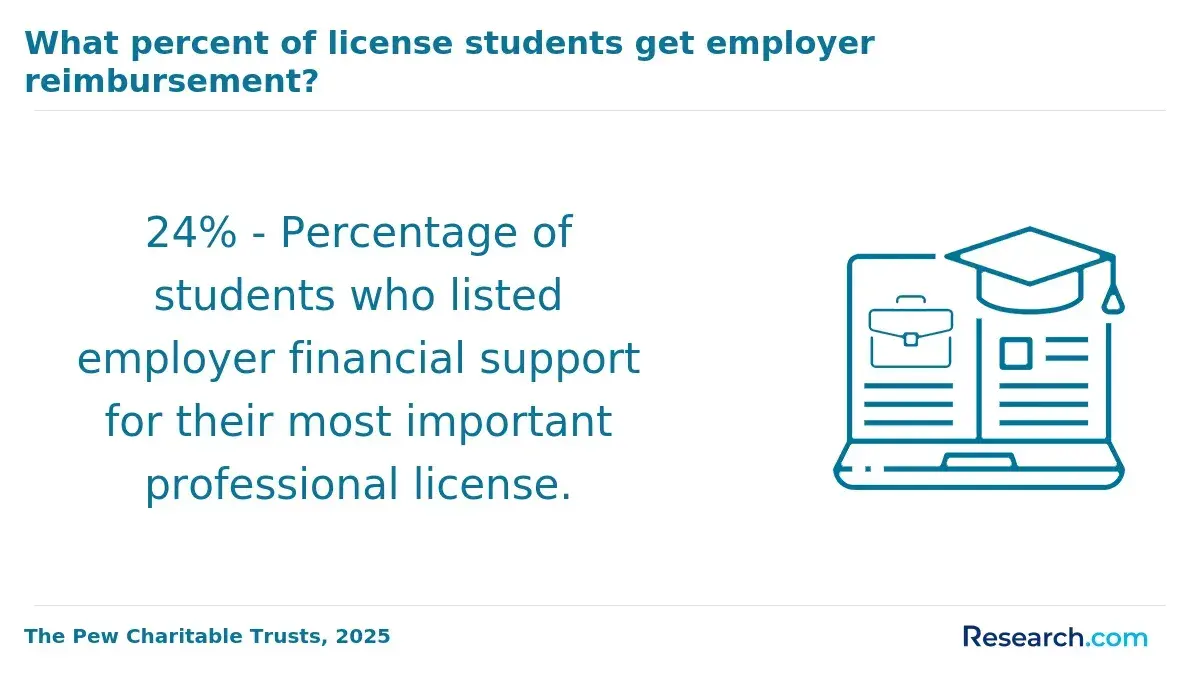
- Financial aid access: Certain scholarships and grants require full-time enrollment, which may restrict part-time students' eligibility; however, working professionals might leverage employer tuition reimbursement when studying part-time.
- Additional fees: Fees for technology, labs, or activities may be bundled into full-time tuition or billed separately per semester, affecting overall affordability.
- Enrollment intensity: Full-time study often leads to quicker degree completion but demands larger lump-sum payments each semester, while part-time allows for gradual progression but can extend total costs due to prolonged enrollment.
A graduate from a part-time clinical mental health counseling program shared that balancing tuition payments alongside work and family required careful financial planning. She recalled, "Paying per credit each semester helped me avoid large upfront bills, but I had to keep track of extra fees every term, which sometimes caught me off guard."
She appreciated being able to continue earning a salary during her studies but felt that the drawn-out timeline occasionally caused her to question the overall cost-effectiveness. Nevertheless, the flexibility allowed her to complete the degree without overwhelming debt, and "the option to pace myself made all the difference in managing stress while staying committed to my goal."
Which Clinical Mental Health Counseling Degree Program Format Offers More Online or Hybrid Course Options?
Part-time clinical mental health counseling degree programs generally provide more online and hybrid course options than full-time formats. These programs are often designed to offer flexibility for working adults, incorporating evening, weekend, and asynchronous courses. Below is a summary of how each format typically approaches online, hybrid, and in-person learning based on key factors.
- Part-Time Programs: These prioritize online and hybrid classes to accommodate students juggling employment, internships, or family duties. They rely heavily on digital platforms and flexible scheduling to attract nontraditional learners.
- Full-Time Programs: Focused more on in-person coursework, these emphasize campus immersion and face-to-face interaction, which supports the development of clinical skills for mostly younger, full-time students.
- Program Design and Institutional Policies: Universities often target part-time cohorts with investments in hybrid learning infrastructure. Meanwhile, full-time tracks align with traditional academic calendars and on-campus campus experiences.
According to CACREP 2023 data, around 65% of part-time clinical mental health counseling students enroll in programs offering at least half their courses online or hybrid, compared to roughly 35% among full-time students. This reflects differing priorities tied to student demographics and the intended learning environment for each format.
Can Clinical Mental Health Counseling Students Switch Between Part-Time and Full-Time Enrollment?
Most clinical mental health counseling programs permit students to switch between part-time and full-time enrollment, though procedures differ across institutions. Typically, students must submit a formal request and obtain approval from an academic advisor or program coordinator. Schools evaluate academic performance, course availability, and other factors before authorizing the change. It's important for students to weigh how this decision might influence their academic progress and personal responsibilities. Effective communication with school officials is critical to facilitate a smooth transition.
Switching enrollment status often depends on maintaining satisfactory academic standing and meeting institutional requirements. Financial aid can be affected because some scholarships and loans require full-time enrollment. Students may face limitations due to scheduling conflicts or limited seats in desired classes. Additionally, shifting to part-time status usually prolongs graduation timelines, sometimes by a year or more. Early advisement helps students understand these potential impacts and plan accordingly.
One graduate I spoke with shared his experience transitioning from part-time to full-time clinical mental health counseling studies. He recalled that the process demanded careful planning and persistence, noting, "Getting approval wasn't automatic; I needed to demonstrate that I was ready to handle a heavier course load."
Though initially daunting, moving to full-time allowed him to immerse fully in the program, accelerating his completion and deepening his engagement. He emphasized, "Balancing work with part-time felt manageable, but going full-time gave me a stronger connection to faculty and classmates, which made a significant difference."
How Do Online, Hybrid, and Campus Clinical Mental Health Counseling Program Delivery Formats Affect Part-time vs. full-time learning?
Delivery format profoundly shapes the learning experience in clinical mental health counseling, with flexibility levels differing significantly between part-time and full-time study. Understanding how online, hybrid, and campus formats affect these learners helps inform better choices aligned with individual schedules and goals.
- Scheduling Flexibility: Online programs offer the greatest flexibility, ideal for part-time students juggling work or family commitments, while full-time students can also benefit by fitting coursework around other responsibilities. Hybrid clinical mental health counseling programs blend scheduled on-campus sessions with online work, providing moderate flexibility. Campus formats typically require fixed class times, better suiting full-time students.
- Workload Management: Part-time learners benefit from the self-paced nature of online delivery, spreading work over a longer period without heavy weekly deadlines. Full-time campus students face a more concentrated workload each semester, fostering immersive but intensive study. Hybrid formats require consistent engagement, which can challenge part-time students unless carefully balanced.
- Accessibility and Resources: Online delivery increases access nationwide, removing geographical barriers for part-time learners in clinical mental health counseling. However, part-time online students may have less immediate access to campus facilities like counseling labs and peer study groups, which full-time campus students utilize more extensively. Hybrid formats offer a compromise with some on-site resource availability.
- Learning Pace and Progression: Full-time students generally complete degrees faster; online programs may be accelerated to as few as two years, while part-time study often extends beyond four years. The self-directed pace in online and hybrid formats helps reduce stress but demands strong time management skills.
- Student Support Services: Campus programs provide robust in-person advising and immediate faculty interaction, benefiting full-time students. Online programs enhance virtual advising and tutoring, supporting part-time learners balancing external demands, though often with less immediacy. Hybrid formats mix both but require proactive engagement.
Prospective students comparing part-time vs full-time clinical mental health counseling delivery formats can explore options at low tuition schools online that accept financial aid for affordable pathways. Whether choosing online, hybrid, or campus formats, understanding how each affects scheduling, workload, and support ensures better alignment with personal and professional priorities.
Do Employers Prefer Full-Time Clinical Mental Health Counseling Degrees Over Part-Time Degrees?
Employers generally do not have an outright preference for full-time clinical mental health counseling degrees over part-time ones, but perceptions of academic rigor often favor full-time study. This is because full-time programs typically condense coursework into a shorter period with heavier course loads, which hiring managers may associate with greater intensity and immersion. However, time management and professional experience significantly influence employer evaluations.
Part-time students often juggle work, family, and studies, demonstrating strong organizational skills and real-world application of counseling principles. Such experience is particularly meaningful when considering the value of a part-time versus full-time clinical counseling degree.
Industry preferences vary depending on the setting and regional needs. Community mental health centers tend to prioritize candidates' supervised clinical hours and practical experience rather than whether their degree was earned full-time or part-time. In contrast, private practices and hospitals might view continuous full-time education as indicative of consistent mastery of academic content.
Research also shows that employers in rural or underserved areas exhibit more flexibility, valuing competence and licensure over study format. According to the 2023 National Board for Certified Counselors report, candidate success on licensure exams and clinical hours weigh most heavily.
Students seeking to enhance their qualifications alongside a degree might explore online certificates that pay well, which can complement their clinical counseling education.
Is a Part-Time or Full-Time Clinical Mental Health Counseling Degree More Worth It for ROI?
When deciding between part-time and full-time clinical mental health counseling degree programs, evaluating return on investment (ROI) is essential. ROI considers tuition fees, the duration until program completion, income lost during study, and expected salary post-graduation. These elements determine how rapidly students can recover their educational expenses and progress professionally.
Full-time programs often require a higher upfront financial commitment and a shorter time to finish, allowing quicker entry into the job market. In contrast, part-time studies extend over several years, which may reduce immediate financial strain by enabling continued employment, but often extend the timeline before higher earning potential is realized.
- Total cost: Part-time programs can incur greater overall tuition due to longer enrollment periods, while full-time studies usually consolidate costs into fewer years.
- Opportunity cost: Full-time study often means foregoing income for a shorter span, whereas part-time allows steady earnings but delays career advancement.
- Salary potential: Graduates from full-time programs might enter the workforce sooner and achieve salary growth more rapidly, benefiting from earlier experience accumulation.
- Career advancement: Full-time students generally progress faster in clinical roles, while part-time learners balance flexibility with a slower promotion pace.
- Long-term benefits: Choosing full-time study may lead to earlier financial stability, though part-time options accommodate ongoing income needs and work-life balance.
How Do You Decide Between a Part-Time and Full-Time Clinical Mental Health Counseling Degree Program?
Selecting the appropriate program format is vital for aligning your academic journey with career ambitions and personal life. The choice between part-time and full-time clinical mental health counseling study impacts your schedule, finances, and overall commitment.
- Time Availability: Full-time programs typically demand 2 to 3 years and require intensive study, ideal if you can prioritize education over other responsibilities. Part-time options extend from 4 to 6 years, offering flexibility to juggle work or family.
- Financial Resources: Full-time study often means paying tuition upfront but enables earlier workforce entry. Part-time students can spread expenses and may continue earning, balancing income with education costs.
- Career Goals: If rapid credentialing and quick job entry matter, full-time is preferable. For those balancing career changes or ongoing employment, part-time may accommodate smoother transitions.
- Learning Style: Full-time suits those who thrive in immersive, structured environments with faster pacing. Part-time benefits self-motivated learners needing adaptable schedules.
- Program Duration and Flexibility: Longer timelines in part-time study allow managing academic demands alongside other life areas, while full-time demands consistent commitment over fewer years.
What Graduates Say About Their Part-Time vs. Full-Time Clinical Mental Health Counseling Degree
- Bryson: "Pursuing my clinical mental health counseling degree full-time was an intense yet incredibly rewarding experience. The immersive learning environment helped me gain practical skills rapidly, although the average cost of attendance was a considerable investment. However, the career opportunities that opened up for me made every dollar worthwhile. "
- Carley: "Balancing a part-time clinical mental health counseling program with work and family was challenging but deeply fulfilling. The flexibility helped me manage expenses more effectively, given that the cost over time was spread out rather than upfront. This program not only enhanced my counseling approach but also allowed me to grow personally and professionally at my own pace."
- Hyacinth: "The clinical mental health counseling program, which I completed full-time, offered a solid academic foundation combined with real-world applicability. While the tuition fees aligned with the national average cost of similar programs, I saw it as a strategic investment in my future. The credential has significantly advanced my career, giving me credibility and confidence in client sessions. "
Other Things You Should Know About Clinical Mental Health Counseling Degrees
Part-time programs typically require 6-9 credit hours per semester, whereas full-time programs often demand 12-15 credit hours. These variations significantly influence how quickly students can complete their degrees and become eligible for licensure in 2027.
Part-time clinical mental health counseling programs in 2027 offer flexibility for students to balance work and study. Students can manage personal commitments better while maintaining a steady income. However, these programs typically take longer to complete than full-time programs, which require a more intensive time commitment but lead to faster graduation.
References
- Clinical Mental Health Counseling | Professional Advancement https://professionaladvancement.mercer.edu/academic-programs/graduate-and-professional/counseling-programs/clinical-mental-health-counseling/
- What to expect in a master's in clinical mental health counseling program https://online.marquette.edu/blog/what-to-expect-in-a-masters-in-clinical-mental-health-counseling-program
- On-Campus vs. Online Master’s in Counseling | University of Bridgeport https://www.bridgeport.edu/news/on-campus-vs-online-counseling-degree/
- How to Start Your Journey to a Master’s Degree and a Career in Behavioral and Mental Health https://paloaltou.edu/resources/blog/start-journey-behavioral-mental-health-career
- How to differentiate between Mental Health Counseling Graduate Programs? Clinical Psychology, Social Work, and Mental Health Counseling https://careers.bridgew.edu/blog/2025/05/19/how-to-differentiate-between-mental-health-counseling-graduate-programs-clinical-psychology-social-work-and-mental-health-counseling/
- Master's Degree in Mental Health Counseling https://www.ccu.edu/ccu/counseling/mental-health-counseling/
- Choosing your path wisely https://www.counseling.org/publications/counseling-today-magazine/article-archive/article/legacy/choosing-your-path-wisely
- Part-time versus full-time employment and mental health for people with and without disability https://pmc.ncbi.nlm.nih.gov/articles/PMC10275711/
- MS-CMHC FAQ - University of Western States https://www.uws.edu/master-of-science-clinical-mental-health-counseling/faq/
- Rethinking Clinical Sustainability: Benefits of Part-Time Jobs for Mental Health Therapists https://www.blueprint.ai/blog/rethinking-clinical-sustainability-benefits-of-part-time-jobs-for-mental-health-therapists-2


