
2027 What Job Postings Reveal About Clinical Mental Health Counseling Careers: Skills, Degrees, and Experience Employers Want

Co-Founder and Chief Data Scientist
What do employers really seek when hiring for clinical mental health counseling roles? As the demand for qualified counselors grows-projected to increase by 22% through 2030—understanding these expectations becomes essential. Job postings often highlight a blend of required skills, academic degrees, and practical experience, but the nuances can be challenging to decipher for recent graduates and career changers.
Typical qualifications include a master's degree in counseling or related fields, state licensure, and competencies in assessment and treatment planning. This article explores what job postings reveal about the skills, degrees, and experience that employers want to help candidates align their preparation with real-world job market demands.
Key Things to Know About Skills, Degrees, and Experience Employers Want
- Job postings emphasize proficiency in evidence-based therapeutic techniques, crisis intervention, and strong communication skills as essential for clinical mental health counseling roles.
- Employers typically require a master's degree in clinical mental health counseling or a related field, alongside 2-3 years of supervised clinical experience.
- Analyzing job ads reveals that licensure and cultural competence are increasingly prioritized, guiding students to focus training on practical, regulatory, and diversity-related competencies.
What Do Job Postings Say About Clinical Mental Health Counseling Careers?
Job postings for clinical mental health counseling careers commonly emphasize the necessity of a relevant master's degree and appropriate licensure, reflecting standardized educational and regulatory expectations.
Essential skills such as strong communication, empathy, and crisis intervention are also frequently highlighted, underscoring their importance in effective clinical practice. Experience requirements vary by position, with about 65% of job listings asking for at least two years of post-licensure experience, indicating a competitive hiring environment favoring seasoned professionals.
Patterns in employer expectations show a consistent baseline of qualifications while allowing for variation depending on the role and setting. Many postings stress the value of additional competencies, including familiarity with specific therapeutic techniques and electronic health records, signaling evolving demands in the field.
This combination of stable core requirements and emerging skills points to a profession balancing foundational knowledge with adaptability to new clinical and technological trends.
What Skills Are Most Requested in Clinical Mental Health Counseling Job Postings?
Job postings for clinical mental health counseling roles consistently prioritize a core set of interpersonal and professional skills essential for effective practice. Approximately 68% of ads highlight counseling-specific interpersonal skills, underscoring the strong employer demand for emotionally intelligent and adaptable professionals.
These skill requirements reflect what employers regard as crucial qualifications for clinical mental health counseling positions.
Below are some of the most frequently requested skills in clinical mental health counseling job postings:
- Active Listening: Fully focusing on clients' words and emotions enables counselors to grasp underlying issues and respond appropriately. This skill builds trust and facilitates accurate assessment and intervention.
- Empathy: The ability to genuinely understand and share clients' feelings creates a safe, supportive environment. Empathy strengthens the therapeutic alliance and is central to successful counseling outcomes.
- Communication Skills: Strong verbal and written communication is critical for explaining treatment options, collaborating with healthcare teams, and documenting client progress effectively, ensuring coordinated care.
- Critical Thinking: Counselors must analyze complex psychological issues, evaluate client needs thoughtfully, and design tailored interventions. This skill promotes evidence-based and client-centered treatment strategies.
- Cultural Competence: Effectively working with diverse client populations requires sensitivity to cultural differences. Counselors who navigate these respectfully contribute to equitable mental health care delivery.
Focusing on these skills helps prospective clinical mental health counseling students understand the essential qualifications for clinical mental health counseling positions. For those exploring pathways to develop or advance these competencies, programs like the shortest DNP program can provide accelerated educational opportunities to build expertise.
What Degrees Do Employers Require for Clinical Mental Health Counseling Careers?
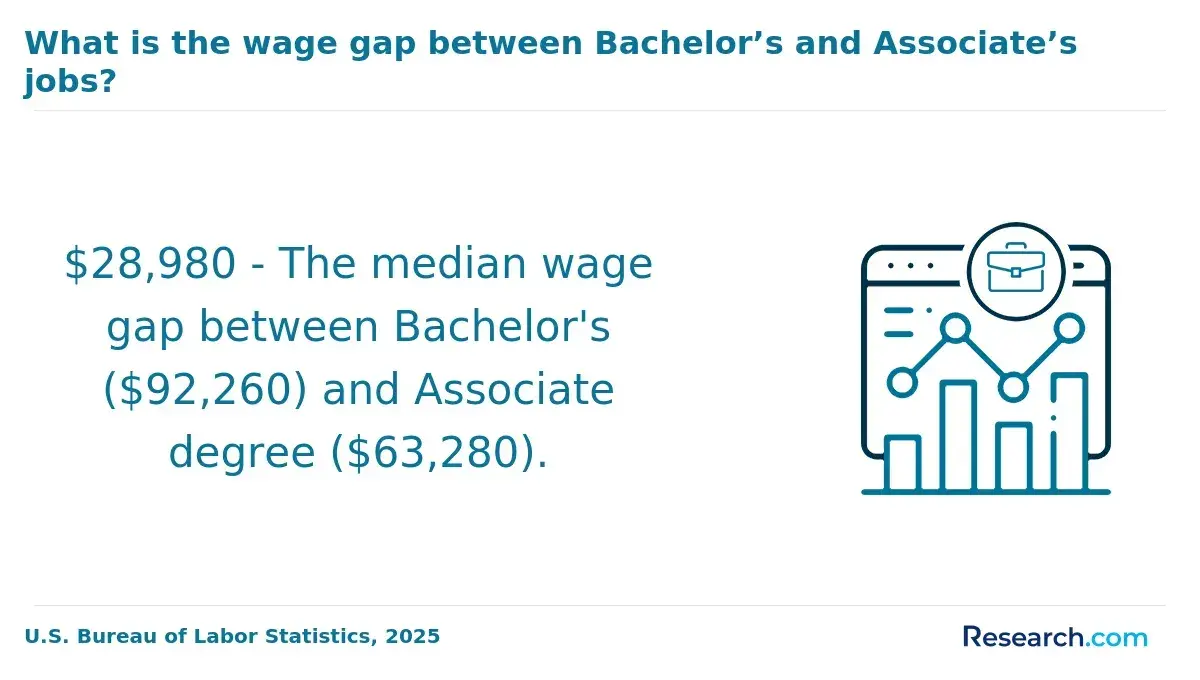
Job postings for clinical mental health counseling careers typically emphasize the importance of formal education, particularly graduate degrees. Requirements tend to vary based on the complexity of the position and the expectations within different professional settings. Notably, a recent survey found that over 85% of these job listings demand at least a master's degree or higher.
Below are common degree-related patterns identified in clinical mental health counseling job postings:
- Master's Degree Minimum: Most roles require a master's degree in counseling, psychology, social work, or a closely related discipline as the essential credential since licensure often hinges on this level of education combined with supervised clinical hours.
- Bachelor's Degree Limitations: Bachelor's degrees tend to be recognized primarily for support or assistant roles but rarely qualify candidates for independent counseling or state licensure, restricting opportunities in direct clinical practice.
- Doctoral Preferences: Advanced or specialized positions, especially those involving research, leadership, or academic settings, may prefer or require doctoral degrees such as PhD or PsyD for competitive candidacy and enhanced clinical competencies.
- Industry Variability: Degree requirements can differ depending on the work environment; community mental health centers and outpatient clinics mostly adhere to master's-level requirements, whereas private practices or specialized hospitals might emphasize higher qualifications or certifications.
Reflecting on these requirements, a clinical mental health counseling degree graduate shared that navigating the licensure path felt daunting initially. "Completing the master's program was just the start," he explained.
"The real challenge was securing supervised clinical experience and understanding the nuances in licensure regulations, which vary by state and employer."
He also noted the emotional toll and persistence required to meet all educational and certification mandates but emphasized that having a solid graduate degree was crucial for accessing a broad range of professional opportunities.
How Much Experience Do Clinical Mental Health Counseling Job Postings Require?
Job postings in clinical mental health counseling specify different experience levels based on the position's complexity and specialization. Employers heavily weigh candidates' prior work to determine their readiness for various responsibilities, using experience as a primary filter. These requirements reflect the average work experience needed for clinical mental health counseling roles at each career stage.
Below are common experience patterns found in clinical mental health counseling job postings:
- Entry-Level Roles: These positions typically require little to no professional experience beyond internships or practicum completed during graduate studies. They are designed for those newly licensed or just starting, providing supervised growth opportunities.
- Mid-Level Positions: Usually calling for two to five years of experience, these jobs expect more autonomy, the ability to manage moderate caseloads, and demonstrated skill in treatment planning and client communication.
- Advanced Roles: Positions requiring over five years of experience often involve leadership duties, complex case management, or clinical coordination. Employers prioritize proven expertise and supervisory capabilities for these senior jobs.
- Specialized Experience: Some roles may ask for specific experience in areas like trauma, substance abuse, or dual diagnoses, emphasizing focused clinical skills beyond general counseling.
For those planning their career path, understanding these experience tiers is crucial, especially when considering factors such as the MHA degree cost related to advancing beyond entry-level roles.
What Industries Hire Fresh Graduates With No Experience?
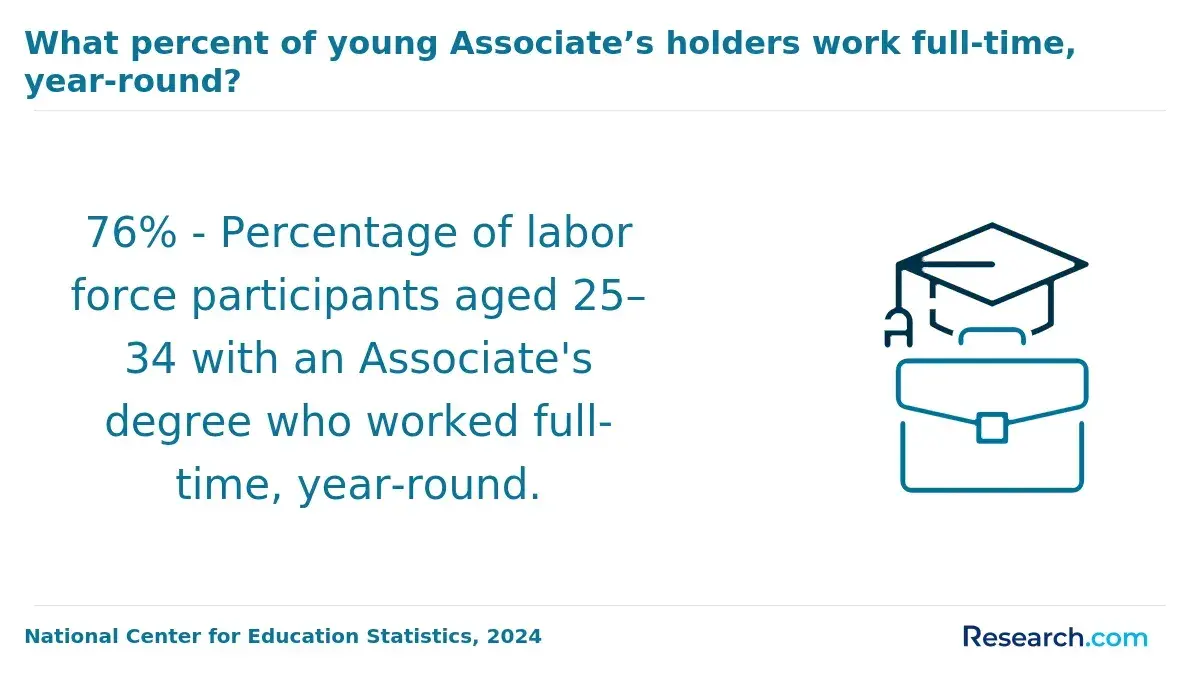
Several sectors show a willingness to employ clinical mental health counseling graduates who have minimal professional experience. This openness appears frequently in job listings for entry-level roles where on-the-job supervision and training are part of the position. Recent data indicates that nearly 40% of such entry-level jobs in this field do not mandate previous work experience.
Common industries hiring newcomers often provide environments where hands-on learning under guidance is standard. These include:
- Community Mental Health Centers: Typically serving wide-ranging populations, these centers often offer entry points for fresh graduates eager to participate in supervised clinical practice and gain direct client interaction.
- Nonprofit Organizations: Many nonprofits engage in mental health outreach and support programs, creating opportunities for graduates to build counseling skills without demanding previous experience.
- Educational Settings: Schools and higher education institutions may hire clinical mental health counseling graduates to support student development and provide referral assistance, emphasizing mentoring over prior experience.
- Substance Abuse Treatment Facilities: These facilities rely on structured treatment programs with coaching elements, making them accessible to those just beginning their professional journey.
- Government and Social Services Agencies: Positions in these agencies often combine client advocacy with case management, providing training platforms for new counselors to develop practical skills.
When asked about her early career experiences, a fresh graduate with a clinical mental health counseling degree reflected on the initial challenges of entering the workforce.
She described how navigating the variety of available roles felt overwhelming at first, especially without a lengthy resume. However, she appreciated finding positions that valued eagerness and willingness to learn, rather than strict experience requirements.
"It was reassuring to see organizations that focused on growth and supervision," she shared. "Even though I didn't have extensive clinical hours, my readiness to engage and develop under guidance opened doors I wasn't sure existed."
This perspective highlights the importance of environments that support newcomers in gaining critical skills while easing the transition from study to practice.
Which Industries Require More Experience or Skills?
Certain industries are notably more selective when hiring clinical mental health counseling graduates, often demanding higher levels of experience, specialized training, or advanced competencies. Job postings in these sectors typically emphasize qualifications that go beyond entry-level expectations, reflecting the complexity of work involved.
Notably, about 65% of counseling positions in specialized healthcare and forensic settings call for three to five years of professional experience or more.
The following points highlight key industries with elevated requirements for clinical mental health counseling candidates:
- Healthcare Settings: Hospitals and psychiatric centers frequently seek counselors with extensive clinical experience and certifications in areas such as trauma-informed care and crisis intervention. These environments prioritize advanced skills due to the severity and urgency of patient needs.
- Forensic and Correctional Facilities: Positions in these sectors often require expertise in risk assessment and rehabilitation counseling. Candidates are expected to navigate complex legal systems and manage clients with challenging behavioral or co-occurring disorders.
- Educational Institutions: Colleges and specialized treatment schools hire counselors who have proven experience working with adolescents and families. Additional capabilities in group counseling and program development are commonly requested to support educational goals.
- Substance Abuse Programs: Employers in this field look for specialized training related to addiction recovery and relapse prevention. Multi-year experience with diverse client populations enhances a candidate's suitability.
This level of industry-specific selectivity reflects diverse expectations for skill proficiency and practical knowledge across clinical mental health counseling roles, underscoring the importance of tailored qualifications in securing positions within these demanding environments.
Which Credentials Are Most Valuable for Clinical Mental Health Counseling Careers?
Employers in clinical mental health counseling careers closely evaluate candidates' credentials to ensure they have the necessary expertise and legal authority to practice. Advanced degrees, state licensure, and professional certifications serve as clear markers of a candidate's qualifications and readiness to meet diverse client needs.
The following credentials frequently appear in job postings as important indicators of competency and professional standards:
- Master's Degree: Typically required in clinical mental health counseling or a related field, a master's degree provides essential theoretical knowledge and practical training. This academic credential lays the foundation for competent counseling practice and further licensure.
- State Licensure: Licenses such as Licensed Professional Counselor (LPC) prove that candidates have met rigorous state requirements, including supervised clinical hours and exams. Licensure legally authorizes counselors to provide independent services and demonstrates adherence to ethical guidelines.
- National Certified Counselor (NCC): This voluntary certification signals advanced professional development and mastery of counseling skills beyond basic licensure. While not always mandatory, it enhances a candidate's profile by reflecting continued commitment to excellence.
- Specialized Certifications: Credentials focusing on areas like substance abuse, trauma-informed care, or marriage and family therapy highlight expertise in specific niches. Employers use these to match candidates with targeted client populations and specialized treatment approaches.
Job postings show that these credentials help employers assess not only legal eligibility but also specialized knowledge essential for effective clinical mental health counseling practice.
Are Salaries Negotiable Based on Experience?
Salary levels in clinical mental health counseling job postings often reflect a negotiable range influenced by experience, education, and the complexity of the role. Employers tend to offer flexible compensation packages tailored to candidates' professional backgrounds, especially valuing advanced degrees or specialized certifications.
According to a survey by the American Counseling Association, counselors with over five years of experience earn about 20% more than entry-level practitioners, illustrating how salary variation by experience level in mental health counseling jobs directly impacts earning potential.
This highlights how compensation negotiation for clinical mental health counseling roles is a common factor employers consider when attracting qualified candidates.
Experience also plays a critical role in determining salary flexibility, with job postings distinguishing entry-level positions from advanced roles that tend to have broader pay ranges and greater negotiation opportunities.
Entry-level roles generally offer more fixed or lower salaries, whereas seasoned professionals with clinical expertise and leadership skills may command higher earnings. This structure allows organizations to accommodate diverse qualifications and responsibilities, reflecting how employers value proven clinical skills alongside academic credentials.
For those curious about comparable medical-related career earnings, resources like how much does medical coding pay provide additional financial insights.
How Can You Match Your Resume to Job Descriptions?
Job postings offer crucial insights that help candidates tailor their clinical mental health counseling resumes to meet specific employer requirements. Research shows that about 75% of resumes are screened out by applicant tracking systems (ATS) due to poor keyword alignment, emphasizing the need to match job description language effectively.
By understanding the priorities outlined in job listings, applicants can better highlight their relevant qualifications and experiences to improve hiring success rates.
To align your resume more closely with employer expectations, consider the following strategies:
- Interpret Job Postings: Identify both required and preferred qualifications to target your resume content precisely. Understanding employer priorities helps incorporate the most relevant skills and certifications.
- Highlight Relevant Experience: Emphasize clinical experiences and skills that reflect the counseling methods and client populations mentioned in the job description. This shows a clear match to employer needs.
- Align Terminology: Use keywords found in the posting, including specific counseling theories, assessment tools, and licensure credentials. Proper vocabulary enhances ATS compatibility and helps your resume stand out.
- Prioritize Qualifications: Showcase educational achievements and certifications that meet or exceed stated requirements. Highlighting these qualifications positions you as a strong candidate.
Including targeted language and relevant credentials is particularly important when tailoring your resume to clinical mental health counseling careers, ensuring that employer expectations and applicant skills align effectively. For those seeking to expand their qualifications, exploring programs such as exercise science degrees online can provide additional expertise to complement counseling skills.
What Should You Look for When Analyzing Job Ads?
Job ads offer valuable insight into what employers prioritize in clinical mental health counseling roles, outlining essential qualifications and responsibilities. Reviewing these postings carefully helps clarify what is expected for success in the field. Studies indicate that nearly 72% of employers prominently highlight preferred competencies and experience to ensure clear hiring standards.
Key aspects to focus on when evaluating job ads include the following:
- Core Responsibilities: Pay attention to descriptions of daily tasks such as conducting client assessments, leading therapy sessions, and creating treatment plans, which define the practical scope of the role.
- Education Requirements: Look for degree expectations, often a master's in clinical mental health counseling or a related field, as well as required certifications and licensure necessary for practice.
- Experience Levels: Note if there are specifications for supervised clinical hours or particular work environments like inpatient facilities or community health settings.
- Required Skills: Identify a combination of technical abilities, including proficiency with electronic health records, and soft skills such as cultural competency and communication.
- Preferred Backgrounds: Some postings specify additional qualifications or targeted experience, indicating what employers value beyond baseline credentials.
By focusing on these elements, those interested in clinical mental health counseling careers can better understand the education and experience expectations in clinical mental health counseling job postings.
For prospective students exploring further, there are options like the best online registered dietitian programs that offer flexible educational paths relevant to allied health professions.
What Graduates Say About Skills, Degrees, and Experience Employers Want
- Tony: "As a fresh graduate in clinical mental health counseling, I found that carefully studying job postings helped me identify roles that perfectly matched my academic credentials and internship experience. Job ads often highlighted essential skills and certifications that I could quickly acquire, allowing me to confidently apply and land my first position. This approach made the daunting job search feel manageable and strategic."
- Denver: "Over the years, job advertisements have been invaluable in guiding my career progression in clinical mental health counseling. By analyzing evolving job requirements and responsibilities, I was able to tailor my continuing education and certifications to meet the market demand. This reliance on job postings gave me a clear path for advancement and ensured my skills stayed relevant to employers."
- Kai: "From a professional standpoint, I see job postings as a reflection of the clinical mental health counseling field's changing landscape. They signal emerging trends and areas of specialization, which helps me adapt my practice accordingly. Relying on these ads has not only impacted my career trajectory but also deepened my understanding of the profession's priorities and expectations."
Other Things You Should Know About Clinical Mental Health Counseling Degrees
Job postings often highlight the need for candidates to engage in continuing education and professional development. Employers value counselors who stay current with evolving therapeutic techniques, ethical standards, and licensing requirements. This commitment demonstrates a dedication to providing high-quality care and adapting to new challenges in the field.
Job ads frequently indicate a preference for candidates with specialized training or certifications in areas like trauma counseling, addiction, or family therapy. Specializations can differentiate applicants by demonstrating advanced knowledge and a focused skill set. Employers value these credentials when addressing specific community needs or therapeutic goals.
Employers often require supervised clinical experience as a critical component in job advertisements. This practical background ensures that candidates have hands-on skills for assessment, diagnosis, and intervention. Postings may specify minimum hours or types of internships completed to confirm readiness for independent counseling work.
References
- Mental Health Counselor Resume: Examples & Templates https://www.resume-now.com/resume/examples/social-services/mental-health-counselor
- The 6 most in-demand jobs in mental health https://www.vu.edu.au/about-vu/news-events/vu-blog/the-6-most-in-demand-jobs-in-mental-health
- Mental Health Clinician Resume Examples & Templates https://himalayas.app/resumes/mental-health-clinician
- Resume Skills for Clinical Counselor (+ Templates) - Updated for 2026 https://resumeworded.com/skills-and-keywords/clinical-counselor-skills
- Choosing the Right Therapist Role: A Career Guide for Mental Health Professionals https://www.counselingworks.com/what-to-look-for-in-your-next-therapist-role/
- Mental Health Counselor Jobs: Skills, Settings, Outlook https://askbrook.org.uk/mental-health-counselor-jobs-skills-settings-outlook
- 9 Mental Health Careers You Can Pursue with a BA https://www.nec.edu/news/9-mental-health-careers-you-can-pursue-with-a-ba
- Clinical Mental Health Counselor Job Description (Updated 2026 With Examples) | APOS https://careers.apos-society.org/career/clinical-mental-health-counselor/job-descriptions
- Mental Health Therapist Resume Sample, Job Description & Writing Guide for 2026 - CVmaker.com https://www.cvmaker.com/blog/resume-writing/mental-health-therapist-resume
- The Perfect Mental Health Counselor Resume Writing Tips | The Perfect Resume https://theperfectresume.com.au/pages/the-perfect-mental-health-counselor-resume-writing-tips


