
2027 Accelerated vs. Traditional Clinical Mental Health Counseling Degrees: Pros & Cons

Co-Founder and Chief Data Scientist
Choosing between accelerated and traditional clinical mental health counseling degrees involves weighing distinct advantages. Accelerated programs suit working adults and career changers needing faster completion, often finishing in under two years. Conversely, traditional programs offer a more extended timeline, allowing deeper academic engagement and flexibility. Notably, a recent study found that accelerated counseling programs have grown by over 30% in U.S. enrollment over the past five years.
This article compares time commitment, learning experience, career outcomes, and important factors when selecting a clinical mental health counseling degree path. Understanding these pros and cons will help prospective students make informed decisions tailored to their goals and schedules.
Key Points About Accelerated vs. Traditional Clinical Mental Health Counseling Degrees
- Accelerated clinical mental health counseling degrees offer flexibility with condensed schedules, ideal for working adults seeking faster career entry and potential cost savings through fewer semesters.
- Traditional programs promote deeper academic engagement, allowing students to absorb complex counseling theories and techniques thoroughly, supporting long-term skill mastery.
- Traditional formats foster stronger peer connections and networking opportunities, benefiting learners who prefer a balanced pace to build professional relationships and practical experience.
What Are the Differences Between Accelerated vs. Traditional Clinical Mental Health Counseling Programs?
The structure of accelerated and traditional clinical mental health counseling programs differs mainly in pacing, scheduling, and learning intensity, shaping distinct academic experiences. Understanding these differences helps prospective students choose the best fit for their goals and lifestyle. Below is a comparison of key program elements.
- Scheduling Structure: Accelerated programs operate year-round without extended breaks, including summer terms, creating a continuous and fast-paced academic environment. Traditional programs follow standard academic calendars with regular summer and holiday breaks, offering more downtime.
- Course Delivery and Format: Accelerated counseling program length compared to traditional often involves compressed terms of 7-8 weeks with a strong emphasis on online or hybrid formats for flexibility. Traditional programs use standard 16-week semesters primarily in-person or hybrid, with less reliance on intensive online coursework.
- Course Load and Intensity: Accelerated vs. traditional clinical mental health counseling degree structure shows that accelerated formats demand sustained, high-intensity engagement, requiring students to balance fewer but more demanding courses simultaneously. In contrast, traditional programs distribute coursework over longer periods, allowing deeper reflection and exploration of material.
- Clinical Placement Scheduling: In accelerated programs, clinical practica and internships often overlap with coursework, requiring strong time management skills. Traditional programs spread clinical experiences over time, letting students integrate practical learning more gradually.
- Support and Cohort Experience: Accelerated cohorts tend to be smaller and diverse, advancing rapidly with potentially fewer networking opportunities due to the quick pace and online delivery. Traditional cohorts often have longer-lasting peer relationships, richer collaboration, and mentorship opportunities.
For those exploring program options, examining an 1 year masters program can offer insight into the nature of accelerated degrees and whether they align with your career and education goals.
How Fast Can You Finish an Accelerated vs. Traditional Clinical Mental Health Counseling Program?
Program length varies significantly between accelerated and traditional clinical mental health counseling degrees. Accelerated formats condense coursework into shorter terms, typically demanding an intense, focused schedule, while traditional programs follow a standard academic pace with a more extended timeline.
A comparison of completion timelines reveals notable differences between the two approaches.
- Transfer Credits: Students who have completed prior graduate coursework may reduce their required credits, thus shortening the accelerated clinical mental health counseling degree duration. Traditional programs may also accept transfer credits, but the overall timeline remains longer due to the structured pace.
- Full-Time vs. Part-Time Enrollment: Full-time students typically finish faster, especially in accelerated tracks that require year-round study. Part-time enrollment extends the traditional clinical mental health counseling program length, often by several semesters.
- Course Intensity: Accelerated programs demand a heavier workload with fewer breaks, compressing learning into a shorter span. Traditional formats spread coursework with more breaks, accommodating a balanced schedule.
- Clinical Requirements: Mandatory practicum and internship hours can extend duration, and completing these part-time may lengthen both accelerated and traditional programs.
- Program Format: Online and asynchronous options offer flexibility that can impact how quickly a program is completed, particularly for self-motivated learners pursuing the accelerated clinical mental health counseling degree duration.
Choosing the best option depends on your readiness for an intensive academic commitment versus a balanced approach. Those curious about related programs might explore the easiest PhD to obtain for alternative educational pathways.
What Are the Admission Requirements for Accelerated vs. Traditional Clinical Mental Health Counseling Programs?
Admission requirements for both accelerated and traditional clinical mental health counseling programs generally include common standards such as minimum GPA, test scores, and prerequisite coursework. However, these programs often differ in how they assess academic readiness and professional experience to match their distinct pacing and educational goals. Understanding these variations can help prospective students choose the best path for their career development.
The following key differences highlight contrasts in admissions expectations for accelerated clinical mental health counseling admission requirements versus traditional clinical mental health counseling program prerequisites:
- Academic readiness and GPA: Accelerated programs usually require a higher undergraduate GPA, commonly 3.0 or above, and may mandate completion of a significant number of psychology-related credits before applying. This ensures students are prepared for the demanding, fast-paced curriculum. Traditional programs tend to be more flexible, allowing students to fulfill GPA or credit requirements over time.
- Early commitment and dual enrollment: Many accelerated tracks enable undergraduates to enroll in graduate-level courses during their senior year, counting these credits toward both degrees. This requires careful academic planning and advisor approval. Traditional programs typically do not offer this early dual enrollment option, appealing to those preferring a more gradual transition.
- Interview and faculty assessment: Accelerated applicants often face formal interviews and must obtain documented positive assessments from faculty regarding personal maturity and readiness. Traditional admissions may rely less on such evaluations, focusing more on academic records and recommendations.
- Prerequisite coursework: Accelerated programs generally require completion of specific courses like abnormal psychology prior to admission, emphasizing preparedness. In contrast, traditional clinical mental health counseling program prerequisites may be more flexible, allowing students to complete some requirements during early coursework.
- Background checks and dispositional reviews: Both program types require background checks, but accelerated programs might implement earlier or more frequent dispositional reviews due to their condensed structure and need to ensure candidate suitability swiftly.
Prospective students interested in fast-tracking their education might also explore whats the fastest associates degree to get as part of their broader academic planning.
How Are Accelerated Clinical Mental Health Counseling Courses Structured Compared to Traditional Ones?
Accelerated clinical mental health counseling programs condense the same comprehensive curriculum into a significantly shorter period than traditional degrees. They differentiate themselves through faster pacing, heavier workloads, and often flexible online or hybrid delivery methods. These variations affect how students experience the coursework and balance their commitments.
Here are the key differences between accelerated and traditional programs:
- Course Length: Accelerated programs typically span 12-18 months, compared to 24-36 months for traditional tracks. This rapid completion suits highly motivated learners eager to enter the workforce quickly without sacrificing accreditation standards.
- Weekly Workload: Students in accelerated formats face more intensive weekly demands, juggling a greater volume of assignments, readings, and clinical hours in compressed sessions. This requires strong time management skills, whereas traditional programs allow more gradual progress with extended breaks.
- Instruction Style: Accelerated degrees often utilize online or hybrid formats with asynchronous learning options, providing flexibility for working adults. Traditional programs generally involve more in-person classes and fixed schedules, appealing to those who value steady pacing and face-to-face interaction.
Both formats maintain identical credit and clinical hour requirements, ensuring consistent educational quality despite differences in duration and delivery.
How Much Do Accelerated Clinical Mental Health Counseling Programs Cost Compared to Traditional Programs?
Tuition and total costs vary significantly between accelerated and traditional clinical mental health counseling programs. Accelerated tracks usually cost less overall because they require fewer semesters, allowing students to complete their degree faster and enter the workforce sooner.
Below are key cost-related differences between the two program types:
- Program Duration and Total Cost: Accelerated programs typically last 12 to 24 months, cutting total tuition and living expenses compared to traditional programs that span 24 to 36 months. A shorter timeline means fewer semesters of payments and lower overall costs.
- Tuition Rate per Credit: Both formats generally charge similar tuition per credit within the same school, with rates ranging from about $210 to $404 in more affordable public institutions. However, private universities with high tuition may charge over $50,000 annually regardless of program length.
- Opportunity Cost: Students in accelerated programs enter the job market up to 18 months earlier, enabling them to earn a counselor's salary sooner. Traditional students may forgo $65,000 or more in potential income during the longer study period.
- Financial Aid Availability: Both program types qualify for federal aid, scholarships, and assistantships. Some schools also offer scholarships specifically for accelerated tracks, providing additional cost relief for students choosing the faster path.
What Financial Aid Is Available for Accelerated vs. Traditional Clinical Mental Health Counseling Degrees?
Both accelerated and traditional clinical mental health counseling degree students can access financial aid, though eligibility and the timing of funding often vary with program length and enrollment status. Accelerated programs, typically completed within 12 to 18 months, have unique scheduling considerations compared to the two- to three-year traditional tracks.
Below is a comparison of how financial aid options differ by format:
- Federal Aid Eligibility: Federal loans are accessible to students in both formats; however, accelerated students must manage borrowing limits over a condensed time frame, potentially requiring more careful financial planning.
- Scholarship Timelines: Scholarships and grants are available to all, but many are distributed based on academic year progression, which can benefit traditional students who follow conventional semester calendars.
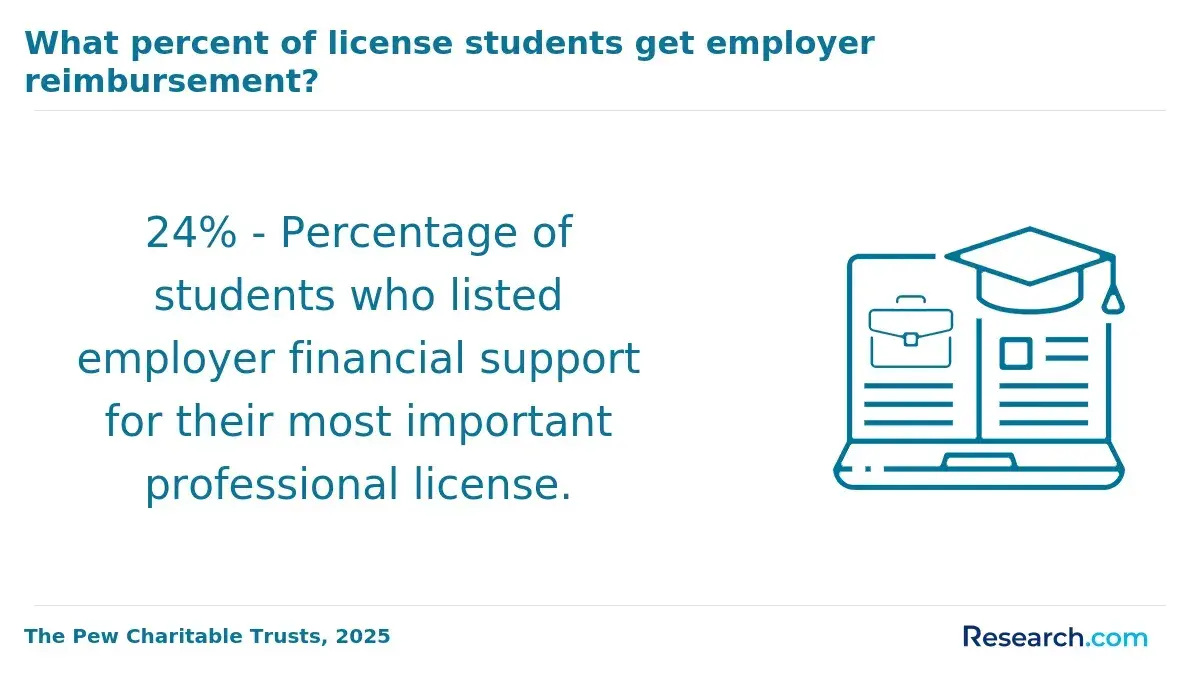
- Employer Tuition Assistance: Employer reimbursement programs often cover both formats, though some may have restrictions or differing policies regarding accelerated online or intensive programs.
- Aid Disbursement and Renewal: Accelerated students might face challenges with scholarship disbursements aligned to semesters, requiring them to ensure continuous eligibility despite the faster pace.
What Kind of Student Support Do Accelerated vs. Traditional Clinical Mental Health Counseling Programs Offer?
Student support is vital for academic achievement, with accelerated and traditional clinical mental health counseling programs varying in how, when, and what types of assistance they provide. These differences impact student experience and success. Below is a comparison of common support services offered in both program formats.
- Academic advising: Accelerated programs emphasize quick, tech-enabled advising through virtual meetings and prompt email responses to match fast-paced schedules. Traditional programs usually focus on in-person advising, fostering deeper adviser-student relationships with more personalized planning, though response times may be slower.
- Tutoring: Online, on-demand tutoring with flexible hours characterizes accelerated formats, accommodating condensed coursework. In contrast, traditional programs favor scheduled, face-to-face sessions that promote stronger peer and faculty bonds but may be less immediately available.
- Career services: Accelerated tracks often employ online career platforms and virtual workshops designed for rapid workforce entry, including streamlined résumé reviews. Traditional formats provide career counseling via campus centers, offering ongoing mentorship and networking opportunities that may take longer to access.
- Peer interaction: Traditional programs generally encourage more frequent in-person engagement among students and faculty, supporting community building. Accelerated programs tend to rely on digital communication tools, which prioritize convenience over sustained personal connections.
Do Graduates from Accelerated vs. Traditional Clinical Mental Health Counseling Programs Get Hired More Quickly?
Employment outcomes are a major factor when deciding between accelerated and traditional clinical mental health counseling programs. Both paths offer strong job prospects, but various elements can influence how rapidly graduates find positions. Here is a closer look at job placement trends and key factors affecting hiring speed for graduates of each program type.
Several aspects shape employment timelines for these graduates:
- Employer Perception: Some hiring managers still favor traditional programs for their depth, while others increasingly accept accelerated and online formats-especially those accredited by CACREP-as equally rigorous and credible.
- Career Readiness: Accelerated students often enter the workforce sooner due to a shorter program length, but traditional students typically gain more clinical hours through longer internships, which can be advantageous to employers.
- Industry Demand: With a nationwide shortage of licensed counselors and projected growth of around 19-22%, graduates from both formats generally experience rapid job placement.
- Data Insights: Although specific statistics comparing speed are scarce, accelerated program graduates benefit from earlier completion, enabling faster steps toward licensure and employment.
Are Accelerated Clinical Mental Health Counseling Degrees Accredited the Same Way as Traditional Programs?
Accreditation ensures academic quality and legitimacy for both accelerated and traditional clinical mental health counseling programs, regardless of their pace or delivery format. This validation impacts crucial factors such as eligibility for federal financial aid, transferability of credits, and employer recognition when seeking licensure or job opportunities.
Most notably, programs accredited by recognized bodies like the Council for Accreditation of Counseling and Related Educational Programs (CACREP) comply with national standards that maintain rigorous curriculum and faculty qualifications. Whether a degree is earned through an accelerated or traditional path, students can expect the same foundational standards in their education. Ensuring such accreditation is essential for students who want to maximize their financial aid options and professional acceptance.
The accreditation requirements for traditional vs accelerated clinical mental health counseling programs in the United States generally apply equally, although institutions may organize accelerated coursework differently to meet these standards without compromising quality. Regional and programmatic accrediting agencies, including CACREP, oversee that all formats provide adequate clinical training hours and comprehensive graduate coursework.
However, prospective students should always verify both institutional and programmatic accreditation before enrolling to confirm that their degree will be widely recognized by state boards and employers. Those interested in affordable financing options can explore affordable online schools that accept FAFSA, which may offer accredited programs in this field.
How Do You Choose Between an Accelerated vs. Traditional Clinical Mental Health Counseling Degree?
Choosing between an accelerated and a traditional clinical mental health counseling degree depends largely on your career goals, schedule flexibility, and preferred learning pace. Both options offer distinct advantages depending on your personal circumstances, making it essential to evaluate which format aligns better with your needs. Here are key factors to consider when selecting the best accelerated vs traditional clinical mental health counseling program for your goals.
Consider these main factors before deciding which path fits you best:
- Time Commitment: Accelerated programs typically take 18-24 months, allowing faster entry into the workforce, while traditional degrees span 2-3 years, offering a more measured pace.
- Learning Style: Accelerated formats suit self-motivated, organized learners who can handle a heavy, condensed workload. Traditional programs support gradual, in-depth learning and provide broader academic support, ideal for students who prefer reflection and pacing.
- Career Goals: If rapid advancement or quick career change is your priority, accelerated degrees are optimal. Those balancing work, family, or other obligations may benefit from the flexibility and extended timeframe of traditional programs.
Ultimately, both pathways meet licensure and accreditation standards, but understanding factors to consider when choosing accelerated or traditional counseling degree programs helps ensure your choice matches your lifestyle and academic readiness.
For those researching options, exploring the most popular online vocational schools can provide additional context on related educational opportunities.
What Students of Accelerated vs. Traditional Clinical Mental Health Counseling Programs Say About Their Degree
- Bryson: "The traditional clinical mental health counseling program gave me a solid foundation, with a pace that allowed me to really absorb complex concepts. While it took longer to complete and the tuition was higher than I expected, the deep understanding I gained has been invaluable in my career advancement. The balance between theory and practical experience helped me feel prepared for real-world challenges. "
- Timmy: "The accelerated clinical mental health counseling program was intense and demanding, but I appreciated finishing much faster than the traditional route. The cost savings were significant, though the fast pace sometimes left little time to reflect deeply on the material. Overall, this path jumped started my career quickly, and the practical focus suited my style well. "
- Joshua: "Enrolling in a traditional clinical mental health counseling program was a thoughtful choice for me; the extended timeline allowed me to juggle my job and studies effectively. Although the investment in time and money was substantial, the comprehensive curriculum equipped me with essential skills. I'm now confident in my ability to support clients meaningfully. "
Other Things You Should Know About Traditional vs. Accelerated Clinical Mental Health Counseling Degrees
In 2027, accelerated degrees often provide a more intense experience with a faster time frame, which may suit self-motivated individuals. Traditional degrees typically offer more in-depth, varied learning opportunities, appealing to those who seek a comprehensive educational journey.
Accelerated degrees cover core content rapidly, which can be challenging for some students to retain thoroughly before licensure exams. Traditional programs often provide a longer timeline for knowledge reinforcement and skill development, potentially leading to increased preparedness. Nonetheless, success largely depends on individual study habits and program quality.
References
- Fastest Online Counseling Master’s Degrees | 2025 Guide https://www.counselingpsychology.org/fastest-online-counseling-masters-degrees-a-guide-to-accelerated-programs/
- Reliability estimation from two types of accelerated testing considering individual difference and measurement error - ScienceDirect https://www.sciencedirect.com/science/article/abs/pii/S0266892024000067
- Clinical Mental Health Counseling Program Tuition and Costs | Pitt SHRS https://www.shrs.pitt.edu/academics/cbh/counseling/cost/
- How Long Does It Take to Become a Counselor? | MACU https://www.macu.edu/blog/how-long-does-it-take-to-become-a-counselor/
- Best Online Master's In Mental Health Counseling 2025 https://www.psychology.org/rankings/best-mental-health-counseling-programs/
- Fastest Online Counseling Master's Degrees for 2025–2026 - Master of Social Work Degrees https://www.mswdegrees.org/degrees/online/fastest-online-counseling-programs/
- Traditional vs. Accelerated Nursing Programs: Which Path is Right for You? https://www.alliant.edu/blog/traditional-vs-accelerated-nursing-programs-which-path-right-you
- What is the Fastest Online Counseling Degree? | University of Bridgeport https://www.bridgeport.edu/news/fastest-online-counseling-degree/


