
2027 Online vs On-Campus Sports Analytics Degree Programs: Pros & Cons

Co-Founder and Chief Data Scientist
The rise of online sports analytics degree programs reflects a broader trend in higher education, with more than 30% of U.S. postsecondary students taking at least one online course in recent years. This growth prompts a critical comparison between online and on-campus options. Evaluating flexibility, cost, learning experience, and career outcomes can guide prospective students in choosing the program that best fits their needs.
Understanding the strengths and limitations of each format is essential for making informed decisions in a competitive and evolving field.
Key Benefits of Online vs On-Campus Sports Analytics Degrees
- Online sports analytics degree programs offer flexible scheduling, allowing students to balance work and study, with 70% of surveyed students reporting improved time management skills compared to traditional formats.
- The average cost of online sports analytics programs is typically 25% lower than on-campus options, making them more accessible for budget-conscious students.
- On-campus sports analytics programs provide hands-on experience with specialized software and access to live sports events, enhancing practical learning and networking opportunities within the industry.
Are Online vs. On-Campus Sports Analytics Programs Structured the Same Way?
Online and on-campus sports analytics programs share foundational academic content but differ notably in their overall structure. These variations influence how students access course material, interact with peers and faculty, and engage with practical experiences.
This comparison highlights key structural differences between the two formats, focusing on scheduling, course delivery, and student engagement.
- Course Delivery: Online programs use virtual classrooms, asynchronous video lectures, and digital discussion boards, enabling students to study flexibly from any location. On-campus programs rely on face-to-face lectures and hands-on group projects, fostering immediate interaction and mentorship.
- Class Schedules: Online degrees typically offer self-paced or flexible scheduling, which benefits working professionals or those balancing personal commitments. In contrast, on-campus programs follow fixed semester schedules requiring regular attendance, providing structured learning but less flexibility.
- Interaction and Collaboration: Online students engage through forums, video calls, and collaborative digital tools, which may limit spontaneous networking. On-campus students gain from direct interpersonal connections, in-person feedback, and extracurricular activities that support strong professional relationships.
- Experiential Learning and Hands-On Practice: Online options integrate virtual labs, simulations, and remote capstone projects, while on-campus formats offer physical labs, live sporting event experiences, and in-person internships critical for applied learning in sports analytics.
- Cohort Experience: Some online programs create cohort groups to build community, though this may not fully replicate the immersive campus environment. On-campus cohorts engage more frequently in academic and social settings, promoting deeper peer support and networking opportunities.
Are Admission Requirements the Same for Online vs On-Campus Sports Analytics Degree Programs?
Colleges and universities generally maintain consistent academic standards for sports analytics degree programs, whether delivered online or on-campus. However, they may assess an applicant's readiness for online learning differently, often requiring additional proof of self-motivation and technical skills for remote coursework.
The following highlights key similarities and differences prospective students should consider regarding admission requirements for online sports analytics degrees compared to traditional campus options in the sports analytics degree on-campus vs online application process.
- Academic Qualifications: Both online and on-campus programs typically require a bachelor's degree from an accredited institution with a minimum GPA around 3.0. Some programs, like Linfield University's MS, may favor degrees in exercise science or related fields but still consider applicants from other backgrounds.
- Standardized Test Scores: GRE or GMAT requirements vary; some online programs waive these for applicants with relevant work experience, whereas on-campus programs are gradually adopting similar flexible policies. Test requirements often depend on the applicant's GPA or professional background.
- Work Experience: Online programs are more likely to accept and even prefer candidates with work experience in sport analytics or related business fields, sometimes allowing this to substitute for standardized tests. On-campus programs value experience but rarely waive academic criteria based on it.
- Application Materials: Both formats require personal statements, résumés or CVs, letters of recommendation, and transcripts. Online applicants frequently must demonstrate readiness for independent study and digital tool proficiency, while on-campus programs emphasize collaboration and in-person research ability.
- Technical & Quantitative Skills: Evidence of coursework in statistics, mathematics, analytics, or programming is commonly required. Online programs may stress self-directed learning and offer online prerequisite courses to meet these requirements in advance.
- International Applicants: Both require proof of English proficiency such as TOEFL or IELTS scores, typically submitted electronically for online applicants. Visa eligibility can vary, with some online programs not supporting F-1 student visas, impacting international students' ability to attend on-campus.
Those seeking flexible options might explore programs like the best 6 month associate degree online, which illustrate trends in streamlined admissions and accelerated completion pathways suitable for working professionals.
Do Online Sports Analytics Students Receive the Same Academic Support as On-Campus Students?
Universities have significantly expanded their academic support systems to ensure that online sports analytics students receive resources and assistance comparable to those offered to on-campus peers. These efforts leverage technology to bridge gaps and provide equitable learning experiences regardless of location.
Below is a comparison of the primary academic support services typically available in both online and on-campus sports analytics programs:
- Tutoring Services: Both online and on-campus students can access tutoring tailored to their needs. On-campus learners attend face-to-face sessions, while online students use virtual platforms for live or on-demand help, which is essential for mastering technical concepts and statistical methods.
- Career Counseling: Career centers offer resume workshops, job fairs, and networking opportunities to all students. Online students connect with advisors via video calls and webinars, receiving guidance to navigate the competitive and growing sports analytics job market.
- Library Access: Digital library portals provide online students with 24/7 access to scholarly articles, databases, and statistical resources. On-campus students benefit from both physical collections and digital materials, ensuring equal access to essential research tools.
- Faculty Interaction: While on-campus students meet instructors in person, online students communicate through email, video conferencing, and discussion boards. Programs emphasize strong online engagement with scheduled virtual office hours and interactive feedback to support mentorship.
- Technical Support: Online students receive dedicated technical assistance for connectivity and software issues, whereas on-campus students access help desks in person. Reliable support ensures uninterrupted learning, especially for students using advanced analytics software.
- Student Communities: Both formats promote peer interaction via group projects, discussion forums, and student organizations. Online platforms simulate campus communities, helping remote students build networks that support academic and career success.
How Long Does It Take to Complete an Online vs an On-Campus Sports Analytics Degree?
The time required to complete a sports analytics degree varies widely depending on whether the program is delivered online or on campus, as well as the individual student's pace and the flexibility of the curriculum. These factors collectively influence how quickly one can earn the degree, with online programs generally offering more adaptable scheduling options.
Below is a comparison of average completion times for online and on-campus sports analytics degrees, highlighting the main differences between these learning formats.
- Online sports analytics degree: Most online master's programs are designed for completion in as little as one year of full-time study, with part-time options allowing up to two years to finish. Many programs feature accelerated terms, such as eight-week courses, and rolling admissions that let students start at multiple points during the year. This flexibility benefits working professionals balancing education with other commitments but may extend the overall duration if pursuing part-time.
- On-campus sports analytics degree: Traditional on-campus bachelor's degrees typically require four years of full-time study to complete around 120 credit hours. On-campus master's programs usually take 18 to 24 months full-time and follow a fixed semester schedule with limited options to accelerate. Students benefit from consistent in-person support and networking yet have less control over pacing due to rigid course offerings and start dates.
Are Online Sports Analytics Programs Cheaper Than On-Campus Ones?
Tuition, fees, and other expenses for online sports analytics degree programs are generally lower than those for on-campus counterparts, although specific savings vary widely. Many students find that online options reduce overall costs significantly, especially when factoring in additional living and commuting expenses.
Here is a breakdown of the main cost factors that affect the total price comparison between online and on-campus sports analytics programs:
- Tuition and Fees: Online sports analytics degree programs often charge up to 40% less in tuition compared to on-campus versions. For example, some online master's programs range from $5,550 to $23,000 total tuition, which is usually below traditional program costs, making online choices among the cheapest sports analytics programs online.
- Living Expenses: Students enrolled online avoid costs related to campus housing, meal plans, and commuting-expenses that can total thousands of dollars annually for on-campus attendees. This saving is particularly valuable for students with established housing or family responsibilities.
- Technology Costs: While online learners need reliable computers and high-speed internet, these costs tend to be minor relative to the expenses of room and board in on-campus programs. Most students already possess the necessary technology, limiting extra spending.
- Financial Aid Availability: Both online and on-campus students at accredited institutions are generally eligible for federal aid, scholarships, and grants. Some online programs may even provide unique scholarships tailored to remote learners, helping to further reduce net costs.
- Schedule Flexibility and Opportunity Costs: The flexibility of online programs enables students to continue working part- or full-time, which helps minimize lost income and increases affordability. This advantage makes online learning especially appealing for working professionals balancing education and employment.
Prospective students looking at costs can also explore options at open admission colleges that may offer affordable online programs with minimal entry barriers, expanding accessibility in the sports analytics field.
What Are the Financial Aid Options for Online vs On-Campus Sports Analytics Programs?
Both online and on-campus students pursuing sports analytics degrees in the US typically qualify for financial aid, but eligibility and accessibility can vary depending on the program format and whether the institution is public or private. Understanding these differences can help prospective students choose the best path for their educational and financial needs.
The following bullet list outlines and compares the main financial aid options available for both online and on-campus sports analytics students.
- Federal Aid: Federal grants and loans, such as Pell Grants and Direct Subsidized/Unsubsidized Loans, are accessible to eligible students enrolled in accredited sports analytics programs, whether online or on-campus. Both formats require maintaining a minimum credit load, often six credits per semester, and the FAFSA application process applies equally to all students.
- State Aid: State-funded scholarships and grants favor residents attending public universities and generally allow online students to apply if their program is offered by an in-state institution. However, some states prioritize on-campus enrollment or impose additional residency conditions, making this a more complex source of aid for online learners compared to traditional on-campus students.
- Scholarships and Grants: Various institutional scholarships based on merit, need, or sports-specific achievements are offered to both groups, with some unique opportunities like the Berlin Sport Analytics Scholars program or Women in Sports Tech fellowships. Online students may encounter fewer campus-specific awards but can still compete for many scholarships and grants open to all academically excellent students, which highlights the importance of exploring sports analytics scholarships and grants for online degrees.
- Employer Tuition Reimbursement: Working professionals pursuing advanced degrees in sports analytics benefit from tuition reimbursement programs offered by their employers. Online programs are often preferred in this case due to their flexibility, allowing students to work full-time while studying. Students should present a clear business case and clarify the reimbursement terms with their employer regardless of the program format.
- Private Student Loans: Private lenders provide loans to students in both online and on-campus formats, though online students may face stricter accreditation requirements from some lenders. Comparing interest rates and repayment options is essential for all applicants, ensuring a manageable financial commitment. Both pathways require careful consideration before choosing private loans.
Sports analytics degrees, whether pursued online or on-campus, offer valuable career opportunities and competitive salaries as noted by industry reports. Prospective students interested in maximizing financial support and career outcomes should also review rankings like the highest paying bachelors for related fields to understand potential returns on investment. For those considering traditional options, financial aid for on-campus sports analytics programs often includes broader access to campus scholarships and dedicated academic support services.
Are Online Sports Analytics Programs as Credible as On-Campus Ones?
Accreditation, faculty qualifications, and curriculum standards play a crucial role in establishing the credibility of both online and on-campus sports analytics programs. Accredited institutions, regardless of delivery format, are required to meet stringent academic and professional benchmarks that ensure the content aligns closely with industry demands. For instance, programs like the University of Mississippi's Master of Science in Sport Analytics provide core courses in applied statistics, data management, and visualization taught by experienced faculty.
Similarly, reputable on-campus programs emphasize hands-on learning and mentorship from sports professionals, enhancing practical relevance. These shared criteria help maintain a consistent quality standard across both learning environments, making the method of delivery less of a factor in program credibility.
Employer and academic perceptions of online sports analytics degrees have shifted positively in recent years, reflecting a broader acceptance of virtual education when accreditation and curriculum rigor are assured. Surveys indicate that nearly 70% of employers now consider online degrees comparable to traditional ones under these conditions. Programs like Canisius University's fully online sport data analytics certificate demonstrate how direct partnerships with professional sports teams and real-world project experience can improve job placement and enhance credibility.
Advances in virtual learning technology-such as live data labs, interactive case studies, and remote internships-further support this trend, bridging previous gaps in practical experience and industry engagement. As a result, online sports analytics programs are increasingly recognized as valid and valuable pathways to successful careers in this fast-growing sector.
Do Employers Prefer Online vs On-Campus Sports Analytics Degrees?
Recent surveys indicate that most US employers regard online sports analytics degrees as largely equivalent to on-campus programs when the degree is awarded by a reputable and accredited institution. The National Association of Colleges and Employers (NACE) Job Outlook 2025 survey found that 89.2% of organizations hired graduates with online degrees and offered them the same starting salaries as their in-person counterparts.
However, some data, such as the Graduate Management Admission Council (GMAC) Corporate Recruiters Survey, reveal a nuanced view: while 54% of employers assign equal value to both formats, a slight bias remains favoring in-person graduates, believed to possess superior leadership and communication abilities. This preference is more noticeable in the US compared to other regions, where demonstrated technical competence-often showcased through strong portfolios-carries greater weight irrespective of how the degree was earned.
Key factors influencing hiring decisions in sports analytics include university reputation, program accreditation, and demonstrable skills rather than solely the modality of education. Employers prioritize candidates who can showcase practical data analytics expertise and a robust project portfolio, qualities achievable through both online and on-campus study. Furthermore, the rise of remote and hybrid work arrangements has heightened the value placed on flexibility and self-motivation, reshaping some employer perceptions to favor online education.
Despite 90% of employers in the US noting awareness of whether a degree was earned online or in-person and some lingering skepticism about soft skills among online graduates, the increasing rigor of online curricula and the normalization of remote work environments are narrowing the historical perception gap, leveling the playing field in terms of career opportunities and compensation.
When asked about her experience, a professional who completed an online sports analytics degree shared thoughtful reflections. She noted that while initially concerned about biases against online credentials, her practical skills and project portfolio quickly shifted employer focus to her capabilities rather than degree format. "Employers were impressed by the real-world projects I presented and my ability to adapt to remote teamwork," she explained.
Her path highlighted how an accredited online program equipped her with both the technical proficiency and the self-discipline highly valued in today's work environment. She also appreciated the flexibility of online learning, which allowed her to gain experience concurrently, ultimately reinforcing her employability and confidence in a competitive job market.
Do Online vs On-Campus Sports Analytics Program Graduates Earn the Same Salaries?
Salary comparisons between online and on-campus sports analytics graduates are increasingly shaped by factors beyond the learning format itself. Employers now emphasize skills, experience, and the reputation of the program more than whether the degree was earned online or in person. Understanding these elements is crucial for anyone evaluating sports analytics degree salary comparison.
Current trends and influencing factors that affect salary outcomes for online vs on-campus sports analytics graduates include the following:
- Employer Perception and Program Reputation: While on-campus degrees were once more valued by employers, reputable online sports analytics programs from established universities now receive widespread acceptance. Hiring decisions focus largely on demonstrable skills and the prestige of the institution rather than delivery method.
- Networking Opportunities: On-campus students benefit from direct access to internships, career fairs, and in-person networking, which can lead to higher starting salaries. However, many online programs provide virtual networking events and remote internships, helping to bridge this gap for online graduates.
- Academic Support and Flexibility: Online programs offer greater schedule flexibility and often lower costs, which enable students to gain work experience or internships while studying. This flexibility helps online learners build professional portfolios prior to graduation, positively influencing earning potential.
- Geographic Mobility and Remote Work: The rise of remote and hybrid analytics roles allows graduates-regardless of program format-to compete nationally for high-paying jobs. This shift reduces regional salary disparities and benefits both online and on-campus graduates equally.
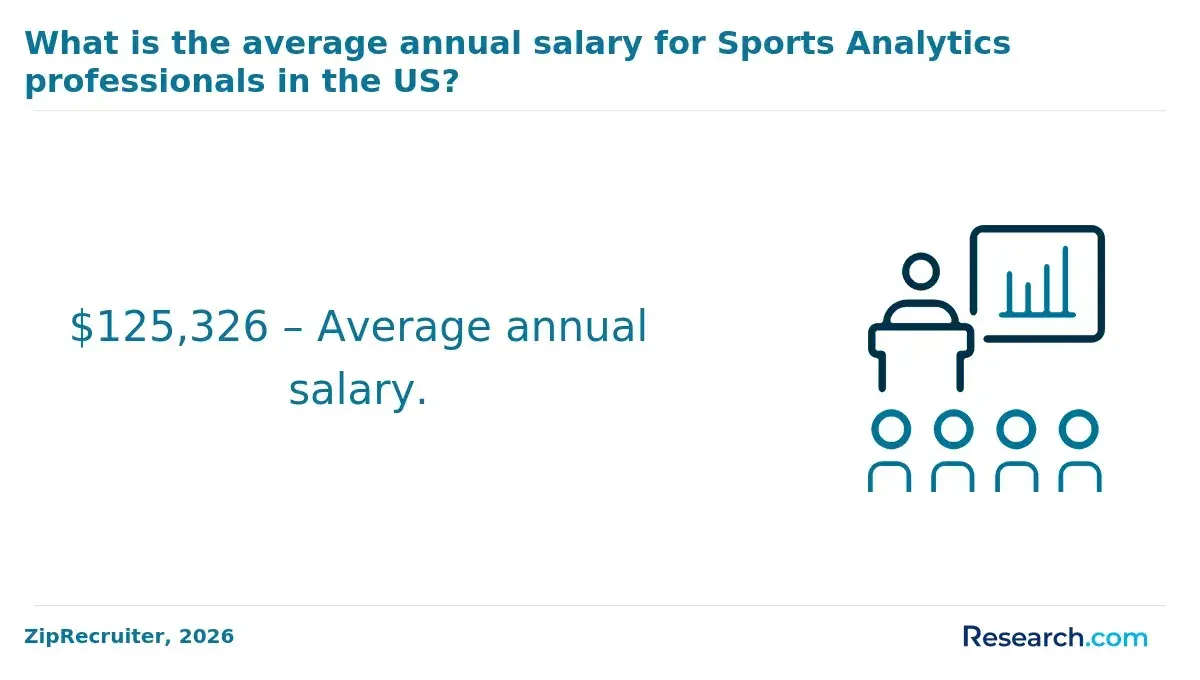
- Salary Ranges and Advancement: Data shows the average annual salary for sports analytics roles hovers around $125,326, with outcomes strongly tied to skills and experience. Both online and on-campus graduates reporting similar salaries once other factors like internships and technical proficiency are considered.
For students searching for cost-effective options, researching cheap online universities that accept financial aid can be a practical step to balance quality and affordability while pursuing a career in sports analytics.
How Do You Decide Whether an Online vs On-Campus Sports Analytics Program Is Right for You?
Choosing between online and on-campus sports analytics programs depends greatly on your personal learning preferences, lifestyle, and long-term professional goals. Each format offers distinct benefits that align differently depending on your circumstances. To help you evaluate which option suits you best, consider these key factors before making your decision.
When researching the best online sports analytics programs in the US or trying to compare online and on-campus sports analytics degrees, reflect on the following aspects:
- Learning Style: Those who prefer structured classroom settings with direct interaction often benefit more from on-campus programs, which provide immediate feedback and face-to-face engagement. Online formats cater to independent learners comfortable with self-paced study and virtual collaboration.
- Flexibility Needs: Online programs typically offer greater schedule adaptability, ideal for working professionals or individuals balancing family commitments. Accelerated online options may allow completion in as little as one year, unlike more rigid on-campus timetables.
- Budget Considerations: Online degrees often reduce total costs by eliminating housing and commuting fees, making them financially appealing. However, it's important to weigh tuition, fees, and potential time away from work when comparing overall expenses.
- Networking Opportunities: On-campus programs may provide richer access to faculty, peers, and industry events, which can be valuable for building professional connections. Still, many online programs now include virtual networking and mentorship alternatives to support career growth.
- Access to Campus Resources: In-person students benefit from hands-on experiences in sports labs and analytics centers, plus immediate use of career services. Online students usually rely on remote access to digital tools, which may lack spontaneous collaborative opportunities.
Graduates from either format should expect career viability in the rapidly expanding sports analytics field, projected to grow significantly with many in-demand vocation jobs available. Prioritize program quality and industry alignment to maximize your investment in education.
Here's What Graduates of Online vs On-Campus Sports Analytics Programs Have to Say About Their Degree
- Jamal: "Completing my sports analytics degree online was a game-changer for me. It allowed me to balance a full-time job while gaining cutting-edge skills that directly applied to my role in sports marketing. The flexibility of the program truly helped me advance professionally without sacrificing my personal commitments. I was also able to connect with a diverse network of peers and professors from across the country, broadening my perspective on the sports industry."
- Sophia: "Attending the sports analytics program on campus was an immersive experience that completely transformed my approach to data and sports management. I thrived in the collaborative environment, where working directly with classmates and faculty pushed me to excel. The hands-on labs and real-time projects helped me land a job with a major sports franchise right after graduation. Beyond skills, the camaraderie and support system on campus helped me grow personally and professionally."
- Ravi: "The hybrid sports analytics program gave me the best of both worlds: the convenience of online learning and the essential face-to-face interaction that enhanced my understanding and motivation. This format kept me engaged and accountable while allowing me to bring my real-world work experience into the classroom. It opened doors to leadership roles early in my career because I developed strong communication skills alongside technical expertise. I'm especially proud of contributing to community sports initiatives using the data-driven strategies I learned."
Other Things You Should Know About Online & On-Campus Sports Analytics Degree Programs
In 2027, on-campus sports analytics programs offer direct access to faculty mentorship, face-to-face networking opportunities, and hands-on experiences using campus resources. These benefits provide a rich environment for collaborative learning and practical application of analytics skills frequently required in sports industries.
On-campus programs offer face-to-face interaction with instructors and peers, which enhances collaborative learning. They typically provide access to specialized sports labs and live data sets. Being on campus also often allows students to attend industry events and internships more easily, providing valuable real-world experience in sports analytics.
In 2027, online sports analytics students can engage effectively with faculty and peers by actively participating in discussion forums, attending live virtual sessions, scheduling one-on-one video meetings, and utilizing collaborative platforms like Slack or Microsoft Teams to foster community and enhance learning experiences.
Online sports analytics students may encounter difficulties in staying motivated without in-person support. Limited access to physical labs and immediate feedback can hinder hands-on skill development. Networking opportunities are also fewer online, which can affect career connections. Managing time effectively remains crucial for success in these programs.
References
- What Employers Really Think about Your Online Degree https://bachelors-completion.northeastern.edu/knowledge-hub/are-online-degrees-respected/
- Admissions | Online Masters in Sport Analytics https://www.online.olemiss.edu/mssa/admissions.html
- Online Learning Environment – United States Sports University https://ussu.edu/academics/resources/online-learning/
- Tuition & Financial Aid | MS in Sports Management | UF Online https://sm.hhp.ufl.edu/admissions-requirements/tuition-aid/
- Online learning in higher education in the UK: Exploring the experiences of sports students and staff - ScienceDirect https://www.sciencedirect.com/science/article/pii/S1473837622000302
- Cost of Online Education vs. Traditional Education [2025]: Comparison https://educationdata.org/cost-of-online-education-vs-traditional-education
- National Center for Education Statistics. (n.d.). *Online learning*. https://hepinc.com/newsroom/college-enrollment-trends-and-statistics/
- National Association of Colleges and Employers. Job Outlook 2025. https://www.naceweb.org/store/2024/job-outlook-2025/


