
2027 Is Demand for Clinical Mental Health Counseling Degree Graduates Growing or Declining?

Co-Founder and Chief Data Scientist
A recent college graduate with a clinical mental health counseling degree struggles to find a position despite the growing need for mental health professionals. This disconnect raises concerns about whether demand is truly increasing for graduates in this field. According to the U. S. Bureau of Labor Statistics, employment for substance abuse, behavioral disorder, and mental health counselors is projected to grow 22% from 2022 to 2032, much faster than average for all occupations. This article explores current labor market trends, employment forecasts, and factors influencing job prospects to clarify whether demand for clinical mental health counseling degree graduates is growing or declining.
Key Things to Know About the Demand for Clinical Mental Health Counseling Degree Graduates
- Employment for clinical mental health counseling degree graduates is expanding, with the Bureau of Labor Statistics projecting a 22% job growth from 2022 to 2032, well above the average for all occupations.
- Increasing awareness of mental health in diverse populations drives demand, especially in schools, private practice, and healthcare settings.
- Specializing in areas such as trauma, substance abuse, or adolescent counseling can enhance long-term career stability and provide more job opportunities.
What Factors Are Driving Demand for Clinical Mental Health Counseling Degree Professionals?
Analyzing the key forces behind workforce demand helps prospective students evaluate the long-term value and stability associated with a clinical mental health counseling degree. Recognizing these drivers highlights essential trends shaping employment prospects for graduates in this field.
- Industry Growth: Expanding awareness and acceptance of mental health challenges have resulted in more clinics, hospitals, and community health centers seeking clinical mental health counselors to serve diverse populations.
- Demographic Shifts: Aging populations and increased mental health needs among younger generations create steady demand. Unique challenges faced by older adults and openness among youth to counseling reinforce the need for skilled professionals.
- Regulatory and Policy Changes: Recent healthcare policies, including mental health parity laws, have improved insurance coverage for counseling services. These changes motivate healthcare providers to hire more counselors to meet patient requirements.
- Technological Advancements: The rise of telehealth has enhanced accessibility, allowing counselors to reach clients remotely. This shift encourages ongoing skill development and adoption of new service delivery methods.
- Evolving Employer Skill Requirements: Employers now prioritize candidates with expertise in trauma-informed care, substance abuse counseling, and culturally competent methods, reflecting the complex demands in clinical settings.
Choosing programs that meet rigorous regional accreditation standards for clinical mental health counseling degrees ensures quality education aligned with industry expectations. This accreditation importance for clinical mental health counseling programs cannot be overlooked when planning an educational path.
For those considering advancement, exploring EdD programs offers pathways to specialized expertise and leadership roles within the mental health field.
Which Clinical Mental Health Counseling Occupations Are Seeing the Highest Growth Rates?
Growth rates offer valuable insight into labor market demand and job security, which are crucial factors for students evaluating clinical mental health counseling career paths. The U.S. Bureau of Labor Statistics projects a 12% employment increase in healthcare-related roles by 2032, reflecting broad opportunities in the sector.
Below are some of the fastest-growing clinical mental health counseling occupations informed by top growing clinical mental health counseling jobs by region trends.
- Substance Abuse Counselors: Expected to grow by about 22%, fueled by heightened awareness of opioid addiction and substance abuse crises. These roles typically require a master's degree and state licensure.
- Marriage and Family Therapists: Projected growth is around 16%, driven by increased demand for therapy addressing family dynamics and relationship issues. A master's degree in counseling or a related field, plus licensing, is standard.
- School Counselors: Anticipated growth near 8%, supported by education policies emphasizing student emotional well-being and academic success. These positions generally require a master's degree and relevant certification.
- Rehabilitation Counselors: Forecasted to grow about 10%, linked to expanding rehabilitation services for people with disabilities and chronic illnesses. Advanced degrees and state licensing are usually necessary.
Most high-growth roles in this field require at least a master's degree with appropriate state licensure. Prospective students interested in clinical mental health counseling careers may explore affordable educational pathways, such as pursuing a counseling degree online, to meet these advanced education requirements.
Which Industries Hire the Most Clinical Mental Health Counseling Degree Graduates?
Knowing which sectors actively recruit graduates with a clinical mental health counseling degree enables students to evaluate potential career paths and the long-term security those paths might offer. Below are some of the primary industries where these professionals find significant opportunities.
- Healthcare Settings: Facilities like hospitals, outpatient centers, and rehabilitation clinics employ mental health counselors, therapists, and case managers. Growing awareness of mental wellness and integrating behavioral health into medical services continue to expand demand in this sector.
- Educational Institutions: Schools and universities rely on counselors to address student mental health, manage crises, and foster personal growth. The rising focus on supporting students emotionally fuels employment prospects here.
- Private Practice and Community Counseling: Many degree holders work independently or within nonprofits, providing therapy for issues such as trauma, stress, and substance abuse. This setting suits professionals aiming to serve diverse populations with tailored interventions.
- Government and Social Services: Public agencies offer counseling to veterans, families, and marginalized groups. These roles often combine counseling expertise with advocacy and policy knowledge to meet community needs.
- Corporate and Employee Assistance Programs (EAPs): Some counselors concentrate on workplace mental health, helping employees cope with stress and enhance overall productivity, reflecting growing employer recognition of mental wellness.
The clinical mental health counseling curriculum is designed to develop diagnostic, assessment, and therapeutic skills that align well with these varied industry demands, supporting a positive employment outlook for graduates.
Breakdown of Public Fully Online Title IV Institutions

How Do Clinical Mental Health Counseling Job Opportunities Vary by State or Region?
Geographic variation plays a key role in shaping job prospects for clinical mental health counseling graduates, influencing both the number and quality of available positions. Several regional factors directly impact demand and professional opportunities in this field.
- High-Demand States: States such as California, New York, and Texas typically offer more openings due to large populations and substantial funding for mental health services. These areas often present greater possibilities for employment growth and advancement.
- Industry Concentration: Locations with a dense presence of healthcare facilities, veteran services, and community health centers tend to generate higher demand for clinical mental health counselors. The clustering of these organizations creates a robust job market.
- Urban vs. Rural: Urban centers usually provide more counseling positions but face increased competition among applicants. Conversely, rural areas might have fewer jobs but often experience shortages of qualified professionals, offering unique career openings for those willing to work in less populated settings.
- Cost-of-Living Impact: While some urban areas offer higher salaries, the elevated cost of living can offset these financial benefits. Graduates must consider whether lower-paying roles in more affordable regions yield better overall economic stability.
- Remote and Hybrid Roles: Emerging remote and hybrid work models expand access to clinical mental health counseling jobs beyond traditional geographic constraints. However, certain positions still necessitate in-person interaction, particularly for therapy and evaluations.
How Does Degree Level Affect Employability in Clinical Mental Health Counseling Fields?
The level of education plays a critical role in shaping job opportunities, career advancement, and competitiveness within clinical mental health counseling fields. Higher degrees often translate into enhanced professional prospects and increased access to specialized roles.
Below is an overview of how different degree levels impact employability in these careers.
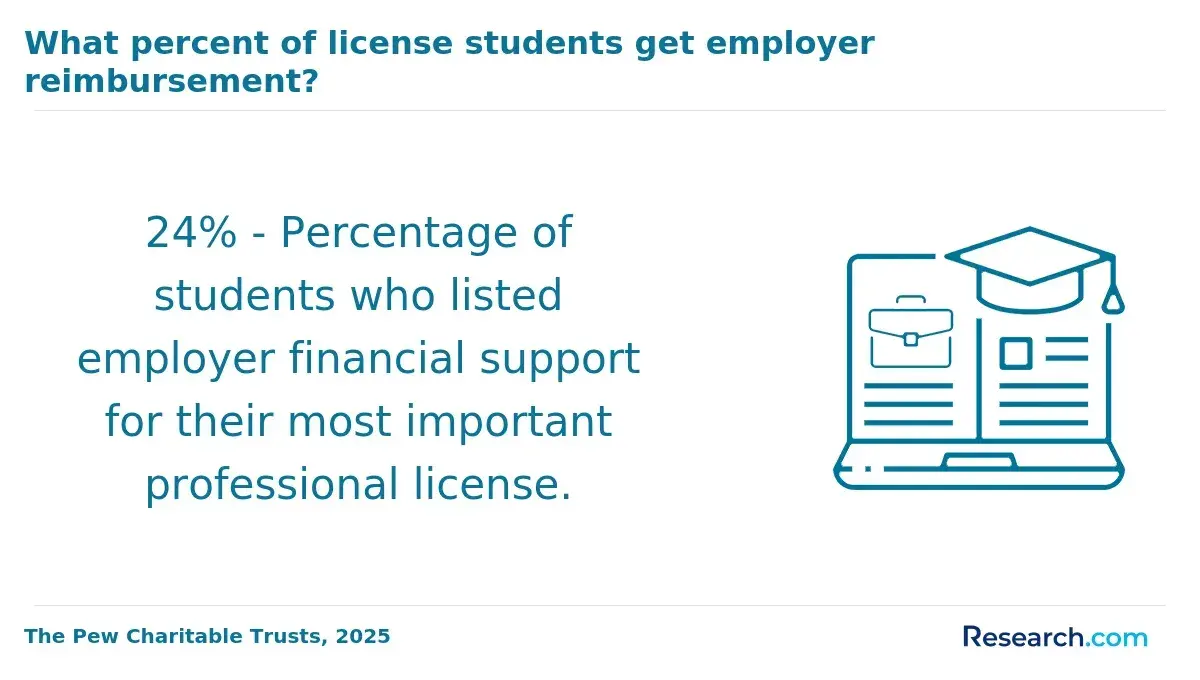
- Associate Degree: Provides basic foundational knowledge in mental health concepts but rarely qualifies individuals for licensure or counseling positions. It mainly serves as a preparatory step toward pursuing more advanced degrees.
- Bachelor's Degree: Opens doors to entry-level roles such as mental health support staff or administrative positions, but it is generally insufficient for obtaining licensure as a counselor. Job prospects at this level are limited without further education.
- Master's Degree: Considered the essential credential for becoming a licensed clinical mental health counselor, this degree qualifies graduates to deliver therapy, diagnose clients, and develop treatment plans. Its importance is reflected in the projected 22% employment growth over 2020-2030, highlighting the impact of advanced degrees on clinical mental health counseling job prospects.
- Doctorate Degree: Expands career opportunities to include private practice ownership, advanced clinical supervision, research, and academic positions. Holding a doctorate boosts credibility and facilitates access to leadership roles in the field.
Overall, career growth and employability in clinical mental health counseling are markedly influenced by education level. For those exploring related pathways, pursuing a library science degree online might complement interdisciplinary interests.
What Skills Are Employers Seeking in Clinical Mental Health Counseling Graduates?
Recognizing the competencies valued by employers is vital for those aiming to excel in clinical mental health counseling careers. These abilities not only improve job prospects but also enhance the effectiveness of client care.
The following core skills stand out as essential in this profession.
- Effective Communication: Mastery of active listening and clear expression helps counselors build rapport and accurately interpret clients' needs, laying the foundation for meaningful therapeutic relationships.
- Cultural Awareness: Sensitivity to diverse backgrounds enables counselors to tailor interventions respectfully and inclusively, promoting trust across varied populations.
- Analytical Thinking: The capacity to evaluate complex client situations critically supports the development of nuanced treatment plans and the flexibility to respond to changing circumstances.
- Ethical Integrity: Commitment to confidentiality and professional guidelines preserves client trust and safeguards legal compliance, underscoring the counselor's reliability.
- Interprofessional Collaboration: Ability to work alongside healthcare providers and community services ensures a comprehensive approach to client wellbeing.
How Does Job Demand Affect Clinical Mental Health Counseling Graduate Salaries?
Fluctuations in job demand directly impact starting salaries, wage growth, and long-term earning potential for clinical mental health counseling graduates. For instance, employment for mental health counselors is projected to grow 23% from 2021 to 2031, a rate much faster than the average for all occupations.
The following points explain how these labor market shifts influence salaries.
- Starting Salaries: When demand exceeds supply, employers compete to attract qualified graduates, resulting in higher initial pay. This shortage incentivizes higher offers to fill open counseling positions swiftly.
- Wage Growth: Sustained high demand promotes faster wage increases as counselors gain experience and take on leadership or specialized roles. Market pressures encourage organizations to retain skilled professionals with competitive raises.
- Long-Term Earning Potential: Strong demand creates opportunities for advancement and specialization, such as becoming licensed professional counselors or supervisors, which can significantly boost lifetime earnings.
- Market Saturation Effects: Conversely, when graduate supply surpasses job openings, wage growth may stagnate due to increased competition among candidates. This scenario leads to slower salary increases and fewer advancement opportunities.
Overall, the balance between job openings and the number of clinical mental health counseling graduates plays a crucial role in determining compensation trends. Keeping informed on these labor market dynamics can help future counselors anticipate their earning trajectory.
How Is AI Changing Demand for Clinical Mental Health Counseling Professionals?
Advancements in artificial intelligence are significantly shifting workforce needs in clinical mental health counseling, with about 40% of providers predicting AI tools will become essential within five years.
These changes are creating new demands and opportunities for professionals in this field.
- Automation Benefits: AI streamlines administrative duties like scheduling and billing, freeing counselors to concentrate on client interactions. This efficiency boosts the value of clinicians skilled in direct therapeutic work.
- Emerging Specialized Roles: New job functions are developing that combine counseling expertise with technological oversight, including roles managing AI-supported therapy aids and predictive analytics tools.
- Evolving Skill Sets: Employers increasingly seek candidates proficient in digital literacy and ethical AI use, alongside traditional clinical skills, to adapt to technology-integrated care models.
- Hiring Trends: Adaptability and comfort with AI are influencing recruitment, as agencies prioritize counselors who can leverage new technologies while maintaining therapeutic effectiveness.
Is Clinical Mental Health Counseling Considered a Stable Long-Term Career?
Long-term career stability is essential for students and professionals assessing clinical mental health counseling career paths because it affects financial security and future planning. Several key factors influence the stability and outlook of this profession in the United States.
- Positive Employment Trends: The long-term job outlook for clinical mental health counseling graduates is favorable, with steady growth projected by the U.S. Bureau of Labor Statistics. Demand is driven by increased public awareness of mental health and expanded insurance coverage, creating a reliable job market.
- Industry Reliance: Healthcare systems, schools, and community organizations prioritize mental health, ensuring ongoing need for clinical mental health counseling roles. This broad institutional support helps maintain career durability even during economic fluctuations.
- Technological Adaptability: The rise of teletherapy and digital counseling platforms expands access to services, enabling counselors to reach more clients and adjust to changing market conditions. This flexibility strengthens career resilience against disruptions.
- Advancement Opportunities: Counselors can enhance their employability and income potential through specialization, licensure upgrades, or moving into administrative roles. These pathways contribute significantly to career longevity and growth.
Those interested in further professional development may also consider pursuing an online PhD organizational leadership, which can complement a clinical mental health counseling career and open doors to leadership positions within organizations.
Is a Clinical Mental Health Counseling Degree Worth It Given the Current Job Demand?
Current labor market data indicate that the demand for graduates with a clinical mental health counseling degree is growing steadily. The U.S. Bureau of Labor Statistics projects employment for mental health counselors to increase by approximately 23% from 2022 to 2032, a rate much faster than the average for all occupations. This expansion reflects heightened public awareness of mental health issues, improved insurance coverage for behavioral health services, and a growing need for qualified counselors in diverse healthcare and community settings.
Given this positive job outlook in the United States, clinical mental health counseling graduates can expect increasing opportunities across various environments.
However, employment growth and salary potential for clinical mental health counseling graduates depend not only on market demand but also on other critical factors. Higher degree levels, such as master's degrees, often unlock more career paths, including licensure and specialized counseling roles. Graduates must align their skills with industry needs by mastering counseling techniques, ethical standards, and mental health disorders.
Additionally, regional differences and the rise of telehealth services influence job prospects. Prospective students may also consider accelerated options like 1 year masters programs online to efficiently enter the workforce while meeting licensure requirements and staying current with professional training.
What Graduates Say About the Demand for Their Clinical Mental Health Counseling Degree
- Rumi: "Pursuing a clinical mental health counseling degree was one of the best decisions I've made. The investment truly paid off, opening doors to meaningful roles where I can make a difference every day. It's been incredibly rewarding to see how this degree has directly influenced my ability to support clients effectively."
- Holler: "Reflecting on my journey, choosing a clinical mental health counseling program was both a personal and professional milestone. The return on investment has been evident through steady career growth and deeper understanding of mental health. This degree has provided me with the tools to approach my work thoughtfully and with greater empathy. "
- Imani: "My clinical mental health counseling degree significantly enhanced my career trajectory by grounding me in evidence-based practices. The degree's practical focus ensured that my time and finances were well spent. Now, I confidently contribute to multidisciplinary teams and improve client outcomes in ways I hadn't imagined before."
Other Things You Should Know About Clinical Mental Health Counseling Degrees
In 2027, the demand for clinical mental health counseling degree graduates is growing. The increasing awareness and prioritization of mental health services have led to more employment opportunities in various sectors, including hospitals, private practices, and educational institutions.
In 2027, the demand for clinical mental health counseling degree graduates is projected to grow due to increasing public awareness and the expanding need for mental health services. This trend is driven by greater societal focus on mental well-being and the prevalence of mental health issues.
The demand for clinical mental health counseling degree graduates in 2027 is primarily driven by the increasing awareness and prioritization of mental health issues, growing insurance coverage, and an aging population that requires more mental health services. Legal and ethical considerations have minimal direct impact on demand.
In 2027, specializations such as trauma counseling, substance abuse counseling, and child and adolescent therapy can enhance employment opportunities for clinical mental health counseling degree graduates, as these areas are seeing an increasing need due to growing societal awareness and demand for specialized mental health services.
References
- A closer look at the mental health provider shortage https://www.counseling.org/publications/counseling-today-magazine/article-archive/article/legacy/a-closer-look-at-the-mental-health-provider-shortage
- Mental Health Counselor Job Outlook and Salary | Bradley University Online https://onlinedegrees.bradley.edu/blog/mental-health-counselor-job-outlook
- The Most In-Demand Specializations for Counselors in 2025 https://agentsofchangeprep.com/blog/the-most-in-demand-specializations-for-counselors-in-2025/
- Clinical Mental Health Counseling Careers, Jobs and Salary | SHU https://onlineprograms.sacredheart.edu/programs/masters-clinical-mental-health-counseling/career-outlook/
- Resume Skills for Clinical Counselor (+ Templates) - Updated for 2026 https://resumeworded.com/skills-and-keywords/clinical-counselor-skills
- 10 Fulfilling Mental Health Careers You Can Train for Now | Palo Alto University https://paloaltou.edu/resources/blog/mental-health-careers-you-can-start-now
- Fastest Growing Careers In Psychology | Psychology.org https://www.psychology.org/resources/fastest-growing-careers-in-psychology/
- BGSU addresses demand for mental health counselors through highly regarded graduate program https://www.bgsu.edu/news/2026/01/bgsu-addresses-demand-for-mental-health-counselors-through-highly-regarded-graduate-program.html
- The Rise of AI Therapy: A New Frontier in Healthcare | Mindset Health https://www.nervahealth.com/post/ai-therapy
- Careers in Counseling: Where Do Mental Health Counselors Work? https://learn.neumann.edu/neuperspectives/careers-in-counseling-where-do-mental-health-counselors-work


