2027 Highest-Paying Jobs You Can Get With a Web Development Degree

Co-Founder and Chief Data Scientist
Many aspiring professionals face uncertainty when choosing education paths-especially in high-demand fields like web development. The financial value of a web development degree varies widely based on the level of education, industry, geographic location, and whether the graduate obtains professional licensure or certification. Studies show that holders of graduate-level web development degrees earn up to 25% higher salaries than bachelor's-only peers, with certifications further enhancing earning potential. This article explores these wage premiums, the impact of credentialing, and return on investment relative to alternative pathways-equipping readers with data-driven insights to make informed decisions about pursuing a web development degree.
Key Things to Know About the Highest-Paying Jobs You Can Get With a Web Development Degree
- Graduate credentials in web development confer a wage premium of up to 20%-boosting lifetime earnings compared to non-degree holders.
- Professional certifications-such as Certified Web Developer-can increase salaries by approximately 15%, reflecting employers' demand for verified skills.
- Return on investment for a web development degree often exceeds coding bootcamps-due to stronger industry connections and broader career advancement opportunities.
What Exactly Does a Web Development Degree Qualify You to Do in Today's Job Market?
A web development degree qualifies graduates to design, build, and maintain websites and web applications-roles broadly defined by the U.S. Bureau of Labor Statistics (BLS) as web developers, digital designers, and front-end engineers. These positions focus on creating user-friendly interfaces, optimizing site functionality, and ensuring responsive, accessible web experiences. Employers significantly value candidates with this degree for their strong foundation in coding languages, database management, and user experience design, setting them apart from those relying solely on self-taught skills or coding bootcamps. This distinction heavily influences career opportunities with a web development degree.
Key competencies gained through a web development degree include:
- Technical Proficiency: mastery of languages like HTML, CSS, JavaScript, plus frameworks enabling scalable and secure web solutions.
- Analytical Skills: critical thinking to troubleshoot code, optimize performance, and convert complex project requirements into functional interfaces.
- Interpersonal Abilities: teamwork, client communication, and agile project management-skills emphasized in academic settings to prepare graduates for collaborative workplaces.
It is important to clarify what a web development degree does not cover. Graduates are generally not qualified for roles requiring professional licensure-such as software engineering positions demanding accredited certifications-or careers in computer science research without advanced degrees. This distinction shapes web development degree job prospects in the US, separating credential-gated senior roles from entry-level positions often accessible via self-study or bootcamps. Those aiming for the highest salaries typically need bachelor's or master's degrees.
This article explores the highest-paying roles for web development degree holders-including front-end architects, full-stack developers, and UX/UI specialists-and notes the wage premium linked to graduate credentials. For those considering further education, options such as the easiest masters degree to get may provide strategic pathways to enhance earning potential and career advancement.
Which Web Development Jobs Command the Highest Salaries Right Now?
Software Engineer: Among the highest-paying roles accessible to those holding a web development degree, software engineers earn substantial salaries across experience levels. According to BLS OEWS data, the median annual wage for software engineers is about $120,000, with the 75th percentile nearing $145,000 and top earners exceeding $180,000. Candidates with computer science or software engineering degrees typically dominate this field, but web development graduates with advanced programming skills and portfolios-especially when bolstered by certifications or further training-can effectively compete. This position stands out as one of the highest-paying web development jobs in the US.
- Degree Level: Bachelor's or higher is often required for top-tier salaries; associate degrees combined with experience may access mid-level earnings.
- Specializations: Full-stack development, front-end engineering, and cloud-integrated applications increase earning potential.
- Industries: Technology, finance, and healthcare sectors offer premium wages.
- Geographic Markets: Leading cities like San Francisco, Seattle, and New York provide salary premiums of 15%-30% above national averages.
- Employer Types: Large corporations in tech and finance heavily invest in software engineer talent.
Web Developer: This core occupation for many web development degree holders delivers a median wage around $77,000, with 75th percentile wages reaching $100,000 and top earners eclipsing $130,000. Web developers often face competition from coding bootcamp graduates and IT professionals. Holding a degree can offer a notable salary advantage-especially for complex projects or leadership positions-and reflects one of the top web development careers with highest salaries.
- Degree Level: Associate and bachelor's degrees enhance career growth; certifications further improve pay.
- Specializations: E-commerce, UX/UI design, and front-end development command better compensation.
- Industries: Advertising, media, and tech startups generally pay competitively.
- Geographic Markets: Urban tech hubs typically offer higher wages than rural or suburban areas.
- Employer Types: Agencies and software firms usually provide superior salaries compared to small businesses or nonprofits.
Information Security Analyst: This emerging, lucrative option suits web development graduates who pursue cybersecurity certifications. Median wages are about $105,000, with the 75th percentile near $130,000 and top earners above $160,000. With the rising demand for professionals bridging software creation and protection, candidates combining web development and security skills gain a competitive edge.
- Degree Level: Bachelor's degrees favored; certifications like CISSP and CEH notably increase salary outcomes.
- Specializations: Web application security and penetration testing are highly valued.
- Industries: Finance, government, and healthcare pay premiums due to sensitive data.
- Geographic Markets: Washington D.C. and major metro areas lead salaries.
- Employer Types: Security firms and government contractors often offer top compensation.
Product Manager (Technical): Many web development graduates transition into product management roles overseeing software products. Median salaries start near $110,000, the 75th percentile reaches around $140,000, and top-tier earnings exceed $180,000. This role often requires experience and sometimes an MBA, but a web development background combined with strategic business skills lays a strong foundation for success.
- Degree Level: Bachelor's degrees with business or management coursework preferred.
- Specializations: SaaS products, mobile applications, and enterprise solutions yield higher salaries.
- Industries: Technology, SaaS, and finance lead compensation.
- Geographic Markets: Silicon Valley and Boston offer top salary premiums.
- Employer Types: Established software firms and large startups invest heavily in product managers.
Salary potential in web development careers heavily depends on degree level, occupational specialization, geographic market, and employer sector. Advanced credentials and professional certifications provide meaningful wage premiums by signaling expertise valued by employers. Individuals can assess if pursuing a web development degree aligns with their income goals by comparing it to other pathways, including evaluating how much is a business degree online. This multifaceted understanding equips prospective students-whether college-bound, mid-career, veterans, or career changers-to make financially confident enrollment decisions aligned with long-term aspirations.
How Does Degree Level-Bachelor's vs. Master's vs. Doctoral-Affect Web Development Earning Potential?
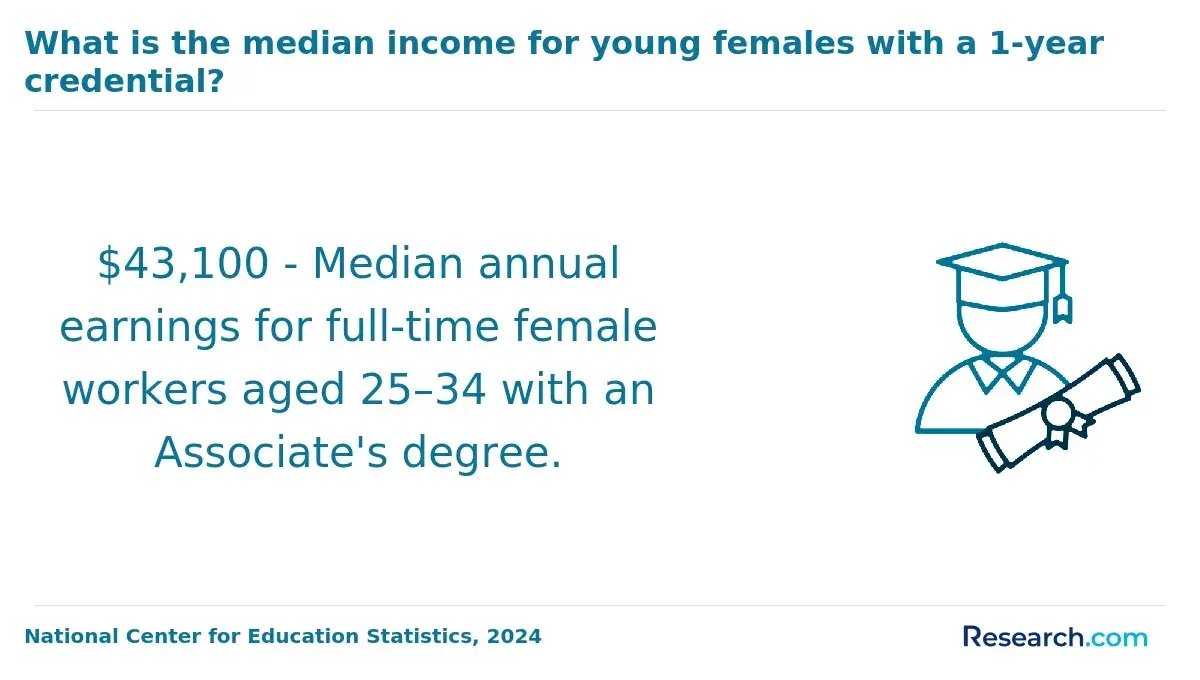
Bachelor's Degree: Entry- and mid-level web development positions-such as front-end, back-end, and full-stack roles-commonly require a bachelor's degree. Median salaries typically range from $70,000 to $95,000 annually. In many companies, especially startups and agencies, hands-on coding ability and a robust portfolio can outweigh advanced degrees when it comes to compensation.
Master's Degree: Obtaining a master's degree often leads to a 15% to 25% salary boost, pushing median earnings into the $90,000 to $120,000 range. This level of education frequently unlocks senior engineering, web architect, UX/UI lead, and management roles-especially in sectors like finance, healthcare, and technology consulting that demand both technical depth and leadership skills.
Doctoral Degree: Doctorates in web development are rare and usually tied to research-focused or academic careers-such as university faculty or advanced R&D positions within large corporations. Their salary advantage over master's holders is inconsistent and often reflects prestige more than a direct pay increase. Professional doctorates exist sparingly and mainly in adjacent areas like information systems; traditional web development roles seldom require these credentials.
Credential-Gated Roles: Leadership positions like chief technology officer or specialized cybersecurity jobs sometimes require graduate-level education. These roles demand strategic vision, leadership acumen, and recognized certifications that often accompany advanced degrees beyond the bachelor's level.
Time-To-Payoff Considerations: Individuals should balance graduate tuition, living expenses, and lost income during study against the expected salary uplift. For many, a master's degree offers a positive return on investment within three to five years, particularly in high-paying tech hubs. Doctoral programs, by contrast, prolong time away from full-time income, limiting their net financial benefit unless pursuing academia or niche research careers.
Career Pathways: Those holding related bachelor's degrees often find it efficient to enter the workforce directly, enhancing skills through certifications and experience before considering a master's. Career changers may benefit from graduate programs that combine current technical training with professional networking, expediting access to advanced positions with higher pay.
A professional who earned a web development degree reflected on his journey: "Starting with a bachelor's, I faced typical job market challenges-building a strong portfolio was essential. Choosing to pursue a master's wasn't just about the salary-it opened doors to leadership roles I hadn't expected. The graduate workload was intense, balancing family and studies, but the specialized projects deepened my understanding and confidence. I did consider a doctorate briefly, but realized the time investment and uncertain payoff didn't align with my goals. This degree progression really matched what I needed to grow financially and professionally."
Which Industries and Employers Pay Web Development Graduates the Most?
Several industries stand out for offering the highest-paying positions to web development graduates-each shaped by specific market forces and organizational priorities.
- Technology: Dominating the compensation landscape, companies in software, cloud computing, and internet services pay significant salary premiums for skilled developers, often between 20-30% above average due to fierce competition and rapid innovation.
- Financial Services: The complexity of banking, insurance, and fintech demands secure, compliant web solutions, driving up wages. Developers in this sector benefit from handling sensitive data under strict regulations, which justifies higher pay.
- Government: While offering lower base salaries compared to the private sector, federal and state agencies provide competitive wages for roles requiring security clearances or niche compliance expertise, coupled with the stability of public employment.
- Healthcare: Health organizations and tech firms increasingly need developers versed in protecting patient data and integrating electronic health systems, resulting in premium salaries for certified specialists.
- Self-Employment and Consulting: Freelancers and consultants often secure hourly rates exceeding traditional salaries, especially when serving premium markets, although earnings vary widely by reputation and niche focus.
Pay variation within these sectors depends heavily on company size and financial health-as larger firms invest more in digital infrastructure-and on the scarcity of qualified talent, which inflates salaries in competitive markets. Job title and educational attainment further shape income; for instance, a senior developer with a bachelor's degree and certifications in fintech can earn upwards of $110,000, whereas an entry-level government developer with similar credentials might start around $65,000.
Maximizing earning potential means focusing on high-paying industries by building relevant skills-such as cybersecurity and cloud technologies-and professional certifications. Establishing industry connections early through internships and networking groups improves job prospects. For those exploring alternative career pathways within digital fields, information about an online game design degree can broaden options with comparative salary insights.
What Geographic Markets Offer the Best-Paying Web Development Jobs?
The distribution of well-paying web development jobs varies widely across geographic areas, influenced heavily by both wage levels and local living expenses. When adjusting median salaries using cost-of-living indices such as those from the Council for Community and Economic Research, several metropolitan regions emerge with competitive compensation and strong employer networks.
- San Francisco Bay Area: Leading in median wages due to the dense presence of tech giants and startups, though the high cost of living diminishes real income advantages.
- Seattle Metro Area: Offers robust salaries together with a comparatively moderate cost of living, increasing overall take-home pay.
- New York City Metropolitan Area: High-paying opportunities span finance, media, and e-commerce sectors; however, elevated expenses require careful budgeting.
- Washington, D.C. Metro Area: A mix of government agencies and contractors sustains competitive wages, with adjusted pay ranking well nationally.
- Austin, Texas: Rapidly expanding as a tech hub with affordable living, Austin balances strong salaries and employer availability, enhancing financial appeal.
Remote and hybrid work trends are also reshaping salary landscapes-many front-end and full-stack web developer roles are increasingly location-flexible without significant pay reductions. Yet, jobs needing security clearances, onsite client interaction, or specialized facilities often remain geographically bound.
Professionals face trade-offs when choosing between relocating to high-cost metros-gaining higher nominal pay and local networking-and working remotely from lower-cost areas, which often improves purchasing power but may limit proximity to employers.
A web development graduate shared her experience navigating these choices. She described the challenge of weighing impressive salary offers from a major coastal metro against the financial strain of housing and commuting costs. Ultimately, she opted to work remotely from a smaller city that offered a livable wage and better work-life balance. "It wasn't easy deciding between the prestige and networking of a big city and the freedom of remote work," she said, "but finding a role that paid fairly and matched my lifestyle made all the difference." Her story highlights the importance of considering both nominal pay and real living costs when planning a web development career path.
How Do Professional Certifications and Licenses Boost Web Development Salaries?
Certifications and licenses offer measurable salary advantages for web development professionals by validating expertise employers value. Data from organizations like the International Web Association (IWA) and CompTIA reveal certified developers can earn 10% to 25% more than those without credentials.
- Certified Web Developer (IWA): Candidates must demonstrate relevant experience or complete approved training. The certification exam uses multiple-choice questions targeting fundamental web development skills. A renewal every three years requires ongoing education, with costs around $300. Holders typically see a 15%-20% salary increase due to recognized competency standards.
- CompTIA Web+ Certification: Tailored for entry to mid-level developers, this credential demands passing one exam focused on web technologies and security. Renewal also occurs every three years through continuing education or retesting, costing about $250. Median wage boosts near 12%, especially pronounced in security-oriented roles.
- Certified ScrumMaster (CSM): Designed for those in Agile environments, this credential requires completing a training course plus an online exam. Certification lasts two years with renewal options via fee or additional education. Costs range between $1,000 and $1,300. Salary premiums average 18%, reflecting demand for proficient Agile project management.
Employer Preferences: The value of certifications varies widely by region and sector-some mandate these credentials, while others simply prefer them. Investigating market demands before pursuing certification is essential.
Accreditation: Confirm that certifications are approved by respected bodies such as ANSI or NCCA to ensure legitimacy and salary benefit.
Investment vs. Return: Factoring exam costs, renewal expenses, and eligibility criteria enables professionals to weigh potential income gains against certification investments-aligning credential choices with career objectives and financial considerations.
What Is the Salary Trajectory for Web Development Professionals Over a Full Career?
Salary progression in web development generally reflects a steady climb influenced by experience, specialization, and leadership roles. Entry-level web developers-typically recent graduates or professionals with under five years of experience-start with salaries ranging from $50,000 to $70,000 annually, shaped by geographic location and industry. Data from the Bureau of Labor Statistics and Georgetown Center on Education and the Workforce highlight this foundational phase as crucial for establishing coding proficiency and project execution skills.
Reaching the five-year mark typically signals a meaningful shift. At this stage, professionals enhance their technical expertise by engaging with front-end frameworks, full-stack development, or user experience design, resulting in salaries commonly between $70,000 and $90,000. These increases often reflect credential upgrades or certifications that raise market value.
- Mid-Career Growth: Around ten years in, many web developers advance to senior and lead developer roles with salaries from $90,000 to $120,000. This phase requires mastery of multiple programming languages, leadership of projects, and collaboration across departments.
- Management and Specialization: Transitioning into management, architecture, or specialized areas-such as cybersecurity or cloud services-can push earnings beyond $120,000. Graduate degrees and professional certifications contribute significantly to higher compensation through enhanced credibility.
- Leadership and Business Impact: Top earners distinguish themselves through leadership responsibilities, business development, and building a strong industry reputation. Contributions to open-source projects or recognized expertise frequently correspond with peak earnings exceeding $150,000, according to industry compensation surveys.
This longitudinal perspective reveals that strategic career decisions-specializing, earning advanced credentials, assuming leadership, and cultivating professional reputation-are key drivers in maximizing lifetime earnings for web development professionals.
Which Web Development Specializations and Concentrations Lead to the Highest-Paying Roles?
The highest-paying academic specializations within web development programs align closely with market-driven demands and the technical depth required by complex roles. Full-stack development remains a lucrative focus area where professionals skilled in both front-end and back-end technologies command strong salaries, although competition is intensifying. Cybersecurity for web applications offers a notable wage premium due to severe talent shortages and increasing regulatory requirements aimed at mitigating cyber threats. Similarly, cloud-based solutions specialists benefit financially as businesses emphasize scalable, secure cloud integration-skills that are in growing demand across sectors.
Graduate concentrations such as data-driven web analytics and user experience (UX) design further enhance earning potential by addressing critical business outcomes like customer retention and revenue growth. These niches require a rare combination of creativity and technical expertise, a factor that elevates their compensation. Individuals exploring web development career tracks with top salary potential should weigh projected industry growth and employer priorities alongside their interests-opting for those specializations backed by strong labor market trends rather than purely personal passion.
For students already enrolled in broad web development degree programs, stacking certifications in high-demand areas like AWS, Google Cloud, or ethical hacking-combined with targeted internships-provides a strategic pathway to high-paying roles without pursuing additional degrees. Networking and real-world experience remain essential bridges connecting foundational degrees to specialized, well-compensated positions.
- Return on Investment: Top online web development programs show strong ROI due to low tuition, flexible pacing, and high employer demand.
- Salary Impact: Graduate credentials and certifications deliver measurable boosts-sometimes exceeding 20% over entry-level salaries.
- Labor Market: Growth in e-commerce, healthcare IT, and financial tech sectors fuels rising compensation in niche web development roles.
- Career Strategy: Prioritize specializations with regulatory complexity or technical depth to maximize salary outcomes.
Prospective learners may also consider enrolling in a reputable online MBA with no GMAT requirements, complementing their technical background to broaden leadership opportunities in web development fields with the highest-paying roles in the US.
How Does the Web Development Job Market's Growth Outlook Affect Long-Term Earning Stability?
The web development job market is projected to grow approximately 13% over the next decade, according to U.S. Bureau of Labor Statistics data-significantly faster than the average for all occupations. This steady growth supports strong long-term earning stability for many web development professionals, especially those positioned at the intersection of emerging technologies and digital transformation. This positive outlook underscores the value of acquiring a Web Development degree for those seeking financial security in this evolving sector.
Key labor market trends influencing supply and demand for web development roles include:
- Technological Transformation: Rapid innovation in web frameworks, cloud computing, and mobile platforms drives demand for developers versed in current technologies.
- Automation Risk: While routine coding tasks may face automation, highly skilled roles involving complex problem-solving, user experience design, and security exhibit greater job stability.
- Demographic Demand: The growth of e-commerce and online services, fueled by younger, tech-savvy consumers, sustains ongoing need for web development talent.
- Legislative Changes: Increasing data privacy laws and accessibility standards generate specialized roles focused on regulatory compliance and secure web design.
High-paying and stable career paths typically combine advanced technical expertise with strategic insight and continuous learning. Front-end developers specializing in UX/UI and full-stack developers demonstrate robust employment growth alongside lower automation threats. In contrast, positions centered on simple, repetitive coding-often outsourced or contract-based-face greater volatility and heightened credential inflation. For professionals evaluating enrollment options, flexible learning programs such as 6 week college courses can provide rapid credential upgrades aligned with current demand.
Important considerations for candidates:
- Growth: Expanding job opportunities and security in full-stack and front-end roles.
- Automation: Creative problem-solving positions enjoy near-term immunity from automation.
- Outsourcing Risk: Entry-level and narrowly focused coding jobs face contraction from global competition.
- Credential Inflation: Rising employer demands for certifications and higher degrees increase competition.
- Wage Versus Stability: Some high-paying roles carry elevated risk and cyclicality-understanding this trade-off helps optimize income goals against risk tolerance.
Focusing on versatile skills, advanced credentials, and emerging technologies enhances long-term financial outcomes and overall career resilience in the web development job market. This approach ensures alignment with the broader trends shaping compensation and employment dynamics for Web Development degree holders today.
What Leadership and Management Roles Are Available to High-Earning Web Development Graduates?
Leadership roles in web development represent top-tier positions within organizations, typically including titles like Technical Lead, Development Manager, Director of Engineering, and Chief Technology Officer (CTO). These roles function primarily at mid-level to executive strata-overseeing teams, steering projects, and shaping technical direction.
Salary Premium: Bureau of Labor Statistics data reveals management roles in this field earn 50% to 100% more than individual contributors. For instance, software development managers often have median salaries above $150,000, whereas senior developers might earn around $90,000. Elevated pay reflects responsibilities such as budget oversight, team leadership, project delivery, and strategic business alignment.
Experience and Credentials: Professionals reaching these leadership posts generally accumulate 5 to 10 years of progressive technical experience paired with project management, communication, and business acumen. Many enhance their qualifications with advanced degrees like MBAs or master's in technology management to improve prospects in competitive executive recruitment.
Career Pathways: Advancement usually begins in entry-level developer positions, progressing through senior and lead roles before entering management. Accelerating this trajectory involves pursuing leadership opportunities, earning certifications such as PMP or Agile, and developing cross-functional collaboration skills.
Strategic Decisions: Aspiring leaders benefit from timing further education strategically-often completing graduate programs part-time while working-to balance deep technical expertise with leadership breadth. Building strong soft skills, expanding professional networks, and demonstrating measurable business contributions are essential to accessing high-level compensation and executive visibility.
Which Emerging Web Development Career Paths Are Positioned to Become Tomorrow's Highest-Paying Jobs?
Emerging Roles: New career paths in web development are gaining momentum due to advances in technology and changing market needs. Roles such as Web3 Developer, who focuses on blockchain and decentralized applications, are increasingly valued, supported by venture capital interest and growing enterprise use. Professionals skilled in AI-Enhanced Frontend Development deploy machine learning to design intelligent interfaces, while Cybersecurity-Focused Web Developers address expanding regulatory demands for robust digital security.
Curriculum Changes: Many web development programs have incorporated subjects like blockchain, artificial intelligence, cybersecurity, and cloud-native frameworks to equip students for these new roles. Interdisciplinary tracks blending data science and UX/UI design are also emerging to boost graduates' competitiveness in this evolving job landscape.
Supplemental Learning: To increase marketability, learners can pursue targeted boot camps or micro-credentials in areas such as blockchain coding, ethical hacking, AI tools like TensorFlow, and progressive web app creation. These certifications signify specialized expertise attractive to employers seeking innovators ready for future web environments.
Risk Management: Venturing into emerging web development careers carries uncertainty as some innovations may not reach widespread adoption quickly. Balancing established skills with emerging technologies often provides a safer path. Combinations involving cybersecurity and AI typically offer more durable growth potential and early mover benefits.
Staying Current: Monitoring reports from workforce analysts and platforms like Lightcast, Burning Glass, and LinkedIn Economic Graph helps individuals identify rising opportunities. Engagement with professional organizations focused on web technologies can also support networking and adaptive career planning amid ongoing shifts in web development labor markets.
What Graduates Say About the Highest-Paying Jobs You Can Get With a Web Development Degree
- Kayden: "After completing my web development degree, I found that having formal credentials gave me a significant wage premium-companies really value the proven skills and commitment. I also realized that obtaining professional certification boosted my salary even further, proving expertise beyond the degree itself. For anyone considering alternatives like bootcamps, investing in a degree showed a stronger return on investment in my case, especially long-term."
- Cannon: "Reflecting on my journey, it's clear that the role of industry type and geographic location heavily influenced my career opportunities and salary with a web development degree. Working in a tech hub rather than a rural area resulted in higher pay and faster growth. While certifications added some advantages, the biggest difference was where and in which sector I applied my skills."
- Nolan: "Professionally speaking, the return-on-investment comparison was what convinced me to pursue a web development degree over self-study alone-it's been worth it for the doors it opened, especially in higher-paying jobs. Furthermore, earning certifications complemented my degree, making me a more competitive candidate and boosting my income noticeably. These experiences underscored how credentials beyond just a degree matter in this field."
Other Things You Should Know About Web Development Degrees
In 2027, some of the highest-paying jobs for web development graduates include Software Engineer, Front-End Developer, and UX/UI Designer. These roles often offer competitive salaries due to high demand and the critical role they play in tech-driven industries.
Entrepreneurship and self-employment offer web development graduates the chance to significantly increase their earnings by controlling their client base and setting their rates. Running a freelance business or starting a web agency allows for multiple income streams, including project work, maintenance contracts, and consulting. This pathway requires strong business skills but can surpass salaried positions, especially with a solid professional network and reputation.
Employer type strongly influences compensation for web development professionals. Private sector jobs-particularly in tech companies and startups-often offer higher salaries and bonuses compared to public or nonprofit organizations. Public agencies and nonprofits may provide better benefits or work-life balance but usually at a lower pay scale. Graduates should consider these trade-offs when targeting employer types.
Internships, practicums, and early work experience positively impact starting salaries by demonstrating practical skills and workplace readiness to employers. Candidates with hands-on experience typically negotiate higher initial offers and advance faster in their careers. Participation in these programs during or after a web development degree is a proven way to bridge the gap between academic learning and job market expectations.
References
- Breaking into web development in 2025 https://blog.lewagon.com/skills/breaking-into-web-development-in-2025/
- Highest Paid Developer Jobs in Web3 - May 2026 (14 New) https://web3.career/highest-paid-developer-jobs
- What Is a Web Developer? | Skills and Career Paths https://www.computerscience.org/careers/web-developer/
- Top Countries to Hire Web Developers | Global Talent Guide https://www.usemultiplier.com/global-hiring/top-countries-to-hire-web-developers
- Dream Employers for Web Developers: What Industries Hire the Most? https://careerkarma.com/blog/what-industry-hires-the-most-web-developers/
- Don Clem Technology IT consulting https://donclemtech.com/blog/top-web-development-jobs-skills-roles-opportunitie/
- Are Web Developers Jobs in Demand | Web Developer Jobs | Mployee.me https://www.mployee.me/blog/are-web-developers-jobs-in-demand
- Industries and Professions Using Web Development https://blog.nobledesktop.com/learn/web-development/web-development-industries-and-professions
- How Do Certifications Influence Salary Increases? https://certiprof.com/blogs/news/how-do-certifications-influence-salary-increases
- Tech roles with the best salaries - Linq https://linq.co/en/tech-roles-with-the-best-salaries/