2027 Best Online Health Informatics Degrees for Jobs

Co-Founder and Chief Data Scientist
Finding the best online health informatics degree can be overwhelming-especially when accreditation, curriculum rigor, cost, and career outcomes vary widely. Students risk investing in programs that lack required practical experience or adequate student support, diminishing employment prospects. According to the Bureau of Labor Statistics, health informatics jobs are projected to grow by 17% through 2032, emphasizing the need to choose programs strategically. This article evaluates top online health informatics degrees through a comprehensive lens-focusing on factors most critical to career advancement and return on investment. Readers will gain the tools needed to identify high-value programs that align with their professional goals.
Key Things to Know About the Best Online Health Informatics Degrees for Jobs
- Accreditation by recognized bodies-such as CAHIIM-ensures programs meet rigorous national standards, improving graduate employability and industry recognition.
- Curriculum rigor that integrates data analytics, healthcare systems, and ethics prepares students for complex real-world challenges in healthcare technology roles.
- Cost-effective programs often yield strong return on investment, with graduates experiencing a median salary increase of over 20% within three years post-graduation.
What Is a Health Informatics Degree, and What Can It Do for Your Career?
Health informatics is an interdisciplinary field that integrates healthcare, information technology, and data science to improve patient care and healthcare operations. Professional organizations like the American Medical Informatics Association (AMIA) and top accredited Health Informatics degrees in the United States emphasize its focus on the effective collection, storage, retrieval, and use of health data to meet clinical, administrative, and research needs.
Core knowledge domains in health informatics include:
- Healthcare Systems: Understanding clinical workflows, healthcare policies, and regulations.
- Information Technology: Skills in electronic health record (EHR) systems, database management, and health IT security.
- Data Analytics: Using statistical and computational tools to interpret health data.
- Human Factors: Designing user-friendly systems that improve patient outcomes and provider efficiency.
This discipline builds competencies in theoretical frameworks such as systems thinking and evidence-based decision-making, setting it apart from related fields like public health or health administration by its emphasis on technological and data-driven aspects of healthcare.
Degree options span from associate to doctoral levels, mapping onto various career paths:
- Associate's Degrees: Entry-level roles in health IT support and data management.
- Bachelor's Degrees: Positions such as health informatics specialists or analysts.
- Master's Degrees: Advanced roles including informatics managers or clinical informaticists.
- Doctoral Degrees: Leadership, research, and academic positions shaping the future of health informatics.
This article highlights the best online health informatics degree programs designed for career advancement, providing a framework to evaluate programs based on accreditation standards, curriculum rigor, cost-effectiveness, career outcomes, practical training, and student support.
For learners balancing work, life, and education, online options offer flexibility without compromising quality. Prospective students should also consider affordable certifications such as a 4 week online course for medical coding and billing cost, which can complement degree studies and enhance job readiness.
How Do Online Health Informatics Degree Programs Compare to Traditional Campus Programs?
Accredited online health informatics degree programs maintain curriculum rigor comparable to traditional campus offerings. Institutions adhere to strict standards ensuring both formats cover core competencies like data management, healthcare systems, and analytics with similar workload and assessments. Outcome data from accrediting bodies reveal no significant difference in knowledge acquisition, supporting a data-driven comparison for prospective students.
- Faculty Qualifications: Faculty in both online and campus programs hold relevant academic credentials and industry experience. Frequently, online programs share instructors with their campus counterparts, providing consistency in expertise that reflects in graduate satisfaction surveys highlighting equal perceptions of teaching quality and competence.
- Student-Faculty Interaction: While campus programs benefit from spontaneous face-to-face meetings, online education compensates through scheduled virtual meetings, discussion boards, and video conferencing. Smaller cohorts and frequent live sessions in top online programs help mitigate isolation, fostering an engaging learning environment.
- Peer Collaboration: Traditional formats offer in-person teamwork, but online programs integrate collaborative digital tools and cohort models fostering community and peer support. Research on comparing online and campus health informatics education outcomes shows such interaction promotes motivation and enriches learning despite physical distance.
- Clinical or Practicum Requirements: Both delivery modes require practical experience. Online students typically arrange local placements ensuring real-world exposure without attending campus. Some programs supplement this with on-site residencies or intensives to deepen hands-on skills, striking a balance for career-focused learners.
- Employer Perception: Surveys indicate growing employer acceptance of accredited online health informatics degrees-especially those from recognized institutions-valuing accreditation and competencies over delivery method when making hiring decisions.
- Structural Advantage for Certain Learners: Online delivery particularly benefits working adults, caregivers, military veterans, and remote residents by offering scheduling flexibility and reducing geographic barriers. For these groups, online formats can provide quality education without career disruption-a decisive factor when evaluating the best online health informatics degree programs versus traditional options.
- Limitations and Innovations: Reduced spontaneous networking and limited hands-on lab access remain challenges for online health informatics programs. Leading institutions address these with virtual simulations, cohort-based learning, and scheduled campus residencies to ensure comprehensive skill development despite distance learning obstacles.
Prospective students pursuing career-focused study may also explore related pathways and cost efficiency through resources such as RN to BSN online programs cost comparison, providing valuable context on affordability and return on investment.
What Are the Accreditation Standards That Define a Reputable Online Health Informatics Degree?
Online health informatics programs should be accredited by recognized bodies-this distinguishes quality education that meets established academic and industry standards. Institutions with regional accreditation hold significant clout since these accreditors evaluate the entire college or university and are respected by employers and graduate schools.
Examples of regional accreditors include the Higher Learning Commission (HLC), Middle States Commission on Higher Education (MSCHE), and the Western Association of Schools and Colleges (WASC). Degrees from these schools typically allow easier credit transfers and broader recognition.
Specialized accreditation for health informatics programs is equally critical. The Commission on Accreditation for Health Informatics and Information Management Education (CAHIIM) is the leading authority ensuring curricula align with industry and certification requirements-vital for licensure and professional advancement.
Enrolling in an online health informatics program lacking proper accreditation can lead to significant setbacks-difficulty transferring credits, obstacles in pursuing advanced degrees, limited eligibility for licenses, and skepticism from employers. Verification of accreditation status is essential and can be done via the U.S. Department of Education's database of accredited institutions or through the Council for Higher Education Accreditation (CHEA) directory, which offers an independent, updated resource of validated accreditors.
Ultimately, accreditation must serve as a non-negotiable standard-ensuring your educational investment is protected and your degree recognized across professional and academic settings, regardless of cost or convenience.
Which Types of Health Informatics Degrees Are Available Online-Bachelor's, Master's, or Doctoral?
IPEDS data reveal that programs integrating practical experiences and mentorship yield better completion outcomes-key for career advancement in the competitive healthcare sector. Prospective students should examine accreditation, curriculum rigor, credit transfer policies, and student support carefully to match programs with their goals and timelines.
- Associate's Degrees: Often aimed at recent high school graduates or adults entering the field, these two-year programs build essential skills in health data management. Graduates commonly pursue entry-level roles like health information technicians. Online formats with strong support show higher completion rates, beneficial for students seeking accredited online health informatics bachelor's, master's, and doctoral programs later on.
- Bachelor's Completion Programs: Designed for students with prior college credits or an associate degree, these programs typically last about two years. They provide a pathway to supervisory or technical specialist roles and often accept transferable credits from certificates, enabling stackable credential advancement toward advanced degrees.
- Master's Degrees: Targeted at professionals holding a bachelor's degree, master's programs span 18 to 24 months and focus on leadership and specialized informatics expertise. Graduates gain access to roles in clinical informatics, healthcare administration, or data analysis-with greater earning potential.
- Doctoral Programs: Candidates aiming for research, academic, or executive positions enrol in PhD or DNP degrees spanning 3 to 5 years. These rigorous programs demand a master's degree and significant experience, preparing graduates to influence healthcare policies and innovation.
- Post-Baccalaureate Certificates: Shorter and flexible, these programs support career changers with a bachelor's degree outside healthcare by providing targeted training. Certificates often stack into graduate degrees, offering a modular approach to career advancement.
For those evaluating financial investment, understanding how much do medical coders make can offer insight into potential returns within the health informatics field.
What Is the Typical Cost of an Online Health Informatics Degree, and How Can You Finance It?
Costs for an online health informatics degree vary significantly based on the type of school-public in-state, public out-of-state, private nonprofit, or for-profit-and extend beyond tuition alone. Public in-state tuition typically runs between $5,000 and $15,000 annually, whereas out-of-state rates can approach twice that amount. Private nonprofit institutions often charge between $20,000 and $40,000 per year.
For-profit schools may have similar or higher tuition but often include extra fees.
- Additional Fees: Technology charges to cover software and learning platforms usually add several hundred dollars each semester. Some programs require on-campus residencies or visits that contribute to travel and accommodation expenses.
- Total Cost Awareness: Evaluating the entire program cost-not just per-credit-hour tuition-provides a realistic view of the financial commitment before enrollment.
Federal financial assistance plays a vital role in offsetting expenses for online learners:
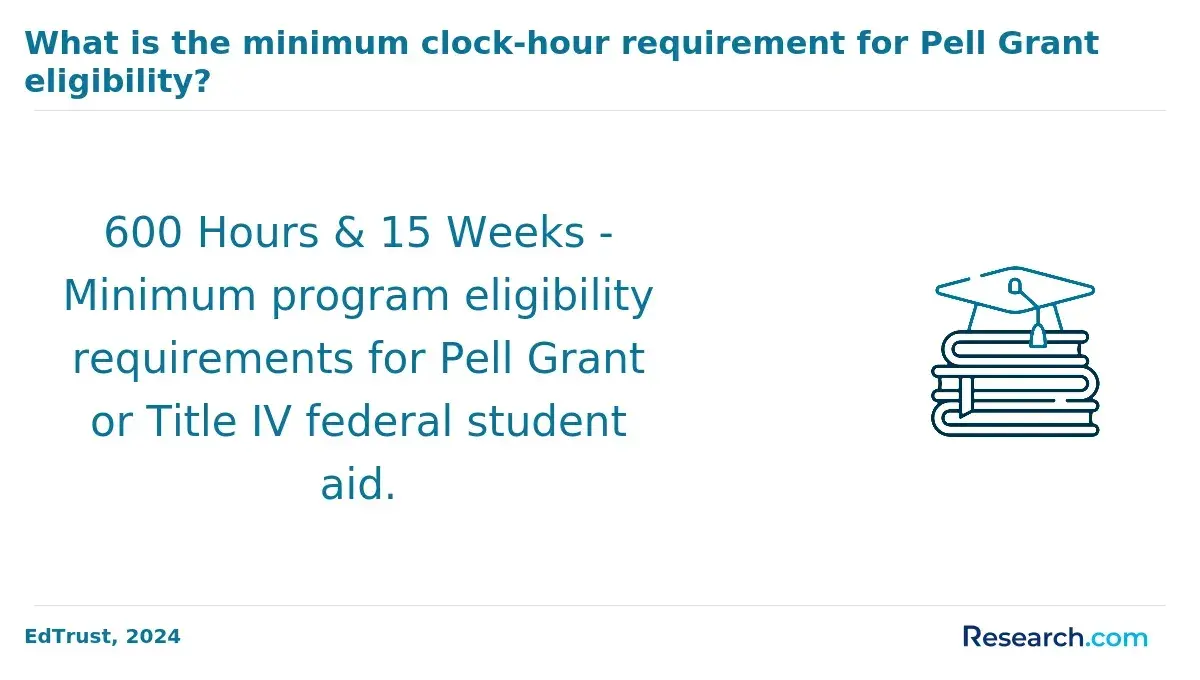
- Pell Grants: These need-based funds do not require repayment and help many qualifying students.
- Federal Loans: Subsidized loans pause interest accrual during study periods, while unsubsidized loans begin accruing interest immediately, both aiding with tuition and related costs.
- Veterans Benefits: The GI Bill often covers full tuition and additional stipends for eligible military veterans and their families.
Scholarships targeted to health informatics students arise from various sources:
- Professional Associations: Organizations in health informatics and healthcare technology frequently award scholarships to cultivate the workforce.
- State Workforce Agencies: Some states offer grants or scholarships encouraging training in fields with high demand.
- Institutional Awards: Schools may provide merit-based scholarships or discounts tailored for online students.
Using resources like the College Scorecard's net price calculator helps estimate actual out-of-pocket costs after financial aid, enabling confident comparisons among programs that align with personal financial and career goals.
How Long Does It Take to Complete an Online Health Informatics Degree Program?
Advertised program lengths often reflect ideal conditions, but actual completion times vary due to individual circumstances and enrollment status. Data from accredited online health informatics programs provide a more accurate view for students planning their educational path.
- Degree Level: Associate's online health informatics programs generally require about two years of full-time study, while bachelor's degrees typically span four years. Master's degrees can take between 18 months and three years, depending on the structure, and doctoral programs range from three to six years, heavily influenced by dissertation demands.
- Enrollment Status: Students enrolled full-time tend to graduate quicker than part-time learners, who often balance studies with work or family and extend completion times. Online programs frequently accommodate part-time schedules to support these commitments.
- Transfer Credits: Acceptance of prior college coursework or professional certifications can notably shorten degree completion. Policies vary-some institutions offer generous credit transfers, while others limit acceptance or require specific courses within their curriculum.
- Program Formats and Progression: Accelerated courses feature year-round sessions or condensed terms, enabling faster completion-often in 12 to 24 months for master's levels. Competency-based models let students advance based on demonstrated skills, ideal for experienced or self-directed learners.
- Prior Learning Assessment (PLA): Some programs award credit for relevant professional experience, military training, or certifications, helping working adults and veterans reduce time spent on coursework.
- Program Length Restrictions: Institutions enforce minimum and maximum durations for finishing degrees, ensuring students remain actively enrolled. Exceeding these limits risks losing financial aid tied to satisfactory academic progress (SAP) mandates from federal and state regulations.
What Core Curriculum and Coursework Should a Quality Online Health Informatics Program Include?
High-quality online health informatics programs feature a robust core curriculum aligned with standards from accrediting bodies like the American Medical Informatics Association (AMIA) and the Commission on Accreditation for Health Informatics and Information Management Education (CAHIIM). Essential courses build comprehensive expertise across multiple competency areas, preparing students for dynamic roles in healthcare technology and data-driven decision-making.
Key components include:
- Foundational Knowledge: Healthcare systems, medical terminology, and clinical workflows provide necessary context for informatics applications.
- Information Technology and Systems: Database management, electronic health records (EHRs), interoperability standards, and IT infrastructure deliver technical proficiency.
- Data Analytics and Decision Support: Biostatistics, predictive modeling, and clinical decision support tools develop skills to transform data into actionable insights.
- Regulatory and Ethical Issues: Understanding HIPAA, patient privacy, data security, and compliance ensures graduates navigate legal and ethical challenges effectively.
- Leadership and Project Management: Emphasis on teamwork, change management, and strategic planning equips students to lead in healthcare environments.
- Capstone or Integrative Experience: Culminating projects or practicums enable practical application of knowledge, demonstrating mastery and employment readiness.
Graduates should demonstrate measurable outcomes such as proficiency in health data standards, clinical workflow analysis, system implementation competency, and interdisciplinary communication-skills highly valued by employers seeking to improve patient outcomes and organizational efficiency.
Leading programs conduct regular curricular reviews-often every two years-with input from industry advisory boards to incorporate emerging methodologies like artificial intelligence and updated regulations. This maintenance of curricular currency prepares students for today's evolving healthcare landscape.
Prospective students should request detailed course sequences, syllabi, and learning outcomes maps from programs to enable evidence-based evaluation, avoiding reliance on marketing materials alone.
The U.S. Bureau of Labor Statistics projects a 17% growth in health informatics jobs over the next decade, underscoring the importance of investing in rigorous, up-to-date education in this field.
Which Online Health Informatics Programs Offer the Best Return on Investment for Working Adults?
When evaluating online health informatics degree programs for working adults, prioritizing those offered by public universities often yields the best return on investment-due to affordable tuition and established employer connections. Programs at these institutions consistently demonstrate strong employment outcomes, helping graduates secure competitive jobs more quickly and with salaries that reflect current industry demand.
- Cost Efficiency: Public universities typically offer lower tuition rates, especially for in-state students, while reciprocity agreements between states can reduce costs for out-of-state learners. This affordability, combined with quality instruction, makes for a highly cost-effective educational path.
- Employment Outcomes: Leading online health informatics programs report high employment rates within six months of graduation. Their curricula are carefully aligned with evolving healthcare IT needs and often include practical experiences like internships or capstone projects to enhance workforce readiness.
- Salary Growth: Graduates from top-ranked programs regularly surpass national average entry-level salaries for healthcare IT roles. Monitoring median earnings at both six and ten years post-enrollment offers valuable insight into the long-term financial benefits of these programs.
- Financial Support Options: Employer tuition reimbursement and targeted scholarships-frequently available to working adults and veterans-can substantially improve ROI. Exploring financial aid tailored to individual circumstances is crucial when considering programs.
- Loan Default Rates: Programs with low student loan default rates reflect responsible financing and successful graduate employment, helping students avoid excessive debt burdens.
- Outcome Transparency: Instead of relying solely on broad university rankings, students should emphasize program-specific data such as graduation rates, alumni career outcomes, and salary statistics to evaluate true value and fit.
By carefully weighing cost, employment success, financial aid availability, and documented outcomes, prospective students can identify the top return on investment health informatics degrees online. Working adults and career changers can thereby make informed decisions that translate into meaningful career advancement and financial stability.
For those considering related fields, an online nutrition degree may offer additional affordable graduate options.
What Admissions Requirements Do the Top Online Health Informatics Programs Typically Require?
Top online health informatics programs set a variety of admissions criteria to evaluate readiness for graduate-level study. While these requirements differ by program selectivity and institutional type, several key elements recur among competitive offerings.
- GPA Thresholds: Most selective master's degrees require a minimum undergraduate GPA near 3.0 on a 4.0 scale. Some programs may accept applicants with lower GPAs if supported by other application strengths.
- Standardized Tests: Increasingly, programs have test-optional policies, eliminating the need for GRE or GMAT scores. However, some schools still request these tests, so applicants should verify the latest requirements.
- Letters of Recommendation: Usually two to three professional or academic references are needed to help admissions assess work ethic, communication skills, and fit for health informatics study.
- Personal Statement or Statement of Purpose: A clear articulation of career goals, relevant experience, and reasons for pursuing health informatics is essential to demonstrate motivation and program alignment.
- Professional Experience: Healthcare, IT, or data analytics backgrounds are preferred by many programs due to their value in practical coursework and classroom collaboration.
- Prerequisite Coursework: Applicants lacking a health informatics or related background often must complete foundational courses in biology, statistics, computer science, or healthcare systems before or during the program to ensure success.
Admissions requirements vary considerably-from open-enrollment associate degrees at community colleges to highly selective master's programs at research universities-making self-assessment of academic history and professional credentials critical to finding the best fit. Recent high school graduates and working adults pursuing their first degree or an advanced credential should weigh these distinctions carefully.
Prospective students should contact admissions advisors to confirm current policies, as test-optional status, GPA minimums, and prerequisite expectations can shift each cycle. Those interested in expanding leadership potential through business-focused health education might also explore options such as the online MBA healthcare programs for additional career pathways.
Typical prerequisites for online health informatics degrees ensure foundational knowledge for success in advanced coursework and professional roles-making them a vital consideration for candidates without prior exposure to the field.
What Career Paths and Job Titles Are Available to Online Health Informatics Degree Graduates?
Graduates of online health informatics programs have access to a wide variety of career opportunities spanning healthcare, technology, and administrative sectors. Entry-level roles suited for those with a bachelor's degree typically include health data analyst, clinical data coordinator, and informatics technician-positions centered on managing medical data to enhance operational workflows in hospitals, insurance firms, and public health organizations.
- Health Information Manager: Experienced professionals often supervise patient record management, ensure compliance with healthcare laws, and direct the adoption of electronic health record (EHR) systems-crucial for safeguarding data integrity and quality.
- Clinical Informatics Specialist: These roles generally require further certification and involve collaborating with clinical teams to integrate technology that improves patient care and streamlines clinical processes.
- IT and Systems Roles: Opportunities like systems analyst or health IT project manager focus on developing, deploying, and maintaining secure healthcare information infrastructure within medical settings.
- Research and Policy Analyst: For those advancing into graduate studies, avenues open in health research, informatics policy, and outcomes analysis, often within government bodies or academic institutions.
- Career Pivots and Cross-Industry Moves: Professionals from related professions-such as nursing, administration, or IT-frequently leverage a health informatics degree to specialize in healthcare data management, accompanied by certifications like Certified Health Data Analyst (CHDA) or Registered Health Information Administrator (RHIA).
- Promotional Pathways: Within five to ten years, career growth can progress from analyst roles to project leadership and then into strategic management positions such as director of health informatics or chief clinical informatics officer. Lateral moves across healthcare providers, consulting firms, and technology vendors provide diverse specialization and advancement options.
What Is the Salary Outlook for Professionals with an Online Health Informatics Degree?
Salary outcomes for professionals with an online Health Informatics degree vary significantly, influenced by multiple factors that shape earning potential across healthcare and technology fields. Median wages for common roles in this area typically fall between $60,000 and $110,000 annually, depending on job type and educational attainment.
- Degree Level: Higher degrees align with increased pay-bachelor's holders often earn near median salaries, while those with master's degrees or specialized certifications frequently surpass six figures in senior or technical roles.
- Years of Experience: Compensation generally rises with experience. Entry-level positions start lower, mid-career professionals see substantial salary growth, and senior managers or leaders command the top tier of earnings.
- Industry Sector: Salary rates differ by employer type-healthcare providers and hospitals offer competitive wages, while technology firms and consulting companies that focus on healthcare analytics typically provide premium compensation.
- Geographic Market: Urban and high-demand regions such as California, New York, and Texas tend to offer higher salaries reflecting living costs and market needs, compared to rural areas.
- Specialization: Focus areas like clinical informatics, healthcare cybersecurity, and data science in health informatics offer elevated pay due to the required specialized skills.
- Professional Certifications: Credentials like Certified Health Data Analyst (CHDA), Registered Health Information Administrator (RHIA), and Certified Professional in Healthcare Information and Management Systems (CPHIMS) are linked to documented salary premiums. Online learners can attain these certifications post-degree through accredited programs, accelerating career advancement and income gains.
- Future Salary Projections: Growth in demand for data-driven healthcare solutions signals ongoing salary increases in this sector-however, current compensation data should be confirmed via the Bureau of Labor Statistics and industry salary surveys to reflect market changes.
What Graduates Say About the Best Online Health Informatics Degrees for Jobs
- Ramon: "When I chose my online health informatics degree, accreditation standards were my top priority-and it made all the difference. Knowing the program met rigorous national criteria gave me confidence that employers would recognize my qualifications. The blend of strong curriculum rigor with flexible online access truly prepared me for a competitive job market."
- Marcos: "Reflecting on my experience, the practical experience requirements in my health informatics program were invaluable. They pushed me beyond theory into real-world applications, making my transition into the workforce smoother than expected. Coupled with excellent student support infrastructure that guided me every step, I felt genuinely supported throughout my studies."
- Silas: "Balancing cost and return on investment was crucial when picking an online health informatics degree. I found a program that offered an affordable tuition without compromising career outcomes-landing a solid job shortly after graduation. This pragmatic approach helped me stay focused on what matters: building a meaningful and sustainable career."
Other Things You Should Know About Health Informatics Degrees
The best online health informatics programs focus on developing both technical and analytical skills essential for the field. Graduates gain proficiency in data management, electronic health records (EHR) systems, and healthcare analytics. Critical thinking, problem-solving, and knowledge of healthcare regulations are also emphasized to prepare students for effective decision-making in complex healthcare environments.
Most high-quality online health informatics programs require students to complete a practicum or clinical field experience to gain real-world exposure. These programs typically assist students in securing placements at healthcare facilities or organizations near their location. The practical component is designed to integrate theoretical knowledge with hands-on skills-an important factor employers prioritize during hiring.
Employers increasingly recognize the value of accredited online health informatics degrees, especially when programs maintain rigorous standards and include practical experience components. Hiring managers focus more on graduates' skills, certifications, and experience rather than the mode of instruction. However, graduates from programs with strong industry partnerships and practicum support often have an advantage in job placement.
References
- The Importance of CAHIIM Accreditation for Health Informatics Programs https://www.usfhealthonline.com/resources/health-informatics/the-importance-of-cahiim-accreditation-for-health-informatics-programs/
- Master’s in Health Informatics https://nursinglicensemap.com/resources/healthcare-degree-programs/masters-in-health-informatics/
- Health Science Degrees Online with Financial Aid https://www.edumed.org/online-schools/health-informatics-degrees/financial-aid/
- What is Reasonable Tuition For a Health Informatics Degree Program? - Healthcare Management Degree Guide https://www.healthcare-management-degree.net/faq/what-is-reasonable-tuition-for-a-health-informatics-degree-program/
- 100 Percent Online Master's in Health Informatics - MSHI Degrees https://www.mhaonline.com/faq/fully-online-ms-health-informatics-programs
- Today's Top Online Master’s Degrees in Health Informatics https://www.onlinemastersdegrees.org/best-programs/health-informatics/
- Accreditation - CAHIIM https://www.cahiim.org/accreditation/
- 11 Health Informatics Careers for Master’s Graduates to Consider https://www.nec.edu/news/health-informatics-careers
- Health Informatics Careers and Jobs https://www.publichealthdegrees.org/careers/health-informatics/
- Best Online Health Informatics Bachelor's Degree Programs, Jobs, and Salaries https://careerkarma.com/blog/best-online-health-informatics-bachelors-degrees/