2027 Highest-Paying Jobs You Can Get With an Animal Science Degree

Co-Founder and Chief Data Scientist
Choosing an animal science degree raises critical questions about financial return-especially when weighing the value of graduate education, licensure, and specialized certifications that often unlock higher salaries. In some regions, veterinarians with advanced credentials earn over 40% more than those with only a bachelor's, reflecting a significant wage premium tied to professional status. Career pathways also vary widely in compensation depending on industry and location, challenging potential students to assess how their educational investment stacks against alternative routes. This article explores the salary impacts of degree levels, credentialing, and sector-specific dynamics to help readers make informed, financially sound decisions about pursuing an animal science career.
Key Things to Know About the Highest-Paying Jobs You Can Get With a Animal Science Degree
- Graduate credentials in animal science yield a wage premium of approximately 15%-master's and doctoral degrees open doors to specialized, higher-paying research and leadership roles.
- Professional licensure and certifications-such as veterinary technician credentials-significantly increase earning potential, often by 10% or more compared to uncertified peers.
- Return on investment favors a bachelor's degree in animal science over non-degree pathways, with average wages 20% higher and stronger career stability in agriculture and biotech sectors.
What Exactly Does a Animal Science Degree Qualify You to Do in Today's Job Market?
An animal science degree prepares graduates for a wide range of roles in today's job market, emphasizing animal health, production, and welfare as defined by the U.S. Bureau of Labor Statistics (BLS) and leading professional associations. Employers seek candidates with strong technical knowledge in animal biology, nutrition, genetics, and management-skills that extend beyond practical experience alone.
Data from job analytics sources such as Lightcast and LinkedIn Insights confirm that analytical abilities, research expertise, and effective communication set degree holders apart from those with unrelated backgrounds or solely on-the-job training.
It is important to clarify what an animal science degree does and does not qualify graduates to do. Contrary to some misconceptions, this degree does not grant the ability to practice veterinary medicine or prescribe medications, as these roles require veterinary licensure through additional education and exams. Some agricultural or animal care careers are open entry without formal credentials, while specialized occupations like animal geneticist or agricultural consultant generally require degree credentials.
Higher education levels-master's and doctoral degrees-strongly correlate with advanced career opportunities, including research, academia, and leadership roles, which often command higher salaries. Licensure itself is separate but supported by the foundational knowledge gained through an animal science degree.
- Core Competencies: Graduates demonstrate expertise in physiology, nutrition, and genetics, alongside analytical skills for research interpretation and communication abilities for collaboration.
- Employment Scope: Qualifies candidates for research, livestock management, animal nutrition, and regulatory roles-but not veterinary practice without further certification.
- Credential Impact: Advanced degrees lead to higher pay and specialized roles in leadership, research, and academia.
- Licensure Clarification: The degree provides foundational knowledge but does not grant professional licenses; certification requires additional steps.
- High-Paying Roles Preview: Focuses on careers such as animal nutritionist, research scientist, and animal geneticist, emphasizing degree level's effect on compensation.
Readers interested in the highest-paying animal science careers in the United States will find this article explores roles such as animal nutritionist, research scientist, and animal geneticist-highlighting how degree level influences earnings and career growth. For those considering education pathways, it is useful to compare the return on investment of an animal science degree with alternatives, such as RN to BSN programs.
Which Animal Science Jobs Command the Highest Salaries Right Now?
Earnings improve markedly with graduate credentials and licensure-especially in veterinary and research roles. Certifications yield measurable salary advantages in nutrition and regulatory fields. Geographic markets with strong agriculture or biotech industries command higher wages, while the employer type-private sector, government, or academia-creates notable compensation differences including bonuses.
Veterinary Medicine
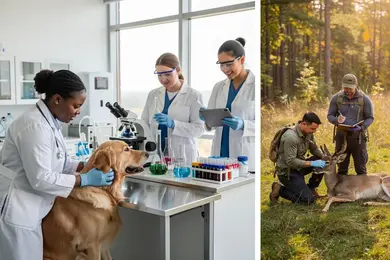
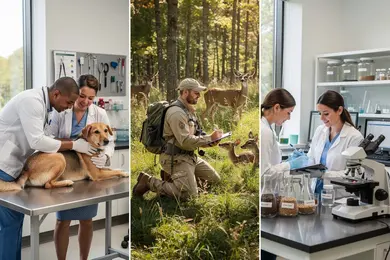
Veterinarians represent one of the highest-paying career paths for animal science graduates. According to recent BLS data, the median annual wage for veterinarians is around $100,370-with the 75th percentile reaching approximately $140,000 and top-decile professionals earning upwards of $190,000. Advanced degrees, specialized certifications-such as surgery or internal medicine-and experience in private practice or specialized clinics strongly influence these figures.
- Doctor of Veterinary Medicine (DVM) required for licensure
- Specializations in small animal, large animal, or exotic species medicine
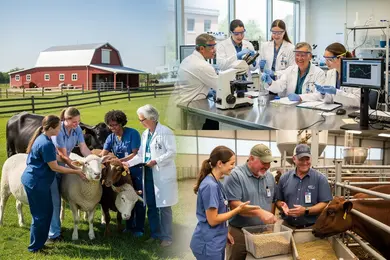
- Employment concentrated in private clinics, research institutions, and government agencies
- Highest salaries noted in urban areas with dense pet populations and affluent client bases
Animal Geneticist and Research Scientists
Professionals focused on genetics, biotechnology, and animal breeding often compete with candidates holding advanced degrees in biology or genetics. However, animal science degrees with relevant lab experience provide a measurable salary advantage, earning a median wage around $85,000, with the upper quartile approaching $120,000 and top researchers earning above $160,000 annually.
- Master's or PhD considerably improves salary prospects
- Employment primarily in academic research, private biotech firms, and government labs
- Salary premiums available for patent holders and project leaders
- Metro areas with strong biotech sectors tend to offer better compensation
Animal Nutritionists
Specialists in animal nutrition work in livestock production and pet food manufacturing sectors. Median salaries hover near $70,000, with top professionals earning above $110,000. Professional certification, especially in consultancy roles, can boost earnings.
- Typically requires at least a bachelor's degree, often enhanced by a master's
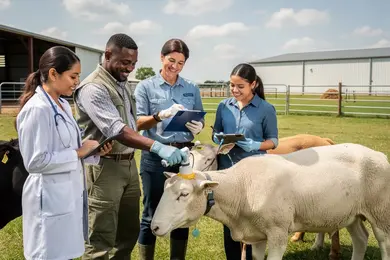
- Work settings include feed companies, farms, and research organizations
- Higher earnings associated with performance animal sectors and organic farming
- Geographic salary variability linked to agricultural prominence
Livestock Managers and Agricultural Inspectors
These roles show competitive earning potential, with median wages ranging from $60,000 to $75,000. Experienced managers or inspectors with specialized expertise may exceed $95,000.
- Bachelor's degree often sufficient; advanced certifications refine salary prospects
- Employed predominantly by large farms, agribusinesses, and regulatory agencies
- Salary influenced by farm size, production type, and region
- Experience managing regulatory compliance can increase compensation
Regulatory and Food Safety Specialists
Graduates entering government roles overseeing animal product inspections, disease control, and food safety earn median salaries near $65,000-with top earners surpassing $100,000. Leadership roles and technical expertise provide salary premiums.
- Bachelor's degree required; certifications in public health valued
- Primary employment in federal and state agencies
- Higher salaries linked to leadership roles and technical specialization
- Urban centers housing federal institutions offer premium wages
Prospective students evaluating the highest paying animal science careers in the United States should weigh these factors carefully alongside their long-term career aspirations. Animal science graduates will find that salary potential depends heavily on specialization and credentials.
For those interested in advanced healthcare roles, exploring options like affordable online FNP programs might also complement or expand income opportunities beyond traditional animal science pathways.
How Does Degree Level-Bachelor's vs. Master's vs. Doctoral-Affect Animal Science Earning Potential?
Median wages for animal science degree holders vary widely by educational level and job type. Those with a bachelor's degree generally earn between $50,000 and $65,000 annually. Earning a master's degree can boost salaries by 15% to 30%, elevating compensation into the $60,000 to $85,000 range. Doctoral degree holders-particularly in research or academia-often surpass $90,000, and specialized fields like biotechnological research or veterinary sciences may exceed six figures.
- Credential-Gated Roles: Advanced degrees are prerequisites for many high-paying positions. A master's degree is often essential for leadership roles in animal health oversight, regulatory affairs, and complex laboratory work. Professional doctorates (such as the DVM) are mandatory for veterinarians who provide clinical care and require licensure. PhDs cater primarily to research-intensive careers in genetics, pharmacology, or academic settings, where specialized expertise and grant management are critical.
- Time-to-Payoff Considerations: Graduate programs demand significant investment-tuition fees and lost income during study periods-that must be offset by future earnings. A master's degree typically requires 2-3 years and pays off within 5-7 years through earlier access to higher salaries. Doctoral studies often extend from 4 to 7 years, offering substantial long-term gains primarily in research or specialized clinical roles.
- Efficient Credentialing Pathways: For students already holding a related bachelor's degree, pursuing a master's is usually the most cost-effective strategy to raise earning potential significantly within industry careers. Career changers should critically assess whether the additional time and financial commitment of a doctoral degree aligns with their income objectives, as not all sectors within animal science reward doctoral credentials equally.
- Licensure and Certification Impact: Veterinary licensure profoundly enhances earning potential by enabling clinical employment. Other certifications, such as those in animal behavior, nutrition, or lab techniques, improve job prospects but generally offer smaller salary increases.
Which Industries and Employers Pay Animal Science Graduates the Most?
Compensation for animal science graduates varies significantly across industries and employer types, influenced by factors such as organizational scale, revenue, and regulatory complexity. Those aiming to identify which industries pay animal science graduates the highest salaries will find private sector employers-especially pharmaceutical companies, biotechnology firms, and large agribusinesses-typically offer the most lucrative packages.
These companies invest heavily in research and development, demanding advanced degrees and specialized expertise, which drives salaries upward. Positions like veterinary pharmaceutical researcher or animal nutritionist commonly provide bonuses and comprehensive benefits.
- Government Agencies: Federal and state employers involved in livestock health, food safety, and wildlife conservation deliver steady wages with strong benefits and job security. Though salaries here tend to be lower than in the private sector, roles such as USDA research scientist or animal health inspector offer competitive pay scales dependent on experience and grade levels.
- Nonprofit Sector: Animal welfare and conservation organizations generally have lower salary offerings. However, specialized nonprofits linked to environmental or international animal health initiatives sometimes provide competitive compensation paired with distinctive fieldwork opportunities. Funding levels and organizational size heavily influence pay rates.
- Consulting and Self-Employment: Independent professionals engaged in consulting, farm management, or veterinary services experience income variability based on client base and reputation. This pathway holds potential for earnings beyond salaried positions but requires entrepreneurial acumen and risk tolerance.
- Degree and Certification Impact: The value of advanced credentials and certifications in animal welfare, veterinary technology, or nutrition is substantial across industries. For instance, agribusiness salaries can range from approximately $50,000 for entry-level bachelor's degree holders to over $90,000 for certified specialists with graduate degrees.
- Market Demand: Regions dense with agricultural activity or biotech hubs create high demand for animal science skills, leading to above-average salaries, signing bonuses, and accelerated wage growth due to talent scarcity.
- Strategic Career Planning: Maximizing income requires carefully targeting high-paying employers by pursuing relevant internships, certifications, and networking within lucrative industries. Developing specialized skills in genetics, regulatory compliance, or data analysis is especially beneficial during and after an animal science degree program.
For professionals considering credential upgrades, exploring advanced academic options such as PhD nursing programs online highlights the broader value of graduate-level education in boosting earning potential and career flexibility across STEM and life sciences fields.
What Geographic Markets Offer the Best-Paying Animal Science Jobs?
Geographic location significantly influences the earning potential for animal science professionals when adjusting wages for cost of living. Certain metropolitan areas stand out as top markets for median pay in this field. The San Jose-Sunnyvale-Santa Clara metro area in California leads these rankings, supported by a strong presence of biotechnology and agricultural research.
Boston-Cambridge-Newton, MA, and Raleigh-Cary, NC, also rank highly due to vibrant clusters of veterinary services, research centers, and livestock management companies.
- Metropolitan Areas: San Jose excels in median salaries driven by tech and research sectors; Boston and Raleigh benefit from dense animal health industries.
- States: California remains dominant in real wage purchasing power because of its large research funding and agribusiness base. Massachusetts, North Carolina, and Colorado follow as states with competitive salaries owing to universities and biotech firms.
- Regions: The Northeast and West Coast have the highest concentration of premium-paying employers in animal science, linked to research and specialized clinical roles. The Southeast offers solid demand through large-scale production with moderate living costs, yielding stable mid-to-high salary ranges.
- Remote and Hybrid Roles: Telemedicine and consulting roles-such as veterinary telehealth specialists and animal nutrition advisors-are increasingly allowing animal science professionals to work from lower-cost areas while maintaining strong incomes. Physical roles requiring hands-on work-like veterinary surgery and livestock management-are tied to client locations and facilities.
- Relocation Versus Remote Work: Deciding between moving to a high-cost metro with top nominal wages or pursuing remote positions in affordable regions involves weighing salary against living expenses and lifestyle flexibility. For instance, San Jose's wages are high, but the cost of housing is steep. Meanwhile, remote consulting jobs in midwestern cities can provide comparable net earnings with less financial pressure.

How Do Professional Certifications and Licenses Boost Animal Science Salaries?
Most certifications demand a bachelor's degree, successful completion of exams, and periodic renewals through education credits or retesting. Upfront fees generally fall between $200 and $500, with renewals required every one to five years depending on the credential.
- American Registry of Professional Animal Scientists (ARPAS) Certification: Candidates must hold at least a bachelor's degree in animal science or a related discipline and pass a comprehensive exam covering areas like animal biology, nutrition, and management. Maintaining certification requires renewal every five years through continuing education, costing around $300 initially and $150 for renewals. Professionals with this credential can earn approximately 15% more than their non-certified counterparts.
- Veterinary Technician Licensure: Designed for those pursuing clinical roles, this license necessitates passing the Veterinary Technician National Examination and completing an accredited veterinary technology program. Renewal occurs biennially, with fees varying by state. Licensed technicians typically report median salaries 10-12% higher than non-licensed colleagues.
- Certified Animal Welfare Scientist (CAWS): Offered by groups like the International Society for Animal Hygiene, this certification requires formal education and passing a standards-based exam. Ongoing professional development is mandatory for renewal. Salary increases linked to CAWS range from 12% to 18% in sectors emphasizing animal welfare compliance.
Salary benefits depend strongly on industry and location; candidates should confirm whether certifications are preferred or required in their field. Prioritize credentials accredited by recognized bodies such as ANSI or NCCA to ensure legitimacy and stronger market value.
What Is the Salary Trajectory for Animal Science Professionals Over a Full Career?
The salary progression for animal science professionals typically starts with modest entry-level earnings, generally between $40,000 and $55,000 annually, varying by industry and geography. Early-career wage growth accelerates for those who obtain additional certifications or graduate education, reflecting increased expertise and responsibility.
- Mid-Career Growth: By around ten years of experience, specialists and supervisors in animal science often earn between $60,000 and $80,000. Advancement is frequently linked to professional licensure or specialization in niche areas such as veterinary technology, animal nutrition, or research science.
- Career Inflection Points: Key milestones-like promotion to management, earning master's or doctoral degrees, or shifting into in-demand specialties-drive substantial salary increases. Leadership roles in laboratory or commercial animal product development command higher pay.
- Strategic Specialization: Top earners differentiate themselves through skills in fields like animal genomics or sustainable livestock production. Contributing to research publications, securing grants, and engaging in business development further elevate income and professional stature.
- Late-Career Peak Salaries: Senior managers and consultants with extensive experience can earn $100,000 to $130,000 or more annually, reflecting cumulative knowledge and complex responsibilities across commercial and regulatory environments.
This longitudinal perspective, supported by BLS earnings data and Georgetown Center on Education and the Workforce research, highlights how advanced education and credential attainment create a meaningful wage premium over peers who remain in entry-level roles.
Salary benchmarks at five, ten, and peak career stages enable realistic income expectations for prospective students and career changers evaluating animal science as a financially sound credential. Strategic career decisions-including specialization, leadership roles, and reputation-building-are critical to maximizing lifetime earning potential in this evolving field.
Which Animal Science Specializations and Concentrations Lead to the Highest-Paying Roles?
Specializations within animal science that consistently lead to the highest-paying roles tend to involve advanced technical knowledge, regulatory expertise, or management responsibilities. For example, concentrations in animal nutrition and reproductive physiology often translate into careers as nutritionists or breeding specialists-positions commanding premium wages due to the specialized skills required to improve livestock productivity and genetic quality.
Interested students can explore a nutritionist degree online to gain focused expertise in this lucrative area. Similarly, veterinary sciences and animal health focus areas prepare graduates for roles that blend scientific knowledge with regulatory compliance, where talent scarcity and the critical nature of animal welfare contribute to higher salaries.
Another high-paying concentration is animal biotechnology, which merges animal science with cutting-edge research and commercial applications such as genetic engineering. Professionals in this niche often work in pharmaceutical and agricultural biotech firms or regulatory agencies-sectors known for superior compensation driven by technical complexity and innovation demands.
Additionally, those focusing on livestock production management or equine science can secure leadership roles with lucrative pay, especially when combining hands-on experience with business acumen. These represent some of the highest-paying animal science specializations in the United States.
- Return on Investment: Top online animal science programs provide flexible, cost-effective access to specialized knowledge, often leading to measurable salary gains in niche sectors.
- Credential Premium: Graduate degrees and certifications in specialized animal science disciplines substantially increase earning potential by signaling advanced expertise to employers.
- Market Demand: Regulatory complexity and technical depth in areas like animal health and biotechnology create talent shortages that boost compensation.
Students early in their academic planning should prioritize labor market analysis alongside personal interests-evaluating job growth projections, employer demand, and credential preferences for each specialization rather than choosing concentration solely based on passion.
For current students in general animal science programs, targeted internships in specialized fields, professional certifications, or short-term advanced training offer pathways to high-paying roles without needing an additional degree. This strategic approach aligns with the top animal science concentrations for lucrative careers.
How Does the Animal Science Job Market's Growth Outlook Affect Long-Term Earning Stability?
The animal science job market's growth outlook plays a pivotal role in shaping long-term earning stability for degree holders. According to the U.S. Bureau of Labor Statistics (BLS), common animal science occupations-such as animal scientists, veterinary technologists, and livestock specialists-are projected to see moderate employment growth over the next decade.
This trend reflects increased demand for sustainable agricultural practices, enhanced animal health research, and evolving food production systems, making the field a viable option for those prioritizing long-term earning stability in animal science careers.
Several market forces will influence this outlook:
- Automation Risk: Jobs reliant on routine manual tasks-especially in livestock management and support roles-face higher automation threats. Conversely, roles demanding specialized expertise in genetics, nutrition, and biotechnology show low automation risk and greater wage premiums.
- Demographic Demand: Rising global population levels boost demand for animal protein and agricultural goods, favoring sectors related to food safety and production.
- Legislative Changes: Stricter regulations on animal welfare and environmental sustainability increase employer demand for professionals who can ensure compliance and ethical innovation.
- Technological Transformation: Advances in genetic engineering, veterinary medicine, and data analytics provide upward mobility and wage benefits for those with graduate credentials or certifications.
High-paying animal science roles with stable job security typically align strong growth potential and low automation risk-such as animal scientists in biotechnology and veterinary specialists focused on large animal care. Conversely, some market segments confront headwinds like public agency budget cuts, credential inflation, or outsourcing risk, which may pressure entry-level wages and job stability.
To safeguard career prospects, candidates should prioritize:
- Skill Diversification: Gaining knowledge in technology integration and regulatory frameworks to buffer against outsourcing and financial constraints.
- Credential Advancement: Pursuing graduate degrees or certifications-as also recommended in nurse practitioner courses-to unlock access to higher-paying, secure roles.
- Industry Focus: Concentrating on expanding sectors like sustainable agriculture and animal health research to maximize earning potential over time.
Understanding the complex dynamics of market growth, automation risk, and regulatory impact is essential for evaluating the financial value of an animal science degree in today's labor market. This perspective equips prospective students and mid-career professionals to make well-informed, income-focused decisions aligned with their career goals and risk tolerance.
What Leadership and Management Roles Are Available to High-Earning Animal Science Graduates?
Leadership roles in animal science span agriculture firms, research bodies, and food production companies-occupying mid-level to senior positions such as animal science manager, livestock production manager, research director, and chief veterinary officer. These professionals typically report to executives or boards, reflecting the strategic level of their responsibilities.
- Salary Premium: Management roles command notably higher pay. According to Bureau of Labor Statistics data, livestock and farm managers average around $71,000 annually, which is 30-40% more than entry-level technical roles. Senior executives like directors and vice presidents may earn over $100,000, justified by their broad operational oversight.
- Responsibilities: Leaders in this field manage budgets, oversee staffing, ensure regulatory compliance regarding safety and animal welfare, and steer vendor relations. They also guide research projects-duties requiring strong leadership and financial skills that underpin their salary advantage.
- Career Pathways: Progression to management usually involves multiple years of hands-on experience combined with ongoing education. Key milestones include:
- Strategic Decisions: Prospective leaders often invest in advanced degrees early or mid-career to secure a competitive edge. Blending scientific expertise with business acumen is critical to accessing top-tier positions. Networking and mentorship through industry organizations further expedite career elevation.
Which Emerging Animal Science Career Paths Are Positioned to Become Tomorrow's Highest-Paying Jobs?
Technological advancements and shifting societal priorities are creating new, well-compensated career opportunities within animal science. Key emerging fields include precision livestock farming-where data analytics and automation enhance animal well-being and productivity-and animal genomics, which combines molecular biology with bioinformatics to improve genetics and disease resistance.
Ethical consulting on animal welfare is gaining momentum as regulations and public scrutiny increase, offering lucrative roles for professionals versed in policy and ethics. Sustainable animal agriculture addresses environmental challenges, requiring expertise in integrating ecological science with animal production systems. Additionally, animal health informatics merges veterinary knowledge with information technology to advance predictive health and vaccine research.
Academic programs are evolving by incorporating interdisciplinary courses and offering specialized boot camps in areas like data science, regulatory affairs, and bioethics. Pursuing micro-credentials in coding, sustainability, and health data management can provide critical advantages for those seeking to enter these new fields. However, choosing an emerging specialty involves weighing the opportunity for early career growth against the risk that some roles may develop slower than anticipated or fail to become mainstream.
To navigate this uncertainty, aspiring professionals should monitor trends through reputable sources such as professional associations and labor market analytics platforms like Lightcast or LinkedIn Economic Graph. These resources provide valuable forecasts on income potential and demand shifts, enabling candidates to strategically select careers that balance innovation with long-term stability.
Ultimately, understanding these dynamics helps prospective students and career changers make informed decisions about whether an animal science degree-augmented by targeted certifications-offers a compelling return on investment aligned with their financial goals and risk tolerance.
What Graduates Say About the Highest-Paying Jobs You Can Get With a Animal Science Degree
- Callen: "Studying animal science online opened my eyes to the real wage premium that comes with having a degree-employers clearly value the credentials, which reflects in higher pay. I found that earning professional certifications boosted my salary even further, making the investment in additional training well worth it. Overall, compared to jumping straight into the workforce, my degree has given me a much stronger financial foothold over time."
- Koen: "Reflecting on my career after completing the online animal science program, I appreciate how much location and industry type influence salary prospects. For example, roles in biotech hubs and agricultural centers tend to offer superior compensation. This insight helped me strategically relocate to maximize my earnings and leverage my degree alongside relevant licensure."
- Owen: "From a practical standpoint, the return on investment for an animal science degree really stands out compared to alternative routes like certificates or associate degrees. While those can get you into the field faster, I've seen firsthand how my bachelor's degree combined with professional licensure gave me access to higher-paying leadership roles. It's a game-changer if you're serious about long-term career growth."
Other Things You Should Know About Animal Science Degrees
The return on investment for an animal science degree varies widely based on the level of education and chosen career path. Generally, bachelor's and graduate degrees in animal science offer higher starting salaries and better job stability compared to certificates or associate degrees. While credentials like veterinary technician certifications can lead to quicker entry into the workforce, the broader knowledge base and career flexibility afforded by an animal science degree usually translate into greater lifetime earnings.
Entrepreneurship opens additional income avenues for animal science graduates beyond traditional employment-such as starting consulting firms, organic farming operations, or animal nutrition businesses. Self-employed professionals can scale their earnings by diversifying services or tapping niche markets like pet care innovations or sustainable livestock management. However, success in entrepreneurship requires business skills and market knowledge not always covered in animal science curricula.
Employer type significantly affects compensation in the animal science field. Private sector jobs-especially in biotechnology, pharmaceuticals, and agribusiness-tend to offer higher salaries and performance bonuses compared to public or nonprofit roles. Conversely, public agencies and nonprofits may provide more stability and benefits but often with lower base pay. Graduates should weigh personal priorities alongside salary differences when targeting employers.
References
- Animal Science Careers: Job Descriptions & Salary Info https://learningpath.org/articles/Animal_Science_Careers_Job_Descriptions_Salary_Info.html
- Careers with Animals: 23+ Exciting Jobs That Pay Well https://www.training.com.au/ed/jobs-working-with-animals/
- Bright future for sector despite CMA expected changes https://www.vettimes.com/news/business/practice-developments/bright-future-for-sector-despite-cma-expected-changes
- What Jobs Can You Get with an Animal Health Degree? - Boaz Partners https://boazpartners.com/what-jobs-can-you-get-with-an-animal-health-degree/
- Best Paying Wildlife Jobs in Australia | My Learning Online https://www.mylearningonline.com.au/blog/best-paying-wildlife-jobs/
- Jobs Working with Animals: Career Growth for Professionals https://www.mackinnon-bruce.com/insights-hub/blog/jobs-working-with-animals--career-growth-for-professionals/
- BSAS https://www.bisas.org.uk/undergraduates-and-early-career/ec-education
- Animal scientists: Salary, career path, job outlook, education and more - RaiseMe https://www.raise.me/careers/life-physical-and-social-science/agricultural-and-food-scientists/animal-scientists/
- Top 10 High-Paying Animal Care Jobs to Start in 2026 – The Animal Care https://theanimalcare.org/top-10-high-paying-animal-care-jobs-to-start-in-2026/
- Animal Scientists — Career Path Guide https://jobcannon.io/careers/animal-scientists