
2027 Accelerated vs. Traditional Animal Science Degrees: Pros & Cons

Co-Founder and Chief Data Scientist
Choosing between accelerated and traditional animal science degrees involves weighing speed against depth. Accelerated programs attract working adults and career changers by offering faster completion, with some students finishing in as little as two years. In contrast, traditional degrees provide a more flexible pace and often deeper academic engagement, benefiting those seeking thorough understanding and research opportunities.
Recent data shows that over 30% of undergraduates prefer accelerated learning formats, reflecting a trend toward efficient education. This article will compare time commitments, learning experiences, career outcomes, and key considerations to help prospective students decide which animal science path best suits their goals.
Key Points About Accelerated vs. Traditional Animal Science Degrees
- Accelerated animal science degrees offer flexibility for working students, enabling faster entry into careers through condensed coursework and practical training.
- Traditional programs foster deep academic engagement, promoting comprehensive understanding and long-term retention essential for research or advanced study.
- Cost efficiency in accelerated paths benefits budget-conscious learners, while traditional pacing strengthens peer networks and skill mastery via extended campus interaction.
What Are the Differences Between Accelerated vs. Traditional Animal Science Programs?
Accelerated and traditional animal science degrees differ significantly in structure, pacing, and scheduling, resulting in distinct learning intensities and student experiences. These variations impact how students engage with their studies and manage their time.
Below is a comparison of the main differences between accelerated and traditional animal science programs across several key areas.
- Admission and Eligibility: Accelerated animal science program admission requirements are typically more stringent, requiring higher academic achievement such as a minimum GPA of 3.7 and relevant experience prior to acceptance. Traditional programs offer broader admission criteria, making them accessible to a wider range of applicants.
- Advising and Support: Students in accelerated programs often receive specialized advising from faculty experienced in veterinary medicine or research, ensuring they meet demanding milestones on time. Conversely, traditional programs provide more generalized advising with less individualized attention.
- Learning Format and Class Size: Accelerated tracks usually feature smaller cohorts and foster intensive faculty interaction, promoting close mentorship and peer support. Traditional tracks often have larger class sizes with less personalized instruction.
- Hands-on Experience: Accelerated students must accumulate a substantial number of hands-on hours-commonly 400+ hours related to animal or veterinary work-within a compressed timeframe. Traditional students have more flexibility, gaining practical experience over a longer period through labs, internships, or part-time jobs.
- Scheduling and Flexibility: Accelerated programs require strict adherence to a set schedule, limiting opportunities for electives or exploration of other interests. Traditional programs allow students greater freedom to explore diverse topics both within and outside animal science.
Prospective students searching for options might consider accelerated programs for bachelor's degree pathways to align with their academic goals and personal learning style when deciding between these two approaches.
How Fast Can You Finish an Accelerated vs. Traditional Animal Science Program?
Program length varies significantly between accelerated and traditional animal science degrees. Accelerated formats condense coursework into shorter terms through heavier course loads and often summer sessions, while traditional paths follow a standard academic pace over four years or more. Understanding these differences helps students plan their education based on their available time and goals.
A comparison of completion timelines highlights how accelerated animal science degree length can shorten education timelines compared to the traditional animal science program duration.
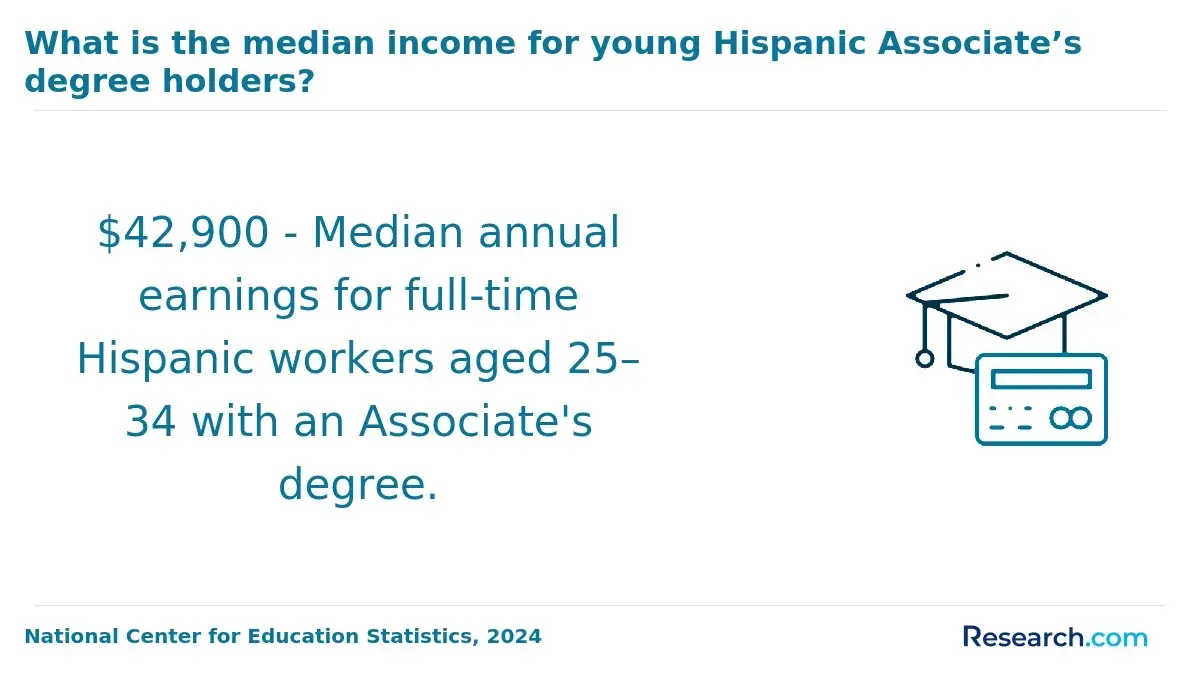
- Transfer Credits: Students entering with verified associate degrees or AP credits can bypass general education requirements, reducing time needed. This factor benefits accelerated students more, allowing them to start higher-level courses sooner than traditional tracks.
- Full-Time vs. Part-Time Enrollment: Full-time students typically progress faster, finishing accelerated programs in about three years, while part-time enrollees may extend traditional programs beyond four years due to lighter course loads.
- Course Intensity: Accelerated programs demand heavier coursework and summer sessions, requiring strong dedication. Traditional programs usually follow a lighter, more balanced academic load each semester.
- Advising and Eligibility: Early application, consistent academic performance, and regular advising are crucial to maintain pace in accelerated tracks, which often require higher GPAs and monitoring to meet graduation benchmarks.
- Acceptance to Advanced Programs: Combined BS/MS or BS/DVM pathways depend on competitive admissions, allowing students to earn graduate degrees in as few as five to seven years, considerably less than the two or more years beyond a bachelor's in traditional routes.
For students exploring options, many easy online degree programs accredited offer flexible pathways to fit varied schedules and goals.
What Are the Admission Requirements for Accelerated vs. Traditional Animal Science Programs?
Admission requirements for accelerated and traditional animal science programs often share common standards such as GPA, test scores, and prerequisite coursework, but they differ notably in how academic readiness and professional experience are evaluated. These variances influence the type of student each program attracts and the expectations placed on applicants from the outset.
Key distinctions between accelerated animal science program admission requirements and traditional animal science degree entry criteria include:
- Work Experience: Accelerated programs typically require significant early veterinary or animal-related experience, often demanding a minimum of 200 hours in clinical settings plus additional hours in research or related fields. Traditional programs usually have less stringent experience prerequisites, allowing students to gain practical exposure throughout their undergraduate years.
- Academic Performance: Accelerated pathways, like Cornell's 7-year BS/DVM track, set high GPA thresholds-commonly a minimum 3.7 early in college-highlighting sustained academic excellence. Traditional programs place emphasis on overall progress in core coursework and may not require standardized test scores, focusing more on completion of requisite credits than accelerated achievement.
- Prerequisite Courses and Transfer Credits: Accelerated admissions often insist on minimum grades of B in prerequisite courses and limit transfer credits to ensure direct mastery and preparedness. Traditional programs tend to be more flexible with course grades and transfer policies, targeting students who build qualifications over time.
- Application Timing and Evaluation: Students pursuing accelerated tracks apply earlier, frequently by their sophomore year, and undergo interviews and thorough assessments. Meanwhile, those following traditional animal science degree entry criteria generally apply using their high school records and can develop experience steadily during their studies.
Those interested in examining accelerated program pathways might explore options like a fast paced associates degree to complement their preparation for higher-level animal science studies.
How Are Accelerated Animal Science Courses Structured Compared to Traditional Ones?
Accelerated animal science courses condense the same comprehensive curriculum into a shorter period, allowing students to finish degrees faster than traditional programs. These accelerated tracks differ notably in pace, workload, and delivery methods, offering a distinct experience compared to standard timelines.
Key structural differences include:
- Course Length: Accelerated programs often allow completion of a bachelor's and master's in about five years or a bachelor's in two to three years, while traditional programs typically follow a four-year timeline. This suits students aiming to enter the workforce or graduate studies quickly.
- Weekly Workload: Students in accelerated tracks face heavier, more intensive workloads with overlapping assignments and limited breaks, requiring strong focus and motivation. Traditional formats spread coursework more evenly, benefiting those who prefer a steady pace with downtime.
- Instruction Style: Accelerated courses frequently use online or hybrid formats with virtual labs and remote assessments to support flexible scheduling. In contrast, traditional animal science programs emphasize face-to-face instruction and hands-on labs involving animal handling and fieldwork.
- Learning Outcomes: Despite differences in speed and delivery, both formats cover essential subjects like biology, nutrition, and genetics, with accredited institutions ensuring equivalent academic standards and competencies for all students.
How Much Do Accelerated Animal Science Programs Cost Compared to Traditional Programs?
Tuition and overall expenses for accelerated animal science degree programs often differ from traditional ones mainly due to shorter completion times. While the cost per credit hour tends to be similar, accelerated degrees typically cost less overall because students pay for fewer semesters and related fees.
Below are key cost comparisons between accelerated and traditional formats:
- Tuition Rate per Credit: Both accelerated and traditional programs usually charge comparable tuition per credit, ranging from approximately $272 for in-state to $581 for out-of-state online animal science courses at public universities.
- Program Duration and Total Cost: Accelerated degrees can be finished in two to three years, unlike the four years required by traditional tracks, reducing total tuition and associated expenses due to fewer semesters attended.
- Opportunity Cost: Students in accelerated programs enter the workforce up to two years earlier, potentially gaining $40,000 to $70,000 more in earnings compared to those in longer traditional programs.
- Additional Expenses: Both formats may involve costs for materials, technology, and course fees; however, accelerated students incur these expenses over a shorter period, lowering cumulative outlays.
- Financial Aid Access: FAFSA and institutional funding are generally available for both types, but faster-paced accelerated students might exhaust aid eligibility quicker because of heavier course loads.
What Financial Aid Is Available for Accelerated vs. Traditional Animal Science Degrees?
Students pursuing both accelerated and traditional animal science degrees can access financial aid, but differences in program length and enrollment status often affect eligibility and funding schedules. Understanding these distinctions helps students plan better for tuition and related expenses.
Here is a breakdown of key financial aid factors for each program type:
- Federal Aid Eligibility: Both formats require FAFSA completion for federal loans and grants. Traditional programs generally align smoothly with standard disbursement timelines, while accelerated courses may need adjustments due to condensed semesters.
- Scholarship Timelines: Scholarships are available for both, often merit- or need-based. However, accelerated students must carefully time applications since some awards correspond to traditional academic calendars.
- Employer Tuition Assistance: Available to working students in both tracks, but accelerated learners may benefit more given their professional status. Program restrictions on enrollment hours can still apply.
- Aid Disbursement and Renewal: Accelerated pacing may cause financial aid to be split or delayed across shorter terms, requiring students to coordinate with aid offices to maintain funding continuity.
Reflecting on this, a professional who completed an accelerated animal science degree shared how managing financial aid was both challenging and rewarding. He described the process as "a balancing act," needing frequent communication with the financial aid office to align disbursements with fast-moving semesters. While it was occasionally stressful, he emphasized that diligent planning and persistence made it doable. "Knowing the timelines and being proactive meant I never missed out on necessary funding," he recalled. This experience underscores the importance of staying informed and engaged when navigating aid in accelerated programs.
What Kind of Student Support Do Accelerated vs. Traditional Animal Science Programs Offer?
Student support is vital for academic success, and accelerated and traditional animal science programs often vary in how, when, and what services they provide. Understanding these differences can help students decide which program best fits their learning style and needs. Here is a comparison of common support services in both formats.
- Academic Advising: Traditional programs usually provide face-to-face advising sessions each semester, fostering long-term mentor relationships. Accelerated programs rely more on virtual appointments and flexible communication, which may be faster but less personal.
- Tutoring: On-campus programs often offer in-person tutoring and peer-led study groups, creating hands-on learning experiences. Accelerated formats typically use online tutoring platforms with recorded materials, which offer convenience but sometimes less immediate interaction.
- Career Services: Traditional degrees commonly feature in-person career fairs, internships, and local networking opportunities. Accelerated programs focus on virtual workshops, digital resume reviews, and online job resources, providing flexibility but fewer direct industry contacts.
- Peer Interaction: Traditional students benefit from frequent face-to-face collaboration and study groups, while accelerated students usually engage through online forums and scheduled virtual meetings, which can limit spontaneous connections.
Do Graduates from Accelerated vs. Traditional Animal Science Programs Get Hired More Quickly?
Employment outcomes are a crucial factor when choosing between accelerated and traditional animal science programs. Both formats offer solid career prospects, but several key elements shape how quickly graduates find jobs. Below is a comparison of hiring trends and influential factors affecting graduates from each program type.
Several important insights explain the differences in job placement speed and outcomes:
- Employer Perception: Traditional animal science degrees are often viewed more favorably due to their comprehensive, hands-on training and internship opportunities. Accelerated program graduates sometimes face doubts about practical experience, although this perception is gradually shifting as online education becomes more accepted.
- Career Readiness: Graduates of traditional programs generally secure specialized roles more readily, benefiting from extensive practical exposure. In contrast, accelerated programs enable quicker workforce entry, particularly for technician or assistant positions, but may require additional skill development to reach the same proficiency.
- Industry Demand: Steady growth in the veterinary and animal science fields is driving demand across all program types. Accelerated and online graduates can capitalize on the need for quickly trained professionals to fill emerging roles.
- Job Placement Speed: Data indicates that accelerated and online graduates tend to obtain entry-level jobs faster, whereas traditional degree holders more often achieve advanced or niche placements over time.
When I spoke with a professional who graduated from a traditional animal science degree, she reflected on her job search experience with a positive outlook. She noted that her program's hands-on labs and internships gave her confidence but also a sense of readiness that set her apart during interviews. While the search took some weeks, the network she built through the program and the depth of her knowledge enabled her to secure a specialized technician role relatively quickly. She described feeling both challenged and supported by the process, emphasizing that the real-world skills she gained were crucial in standing out, even if it wasn't an instant hire right after graduation.
Are Accelerated Animal Science Degrees Accredited the Same Way as Traditional Programs?
Accreditation ensures academic quality and legitimacy for both accelerated and traditional animal science programs, regardless of their pacing or delivery format. This process is vital because it affects students' eligibility for federal financial aid, the transferability of credits between institutions, and recognition by future employers.
Both types of programs must meet rigorous criteria to maintain these standards, providing assurance that their curriculum, faculty, and resources align with industry and academic expectations. The established accreditation standards for accelerated animal science degrees emphasize consistency and quality to protect students and support their professional goals.
The animal science program accreditation process in the United States typically applies equally to accelerated and traditional degrees, involving peer review and evaluation by regional or programmatic accrediting bodies such as the American Society of Animal Science (ASAS). While the accreditation criteria are consistent, accelerated programs might structure coursework more intensively to comply with these requirements within a shorter timeframe.
Students are strongly advised to verify that their chosen institution holds current accreditation, ensuring their degree is widely recognized and valuable. For those exploring financial support, it is also important to consider attending schools that accept Pell Grants, which often require enrollment in accredited programs.
How Do You Choose Between an Accelerated vs. Traditional Animal Science Degree?
Choosing between an accelerated and a traditional animal science degree depends largely on your career goals, schedule flexibility, and preferred learning pace. Both degree options offer distinct advantages tailored to different personal circumstances. Below are the main factors you should evaluate when deciding which path fits you best.
Key decision factors include:
- Time Commitment: Accelerated degrees compress coursework into shorter terms, sometimes as brief as four or eight weeks, enabling completion faster than the typical four-year traditional path. However, this intense pace may not suit students who need a more balanced schedule or have significant outside responsibilities.
- Learning Style: Traditional animal science programs offer extended semesters and greater opportunities for hands-on learning and on-campus experiences, which are critical in disciplines emphasizing laboratory and fieldwork. Accelerated options often rely more on online or condensed instruction, potentially limiting direct animal handling or networking opportunities.
- Career Goals: If your priority is entering competitive postgraduate programs or gaining in-depth experiential learning, the traditional route may provide a stronger foundation. Conversely, if you want to enter the job market or advance quickly, accelerated programs offer speed and flexibility. For example, the University of Maryland's combined agriculture/pre-veterinary accelerated program allows qualified students to begin veterinary school after three years, applying those credits toward a bachelor's degree - though acceptance is highly competitive.
When researching the best accelerated vs. traditional Animal Science degree programs, consider which format aligns with your lifestyle and ambitions. Understanding how to decide between accelerated and traditional Animal Science degrees will help you choose a pathway that fits your personal and professional goals. For students seeking affordable options, exploring the cheapest online university for bachelor's degree offerings can also be a strategic step.
What Students of Accelerated vs. Traditional Animal Science Programs Say About Their Degree
- Truce: "Enrolling in a traditional animal science program gave me a strong foundation in both theory and hands-on experiences with livestock. Although the pace sometimes felt slow, especially compared to what I imagined an accelerated program might be, I appreciated having more time to absorb complex topics and connect with professors. The cost was manageable through scholarships, but it's important to plan for additional expenses like field trips and equipment. Overall, this degree has opened doors to meaningful career opportunities in veterinary research."
- Jorge: "Balancing coursework and real-world applications in my traditional animal science degree has been rewarding, though the four-year timeline can feel like a commitment for both time and finances, with average tuition hovering around moderate rates. I've gained valuable skills that have strengthened my practical understanding of animal health and nutrition, making the slower pace worthwhile for deeper learning. The experience has definitely shaped my professional goals, especially in sustainable farming."
- Luca: "Pursuing an accelerated animal science program was intense but incredibly rewarding for me. The fast pace meant I had to stay highly organized and committed, and while it was more expensive upfront, I saved on living costs by finishing quicker. This program really challenged me but fast-tracked my career readiness in animal nutrition, giving me a competitive edge in job applications right after graduation. The demanding schedule wasn't for everyone, but I found that the immersive learning suited my goals perfectly."
Other Things You Should Know About Traditional vs. Accelerated Animal Science Degrees
Accelerated animal science degrees often focus on delivering key foundational knowledge quickly, which may limit opportunities for deep specialization compared to traditional programs that allow more time for elective courses and research projects. Students seeking niche expertise may find traditional routes more favorable.
Traditional animal science programs often offer more flexibility for internships and hands-on experiences due to their longer duration. Accelerated programs may have a more condensed schedule, which can limit the time available for extensive fieldwork or externships. Nonetheless, some accelerated programs incorporate practical components efficiently to ensure students gain relevant real-world experience.
The workload in accelerated animal science programs is typically heavier and more intense due to the faster pace of study, which can increase stress levels. Traditional programs spread coursework over a longer period, allowing more time to assimilate material and balance extracurricular activities. Prospective students should assess their ability to manage time and stress when choosing between the two formats.
References
- Future career - BSc Animal Sciences https://www.wur.nl/en/education-programmes/bachelor/bsc-programmes/bachelors-animal-sciences/future-career-bsc-animal-sciences.htm
- Year 1 (Graduate Transition Year) https://www.rvc.ac.uk/study/undergraduate/bvetmed-graduate-accelerated
- Animal science program accreditation? This is the future https://pmc.ncbi.nlm.nih.gov/articles/PMC7377515/
- College of Agriculture and Life Sciences https://catalog.ncsu.edu/undergraduate/agriculture-life-sciences/animal-science/animal-science-bs-veterinary-bioscience-concentration/
- Graduate Programs https://cals.ncsu.edu/animal-science/students/graduate/
- Undergraduate Program Degrees https://sas.vt.edu/academics/undergraduate-hub/undergraduate-program.html
- Cost of Attendance https://vetmed.wsu.edu/education/dvm/cost-of-attendance/
- FAQs https://ansc.umd.edu/undergraduate/faqs
- Bachelor's Degree (BS) in Animal Sciences https://academics.uky.edu/programs/bachelors/animal-sciences
- Comparison of NCLEX-RN Pass Rates between Accelerated and Traditional Prelicensure BSN Programs https://www.gavinpublishers.com/article/view/comparison-of-nclex-rn-pass-rates-between-accelerated-and-traditional-prelicensure-bsn-programs


