
2027 How To Become a Phlebotomist in Arkansas

Co-Founder and Chief Data Scientist
Arkansas offers a promising path for those interested in becoming a phlebotomist, with employment for medical technicians projected to grow by 12% in the next decade. This growth reflects a steady demand for healthcare professionals skilled in blood collection and testing, making it a solid career choice. Wages are competitive, and job opportunities spread across hospitals, clinics, and labs in both urban and rural areas.
This article, crafted by career planning experts, breaks down how to become a phlebotomist in Arkansas. It covers essential steps, training options, certification details, and local insights to help readers navigate their journey efficiently and confidently.
Key Things to Know About Becoming a Phlebotomist in Arkansas
- Complete a phlebotomy training program approved in Arkansas, which usually takes 4 to 8 months to finish and combines classroom learning with hands-on practice.
- Get certified through nationally recognized bodies like the NHA or ASCP since Arkansas employers prefer certified phlebotomists, boosting your job prospects in a growing healthcare market.
- Expect an average annual salary around $36,000 in Arkansas, with job openings increasing due to an expanding healthcare industry and aging population.
- What are the education requirements to become a phlebotomist in Arkansas?
- What subjects are taught in phlebotomy classes in Arkansas?
- Do you need a state license to work as a phlebotomist in Arkansas?
- What phlebotomy certifications are recognized in Arkansas?
- Where can you find accredited phlebotomy training programs in Arkansas?
- How much does phlebotomy training cost in Arkansas?
- What skills are required to become a successful phlebotomist in Arkansas?
- Where do phlebotomists typically work in Arkansas?
- What is the average salary for phlebotomists in Arkansas?
- What are the best ways to grow your phlebotomy career in Arkansas?
What are the education requirements to become a phlebotomist in Arkansas?
Proper education and training are crucial for phlebotomists to confidently and safely collect blood samples in clinical and laboratory settings. Having the right skills helps reduce patient discomfort, ensures accurate test results, and supports smooth healthcare operations. Here's a quick rundown of the phlebotomy education requirements Arkansas students should know before starting their journey.
- High School Diploma or Equivalent: To get into any phlebotomy technician training programs Arkansas offers, you'll need at least a high school diploma or GED. This basic education sets the foundation, making sure you have the reading, writing, and communication skills needed to thrive in your coursework and in professional settings.
- Completion of a State-Approved Phlebotomy Training Program: You must finish an approved program, often found at community colleges or technical schools, that lasts about 8 to 16 weeks. These programs combine classroom learning with hands-on practice, helping you build the technical know-how to perform blood draws competently.
- Classroom and Clinical Instruction Hours: The training includes both theory and hands-on clinical hours, typically totaling between 48 and 150 hours. This mix ensures you gain real-world experience, including completing a set number of successful blood draws, so you're fully prepared to work in medical environments.
- Eligibility for National Certification Exam: While Arkansas doesn't require a state certification, finishing a state-approved program makes you eligible to take national certification exams like the ASCP or NHA. Many employers prefer or require these credentials to confirm your skills meet industry standards.
- Additional Requirements and Screenings: Programs usually ask you to be at least 18, show proof of immunizations, and pass background and drug screenings before clinical work. These steps help ensure safety for both you and the patients you'll serve.
For related information on healthcare career options, check out medical billing and coding jobs.
What subjects are taught in phlebotomy classes in Arkansas?
Getting a solid grip on what's taught in phlebotomy programs can make a huge difference when you're training to safely collect blood, keep patients comfortable, and make sure lab results are spot-on. Knowing the right subjects prepares you to handle everything from the technical stuff to the professional side of this healthcare role. Here's a quick look at the main topics covered in a typical phlebotomy course curriculum in Arkansas.
- Anatomy and Physiology: This dives into how the human body works, especially the circulatory system and veins used for blood draws. Understanding this helps you pick the best spots to draw blood and avoid any complications during the process.
- Medical Terminology: Learning the healthcare lingo is key for reading orders correctly and communicating clearly with the medical team. It helps cut down errors and keeps your records precise.
- Venipuncture and Capillary Collection Techniques: You'll get hands-on with drawing blood from veins and capillaries, learning the right tools, order of draw, and methods for all kinds of patients. Getting these techniques down means less discomfort for patients and better quality samples.
- Specimen Handling and Processing: This covers everything from labeling samples to transporting and prepping them for tests. Following these steps carefully protects the integrity of your work and prevents mistakes in lab results.
- Infection Control and Safety Procedures: Training here focuses on using protective gear, proper handwashing, and safe needle use to keep both you and your patients safe from infections.
- Patient Communication and Professionalism: You'll learn how to build trust, explain procedures clearly, and ease patient nerves. Solid communication skills help make the whole experience better for everyone involved.
- Legal, Ethical, and Regulatory Issues: It's important to know the laws and ethical rules about patient privacy and lab practices so you can work responsibly and within healthcare guidelines.
- Quality Assurance and Laboratory Standards: This teaches you how to double-check your work and avoid errors, making sure every sample is handled correctly for reliable diagnosis.
- Special Populations and Difficult Draws: Special techniques for working with kids, elderly, or patients with tricky veins ensure you're ready for any situation.
If you're curious about related healthcare certifications, you might want to check out this comparison of certified professional coder vs certified billing and coding specialist certification similarities and differences.
Do you need a state license to work as a phlebotomist in Arkansas?
No, you do not need a state license to work as a phlebotomist in Arkansas. The state doesn't require formal licensure but relies more on employer-based standards and voluntary certification programs. This means hospitals, clinics, and labs usually expect you to have certification from recognized bodies like the American Society of Phlebotomy Technicians or the National Healthcareer Association. While it's not legally mandatory, having certification is basically a ticket to get your foot in the door and stand out among other candidates. The system leans heavily on employers setting their own criteria, so being certified helps you meet those expectations and get hired more easily.
The way Arkansas handles phlebotomy practice makes it important to know what employers want since their requirements often shape your job prospects more than state rules do. Without a licensing barrier, it's often a quicker path into the field, but skipping certification can limit your opportunities in many healthcare settings. So, keeping up with these certification norms gives you a real advantage and opens doors across the state's medical facilities. Knowing these details upfront helps you plan your training and job search efficiently, making sure you're prepared to meet the standards where you want to work.
What phlebotomy certifications are recognized in Arkansas?
While Arkansas does not legally require phlebotomy certification, having a nationally recognized credential really helps meet employer expectations, boost job opportunities, and show professional credibility. Most healthcare employers in Arkansas prefer or require candidates who have completed an accredited training program and earned certification, as it proves you're skilled and ready to provide quality patient care. If you're looking into Arkansas phlebotomy technician certification requirements, here are the main certifications employers value:
- National Healthcareer Association (NHA) Certified Phlebotomy Technician (CPT): This is one of the most popular certifications in Arkansas. The NHA exam costs around $200 and comes with study guides and practice exams to prepare you. Many training programs in the state gear students specifically to pass this credential, which shows you understand basic phlebotomy techniques and safety procedures.
- American Society for Clinical Pathology (ASCP) Phlebotomy Technician (PBT): Often seen as the gold standard, the ASCP certification requires completion of an approved course and passing a tough exam. It's highly respected by labs and hospitals throughout Arkansas for demonstrating advanced skills in venipuncture, specimen handling, and quality assurance.
- American Medical Technologists (AMT) Registered Phlebotomy Technician (RPT): Another respected option, AMT's credential requires finishing an accredited program and passing their exam. It certifies your knowledge in blood collection, infection control, and ethics, which Arkansas employers recognize as proof of professional standards.
- American Allied Health (AAH) Certified Phlebotomy Technician: Many Arkansas-based training programs prepare students for this certification. It covers blood draws for patients of all ages and proper specimen prep, making it a common credential accepted by employers across the state.
If you want to get a clear picture of phlebotomy roles and training, learning what is the difference between medical billing and coding can also be helpful for understanding related healthcare careers.
Where can you find accredited phlebotomy training programs in Arkansas?
Choosing an accredited phlebotomy training program in Arkansas is a smart move if you want solid education, eligibility for certification exams, and a foot in the door of the local healthcare job market. Accredited programs guarantee you're learning up-to-date skills that employers value and that you meet industry standards. Here's a quick rundown of where you can find these trusted programs around the state:
- Community Colleges: Schools like North Arkansas College and Arkansas State University Mid-South offer certificate programs combining classroom lessons with hands-on clinical work. These programs prepare you well for national certification exams, and you can usually verify accreditation by checking the school's website or accrediting bodies like NAACLS.
- Vocational and Technical Schools: Institutions such as Southeast Arkansas College and Arkansas College of Health Careers focus on practical training in shorter time frames. They're typically accredited by national agencies, and it's smart to confirm their status through the school or admissions office before enrolling.
- Hospitals and Healthcare Systems: Some local hospitals run their own phlebotomy training, often alongside colleges. These include supervised clinical practice and usually meet accreditation standards that you can verify through hospital websites or health departments.
- Private Career Institutes: These schools offer fast-paced or hybrid phlebotomy programs and are usually accredited by recognized agencies like the National Healthcareer Association. Checking with the Arkansas Department of Higher Education or accrediting agency directories helps confirm their legitimacy.
- Adult Education and Workforce Centers: Places like National Park College provide affordable or even free training through workforce initiatives. These programs combine instruction with externships, and you can confirm accreditation by asking the coordinators or reviewing official information.
A phlebotomist from Arkansas shared how navigating these options felt at first like trying to find a hidden key. Graduating from a local community college, he recalled, "It wasn't always clear which programs were officially recognized or would actually help me get certified." He emphasized how important it was to dig into program details and reach out directly to schools to double-check accreditation. "Once I found a program with a solid reputation and good clinical experience, everything clicked into place." His story highlights that while accredited programs are out there, doing a bit of homework upfront can make the whole process less overwhelming and set you up for success.
How much does phlebotomy training cost in Arkansas?
Phlebotomy training costs in Arkansas can really differ depending on where you choose to study. Public community colleges usually offer lower prices compared to private training centers or specialized institutes. The program length and whether the school is public or private also play a big role in the overall cost. Here's a quick breakdown of the typical expenses you'll want to plan for when considering phlebotomy training in Arkansas:
- Tuition and Fees: This is usually the biggest part of your budget, covering classes, lab work, and other administrative costs. Expect to pay anywhere from about $620 at smaller private centers to around $1,480 at larger public schools for an 8-week program. Some programs even offer free tuition to qualifying Arkansas residents.
- Books and Supplies: You'll need textbooks, manuals, and basic supplies like gloves and specimen tubes. These usually cost around $150 but might be included in tuition for some public programs.
- Uniforms and Equipment: Most schools require scrubs and sometimes extra protective gear. Costs here vary-some schools bundle this into tuition, while others charge separately, with uniforms often being non-refundable.
- Certification Exam Fees: After training, you'll have to take a certification exam which generally costs between $125 and $150. Some programs include this fee, but it's good to check ahead.
- Background Checks and Other Fees: Background checks, lab fees, and technology fees can add about $150 or more, depending on the school's requirements.
What skills are required to become a successful phlebotomist in Arkansas?
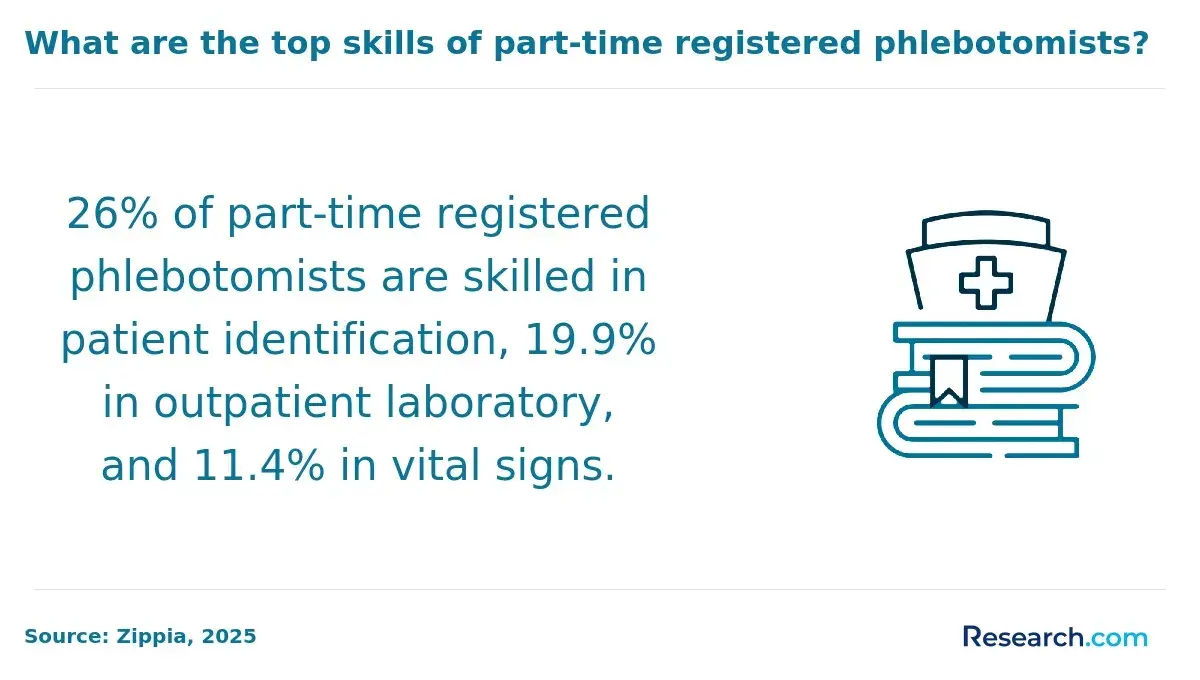
To succeed as a phlebotomist in Arkansas, you need a solid mix of skills that ensure patient comfort, safety, and accuracy in blood collection. These skills help build trust with patients while maintaining high standards in healthcare settings across the state. Here's a quick look at the key abilities you'll want to develop to stand out in this field:
- Attention to Detail: Keeping specimen labels accurate and patient IDs correct stops costly mistakes and keeps everyone safe.
- Technical Proficiency: Knowing your way around venipuncture and specimen handling means smooth, successful blood draws every time.
- Communication Skills: Being clear and friendly helps ease patient nerves and makes the procedure easier for both sides.
- Professionalism: Respecting privacy and acting ethically builds trust and keeps your workplace running smoothly.
A phlebotomist from Arkansas who graduated from a local program shared how building these skills wasn't always easy. "At first, I felt nervous about making mistakes during venipuncture, but with tons of practice and feedback, I gained confidence," she said. Her trainers pushed her to focus on getting every detail right, not just the blood draw technique. She also talked about the importance of empathy, especially when dealing with scared patients, which helped her connect and calm them down. Reflecting back, she described the journey as both challenging and rewarding-"Once the skills clicked, I felt ready and proud to step into the job."
Where do phlebotomists typically work in Arkansas?
Phlebotomists play a key role in many healthcare settings across Arkansas, helping with everything from diagnostic testing to patient care and even medical research. Their precision and care ensure lab results are accurate and doctors have what they need to make smart treatment choices. If you're exploring phlebotomy jobs in Arkansas, here's a quick look at the typical workplaces where these skilled pros make a difference:
- Hospitals: Phlebotomists here draw blood from both inpatients and outpatients, support urgent lab needs, and assist emergency departments. It's a fast-paced environment that often requires shift work and managing lots of specimens, directly impacting patient care speed and accuracy.
- Diagnostic Laboratories: In labs, phlebotomists focus on collecting, labeling, and prepping samples for testing. Their careful attention makes sure test results are reliable, which truly supports clinical decisions behind the scenes.
- Blood Donation Centers: These centers rely on phlebotomists to collect blood from donors and check their eligibility. Their efforts help maintain a steady blood supply for hospitals and emergency response, plus they often get involved with community drives.
- Outpatient Clinics: Working in clinics, phlebotomists assist patients during routine checkups or ongoing treatments. This role supports regular health monitoring and early issue detection, fitting perfectly within Arkansas phlebotomist employment settings.
- Physician's Offices: Phlebotomists here handle blood draws and sample management, often serving as a friendly bridge between patients and lab personnel. Their work ensures quick processing and encourages patient comfort during procedures.
If you're interested in training options or want to boost your credentials, you might also consider free medical billing and coding online courses with certificates to expand your healthcare skill set.
What is the average salary for phlebotomists in Arkansas?
Salaries for phlebotomists in Arkansas can vary quite a bit depending on a few key factors like location, experience level, and the type of employer. For example, how much you make in a big city like Little Rock can be different than working in a rural area, and someone just starting out typically earns less than a more seasoned pro. If you're curious about the average phlebotomist salary in Arkansas and what drives those numbers, here are some important points to consider:
- Years of Experience: Starting salaries for phlebotomists in Arkansas hover around $29,126 annually, but once you build up a few years under your belt, it can jump to nearly $39,000. Experience helps you get more skilled and reliable, which employers definitely reward with better pay.
- Workplace Setting: The type of facility you work in makes a difference too. Hospitals and diagnostic labs often pay more than outpatient clinics or plasma centers. For instance, phlebotomists at CSL Plasma earn below the state average, showing how the setting really matters.
- Geographic Region: Urban areas tend to offer higher wages thanks to greater demand and living costs. Meanwhile, rural locations might offer fewer jobs and lower pay, affecting what you take home.
- Additional Certifications and Specializations: Earning certificates beyond the basics can open doors to higher-paying roles. Employers value these extra skills, so investing in certifications can boost your salary prospects.
If you want to explore education options that could help you get started or advance your career, check out these best accredited online schools for medical billing and coding that might offer relevant training and financial aid.
What are the best ways to grow your phlebotomy career in Arkansas?
If you're looking to grow your phlebotomy career in Arkansas, it's smart to go beyond just the basics. Getting nationally recognized certifications like the NHA Certified Phlebotomy Technician or ASCP Phlebotomy Technician can really boost your job prospects and pay. Arkansas employers often prefer certified pros, so it's worth the effort. Keep your skills sharp by taking continuing education courses offered at places like SAU Tech or Arkansas State University-Newport, and consider attending workshops or webinars through organizations like the Arkansas Society for Clinical Laboratory Science.
Networking is another key-joining professional associations can connect you with mentors and local job leads. Plus, gaining hands-on experience through clinical externships with area hospitals or clinics will make your resume stand out. With time and experience, there are plenty of paths to move up in hospitals, labs, or even teaching roles at community colleges. Arkansas has lots of great local opportunities waiting for motivated phlebotomists ready to take the next step.
What Do Phlebotomists in Arkansas Say About Their Career?
- Completing my phlebotomy training at Little Rock Technical Academy was truly a turning point. The hands-on experience I gained prepared me well for starting my career working in a local school environment where I get to interact daily with students from diverse backgrounds. It's incredibly rewarding to know that my work directly contributes to improving young students' health and peace of mind during medical procedures. Arkansas' close-knit communities make the connections I build even more meaningful. I love how this career blends technical skills with compassionate care. Darvy
- After finishing my program at Ozark Healthcare Institute, I embarked on a career as a phlebotomist in an academic setting. The job stability here in Arkansas has been a huge relief, and I appreciate the unique challenges we face, such as addressing healthcare disparities in rural areas. This role has pushed me to grow professionally and personally, allowing me to become a stronger advocate for accessible student healthcare services. There's a real sense of fulfillment knowing my efforts help students feel safe and supported during their health assessments. Thalia
- Training at Pine Bluff Medical Academy gave me the foundation to thrive in my phlebotomy career while making a positive impact in my community. Working with youth in Arkansas schools is more than a job-it's a chance to educate and empower young people about their health. The state's rich cultural diversity and close community ties offer unique opportunities for professional development and innovation, especially in preventive care. I feel proud to contribute not just professionally but as a community leader committed to well-being. Joey
Related Articles for Nearby States
- 2027 How To Become a Phlebotomist in Missouri
- 2027 How To Become a Phlebotomist in Oklahoma
- 2027 How To Become a Phlebotomist in Tennessee
- 2027 How To Become a Phlebotomist in Mississippi
- 2027 How To Become a Phlebotomist in Louisiana
- 2027 How To Become a Phlebotomist in Texas
- 2027 How To Become a Phlebotomist in Kentucky
- 2027 How To Become a Phlebotomist in Kansas
- 2027 How To Become a Phlebotomist in Alabama
- 2027 How To Become a Phlebotomist in Illinois
References:
- Phlebotomy Tech: 7 Common Myths Debunked https://calregional.com/blog/phlebotomy-tech-7-common-myths-debunked/
- School of Health Sciences Phlebotomy https://asumh.edu/degrees-and-programs/health-sciences/degree/70
- Phlebotomy Training Program - Arkansas JobLink https://www.arjoblink.arkansas.gov/etp/public/institution_programs/483757
- 81 Phlebotomist jobs in Little Rock https://www.linkedin.com/jobs/phlebotomist-jobs-little-rock-ar
- Phlebotomy Certification Rogers Arkansas — NPS https://npscerts.com/phlebotomy-certification-rogers-arkansas/
- Phlebotomy Technician https://training.uark.edu/portal/training
- Phlebotomist https://www.healthcareers.nhs.uk/explore-roles/wider-healthcare-team/roles-wider-healthcare-team/clinical-support-staff/phlebotomist
- Phlebotomy - Black River Technical College https://blackrivertech.edu/college-coursework/academic-units/allied-health/phlebotomy/
- Phlebotomist salary https://www.careerexplorer.com/careers/phlebotomist/salary/arkansas/
- Phlebotomy Technician CP = Certificate of Proficiency | 1 semester https://www.northark.edu/academic-programs/phlebotomy-technician/cp/
Other Things You Should Know About Becoming a Phlebotomist in Arkansas
To enroll in a phlebotomy program in Arkansas in 2027, you typically need a high school diploma or GED. Programs may also require a background check and proof of immunizations. Some might ask for CPR certification or specific health screenings. Always verify with the specific institution.
To be certified as a phlebotomist in Arkansas in 2027, aspiring professionals must complete a phlebotomy training program accredited by a recognized institution and successfully pass a national certification exam, such as those offered by the American Society for Clinical Pathology or the National Healthcareer Association.


