2027 Highest-Paying Jobs You Can Get With a Nursing Education Degree

Co-Founder and Chief Data Scientist
Choosing a nursing education degree can present a complex dilemma-how to balance the substantial time and financial investment against the tangible wage premium graduate credentials offer. Professionals equipped with advanced licensure and certifications often command salaries up to 25% higher than those with only a bachelor's degree. However, regional industry demand and employer types influence income significantly, creating variability in return on investment. For mid-career changers and prospective students alike, understanding these disparities is crucial to making informed, financially sound decisions. This article explores the decisive factors shaping salary outcomes and career trajectories for nursing education graduates-helping readers align their goals with realistic earnings expectations.
Key Things to Know About the Highest-Paying Jobs You Can Get With a Nursing Education Degree
- Graduate credentials in nursing education typically yield a wage premium ranging from 10% to 20% over bachelor-level qualifications-enhancing earning potential significantly across diverse roles.
- Professional licensure and certifications-such as the Certified Nurse Educator credential-can boost salaries by up to 15% by validating specialized expertise and increasing employer demand.
- Compared to alternative pathways, nursing education degrees offer a strong return on investment, with median salaries in education and clinical roles often exceeding those requiring only associate degrees by 25% or more.
What Exactly Does a Nursing Education Degree Qualify You to Do in Today's Job Market?
A nursing education degree prepares individuals to develop, deliver, and evaluate educational programs for nursing students and practicing nurses-a role defined by the U.S. Bureau of Labor Statistics (BLS) and industry bodies as essential for advancing clinical competence and teaching evidence-based practices. Graduates with this credential are positioned to work in academic institutions, healthcare facilities, and community settings focused on professional nursing education and competency development.
Key competencies that distinguish nursing education degree holders from peers relying solely on on-the-job experience include:
- Technical Expertise: Comprehensive knowledge of nursing procedures, patient care standards, and healthcare technology to train learners effectively.
- Analytical Skills: Capacity to assess and refine curricula, ensure adherence to accreditation requirements, and incorporate advances in healthcare education.
- Interpersonal Abilities: Strong communication and mentoring skills critical for collaboration with clinical teams and fostering supportive learning environments.
It is important to note that a nursing education degree does not itself confer licensure to practice as a registered nurse-graduates must obtain required licenses such as RN or advanced certifications to enter clinical roles. The degree primarily opens credential-gated career paths in academia, training leadership, and administrative roles within healthcare organizations, rather than direct patient care positions without licensure.
Among the highest-paying nursing education jobs are university nurse educators, clinical instructors in specialized fields, and nurse administrators charged with staff development. These roles typically require master's or doctoral degrees.
Many prospective students seeking advanced credentials may consider pathways like the online DNP programs, which combine flexible learning with strong earning potential. Evaluating the highest-paying nursing education jobs by specialization and degree level can help candidates align their career choices with long-term income goals and industry demand.
Which Nursing Education Jobs Command the Highest Salaries Right Now?
Several nursing education jobs command top salaries, shaped by degree level, specialization, and work setting-critical details for anyone exploring the highest-paying nursing education jobs in the United States. According to the most recent BLS Occupational Employment and Wage Statistics and the National Compensation Survey, these roles consistently offer competitive wage tiers that reflect experience and credentialing.
- Nurse Anesthetists: These professionals top the list with median salaries exceeding $180,000 annually, the 75th percentile around $200,000, and the highest earners making over $220,000. Holding graduate-level nursing education degrees and advanced practice licensure-especially certification in anesthesia-significantly impacts compensation.
- Nurse Practitioners with Education Credentials: Combining clinical practice with academic or staff training functions, these nurse practitioners earn a median of about $120,000, with top 25% salaries near $140,000 and potential highs approaching $160,000 in high-demand markets or specialties.
- Clinical Nurse Educators: Often based in hospitals or universities, these educators command median wages near $85,000, rising to roughly $100,000 at the 75th percentile, and surpassing $115,000 for seasoned professionals holding a Master of Science in Nursing (MSN) or comparable qualifications.
- Healthcare Training and Development Managers: Nearly managerial roles with a focus on nursing education, these managers have median salaries around $110,000, with top earners making up to $150,000, boosted by leadership experience in training programs.
- Academic Nurse Faculty: Faculty salaries vary widely-from $75,000 to $95,000 median, rising above $110,000 for doctoral holders in research-heavy institutions. Degree level, tenure status, and institution type influence pay.
- Credential Competition: Nursing education degree holders often compete with professionals like physician assistants, public health specialists, and healthcare administrators. In overlapping career areas, advanced nursing education degrees combined with relevant certifications and clinical experience deliver measurable salary advantages.
- Factors Influencing Salary: Geography critically affects earnings; urban healthcare hubs and high-cost states generally offer superior pay. Employer types such as private hospitals, specialized clinics, and research universities tend to compensate more generously than community colleges or government agencies. Specializations like anesthesia, pediatrics, geriatrics, and informatics often come with salary premiums.
- Return on Investment: Evaluating the financial value of a nursing education degree means considering these salary differentials alongside potential alternatives-such as earning a bachelor of science in healthcare administration. Understanding which credential aligns best with your income goals and risk tolerance is essential for making a confident enrollment decision.
How Does Degree Level-Bachelor's vs. Master's vs. Doctoral-Affect Nursing Education Earning Potential?
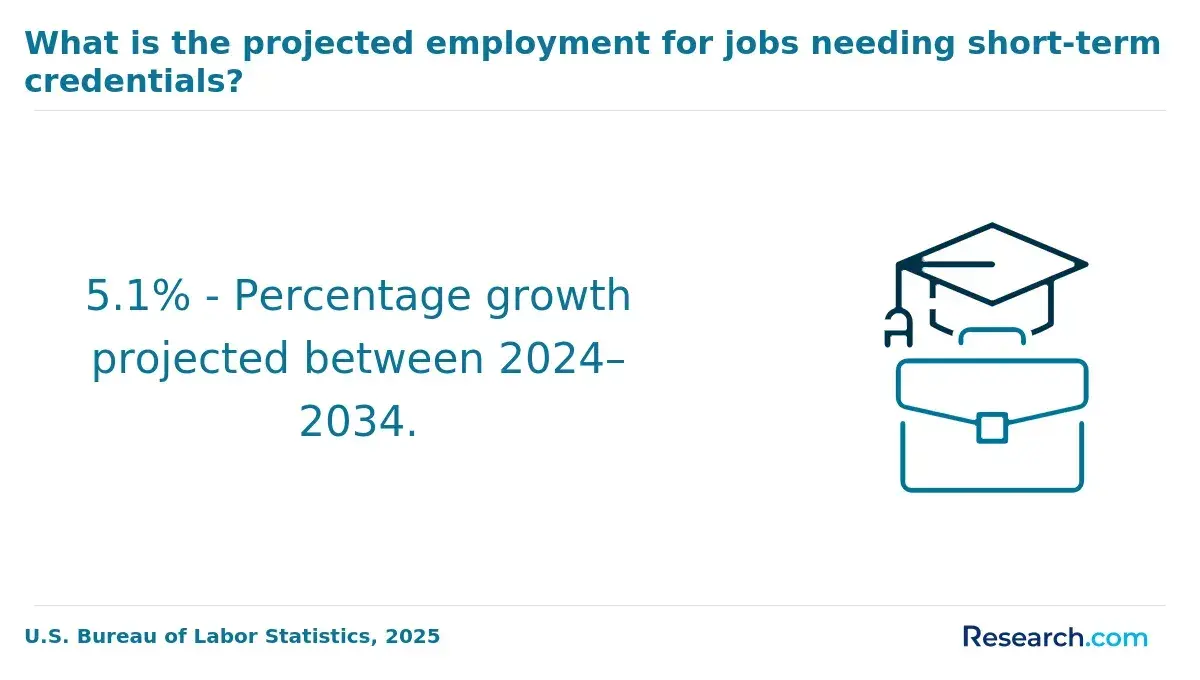
Degree attainment significantly influences earning potential within nursing education, with notable salary gaps between bachelor's, master's, and doctoral degree holders. Data from the Bureau of Labor Statistics and the College Scorecard reveal advanced degrees generally lead to higher compensation, though the impact varies by role and sector.
- Bachelor's Degree: Positions requiring a bachelor's are often entry-level or clinical instructor roles paying between $60,000 and $75,000 annually. These jobs typically emphasize practical training and exclude administrative or extensive research duties.
- Master's Degree: Holding a master's unlocks higher-paying opportunities such as faculty roles, curriculum development, and program coordination, with median salaries around $75,000 to $95,000. Master's credentials are commonly required by licensing bodies and employers for college-level teaching and managing clinical education programs.
- Doctoral Degree: Doctoral degrees-professional (DNP) or research (PhD)-are essential for top-tier roles including nursing education administration, senior faculty positions focused on research and policy, and academic leadership. Salaries often surpass $100,000, reflecting the advanced knowledge, leadership, and research expertise these positions demand.
A critical factor for prospective students is the time-to-payoff. Graduate programs typically take 2 to 4 years, during which tuition and lost income must be balanced against future salary gains. A master's degree often provides the most readily accessible salary boost, while doctoral studies involve higher upfront costs but may offer greater leadership or research compensation over time.
Those starting with a related bachelor's-such as nursing or health sciences-can navigate clear pathways to maximize credential efficiency. Career changers should assess whether bachelor-level roles meet their financial aims or if pursuing graduate credentials directly better suits their income goals. Recognizing licensure and certification requirements alongside degree prerequisites is vital for charting the most lucrative nursing education career trajectory.
Which Industries and Employers Pay Nursing Education Graduates the Most?
Private sector employers-including healthcare corporations, pharmaceutical companies, and medical technology firms-typically offer the most competitive salaries for nursing education graduates. These organizations often have substantial revenues and operate in fiercely competitive markets, driving them to attract top talent with higher pay and performance-based incentives. This sector exemplifies the highest-paying industries for nursing education graduates.
Government agencies at federal, state, and local levels present stable career opportunities with solid wages, especially for leadership positions within nursing education and health policy. While government roles provide extensive benefits and potential for career advancement, their salary increases generally lag behind those found in the private sector, reflecting differing budget constraints and compensation frameworks.
Nonprofit organizations focusing on community health education, advocacy, and related research usually offer moderate pay paired with mission-driven work environments. Though salaries in nonprofit settings often trail those of private enterprises, these roles can furnish valuable specialized experience that aids long-term career growth.
Graduates working as self-employed consultants or trainers leverage their expertise to secure earnings that may surpass standard institutional salaries-depending on individual reputation and network strength. Income for consultants varies significantly but represents an attractive option for those seeking flexible, high-income opportunities within nursing education.
- Market Dynamics: Regulatory requirements for ongoing training, a shortage of nurse educators, and investments in workforce development elevate wages in specific industries.
- Credential Impact: Holding advanced degrees and certifications like the Certified Nurse Educator (CNE) credential can boost salaries by over 20% compared to bachelor's-level roles.
- Career Strategy: Building relevant certifications, networking in high-demand healthcare segments, and aligning professional development with employer needs are crucial to accessing top-paying positions.
Compensation outcomes vary widely across industries, job titles, and degree levels-even for nursing education professionals with similar credentials. For those evaluating the financial return of their degree, understanding employer types and sector-specific salary trends is key to making informed decisions.
Additionally, career changers and mid-career professionals can explore related fields, such as medical billing and coding, a profession with well-documented pay scales accessible at medical coder salary insights, to benchmark potential earnings against nursing education roles.
What Geographic Markets Offer the Best-Paying Nursing Education Jobs?
High-paying nursing education positions are concentrated in several U.S. metropolitan areas where median salaries remain competitive even after adjusting for regional living costs. Among these, the San Francisco Bay Area, California ranks highest, benefiting from its dense healthcare networks and academic institutions. Although living expenses are steep, salaries here retain strong real value due to sustained employer demand.
- Boston-Cambridge-Newton, Massachusetts: A hub for prestigious nursing schools and hospitals, Boston offers both elevated wages and abundant job opportunities, with cost-of-living adjustments still keeping earnings above the national norm.
- New York City Metropolitan Area: This market provides a broad array of roles across hospitals, universities, and research facilities, though the high cost of living limits purchasing power compared to some other metros.
- Seattle-Tacoma-Bellevue, Washington: With expanding healthcare sectors and strong educational funding, Seattle maintains wages that hold value after factoring in regional expenses.
- Denver-Aurora-Lakewood, Colorado: Known for a moderate cost of living coupled with rising salary trends, this area emerges as an increasingly attractive destination for nursing education professionals.
Regions along the Northeast and West Coast generally report the highest median pay for nursing educators, but these figures often come with elevated living costs. Conversely, the South and Midwest provide lower nominal salaries paired with considerably cheaper living expenses, sometimes creating a more favorable net income.
The proliferation of remote and hybrid nursing education roles is shifting traditional geographic pay dynamics. Positions like instructional design, curriculum development, and online advising lend themselves well to remote work-allowing educators to live in affordable areas without sacrificing competitive salaries. However, clinical instruction and hands-on teaching often require physical presence due to licensing and facility access.
When deciding between relocating to a high-paying but costly metro or pursuing remote roles from more affordable locations, candidates must weigh total financial benefits rather than headline salaries. Considering cost-of-living alongside wage data is essential for understanding true income potential and making informed career choices.
How Do Professional Certifications and Licenses Boost Nursing Education Salaries?
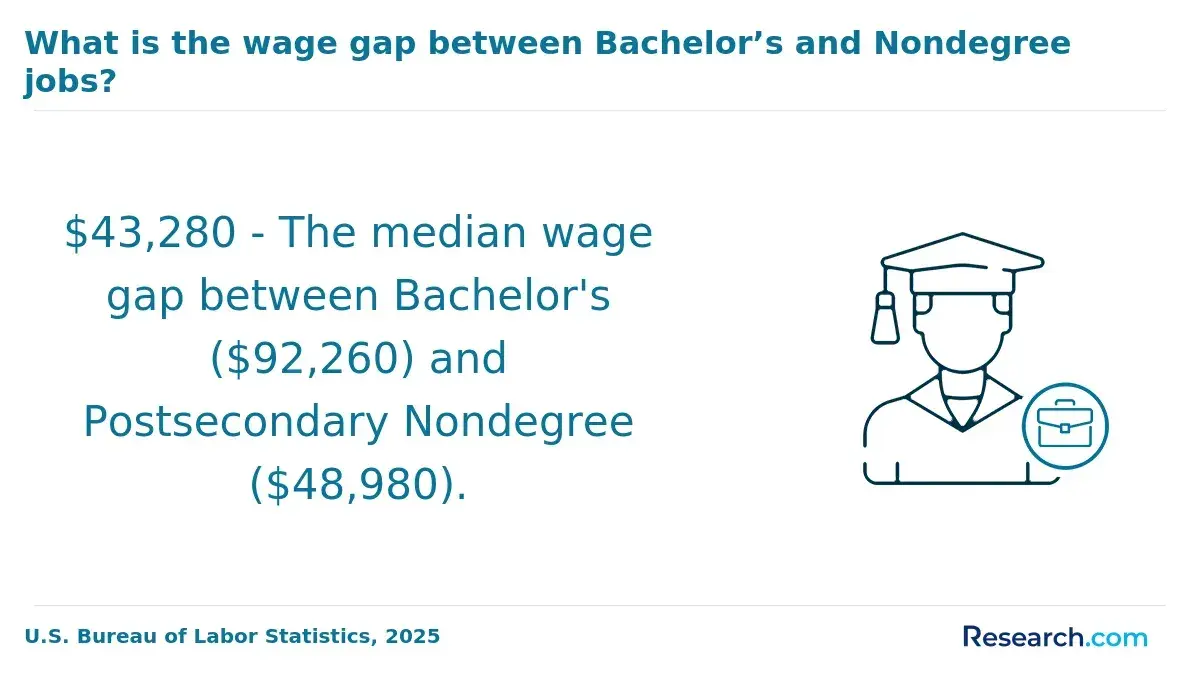
Professional certifications and licensure significantly enhance salaries for nursing education professionals by validating their expertise and boosting market value. Surveys by industry organizations reveal these credentials often correlate with salary increases ranging from around 10% up to 25%.
- Certified Nurse Educator (CNE): Offered through the National League for Nursing (NLN), this credential requires an active RN license, at least two years of teaching experience, and successful completion of a comprehensive exam. Certification renewal every five years involves continued education or retesting. Typical costs fall between $250 and $350. Certified educators report approximately 15% higher earnings than non-certified peers.
- Academic Nurse Educator (ANEF): Awarded by the American Nurses Credentialing Center (ANCC), eligibility hinges on an RN license and graduate-level education. The exam tests foundational educational principles, with renewal every five years through professional development activities. Exam fees average about $395. Certification holders commonly experience a 12% wage uplift.
- Licensure: Maintaining a current Registered Nurse (RN) license is mandatory and involves state-specific renewal requirements, fees, and continuing education. Advanced licenses, such as Advanced Practice Registered Nurse (APRN) credentials, can boost salary potential by as much as 25%.
- Accreditation and Employer Preference: Candidates should pursue certifications accredited by established organizations like ANSI or NCCA to ensure credibility. Investigating employer-preferred or mandated credentials in targeted geographic or industry markets helps maximize the return on certification investment.
What Is the Salary Trajectory for Nursing Education Professionals Over a Full Career?
Initial salaries for nursing education professionals often begin modestly as entry-level educators typically hold a bachelor's degree or an initial certification, reflecting limited clinical and classroom experience. According to Bureau of Labor Statistics (BLS) earnings data, this stage involves an investment in skill development, where compensation lags behind more advanced nursing roles but sets the foundation for future growth.
- Early Career Growth: Within five years, pursuing advanced degrees-such as master's or doctorate degrees-can significantly boost earning potential by opening doors to specialized and higher-paying roles.
- Mid-Career Advancement: By approximately ten years into their careers, nursing educators often progress into senior teaching positions, administrative roles, or curriculum development. This phase typically brings accelerated salary increases driven by expanded responsibilities and leadership duties.
- Career Inflection Points: Critical milestones such as earning nationally recognized certifications or moving into program director and management roles produce notable salary surges. Additionally, specialization in practice areas like simulation coordination or research faculty positions further differentiates income levels.
- Long-Term Earnings: Peak compensation generally occurs later in a nursing education career when professionals assume executive roles, lead grant-funded projects, or establish themselves as experts and thought leaders in niche fields.
- Strategic Differentiators: High earners distinguish themselves by building leadership skills, engaging in business development, and maintaining visibility through publishing and conference participation-factors that consistently translate into elevated compensation.
These salary trajectories are supported by research from the Georgetown Center on Education and the Workforce and industry compensation surveys, which segment pay by years of experience. For those contemplating a nursing education degree, understanding these patterns is essential for setting realistic salary expectations at five-year, ten-year, and peak-career benchmarks.
Which Nursing Education Specializations and Concentrations Lead to the Highest-Paying Roles?
The highest-paying roles within nursing education typically arise from specializations addressing complex healthcare demands and market shortages. Concentrations such as nurse anesthesia education, nurse practitioner training, and clinical nurse specialist education command premium salaries by preparing educators to train advanced practice nurses who deliver complex care and manage intricate regulations. The scarcity of faculty qualified in these areas coupled with the technical expertise required contributes to higher compensation compared to general nursing education roles.
Other lucrative nursing education specializations include forensic nursing education and informatics nursing education, fields shaped by evolving legal frameworks and rapid digital transformation. These concentrations respond to growing employer demand for skilled instructors and offer significant salary growth potential, making them among the top nursing education concentrations for salary growth in the US job market.
- Return on Investment: Top online nursing education programs often provide strong salary increases post-graduation by accommodating working professionals through flexible study options.
- Licensure Impact: Advanced licenses tied to specific concentrations substantially boost earning potential by qualifying educators for specialized roles.
- Certification Advantage: Certification stacking-combining clinical and educational credentials-enhances both employability and salary negotiation leverage.
Students early in their academic journey should critically assess specialization options through rigorous labor market analysis, projected job growth, and employer preferences-not merely personal interest. Engaging with industry reports and alumni data helps identify sustainable, high-wage career paths.
For those already pursuing a general nursing education degree, post-graduation methods-such as targeted internships, continuing education, or certification stacking that combines clinical and educational credentials-can unlock high-paying roles without additional full degrees. This approach aligns well with trends seen in MSN to DNP programs.
How Does the Nursing Education Job Market's Growth Outlook Affect Long-Term Earning Stability?
The nursing education job market in the United States is expected to grow steadily over the next decade, with the U.S. Bureau of Labor Statistics projecting 9% to 12% employment increases for core roles like nurse educators and clinical instructors. This growth aligns with demographic shifts-an aging population will generate greater healthcare demand, creating a ripple effect that intensifies the need for qualified nursing educators.
Understanding this landscape is essential for those seeking long-term earning stability for nursing education professionals. Key labor market factors influencing Nursing Education employment include:
- Strong Growth: Expansion of healthcare systems and rising emphasis on advanced nurse training sustain steady employer demand.
- Low Automation Risk: The hands-on nature of clinical teaching and interpersonal skills involved make these roles highly resistant to automation, supporting job security.
- Technological Transformation: Increasing use of simulation training and online formats demands that educators build digital competencies to stay competitive.
- Legislative Impact: Evolving state and federal nurse staffing and educational standards solidify the essential role of nursing educators to ensure compliance.
However, structural headwinds affect certain segments:
- Budget Constraints: Funding limitations in educational institutions may restrict available faculty positions or teaching hours.
- Credential Inflation: Higher degree requirements raise entry barriers but correspond with wage premiums and stronger job security.
- Outsourcing Risks: Some adjunct or entry-level roles risk being outsourced or replaced by part-time staff, increasing job volatility.
Prospective professionals should differentiate between high-paying nursing education roles characterized by strong employment growth and stability and those with high wages due to scarcity or cyclical risk. Investing in graduate credentials and digital skills-especially in emerging areas like simulation training-is critical to maintaining financial resilience.
For example, individuals seeking accelerated advancement pathways may consider the fastest RN to BSN program online to efficiently enter this growing field.
What Leadership and Management Roles Are Available to High-Earning Nursing Education Graduates?
Leadership roles in nursing education represent the highest compensation tiers for graduates-ranging from nurse manager positions to chief executive roles like Director of Nursing Education or Chief Nursing Officer. These positions are typically found within hospitals, universities, and healthcare systems, where leaders direct curriculum development, oversee staff performance, and manage strategic objectives.
- Titles and Levels: Frequent leadership roles include Nurse Educator Manager, Nursing Program Director, and Chief Nursing Officer-positions involving supervision of teams, policy enforcement, budget management, and reporting to senior administrators or academic leaders.
- Credentials and Experience: Leadership advancement usually requires a master's degree in nursing education, healthcare administration, or related fields, often paired with certifications such as Nurse Executive (NE-BC). Candidates generally bring 5 to 10 years of combined clinical and instructional experience before ascending to management.
- Salary Premium: Bureau of Labor Statistics data reveal nurse educators in contributor roles earn median salaries near $75,000 annually, while managers and executives exceed $120,000-reflecting elevated duties, including financial oversight, team development, and regulatory compliance.
- Career Progression: Moving up involves ongoing education and leadership development, demonstrated success in managing projects and curricula, and often obtaining an MBA or doctoral degree to enhance business and administrative skills.
- Strategic Decisions: Prospective leaders benefit from early pursuit of graduate degrees and certifications, gaining experience in budgeting and organizational leadership, and seeking mentorship to align their qualifications with top compensation packages.
Which Emerging Nursing Education Career Paths Are Positioned to Become Tomorrow's Highest-Paying Jobs?
Several innovative roles are shaping the future of nursing education-driven by advances in technology, evolving healthcare delivery models, and shifting demographic demands. Simulation-based educators lead by creating immersive training environments using virtual and augmented reality, allowing nurses to practice safely without patient risk.
Telehealth nursing educators prepare learners for virtual care through expertise in digital health tools and patient data privacy. Interprofessional education coordinators develop curricula that foster collaboration across multiple health disciplines, reflecting the integrated nature of modern care systems.
- Health Equity Trainer: Focuses on reducing disparities with culturally responsive teaching and social determinants of health education, supported by specialized certifications.
- Data Analytics Educator: Teaches nurses to interpret clinical data, leveraging courses in biostatistics and health informatics to meet the growing demand for evidence-based practice.
Contemporary nursing education programs are incorporating technology, interdisciplinary teamwork, and cultural competence into their frameworks. Pursuing additional boot camps and micro-credentials in simulation, telehealth, or analytics can enhance marketability for these emerging roles. However, candidates must balance potential benefits with risks, as some innovative positions may experience delayed adoption.
Roles such as telehealth nursing educator and simulation instructor currently show robust growth and scalability, offering an appealing balance of risk and reward. Keeping informed through labor market insights-available from Lightcast, Burning Glass, and LinkedIn Economic Graph-as well as professional organizations like the National League for Nursing and the Society for Simulation in Healthcare, remains essential.
Careful evaluation of these trends equips prospective students and career changers with the financial clarity and strategic insight needed to pursue nursing education paths aligned with their income goals and long-term professional growth.
What Graduates Say About the Highest-Paying Jobs You Can Get With a Nursing Education Degree
- Mordechai: "Completing my nursing education degree truly opened my eyes to the wage premium that comes with advanced credentials-I've seen firsthand how hospitals and educational institutions pay more for qualified instructors with a graduate degree. The financial boost from professional licensure also played a major role in increasing my earning potential. Looking back, the investment in this degree far outweighed alternative routes I considered, and I feel confident about my career trajectory because of it."
- Casen: "Reflecting on my journey through nursing education, I discovered the critical influence that industry type and geographic location have on salary prospects-for example, teaching roles in metropolitan hospitals offer significantly higher pay than those in rural clinics. Plus, acquiring specialized certifications boosted my income more than I originally anticipated. This degree has been a solid investment compared to other training programs, and that reassurance motivates me daily."
- Walker: "As a recent graduate, I approached my nursing education degree with a professional mindset, understanding that licensure isn't just a formality-it meaningfully impacts salaries in this field. I also appreciated how the wage premium for those with graduate credentials reinforces the degree's value. Comparing it to other pathways, I view this degree as the smarter long-term choice that balances both career growth and financial rewards."
Other Things You Should Know About Nursing Education Degrees
The return on investment for a nursing education degree is generally strong compared to many alternative credentials. Graduates with this degree often benefit from higher starting salaries and faster career advancement due to licensure and certification requirements. Additionally, the degree opens access to specialized educational roles and leadership positions that typically pay more than equivalent non-degree credentials.
Internships, practicums, and early clinical work play a critical role in boosting starting salaries for nursing education graduates. Hands-on experience helps develop practical skills and establishes professional networks, making graduates more competitive in the job market. Employers often prioritize candidates with proven clinical exposure, which can translate into higher initial compensation.
The type of employer significantly influences nursing education compensation. Public sector employers frequently offer stable salaries with comprehensive benefits but may have lower base pay compared to private institutions. Nonprofit organizations might provide competitive pay with added incentives such as loan forgiveness or flexible schedules, while private employers can offer higher salaries but potentially less job security.
References
- Top 10 Highest-Paying Nursing Jobs 2025â2026 https://credenzahealth.com/career-advice/top-10-highest-paying-nursing-jobs
- 17 Best Jobs for Nursing Students (Salary, Duties, & More) https://www.stepful.com/post/best-jobs-for-nursing-students
- Career Paths in MSN https://www.allnursingschools.com/msn/career-paths/
- What Are the Highest Paying Nursing Jobs | CCU Online https://www.ccu.edu/blogs/cags/2014/12/what-are-the-highest-paying-nursing-jobs/
- WHAT - Translation from English into Polish https://en.pons.com/translate/english-polish/what
- How Do Certifications Influence Salary Increases? https://certiprof.com/blogs/news/how-do-certifications-influence-salary-increases
- What can I do with a Nursing Degree? | TEG London https://www.teg.london/what-can-i-do-with-a-nursing-degree/
- Earning Potential in Nursing: How Different Degrees Affect Salary - salary - Updated: December 11, 2023 - The Gypsy Nurse https://www.thegypsynurse.com/blog/nursing-degrees-affect-salary/
- WHAT - Translation in Polish - bab.la https://en.bab.la/dictionary/english-polish/what
- 9 Rewarding Career Pathways for Nurses https://www.tafecourses.com.au/resources/career-pathways-nurses/