
2027 Most Popular Concentrations in Nursing Education Degrees

Co-Founder and Chief Data Scientist
Choosing the right concentration in nursing education is crucial as healthcare continues to evolve rapidly. With a projected 28% growth in demand for nurse educators over the next decade, specialized skills such as curriculum development and clinical instruction are increasingly valued. This trend highlights the need for focused expertise to address diverse learning environments and patient care advancements.
This article examines the most popular concentrations in nursing education degrees, providing insights into areas like simulation technology, adult learning, and leadership. By exploring these options, readers can better align their educational path with career goals and emerging healthcare needs.
Key Benefits of Popular Concentrations in Nursing Education Degrees
- Specialized concentrations improve employment prospects, with a 15% higher job placement rate within six months compared to general nursing education graduates.
- Focused training enhances critical teaching and clinical skills, ensuring graduates are prepared to lead innovative healthcare education programs.
- High industry demand for experts in areas like geriatrics and informatics drives competitive salaries and numerous advancement opportunities.
What Are the Most Popular Nursing Education Concentrations in 2027?
Interest in specialized nursing education study paths continues to rise as healthcare systems seek to address critical faculty shortages and evolving clinical demands. Shifting workforce needs increasingly influence student choices, driving enrollment growth in key nursing education concentrations that prepare graduates for expanding and advanced roles.
Popular master's in nursing education specializations reflect urgent workforce challenges and emerging healthcare priorities today:
- Family Nurse Practitioner (FNP): Leading enrollment growth, FNP programs prepare nurses to serve as primary care providers with the ability to diagnose and treat a broad range of conditions. Nearly 70% of all nurse practitioners specialize in this area, highlighting high demand for primary care services.
- Nurse Educator: This concentration ranks second due to the nationwide faculty shortage. Nurse educators earn median salaries around $86,000 and work in academic and hospital settings, playing a vital role in training future nurses and supporting patient care initiatives. Interest in DNP nurse educator programs is also growing steadily, strengthening advanced practice education pathways.
- Clinical Nurse Specialist (CNS): CNS programs attract nurses focused on direct patient care and care delivery improvements across specialties like oncology and psychiatric-mental health, with median salaries near $104,400. This track meets increasing demand for clinical expertise in complex care environments.
- Nurse Administrator: Concentrations in nursing leadership address gaps in management skills needed to oversee clinical operations and healthcare teams amid expanding system complexities.
- Nurse-Midwife: These programs prepare nurses for specialized roles in maternal and newborn care, reflecting rising interest in tailored reproductive health services.
The persistent faculty shortage and workforce trends have contributed to the demand for master's in nursing education specializations, while the rise in advanced practice also promotes growth in DNP nurse educator programs. Nurses exploring efficient credentialing options may also consider 6-month certificate programs that pay well as potential complements or alternatives to extended degree paths.
What Skills Are Required for the Top Nursing Education Concentrations?
Developing a diverse set of skills is essential for success in specialized nursing education study paths, as evolving industry expectations demand educators who can effectively bridge theory and practice. Students in top nursing education concentrations must cultivate competencies that prepare them to lead in increasingly complex academic and clinical environments.
- Advanced teaching methodologies and curriculum development: This skill is foundational for designing evidence-based instructional strategies and assessments that enhance student learning outcomes. Mastery in this area enables educators to deliver content aligned with current healthcare practices.
- Leadership and advocacy: Strong leadership skills empower nurse educators to influence healthcare delivery and policy while managing educational programs efficiently. Advocacy ensures that nursing education addresses workforce shortages and aligns with public health needs.
- Clinical expertise: Proficiency in advanced clinical assessment and competency evaluation bridges academic knowledge with real-world nursing practice. This ensures graduates are prepared to meet clinical demands with confidence and accuracy.
- Communication proficiency: Effective verbal and written communication supports clear knowledge transfer to diverse student populations. This skill is critical for fostering collaboration and understanding across a variety of learning environments.
- Digital literacy: Navigating learning management systems, virtual simulations, and asynchronous course design is increasingly important as hybrid and online nursing education formats become dominant. These competencies align with workforce demands anticipated in 2025.
Interest in nursing careers is growing, as reflected in increased enrollments across nursing schools. Aspiring nurse educators might explore easy associate degrees that pay well to build foundational nursing skills before advancing in education. Integrating critical thinking and evidence-based practice skills throughout their training equips educators to maintain educational quality in complex clinical settings.
Do Different Nursing Education Concentrations Have Different Admission Requirements?
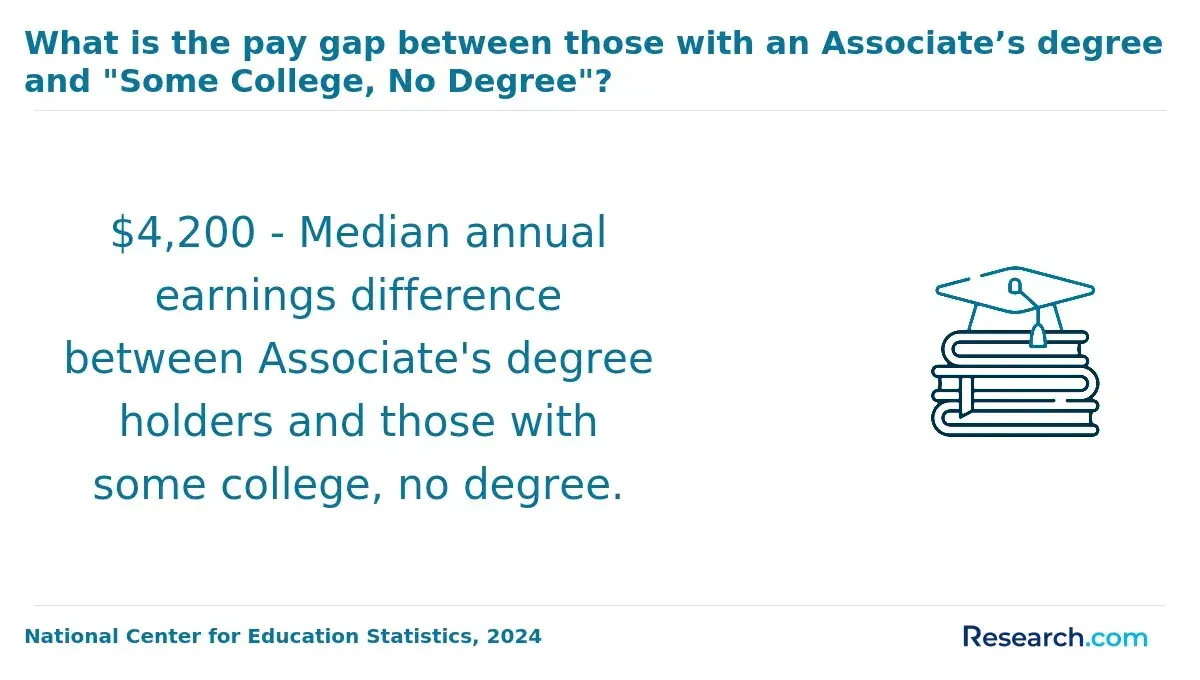
Admission requirements vary significantly across nursing education concentrations due to differences in specialization complexity, prerequisite skills, and program standards. Entry-level programs, such as Licensed Practical Nurse (LPN) certificates, typically require only a high school diploma or equivalent.
In contrast, more advanced programs, including Bachelor of Science in Nursing (BSN) degrees, demand stronger academic preparation, often reflected by a minimum GPA between 2.5 and 2.8 in specific preprofessional courses. These variations in nursing degree admission requirements by concentration ensure that students are appropriately prepared for the challenges and responsibilities unique to their chosen pathways.
Examples of specialized nursing program GPA and prerequisite standards highlight these differences clearly. Master's (MSN) and doctoral (DNP) programs require at least one year of prior registered nurse practice with an unrestricted RN license, along with background checks, personal essays, and professional references. Clinical hour requirements also differ, with associate degrees requiring about 700 to 800 hours and BSN programs mandating roughly 900 hours or more.
These criteria maintain quality and readiness among candidates pursuing advanced practice roles. For prospective students exploring the value of nursing degrees, understanding the rigorous expectations is essential, especially when considering the highest paying bachelor degree options in healthcare.
Do Specific Nursing Education Concentrations Require Accredited Programs?
Accreditation plays a vital role in specialized nursing education paths, impacting eligibility for certifications, licensure, and job opportunities. Choosing an accredited program ensures that your education meets established quality standards recognized by employers and regulatory bodies.
- Baccalaureate and graduate programs: Must have CCNE or ACEN accreditation to satisfy most state boards and employers, avoiding licensure and career obstacles.
- Specialty accreditation requirements: Advanced concentrations like nurse anesthesia and nurse-midwifery demand specific accrediting bodies such as COA and ACME to validate program rigor.
- APRN certificate programs: Generally require accreditation from CCNE or ACEN for federal funding access and professional recognition.
- Licensure prerequisites: State agencies often require graduation from accredited programs to grant nursing licenses, safeguarding public safety.
- Employer hiring standards: Healthcare organizations typically prefer or mandate candidates with degrees from accredited institutions to ensure competency.
Is the Quality of Online Nursing Education Concentration Tracks the Same as On-Campus Programs?
With more nursing students weighing online versus on-campus options, the quality of Nursing Education programs has become a critical deciding factor. The rigor and outcomes of a program now often outweigh where or how it is delivered.
- Curriculum Consistency: Both formats adhere to the same rigorous standards, ensuring coursework and competencies align regardless of delivery method.
- Accreditation: Accredited programs-whether online or campus-based-hold equal validity and recognition in hiring and advanced credentials.
- Faculty Expertise: Instructors maintain high qualifications and adapt teaching methods effectively across different modalities.
- Practical Training: Essential clinical and practicum experiences remain mandatory, often fulfilled through hybrid models combining online theory with in-person labs.
- Technology and Support: Online platforms provide flexible asynchronous learning balanced with direct engagement, preserving student support and learning quality.
- Learning Outcomes: Employers acknowledge graduate competence is determined by institutional standards, not format, with some studies noting enhanced focus skills among online learners.
Discussing her journey, a graduate from a widely chosen nursing education concentration shared how the hybrid program demanded adaptability but offered a balanced experience. "Managing the online theory was tough at times," she reflected, "but having in-person clinicals made the learning real and concrete." She found the faculty approachable and responsive, bridging the virtual divide effectively. The combination of self-driven online study with hands-on practice, she said, "prepared me just as well as any traditional route." Her experience illustrates that when programs are thoughtfully structured, the quality between online and campus tracks can indeed match, supporting a successful nursing education career.
Which Nursing Education Concentration Is the Hardest to Complete?
Variations in course difficulty, skill expectations, workload, and program design influence the challenge level of nursing education concentrations. Some require mastering complex content and managing demanding clinical experiences, increasing their rigor.
- Extensive Clinical Knowledge: Students must grasp a wide range of adult health conditions, understanding disease processes and nursing care across diverse body systems simultaneously.
- Advanced Pharmacology Skills: Mastery of medication management, including drug interactions, adverse effects, and precise dosage calculations, is essential for patient safety.
- Interdisciplinary Integration: The concentration requires combining anatomy, physiology, pathophysiology, and pharmacology into practical patient care rather than treating them separately.
- Critical Patient Care: Exposure to severely ill patients demands quick clinical assessment and prioritization of complex health needs during rapid decision-making.
- Demanding Clinical Schedules: Long, often irregular clinical shifts require sustained mental focus and emotional resilience throughout the program.
What Careers Can You Get with Each Nursing Education Specialization?
Diverse nursing education concentrations equip graduates for targeted career paths by honing expertise in specific clinical or leadership fields. Recognizing these connections helps students align their studies with evolving healthcare needs and personal ambitions.
- Advanced practice registered nurse (APRN): Careers include nurse practitioner, clinical nurse specialist, nurse anesthetist, and nurse midwife roles, with opportunities across hospitals, clinics, and private practices. APRNs often operate with greater patient care independence, frequently focusing on specialties like family medicine, pediatrics, or mental health.
- Nursing leadership and administration: Paths lead to educator, administrator, or director positions, focusing on managing nursing teams, developing policy, and advancing research. These roles shape clinical education and influence healthcare systems beyond direct patient care.
- Palliative and critical care nursing: Roles focus on managing acute and life-limiting conditions in settings such as ICUs and hospice care. These nurses coordinate complex symptom management and often subspecialize in areas like pediatric intensive care or trauma units.
- Informatics nursing: Graduates combine clinical knowledge with technology, securing positions in hospital IT, electronic health record projects, or consulting. This specialization typically requires a BSN and commands competitive salaries averaging about $102,000.
A nursing education professional shared that choosing a specialization felt overwhelming given the wide-ranging careers available. He weighed factors like work environment, patient interaction levels, and long-term goals. Reflecting on his decision to pursue the APRN track, he described the challenge of balancing advanced clinical training with the desire to serve underserved populations. He noted, "It was a process of understanding where I could make the most impact while staying true to my interests in family care." His journey included moments of doubt and discovery, but ultimately he values how his specialization opened doors to meaningful roles with autonomy and diverse clinical challenges.
What Market Trends Are Shaping the Top Nursing Education Concentrations in 2027?
Staying informed about industry trends helps nursing education students select concentrations aligned with workforce demands and emerging healthcare priorities. Current shifts influence which specializations provide the best career prospects and equip graduates with relevant, in-demand skills.
- Specialization in Mental Health and Geriatrics: The rising need for care in aging populations and mental health services drives growth in these fields. Nursing programs increasingly integrate courses to prepare students for roles addressing these critical healthcare challenges.
- Advanced Practice Nursing Roles: Enrollment in master's-level programs is growing after recent declines, reflecting heightened demand for advanced practice nurses like nurse practitioners and anesthetists. Concentrations focusing on advanced clinical skills are becoming more sought-after.
- Telehealth and Technology Integration: Expanding use of telehealth and AI in healthcare creates a necessity for nurse educators skilled in informatics and virtual care. Nursing education is adapting by emphasizing tech competencies that support remote and digital patient care.
- Community Health and Population-Based Care: Shifting from hospital-centered to community-focused models, nursing education now prioritizes health equity and preventive care. Concentrations are preparing nurses to address chronic disease management and support underserved groups outside traditional clinical settings.
What Are the Average Salaries for Popular Nursing Education Concentrations?
Salary prospects in nursing education vary widely depending on specialization, employer, and location, making it essential for students to consider these factors when selecting a concentration. This information helps align career choices with both financial goals and professional interests within the nursing field.
- Nurse Educator (General/MSN Education): Nurse educators earn a median salary around $86,530 annually, with a national average near $87,090. Those working in general medical and surgical hospitals typically receive higher pay, approximately $106,620, while junior college educators average $81,900. The demand for nurse educators remains strong, particularly in regions recognized among the highest paying nursing specialties by state, meaning numerous opportunities are expected to continue nationwide.
- Clinical Nurse Specialist: Clinical nurse specialists earn about $94,545 annually and are increasingly sought after as healthcare systems look to provide specialized care more cost-efficiently than physician-led models. This role combines competitive compensation with growing workforce demand, especially in states with robust healthcare infrastructure.
- Nurse Practitioner (Family/General): General nurse practitioners make roughly $129,210 per year, with family nurse practitioners earning between $128,490 and $131,570. These advanced practice roles require master's-level education and offer significantly higher earnings compared to traditional nurse educator positions. When compared to other nursing roles, including the well-known CRNA salary compared to other nursing roles, nurse practitioners remain among the top earning advanced nurses.
Students interested in affordable pathways into these careers might explore options such as cheapest online schools that accept fafsa, enabling them to advance their education while managing costs effectively.
How Do You Choose the Best Concentration in a Nursing Education Program?
Selecting the right concentration in a nursing education degree is critical to aligning your advanced training with your career goals and personal strengths. The concentration you choose will shape your skill development and professional opportunities in healthcare education or leadership.
- Career aspirations and professional goals: Identify whether you aim to teach future nurses, lead clinical teams, or manage healthcare systems. Aligning your focus with your long-term objectives ensures your coursework targets the competencies sought by employers in nursing education, leadership, or informatics roles.
- Industry demand and job market trends: Consider current hiring patterns and salary prospects in your desired field. For example, nursing education concentration admission requirements are competitive due to a shortage of qualified educators, making this area particularly valuable. Nursing informatics also meets growing demand for professionals skilled in health data and technology.
- Program requirements and curriculum: Review specific admission standards and coursework to confirm the program supports your career aims. Comparing programs can help determine the best nursing education program for your career goals and ensure you meet all prerequisites.
- Personal interests and strengths: Reflect on whether you excel at student mentorship, strategic leadership, or technical skills with healthcare data systems. Choosing a concentration that aligns with your natural talents increases satisfaction and success throughout the program.
For prospective students exploring educational pathways, researching online trade colleges can provide insight into flexible learning options that accommodate diverse specialization choices.
What Graduates Say About Their Popular Concentrations in Nursing Education Degrees
- Levi: "Pursuing a concentration in nursing education was a transformative journey for me. The hands-on learning experience combined with theoretical knowledge really prepared me to lead and inspire future nurses. Considering the average cost of attendance was manageable, I felt the investment paid off greatly in advancing my career."
- Ahmed: "The nursing education concentration gave me a deeper understanding of teaching methodologies and curriculum development, which has been invaluable in my current role as an instructor. Reflecting on the cost, it was justifiable given how it expanded my professional opportunities and personal growth. I recommend weighing these benefits carefully if you're considering this path."
- Christopher: "The focus on nursing education equipped me with essential skills to effectively train and mentor in clinical settings. While the financial commitment was significant, knowing that the average cost of attendance aligns with quality programs made me confident in my decision. Overall, it's a strategic step for anyone serious about advancing in educational roles within nursing."
Other Things You Should Know About Nursing Education Degrees
The most popular concentration in nursing education degrees for 2027 is expected to be Family Nurse Practitioner (FNP). This concentration continues to attract students due to its broad applicability in various healthcare settings and the ongoing demand for primary care providers.
Yes, most nursing education concentrations include clinical teaching experiences as part of their curriculum. These practical sessions allow students to develop hands-on teaching skills in healthcare settings under supervision. This experience is essential for preparing future nurse educators to train clinical nursing staff effectively.
After completing a concentration in nursing education, students in 2027 can pursue further specialization through advanced certifications, graduate degrees, or professional development courses. This allows them to focus on specific areas like geriatric nursing, pediatric care, or advanced clinical practices, enriching their expertise and career options.
References
- Top 20 Nursing Skills You Learn from a Nursing Degree https://www.park.edu/blog/top-20-nursing-skills-you-learn-from-a-nursing-degree/
- Nurse Educator https://www.fau.edu/nursing/academics/master-of-science-nursing-program/nurse-educator/
- In-Person Vs. Online Nursing Programs: Which Is Right For Me? | NurseJournal.org https://nursejournal.org/resources/in-person-vs-online-nursing-programs/
- Nursing, MSN, Nursing Education Concentration https://catalog.louisiana.edu/preview_program.php
- Online Vs. Traditional Nursing Programs: Which One Is Right for You? https://afaeducation.org/blog/online-vs-traditional-nursing-programs-which-one-is-right-for-you/
- Types of Nursing Careers & Specialties https://nursinglicensemap.com/nursing-specialties/
- Specialty Nursing Education - Careers at Fraser Health https://careers.fraserhealth.ca/work-here/nurses/specialty-nursing-education/
- Online Versus Traditional Nursing Education - Which Program Meets Your Needs? https://dailynurse.springerpub.com/minority-nurse/online-versus-traditional-nursing-education-which-program-meets-your-needs/
- The Impact of Education on Nursing Practice https://www.aacnnursing.org/news-data/fact-sheets/impact-of-education-on-nursing-practice
- The Best and Worst Specialties for Nurses in 2025 https://nurse.org/articles/best-and-worst-nursing-specialties/


