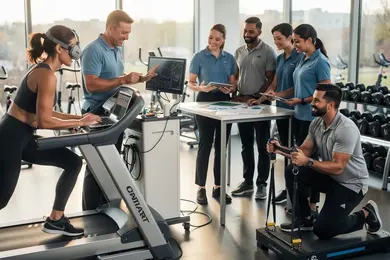
2027 Different Types of Exercise Science Degrees and Their Salaries

Co-Founder and Chief Data Scientist
Choosing an exercise science degree is not just a question of what to study. It is a decision about how quickly you want to enter the workforce, whether you want a clinical, fitness, coaching, research, or graduate-school pathway, and how much time and money you can realistically invest.
Exercise science connects anatomy, physiology, biomechanics, nutrition, behavior change, and performance training. Graduates work in gyms, rehabilitation clinics, hospitals, corporate wellness programs, athletic organizations, research settings, and education. Some roles are available with an associate or bachelor's degree, while others require graduate study, supervised experience, professional certification, or preparation for another health profession such as physical therapy.
This guide explains the main exercise science degree types, common specializations, program length, online and accelerated options, typical costs, career paths, salary differences, and factors to weigh before enrolling. The goal is to help you match the degree level to the career outcome you actually want.
Key Points About Different Types of Exercise Science Degrees and Their Salaries
- Associate degrees in exercise science generally prepare graduates for entry-level positions such as fitness trainers or assistant coaches, with average salaries around $35,000 to $40,000 annually depending on the region and employer.
- Bachelor's degrees in exercise science open doors to more diverse career options like physical therapy assistants, athletic trainers, and exercise physiologists, where median salaries often range from $50,000 to $60,000 and offer stronger long-term growth prospects.
- Master's degrees in exercise science or related fields significantly boost earning potential and job opportunities, with professionals earning between $65,000 and $80,000 on average while qualifying for advanced roles in rehabilitation, research, or clinical exercise physiology.
What Are the Different Types of Exercise Science Degrees Available?
Exercise science degrees are offered at several levels, and each one prepares students for a different range of responsibilities. Shorter programs usually focus on foundational fitness and wellness skills, while bachelor's and graduate programs add deeper science, research, assessment, and clinical or performance applications.
The right choice depends on whether you want to start working quickly, qualify for more specialized roles, prepare for certification, or build a foundation for graduate or professional school.
- Associate Degree in Exercise Science: An associate degree introduces human anatomy, basic physiology, exercise techniques, fitness assessment, and introductory program design. It is often used for entry-level fitness roles, transfer into a bachelor's program, or preparation for certain professional certifications. Students who want a shorter route may also compare options such as the best accelerated associate degree programs.
- Bachelor's Degree in Exercise Science: A bachelor's degree provides a broader and more rigorous foundation in anatomy, physiology, biomechanics, nutrition, exercise prescription, research methods, and laboratory work. It is the standard entry point for many exercise science careers and is also a common undergraduate major for students planning to apply to physical therapy, occupational therapy, physician assistant, medical, or other health-related graduate programs.
- Bachelor's Degree in Kinesiology: Kinesiology is closely related to exercise science but usually takes a broader view of human movement. Coursework may emphasize biomechanics, motor control, movement analysis, physical activity across the lifespan, and the social or behavioral dimensions of movement. It can lead to similar career paths, but students should compare individual curricula carefully.
- Master's Degree in Exercise Science or Exercise Physiology: A master's degree adds advanced study in physiology, biomechanics, research methods, clinical applications, corrective exercise, and performance assessment. Programs may include a thesis, capstone, internship, or supervised practical experience. This level is useful for students seeking clinical, research, leadership, collegiate athletics, or specialized performance roles.
- Master's Degree in Kinesiology: A master's in kinesiology typically deepens expertise in movement science, biomechanics, physiology, research design, and advanced laboratory methods. It may fit students interested in research, teaching, athletic performance, movement analysis, or doctoral study.
Students comparing distance-learning options should also review whether a sports science degree online includes supervised labs, internship placement support, and coursework aligned with their intended certification or graduate-school plans.
What Specializations Are Available in Exercise Science Degrees?
Specialization matters because exercise science is not a single career track. A student preparing for cardiac rehabilitation needs different training than someone aiming for strength and conditioning, sports administration, or movement research. Before choosing a program, review the concentration, electives, lab requirements, internship options, and certification alignment.
Common exercise science specializations include the following:
- Exercise Science: Exercise Physiology: This concentration studies how physical activity affects body systems at cellular and systemic levels. Students learn fitness testing, lab procedures, data analysis, and physiological assessment. It is a strong fit for students interested in research, cardiac rehabilitation, clinical exercise physiology, or future study in medicine and allied health.
- Exercise Science: Biomechanics: Biomechanics focuses on the mechanics of human movement, including force, motion, posture, gait, and injury risk. Students may develop skills in motion analysis and movement assessment. Career paths can include sports performance, orthopedics, ergonomics, research support, and injury-prevention work.
- Exercise Science: Strength and Conditioning: This specialization prepares students to design training programs for athletes and active populations. Coursework often covers performance testing, exercise prescription, periodization, recovery, and injury prevention. It is relevant for coaching, athletic performance, fitness management, and preparation for strength and conditioning credentials.
- Exercise Science: Sport and Exercise Psychology: This path examines motivation, confidence, stress, adherence, and the mental factors that influence performance and physical activity. It may support work in coaching, wellness programming, behavior change, or counseling-related services, though clinical counseling roles generally require separate licensure and graduate training.
- Exercise Science: Clinical Exercise Science/Specialist: Clinical exercise science applies exercise principles in healthcare and rehabilitation settings, especially for people with chronic conditions, disabilities, or recovery needs. Students study assessment, risk stratification, rehabilitation principles, and clinical exercise programming. This is one of the stronger options for students considering cardiac rehabilitation, clinical exercise physiology, or physical therapy preparation.
- Exercise Science: Sport Management: Sport management shifts the focus toward the business side of sport and fitness. Coursework may include administration, marketing, facility operations, event planning, and organizational leadership. Graduates may pursue roles in sport administration, event coordination, recreation services, or commercial sport enterprises.
If you are comparing health, fitness, and wellness majors and wondering what's the easiest bachelor's degree, remember that “easiest” is not always the best filter. A more useful question is whether the specialization matches your strengths, schedule, career goal, and required credentials.
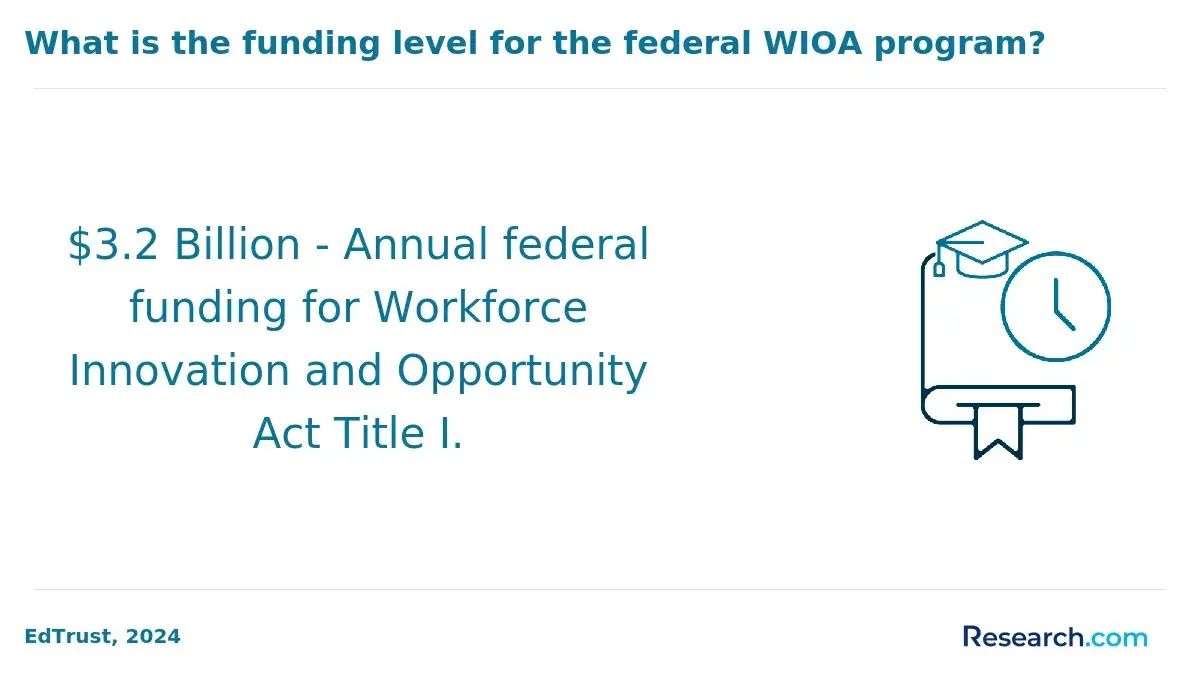
How Long Does It Take to Complete Each Type of Exercise Science Degree?
Program length affects cost, work-life balance, financial aid planning, and the point at which you can begin earning in the field. Exercise science degrees follow standard college timelines, but transfer credits, accelerated terms, summer enrollment, part-time study, and internship requirements can change the actual completion date.
- Associate Degree in Exercise Science: An associate degree usually takes about two years of full-time study. Part-time students may need three or four years. Community colleges commonly offer these programs, and students may shorten the timeline through transfer credits, online coursework, or accelerated scheduling.
- Bachelor's Degree in Exercise Science: A bachelor's degree typically requires four years of full-time study. Students may finish sooner by transferring credits, taking summer classes, or enrolling in an accelerated format. Those balancing work, athletics, family responsibilities, or prerequisites for graduate school may need longer.
- Master's in Exercise Science: A master's degree is often completed in two years after a bachelor's degree. Part-time formats can extend the timeline to three or more years. Many programs offer online or hybrid options, but students should check whether labs, internships, clinical placements, or thesis requirements affect scheduling.
- Doctoral Degree in Exercise Science: A doctoral degree usually takes between four to six years to finish. The timeline includes advanced coursework, research preparation, examinations, dissertation work, and often teaching or research responsibilities. Some programs offer part-time enrollment or combined master's and doctoral tracks, while fully online doctoral options are less common but growing in availability.
When comparing timelines, look beyond the catalog length. Ask how often required courses are offered, whether internships can be completed near your home, and whether the program supports students who need to pause, reduce their course load, or work while enrolled.
Are There Accelerated Exercise Science Degree Programs?
Yes. Accelerated exercise science degree programs are available in the United States for students who want to complete their education faster than the traditional timeline. These programs may use condensed courses, year-round enrollment, summer terms, transfer-credit planning, or integrated bachelor's-to-master's pathways.
A common model is the "4+1" or dual-degree pathway, which allows students to earn a Bachelor of Science (BS) and a Master of Science (MS) in exercise science within five years. This can save up to a full year compared to completing both degrees separately. Some universities also offer a three-year bachelor's track for high-achieving students who can handle a heavier academic pace.
The main advantage is efficiency. Students may reduce time in school, lower some costs, and qualify for advanced roles sooner. The trade-off is intensity. Accelerated programs often leave less room for part-time enrollment, repeated courses, extended breaks, or schedule flexibility. They may also require strong academic standing, prerequisite completion, and eligibility standards such as a minimum GPA of around 3.25, often along with successful completion of foundational coursework such as exercise physiology.
Before choosing an accelerated path, ask these questions:
- Can you manage condensed science courses without sacrificing grades?
- Will the schedule allow time for labs, internships, clinical hours, or certification preparation?
- Does the program reduce total cost, or does it simply compress the same tuition into fewer terms?
- Will graduate courses count toward both bachelor's and master's requirements?
- Can you maintain employment, athletics, caregiving, or other commitments during year-round study?
A graduate of an accelerated exercise science degree program described the experience as “intense from day one,” with little downtime between terms. He valued being able to take graduate courses early because it strengthened his confidence and subject knowledge, but he also noted that balancing coursework, part-time work, and clinical hours required strict organization.
His summary was direct: “It wasn't easy, but finishing early gave me a head start in my career that I really value now.” For motivated students with strong time-management skills, an accelerated program can be a smart route. For students who need more flexibility or academic breathing room, a traditional timeline may be the better investment.
Are Online Exercise Science Degrees as Credible as Traditional Ones?
Online exercise science degrees can be credible when they come from properly accredited institutions and include meaningful practical training. Employers and graduate programs generally care less about the delivery format than about the school's reputation, accreditation status, curriculum quality, supervised experience, and the graduate's demonstrated skills.
Online and campus-based programs often cover similar core subjects, including anatomy, physiology, biomechanics, exercise prescription, and research methods. Programs may follow standards associated with organizations such as the Commission on Accreditation of Allied Health Education Programs (CAAHEP) and the National Strength and Conditioning Association (NSCA). The key difference is how students complete hands-on work.
Traditional programs usually provide in-person labs, campus equipment, and supervised practical experiences. Online programs may use virtual simulations, remote labs, digital portfolios, video demonstrations, local internship arrangements, documented fitness activities, and detailed exercise journals. Reputable online programs should explain clearly how they verify practical skills and help students secure field experiences near where they live.
Employer acceptance has improved as remote learning has become more common. According to a 2022 survey by the Society for Human Resource Management, 61% of employers now regard online degrees as equivalent to traditional degrees when accreditation and relevant practical experience are demonstrated. Still, students should be cautious: an online exercise science program without labs, internship support, assessment practice, or clear accreditation may limit career and graduate-school options.
Before enrolling online, verify the following:
- regional or institutional accreditation;
- program-specific recognition or alignment, when relevant;
- lab, internship, or practicum requirements;
- certification preparation for organizations such as ACSM or NSCA;
- graduate-school prerequisite coverage, if you plan to apply to a health profession program;
- career services and placement support for online students.
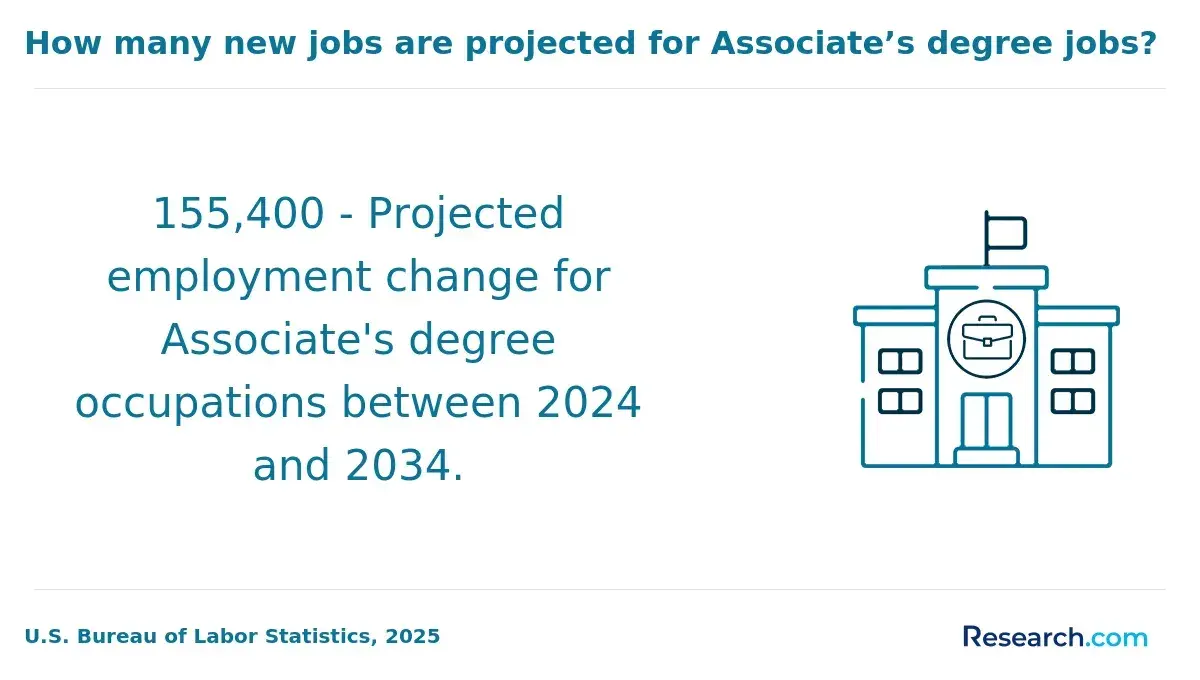
How Much Does Each Type of Exercise Science Degree Typically Cost?
Exercise science degree costs vary widely by school type, residency status, program format, credit requirements, and whether students need to pay for housing, commuting, lab fees, background checks, certification exams, or internship-related expenses. Tuition is only one part of the total cost, so students should compare the full cost of attendance before choosing a program.
- Associate Degree in Exercise Science: Tuition at public community colleges generally falls between $3,000 and $8,000 per year. This is usually the most affordable route, especially for students who qualify for in-district or in-state rates. Federal Pell Grants, state scholarships, and transfer pathways can make this option even more cost-effective.
- Bachelor's Degree in Exercise Science: Public in-state colleges average about $10,774 annually, while private institutions can charge around $30,830 per year. Online options may reduce housing or commuting costs, but they can include technology fees or required in-person components. Students commonly use federal loans, scholarships, grants, and work-study programs.
- Master's in Exercise Science: Tuition costs vary widely, ranging from $5,325 at some online public universities to $20,700 at private schools. Public colleges average roughly $12,394 annually, while private institutions may charge about $28,445. Graduate students may also pursue federal loans, graduate assistantships, employer tuition reimbursement, and department-based funding.
- Doctoral Degree in Exercise Science: Doctoral program tuition typically ranges from $454 to $709 per credit hour at public universities, with annual costs between approximately $9,000 and $20,000. Many doctoral students try to offset costs through research assistantships, teaching assistantships, fellowships, or federal loans.
Cost should be weighed against completion time and career goal. A lower-cost program that lacks required prerequisites, internship access, or certification preparation may not be the best value. Likewise, a more expensive program may be worth considering if it offers strong placement support, funded assistantships, specialized labs, or direct alignment with your intended career path.
A graduate of an Exercise Science degree program said her master's degree became more manageable because she applied for assistantships that helped offset tuition and provided teaching experience. “It wasn't just about covering the fees; the assistantship helped me build professional skills I use every day,” she explained. Her experience highlights an important point: funding opportunities can also build a resume, not just reduce the bill.
What Jobs Can You Get with Each Type of Exercise Science Degree?
Exercise science careers depend heavily on degree level, certification, experience, and work setting. An associate degree may support entry-level fitness or support roles, while bachelor's and master's degrees can open more specialized clinical, performance, wellness, and leadership pathways. Some careers also require licensure or a separate professional degree, so students should confirm requirements before committing to a program.
- Associate Degree in Exercise Science: Graduates commonly pursue entry-level roles such as fitness trainer, group exercise instructor, or physical therapy aide. These positions may involve demonstrating exercises, supporting rehabilitation staff, helping clients use equipment safely, and promoting general wellness in gyms, community centers, or rehabilitation clinics. Fitness trainers earn average salaries near $40,700 annually.
- Bachelor's Degree in Exercise Science: A bachelor's degree can prepare students for roles such as exercise physiologist, strength and conditioning coach, health education specialist, wellness coordinator, or fitness program manager. Exercise physiologists often develop fitness and rehabilitation plans for patients with chronic illnesses in medical settings, with median salaries around $50,280 and strong job growth projected by 2030. Strength and conditioning coaches focus on athletic performance, while health educators and wellness professionals design programs for organizations and communities.
- Master's Degree in Exercise Science: A master's degree can support more advanced roles such as clinical exercise physiologist, corporate wellness coordinator, nonprofit wellness program director, clinical research coordinator, sports performance specialist, or adjunct instructor. These professionals may design large-scale wellness initiatives, manage teams, oversee research projects, or work in specialized sports medicine settings. Salaries frequently start near $60,922 depending on position and location.
Exercise science can also serve as a foundation for doctoral study or professional programs in areas such as physical therapy, medicine, occupational therapy, or other allied health fields. Students comparing advanced study options and lucrative masters degrees should look closely at each program's placement outcomes, certification preparation, and whether graduates move into the roles the student wants.
How Do Salaries Differ by Exercise Science Degree Type?
Salary in exercise science is influenced by degree level, job title, certifications, employer type, geography, experience, and whether the role is clinical, fitness-based, academic, administrative, or performance-focused. Higher degrees can improve access to specialized and supervisory roles, but they do not automatically guarantee higher pay in every setting.
- Associate Degree in Exercise Science: This degree typically supports entry-level jobs such as fitness trainer or group instructor, with average starting salaries around $40,000-$44,000 per year. Earnings can vary based on location, clientele, workplace, commissions, and certifications. Without additional education or credentials, advancement may be limited.
- Bachelor's Degree in Exercise Science: Many exercise science roles, including exercise physiologist and athletic trainer pathways, require at least a bachelor's degree. Median salaries typically range from $49,000 to $59,000, with the national average for exercise physiologists near $58,160 in 2024. Industry, state, certification, and specialization can significantly affect pay.
- Master's Degree in Exercise Science or Related Fields: A master's degree can qualify graduates for specialized, supervisory, research, and performance roles. Average salaries often fall between $60,000 and $80,000. Professionals working in research, collegiate athletics, wellness consulting, or competitive markets may earn more, depending on experience and employer demand.
- Doctoral or Professional Degrees (e.g., physical therapy, occupational therapy, research/academic roles): Advanced and professional degrees can lead to the highest-paying paths connected to exercise science. Physical therapists earn a median of about $91,000 annually, while research professionals average $72,000-$75,000. These routes require extensive education and, in many cases, licensure or research credentials.
Students should compare salary against time and debt. A faster credential may be enough for a fitness career, while a clinical or academic goal may justify graduate study. If speed and earnings are both priorities, reviewing what is a quick degree that pays well can help put exercise science timelines into a broader context.
Is There High Demand for Exercise Science Degree Holders in the Job Market?
Yes, the job outlook for exercise science degree holders is generally positive, but demand varies by role, credential level, location, and specialization. Growth is being shaped by healthcare systems focused on chronic disease management, employers investing in wellness programs, sports organizations seeking performance support, and consumers using fitness apps, wearable health devices, and telehealth tools.
Exercise science graduates may find opportunities in hospitals, rehabilitation clinics, fitness centers, corporate wellness programs, sports organizations, universities, and community health settings. Urban centers and university hubs often offer more openings and higher compensation, while rural areas may need specialists who can support prevention, wellness, and rehabilitation services across broader populations.
Certifications such as ACSM-CEP and NSCA-CSCS can improve employability and salary potential, especially for students pursuing clinical exercise physiology or strength and conditioning. Employment projections indicate approximately 10% growth for exercise physiologists from 2023 to 2033, with related fields such as recreational therapy and fitness training expected to grow between 4% and 14%.
Salary expectations also depend on degree level and role. Bachelor's degree holders typically earn annual salaries from $44,000 to $65,000, while those with advanced degrees or PhDs can expect starting salaries between $80,000 and $120,000, along with faster job placement rates. These figures should be interpreted by career path: a clinical specialist, a coach, a corporate wellness manager, and a researcher may all hold exercise science degrees but compete in different labor markets.
For students, the practical takeaway is clear: demand is strongest when the degree is paired with relevant experience, credible certification, internship hours, and a specialization aligned with employer needs.
What Factors Should You Consider When Picking a Type of Exercise Science Degree?
The best exercise science degree is the one that fits your target career, budget, academic readiness, and timeline. A common mistake is choosing a program based only on convenience or title without checking whether it leads to the required certification, graduate-school prerequisites, supervised experience, or licensure pathway.
- Career Goals: Start with the job you want, then work backward. Entry-level roles such as personal trainer or fitness instructor may be accessible with an associate or bachelor's degree and often offer salaries around $40,000-$50,000. More specialized roles such as clinical exercise physiologist or athletic trainer usually require more advanced preparation and can command salaries exceeding $85,000.
- Time Commitment: Associate degrees typically take two years, bachelor's degrees four years, and master's degrees an additional one to three years. Internships, labs, clinical experiences, research projects, and certification preparation can add scheduling complexity, even when the advertised program length looks manageable.
- Salary Potential: Higher degrees may lead to higher earning potential, but the return depends on the role. Median salaries for bachelor's degree holders hover around $46,000-$49,000, while master's degree holders can earn between $55,000 and over $85,000 in advanced roles.
- Certification and Accreditation Requirements: Many employers prefer or require certifications from organizations such as ACSM or NSCA. Accreditation matters as well because it can affect employer confidence, graduate-school eligibility, financial aid access, and the value of the credential.
- Job Market Demand: Review demand for your specific target role, not just the major. Fields such as strength and conditioning specialists and clinical exercise physiologists are growing rapidly, which can increase the value of specialized coursework, internships, and advanced credentials.
Before enrolling, compare programs using a practical checklist: accreditation, total cost, completion time, internship support, certification alignment, faculty expertise, lab access, graduate outcomes, and flexibility. A program that looks attractive on paper should also make sense for your career plan and financial situation.
What Exercise Science Graduates Say About Their Degree and Salary
- Kyle: "Completing my bachelor's degree in exercise science opened doors I hadn't even imagined. The curriculum gave me both scientific knowledge and practical skills for rehabilitation and fitness coaching. When I started working in a physical therapy clinic, I saw how much my education helped me support patients working to regain mobility. The internships and hands-on experiences also built my confidence and professional network."
- Dean: "After earning my master's degree in exercise science, I developed a much deeper understanding of exercise physiology and performance analysis. The advanced coursework challenged me to evaluate data more carefully and design stronger conditioning programs. That training helped me move into leadership roles in sports training organizations and support better outcomes for athletes."
- Naya: "Pursuing a doctorate in exercise science was demanding, but it gave me research opportunities I could not have accessed otherwise. I studied how exercise supports mental health and used that work to influence wellness initiatives and school fitness programs. The degree advanced my career, but it also helped me become a stronger educator and advocate for healthier communities."
Other Things You Should Know About Exercise Science Degree Programs & Salaries
Exercise science graduates can pursue various careers, including roles as exercise physiologists, athletic trainers, strength and conditioning coaches, and wellness coordinators. Opportunities also exist in the health and fitness sector for positions like personal trainers or group fitness instructors, which remain in demand.
In 2027, exercise science degrees include Bachelor's, Master's, and Doctorate levels. Bachelor’s graduates can expect salaries around $40,000-$50,000 annually. Master's degree holders may earn between $50,000-$70,000, while those with Doctorates might see salaries exceeding $80,000, depending on specific roles and locations.
References
- Online Exercise Science Master's Degree - Sports Degrees Online https://sportsdegreesonline.org/online/online-masters-in-exercise-science/
- Bachelor's in Exercise Science – Exercise Science Degree https://www.bsu.edu/academics/collegesanddepartments/kinesiology/academic-programs/bachelors-degrees/exercise-science
- Are Online Exercise Science PhD Programs Respected by Universities and Employers? https://exsci.cuchicago.edu/are-online-exercise-science-phd-programs-respected/
- Online Degrees Versus Traditional Degrees https://online.maryville.edu/online-degrees-vs-traditional-degrees/
- Exercise Science - College of Education - UT Austin https://education.utexas.edu/academics/bachelors/exercise-science/
- Exercise Science Careers: Paths with Degrees https://www.fitnessmentors.com/exercise-science-careers/
- Sport and exercise science https://www.whatuni.com/advice/subject-guides/sport-and-exercise-science/
- 10 Most Affordable Exercise Science and Kinesiology Bachelor's Programs - The Best Health Degrees https://www.besthealthdegrees.com/most-affordable-exercise-science-bachelors/
- The ultimate guide to choosing a kinesiology major https://www.augustana.edu/blog/ultimate-guide-choosing-kinesiology-major
- Exercise Science: Definition, Degrees, and Jobs https://www.coursera.org/articles/exercise-science