
2027 How Long Does It Take to Earn an Online Neuroscience Degree?

Co-Founder and Chief Data Scientist
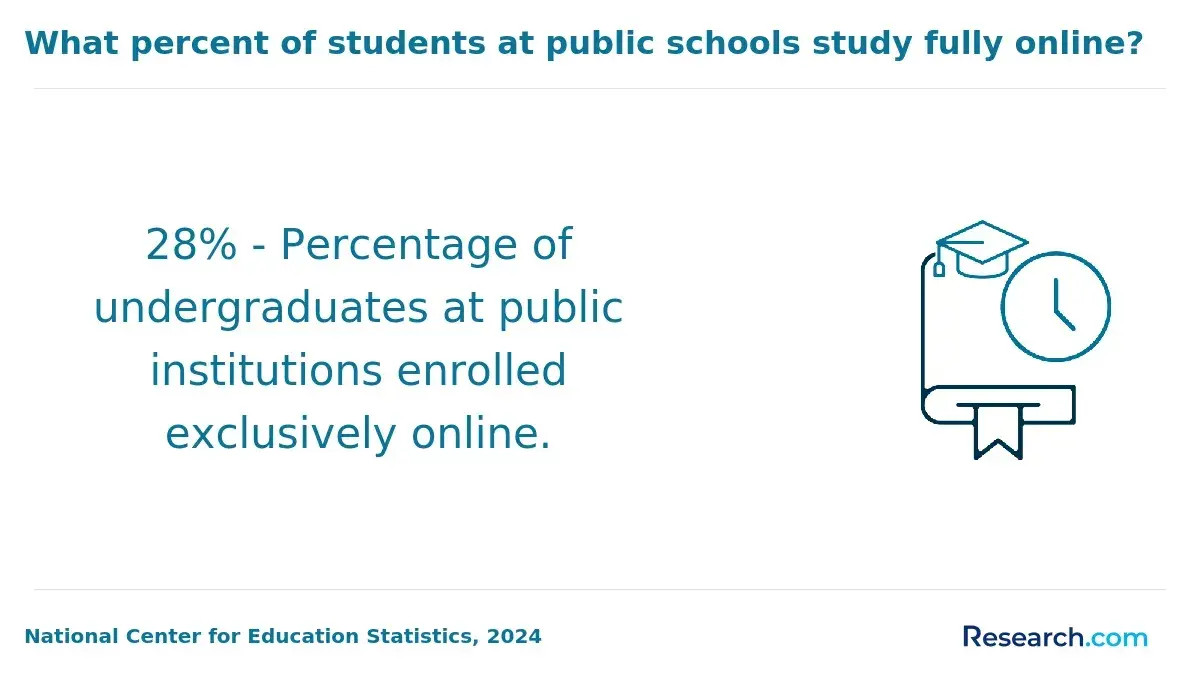
Online education offers unprecedented flexibility and convenience, making advanced fields like neuroscience more accessible than ever. According to the National Center for Education Statistics, enrollment in online programs continues to rise, reflecting growing demand for remote learning options in science disciplines. Understanding how long does it take to earn an online Neuroscience degree is crucial for planning academic and career goals effectively.
This article explores the average program duration, key factors influencing completion time, and strategies for selecting a program that aligns with individual schedules and objectives. It aims to equip prospective students with the knowledge needed to make informed, confident decisions about their education path.
Key Benefits of Online Neuroscience Degree
- Most online neuroscience degrees can be completed within four years, matching the timeline of traditional programs, but flexible scheduling allows students to balance work and study efficiently.
- Accelerated tracks or part-time options enable some students to finish in as little as two to three years, depending on course load and prior credits.
- Online programs often offer year-round courses, reducing breaks and allowing motivated students to shorten their degree timeline compared to on-campus schedules.
What is the average completion time for online neuroscience programs?
Online neuroscience programs typically take anywhere from several months to several years to complete, depending on the level of degree and the student's enrollment status. To help prospective students understand the average duration of online neuroscience degree programs, here is a breakdown of typical completion times by degree level.
- Online Graduate Certificate in Neuroscience: These programs are generally designed to be completed within 2 to 3 semesters. Students who attend full-time can often finish in two semesters, while part-time enrollment may extend the timeline to three semesters. Such certificates provide foundational knowledge and upskilling opportunities for professionals aiming to enhance their neuroscience expertise.
- Online Bachelor's Degree in Neuroscience: The average duration for an online bachelor's degree in neuroscience is about 48 months, or four years, for full-time students. This timeframe aligns with traditional undergraduate programs and covers essential courses in biology, physiology, and other scientific disciplines, offering a comprehensive education in the field.
- Online Master's Degree in Neuroscience: Completing a neuroscience master's online typically takes 2 to 3 years, though some programs allow extensions up to 7 years to accommodate individual pacing. This duration provides flexibility for working professionals and aligns with expectations of how long to complete neuroscience master's online, especially for those balancing career and study commitments.
- Online Ph.D. in Neuroscience: Online doctorates in neuroscience are rare, but traditional Ph.D. programs usually require around 5.1 years on average, with a goal to finish within six years. The time investment reflects the research-intensive nature of the degree and extensive dissertation work required.
Students interested in quicker pathways may also consider options like an associate's degree online in 6 months, which can serve as a stepping stone toward advanced neuroscience studies. These estimates serve as a general guide, but actual program length may vary based on individual schedules, prior education, and enrollment status.
What factors can affect how long it takes to earn an online neuroscience degree?
The time required to earn an online neuroscience degree depends on multiple variables that affect how quickly students can complete their coursework and meet graduation requirements. Understanding these factors is essential for those planning their academic path.
Below are key considerations influencing the duration of an online neuroscience program:
- Student's Science Background: Having prior science coursework, especially in biology, chemistry, or psychology, often helps students grasp complex neuroscience topics faster. Those without this foundation may need to finish prerequisite classes, extending their overall timeline.
- Course Load per Semester: Taking more credits each term can shorten the time to graduation, but neuroscience is demanding, and a heavy course load may not be sustainable for everyone. Some institutions note that completing the program in one year involves an intense schedule suited only for students with minimal outside commitments.
- Employment and Personal Commitments: Balancing a full-time job or family responsibilities can limit the number of courses a student can take simultaneously, often lengthening the program duration.
- Prior Experience with Online Education: Students familiar with online learning platforms and self-directed study tend to adapt more quickly, which can reduce delays. Conversely, those new to this format may require additional adjustment time.
- Time Management Skills: Effective organization and task prioritization can help students maintain steady progress. Poor time management may result in needing to retake courses or extend enrollment.
- Course Availability and Prerequisites: Some neuroscience courses are only offered annually, so missing a class or prerequisite can cause unavoidable delays in program completion.
Prospective students should also explore open enrollment programs that might offer more flexible pacing options suited to their individual circumstances. Considering these factors impacting online neuroscience degree completion allows learners to create a realistic plan that aligns with their goals and background.
What are the different types of online neuroscience programs available?
Prospective students interested in online neuroscience education can choose from various degree types and specializations tailored to different career ambitions and academic backgrounds. These diverse options accommodate entry-level learners, seasoned professionals, and those seeking focused expertise, enabling flexible and personalized learning paths.
Below is an overview of the primary types and concentrations of online neuroscience programs currently available.
- Bachelor's Degree in Neuroscience: This undergraduate program offers a thorough foundation in biology, physiology, and psychology, preparing students for entry-level roles or graduate study. Typically consisting of around 120 credit hours, it usually takes about four years to complete.
- Master's Degree in Neuroscience: Aimed at advanced learners, these programs often focus on biomedical neuroscience, medical science, or aging and neuropsychology. Completion times range from two to four years, equipping professionals for careers in clinical research, healthcare, and academia.
- Certificate Programs in Neuroscience: These flexible, accelerated courses provide specialized knowledge without the commitment of a full degree. Certificates usually include four to six courses and cover biological, psychological, and clinical neuroscience perspectives.
- Specialized Master's Programs: Concentrations like neuroeducation, neurobusiness, and cognitive science combine neuroscience with education, leadership, or interdisciplinary research, catering to students seeking niche expertise in these intersecting fields.
- Individual Courses and Microcredentials: Short-term options focused on topics such as computational neuroscience or neuromarketing are ideal for professionals aiming to enhance specific skills or pursue continuing education at their own pace.
How many credit hours are required for an online neuroscience degree?
Most online Neuroscience degree programs require students to complete a substantial number of credit hours to ensure a comprehensive education in the field. Understanding the credit hour requirements across various degree levels helps prospective students plan their academic journey effectively.
Below is a breakdown of typical credit hour expectations for different types of online Neuroscience programs.
- Associate Degree in Neuroscience: Typically requires around 60 to 65 credit hours, focusing on foundational science courses and introductory neuroscience topics. Full-time students usually complete the degree in about two years, while part-time students may extend their studies to three or more years. Some programs accept transfer credits, which can shorten the duration.
- Bachelor's Degree in Neuroscience: Generally demands 120 credit hours, combining general education, core science subjects, and specialized neuroscience coursework. Students studying full-time can usually finish in four years, while part-time students might take five to six years depending on course load. Transfer credits and program flexibility can affect the timeline.
- Master's Degree in Neuroscience: Usually requires between 30 to 45 credit hours, emphasizing advanced topics and research methodologies. Full-time enrollment typically leads to degree completion in two years; part-time students may take longer. Programs may vary in structure, with some demanding thesis work that affects credit hour distribution.
- Doctoral Degree (PhD) in Neuroscience: Credit requirements are more variable but often total 60 to 90 credit hours beyond a master's degree. Completion time ranges from four to six years, factoring in coursework, research, and dissertation credits. Program design and individual progress significantly influence credit accumulation.
I asked a graduate of an online Neuroscience degree about their experience meeting these credit hour demands. They recalled the challenge of balancing intense coursework with a full-time job, often navigating several 7.5-week classes simultaneously to stay on track. They found that the flexibility of online scheduling was invaluable, allowing moments of focus during night hours and weekends.
Despite occasional stress during finals, the structure pushed them to develop strong time-management skills. Ultimately, completing the required credits was not only an academic achievement but also a personal growth journey that enhanced their confidence and passion for neuroscience.
What courses are included in a standard online neuroscience curriculum?
A standard online neuroscience curriculum encompasses foundational knowledge in biology, psychology, and chemistry while also diving into specialized subjects that address brain function, neuroanatomy, cognition, and behavior from both scientific and clinical viewpoints.
Below are examples of core and specialized courses commonly offered in online neuroscience programs, giving insight into the essential learning areas and career preparation they provide:
- Introduction to neuroscience: Covers the fundamental structure and function of the nervous system, introducing key neurobiological concepts and major research questions. This course lays the groundwork for more advanced study in neuroscience and related fields.
- Neuroanatomy and neurophysiology: Examines the anatomy of the brain and spinal cord along with how neural systems control sensation, movement, and basic behaviors. Knowledge here is critical for careers in medicine, neuropsychology, and clinical research.
- Behavioral neuroscience: Explores how the nervous system influences behavior, perception, learning, and emotion, bridging biology and psychology. This course prepares students for roles in mental health, behavioral therapy, and academic research.
- Cognitive neuroscience: Focuses on the neural bases of cognitive functions such as memory, attention, language, and decision-making, helping students understand disorders like Alzheimer's and apply cognitive principles in clinical or research contexts.
- Neurochemistry and psychopharmacology: Investigates how neurotransmitters and drugs affect the nervous system and behavior, offering valuable knowledge for careers in pharmaceuticals, clinical psychology, and psychiatric research.
- Developmental neuroscience: Studies nervous system development from embryo to adulthood, emphasizing critical periods, neurodevelopmental disorders, and neural plasticity. This is important for pediatrics, neurology, and research on developmental diseases.
- Research methods and experimental design: Teaches scientific methodology, data analysis, and experimental approaches, equipping students with skills needed for laboratory, academic, or industry research roles.
- Electives and interdisciplinary topics: Offers options such as computational neuroscience, neuroimaging, the neuroscience of music, or neuroengineering, helping students tailor their studies toward emerging fields of interest.
How often do online neuroscience programs start during the year?
Online neuroscience programs typically offer multiple start dates throughout the year, providing flexibility for students balancing work, family, or other commitments. This frequent enrollment pattern allows prospective students to begin their studies when it best fits their schedules, rather than waiting for a single annual intake.
Below are the most common enrollment options available for online neuroscience programs, reflecting the variety of start schedules designed to accommodate diverse student needs.
- Traditional Academic Calendar: Many programs, especially at U.S. universities, follow the traditional academic calendar with start dates in the fall (August/September) and spring (January) semesters. This option suits students who prefer aligning with standard university cycles or who plan to transfer credits or apply for financial aid based on traditional timelines.
- Multiple Semester Starts: Some universities offer two start dates per semester, such as August and October in fall, January and March in spring, plus summer starts in May or June. This allows up to six intakes per year, reducing wait times between application and enrollment and giving students more choice in when to begin.
- Rolling Admissions: Certain courses and certificate programs allow enrollment at any time, with classes starting as soon as a student registers. This model, used by some institutions, provides significant flexibility for students to begin and complete coursework within defined windows, typically between 90 to 180 days.
- Accelerated or Block Scheduling: Some programs deliver courses in accelerated 8-week blocks, often asynchronously, allowing students to complete credits quickly and focus intensely on fewer topics. This is ideal for motivated learners needing fast progress and flexibility around professional obligations.
- Monthly or Quarterly Starts: Select graduate-level or international programs offer monthly or quarterly enrollments, providing frequent entry points throughout the year. This option appeals to international or working students seeking maximum flexibility in starting their studies.
How much faster can you complete an accelerated online neuroscience degree?
Accelerated online neuroscience programs significantly reduce the time needed to earn a degree by condensing courses and maximizing flexibility compared to traditional four-year formats. These programs use various strategies to help students complete their studies faster while maintaining a rigorous education.
Here are some common ways these programs enable quicker graduation:
- Shorter Course Terms: Classes are delivered in compressed formats, often lasting only 5 to 10 weeks instead of the usual 15-week semesters. This allows students to take more courses throughout the year and finish degree requirements sooner.
- Year-Round Enrollment: With multiple start dates and continuous enrollment options, students can take classes during times traditional programs consider breaks, accelerating their overall progress.
- Heavier Course Loads: Students may take increased credit hours per term, such as 10-12 credits in a semester, enabling full-time learners to complete master's degrees in as little as one year.
- Transfer Credits and Degree-Completion Paths: Many programs accept prior college or associate degree credits, potentially shortening the undergraduate timeline to 1-2 years for those with substantial transfer credits.
- Dual-Degree and 4+1 Programs: Combined bachelor's and master's degree programs let students earn both within five years, saving valuable time compared to pursuing them separately.
- Asynchronous and Flexible Learning: Flexible course schedules enable students to study at their own pace, accommodating work and family commitments while taking advantage of accelerated options when possible.
A graduate of an online accelerated neuroscience degree shared that managing the intense pace required setting strict daily goals and creating a dedicated study space at home. They recounted the challenge of balancing work and family alongside back-to-back 8-week courses but found motivation in the program's flexibility, which allowed evening study sessions and weekend labs.
This experience fostered a disciplined yet adaptable routine, making the accelerated completion both demanding and rewarding, especially when they crossed the finish line nearly twice as fast as their peers in traditional programs.
Does finishing an online neuroscience degree faster save you money?
Completing an online Neuroscience degree faster can indeed lead to significant cost savings by completing online neuroscience degree early, reducing the overall financial burden on students.
Accelerated completion often means spending less time enrolled, which can cut down on various expenses related to education and living. The main ways students can reduce tuition expenses with accelerated neuroscience program are outlined below.
- Lower Tuition Costs: Many online neuroscience programs charge tuition per credit or per semester, so finishing your degree sooner by taking heavier course loads or summer sessions can reduce the number of terms you pay for. This directly lowers tuition expenses and helps you avoid additional fees that might accrue over longer enrollment periods.
- Reduced Living Expenses: Even though online students study remotely, they still incur ongoing living costs such as housing and utilities. Completing your degree in less time means less months spent budgeting for these expenses, resulting in potential savings on daily life costs during your education.
- Earlier Entry Into the Workforce: Graduating earlier allows you to start earning a full-time salary sooner, which can improve your financial situation and offset educational costs. For example, the median starting salary for neuroscience graduates with a bachelor's degree is about $42,090, so even a few months of earlier employment can contribute meaningfully to lifetime earnings.
- Less Time Off Work: For working professionals, a shorter program minimizes the conflict between work and study commitments, reducing the need for unpaid leave or decreased hours. This helps maintain your income stream and supports career advancement while completing your degree.
It is important to remember that not every program allows for accelerated completion, so verifying your chosen school's tuition structure-whether tuition is charged per credit, per term, or as a flat rate-is crucial for planning your finances effectively.
For those exploring pathways to accelerate their education, resources like the quickest way to get associate's degree can offer helpful guidance.
How soon can graduates start working after earning their online neuroscience degree?
Graduates who wonder how quickly can you get a neuroscience job after graduation will find that timing varies based on multiple factors. Typically, those with a bachelor's degree in neuroscience may secure relevant employment within a few weeks to several months, depending on the field of study, job demand, and prior work experience. High-demand roles like behavioral and mental health counselors or data scientists often offer faster job placement opportunities.
However, graduates aiming for research-intensive or clinical positions might face longer job searches due to additional education or certification requirements. Overall, the time to employment for online neuroscience degree graduates depends largely on how well their skills align with current market needs.
Online neuroscience programs frequently allow students to gain work experience, build professional networks, and complete internships while still enrolled, which can significantly aid their transition to the workforce. Many programs encourage participation in laboratory projects or research placements, increasing practical skills and employability.
These opportunities help graduates establish industry contacts and sometimes even receive job offers before completing their degrees. This flexible approach benefits online learners in particular, enabling them to balance part-time work or internships alongside their studies.
For those seeking affordable and flexible options to start their neuroscience education, exploring the best cheap online colleges that accept FAFSA can be a good first step toward quicker employment.
How much do online neuroscience graduates earn on average?
The average salary for online neuroscience degree holders in the US typically ranges between $50,000 and $168,000 annually, depending on career path, experience, and specialization. To better understand the earning potential for US neuroscience graduates with online degrees, here is a breakdown of average salaries by common job levels and roles:
- Entry-Level Roles: Graduates starting out in research assistant, laboratory technician, or healthcare support positions usually earn between $50,000 and $75,000 per year. Salaries at this stage vary based on location, prior experience, and employer type.
- Mid-Career Professionals: After gaining experience or additional specialization, professionals may advance to clinical research coordinators or project manager roles with salaries generally ranging from $90,000 to $130,000. Progression depends on technical skills and professional networking.
- Specialized Positions: Those with advanced degrees such as PhDs or specialized training often work as neuroscientists or neuropsychologists and earn between $110,000 and $150,000, with some earning well above this in high-demand markets like California.
- Leadership Roles: Lab directors, principal investigators, or university faculty can command salaries from $120,000 up to over $200,000, influenced by institution type and tenure status.
- Industry Variations: Neuroscience professionals in biotech, pharmaceuticals, or private sectors may see higher earnings, ranging from $168,000 to $400,000 or more annually in top positions.
Choosing one of the best affordable online universities for job holders can help students accelerate their degree completion and access these salary opportunities sooner, reducing overall costs while maximizing earning potential.
Here's What Graduates of Online Neuroscience Programs Have to Say About Their Degree
- Liyana: "Completing my online neuroscience degree was a transformative journey that blended rigorous coursework with the flexibility I needed as a working parent. The program's focus on both molecular neuroscience and cognitive processes allowed me to develop a well-rounded skill set, making me confident to pursue a research assistant position right after graduation. I appreciated how the virtual labs simulated real-life scenarios, which enriched my learning despite not being on campus. This degree truly empowered me to balance personal responsibilities while advancing professionally in a competitive field."
- Marcus: "Starting my career after finishing an online neuroscience program exceeded all my expectations. Employers often hesitate about online credentials, but the deep understanding I gained through the program's detailed modules on neuroplasticity and clinical applications has opened doors in healthcare tech. I love knowing my work directly impacts patient care innovations and helps improve lives. The online format also encouraged me to develop strong self-discipline and communication skills that continue to serve me in collaborative projects at my new job."
- Kamala: "Reflecting on my experience as an online neuroscience graduate, I am humbled by the growth it spurred both intellectually and personally. Pursuing the degree remotely while volunteering for community mental health initiatives deepened my commitment to supporting youth well-being. The integration of neurobiological theories with real-world applications motivated me to design educational workshops that demystify brain science for underserved populations. This program was more than an academic achievement; it was a platform to fuel my passion for social impact and lifelong learning."
Other Things You Should Know About Online Neuroscience Degree Programs
In 2027, earning an online neuroscience degree typically takes three to four years for a bachelor's program. This timeline can vary based on the institution's structure, the student's enrollment status (full-time or part-time), and any prior credits the student might have.
Graduates commonly pursue roles in research, clinical support, pharmaceutical companies, or healthcare. Some may continue education in graduate or medical programs. Online degrees provide foundational knowledge applicable to various neuroscience-related career tracks.
In 2027, graduates with an online neuroscience degree can pursue diverse career paths, such as research assistant, pharmaceutical sales representative, or neuroimaging technician. Opportunities also exist in healthcare, academia, and data analysis. Graduates might also consider roles in public health or pursue further studies in graduate programs.
References
- Breaking barriers: broadening neuroscience education via cloud platforms and course-based undergraduate research https://pmc.ncbi.nlm.nih.gov/articles/PMC12307389/
- Neuroscience https://lpsonline.sas.upenn.edu/academics/bachelors-degree/baas-course-blocks/neuroscience
- Online Neuroscience Degree Programs https://www.academicinfo.net/neuroscience/
- Neuroscience https://extension.berkeley.edu/search/publicCourseSearchDetails.do
- Artificial neurons compute faster than the human brain https://www.nature.com/articles/d41586-018-01290-0
- Neuroscience and Cognitive Science (BS) https://online.arizona.edu/programs/undergraduate/online-bachelor-science-neuroscience-and-cognitive-science-bs
- Neuroscience - Bachelor of Arts (BA) https://catalog.colorado.edu/undergraduate/colleges-schools/arts-sciences/programs-study/psychology-neuroscience/neuroscience-bachelor-arts-ba/
- Best Neuroscience Courses & Certificates [2025] | Coursera Learn Online https://www.coursera.org/courses
- What Jobs Can You Get With A Neuroscience Degree - A New Scientist Careers Guide https://www.newscientist.com/nsj/article/what-jobs-can-you-get-with-a-neuroscience-degree-a-new-scientist-careers-guide
- Top Neuroscience Courses Online - Updated [October 2025] https://www.udemy.com/topic/neuroscience/


