
2027 How To Become a Phlebotomist in California

Co-Founder and Chief Data Scientist
California offers a robust job market for phlebotomists, with the state employing over 22,000 professionals in this field. The median annual wage for phlebotomists in California exceeds the national average, reflecting the demand for skilled practitioners in healthcare facilities across the state. This career presents strong growth prospects due to California's expanding healthcare industry and aging population, making phlebotomy a viable and rewarding profession.
This article details the necessary steps to become a certified phlebotomist in California. Developed by experts in career planning, it guides prospective students through certification requirements, training programs, and employment opportunities. Readers will gain authoritative insight to make informed decisions about entering this essential healthcare role.
Key Things to Know About Becoming a Phlebotomist in California
- Complete a state-approved phlebotomy training program consisting of at least 40 hours of classroom instruction and 40 hours of practical experience to meet California Department of Public Health requirements.
- Pass the California Phlebotomy Technician Certification exam administered by an approved entity such as the American Society for Clinical Pathology to legally practice in the state.
- Understand that California employs over 20,000 phlebotomists, with average annual salaries around $40,000, reflecting steady demand in healthcare facilities statewide.
- What are the education requirements to become a phlebotomist in California? Education Requirements
- What subjects are taught in phlebotomy classes in California? What subjects are taught in phlebotomy classes in California?
- Do you need a state license to work as a phlebotomist in California? State License
- What phlebotomy certifications are recognized in California? Certificatiobs
- Where can you find accredited phlebotomy training programs in California? Where can you find accredited phlebotomy training programs in California?
- How much does phlebotomy training cost in California? Training Costs
- What skills are required to become a successful phlebotomist in California? Required Skills
- Where do phlebotomists typically work in California? Where do phlebotomists typically work in California?
- What is the average salary for phlebotomists in California? Average Salary
- What are the best ways to grow your phlebotomy career in California? What are the best ways to grow your phlebotomy career in California?
What are the education requirements to become a phlebotomist in California?
Proper education and rigorous training are critical for phlebotomists to ensure blood collection procedures are performed safely and accurately in both clinical and laboratory settings.
These measures protect patients and healthcare workers from harm and prevent compromised test results. Meeting the specific California phlebotomy training program requirements guarantees that candidates are well-prepared for the professional environment.
The following outlines the key educational prerequisites for aspiring phlebotomists in California:
- High School Diploma or Equivalent: Candidates must hold at least a high school diploma or an equivalent credential such as a GED, CHSPE, or HiSET certificate. This ensures foundational literacy, mathematics, and science skills vital for understanding technical phlebotomy concepts and practices.
- Completion of a State-Approved Phlebotomy Training Program: Enrollment in a phlebotomy training program approved by the California Department of Public Health is mandatory. These programs, offered through community colleges, vocational schools, or technical institutes, combine classroom theory and supervised clinical practice essential for safe blood collection.
- Didactic and Clinical Instruction Hours: California requires a minimum of 40 hours of classroom instruction covering anatomy, infection control, and blood collection techniques, alongside at least 40 hours of clinical training. During clinical hours, students must successfully perform a specified number of venipunctures and skin punctures on real patients to demonstrate competency.
- Certification and Licensure: After completing education and training, candidates must pass a national or state-approved certification exam. Successfully passing the exam allows application for the Certified Phlebotomy Technician I (CPT I) license, which is essential for legal practice in California. Ongoing continuing education and license renewal maintain professional standards.
Those seeking detailed guidance on medical billing and related healthcare careers may find useful information on how long to study medical billing and coding.
What subjects are taught in phlebotomy classes in California?
Understanding the subjects in phlebotomy classes in California is fundamental for preparing students to perform blood collection techniques safely and accurately, ensuring patient wellbeing and reliable laboratory results.
A well-structured phlebotomy course curriculum in California equips future professionals with the knowledge and skills to meet the state's stringent certification and clinical practice standards.
Below are the primary subjects covered in California phlebotomy training that collectively develop competent and ethical practitioners.
- Anatomy and Physiology: This subject focuses on the human circulatory system, emphasizing the structure and function of veins, arteries, and capillaries. Mastery of this area helps students understand patient variability and select appropriate blood draw sites, which is essential for safe and effective specimen collection.
- Venipuncture and Capillary Puncture Techniques: Trainees learn proper procedures for drawing blood from veins and capillaries, with hands-on practice required to achieve proficiency. California mandates students complete numerous supervised punctures, which minimizes patient discomfort and sample contamination in real-world settings.
- Infection Control and Safety Procedures: Instruction covers OSHA and CLIA regulations, proper use of personal protective equipment, and strategies for preventing bloodborne pathogen transmission. This knowledge is critical for maintaining safety and regulatory compliance in clinical environments.
- Specimen Handling and Laboratory Processing: Students are trained to accurately label, transport, and process blood samples, including centrifuging and recognizing unacceptable specimens. Proper handling prevents diagnostic errors and maintains laboratory integrity throughout testing.
- Patient Communication and Professional Conduct: This subject emphasizes effective communication techniques, patient consent, professionalism, and cultural sensitivity, all vital for gaining patient trust and ensuring ethical practice in diverse healthcare settings.
- Medical Terminology and Documentation: Clear understanding of medical terms related to phlebotomy and meticulous record-keeping support legal compliance and efficient workflow within medical laboratories.
- Quality Assurance and Legal Issues: Students explore quality control protocols and legal responsibilities specific to California, including privacy laws and patient rights, guiding them to uphold high standards and regulatory adherence.
- CPR and Emergency Procedures: Many programs incorporate CPR certification and training for managing emergencies such as fainting or adverse reactions, preparing students to respond competently to urgent situations.
For those interested in the healthcare field beyond phlebotomy, there is a useful comparison available on CBCS vs CPC medical coding certification comparison that highlights pathways in medical coding and billing certifications.
Do you need a state license to work as a phlebotomist in California?
In California, working as a phlebotomist legally requires obtaining a state-issued license. This licensure is mandatory regardless of previous certifications or experience gained in other states.
The California Department of Public Health oversees the regulatory process, ensuring that all practicing phlebotomists meet specified educational and competency standards. Unlike some states that accept national certification or employer-based qualifications alone, California's licensure framework demands formal approval through the state, making it a critical credential for employment.
Consequently, hospitals, private clinics, and diagnostic laboratories in California must verify that their phlebotomy staff hold valid state licenses before allowing them to perform blood collection procedures.
This strict regulatory approach directly influences job eligibility and the overall employment landscape within California's healthcare system. Only licensed individuals can legally work as phlebotomists, which fosters consistent professional standards and enhances patient safety statewide.
Aspiring phlebotomists must therefore be well-informed about these licensing obligations, as they determine not only the legal ability to practice but also the range of facilities where employment is possible.
Understanding and complying with California's state-specific licensure requirements ensure that professionals can navigate the career path efficiently and secure positions in diverse healthcare environments across the state.
What phlebotomy certifications are recognized in California?
Certification holds significant value for phlebotomists in California as it meets stringent employer expectations and enhances job prospects by demonstrating verified expertise.
Holding recognized credentials also establishes professional credibility, which is crucial within the competitive healthcare environment.
For those pursuing California approved phlebotomy certification exams, several nationally recognized certifications are accepted and valued by regulatory and employment bodies.
Below are the major phlebotomy certifications recognized in California.
- National Healthcareer Association (NHA) Certified Phlebotomy Technician (CPT): This certification is awarded to individuals who have completed an approved training program and successfully passed the national CPT examination. Approved by California since 2005, the NHA credential is appreciated for its comprehensive exam and ongoing continuing education standards that align with state requirements.
- American Society for Clinical Pathology (ASCP) Phlebotomy Technician (PBT): Widely respected in laboratory medicine, the ASCP offers the PBT certification that requires candidates to demonstrate proficiency through education and examination. Approved by California since 2003, it is often preferred by clinical labs and hospitals due to its rigorous standards and reputable national standing.
- American Medical Technologists (AMT) Registered Phlebotomy Technician (RPT): Recognized in California since 2003, the AMT certification demands completion of training and passing a national exam. Its focus on professional ethics and continuing education supports career growth within allied health professions, making it a well-regarded credential.
- National Center for Competency Testing (NCCT) Phlebotomy Technician (NCPT): Approved as of 2003, the NCCT certification tests both theoretical knowledge and practical skills. Employers in California value NCCT's commitment to high competency standards and its rigorous examination process.
California's large certified phlebotomy workforce reflects the importance of these credentials in meeting legal requirements and securing employment. Those interested in phlebotomy may also find it helpful to understand what is the job of medical billing and coding, which is another vital role within healthcare operations.
Where can you find accredited phlebotomy training programs in California?
Enrolling in an accredited phlebotomy training program in California ensures that students receive comprehensive, state-approved education that meets rigorous quality standards.
This accreditation is critical for eligibility to obtain state certification as a Certified Phlebotomy Technician I and enhances employment prospects across healthcare settings. Prospective students should carefully select programs that are officially recognized to secure proper training and certification pathways.
Below are common institutions where accredited phlebotomy programs are available in California.
- Community Colleges: These public institutions provide thorough phlebotomy certificate programs combining classroom instruction with clinical practice. Students can verify program approval through the California Department of Public Health's Laboratory Field Services listings.
- Vocational and Technical Schools: Focused on fast-track training, these schools offer intensive courses that fulfill California certification requirements and include mandatory externships. Accreditation can be confirmed via the Bureau for Private Postsecondary Education and CDPH approvals.
- Hospitals and Medical Centers: Certain hospitals offer CDPH-approved programs featuring didactic lessons paired with clinical rotations at affiliated facilities, designed to prepare students for immediate employment.
- Private Career Institutes: These provide flexible, specialized phlebotomy training with smaller class sizes. Prospective students should ensure programs are licensed by CDPH and appear on the state's approved list.
- Universities and Allied Health Schools: Some universities offer accredited certificate programs with advanced coursework options and extensive career support services, holding regional accreditation alongside CDPH approval.
When discussing where to find accredited phlebotomy programs, a phlebotomist from California shared insightful reflections on his own journey.
He recalled the challenge of navigating numerous training options, emphasizing the importance of verifying accreditation early in the process to avoid wasted time and expenses. He enrolled in a local community college program, praising its structured curriculum and clinical opportunities that built his confidence for certification exams and clinical work.
"Finding a program that was officially approved made all the difference," he said, noting that the clear guidance from advisors helped him focus on quality training rather than marketing promises.
His experience underscored how critical it is for aspiring phlebotomists to seek out institutional legitimacy and practical hands-on learning to succeed in California's competitive healthcare environment.
How much does phlebotomy training cost in California?
The cost of phlebotomy training in California varies depending on factors such as the type of institution (public or private), the length and intensity of the program, and geographic location. Public community colleges and adult education centers generally offer more affordable options, while private vocational schools often have higher tuition rates.
Program durations range from a few weeks to several months, influencing total expenses significantly. Below are key cost components that contribute to the overall investment required for phlebotomy training in California:
- Tuition and Fees: This is the largest expense, covering classroom instruction and hands-on laboratory practice. Tuition in California usually ranges from $1,000 to $5,500, with public institutions offering lower rates and private schools charging more for comprehensive or advanced programs.
- Books and Supplies: Students typically need to buy textbooks, workbooks, and specialized materials like phlebotomy kits. Costs for these resources generally range between $50 and $300, though some schools include them within the tuition fee.
- Uniforms and Equipment: Medical scrubs, identification badges, and protective equipment such as gloves may be required. These items typically cost between $50 and $150, with some programs providing uniforms as part of the tuition.
- Certification Exam Fees: Graduates must pass a national certification exam to practice professionally. These exam fees usually range from $100 to $200 and may be bundled with the tuition or paid separately.
- Background Checks, Health Screenings, and Immunizations: Essential for clinical placement, fees for background checks average $30 to $80. Immunization costs vary widely, potentially reaching over $200 if multiple vaccines or titers are needed without insurance coverage.
- State Licensing Fees: After certification, phlebotomists must apply for state licensure, which involves fees typically between $100 and $150, generally not included in training costs.
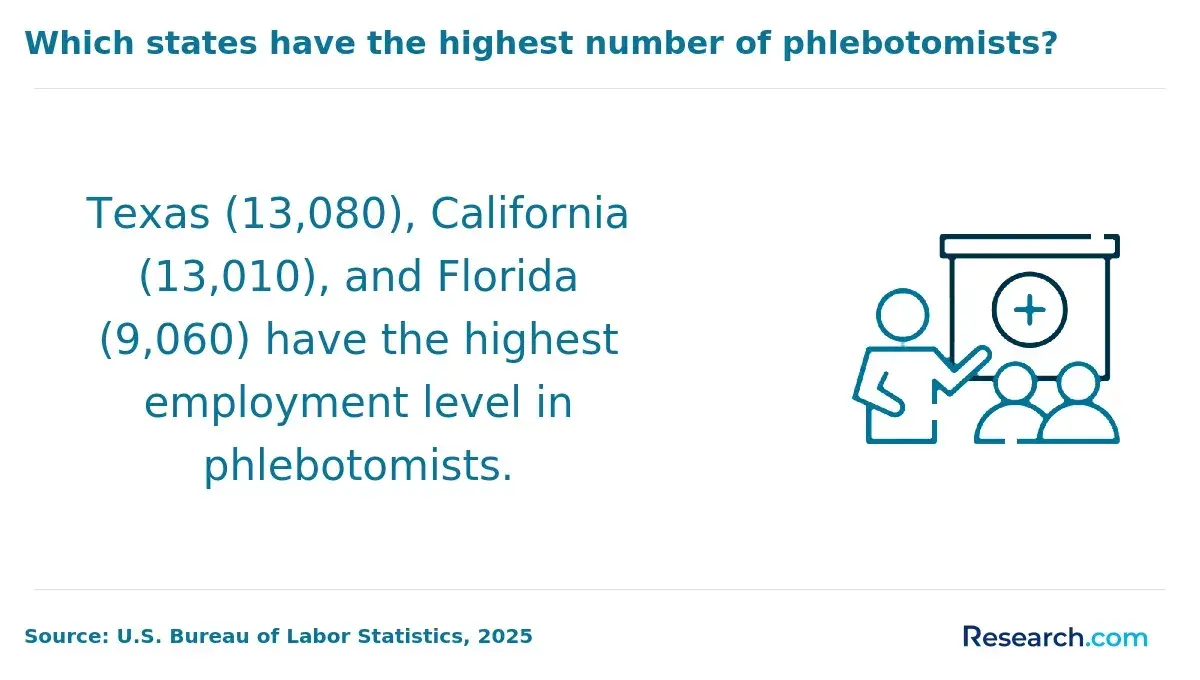
What skills are required to become a successful phlebotomist in California?
Mastering essential skills is fundamental for phlebotomists in California to ensure patient comfort, maintain rigorous safety standards, and collect blood samples with precision. These abilities support accurate diagnostics and uphold the high-quality care expected in demanding healthcare settings.
Below are the critical skills required to excel as a phlebotomist in California:
- Technical Proficiency: Skillful execution of venipunctures and skin punctures ensures efficient and safe blood collection, minimizing patient discomfort and complication risks.
- Attention to Detail: Precise labeling and documentation prevent errors, safeguarding patient safety and compliance with strict protocols.
- Communication Skills: Clear, compassionate interaction eases patient anxiety and fosters teamwork with medical staff.
- Professionalism: Upholding ethical standards and patient confidentiality builds trust and reflects industry integrity.
When I spoke with a phlebotomist from California who graduated from a local program, she reflected on her journey developing these skills.
She emphasized how hands-on clinical training challenged her to refine technical precision while managing anxious patients-moments that taught her the value of empathy and clear communication.
"Every procedure was a chance to build confidence and professionalism," she said, recalling the rigorous practice of safety measures and documentation as critical to her success.
Her experience underscored how continuous learning and dedication to these core skills truly prepare one for the realities of California healthcare environments.
Where do phlebotomists typically work in California?
Phlebotomists fulfill a critical role in healthcare settings throughout California by supporting diagnostic testing, patient care, and advancing medical research through precise blood collection and processing.
Their expertise ensures laboratory results are accurate, directly impacting treatment decisions and health outcomes. Below are the primary environments where phlebotomists typically apply their skills within the state.
- Hospitals: Serving as the largest employers, hospitals demand skilled phlebotomists to collect blood samples from patients undergoing surgeries, emergency interventions, or ongoing treatments. These positions often require availability for varied shifts to meet the needs of continuous patient care, highlighting the significance of phlebotomist jobs in California hospitals.
- Diagnostic Laboratories: Independent and hospital-affiliated laboratories employ phlebotomists to manage specimen collection, processing, and occasionally analysis. These environments emphasize efficiency and precision to handle the large volume of samples received from outpatient clinics and hospitals, reflecting the critical nature of phlebotomy employment in California laboratories.
- Blood Donation Centers: At blood banks and donation facilities, phlebotomists play a vital role in donor screening, safe blood collection, and adherence to regulatory protocols that ensure a reliable blood supply for transfusions and medical procedures.
- Outpatient Clinics and Physician's Offices: These settings involve routine blood draws for diagnostic and preventive care. Phlebotomists often build ongoing patient relationships and must be adept at accommodating diverse populations, including children and elderly patients.
- Mobile and Private Services: Some phlebotomists provide traveling services to patients' homes, long-term care facilities, or remote clinics. This flexible role aids patients with mobility limitations and expands access to essential diagnostic testing.
For those considering pathways in healthcare, understanding roles beyond clinical tasks, such as the comparison of a medical billing and coding certificate vs bachelors degree key similarities, can be valuable in shaping a comprehensive career trajectory.
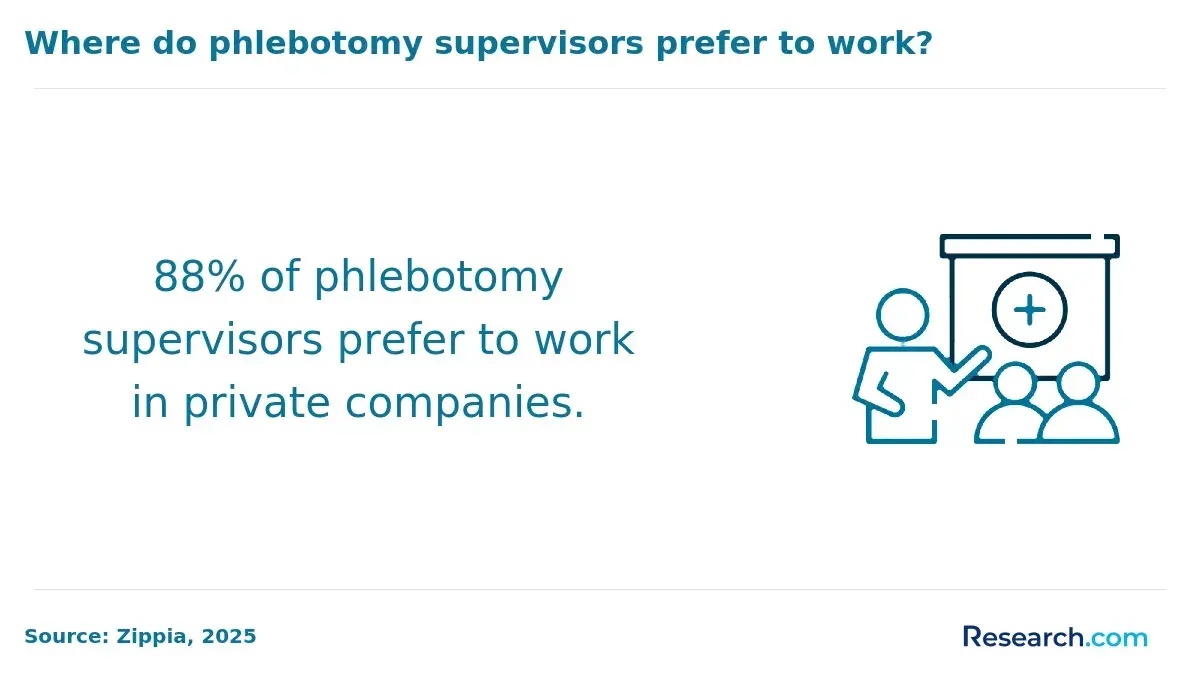
What is the average salary for phlebotomists in California?
Salaries for phlebotomists in California vary depending on several factors, including geographic location, years of experience, and type of employer.
The phlebotomist salary in California tends to be higher in urban areas with greater demand for healthcare services and for individuals who hold advanced certifications or supervisory roles.
Below are key factors that influence these salary ranges in the state.
- Years of Experience: Entry-level phlebotomists typically earn lower wages, around $41,925 annually, while those with several years of experience and specialized skills can make up to $59,801 or higher. Experienced professionals often move into supervisory or specialized positions that command higher pay.
- Workplace Setting: Salary levels depend heavily on the type of facility. Phlebotomists working in outpatient care centers or medical laboratories generally receive higher wages than those employed in physician offices or smaller clinics, due to the complexity and volume of work.
- Geographic Region: Urban centers such as San Francisco, Los Angeles, and San Diego offer increased salaries reflecting the higher cost of living, while rural areas may offer lower pay but less competition for jobs. This regional variation is a significant factor in the average phlebotomist salary California providers experience.
- Additional Certifications: Holding credentials like Certified Phlebotomy Technician (CPT) status can increase hourly wages to approximately $25.18 and improve job prospects. Employers value certification highly, especially in hospitals or specialized laboratories, and may provide pay premiums for certified staff. For related career pathways, exploring a certified medical coder and biller career outlook could also be beneficial.
What are the best ways to grow your phlebotomy career in California?
Advancing a phlebotomy career in California requires a strategic approach centered on enhancing qualifications and professional growth.
Obtaining certifications beyond the state-required license-such as the Advanced Certified Phlebotomy Technician (CPT2) or nationally recognized credentials from ASCP and NHA-can significantly enhance job prospects and earning potential.
Continuous education is equally vital; participating in workshops and seminars offered by prominent healthcare systems like Kaiser Permanente ensures practitioners remain current with evolving medical standards.
Networking through professional organizations, including the California Association for Medical Laboratory Technology and the National Phlebotomy Association, provides valuable industry connections and access to leadership opportunities.
Career advancement often involves elevation to supervisory or educator roles within hospitals, diagnostic laboratories, or academic institutions.
Additionally, California's diverse healthcare landscape presents regional opportunities, such as travel phlebotomist positions or roles within major metropolitan centers like Los Angeles, San Francisco, and San Diego.
By combining these targeted efforts, phlebotomists can cultivate rewarding, upwardly mobile careers within California's dynamic healthcare sector.
What Do Phlebotomists in California Say About Their Career
- Carlos: "Completing my phlebotomy training at the Pacific Medical Academy opened doors I hadn't imagined before. The program was comprehensive, equipping me with the skills needed to confidently draw blood and handle lab equipment. Starting my career in a local school gave me the chance to work closely with students, making a real difference in their health and awareness. I love the blend of education and healthcare, especially in California's diverse communities where every day brings new learning experiences. "
- Ayesha: "After finishing the program at Golden State Phlebotomy Institute, I embarked on my career working within a local academic institution. This role allowed me to witness firsthand the impact of early healthcare education on young people's lives. The stability of phlebotomy jobs here in California has been reassuring, especially with the state's focus on accessible healthcare. I enjoy the professional development opportunities that come with this career and the chance to grow within the healthcare system."
- Derek: "Training at the Redwood Valley Academy gave me a solid foundation, but what I treasure most is how this career has allowed me to serve my community. Being a phlebotomist in California means embracing the unique challenges of a widely diverse population and leveraging the state's healthcare resources to improve well-being. I take pride in the trusted relationships I've built and the personal growth that has come from helping families stay healthy and informed. It's a rewarding experience I pursue with deep commitment. "
Related Articles for Nearby States
- 2027 How To Become a Phlebotomist in Nevada
- 2027 How To Become a Phlebotomist in Oregon
- 2027 How To Become a Phlebotomist in Arizona
- 2027 How To Become a Phlebotomist in Idaho
- 2027 How To Become a Phlebotomist in Utah
- 2027 How To Become a Phlebotomist in Washington
- 2027 How To Become a Phlebotomist in New Mexico
- 2027 How To Become a Phlebotomist in Colorado
- 2027 How To Become a Phlebotomist in Montana
- 2027 How To Become a Phlebotomist in Wyoming
References:
- 2,000+ Phlebotomist jobs in California https://www.linkedin.com/jobs/phlebotomist-jobs-california
- Phlebotomy (Cert) | KPSAHS Programs https://kpsahs.edu/academics/all-programs/phlebotomy-cert
- The Career Path From Phlebotomy to Phlebotomoney | Phlebotomy USA https://www.phlebotomyusa.com/blog/careers/career-path-phlebotomy-to-phlebotomoney
- Get Equipped for the Medical Field as a Medical Assistant with a Phlebotomy Certification https://sacramento.campus.edu/programs/healthcare/medical-assisting-with-phlebotomy-certificate
- Phlebotomy Technician in Salinas, CA Central Coast College https://centralcoastcollege.edu/program/phlebotomy-technician
- Phlebotomy https://www.sdmesa.edu/academics/v2/programs/phlebotomy/cost.shtml
- Advanced Phlebotomy (E-Learning) - Contra Costa Medical Career College https://ccmcc.edu/advanced-phlebotomy
- 63 mobile phlebotomy Jobs in California, October 2025 | Glassdoor https://www.glassdoor.com/Job/california-mobile-phlebotomy-jobs-SRCH_IL.0,10_IS2280_KO11,28.htm
- Phlebotomy Technician Certificate Program https://pmi.edu/on-campus-programs/certificate/phlebotomy-technician
- Assessment of the Number of Phlebotomists in a Newly Established Sample Collection Center https://pmc.ncbi.nlm.nih.gov/articles/PMC10493005
Other Things You Need to Know About Becoming a Phlebotomist in California
In 2027, California offers various phlebotomy program class options, including in-person, online, and hybrid courses. These programs are available at community colleges, vocational schools, and universities. Ensure that any chosen course is accredited and meets the state's licensure requirements for phlebotomists.
In 2027, to become a certified phlebotomist in California, you must complete a state-approved training program, earn a high school diploma or equivalent, complete clinical hours, and pass the National Phlebotomy Certification Exam. Additionally, you need to apply for certification through the California Department of Public Health.


