
2027 How To Become a Phlebotomist in Michigan

Co-Founder and Chief Data Scientist
Michigan's healthcare sector is expanding rapidly, with a projected 12% growth in phlebotomy jobs over the next decade. This increase reflects a rising demand for skilled professionals capable of performing blood collection and testing in both clinical and research environments. Pursuing a career as a phlebotomist in Michigan offers strong employment stability and competitive wages, driven by advancements in medical technology and an aging population requiring more frequent diagnostic services.
This article explores the step-by-step process of becoming a phlebotomist in Michigan. Developed by career planning experts, it delivers essential information on educational requirements, certification options, and state-specific regulations. Readers will gain clarity on how to navigate this evolving field and position themselves strategically for success in the future healthcare marketplace.
Key Things to Know About Becoming a Phlebotomist in Michigan
- Complete a state-approved phlebotomy training program, typically requiring 40-120 hours of coursework combined with clinical experience.
- Obtain national certification through organizations like the National Phlebotomy Association, enhancing job prospects in Michigan's growing healthcare sector projected to expand by 15% over the next decade.
- Stay informed about emerging technologies such as automated blood collection systems that are expected to shape future phlebotomy practices in Michigan hospitals and clinics.
- What are the education requirements to become a phlebotomist in Michigan?
- What subjects are taught in phlebotomy classes in Michigan?
- Do you need a state license to work as a phlebotomist in Michigan?
- What phlebotomy certifications are recognized in Michigan?
- Where can you find accredited phlebotomy training programs in Michigan?
- How much does phlebotomy training cost in Michigan?
- What skills are required to become a successful phlebotomist in Michigan?
- Where do phlebotomists typically work in Michigan?
- What is the average salary for phlebotomists in Michigan?
- What are the best ways to grow your phlebotomy career in Michigan?
What are the education requirements to become a phlebotomist in Michigan?
Proper education and training form the foundation for phlebotomists to perform blood collection safely and accurately in clinical and laboratory settings. These standards not only reduce risks of complications but also promote trust and professionalism in patient care. As demand for skilled phlebotomy technicians grows, the future may see expanded use of technology-enhanced training and updated protocols. Key components of phlebotomy training requirements in Michigan include the following essential steps.
- High School Diploma or Equivalent: Candidates must have a high school diploma or GED, ensuring they possess the basic literacy and numeracy skills needed for the technical and communication aspects of phlebotomy. This prerequisite supports success in subsequent training and professional interactions.
- Completion of a State-Approved Phlebotomy Training Program: Michigan phlebotomist education prerequisites involve enrolling in programs offered by community colleges or vocational schools. These state-approved courses blend theoretical knowledge-such as anatomy and infection control-with practical skills training, preparing students for real-world blood collection tasks efficiently.
- Classroom and Clinical Instruction Hours: Structured instruction includes classroom learning combined with hands-on clinical experience, typically requiring students to perform a set number of venipunctures and capillary sticks under supervision. This balanced approach fosters confidence and competence, vital as future program designs may integrate virtual reality simulations.
- National or State Certification (Optional but Recommended): While certification is not mandatory in Michigan, many employers prefer candidates holding credentials from organizations like the NHA or ASCP. Obtaining certification after training enhances job prospects and could become a standard expectation as the profession evolves.
- Background Check and Drug Screening: To ensure patient safety, many training programs require passing background and drug screenings before clinical rotations, a practice likely to persist or strengthen with advancing regulatory measures.
As healthcare education adapts, future phlebotomy candidates might explore streamlined pathways, possibly blending related fields or integrating online modules similar to developments seen in how long does medical billing and coding education take programs.
What subjects are taught in phlebotomy classes in Michigan?
Mastering the core subjects taught in phlebotomy programs is fundamental for students to perform blood collection with precision, uphold patient safety, and contribute to reliable laboratory outcomes. This foundation is particularly important as the phlebotomy course curriculum in Michigan evolves to incorporate emerging technologies and enhanced patient care approaches. Below are the key subjects commonly covered in Michigan phlebotomy training that prepare students for these critical responsibilities.
- Anatomy and Physiology: This subject focuses on the circulatory system's structure and function, emphasizing veins, arteries, and blood components. Understanding these details helps students accurately identify the best veins for blood draws, ensuring effective specimen collection.
- Venipuncture Techniques: Students learn precise methods for blood collection, including needle selection and insertion, while troubleshooting complications. Mastery of these techniques is vital for minimizing discomfort and errors during blood draws.
- Specimen Processing: This area covers proper handling, labeling, storage, and transportation of samples to maintain their integrity for laboratory analysis. These skills support medical terminology and specimen collection training Michigan programs emphasize to ensure testing accuracy.
- Infection Control: Phlebotomy courses stress standard precautions such as hand hygiene, the use of personal protective equipment, and safe disposal of sharps to prevent infection transmission in healthcare settings.
- Patient Communication: Training develops the ability to communicate effectively and compassionately with diverse patients, fostering trust and reducing anxiety during procedures.
- Compassionate Patient Care: Students are taught empathy and professionalism techniques that enhance patient comfort, which is essential for positive experiences and cooperation during blood collection.
- Point-of-Care Testing: Basic bedside tests like blood glucose measurement are introduced to expand the phlebotomist's role in immediate diagnostic services.
- Equipment Maintenance and Use: Courses cover proper cleaning, calibration, and handling of blood collection devices to meet safety and performance standards.
- Record Keeping and Documentation: Accurate documentation protocols train students to maintain patient confidentiality and support legal compliance within healthcare teams.
- Hazardous Materials Management: Students learn to safely manage biohazardous waste following regulatory guidelines to protect themselves and the environment.
- Patient Assessment: Instruction includes evaluating patient suitability for blood draws and managing adverse reactions, enhancing clinical judgment during procedures.
For those considering diverse healthcare careers, exploring how to be a medical biller and coder can complement your knowledge of clinical roles and administrative functions.
Do you need a state license to work as a phlebotomist in Michigan?
In Michigan, a state-issued license is not required to work as a phlebotomist. The state has not established formal licensure or regulatory oversight specifically for this profession. Instead, regulation occurs mainly through employer-based requirements and voluntary national certification programs.
Many employers, including hospitals, clinics, and laboratories, strongly prefer or require candidates to hold certifications such as those offered by the National Healthcareer Association. This approach gives employers flexibility to set standards based on their needs while allowing aspiring phlebotomists to enter the field without navigating complex state licensing processes.
This lack of mandatory state licensure shapes the employment landscape by emphasizing the value of recognized certification and practical experience. As the healthcare sector evolves, certification could become increasingly important for competitive hiring and career growth. Understanding Michigan's regulatory environment helps individuals anticipate employer expectations and align their credentials accordingly.
Future trends may introduce more formal oversight or enhanced credentialing recommendations, making national certification a pivotal factor in where and how phlebotomists can work across diverse healthcare settings in Michigan.
What phlebotomy certifications are recognized in Michigan?
Certification holds significant value for phlebotomists in Michigan, helping candidates meet employer expectations, enhance job prospects, and build professional credibility. Even though the state does not legally require certification, employers strongly prefer candidates who hold a nationally recognized phlebotomy certification in Michigan. This trend reflects a broader commitment to quality care and technical competence in healthcare settings. The following certifications are the most widely acknowledged and valued:
- American Society for Clinical Pathology (ASCP) Phlebotomy Technician (PBT) Certification: Offered by ASCP, this certification is highly regarded in Michigan, requiring candidates to complete accredited training or have relevant work experience before taking the exam. Many healthcare employers specifically prefer ASCP certification as it signals thorough preparation in both theory and practical skills.
- National Healthcareer Association (NHA) Certified Phlebotomy Technician (CPT): The NHA CPT credential emphasizes up-to-date clinical standards, focusing on specimen collection, patient safety, and interaction. Local training programs often prepare students specifically for this exam, making it a valuable choice among phlebotomy technician certification requirements in Michigan.
- American Medical Technologists (AMT) Registered Phlebotomy Technician (RPT): Recognized for its rigorous standards and inclusive eligibility criteria, AMT certification validates skills in blood collection, specimen processing, and compliance. It enjoys broad acceptance among Michigan employers and training partners.
- National Center for Competency Testing (NCCT) National Certified Phlebotomy Technician (NCPT): NCCT certification confirms practical expertise, safety protocol adherence, and patient care competence. Accepted by Michigan healthcare facilities, it is suitable for both new professionals and experienced phlebotomists seeking to demonstrate proficiency.
Additional credentials, such as those offered by the National Phlebotomy Association and other accredited agencies, also contribute to a strong professional profile. As phlebotomy continues to evolve, candidates who understand what is the function of coding in medical billing may find new opportunities to integrate their skills with emerging healthcare technologies and data management systems.
Where can you find accredited phlebotomy training programs in Michigan?
Enrolling in an accredited phlebotomy training program is crucial for those seeking quality education, eligibility for nationally recognized certification, and stronger employment prospects in Michigan's competitive healthcare market. Accredited programs ensure students receive comprehensive instruction combined with clinical experience, preparing them effectively for certification exams and real-world practice. Below are common types of institutions offering such accredited phlebotomy training options in Michigan.
- Community Colleges: These institutions provide phlebotomy certificate programs that blend classroom learning, lab practice, and clinical rotations. Students can often confirm accreditation through the college's official website or by directly contacting program representatives.
- Vocational and Technical Schools: Specialized schools offer focused training courses, sometimes completed in as little as 10 weeks, emphasizing hands-on skills and internships. Accreditation and approval status are typically listed on school websites or verified via national certification bodies.
- Private Career Institutes: Offering accelerated, workforce-oriented programs, these institutes often prioritize practical skills and patient safety. Students should request accreditation documentation and check approvals with relevant state and national agencies.
- Hospitals and Healthcare Facilities: Some healthcare systems in Michigan provide in-house phlebotomy training or partner with educational institutions, providing direct clinical exposure. Accreditation or program approval details are usually accessible through hospital training web pages or affiliated partners.
When I spoke with a phlebotomist who graduated from a local Michigan program, he reflected on the challenge of identifying truly accredited courses amid many options. "It wasn't always obvious which schools held credible approvals," he shared. Exploring websites and contacting program coordinators helped clarify which institutions met rigorous standards.
He recalled feeling uncertain at first but gained confidence once he verified accreditation with state and national bodies. This due diligence not only eased his path towards certification but also opened doors to steady employment locally. His experience highlights the importance of thorough research and verification when choosing a training program.
How much does phlebotomy training cost in Michigan?
Phlebotomy training costs in Michigan vary widely based on the type of institution, program length, and whether the school is public or private. Community colleges often have lower tuition for local students, while private academies might charge more but include additional services like job placement or faster completion times. Online and hybrid programs may also influence overall expenses due to equipment or kit requirements. Below are the typical cost components prospective students should consider.
- Tuition and Fees: This is the most significant expense, ranging from around $700 at some private providers to over $1,600 at community colleges for in-district students. These fees usually cover instruction but may not include all materials or clinical placement services.
- Books and Supplies: Textbooks, workbooks, and other learning materials generally cost between $50 and $150. Some programs bundle these, while others require separate purchases, including access to online resources.
- Uniforms and Equipment: Students must budget for school-approved scrubs and closed-toe shoes, typically $30 to $60 for scrubs alone. Those in hybrid or online formats might also need to buy personal practice kits for blood draw simulations.
- Lab and Clinical Fees: Separate lab fees, often $50 to $150, cover the use of clinical facilities and disposable supplies essential for hands-on training experiences.
- Certification Exam Expenses: After training, certification exams cost between $90 and over $200 depending on the organization. Some programs may include or reimburse exam fees, which helps reduce out-of-pocket costs.
What skills are required to become a successful phlebotomist in Michigan?
In Michigan's evolving healthcare landscape, the skills of a phlebotomist are vital for ensuring patient comfort, maintaining strict safety standards, and achieving precise blood collection. These competencies not only support accurate diagnostic outcomes but also enhance patient trust and care quality. As technology and patient expectations advance, developing a well-rounded skill set becomes even more critical. The essential abilities for thriving as a phlebotomist in Michigan include:
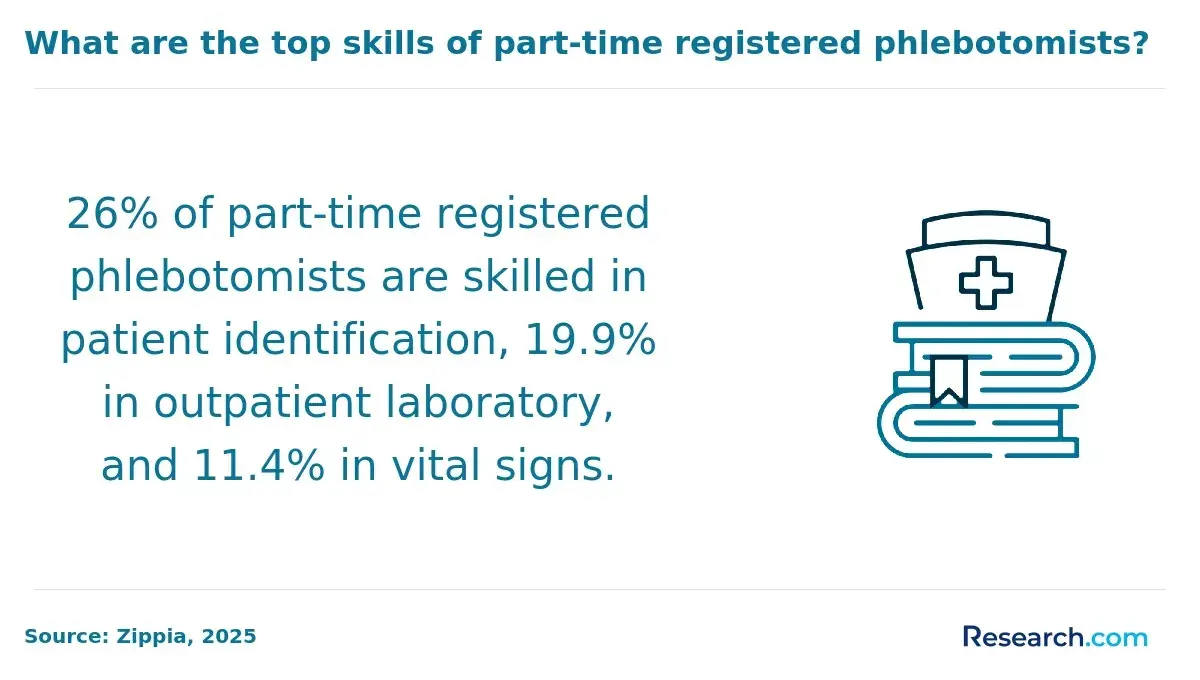
- Attention to Detail: Carefully identifying and handling specimens prevents errors, securing patient safety and reliable lab results. Precision in every step guards against costly mistakes.
- Technical Proficiency: Mastery of venipuncture techniques and equipment usage ensures efficient blood draws, minimizing patient discomfort and complications.
- Communication Skills: Clear explanations and empathetic interaction reduce anxiety, fostering patient cooperation and a positive experience.
- Professionalism and Ethics: Upholding confidentiality and ethical standards builds trust with patients and healthcare teams alike.
When speaking with a Michigan phlebotomist who graduated locally, she reflected on the importance of growing these skills through hands-on practice and mentorship. She shared how initial nerves during her training were overcome by focused guidance and repeated clinical experiences, which sharpened her dexterity and communication style.
"Each blood draw taught me more about patience and reading subtle patient cues," she noted, emphasizing that success comes from combining technical ability with genuine care. Her journey highlights that becoming a skilled phlebotomist in Michigan is a continuous learning process shaped by both education and real-world challenges.
Where do phlebotomists typically work in Michigan?
Phlebotomists play a vital role in Michigan's healthcare landscape by collecting blood and other specimens essential for accurate diagnostic testing, patient care, and advancing medical research. Their work supports critical lab operations and helps ensure timely results that influence treatment decisions. Below are the primary environments where phlebotomists contribute across the state, highlighting current and emerging trends.
- Hospitals: Hospital phlebotomist jobs in Michigan often involve working in fast-paced inpatient units, emergency rooms, and surgical wards. These professionals must handle a broad range of patient needs, including critical and pediatric cases, while adapting to evolving medical technologies that improve specimen processing and turnaround times.
- Diagnostic Laboratories: Phlebotomists in labs focus on collecting outpatient samples and preparing them for increasingly sophisticated analyses. As testing becomes more automated and integrated, these positions are likely to involve greater collaboration with lab scientists to optimize specimen integrity and data accuracy.
- Blood Donation Centers: Working in donation centers requires strict adherence to safety protocols while collecting whole blood and apheresis products. With growing demand for plasma and specialized blood components, phlebotomists in these centers are pivotal in supporting both local and national blood supplies through enhanced donor care techniques.
- Outpatient Clinics: Phlebotomy positions in Michigan clinics serve ambulatory patients undergoing routine screenings or chronic condition monitoring. These roles are evolving towards more patient-centered approaches, integrating electronic health records and improving sample collection workflows to support preventive care.
- Physician's Offices: Phlebotomists here manage all facets of specimen collection, fostering close patient relationships and individualized care. As practices adopt telehealth and remote monitoring, these positions may expand to coordinate home testing kits and mobile phlebotomy services.
For those exploring career options, considering shifts in workplace settings and technologies will be crucial. Additionally, individuals looking to enter healthcare administration may also benefit from understanding related fields like medical billing and coding salary trends to complement their clinical career pathways.
What is the average salary for phlebotomists in Michigan?
Salaries for phlebotomists in Michigan fluctuate depending on geographic location, experience level, and employer type, making the average phlebotomist salary in Michigan an evolving figure. Larger healthcare systems in urban areas tend to offer higher wages, while rural settings may provide unique opportunities that affect overall compensation. Here are some key factors that influence the phlebotomist pay rates Michigan professionals can expect.
- Years of Experience: Entry-level phlebotomists typically start near $33,280 annually, but as experience grows, salaries can reach upwards of $46,210. Skilled professionals bring greater reliability and technical ability, often commanding better pay and career advancement.
- Workplace Setting: Hospitals and large health networks usually offer higher wages than outpatient clinics or labs. Specialized roles like traveling phlebotomists earn up to $46,104 per year or $22.17 per hour, reflecting the need for flexibility and multi-site service.
- Geographic Region: Urban centers such as Detroit or Ann Arbor have higher pay due to demand and cost of living. On the other hand, rural regions might have lower salaries but can offer added benefits like overtime or travel assignments, affecting overall earnings.
- Additional Certifications: Certification, such as Certified Phlebotomy Technician status, can increase hourly wages above entry-level rates, often around $19.36 per hour. Employers value certified phlebotomists for their proven expertise and commitment to quality care.
For those curious about expanding their healthcare credentials alongside phlebotomy, consider exploring how can I start as a certified medical coder and biller for a complementary career path.
What are the best ways to grow your phlebotomy career in Michigan?
To advance your phlebotomy career in Michigan, consider enhancing your credentials beyond the basic certification by pursuing nationally recognized exams such as those from ASCP or NHA. Continuing education programs, including specialized courses in pediatric phlebotomy or laboratory safety, can expand your expertise and open doors to higher-level positions.
Networking through professional organizations like the Michigan Society of Medical Assistants provides valuable connections and job leads, while attending regional healthcare job fairs in Detroit or Grand Rapids exposes you to key employers. Exploring diverse settings-from hospital systems and independent labs to mobile blood donation units-allows you to tailor your career path and develop unique skills.
For those aiming at leadership, cross-training in related areas or transitioning into supervisory or teaching roles at community colleges can offer long-term growth. By staying proactive in education, building relationships, and seeking varied opportunities, Michigan phlebotomists can position themselves for rewarding and sustainable careers amid evolving healthcare demands.
What Do Phlebotomists in Michigan Say About Their Career?
- Completing my phlebotomy training at Great Lakes Medical Academy was the first step toward a truly rewarding career. Working in a local school setting allows me to connect with students and staff, ensuring their health needs are met while also experiencing the unique challenges of Michigan's healthcare environment. The job stability here is incredible, and I appreciate how my role contributes to a safer, healthier learning space. It's fulfilling to know that my efforts make a direct impact on young people's well-being every day. Jamal
- The program at Detroit Career Institute equipped me with solid technical skills and confidence, which helped me transition smoothly into working in a school health office. The dynamic nature of Michigan's community keeps my work engaging, and I find personal growth constantly by adapting to new challenges. Being a phlebotomist here isn't just a job; it's a vital service for supporting education and health in our youth. The professional development opportunities keep me motivated to advance my skills further. Monica
- Training through the Michigan Healthcare Training Center opened doors to diverse career advancement opportunities in the state. Serving as a phlebotomist in a local academic institution has given me a unique perspective on community impact and how essential quality healthcare is during formative years. I especially appreciate the chance to contribute positively in a state known for its robust healthcare resources and cooperative community networks. This career has deepened my passion for healthcare while allowing me to grow professionally and personally. Rahul
Related Articles for Nearby States
- 2027 How To Become a Phlebotomist in Ohio
- 2027 How To Become a Phlebotomist in Indiana
- 2027 How To Become a Phlebotomist in Wisconsin
- 2027 How To Become a Phlebotomist in Illinois
- 2027 How To Become a Phlebotomist in Minnesota
- 2027 How To Become a Phlebotomist in Pennsylvania
- 2027 How To Become a Phlebotomist in Kentucky
- 2027 How To Become a Phlebotomist in West Virginia
- 2027 How To Become a Phlebotomist in Iowa
- 2027 How To Become a Phlebotomist in Missouri
References
- Phlebotomy Technician – Michigan Healthcare Academy https://mihealthcareacademy.com/courses/phlebotomy-workshop/
- 26 mobile phlebotomist Jobs in Michigan, October 2025 | Glassdoor https://www.glassdoor.com/Job/michigan-mobile-phlebotomist-jobs-SRCH_IL.0,8_IS527_KO9,28.htm
- Phlebotomy Certification Pontiac Michigan — NPS https://npscerts.com/phlebotomy-certification-pontiac-michigan/
- Why Is Phlebotomy a Good Career? | Montes HealthCare College https://monteshcc.com/4-reasons-why-you-should-become-a-phlebotomist/
- Phlebotomist https://www.healthcareers.nhs.uk/explore-roles/wider-healthcare-team/roles-wider-healthcare-team/clinical-support-staff/phlebotomist
- Phlebotomy Technician | Detroit, MI | Health Care Solutions https://www.healthcaresolutionsandcareergroup.com/phlebotomy
- 456 Phlebotomist jobs in Detroit https://www.linkedin.com/jobs/phlebotomist-jobs-detroit-mi
- Phlebotomist https://careers.umich.edu/job_detail/263512/phlebotomist
- Essential Skills Gained in Phlebotomy https://www.assist1medcen.com/essential-skills-gained-in-phlebotomy
- In-Person: Phlebotomy Technician Certification - Phlebotomy Career Training https://phlebotomycareertraining.com/program/in-person-phlebotomy-technician-classes/
Other Things You Should Know About Becoming a Phlebotomist in Michigan
In 2027, phlebotomists in Michigan can advance their careers by gaining additional certifications such as the Certified Phlebotomy Technician (CPT) or pursuing further education to enter specialized fields like medical laboratory technology. Networking and joining professional organizations can also enhance career growth opportunities.
Michigan offers promising opportunities for travel and mobile phlebotomy jobs due to its diverse healthcare landscape and rising demand for in-home medical services. Many healthcare facilities and laboratories in Michigan seek mobile phlebotomists to provide flexible blood draw services, especially in rural and underserved areas. Travel phlebotomy roles in the state often involve working with a variety of clients, from hospitals to home health agencies, making the job dynamic and rewarding. Additionally, the growing emphasis on patient convenience supports the expansion of mobile phlebotomy services throughout Michigan.
In Michigan, hybrid and part-time phlebotomy programs are increasingly available to accommodate students balancing work or other responsibilities. Many community colleges and technical schools offer flexible scheduling options, including evening or weekend classes combined with online theory courses, allowing students to complete the program at their own pace. While some programs may require in-person labs or clinical practice, the hybrid format reduces the need for full-time on-campus attendance. Prospective students should research specific schools to find hybrid or part-time options that align with their schedules and meet state certification requirements.


