
2027 How To Become a Phlebotomist in Rhode Island

Co-Founder and Chief Data Scientist
Rhode Island's healthcare landscape offers a fertile ground for phlebotomists, with employment growth projected at 12% over the next decade-faster than the national average. This demand reflects an evolving medical sector hungry for skilled hands to draw blood and aid diagnosis. Entering this niche combines hands-on expertise and community impact, positioning candidates for stable, rewarding work in a compact, interconnected state.
This article, crafted by seasoned career planners, unpacks the precise steps to become a certified phlebotomist in Rhode Island. It guides readers through certification, training, and job placement, delivering a comprehensive roadmap for success in this vital and growing profession.
Key Things to Know About Becoming a Phlebotomist in Rhode Island
- Enroll in an accredited phlebotomy training program-Rhode Island's workforce board highlights programs averaging 120 hours including hands-on practice to sharpen needle skills.
- Pass a nationally recognized certification exam; in Rhode Island, employers prefer credentials from bodies like the ASCP to access a competitive $15-$20/hr wage.
- Complete state-mandated background checks and comply with Rhode Island's health and safety regulations to secure licensure and join the growing 400+ phlebotomists serving local healthcare.
- What are the education requirements to become a phlebotomist in Rhode Island?
- What subjects are taught in phlebotomy classes in Rhode Island?
- Do you need a state license to work as a phlebotomist in Rhode Island?
- What phlebotomy certifications are recognized in Rhode Island?
- Where can you find accredited phlebotomy training programs in Rhode Island?
- How much does phlebotomy training cost in Rhode Island?
- What skills are required to become a successful phlebotomist in Rhode Island?
- Where do phlebotomists typically work in Rhode Island?
- What is the average salary for phlebotomists in Rhode Island?
- What are the best ways to grow your phlebotomy career in Rhode Island?
What are the education requirements to become a phlebotomist in Rhode Island?
Phlebotomists hold a unique responsibility in healthcare, acting as the precise hands that collect blood samples critical for diagnosis and treatment. Proper education and training form the backbone of their skill set, ensuring each blood collection is performed with safety, accuracy, and professionalism in clinical and laboratory settings.
Beyond technique, understanding infection control and patient interaction adds vital layers to their expertise. Here are the key educational requirements aspiring phlebotomists in Rhode Island must meet:
- High School Diploma or Equivalent: Candidates need a foundational credential such as a high school diploma or GED. This base ensures they possess essential literacy, numeracy, and communication skills tailored for healthcare environments, setting the stage for further specialized phlebotomy education.
- Completion of a State-Approved Phlebotomy Training Program: Enrolling in a formal, state-approved training program is mandatory. Often found at community colleges or health institutions, these programs blend classroom theory with hands-on laboratory work, preparing students for real-world clinical challenges and ensuring adherence to Rhode Island's phlebotomy education requirements.
- Classroom and Clinical Instruction Hours: Prospective phlebotomists undertake 40-80 hours of classroom study covering anatomy, specimen collection, infection control, and legal considerations. Additionally, 20-40 hours of supervised clinical practice help refine practical skills like venipuncture and capillary collection under professional oversight.
- National Certification (Strongly Recommended): While Rhode Island does not mandate state licensure, most employers seek candidates with national certification. Obtaining credentials from recognized bodies like ASCP enhances job prospects and validates competency. Completing accredited training and passing exams are key steps.
- Additional Health and Safety Requirements: Phlebotomy trainees must often provide immunization records, clear background checks, and meet health screenings, including hepatitis and TB tests, to safeguard patient and practitioner health during clinical rotations.
For those exploring healthcare pathways, deciding on how much time is needed for medical billing and coding school can complement phlebotomy skills and broaden career options.
What subjects are taught in phlebotomy classes in Rhode Island?
Stepping into the world of phlebotomy in Rhode Island demands more than just a steady hand; it requires mastering a rich tapestry of knowledge that shapes every draw, protects every patient, and guarantees precise lab work.
The phlebotomy course curriculum in Rhode Island is designed to cultivate these essential skills, blending science, safety, and communication into one seamless practice. This curriculum unfolds into a series of essential subjects that prepare students for the real-life challenges of healthcare.
Here are the core subjects covered in Rhode Island phlebotomy training:
- Anatomy and Physiology: This area dives deep into the vascular highways of the human body, revealing veins, arteries, and capillaries. Understanding these pathways helps phlebotomists pick the right spots for venipuncture, minimizing discomfort and avoiding complications.
- Venipuncture and Capillary Techniques: Students practice the art and science of blood collection, mastering needle choices, patient positioning, and methods for both vein and fingertip blood draws, ensuring safety and accuracy with each poke.
- Infection Control and Safety: Here, rigorous protocols from OSHA and CLSI come to life, teaching the use of personal protective equipment and the handling of biohazards, crafting a fortress against contamination.
- Specimen Processing and Handling: From proper labeling to transport, this subject emphasizes maintaining specimen integrity, ensuring lab results are trustworthy and timely through meticulous care.
- Medical Terminology: Decoding the language of medicine sharpens communication and documentation, equipping students to navigate healthcare environments with confidence.
- Patient Communication and Professionalism: Soft skills take center stage as students learn to ease patient anxiety, explain procedures clearly, and uphold strict confidentiality, fostering trust and respect.
- Quality Assurance and Regulatory Compliance: This subject introduces the standards and laws such as CLIA that keep laboratory testing reliable and compliant amid evolving healthcare regulations.
- Computer and Laboratory Information Systems: Digital fluency is vital, so training includes navigating electronic records and management systems for accurate tracking and results reporting.
- Electrocardiography (EKG) and Additional Skills: Some programs expand horizons by including EKG training, basic coding, and point-of-care testing, enhancing versatility and employability.
- Work-Readiness and Career Preparation: Beyond technical skills, students gain valuable guidance on resume building and interviews, smoothing the path to entering a demanding job market.
For those curious about how medical coding skills might intersect, this CBCS vs CPC certification salary comparison offers an insightful look into related healthcare professions.
Do you need a state license to work as a phlebotomist in Rhode Island?
Rhode Island takes an unusual approach to regulating phlebotomy, choosing not to require a state license for practitioners in this field. Unlike some states with formal regulatory boards or mandated licensure, Rhode Island leaves the official oversight somewhat dormant. Instead, the power lies with employers who act as gatekeepers, demanding national certification from recognized organizations like the ASCP or NHA.
This creates a dynamic where the state itself doesn't wield a licensing hammer, but the healthcare employers still uphold a robust standard through credentialing expectations. Phlebotomists aiming to work in hospitals, clinics, or labs find that their access to opportunities hinges not on a piece of state-issued paper, but on their ability to secure these nationally recognized certifications.
Navigating this employer-driven certification landscape profoundly shapes the job market for phlebotomists in Rhode Island, blending legal freedom with professional necessity. Without a state license, aspiring phlebotomists must understand that their competitive edge depends on accredited training and national credentials-non-negotiable currency in this ecosystem.
This means that while the state steps back, the real regulatory net tightens around established certification bodies and hiring institutions, silently enforcing standards through employment eligibility. For anyone plotting a career in phlebotomy here, grasping this unofficial framework is key to unlocking where and how you can practice, making your certification choices a strategic move in an otherwise license-free territory.
What phlebotomy certifications are recognized in Rhode Island?
Certification is a powerful credential for phlebotomists in Rhode Island, setting candidates apart in a competitive workforce. Although not mandated by law, nationally recognized phlebotomy certification in Rhode Island serves as a gateway to meeting employer expectations, boosting job prospects, and solidifying professional credibility.
Earning certification also ensures practitioners are equipped with up-to-date knowledge and skills aligned with industry standards. Here are the prominent certifications that carry weight across the state's healthcare settings:
- American Society for Clinical Pathology (ASCP) - Phlebotomy Technician (PBT): This certificate ranks among the most prestigious, requiring applicants to complete an accredited program and pass a comprehensive national exam. Its rigorous standards make it widely embraced by hospitals, clinics, and laboratories throughout Rhode Island as a mark of clinical competence.
- National Healthcareer Association (NHA) - Certified Phlebotomy Technician (CPT): Recognized for emphasizing both theoretical knowledge and practical skills, the NHA's CPT credential demands formal training or equivalent experience plus success on a national exam. Many local employers look to this certification as a reliable indicator of a technician's readiness to perform in demanding environments, making it a key on the checklist for phlebotomy certification exam requirements Rhode Island expects.
- American Medical Technologists (AMT) - Registered Phlebotomy Technician (RPT): The AMT credential combines initial training completion with continuous education, helping certified phlebotomists stay current on evolving medical practices. This ongoing commitment to learning elevates the RPT's recognition in Rhode Island's healthcare landscape as a symbol of quality and professionalism.
- National Center for Competency Testing (NCCT) - National Certified Phlebotomy Technician (NCPT): This credential focuses on practical competencies, awarding certification to candidates meeting experience or training prerequisites and passing the NCCT exam. Its alignment with national patient safety and quality benchmarks has earned it respect across Rhode Island's healthcare providers.
For those exploring career pathways, understanding what is medical billing and coding can complement phlebotomy expertise, broadening opportunities in the healthcare field through administrative knowledge.
Where can you find accredited phlebotomy training programs in Rhode Island?
To build a solid foundation as a phlebotomist in Rhode Island, enrolling in an accredited training program is non-negotiable. Accreditation ensures your education meets rigorous standards, unlocks eligibility for national certification exams, and opens doors to competitive healthcare roles.
In a market where recognized credentials are increasingly valued, choosing the right accredited program is a strategic step toward career success. Below are common institutions offering these vital training pathways.
- Community Colleges: Institutions like the Community College of Rhode Island provide comprehensive phlebotomy certificate programs combining classroom instruction with hands-on clinical experience. These programs typically span two semesters and prepare students for national certification, with accreditation confirmed through college allied health departments or certifying bodies such as the ASCP.
- Vocational and Technical Schools: Schools such as American Safety Programs and Training, Inc. offer condensed phlebotomy technician courses designed for swift workforce entry. Students gain both theoretical knowledge and practical skills, with accreditation details accessible via the school's site or through organizations like the NHA.
- Hospitals and Health Systems: Some healthcare employers, including Brown University Health, run tuition-free, in-house training programs focusing on hands-on learning and potential direct employment. Prospective students should verify alignment with national certification standards through the hospital's workforce office or certifying agencies.
- Private Career Institutes: Private entities like 911Programs specialize in accelerated phlebotomy training featuring labs and clinical internships. These programs gear students toward timely certification and employment, with accreditation confirmed by partnerships with certifying bodies or independent industry ratings.
When I spoke with a phlebotomist from Rhode Island who graduated from a local community college, he reflected on the process of navigating these options. "It was overwhelming at first to figure out which schools truly met national standards," he said, recalling hours spent contacting program advisors and cross-referencing accreditation lists. He emphasized how critical it was to find a program that balanced classroom time with practical clinical sessions, ensuring real-world readiness.
The hands-on labs and internship opportunities at his school made all the difference, boosting his confidence before stepping into the workforce. "Knowing the program was accredited gave me peace of mind and improved my chances of being hired quickly," he shared, noting that precision in program selection is the quiet key behind many successful careers in Rhode Island's healthcare circles.
How much does phlebotomy training cost in Rhode Island?
The cost of phlebotomy training in Rhode Island is a puzzle with many pieces-tuition can swing wildly depending on whether you enroll in a community college, a private career institute, or dive into a workforce development program. Program formats-online or in-person-and course lengths further twist the cost dial.
To navigate this financial landscape, here's a clear breakdown of the usual expenses involved:
- Tuition and Fees: This is the lion's share of the bill. Tuition ranges from excitingly free options available to qualifying residents to around $2,850 at private schools. Community colleges hover near $2,890 before grants or discounts. These fees cover the educational backbone-classroom lessons, lab work, and frequently clinical rotations.
- Books and Supplies: Knowledge doesn't come cheap. Expect to spend $100-$300 on textbooks and materials vital for mastering blood draws and safety protocols. These items are often outside tuition, anchoring your study arsenal.
- Uniforms and Equipment: Professionalism costs some green. Medical scrubs typically set you back $60-$75 per set, with recommendations to have multiple kits. Gloves, lab coats, and goggles may tack on $50 to $100 more, arming you for hands-on practice.
- Certification Exam Expenses: Crossing the finish line means passing the national exam. Fees range from $110 to $200, depending on the certifying body, and usually include study aids and test attempts. This step is essential to officially join the phlebotomist ranks.
- Additional Costs (Background Checks, Immunizations): Safety first-background screenings, immunizations, and health tests often cost $100-$200. These are crucial hoops for clinic placements and licensing standards.
What skills are required to become a successful phlebotomist in Rhode Island?
In Rhode Island's healthcare world, the art of phlebotomy is more than just drawing blood-it's a delicate balance of science, empathy, and precision. These multifaceted skills ensure patients feel safe and comfortable while safeguarding the integrity of every specimen collected. Mastery in this field means blending technical prowess with heartfelt communication and professionalism.
Here are the vital skills that shape an exceptional phlebotomist in Rhode Island:
- Attention to Detail: Every label, every needle placement matters. Precision in verifying patient identity and labeling specimens protects against critical errors, ensuring reliable test results and patient safety.
- Communication Skills: Calming a nervous patient with clear explanations and reassurance creates trust. Effective dialogue aids in gathering accurate patient information vital to proper diagnosis and billing.
- Technical Proficiency: Skillful execution of blood draws, along with familiarity with lab tools and electronic records, turns knowledge into seamless, error-free practice.
- Professionalism and Adaptability: Respecting confidentiality, following safety protocols, and remaining flexible for varied healthcare settings elevate the phlebotomist's role within the care team.
- Physical and Visual Acuity: Physical stamina paired with sharp visual skills ensures accuracy in specimen handling and patient interaction throughout demanding shifts.
When I spoke with a phlebotomist from Rhode Island who graduated locally, she reflected on her growth journey: "Early on, standing for hours was tougher than the needle sticks. But learning to read subtle patient cues transformed how I approached each draw. My trainers pushed me to hone both hands-on skills and communication-to not just draw blood, but to connect. That blend made all the difference."
She described moments of quiet pride when a frightened child left feeling safe, a testament to how these skills intertwine to make phlebotomy truly impactful in Rhode Island's diverse healthcare environment.
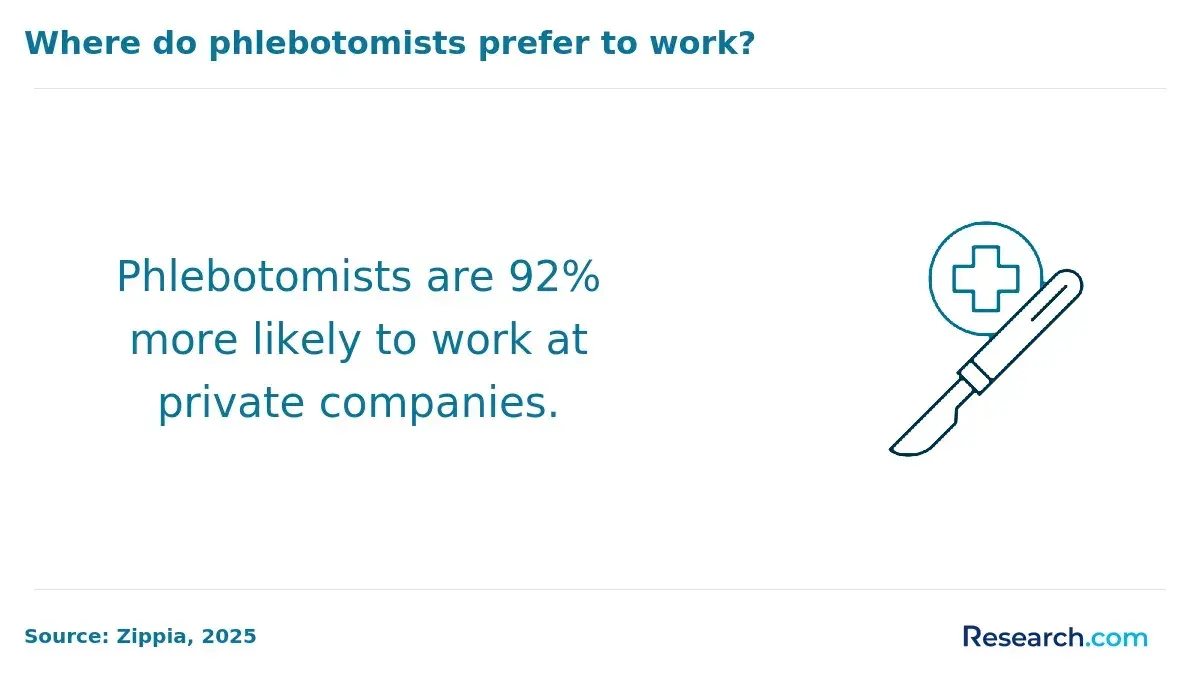
Where do phlebotomists typically work in Rhode Island?
Phlebotomists weave an invisible thread through Rhode Island's healthcare tapestry, capturing vital clues hidden in blood to unravel stories of health and healing. Their skill transforms simple draws into essential lifelines for diagnosis, patient care, and cutting-edge medical research. Let's explore the diverse arenas where these vital specialists bring their expertise to life.
- Hospitals: Hospitals pulse with urgency and precision, employing phlebotomists who navigate bustling emergency rooms and quiet wards alike. Within Rhode Island's renowned hospitals, these professionals collect timely blood samples that fuel rapid diagnostics and critical treatment pathways.
- Diagnostic Laboratories: Behind the scenes in diagnostic laboratories, phlebotomists work alongside scientists decoding complex puzzles through specialized blood tests. Their meticulous approach ensures every specimen meets the highest standards, supporting ongoing disease monitoring and accurate test results.
- Blood Donation Centers: At blood donation centers in Rhode Island hiring phlebotomists, the role transforms into a lifegiver for countless patients. These experts manage donor comfort and safety, replenishing the state's precious blood supply that sustains emergency care and surgeries alike.
- Outpatient Clinics: Outpatient clinics offer a quieter stage where phlebotomists engage directly with patients, educating and drawing samples with care. Their efforts make essential testing accessible without hospital admission, bridging patient experience with laboratory efficiency.
- Physician's Offices: In intimate physician's offices, phlebotomists support preventive screenings and chronic condition management. This proximity fosters trust and convenience, enhancing the continuum of care in primary health settings.
For those navigating career choices, understanding the differences between bachelors degree and medical billing and coding certificates can clarify pathways adjacent to clinical roles like phlebotomy.
What is the average salary for phlebotomists in Rhode Island?
Like the typical medical coder job salary, wages for phlebotomists in Rhode Island dance to a tune set by experience, work environment, and geography. Whether you're drawing blood in a bustling Providence hospital or a quieter outpatient clinic, your paycheck reflects the nuances of your workplace and region.
To get a clearer picture of how much do phlebotomists make in Rhode Island, consider these key factors that shape their earnings:
- Years of Experience: Newcomers to the phlebotomy field usually start closer to the entry-level salary range, but as skills sharpen and confidence grows, so does potential pay. Seasoned phlebotomists, often carrying leadership roles, typically enjoy higher wages reflecting their accumulated expertise.
- Workplace Setting: Hospitals and specialized medical centers usually offer phlebotomists a more robust compensation package than smaller clinics or physician offices. These settings may include benefits and overtime opportunities, boosting overall income beyond base salary.
- Geographic Region: Local economy and demand impact wages significantly. For example, Providence sees hourly wages around $23.08, very close to the statewide figure, while Warwick's annual salaries average toward the higher end, showing that urban centers often provide a financial edge.
- Additional Certifications and Education: Accreditation from bodies like ASCP or NPA can elevate a phlebotomist's standing, unlocking access to better pay and more complex duties. Investing in credentials pays dividends in both job opportunities and salary.
The average phlebotomist salary in Rhode Island typically ranges from $42,283 to $46,210 annually, with entry-level roles starting near $34,000 and seasoned professionals exceeding $51,000. For those curious about advancing in medical-related careers, resources discussing what requirements are needed to become a certified medical coder and biller offer insights into credentialing paths and salary potential.
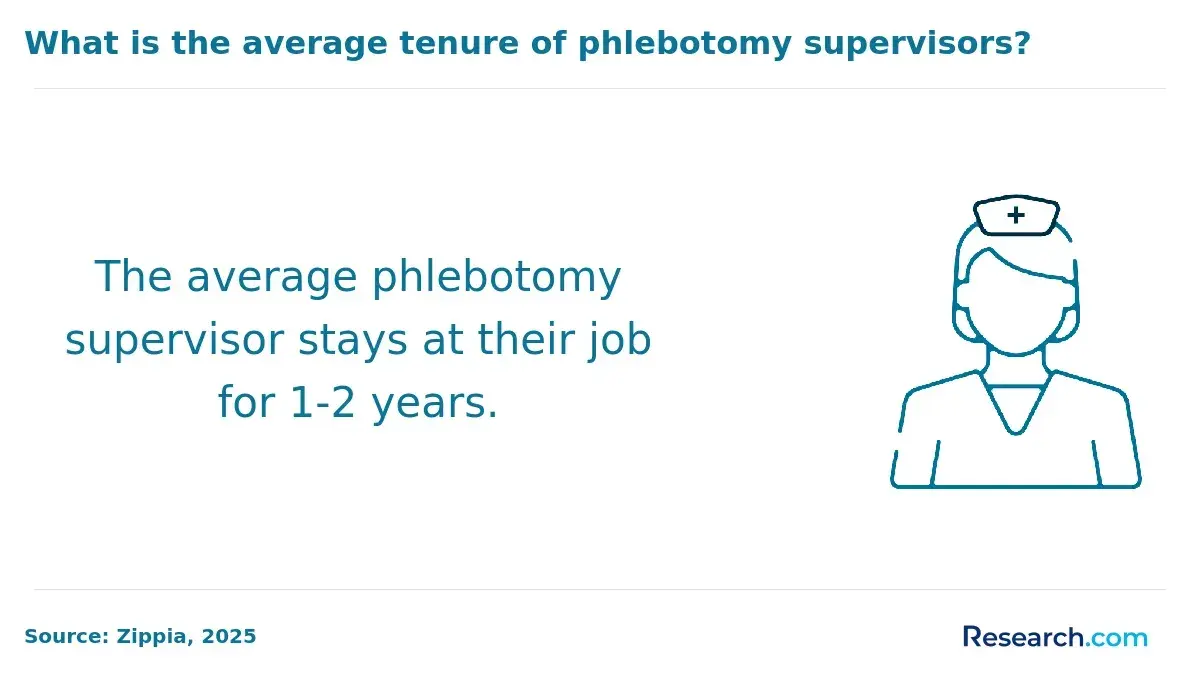
What are the best ways to grow your phlebotomy career in Rhode Island?
Elevate your phlebotomy career in Rhode Island by embracing a dynamic blend of credentials, continuous learning, and strategic networking. Beyond the foundational skills, securing nationally recognized certifications can unlock doors to supervisory and specialized roles that significantly boost your earning potential.
Engage actively with local educational programs like those at Brown University and the Community College of Rhode Island, where hands-on training and advanced workshops refine your expertise. Networking is equally vital; joining professional associations such as the American Society for Clinical Laboratory Science or connecting with the Rhode Island Blood Center fosters mentorship and access to hidden job markets.
Expand your horizons by exploring diverse healthcare settings-from hospital laboratories to mobile blood collection teams-each offering unique pathways to leadership or educational roles. Mobility within the state, including travel phlebotomy positions, can further enrich your experience and income.
In Rhode Island's vibrant healthcare landscape, a proactive, multifaceted approach is your gateway to lasting career growth and professional fulfillment.
What Do Phlebotomists in Rhode Island Say About Their Career?
- Completing my phlebotomy training at the Mount Hope Medical Academy in Rhode Island truly set the stage for a rewarding career. Starting work in a local school allowed me to combine my passion for healthcare with my love for education. I find great joy in contributing to the well-being of students while building meaningful relationships in the community. Rhode Island's supportive healthcare environment offers stability and plenty of opportunities for professional growth. The experience has been both inspiring and fulfilling. Aaliyah
- Attending the Ocean State Health Institute helped me develop the technical skills necessary for phlebotomy and instilled a strong sense of responsibility. Working in a local school has challenged me in unique ways, especially navigating the diverse needs of students. It's rewarding to see the positive impact of my work on young lives and to support their health journeys. Reflecting on my career, I appreciate the balance Rhode Island provides between community focus and professional advancement in the medical field. Carlos
- My journey began at Cranston Vocational Center, where I completed my phlebotomy certification. The opportunity to start my career in a school environment in Rhode Island has been eye-opening. I've witnessed firsthand the importance of accessible healthcare in educational settings and how it contributes to a healthier, more supported youth population. Professionally, the state's emphasis on healthcare training keeps me motivated to expand my skills and take on new roles. It feels empowering to be part of this vibrant community. Jin
Related Articles for Nearby States
- 2027 How To Become a Phlebotomist in Massachusetts
- 2027 How To Become a Phlebotomist in Connecticut
- 2027 How To Become a Phlebotomist in New York
- 2027 How To Become a Phlebotomist in New Jersey
- 2027 How To Become a Phlebotomist in Vermont
- 2027 How To Become a Phlebotomist in New Hampshire
- 2027 How To Become a Phlebotomist in Pennsylvania
- 2027 How To Become a Phlebotomist in Delaware
- 2027 How To Become a Phlebotomist in Maine
- 2027 How To Become a Phlebotomist in Maryland
References:
- Certified Phlebotomy Technician (CPT) - 911Programs Career Training Institute https://www.911programs.com/programs/cpt/
- Phlebotomy Certification in Rhode Island with NPCE https://www.npce.org/phlebotomy-certification-rhode-island
- How to Become a Phlebotomist in Rhode Island https://www.healthjob.org/guide/how-to-become-a-phlebotomist-in-rhode-island
- Phlebotomy - Certificate https://catalog.ccri.edu/programs-study/health-sciences/cert/phlebotomy-certificate/
- Phlebotomist | Caring Careers Rhode Island https://caringcareers.ri.gov/career-positions/phlebotomist
- Endorsement License Procedures for Phlebotomists in Rhode Island | TLC Travel Staff 2 https://www.tlctravelstaff.com/guides/endorsement-license-procedures-for-phlebotomists-in-rhode-island
- Want to Become a Phlebotomy Technician? The Skills You Need | Skilled Trades Bryan University https://skilledtrades.bryanuniversity.edu/faq/want-to-become-a-phlebotomy-technician-the-skills-you-need/
- RHODE ISLAND BLOOD CENTER ISSUES URGENT CALL FOR TYPE O- AND B- BLOOD DONATIONS AHEAD OF WORLD BLOOD DONOR DAY https://www.ribc.org/news-events/rhode-island-blood-center-issues-urgent-call-for-type-o-and-b-blood-donations-ahead-of-world-blood-donor-day/
- 55 phlebotomy Jobs in Rhode Island, October 2025 | Glassdoor https://www.glassdoor.com/Job/rhode-island-phlebotomy-jobs-SRCH_IL.0,12_IS3156_KO13,23.htm
- Phlebotomy Tech: 7 Common Myths Debunked https://calregional.com/blog/phlebotomy-tech-7-common-myths-debunked/
Other Things You Should Know About Becoming a Phlebotomist in Rhode Island
In 2027, to become a phlebotomist in Rhode Island, you typically need to complete a phlebotomy training program accredited by organizations such as the National Accrediting Agency for Clinical Laboratory Sciences (NAACLS). The program generally includes both classroom instruction and hands-on clinical practice.
In Rhode Island, it is possible to pursue hybrid or part-time phlebotomy programs, accommodating students who need flexibility due to work or personal commitments. Many local technical schools and community colleges offer programs that combine online coursework with in-person clinical training, allowing for a balanced schedule.
These hybrid or part-time options make it easier to gain the necessary practical skills and certification without attending full-time day classes. Prospective students should verify program availability and clinical requirements with individual schools to ensure the format meets Rhode Island's certification standards.
In 2027, to become a phlebotomist in Rhode Island, you need a high school diploma or GED and completion of an accredited phlebotomy training program. Certification is strongly recommended and can be obtained through organizations like the National Phlebotomy Association. Additionally, some employers might require a background check.


