
2027 How To Become a Phlebotomist in Missouri

Co-Founder and Chief Data Scientist
Missouri offers a promising career path for aspiring phlebotomists, with the state employing over 3,500 professionals and an expected job growth rate of 12% by 2030. This growth, combined with competitive salaries and diverse healthcare settings, makes it an attractive option for those seeking a stable and rewarding occupation. The demand for skilled phlebotomists highlights the importance of proper training and certification to excel in this field.
This article focuses on how to become a phlebotomist in Missouri, providing expert guidance on necessary education, certification, and career steps. It aims to equip readers with clear, practical information to confidently pursue this valuable healthcare role.
Key Things to Know About Becoming a Phlebotomist in Missouri
- Complete a state-approved phlebotomy training program, typically lasting 4 to 8 months, which combines classroom instruction and hands-on clinical practice.
- Obtain certification through recognized bodies like the National Phlebotomy Association; certified phlebotomists in Missouri earn a median annual wage of around $34,000.
- Stay proactive in Missouri's growing healthcare sector by networking and gaining experience, as demand for phlebotomists is expected to increase by over 10% in the next decade.
- What are the education requirements to become a phlebotomist in Missouri?
- What subjects are taught in phlebotomy classes in Missouri?
- Do you need a state license to work as a phlebotomist in Missouri?
- What phlebotomy certifications are recognized in Missouri?
- Where can you find accredited phlebotomy training programs in Missouri?
- How much does phlebotomy training cost in Missouri?
- What skills are required to become a successful phlebotomist in Missouri?
- Where do phlebotomists typically work in Missouri?
- What is the average salary for phlebotomists in Missouri?
- What are the best ways to grow your phlebotomy career in Missouri?
What are the education requirements to become a phlebotomist in Missouri?
Proper education and training empower phlebotomists to perform blood collection safely and with precision, safeguarding both patients and healthcare workers. Developing strong technical skills and a deep understanding of clinical protocols prepares you for the fast-paced environment of labs and hospitals. Below are the key Missouri phlebotomist education requirements to guide your path forward.
- High School Diploma or Equivalent: A high school diploma or GED is the foundational academic requirement for enrollment in phlebotomy training programs in Missouri. This ensures you have essential communication and numeracy skills needed for healthcare education and practice.
- Completion of a State-Approved Phlebotomy Training Program: Candidates need to enroll in an accredited program recognized by Missouri authorities. These programs typically last 6 to 8 weeks and provide a blend of classroom lectures and hands-on laboratory experience to build strong practical knowledge.
- Classroom and Clinical Instruction Hours: Training includes studying anatomy, blood collection methods, safety regulations, and legal considerations. Additionally, clinical externships require 40 to 60 hours, allowing you to practice drawing blood on live subjects and gain real-world confidence.
- Optional National Certification: While Missouri does not mandate state licensure, earning certification from organizations like the National Healthcareer Association can enhance your job prospects. Certification involves passing an exam and often requires documented training hours and a high school diploma.
- Featured Phlebotomy Technician Programs Now Accepting Students: Most programs require students to be at least 17 or 18 years old and demonstrate basic computer skills for coursework. Maintaining good attendance and achieving passing grades are often necessary to successfully complete the program.
For those exploring adjacent healthcare roles, understanding the medical coder job outlook 2025 may offer valuable career insights.
What subjects are taught in phlebotomy classes in Missouri?
Gaining a solid foundation in the subjects taught in Missouri phlebotomy programs is crucial for anyone aiming to become a skilled and confident phlebotomist. These courses prepare students to collect blood safely, prioritize patient wellbeing, and guarantee the accuracy of laboratory results. A well-rounded phlebotomy class curriculum in Missouri equips learners not only with technical skills but also with the knowledge needed to navigate the healthcare environment. Here are the key subjects you can expect to study:
- Anatomy and Physiology: This subject introduces students to the human body's structure and functions, focusing on the circulatory system and veins especially important for blood collection. Understanding anatomy allows phlebotomists to accurately locate veins and adapt their approach to various patient groups including children and the elderly.
- Venipuncture Techniques: Students learn hands-on methods for drawing blood through venipuncture and capillary puncture, practicing with a variety of needles and equipment. Mastery of this skill is vital for performing both routine and challenging blood collections safely and effectively.
- Infection Control and Safety: Training covers essential protocols to prevent infection and ensure safety for both patients and healthcare workers. This includes proper hand hygiene, use of protective gear, and safe needle disposal, aligning with regulatory standards.
- Specimen Processing and Handling: This topic teaches correct procedures for labeling, storing, and transporting specimens to maintain sample quality. Students also learn about avoiding errors and complying with laboratory standards, which impacts diagnostic accuracy.
- Medical Terminology: Familiarity with medical language related to laboratory tests and patient care enhances communication within healthcare teams and supports accurate documentation.
- Legal and Ethical Issues: Programs emphasize understanding patient consent, confidentiality, and professional ethics to foster responsible practice and uphold trust in clinical settings.
- Patient Communication and Customer Service: Effective communication skills help students explain procedures, ease patient anxiety, and provide empathetic care, essential for gaining cooperation during blood draws.
- Professionalism and Compliance: Learners are taught workplace expectations such as punctuality, teamwork, and adherence to codes of conduct, preparing them for a healthcare career environment.
- Special Procedures and Populations: Instruction includes advanced skills like blood culture collection and caring for specific patient groups including pediatric and geriatric populations, broadening students' clinical competence.
- Quality Assurance: Maintaining high standards in every step of blood collection is stressed, with training on identifying and correcting errors and supporting continuous laboratory improvement.
The comprehensive subjects taught in Missouri phlebotomy courses prepare students well for certification and employment, ensuring they are ready for hands-on challenges. If you want insight into other healthcare roles, you might find the medical biller and coder work responsibilities explained useful for broadening your healthcare knowledge.
Do you need a state license to work as a phlebotomist in Missouri?
Yes, in Missouri, you must have a state license to work as a phlebotomist. The state takes a firm stance on regulating phlebotomy by requiring formal licensure, which goes beyond employer preferences or voluntary national certifications commonly seen in other states. This means that to practice legally, you must hold a valid license issued by the Missouri Department of Health and Senior Services.
The licensing ensures that phlebotomists meet uniform standards of education and competency established by the state. For those looking to work in hospitals, clinics, or laboratories, this state-mandated license is a non-negotiable credential that validates your skills and protects patients by maintaining high safety and quality standards.
Knowing the state's licensing requirements is vital because it directly impacts where and how you can work once you complete your training. Since employers across Missouri will require proof of licensure before hiring, having the proper credentials opens doors to stable job opportunities in diverse healthcare settings. It also means that investing in approved training and successfully navigating the licensing process prepares you for a career recognized for professionalism and reliability.
In a field where trust and precision matter, the Missouri license not only affirms your qualifications but also helps you build a solid foundation for long-term success. Understanding this will allow you to focus your efforts wisely and advance confidently along your career path.
What phlebotomy certifications are recognized in Missouri?
Certification plays a vital role for phlebotomists in Missouri, helping individuals meet employer expectations, enhance their job prospects, and build professional credibility in a competitive healthcare field. Although the state does not legally require certification, having a recognized credential is often essential to stand out to hospitals, clinics, and laboratories. Below are some of the key recognized phlebotomy certifications Missouri employers value highly.
- American Society for Clinical Pathology (ASCP) - Phlebotomy Technician (PBT): Widely considered the gold standard, ASCP certification offers comprehensive coverage of vascular anatomy, blood collection procedures, specimen handling, and safety protocols. Candidates qualify by completing accredited training or clinical experience, and Missouri employers respect its rigorous standards that ensure quality laboratory practice.
- National Healthcareer Association (NHA) - Certified Phlebotomy Technician (CPT): This credential is popular among Missouri students and emphasizes practical skills in safe blood collection, specimen processing, and infection control. Its focus on current clinical procedures makes certified phlebotomists highly competitive in the state's job market. For those interested, the average salary is approximately $35,400, with job growth expected in coming years.
- American Medical Technologists (AMT) - Registered Phlebotomy Technician (RPT): The AMT's RPT certification requires passing an exam and completing accredited training or holding equivalent experience. Its strong reputation in allied health certification provides wide acceptance across Missouri healthcare facilities seeking qualified professionals.
- National Center for Competency Testing (NCCT) - National Certified Phlebotomy Technician (NCPT): NCCT's credential evaluates technical skills and adherence to national healthcare standards. With eligibility based on training or experience, this certification assures employers of the candidate's competence and commitment to safety.
- National Phlebotomy Association (NPA) - Certified Phlebotomist: While less common, the NPA certification serves those who have completed formal phlebotomy training and want national recognition for their skills, acknowledged by some Missouri employers.
For individuals considering expanding their healthcare career path, Missouri also offers opportunities such as an online medical billing and coding class, which complements clinical experience with valuable administrative skills.
Where can you find accredited phlebotomy training programs in Missouri?
Enrolling in an accredited phlebotomy training program in Missouri is vital to ensure a high-quality education that meets national standards. Such programs prepare students for certification exams and enhance employability in a competitive healthcare environment. Knowing where to find these accredited programs helps aspiring phlebotomists take confident steps on their career path. The following are common types of institutions offering accredited phlebotomy training in Missouri:
- Community Colleges: Institutions like Ozarks Technical Community College offer well-rounded programs combining classroom learning with clinical practice. They prepare students for recognized certifications, and accreditation details are available on their websites.
- Vocational and Technical Schools: Schools such as Midwest Technical Institute provide accelerated, skill-focused training. Accreditation by agencies like ACCSC ensures the programs meet quality standards and prepare for certification exams.
- Universities and Workforce Development Centers: Universities including the University of Central Missouri offer certificate programs through continuing education, designed to provide the competencies for certification and employment. Accreditation can be verified through university websites or program contacts.
- Private Career Institutes: Specialized schools focus exclusively on phlebotomy training with flexible schedules. Approval by the Missouri Coordinating Board for Higher Education and national accrediting agencies confirms program legitimacy.
- Hospitals and Healthcare Systems: Some healthcare providers offer in-house training in partnership with educational bodies. Prospective students should confirm accreditation via hospital education departments before enrolling.
When I spoke to a phlebotomist from Missouri about finding accredited programs, he reflected on his own journey through a local community college. He recalled the challenge of researching each school's accreditation status and the relief that came with confirmation from the college's website. "It was overwhelming at first," he said, "but knowing the program was accredited gave me confidence that I was investing my time wisely." He emphasized how the hands-on clinical experience was invaluable, preparing him for real-world scenarios. His experience reinforced the importance of verifying program quality to ensure eligibility for certification and a solid foundation for a fruitful career.
How much does phlebotomy training cost in Missouri?
The cost of phlebotomy training in Missouri varies widely depending on the type of institution, program length, and whether the school is public or private. Community colleges and adult education centers tend to offer more affordable options, while universities and private schools often charge higher tuition. These differences, along with additional expenses, shape the total investment needed to start your phlebotomy career.
Here's a clear breakdown of the typical costs involved in phlebotomy training programs in Missouri:
- Tuition and Course Fees: This is the core expense and can range from about $800 to over $3,400. Lower-cost programs usually come from community colleges or adult education centers, while longer, more comprehensive programs at universities may be pricier but provide extensive training and resources.
- Books and Supplies: Some programs include textbooks, lab manuals, and materials in tuition, but others require you to buy them separately. These items are essential for your classroom and hands-on learning experience.
- Uniforms and Equipment: Medical scrubs and sometimes additional equipment such as gloves or practice kits are necessary. Some schools provide uniforms, but often you will need to purchase them yourself, which adds to your upfront costs.
- Certification Exam Fees: Passing a national certification exam is highly recommended and may be required by employers. Exam fees typically range from $100 to $200 and might be included in your program cost or billed separately.
- Background Check and Drug Screening: To qualify for clinical placements, you'll need to complete background checks and drug screening, which may be part of tuition or a separate fee at certain schools.
What skills are required to become a successful phlebotomist in Missouri?
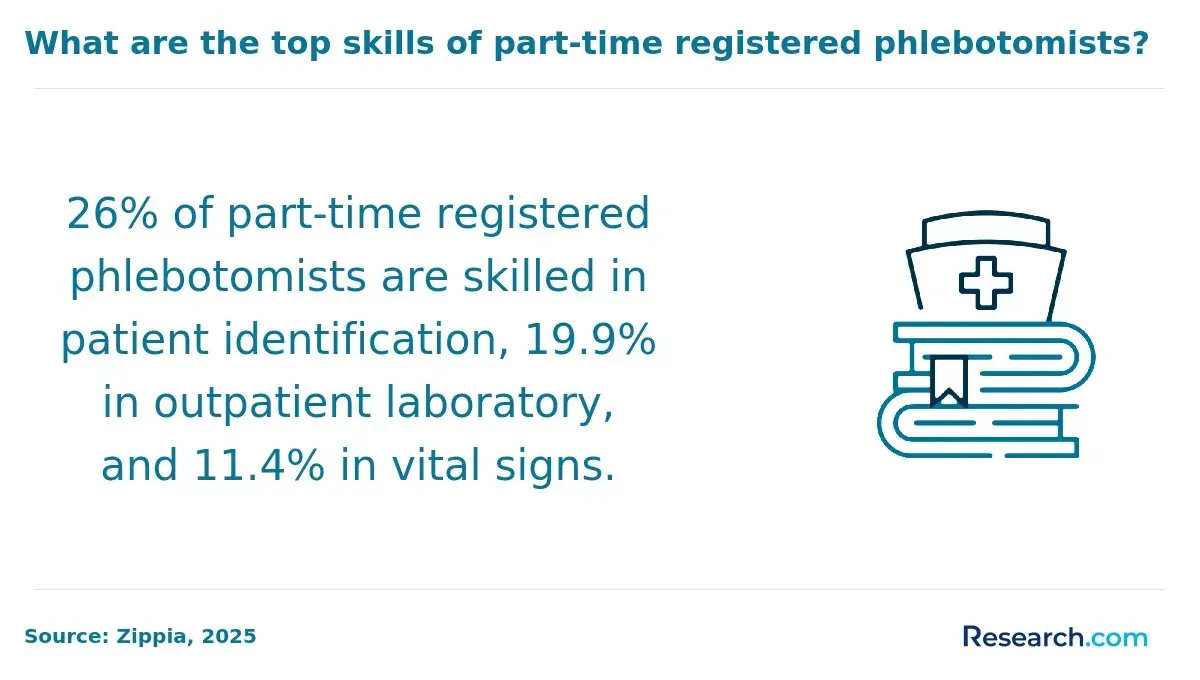
Excelling as a phlebotomist in Missouri requires a combination of specialized skills that ensure patient comfort, maintain strict safety standards, and guarantee precise blood collection. These abilities not only protect patients but also build trust and promote smooth healthcare operations. Here are the essential skills that will set you apart in Missouri's healthcare environment:
- Attention to Detail: Ensuring labels, tubes, and procedures are flawlessly executed protects sample integrity and prevents diagnostic errors.
- Technical Proficiency: Mastery of venipuncture and specimen handling techniques is key to safe and effective blood collection.
- Communication Skills: Clear, compassionate dialogue reduces patient anxiety and fosters cooperation during procedures.
- Professionalism: Demonstrating respect, discretion, and calm improves patient experience and adherence to protocols.
A phlebotomist from Missouri, who graduated from a local training program, shared her insights about mastering these skills. She recalled how initial nervousness quickly gave way to confidence through hands-on practice and patient interactions. "Learning to adapt when veins are difficult to find was challenging," she said, emphasizing the importance of patience and problem-solving. She also highlighted how open communication helped her connect with patients who were anxious or fearful. Her journey reflects that developing expertise in these areas doesn't happen overnight but evolves through dedication, reflection, and real-world experience in Missouri's dynamic healthcare settings.
Where do phlebotomists typically work in Missouri?
Phlebotomists play an essential role in healthcare across Missouri by ensuring accurate blood specimen collection for diagnostic testing, patient care, and medical research. Their skills support doctors, nurses, and laboratory teams in maintaining high standards of patient safety and specimen integrity. Here are some of the most common environments where phlebotomists build their careers in Missouri.
- Hospitals: Hospital phlebotomist jobs in Missouri often involve working with both inpatients and outpatients, including critically ill or emergency patients. Phlebotomists collaborate closely with nursing and lab staff to facilitate quick processing of specimens, which is vital for timely diagnosis and treatment decisions.
- Diagnostic Laboratories: In these facilities, phlebotomists collect samples from patients sent by clinics, physician offices, or hospitals. Their meticulous handling guarantees accurate testing, helping to identify diseases and monitor treatment outcomes effectively.
- Blood Donation Centers: Working in places like community blood banks, phlebotomists manage donor collections and ensure adherence to safety protocols. Their efforts are crucial for maintaining a reliable local blood supply for transfusions and emergency care.
- Outpatient Clinics: These settings offer phlebotomists regular hours and exposure to diverse patient needs, such as routine blood tests and screenings. Their work improves clinic efficiency and patient experience by ensuring smooth specimen collection.
- Physician's Offices: Phlebotomists here handle specimen collection during regular patient visits and coordinate with external labs for processing. This role is key in preventive care, supporting physicians with timely diagnostic testing and patient follow-up.
- Mobile Phlebotomy Services: Some phlebotomists provide care in patients' homes or long-term care facilities, expanding access especially in rural areas. If you're interested in flexible work options, exploring mobile phlebotomist positions in Missouri can offer rewarding opportunities beyond traditional settings.
If you're considering advancing your career in healthcare, you might also explore a flexible online medical billing and coding certification to complement your skills and open additional paths in the medical field.
What is the average salary for phlebotomists in Missouri?
Salaries for phlebotomists in Missouri vary widely depending on factors like geographic location, experience level, and type of employer. Understanding these influences can help you better gauge your potential income as you pursue this rewarding healthcare profession. Here are some of the key factors that affect the average phlebotomist salary in Missouri.
- Years of Experience: Starting salaries for new phlebotomists in Missouri are generally around $31,083 yearly. As you gain experience and refine your skills, you can expect to earn closer to $46,800 or more, reflecting your growing expertise and dependability in the clinical setting.
- Workplace Setting: Where you work matters-large hospitals and specialized labs tend to offer higher wages than smaller clinics or physician offices. Bigger employers often provide better benefits and higher pay thanks to larger budgets and increased demand for skilled professionals.
- Geographic Region: Urban areas such as St. Louis typically pay more, with hourly rates averaging $24.34, compared to the statewide average of about $18 to $19. This difference comes from variations in cost of living and healthcare demand across Missouri's regions.
- Additional Certifications: Having certifications from recognized bodies like the American Society for Clinical Pathology can boost your pay. Certified phlebotomists often qualify for higher salaries and specialized roles that recognize their advanced knowledge and commitment to quality care.
For aspiring medical professionals, exploring various certification paths can be crucial. For example, if you're interested in complementary healthcare roles, the fastest way to become a certified medical coder and biller may offer additional opportunities to increase your earning potential alongside phlebotomist pay rates Missouri.
What are the best ways to grow your phlebotomy career in Missouri?
Growing your phlebotomy career in Missouri requires a strategic blend of advanced certification, continuing education, and professional networking. Start by pursuing national certifications beyond the basic license, such as those offered by the American Society for Clinical Pathology, to enhance your credibility and job prospects.
Investing in continuing education is equally vital; take advantage of tuition reimbursement programs from employers like Washington University in St. Louis or affordable training at local colleges such as Missouri State-West Plains. Engaging with professional associations, including the American Society of Phlebotomy Technicians, opens doors to valuable networking, job boards, and professional development events.
Career advancement opportunities in Missouri are diverse-consider roles in clinical laboratories, specialization in pediatric or plasma phlebotomy, teaching positions at local training centers, or supervisory roles in hospital labs. By combining these practical steps with local resources, you can build a rewarding, upward-moving phlebotomy career in Missouri's expanding healthcare sector.
What Do Phlebotomists in Missouri Say About Their Career?
- Completing my phlebotomy training at St. Louis Health Academy was a transformative experience that opened doors to a fulfilling career right here in Missouri. Starting as a phlebotomist in a local school allowed me to engage with a vibrant young population and play a direct role in supporting their health journeys. The work can be challenging, especially given the diverse health needs within our community, but it is incredibly rewarding to contribute positively every day. Missouri's commitment to healthcare education and job stability made this path both feasible and inspiring for me. Shawn
- After graduating from Kansas City Medical Institute, working in a school setting gave me a unique perspective on the importance of early health interventions in children's lives. The role helped me grow not only professionally but personally, as I developed a deeper connection to the families and communities we serve in Missouri. I appreciate that this career offers clear pathways for advancement, ensuring that my skills and dedication can continually evolve. The balance of routine and the occasional unexpected situation keeps me engaged and passionate about my work. Anne
- Training at Springfield Professional Academy prepared me to face the unique challenges of working as a phlebotomist in Missouri's diverse environments. Serving in a local school setting, I've learned how essential our role is in fostering wellness and trust among students and their families. This career has sharpened my professional insights and allowed me to contribute to community health in meaningful ways. Missouri's rich cultural tapestry and support networks make this an exciting and stable field with a bright future. Leandro
Related Articles for Nearby States
- 2027 How To Become a Phlebotomist in Kansas
- 2027 How To Become a Phlebotomist in Iowa
- 2027 How To Become a Phlebotomist in Nebraska
- 2027 How To Become a Phlebotomist in Arkansas
- 2027 How To Become a Phlebotomist in Oklahoma
- 2027 How To Become a Phlebotomist in Illinois
- 2027 How To Become a Phlebotomist in Kentucky
- 2027 How To Become a Phlebotomist in Tennessee
- 2027 How To Become a Phlebotomist in Indiana
- 2027 How To Become a Phlebotomist in South Dakota
References
- Salary: Phlebotomist in Missouri 2025 | Glassdoor https://www.glassdoor.com/Salaries/missouri-phlebotomist-salary-SRCH_IL.0,8_IS386_KO9,21.htm
- 7-Week Phlebotomy https://www.kcphleb.com/plb.php
- Phlebotomist https://www.healthcareers.nhs.uk/explore-roles/wider-healthcare-team/roles-wider-healthcare-team/clinical-support-staff/phlebotomist
- Phlebotomy Technician Certificate Program https://www.ucmo.edu/academics/workforce-and-professional-education-programs/certificates/phlebotomy-technician-certificate-program/index.php
- University of Central Missouri Phlebotomy Technician Online Certification Course https://ucmo.edu2.com/product/989/phlebotomy-technician
- Happy Holidays!! https://www.stlphleb.com/
- Phlebotomy Certification in St. Charles Missouri with NPCE https://www.npce.org/phlebotomy-certification-st-charles-missouri
- Phlebotomist salary https://www.careerexplorer.com/careers/phlebotomist/salary/missouri/
- Phlebotomy Tech: 7 Common Myths Debunked https://calregional.com/blog/phlebotomy-tech-7-common-myths-debunked/
- 5-week Phlebotomy Training | Illinois & Missouri https://www.midwesttech.edu/programs/phlebotomy-course/
Other Things You Should Know About Becoming a Phlebotomist in Missouri
Missouri offers a growing number of opportunities for travel and mobile phlebotomy jobs, driven by the increasing demand for convenient healthcare services across urban and rural areas. Mobile phlebotomists can find roles with healthcare providers, laboratories, and private companies that serve patients at home, workplaces, and assisted living facilities. The state's central location and transportation infrastructure make it an ideal base for travel phlebotomy positions covering diverse regions. These jobs often provide flexibility and competitive pay, appealing to professionals seeking varied work environments and schedules.
In 2027, Missouri does not mandate state certification for phlebotomists. However, obtaining national certification through organizations such as the American Society for Clinical Pathology (ASCP) or the National Phlebotomy Association (NPA) can enhance job prospects. Certification typically requires completing an accredited training program and passing an exam.


