
2027 How To Become a Phlebotomist in Utah

Co-Founder and Chief Data Scientist
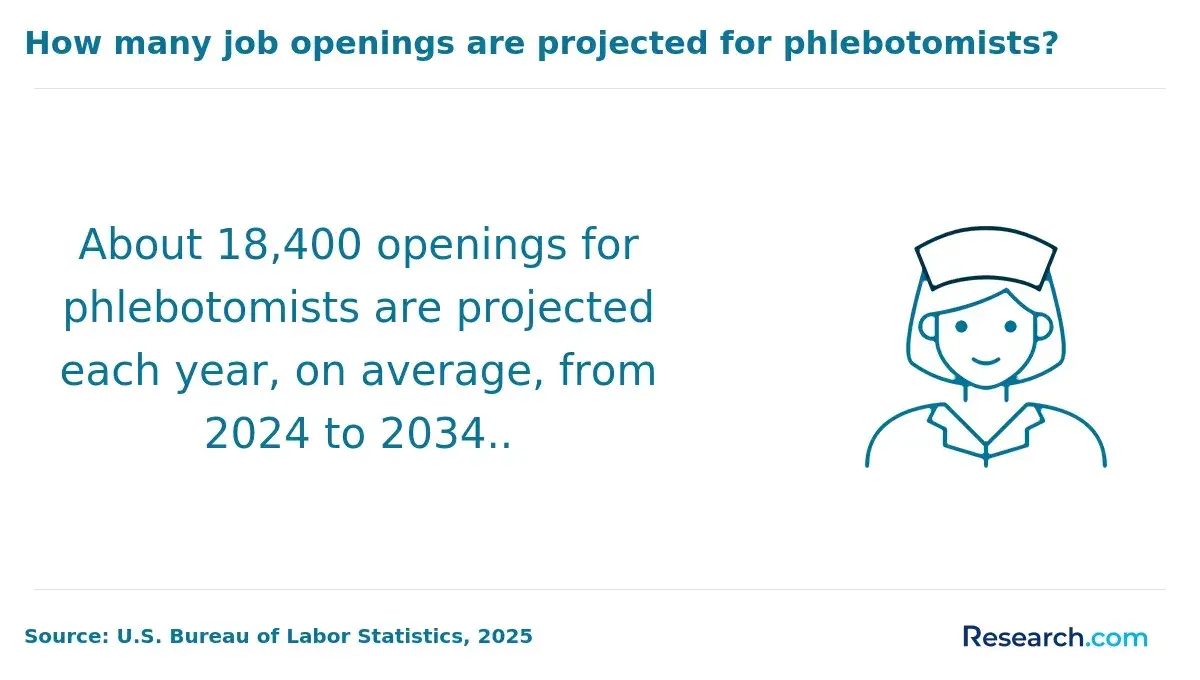
Utah offers promising opportunities for those pursuing a career in phlebotomy, with the field expected to grow by 14% over the next decade, surpassing the national average. The state's expanding healthcare sector and demand for skilled phlebotomists ensure steady employment and competitive salaries. This growth reflects an increasing need for diagnostic services critical to patient care, making phlebotomy a viable and rewarding professional path in Utah.
This article, prepared by experts in career planning, provides a comprehensive guide on how to become a phlebotomist in Utah. It covers essential training, certification requirements, and practical steps to enter the profession successfully, equipping readers with authoritative information to advance their career planning.
Key Things to Know About Becoming a Phlebotomist in Utah
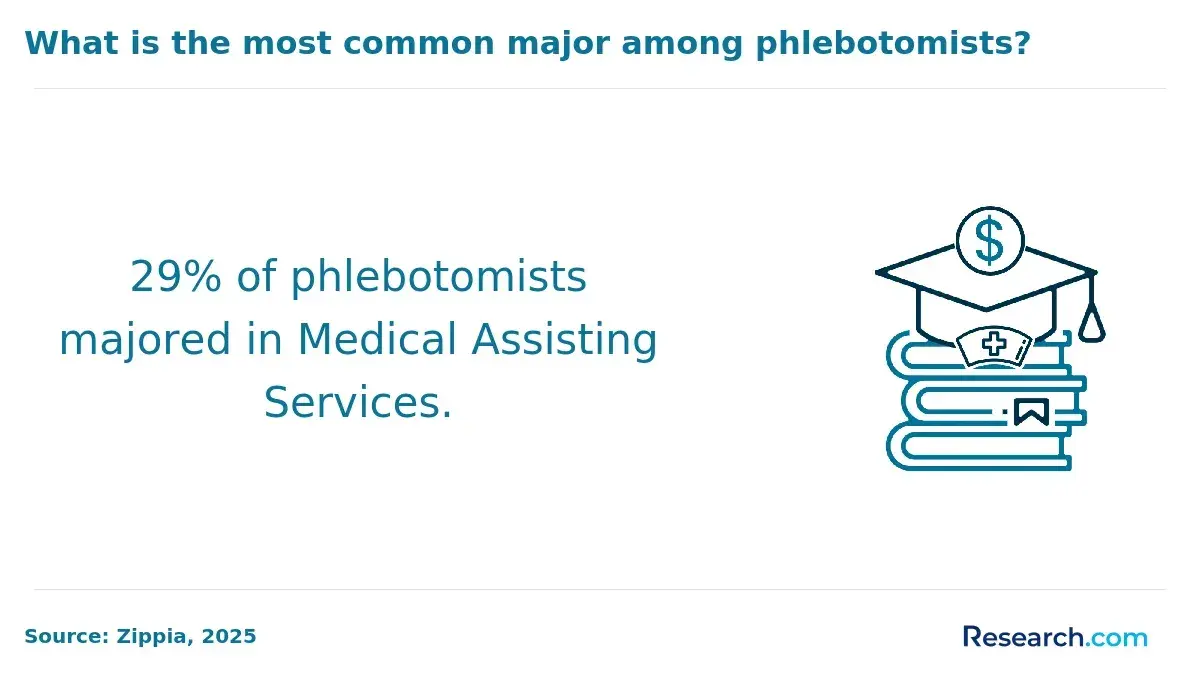
- Complete a state-approved phlebotomy training program, typically consisting of 40 to 100 hours of classroom instruction and clinical practice, to meet Utah's educational requirements.
- Obtain national certification from a recognized agency such as the American Society for Clinical Pathology, which Utah employers prefer and which enhances job prospects in a growing healthcare market.
- Understand Utah's workforce demand, with phlebotomist employment expected to grow by 11% from 2020 to 2030, creating ample opportunities in hospitals, labs, and clinics across the state.
- What are the education requirements to become a phlebotomist in Utah?
- What subjects are taught in phlebotomy classes in Utah?
- Do you need a state license to work as a phlebotomist in Utah?
- What phlebotomy certifications are recognized in Utah?
- Where can you find accredited phlebotomy training programs in Utah?
- How much does phlebotomy training cost in Utah?
- What skills are required to become a successful phlebotomist in Utah?
- Where do phlebotomists typically work in Utah?
- What is the average salary for phlebotomists in Utah?
- What are the best ways to grow your phlebotomy career in Utah?
What are the education requirements to become a phlebotomist in Utah?
Proper education and training are essential for phlebotomists to perform blood collection safely and accurately in clinical and laboratory environments. Skilled phlebotomists minimize patient discomfort, reduce errors, and prevent contamination, thus safeguarding both patient and healthcare worker safety. Key educational components prepare candidates to meet these professional standards effectively. The following outlines the critical phlebotomy education requirements in Utah.
- High School Diploma or Equivalent: Completion of a high school diploma or GED is a prerequisite for most Utah phlebotomist training programs. This foundational education equips candidates with basic literacy, math, and science skills necessary to grasp medical terminology and accurately follow procedural instructions.
- Completion of a State-Approved Phlebotomy Training Program: Candidates must finish a formal training program accredited by state-recognized institutions. These Utah phlebotomist training programs typically last between one and four months and cover essential subjects such as anatomy, venipuncture techniques, infection control, and legal regulations.
- Classroom and Clinical Instruction Hours: Training involves a blend of didactic classroom sessions-usually up to 40 hours-and supervised clinical practice with at least 100 venipunctures completed to demonstrate proficiency. This balance ensures both theoretical understanding and hands-on skill development.
- National Certification (Optional but Recommended): Although not mandated by Utah law, obtaining national certification can enhance employment opportunities and career advancement. Certification from organizations such as the National Healthcare Association validates a standardized knowledge base and practical competence.
- Background Check and Drug Screening: Most programs and employers require candidates to pass criminal background checks and drug screenings to ensure safety and compliance within healthcare settings.
Integrating these education requirements with practical experience allows candidates to build a solid foundation for success. For individuals interested in related healthcare careers, exploring a medical billing and coding career can offer additional pathways within the medical field.
What subjects are taught in phlebotomy classes in Utah?
Comprehensive knowledge of the subjects covered in Utah phlebotomy classes is fundamental for students aiming to develop the skills required for accurate blood collection, patient safety, and precise laboratory techniques. A well-rounded phlebotomy course curriculum in Utah emphasizes both theoretical understanding and practical application to ensure graduates are fully prepared for the healthcare environment. Below are the key subjects commonly taught in these programs.
- Anatomy and Physiology: This essential subject focuses on the human body's structure and functions, especially the circulatory system. Students study blood composition, vascular anatomy, and how various body systems affect specimen collection, enabling them to perform safe and accurate venipuncture procedures.
- Venipuncture Techniques: Training in these techniques provides hands-on experience using different blood collection devices like vacutainers and butterfly needles. Students learn to locate veins, insert needles correctly, and collect adequate specimens while adhering to sterile protocols, enhancing their readiness for real-world clinical practice.
- Capillary Puncture Methods: This subject instructs students on finger and heel stick methods, which are critical for collecting samples from pediatric or difficult patients. It covers proper puncture sites, depth control, and specimen handling to prepare phlebotomists for a broad range of collection scenarios.
- Infection Control and Safety Standards: Students gain vital knowledge of OSHA regulations, HIPAA compliance, and CLSI guidelines. This subject highlights hand hygiene, protective equipment use, sharps disposal, and injury prevention strategies, ensuring phlebotomists maintain both patient and workplace safety.
- Specimen Handling and Processing: This area teaches the correct use of collection tubes, additives, and the order of draw to avoid sample contamination. Proper labeling, storage, and transportation procedures are emphasized to uphold specimen integrity and support accurate laboratory testing.
- Patient Communication and Professionalism: Developing strong interpersonal skills is crucial; students learn to explain procedures clearly, manage patient anxiety, and uphold ethical standards. Effective communication fosters patient trust and improves the overall healthcare experience.
- Special Collection Procedures: Advanced techniques for blood cultures, glucose tolerance tests, and handling patients with challenging veins or medical conditions prepare students for complex clinical tasks. This training ensures graduates can adapt to diverse healthcare requirements.
For those considering career options related to healthcare documentation and billing, it is also important to understand the essential duties of medical billers and coders.
Do you need a state license to work as a phlebotomist in Utah?
In Utah, a state license is not required to work as a phlebotomist. Unlike certain states with strict licensing mandates, Utah does not enforce mandatory state-issued licenses or certification for phlebotomy professionals. Although a legislative proposal once aimed to establish formal certification requirements, it was not adopted, leaving no statutory licensing prerequisites in place. Instead, the regulation of phlebotomy practice in Utah largely relies on employer-driven standards, where hospitals, clinics, and laboratories frequently prefer or require national certification from recognized organizations to ensure competence and professionalism.
This approach to regulation has important implications for employment opportunities. While state-level licensing is absent, possession of national certification often becomes a critical factor in hiring decisions, influencing career advancement and job security within healthcare settings across Utah. For individuals pursuing a phlebotomy career, understanding the state's licensing stance is essential because it clarifies how professional qualifications are evaluated and what credentials will enhance employability. By recognizing the interplay of employer requirements and national certification, prospective phlebotomists can better navigate educational pathways and align their credentials with the expectations of Utah's healthcare employers.
What phlebotomy certifications are recognized in Utah?
Certification serves as a valuable asset for phlebotomists in Utah by demonstrating professional competence, aligning with employer expectations, and significantly enhancing job prospects in a competitive healthcare environment. Although the state does not legally require certification, most Utah employers prefer candidates who hold a nationally recognized phlebotomy certification in Utah, which helps establish credibility and signals readiness for clinical responsibilities. Below is an outline of the primary phlebotomy certifications that meet Utah phlebotomy technician certification requirements and are widely accepted by healthcare providers and training institutions in the state.
- National Healthcareer Association (NHA) - Certified Phlebotomy Technician (CPT): The NHA CPT credential is nationally recognized and highly regarded by Utah employers, technical colleges, and healthcare facilities. Earning this certification requires completing an accredited training program and passing a comprehensive exam focused on blood collection techniques, patient safety, and procedural knowledge. Programs at prominent Utah technical colleges specifically prepare students to meet the NHA CPT standards, making it a preferred choice for new phlebotomists.
- American Society for Clinical Pathology (ASCP) - Phlebotomy Technician (PBT): The ASCP PBT certification is known for its rigorous evaluation of both theoretical and practical skills in phlebotomy. Candidates must fulfill eligibility criteria like completing approved training or gaining work experience before successfully passing the exam. Utah employers value ASCP certification for its strong emphasis on clinical laboratory expertise and patient safety practices.
- American Medical Technologists (AMT) - Registered Phlebotomy Technician (RPT): The AMT RPT certification is recognized nationally and accepted by Utah healthcare institutions. Eligibility requires completion of an accredited course or sufficient work experience, accompanied by passing the AMT certification exam. The credential highlights practical competencies and professionalism, making it suitable for roles across hospitals, clinics, and laboratory settings.
- National Center for Competency Testing (NCCT) - National Certified Phlebotomy Technician (NCPT): The NCPT certification is respected throughout Utah for its comprehensive coverage of knowledge and skills related to blood collection and patient care. Candidates must meet training or experience requirements before passing an extensive exam. This certification offers adaptability for individuals from diverse backgrounds, ensuring broad recognition in the state's healthcare sector.
- National Phlebotomy Certification Examination (NPCE) - Certified Phlebotomy Technician (CPT): The NPCE provides a nationally recognized certification exam that Utah employers acknowledge. Candidates must complete a phlebotomy training program and pass the NPCE exam to be included in the national registry. The NPCE is notable for its accessible process, including digital study materials and opportunities for multiple exam attempts.
For those exploring career options in healthcare, understanding what is the importance of medical billing and coding alongside certified phlebotomy can enhance their comprehensive knowledge of medical support professions and increase overall employability.
Where can you find accredited phlebotomy training programs in Utah?
Enrolling in an accredited phlebotomy training program in Utah is crucial to ensure students receive a high-quality education that aligns with industry standards. Accreditation not only confirms that the curriculum meets rigorous requirements but also makes graduates eligible for national certification exams and improves their employment prospects within the state's growing healthcare sector. Prospective students should carefully evaluate program accreditation and approval status before enrollment. Below are common types of institutions offering accredited phlebotomy training programs in Utah:
- Community Colleges and Universities: These institutions, such as Utah Tech University and Utah State University, provide phlebotomy courses combining classroom instruction with practical lab experience. Programs typically hold regional accreditation, enabling students to sit for national certification exams. Verification can be done via the institution's official website or state education authorities.
- Technical and Vocational Schools: Schools like Mountainland Technical College and Southwest Technical College offer competency-based training focused on hands-on skills and supervised blood draws. They are generally approved by the Utah System of Technical Colleges and support pathways to national credentials such as Certified Phlebotomy Technician (CPT).
- Hospitals and Healthcare Centers: Some healthcare facilities partner with accredited organizations to deliver in-house training that includes clinical rotations. Students should confirm program approval and certification eligibility directly with hospital education departments.
- Private Career Institutes: Institutions such as the Utah School of Phlebotomy and Phlebotomy Training Specialists offer accelerated programs with a focus on exam preparation and workforce readiness. Accreditation status can be confirmed through direct contact or national certifying bodies like the National Healthcareer Association.
A phlebotomist, who is a graduate of a Utah-based technical college program, recalled the challenge of identifying an accredited course that balanced comprehensive hands-on training with certification eligibility. "It was important to choose a school where I knew my training would be recognized by employers," he said. He described reaching out to multiple institutions to verify their accreditation and certification support, emphasizing that this due diligence helped him confidently enter the field. Reflecting on his journey, he noted, "Finding the right program wasn't easy at first, but knowing it was accredited gave me the assurance I needed to focus on learning and preparing for my certification exam."
How much does phlebotomy training cost in Utah?
The cost of phlebotomy training in Utah varies significantly depending on the type of institution, the length of the program, and whether it is offered by a public or private school. Intensive short courses tend to be more affordable but shorter in duration, while extended programs with comprehensive training often have higher fees. Public institutions usually charge less than private training centers but may require additional prerequisites. Below are the typical cost components you can expect when pursuing phlebotomy training in Utah:
- Tuition and Fees: This is the largest expense, covering instruction, facilities, and administrative support. Short-term courses generally range from $395 to $475, whereas more extensive six-week or online asynchronous programs may cost from $495 up to nearly $3,000. Public schools often offer lower tuition alongside small fees for consumable supplies.
- Books and Supplies: Some programs include textbooks and lab materials within tuition, but others charge separately. This category encompasses study guides, course manuals, and necessary lab supplies, which are integral to hands-on learning and skill development.
- Uniforms and Equipment: Medical attire and protective gear may be required for clinical practice. While some programs provide these items, students should budget for comfortable scrubs, closed-toe shoes, and personal protective equipment if not supplied.
- Certification Exam Expenses: Preparing for and obtaining national certification incurs additional costs. Exam fees typically range from $45 to $200, depending on the certifying organization. Some programs include exam vouchers in their tuition, but students should also anticipate fees for mandatory drug screening, usually around $30.
What skills are required to become a successful phlebotomist in Utah?
Excelling as a phlebotomist in Utah requires a blend of technical skills, interpersonal abilities, and strict adherence to safety protocols. These competencies are vital not only for accurate blood collection but also for ensuring patient comfort and maintaining rigorous safety standards within healthcare environments. Mastering these skills enables phlebotomists to deliver effective, compassionate care while preventing errors or contamination. Below are the essential skills necessary for success in this field:
- Attention to Detail: Ensures precise patient identification and specimen labeling to avoid critical errors and guarantee reliable test results.
- Technical Proficiency: Involves skilled execution of blood draws and specimen handling, backed by extensive practice to build confidence and accuracy.
- Communication Skills: Facilitates clear, compassionate interaction with patients and healthcare teams, reducing anxiety and ensuring informed consent.
- Professionalism: Maintains confidentiality, ethical standards, and compliance with healthcare regulations, fostering trust and accountability.
- Manual Dexterity: Supports smooth, efficient blood collection through refined hand-eye coordination and steady technique.
A Utah phlebotomist who graduated from a local program reflected on the journey of skill development as both challenging and rewarding. She recounted the initial difficulty in mastering steady venipuncture but emphasized how repeated supervised practice transformed hesitation into confidence. Beyond technical ability, she recalled learning to calm nervous patients through empathetic communication, which became equally important. She described the strict safety training as crucial to her professional mindset, instilling a discipline that carried into daily practice. "Each skill felt like a building block," she explained, "and together, they shaped me into a phlebotomist who could adapt and excel in diverse healthcare settings throughout Utah."
Where do phlebotomists typically work in Utah?
Phlebotomists play a vital role in Utah's healthcare system by facilitating diagnostic testing, patient care, and medical research through the collection of blood samples. Their expertise and precision ensure that accurate laboratory results support effective medical decisions. Below are key settings where phlebotomists typically work in Utah, highlighting the diversity of their professional environments.
- Hospitals: Phlebotomist jobs in hospitals and clinics in Utah often require collecting blood samples from patients undergoing various diagnostic procedures. These professionals must rigorously verify patient identities and adhere to strict safety protocols, contributing directly to patient care in fast-paced clinical settings.
- Diagnostic Laboratories: In diagnostic laboratories, phlebotomists gather and prepare specimens for analysis, maintaining accurate records and compliance with safety regulations. Their role is essential in ensuring the quality of samples that affect the reliability of test outcomes.
- Blood Donation Centers: Blood donation centers employ phlebotomists to safely collect blood from donors, focusing on donor comfort and the integrity of collected blood products critical for transfusions and medical treatments.
- Outpatient Clinics: Within outpatient clinics, phlebotomists perform blood draws for routine exams and diagnostics, often working independently and managing patient interactions to support smooth clinical operations.
- Physician's Offices: Here, phlebotomists assist with routine blood collections during patient visits, preparing specimens for lab testing while maintaining meticulous patient records and communication with office staff.
Additionally, many professionals explore traveling and mobile phlebotomist positions in Utah, which offer dynamic opportunities to serve diverse populations across multiple locations. For those interested in expanding healthcare expertise, pursuing a medical billing and coding certificate or bachelors degree which is more valuable can complement clinical skills, enhancing career flexibility and advancement potential.
What is the average salary for phlebotomists in Utah?
Phlebotomist salaries in Utah vary widely depending on several critical factors, including geographic location, experience level, and the type of employer. While some professionals earn near the state average, others may start at lower wages but have potential for growth as they develop skills and gain certifications. Below are key factors that influence how much phlebotomists make in Utah.
- Years of Experience: Entry-level phlebotomists in Utah generally start with hourly rates between $14.90 and $16.19, while those with several years of experience can earn upwards of $19 per hour. Increased experience often leads to supervisory or specialized roles that offer higher pay.
- Workplace Setting: Hospitals and large medical centers tend to offer higher salaries compared to outpatient clinics, physician offices, or independent labs due to the complexity and volume of procedures. Centers focusing on plasma donation or research may also provide additional incentives.
- Geographic Region: Salaries fluctuate across Utah, with urban areas like Salt Lake City, Ogden, and Provo typically offering better wages than rural locations. This difference reflects cost of living and regional demand for healthcare professionals.
- Additional Certifications: Obtaining certifications such as Certified Phlebotomy Technician (CPT) usually results in higher pay and more job opportunities. Employers often prioritize applicants with advanced credentials or specialized training, sometimes providing wage premiums or better benefits.
- Education and Specialized Skills: Beyond the mandatory high school diploma and phlebotomy training, further education or expertise in pediatric phlebotomy or laboratory information systems can boost earning potential. For those interested, complementary fields like medical billing and coding offer relevant training options, available with financial aid through medical billing and coding classes online financial aid.
What are the best ways to grow your phlebotomy career in Utah?
Advancing your phlebotomy career in Utah involves a combination of strategic certification, ongoing education, networking, and targeted career exploration. Beyond obtaining a basic phlebotomy license, securing advanced certifications such as the Certified Phlebotomy Technician credential can significantly enhance your employability and access to higher-level positions.
Continuing education through institutions like Southwest Technical College and Utah State University ensures you remain current with the latest laboratory technologies and best practices. Professional associations, including local chapters of the American Society for Clinical Pathology and the National Phlebotomy Association, offer invaluable networking, mentorship, and leadership opportunities.
Exploring diverse employment environments-such as hospitals, laboratories, teaching roles, and medical research centers-increases your potential for career growth. For example, working at Intermountain Health or engaging in mobile phlebotomy roles within rural Utah communities offers unique advancement pathways. By proactively pursuing these practical strategies, phlebotomists in Utah can cultivate rewarding careers aligned with the state's expanding healthcare landscape.
What Do Phlebotomists in Utah Say About Their Career?
- Completing my phlebotomy training at Utah Medical Academy was a game-changer. The hands-on experience and thorough curriculum built my confidence, and now working in a local school allows me to play a critical role in student health. I love that my job combines medical skills with helping kids feel safe and cared for during their blood draws. The community here values health education, making every day rewarding beyond just the technical work. Alexis
- Starting my career as a phlebotomist within a local school setting taught me so much about patience and communication. It's not just about drawing blood; it's about connecting with young people and supporting their well-being in a calm environment. Utah's unique demographic diversity and focus on education have opened up continuous professional development opportunities for me, which is empowering. I feel proud knowing I contribute to the health of children in a meaningful way. Derrick
- Training at the Salt Lake Health Institute gave me a solid foundation, but what I appreciate most about working in Utah is the chance to grow professionally while facing unique regional challenges. The high-altitude environment and the variety of cultural backgrounds in our community provide an enriching experience that pushes me to learn constantly. Being a phlebotomist here means staying adaptable and engaged, which has helped me advance my career steadily. Hailey
Related Articles for Nearby States
- 2027 How To Become a Phlebotomist in Nevada
- 2027 How To Become a Phlebotomist in Arizona
- 2027 How To Become a Phlebotomist in Idaho
- 2027 How To Become a Phlebotomist in Wyoming
- 2027 How To Become a Phlebotomist in Colorado
- 2027 How To Become a Phlebotomist in New Mexico
- 2027 How To Become a Phlebotomist in California
- 2027 How To Become a Phlebotomist in Montana
- 2027 How To Become a Phlebotomist in Oregon
- 2027 How To Become a Phlebotomist in Washington
References:
- Phlebotomy Certification Orem Utah — NPS https://npscerts.com/phlebotomy-certification-orem-utah/
- Phlebotomy Tech: 7 Common Myths Debunked https://calregional.com/blog/phlebotomy-tech-7-common-myths-debunked/
- What Do Medical Screeners/Phlebotomists Do: Daily Work & Skills https://www.franklin.edu/career-guide/phlebotomists/what-do-medical-screeners-phlebotomists-do
- Want to Become a Phlebotomy Technician? The Skills You Need | Skilled Trades Bryan University https://skilledtrades.bryanuniversity.edu/faq/want-to-become-a-phlebotomy-technician-the-skills-you-need/
- Phlebotomist salary https://www.careerexplorer.com/careers/phlebotomist/salary/utah/
- Phlebotomy https://www.otech.edu/phlebotomy/
- Search Utah Jobs at BioLife https://jobs.biolifeplasma.com/location/utah-united-states-jobs/32806-34930/6252001-5549030/3
- Orem Phlebotomy Courses - Phlebotomy USA https://www.phlebotomyusa.com/utah/orem-phlebotomy-courses/
- How Long to Become a Phlebotomist? Get Certified in Just 6 Weeks at NTI https://ntinow.edu/how-long-to-become-a-phlebotomist-get-certified-in-just-6-weeks-at-nti/
- How Much Do Phlebotomists Make? https://nurse.org/healthcare/phlebotomy-salary/
Other Things You Should Know About Becoming a Phlebotomist in Utah
To become a phlebotomist in Utah in 2027, you typically need a high school diploma or GED, completion of a phlebotomy training program, and certification from a recognized body like the National Phlebotomy Association. While certification is not legally required, it enhances job prospects and professional credibility.
In 2026, it typically takes 4 to 8 months to become a phlebotomist in Utah. This duration includes completing an accredited phlebotomy training program, which covers classroom instruction, practical hands-on experience, and passing any necessary certification exams.


