2027 Highest-Paying Jobs You Can Get With a Game Design Degree

Co-Founder and Chief Data Scientist
Graduates with a game design degree often face the challenge of determining whether advanced credentials or industry certifications justify the cost and effort-especially when alternative career pathways exist. On average, holders of graduate-level game design degrees earn 30% more than those with only a bachelor's, highlighting the tangible wage premium advanced education provides. Additionally, professional certifications in emerging technologies can enhance salary prospects in competitive markets like California and Washington.
This article explores the complex factors affecting compensation in game design careers-examining wage premiums, licensure impacts, and return on investment-to help readers make informed, financially sound decisions about pursuing this degree.
Key Things to Know About the Highest-Paying Jobs You Can Get With a Game Design Degree
- Graduate credentials in game design typically yield a 15-25% wage premium compared to bachelor's-level entry, reflecting advanced technical and creative skills valued by employers.
- Professional certifications-such as Unity or Unreal Engine licenses-can increase salary offers by up to 10%, signaling validated practical expertise in sought-after development tools.
- Return-on-investment for a game design degree often surpasses self-taught or bootcamp alternatives due to stronger industry connections and comprehensive curriculum-though geographic location profoundly affects earning potential.
What Exactly Does a Game Design Degree Qualify You to Do in Today's Job Market?
A game design degree qualifies graduates to pursue specialized roles recognized by the U.S. Bureau of Labor Statistics and professional associations within the interactive entertainment industry. These roles demand a combination of creative vision, technical proficiency, and collaborative skills that set degree holders apart from candidates relying solely on informal experience or self-taught knowledge. Core competencies include designing engaging gameplay mechanics, developing storylines, and creating intuitive user interfaces through mastery of programming languages, software tools, and digital art techniques.
Employer data from platforms like LinkedIn Insights show that game design graduates are in demand for positions blending analytical thinking with strong communication and teamwork-a necessity in today's multidisciplinary production environments. The degree also provides familiarity with project management methodologies and industry-standard development pipelines, thereby increasing candidates' readiness to contribute effectively from day one. This familiarity is a significant asset for those seeking the highest-paying jobs for game design degree holders in the US.
- Credential Scope: Game design degrees qualify candidates for roles such as game designers, level designers, narrative designers, and gameplay programmers, but do not confer licensure or permission to practice in regulated professions outside entertainment.
- Misconceptions: Holding a degree does not guarantee immediate employment in senior positions or mastery of every technical niche; employers often require additional specialized skills or experience.
- Entry Barriers: Some creative roles accept candidates without degrees, yet formal credentials deliver a measurable wage premium and advancement potential, especially in leadership or technical specialist tracks.
- Degree Levels and Earnings: Bachelor's degrees are the common entry point, but master's and doctoral qualifications correlate with higher earnings in design leadership, R&D, and roles needing advanced technical or theoretical expertise.
For those exploring related fields or additional credentials, options such as an online artificial intelligence degree may complement game design expertise and open higher-paying career opportunities. Career opportunities with a game design degree in today's job market demand a clear understanding of how degree levels and specialization influence salary outcomes, enabling prospective students-including military veterans and mid-career professionals evaluating education benefits-to make informed decisions aligned with their income goals and risk tolerance.
Which Game Design Jobs Command the Highest Salaries Right Now?
In the ever-evolving world of game development, certain roles have emerged as the top contenders in terms of compensation. Understanding which game design jobs currently command the highest salaries can help aspiring professionals and industry veterans alike make informed career decisions. Let’s explore the most lucrative positions in the gaming industry today.
- Lead Game Designer: Lead game designers rank among the top highest paying game design careers. Data from BLS Occupational Employment and Wage Statistics (OEWS) highlights a median annual wage near $95,000, rising to about $120,000 at the 75th percentile, and topping $150,000 for the top decile. These positions typically require a bachelor's or master's degree in game design or related fields. Advanced degrees boost earning power-especially in competitive hubs like Silicon Valley, Seattle, and Austin. Specialized skills such as user experience (UX) design and interactive storytelling further enhance salary potential in these roles.
- Game Programmers and Software Developers: Candidates with strong programming skills-often holding degrees in computer science or game design-are highly competitive. Median wages sit around $90,000, increasing to $115,000 at the 75th percentile and reaching $140,000 in elite positions. Holding coding certifications or a portfolio with shipped titles strengthens salary prospects, particularly at studios focusing on complex 3D and virtual reality projects. Within the spectrum of top game design jobs with highest salaries, entertainment software publishers offer higher wages compared to smaller indie developers.
- Art Directors and Visual Designers: Combining creative leadership with technical game art expertise, these roles earn median salaries near $85,000. Compensation rises to about $110,000 at the 75th percentile and tops out near $135,000 for the highest earners. Degrees in game design and digital arts, plus proficiency with specialized software, provide a clear salary edge. Metropolitan areas rich in multimedia markets typically offer the most lucrative positions for these artists.
- Product Managers and Producers: While open to various backgrounds, these roles value game design degrees for a strong grasp of development cycles. Median pay starts around $80,000, growing to $105,000 at the 75th percentile, and exceeds $130,000 at the top tier. Project management certifications combined with a game design credential improve compensation-especially within AAA studios and large digital entertainment firms.
Salary Influences:
- Degree Level: Advanced degrees yield higher median and top-decile wages than associate or bachelor's degrees.
- Specializations: Expertise in programming, UX design, or virtual reality markedly impacts pay.
- Industries: Larger game publishers and emerging AR/VR companies offer the most lucrative roles.
- Geographic Markets: Urban tech centers consistently lead in compensation.
- Employer Type: AAA studios outperform small indie developers salary-wise.Salary potential in game design careers-especially the highest paying game design careers-is tightly linked to these factors. This comprehensive perspective equips aspiring professionals to weigh career goals and income priorities precisely. Additionally, for those considering educational costs, it's worthwhile to explore how much does it cost to get a business degree online to compare financial investment across disciplines.
How Does Degree Level-Bachelor's vs. Master's vs. Doctoral-Affect Game Design Earning Potential?
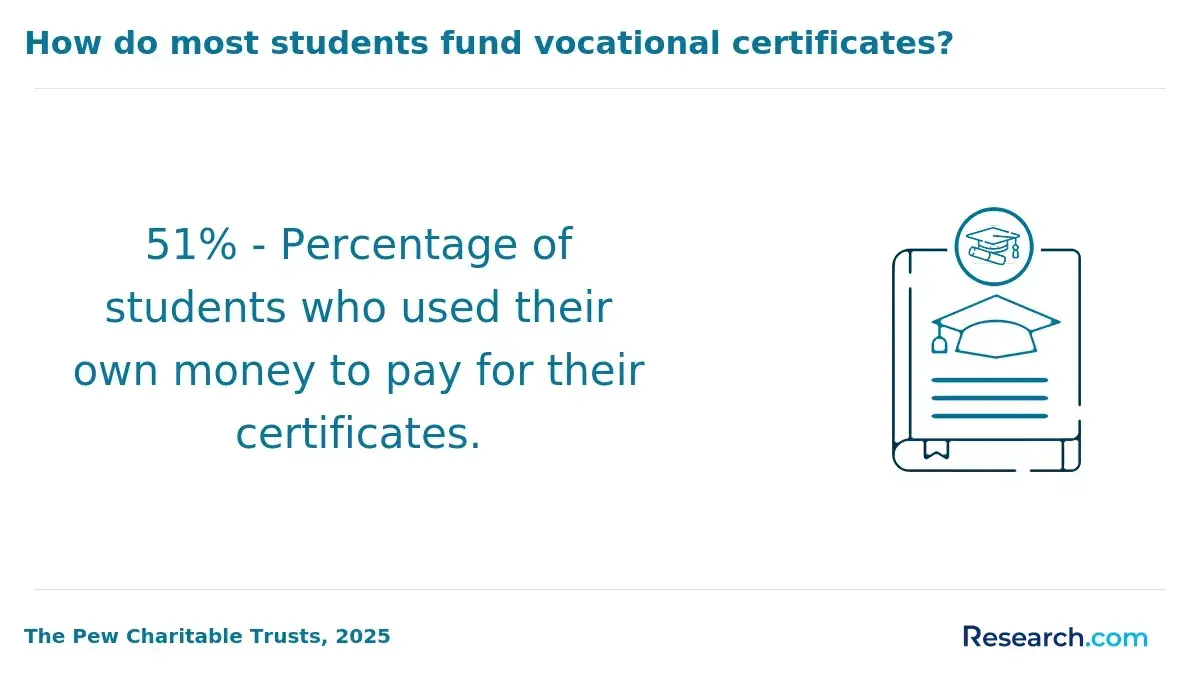
The earning potential for game design degree holders varies notably with the level of education-bachelor's, master's, or doctoral-and the specific roles they pursue. Median salaries for those with a bachelor's degree typically range from $60,000 to $85,000, covering positions such as game testers, junior designers, and UI/UX developers where a strong portfolio can weigh equally alongside formal credentials.
- Bachelor's Degree Premium: A bachelor's provides foundational skills in programming, storytelling, and graphics, with salary ceilings near $90,000 to $100,000 at top studios. However, wage growth often plateaus without further specialization or advanced degrees.
- Master's Degree Advantages: Holding a master's can boost income by 20% to 30%, especially for positions like lead game designer, simulation architect, or production manager. These roles demand advanced technical knowledge, leadership, and project management expertise-qualifications that a master's degree validates-particularly in emerging domains such as VR/AR and AI-driven game development.
- Doctoral Degree Impact: Doctoral credentials-be they research or professional degrees-cater more to academic and specialized industry sectors. Few studios require them, but they are essential for roles involving game theory research, AI innovation, or industry licensing boards. Salaries here can exceed $120,000 to $150,000, reflecting the premium on deep technical and theoretical expertise.
Prospective students should weigh the time-to-payoff before pursuing graduate-level credentials. This calculation must include losses from deferred earnings and tuition expenses against the anticipated income increase. For those already holding a relevant bachelor's, a master's degree usually yields faster access to higher earnings than a doctorate.
Career changers without a game design or computer science background often find master's programs provide the most direct credentialing route to better salaries. However, if one's goals involve leadership, advanced research, or academic positions, doctoral study still offers justifiable returns despite longer completion times.
Which Industries and Employers Pay Game Design Graduates the Most?
Game design is an innovative and rapidly growing field, attracting creative minds eager to shape the future of entertainment. As graduates step into this dynamic industry, many wonder which sectors and employers offer the most lucrative opportunities. This guide explores those industries and companies that provide the highest pay for game design graduates, helping aspiring professionals plan their careers strategically.
- Private Sector: Salaries for game design graduates are often highest at leading video game publishers and major tech companies. These firms benefit from vast revenues and fierce competition for skilled professionals, particularly in tech hubs like Silicon Valley and Washington state. Senior positions such as lead game designer or principal developer command premium wages well above average, reflecting the market demand and revenue scale.
- Government Agencies: Though typically offering more stable employment, government contractors and agencies specializing in training simulations provide competitive pay for candidates with niche skills. Compensation packages here are shaped by government budgets and regulatory factors but can include valuable benefits and steady career progression, especially for graduates adapting to specialized roles.
- Nonprofit Organizations: Educational and healthcare nonprofits employ game designers to create serious games and simulations. While these roles usually offer lower salaries compared to the private sector, some grant-funded projects or collaborations with public entities can result in compensation exceeding nonprofit norms. Graduates considering this sector should weigh mission-driven work against financial expectations.
- Self-Employment and Startups: Independent developers and startup founders have potential for high earnings through successful product launches or contracts, but income is often unpredictable and hinges on market acceptance and business growth. Establishing a strong personal reputation and robust professional connections is essential for maximizing returns in this flexible but risky environment.
- Role and Credential Impact: Salary disparities within the same industry are considerable-senior and lead titles earn notably more than entry-level roles. Holding advanced degrees or professional certifications in areas like programming, project management, or user experience design frequently results in a marked income advantage for game design degree holders.
- Job Search Strategy: Prospective candidates targeting top-paying employers benefit from customizing their resumes and skillsets toward high-demand technologies and software. Enhancing credentials through certifications and networking at industry events also increases earning potential. Geographic location matters-regions dense with tech companies typically offer the best financial opportunities.
For a deeper look into leadership credentials that can enhance career prospects in this field, consider exploring programs like the online PhD in leadership.
What Geographic Markets Offer the Best-Paying Game Design Jobs?
Several metropolitan regions stand out for offering the most lucrative game design roles when adjusted for cost of living, reflecting both high median salaries and the presence of leading industry employers.
- San Francisco Bay Area: Dominates in nominal wages with salaries well above the national midpoint, though living expenses significantly cut into real earnings. Still, its dense cluster of top studios draws many seeking premium opportunities.
- Seattle, Washington: Hosts major publishers and tech companies, delivering strong pay and a more moderate cost of living compared to the Bay Area-resulting in better-adjusted compensation for professionals.
- Austin, Texas: An expanding game development center offering competitive wages alongside reasonable living costs, making it increasingly attractive for relocation.
- Los Angeles, California: Known for a vibrant entertainment sector, LA provides solid game design salaries, though the high cost of housing impacts take-home pay.
- Raleigh-Durham, North Carolina: Balances growing job availability with affordable living, creating favorable real wage conditions.
- New York City, New York: Despite generous salaries, steep living expenses dampen purchasing power; however, its extensive industry network enables unique career growth.
The expansion of remote and hybrid work models is reshaping traditional geographic pay disparities in game design. Roles involving UI/UX design, programming, or narrative development often lend themselves to remote execution, allowing workers to reside in lower-cost regions while maintaining competitive salaries. Conversely, positions demanding specialized onsite equipment or close collaboration with clients usually require physical presence-and often offer the highest pay.
Candidates must balance prospects for career advancement and networking in high-paying urban hubs against the financial benefits of living in less expensive areas while working remotely. Relocation can involve notable expenses and lifestyle adjustments but may provide long-term professional gains, whereas remote opportunities can enhance actual income through cost savings.
How Do Professional Certifications and Licenses Boost Game Design Salaries?
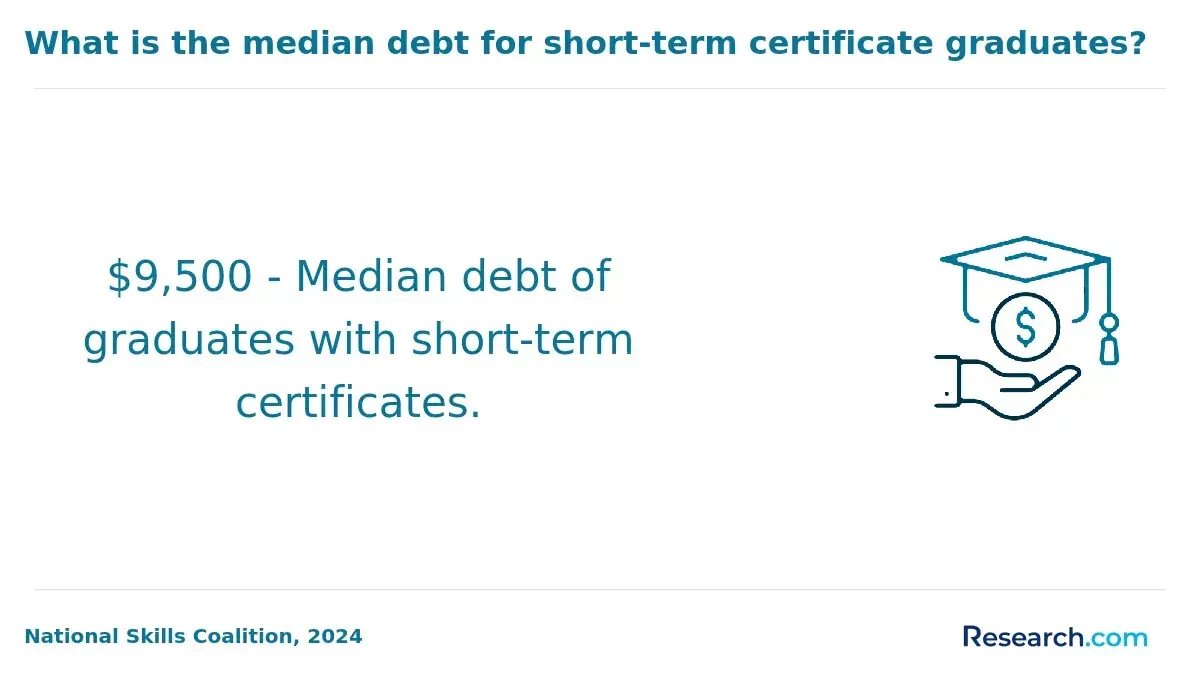
Professional certifications can markedly increase earnings for game design professionals by validating expertise highly sought by employers. Surveys from bodies like the International Game Developers Association (IGDA) and the Entertainment Software Association (ESA) reveal that certified individuals often enjoy salary increases between 8% and 20% compared to peers without credentials.
- Certified Game Developer (CGD): Candidates must pass an exam covering game mechanics, programming, and asset integration. Eligibility generally requires a bachelor's degree or equivalent experience. Certification renewal occurs every three years via continuing education. Costs range from $300 to $500. CGD holders report an average 12% salary uplift.
- Unity Certified Developer: This credential focuses on proficiency with the Unity engine. Candidates undergo a rigorous hands-on exam and usually have foundational development experience. Renewal is recommended every two years but not mandatory. Examination fees are around $200. Earners typically gain a 10% to 15% pay increase in specialized roles.
- Project Management Professional (PMP): Although not game design-specific, the PMP enhances leadership status for producers and team leads. Requirements include documented project management experience and passing a demanding exam. Maintaining the credential demands 60 professional development units every three years. Member costs approximate $555. PMP recipients report up to a 20% raise due to advanced managerial duties.
- Accreditation and Employer Preference: Choosing certifications accredited by ANSI or NCCA guarantees credibility, avoiding low-value commercial certificates. Investigating employer-preferred credentials in specific game design sectors helps align certification efforts with financial returns.
What Is the Salary Trajectory for Game Design Professionals Over a Full Career?
The salary trajectory for game design professionals typically reflects steady growth aligned with experience, skill enhancement, and strategic career choices. Entry-level roles-such as junior designers or developers-commonly earn median wages between $50,000 and $65,000 within the first five years, according to Bureau of Labor Statistics (BLS) data. Early-career growth is largely driven by building technical skills and developing a strong portfolio.
- Early Career: Around the five-year mark, modest salary increases emerge as professionals demonstrate competence and take on challenging projects. Developing specialized expertise-in user experience, narrative design, or other niches-can accelerate earnings.
- Mid Career: After approximately ten years, many move into senior or specialized roles with salaries often reaching $75,000 to $100,000. Advancing credentials or certifications and shifting into leadership positions further boost compensation. Strategic choices like focusing on high-demand areas such as AI programming or systems design yield higher returns.
- Senior and Specialized Roles: Peak salaries-frequently surpassing $120,000-are generally tied to management roles, lead designers, or expert-level technical specialties within major studios or successful independent companies. Reputation-building through conference participation and contributions to industry best practices further elevate earnings.
Specialization, leadership responsibility, and business development distinguish top earners among game design degree holders with similar academic backgrounds. These factors, supported by Georgetown Center on Education and the Workforce research and professional salary surveys, set realistic benchmarks for short- and long-term earnings. Informed career decisions around education, certifications, and role progression remain essential for maximizing the return on investment associated with a game design degree.
Which Game Design Specializations and Concentrations Lead to the Highest-Paying Roles?
Specializations within a game design degree profoundly impact earning potential by aligning skills with industry demand. Technical concentrations like graphics programming and engine development command premium salaries due to the rarity of professionals skilled in complex coding and real-time rendering. Graduates in these areas often fill roles such as graphics programmers or systems engineers-positions crucial to enhancing game performance and visual quality, elevating their market value.
Another high-paying focus is game production and project management, where expertise in managing teams and budgets is rewarded by bigger studios facing increasingly complex projects. Additionally, emerging fields such as virtual reality (VR) and augmented reality (AR) design offer lucrative opportunities. The novelty, hardware challenges, and regulatory hurdles in immersive tech create talent scarcity that drives wages upward.
Students exploring the highest-paying game design specializations in the United States should prioritize labor market data-including job growth and employer demand-over personal interest alone to maximize financial outcomes. For those already enrolled in general degree programs, targeted internships, continuing education, and stacking professional certifications enable entry into lucrative niches without pursuing additional degrees.
- Return on Investment: Top online game design programs provide affordable paths to in-demand specializations, reducing debt and boosting early-career salaries.
- Certification Impact: Verified expertise through industry certifications in project management or software tools can increase salary offers.
- Graduate Wage Premium: Advanced degrees correlate with significant salary boosts, particularly in technical and managerial concentrations.
The accredited MFT programs online model highlights how selecting accredited credentials and high-demand concentrations improves career and compensation prospects in competitive job markets. Evaluating the top game design concentrations for lucrative careers ensures financial viability alongside passion-critical for a sustainable, high-income trajectory.
How Does the Game Design Job Market's Growth Outlook Affect Long-Term Earning Stability?
The game design job market is projected to grow steadily over the next decade, with the U.S. Bureau of Labor Statistics (BLS) estimating around a 12% increase in employment for multimedia artists and animators-a category that includes many game design roles-far outpacing the average for all occupations.
This robust growth reflects rising consumer demand for interactive entertainment across platforms like mobile, console, and virtual reality, alongside technological advances that continuously expand creative possibilities. These factors collectively support long-term salary stability for game design careers.
However, the reality is nuanced. Certain positions-such as lead designers, technical directors, and user experience specialists-enjoy strong security due to their high skill requirements, low automation risk, and critical role in production. In contrast, junior programming roles or those focused on routine tasks face greater automation and outsourcing risks, which can depress wages and limit advancement.
- Growth Outlook: Above-average employment increases driven by rising gaming demand and expansion across industry sectors.
- Automation Risk: Low for creative and programming-intensive roles; higher for repetitive asset creation tasks.
- Employer Demand: Expanding in AAA studios and indie markets, but variable where budgets are tight.
- Structural Headwinds: Outsourcing of art and coding overseas and credential inflation requiring constant skill upgrades.
- Wage vs. Security: Senior design and technical leadership roles offer high pay with strong job security. Some lucrative roles carry risk due to market cyclicality or limited openings.
To navigate the dynamic market, candidates should develop advanced programming expertise and mastery of emerging technologies like AR/VR, building diverse portfolios that combine creativity and technical skill. Pursuing certifications and graduate education can enhance both wage premiums and job security.
For those also considering alternate credential paths, comparing the return-on-investment can offer clarity on potential earnings and career longevity. Military veterans and career changers might explore tailored educational options, such as the best online social work programs, which can complement their transition strategies in related fields.
What Leadership and Management Roles Are Available to High-Earning Game Design Graduates?
Leadership positions in game design-such as Creative Director, Game Director, Lead Producer, and Studio Head-serve as the apex of the career trajectory. These roles typically reside within upper middle or executive management tiers, demanding substantial experience in game development alongside advanced credentials, often including an MBA or specialized leadership certifications.
- Salary Premium: Per U.S. Bureau of Labor Statistics data, management roles in software publishing and interactive media surpass the compensation levels of individual contributors. While game designers earn median annual salaries near $85,000, production and studio managers frequently exceed $120,000, reflecting their accountability for large-scale budgets and teams.
- Organizational Responsibilities: Executive and managerial leaders coordinate multidisciplinary groups spanning art, programming, and marketing. Their roles encompass overseeing project timelines, ensuring quality, managing financial risks, negotiating with clients, and executing strategic planning, which justifies higher pay scales.
- Career Advancement: Progression typically moves from junior designer to lead roles, then through associate producer to producer positions. Rising into senior leadership often requires 7 to 10 years of industry experience supported by key development elements.
- Strategic Choices: Aspiring leaders should seek roles that strengthen both creative and business skills early in their careers. Pursuing graduate degrees alongside game design qualifications can significantly boost access to senior executive opportunities and corresponding compensation benefits.
Which Emerging Game Design Career Paths Are Positioned to Become Tomorrow's Highest-Paying Jobs?
Technological advances and shifting market demands are shaping several emerging roles within game design that promise strong salary growth over the next decade. These positions reflect new intersections of storytelling, artificial intelligence, extended reality, and economics-offering substantial opportunities for graduates and career switchers who prepare strategically.
- Interactive Narrative Designer: Specialists who create adaptive, AI-driven branching storylines are increasingly sought after as games emphasize personalized player experiences. Degree programs now embed narrative construction with AI techniques to develop these skills.
- Extended Reality (XR) Experience Developer: Jobs focused on immersive AR and VR applications-spanning gaming, education, and enterprise-are expanding rapidly. Supplementing formal education with courses in 3D modeling, spatial audio, and XR frameworks can enhance employability.
- AI Gameplay Engineer: Incorporating machine learning to generate intelligent NPC behavior and dynamic game elements drives demand for engineers versed in neural networks and procedural content generation.
- Esports Systems Designer: As esports grows, expertise in designing competitive mechanics, engagement tools, and live event features is more critical, with certification in streaming tech and analytics boosting prospects.
- Game Economy Analyst: Advanced knowledge of virtual economies-often connected to blockchain and real-money transactions-requires proficiency in tokenomics and regulatory compliance, supported by finance and monetization credentials.
While these roles hold high potential, not all will see rapid or widespread adoption. Assessing the balance between early mover benefits and market longevity is essential before specializing. Prospective professionals should track labor intelligence from platforms like Lightcast and Burning Glass and engage with industry associations to monitor evolving demand and compensation trends.
Adapting curricula swiftly and pursuing targeted boot camps in AI, XR, and data analytics equips graduates to capitalize on high-value positions not yet broadly recognized. This approach maximizes return on investment and aligns educational pathways with future labor market realities.
What Graduates Say About the Highest-Paying Jobs You Can Get With a Game Design Degree
- Paxton: "Completing my game design degree really paid off-there's a noticeable wage premium for graduates that you just don't get with self-taught routes. Earning this degree opened doors to roles in top studios where certification isn't just recommended, it's often mandatory, which boosted my salary even more. For anyone debating their options, I'd say the return-on-investment here is solid if you want to be competitive in high-paying markets."
- Ameer: "Reflecting on my journey, I see how critical industry type and location are in shaping salary expectations after a game design degree. Working in a major tech hub definitely brought higher pay but also stiffer competition. Plus, the credential itself added credibility that especially helped when applying for jobs requiring professional licensure or specialized certification."
- Nathan: "From my professional standpoint, the real value of a game design degree lies in how it stacks up against alternative pathways in terms of career growth and salary. While certifications elevate your earning potential, the degree combined with the right geographic placement-like in cities with booming gaming industries-gave me the best returns. It's a strategic investment if you're aiming for those highest-paying positions in the field."
Other Things You Should Know About Game Design Degrees
A game design degree typically offers a higher return on investment than many alternative credentials such as short certificates or associate degrees. This is largely due to the comprehensive skillset developed-spanning programming, storytelling, and digital art-which employers highly value. Graduates with a bachelor's or master's in game design often access better entry-level salaries and faster career growth, offsetting the longer time and cost of degree completion.
In 2027, game design graduates can pursue high-paying roles such as Lead Game Designer, Senior Game Developer, and Creative Director. These positions at major gaming companies often command six-figure salaries due to the increased demand for interactive entertainment and the industry’s growth.
Employer type strongly influences earnings for game design degree holders. Private companies-especially large studios and tech firms-usually offer the highest salaries along with bonuses and stock options. Public sector roles often provide more stability and benefits but at a lower pay level. Nonprofit organizations rarely match private-sector wages but may offer unique project experiences and mission-driven work.
Internships and practicums play a crucial role in boosting starting salary levels for game design graduates. Hands-on experience allows graduates to demonstrate skills, build a professional network, and make immediate contributions to employers. Those with relevant early work experience often secure higher starting salaries and more advanced job opportunities than peers without practical training.
References
- Game Developer Career Guide: Lead or Expert? https://8bitplay.com/blog/career-paths-in-the-game-industry-if-you-dont-wanna-be-a-lead/
- Top Cities for Video Game Development Jobs https://www.gameindustrycareerguide.com/best-cities-for-video-game-development-jobs/
- What careers can you do with a Games degree? | University for the Creative Arts https://www.uca.ac.uk/blogs/careers-with-a-games-degree/
- Game Design Jobs: Salary Expectations & Career Path Glossary https://www.nyfa.edu/student-resources/game-design-jobs-average-salary-career-path-glossary/
- Game Developer Salary: 6 Factors That Boost Your Game Developer Salary https://pwskills.com/blog/game-developer-salary-web-development/
- Senior-level Jobs in the Video Game Industry: The Ultimate Guide https://hitmarker.net/career-advice/level-specific-career-advice/senior-level-jobs-in-the-video-game-industry-the-ultimate-guide
- Salary progression in Game Developer https://www.whitecarrot.ai/resources/templates/progression-salary/game-developer
- What Can You Do with a Games Design Degree? https://www.lcca.ac.uk/blog/gaming/what-can-you-do-with-a-games-design-degree/
- how - Tłumaczenie na polski - angielskich przykładów | Reverso Context https://context.reverso.net/t%C5%82umaczenie/angielski-polski/how
- The Evolving Landscape of Game Design Education and Career Prospects - My Framer Site https://krizek.tech/feed/the-evolving-landscape-of-game-design-education-and-career-prospects-e6jvu