
2027 Different Types of Game Design Degrees and Their Salaries

Co-Founder and Chief Data Scientist
The demand for skilled professionals in game design continues to rise sharply as the gaming industry expands and evolves with new technologies. Recent data shows that employment opportunities in this field are projected to grow significantly faster than the average for all occupations, reflecting the increasing value companies place on innovative game development. Choosing the right educational path is crucial for those seeking to enter this competitive industry and maximize career potential.
This article provides a detailed overview of the various types of game design degrees available and offers insight into the salary expectations graduates from each program can anticipate, helping prospective students make well-informed decisions about their futures.
Key Points About Different Types of Game Design Degrees and Their Salaries
- Obtaining an associate degree in game design typically leads to entry-level positions such as quality assurance tester or junior designer, with average salaries ranging from $35,000 to $45,000 annually in the U.S., reflecting limited career advancement without further education.
- A bachelor's degree in game design significantly increases job prospects and earning potential, with median salaries for roles like game designer or level designer often between $60,000 and $80,000 per year, according to industry data and U.S. Bureau of Labor Statistics reports.
- Master's degrees in game design or related fields tend to open opportunities for senior development roles, leadership, or specialized positions such as game producer, where salaries can exceed $90,000 annually and offer better long-term growth compared to lower degree levels.
What Are the Different Types of Game Design Degrees Available?
Understanding the different game design degree types and levels is important because each program offers distinct academic approaches tailored to various career goals and educational backgrounds. Choosing the right degree helps students build the specific skills and knowledge needed for their desired roles within the game industry.
Here are the main types of game design degrees and what makes each unique:
- Associate Degree in Game Design: Provides foundational instruction in game design concepts, basic programming, 2D and 3D asset creation, and introductory animation. Coursework emphasizes essential software tools and game logic, preparing students for entry-level creative or technical roles.
- Bachelor of Science in Game Design/Development: Focuses on both creative and technical aspects including advanced game engines, simulation, 3D modeling, programming, and project teamwork. Students learn to design comprehensive games and master industry-standard software alongside subjects like UI/UX and digital media editing.
- Bachelor of Fine Arts in Game Design: Emphasizes artistic and narrative storytelling aspects of games, integrating game art, animation, cultural critique, and narrative design. Many programs culminate in a capstone project showcasing both creative scholarship and practical development.
- Master's in Game Design or Development: Offers advanced study in specialized areas such as game engineering, technical art, production, or interactive media. Graduate programs blend rigorous research with real-world projects and interdisciplinary collaboration.
- Doctorate (Ph.D.) in Game Design/Computational Media: Focuses on high-level research, theory, and new methodologies in game design and interactive experiences. Doctoral students engage in computational media, game theory, and experimental design, contributing original scholarship to the field.
To explore your options further, consider investigating the best accelerated online degrees for working adults that offer flexible pathways into game design education.
What Specializations Are Available in Game Design Degrees?
Choosing a specialization within a game design degree is a critical step for students because it helps them tailor their education to specific skills and industries, ultimately improving their career prospects. Specializations guide students in developing expertise that aligns with their unique interests and long-term professional goals.
Below are some common specializations available in game design degrees, each focusing on different aspects of the gaming industry to prepare students for distinct career paths.
- Game Design: Focuses on gameplay mechanics, player experience, and game theory. Students develop skills in prototyping, testing, and refining engaging games, often pursuing careers as game designers, producers, or creative directors.
- Game Programming: Emphasizes coding, algorithms, and software engineering. Learners gain proficiency with game engines and scripting languages, preparing for roles as software engineers, developers for consoles or mobile platforms, and technical programmers.
- Game Art and Animation: Centers on 2D and 3D modeling, character animation, and environmental design. This specialization trains students in visual storytelling and digital sculpting, leading to careers as animators, character artists, or technical artists.
- Narrative and Storytelling: Develops skills in writing, world-building, and interactive story design. Graduates typically work as narrative designers, writers, or quest designers, especially in studios focusing on story-driven games.
- Audio and Sound Design: Focuses on music composition, sound effects, and audio engineering to enhance gameplay immersion. Students prepare for jobs as sound designers or audio engineers within the gaming industry.
- Artificial Intelligence and Emerging Technologies: Concentrates on AI algorithms, machine learning, and immersive tech like virtual reality and augmented reality. Careers include AI programming, simulation design, and development of cutting-edge gaming technologies.
For those interested in how these specialized skills can fit into broader educational pathways, exploring the top degrees for seniors online might provide flexible options to continue advancing in game design and related fields.
How Long Does It Take to Complete Each Type of Game Design Degree?
Understanding how long it takes to complete each game design degree is crucial for students planning their education and career timelines. Knowing the typical duration helps in managing expectations and aligning academic goals with personal circumstances. Below is an overview of the main game design degree types and their usual completion times.
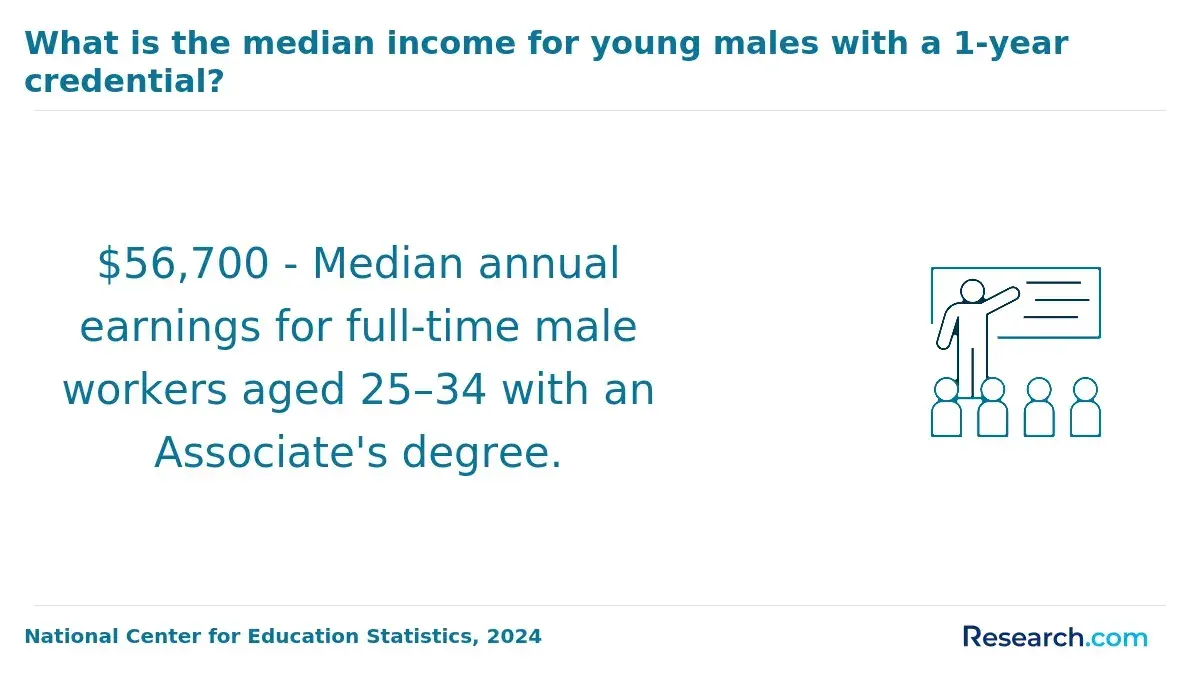
- Associate Degree in Game Design: Typically completed in about two years of full-time study, an associate degree provides foundational skills and knowledge. This timeline can be shorter if students transfer credits from previous coursework or enroll in accelerated programs. Online options are common, offering flexibility for part-time learners.
- Bachelor's Degree in Game Design: Usually requiring four years of full-time enrollment, bachelor's programs cover a broad range of skills including programming, art, and storytelling. Part-time attendance can extend this duration, whereas summer courses or credit transfers may shorten it. Many institutions offer online or hybrid formats to accommodate different learning preferences.
- Master's Degree in Game Design: Typically lasting one to two years after obtaining a bachelor's degree, a master's program allows for deeper specialization and advanced study. The exact length varies by institution and program structure, with some offering accelerated or part-time options. Online master's degrees are increasingly available for working professionals.
Breakdown of All Fully Online Title IV Institutions

Are There Accelerated Game Design Degree Programs?
Accelerated game design degree programs are designed to help students complete their studies in a shorter period than traditional formats by implementing various strategies such as condensed coursework, year-round class schedules, and transfer credit options. These programs often condense material into intensive terms, sometimes lasting just a few weeks, allowing students to focus on one or two courses at a time at a faster pace. For instance, some universities offer multiple start dates throughout the year to minimize gaps between semesters and maximize continuous learning. Transfer credits from previous academic work or relevant professional experience can further reduce the time needed to graduate. In practice, this means a master's program that might normally take two years could be completed in less than a year, and combined bachelor's and master's degrees can sometimes be earned in five years instead of six.
However, the accelerated approach demands significant commitment from students. The workload is typically more intense, compressing what would normally be semester-long courses into just a few weeks. This format requires strong time-management skills, the ability to juggle multiple projects simultaneously, and adaptability to rapid changes in learning pace. Eligibility criteria can include prior academic credits, minimum GPA thresholds, or relevant industry experience, all of which help ensure students are prepared for the challenges ahead. While accelerated programs can appeal to career changers and working professionals eager to enter the field quickly, prospective students must weigh their personal and professional responsibilities against the increased intensity of accelerated study.
A graduate of an accelerated game design degree program shared that the experience was both demanding and rewarding. He described early weeks as "nonstop," with back-to-back projects and little downtime, requiring him to carefully plan every hour of his day. The fast pace meant that "you have to stay constantly engaged, and if you fall behind, it can be tough to catch up." Despite these challenges, he appreciated how the program "kept me motivated and focused," pushing him to develop skills more quickly than he expected. He recalled feeling "a mix of stress and excitement" throughout, but ultimately valued how the compressed schedule "allowed me to enter the industry earlier than my peers." Reflecting on his journey, he emphasized that succeeding in an accelerated program requires both discipline and passion, yet the payoff is a faster path to launching a career in game design.
Are Online Game Design Degrees as Credible as Traditional Ones?
Both online and traditional game design degree programs in the United States are increasingly aligned in maintaining rigorous academic standards. Typically, these programs require around 120 credit hours, along with portfolios and capstone projects or internships that provide practical experience. Accredited institutions such as Arizona State University, George Mason University, and Kennesaw State University offer fully online programs designed to match the structure, content, and level of challenge found in their on-campus counterparts. These online courses often include a mix of synchronous and asynchronous learning, group projects, and access to experienced faculty. Many online programs undergo the same accreditation and curriculum review processes as traditional degrees, ensuring consistent quality and educational value across formats.
Recent trends indicate a growing acceptance of online game design degrees among employers, especially when the degree comes from a reputable institution. Employers tend to prioritize the strength of a student's portfolio, practical experience, and professional network above whether the degree was earned online or in person. Salary data for game design professionals, including multimedia artists and animators, shows no significant difference tied to degree format; instead, pay is more closely linked to skills, project experience, and the issuing school's reputation. Ultimately, the credibility of a game design degree depends more on the institution awarding it and the student's demonstrated abilities than on whether the program was completed online or on campus.
How Much Does Each Type of Game Design Degree Typically Cost?
Understanding the differences in tuition costs across game design degree levels is essential for effective budgeting and long-term financial planning. Knowing what to expect financially can help students strategically select programs that align with their career goals and resources. Below is an overview of typical tuition ranges for the main types of Game Design degrees, highlighting key factors that influence these costs and common financial aid options.
- Associate Degree in Game Design: Tuition typically ranges from $3,000 to $10,000 per year for in-state students attending community colleges or technical institutes. Costs tend to be lower than those for bachelor's degrees, with shorter program durations. Many students benefit from federal and state financial aid as well as institutional scholarships to help cover expenses.
- Bachelor's Degree in Game Design: This most common pathway varies widely in cost, with tuition ranging $8,000 to $40,000 annually. Public universities charge lower rates for in-state residents, often between $8,000 and $15,000, while private institutions can exceed $40,000 per year. Additional fees for housing and campus services can increase total costs. Students frequently access grants, scholarships, and federal loans to reduce their financial burden.
- Advanced Diploma in Game Design: Specialized diploma programs usually cost between $51,600 and $56,000 total for about two years of study. These focused programs may have more limited institutional scholarships but still offer some financial aid options. They provide concentrated training often sought by students looking for specific skill sets.
- Master's in Game Design: Graduate tuition typically falls between $17,000 and $40,000 per year, with an average near $20,500 annually. Private universities usually charge at the higher end. Students can often apply for graduate assistantships, scholarships, and federal loans to offset tuition.
- Certificate in Game Design: Certificate programs tend to cost between $5,000 and $10,000 total and are often offered online. While not equivalent to a degree, they provide affordable, targeted education. Some attendees may qualify for workforce development grants or employer tuition assistance.
When I spoke with a graduate of a Game Design degree program, she shared how she managed the financial challenges during her studies. She recalled applying extensively for scholarships and combining federal loans with part-time work, which made the bachelor's program affordable despite the higher sticker price at her university.
Reflecting on her experience, she noted that carefully navigating financial aid options allowed her to focus more on developing skills and building her portfolio, which ultimately opened doors in the industry. She emphasized that while the tuition felt daunting at times, the investment paid off through meaningful job opportunities and career growth, highlighting the importance of proactive financial planning alongside educational ambitions.
What Jobs Can You Get with Each Type of Game Design Degree?
The level of education in game design significantly influences the career opportunities and types of roles graduates qualify for. Higher degree levels typically allow access to more specialized, creative, or leadership positions, while foundational degrees offer entry points into the industry. Below is an overview of common jobs associated with each game design degree type to help students understand potential career paths.
These roles vary in responsibility, work environment, and salary potential depending on the qualification earned.
- Associate Degree in Game Design: Graduates often secure entry-level roles such as quality assurance (QA) tester, game tester, or junior game designer. These positions focus on finding bugs, helping with basic game mechanics, and providing feedback to development teams. Employment settings include game studios, independent developers, and software testing firms, and this degree can be found among options for cheap associate degrees online.
- Bachelor's Degree in Game Design: This degree is standard for many core development roles, including game designer, level designer, and narrative designer. Responsibilities encompass designing gameplay mechanics, creating immersive levels, and integrating storytelling elements. Salaries commonly range from $50,000 to $100,000 annually depending on experience, with graduates working in indie studios, large companies, or multidisciplinary teams.
- Bachelor of Science (BS) in Game Development: Graduates may work as game programmers, AI programmers, or technical project managers. These professions involve coding, system design, and overseeing technical components of game projects. Median salaries for programmers hover near $67,000, while technical project managers can earn upwards of $97,000.
- Bachelor of Fine Arts (BFA) in Game Art and Animation: Typical roles include game artist, animator, or environment artist. These professionals create characters, 3D models, and visual effects to craft the game's aesthetic. Work environments span from indie settings to major studios focusing on artistic aspects.
- Master's Degree in Game Design or Related Fields: Advanced degrees prepare graduates for senior or specialized roles like creative director, lead designer, or systems designer. These positions involve managing projects, guiding creative vision, and leading teams. Salaries for creative directors often exceed $96,000, reflecting their leadership responsibilities.
How Do Salaries Differ by Game Design Degree Type?
Degree level often plays a significant role in determining earning potential in the game design industry. Understanding these salary differences by degree type can help students make informed decisions about their education and future career paths. Below is an overview of typical salary ranges for each major game design degree, along with factors that influence pay and how further education may impact long-term earnings.
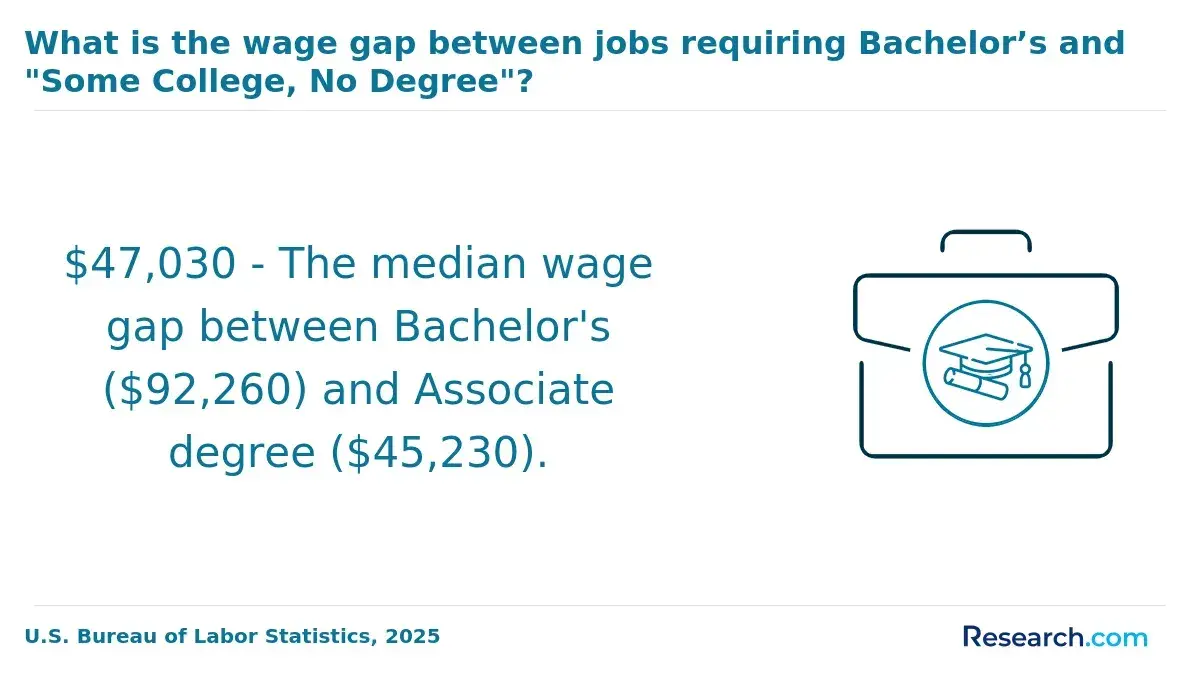
- Associate Degree in Game Design: Graduates with an associate degree typically start with salaries ranging from $50,000 to $78,000 per year. These entry-level positions often involve tasks such as testing and junior design roles. Salary levels are affected by company size and location, with fewer chances for rapid advancement compared to higher degrees.
- Bachelor's Degree in Game Design: This degree is the standard entry requirement for most game designer roles, offering average salaries between $68,000 and $103,000 annually. Holders can work in core design, level design, or system design roles, and this degree is essential for moving into senior positions. Location and experience heavily influence earnings at this level.
- Master's Degree in Game Design: A master's degree can boost earning potential to $121,000 or more per year. Graduates are suited for senior and specialized roles, including lead designer or design director, particularly in competitive urban markets. Advanced skills and a strong portfolio contribute to higher starting salaries and long-term growth.
- Doctorate in Game Design or Related Field: Although less common, doctorate holders often command salaries of $122,000 or higher. Most doctoral graduates work in academia, research, or high-level technical leadership roles, where their expertise and experience are highly valued.
When considering educational options, it may be helpful to research most affordable online colleges that offer degrees in game design to balance cost and potential salary benefits effectively.
Is There High Demand for Game Design Degree Holders in the Job Market?
The demand for game design degree holders remains strong, driven largely by the gaming industry's rapid growth and technological advances. In 2025 alone, over 109,000 job openings were reported in the sector, reflecting ongoing needs in game development, design, and engineering roles. Emerging technologies such as virtual reality (VR), augmented reality (AR), and artificial intelligence (AI) continue to fuel this demand by creating new areas requiring specialized skills. Employers increasingly seek candidates proficient in machine learning, procedural content generation, and cross-platform development who can adapt quickly to market demands and deliver products efficiently. However, shifts in workforce needs influenced by automation, studio restructuring, and the integration of generative AI are creating both opportunities and challenges. Some roles, particularly in quality assurance and certain art functions, face risks of automation, adding complexity to the employment landscape for new graduates.
Regional factors also play a significant role in the job market for game design professionals. Major US gaming hubs like California, Texas, and Washington not only offer more job openings but also tend to provide higher salaries compared to other locations. At the same time, the expansion of remote work options is broadening access, enabling graduates across the country to compete for positions without relocating. According to CareerExplorer, the job market for US game designers is projected to grow by 9.3% between 2016 and 2026; however, competition remains high with mixed employability ratings. Students interested in game design degrees should consider what is the best career for introverts in this field, especially as strong portfolios and up-to-date expertise in emerging technologies increasingly influence hiring decisions.
What Factors Should You Consider When Picking a Type of Game Design Degree?
Choosing the right degree level in game design is a critical decision that aligns your education with your career goals and personal circumstances. This choice directly impacts your job opportunities, skill development, and long-term earning potential. To help guide your decision, consider the following key factors when selecting a degree type.
- Career Goals: Entry-level positions like animator or character designer can often be pursued with an associate degree, while more advanced roles such as game programmer or UI designer usually require a bachelor's or higher. Understanding the job market and the qualifications employers seek will help you target the appropriate degree.
- Time Commitment: Associate degrees generally take two years of full-time study, bachelor's programs require four years, and master's degrees add further time. Assess how much time you can realistically invest in your education based on your current life situation.
- Salary Prospects: Higher degree levels typically lead to better earning potential. Bachelor's degree holders might expect starting salaries between $50,000 and $60,000, while master's graduates can command salaries upwards of $70,000 to $90,000 in advanced roles.
- Specialization Opportunities: Advanced degrees offer chances to specialize in areas such as 3D modeling, virtual reality, or narrative design, enhancing your competitiveness in specialized job markets. Associate degrees tend to cover foundational skills without much room for specialization.
- Portfolio and Hands-On Experience: Most bachelor's and graduate programs include substantial project work and portfolio development, which are crucial for job applications in game design. Evaluate whether the program provides ample practical experience aligned with industry demands.
- Cost and Flexibility: Tuition rates vary widely across institutions and degree levels, with some online bachelor's programs costing over $700 per credit. Consider your budget and need for flexible learning formats like online courses to find a suitable program.
What Game Design Graduates Say About Their Degree and Salary
- Sophia: "The master's program in game design transformed how I approach the art and science of making games. It was an intense yet rewarding experience that pushed me to blend cutting-edge technology with innovative design concepts. What stood out most were the opportunities for interdisciplinary collaboration and research, which expanded my professional network and deepened my understanding of gaming's cultural impact. This degree has empowered me to mentor emerging designers and contribute to community programs that encourage STEAM education among youth."
- Marisol: "Completing my bachelor's degree in game design opened doors I never imagined possible. The curriculum was hands-on and project-based, which was crucial for building a solid portfolio that helped me land a job at a top studio right after graduation. Beyond technical skills, the program encouraged collaboration and storytelling, fueling my passion to create games that truly connect with diverse audiences. I'm proud to be part of a growing community of designers dedicated to pushing creative boundaries and making a positive impact in the industry."
- Jamal: "Enrolling in an associate degree in game design was a practical choice that allowed me to quickly develop foundational skills and enter the workforce early. The smaller class sizes meant I received personalized mentorship, which made all the difference as I transitioned into my first role as a level designer. This degree paved the way for continuous professional growth, and every project challenged me to think critically about player experience and mechanics. Reflecting on my journey, I appreciate how accessible and career-focused this path has been."
Other Things You Should Know About Game Design Degree Programs & Salaries
In 2027, game design degrees include associate's, bachelor's, and master's degrees. Average salaries vary: associate's degree holders can expect around $40,000 annually, bachelor's graduates might earn $60,000 to $80,000, while those with a master's degree often earn $80,000 to $100,000 or more.
Yes, master's degree holders often earn higher salaries than those with a bachelor's degree due to advanced skills and managerial opportunities. Graduates with a master's typically access more senior roles, enhancing their earning potential. However, practical experience can sometimes outweigh degree level in this field.
In 2027, game designers with a master's degree typically earn more than those with a bachelor's degree. Advanced education often provides specialized skills and knowledge, leading to higher starting salaries and increased long-term earning potential in the industry.
References
- Indiaâs Best Game Development college | Backstage Pass Institute of Gaming https://www.backstagepass.co.in/blogs/top-10-career-options-in-game-development/
- For a Career in Gaming, are Game Design Degrees Worth It? https://www.gamedeveloper.com/design/for-a-career-in-gaming-are-game-design-degrees-worth-it-
- The Video Game Designer Job Outlook | NEIT https://www.neit.edu/blog/video-game-designer-job-outlook
- Game Design and Development - UITM in Rzeszow https://en.uitm.edu.eu/undergraduate-programmes/game-design-and-development/
- Game Design Degrees https://www.fullsail.edu/degrees/game-design-bachelor-degree-program
- Online Degree vs Traditional Degree: Which is Better? [Detailed Analysis][2025] https://digitaldefynd.com/IQ/online-vs-traditional-degree/
- Your Guide to Game Design Degrees https://www.coursera.org/articles/game-design-degree
- Full Guide on Game Developer Salary in 2025 - Qubit Labs https://qubit-labs.com/game-developers-salaries-guide/
- Which video game job pays the most, and what education is required? https://www.gameindustrycareerguide.com/top-paying-video-game-jobs-education/
- 12 Game Design Colleges (Worth Considering) https://gamedesignskills.com/game-design/colleges/


