
2027 Are Online Educational Technology Degrees Respected by Employers?

Co-Founder and Chief Data Scientist
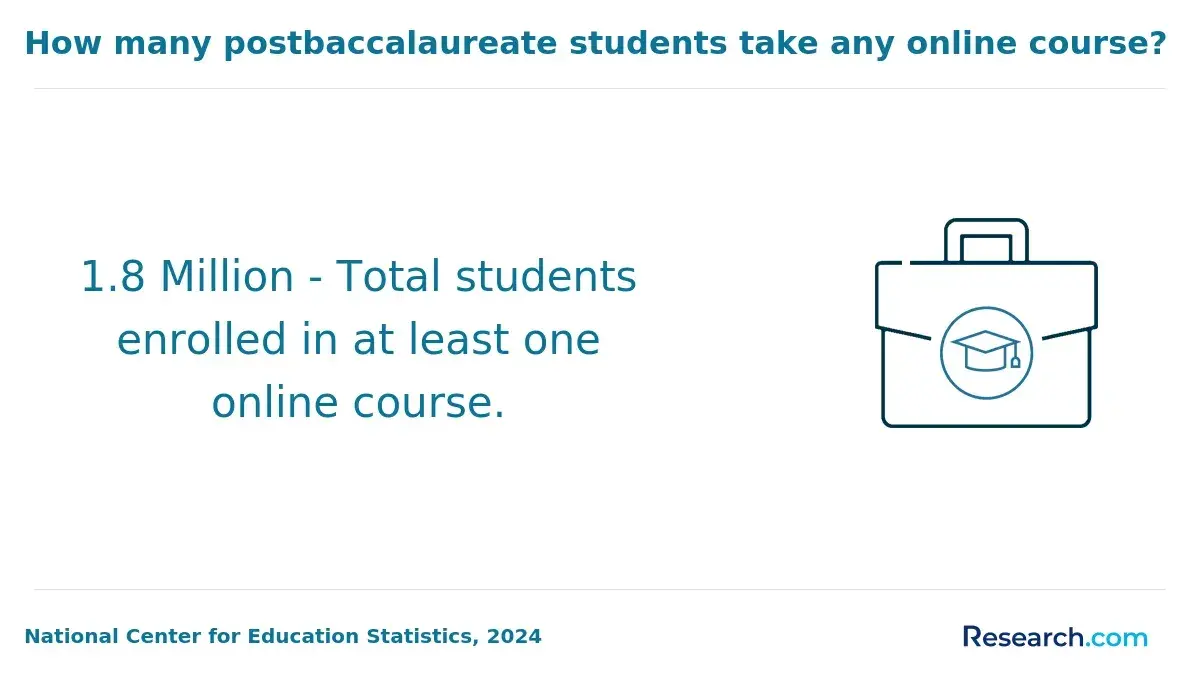
Online educational technology degrees have surged in popularity as digital learning expands rapidly. Recent data shows that over 40% of higher education students engage in some form of online study, reflecting shifting attitudes toward remote credentials. Understanding how employers perceive these degrees is crucial for prospective students evaluating their value.
This article explores employer' respect for online educational technology qualifications and examines the key factors shaping their credibility in the evolving job market. The goal is to provide a clear, evidence-based overview to inform decisions about pursuing these degrees while navigating employer expectations effectively.
Key Benefits of Online Educational Technology Degrees Respected by Employers
- Employers increasingly recognize online educational technology degrees as credible; studies show over 70% of hiring managers in the education sector view accredited online degrees as equivalent to traditional ones.
- Graduates acquire valuable technical and instructional design skills that align with current industry demands, making them effective contributors in digital learning environments.
- Online educational technology degree holders report a 25% higher rate of career advancement within five years compared to peers without specialized training in this field.
Which Accrediting Bodies Make an Online Educational Technology Degree Legitimate?
Accreditation is essential for ensuring the quality and employer recognition of online educational technology degrees. It verifies that programs meet established academic standards and supports credit transfer between institutions while increasing eligibility for federal financial aid. For prospective students, particularly those weighing different programs, understanding the accreditation bodies for educational technology helps identify legitimate online educational technology programs.
The main types of accreditation relevant to these degrees include:
- Regional Institutional Accreditation - This is regarded as the most rigorous form of accreditation in the U.S., overseen by seven regional agencies such as the Higher Learning Commission (HLC) and the Middle States Commission on Higher Education (MSCHE). Regional accreditation assesses the entire institution, ensuring your degree is widely respected by employers and easily transferable to other colleges, while also qualifying you for federal aid.
- Programmatic Accreditation - Focused specifically on educational technology or teaching programs, organizations like the Council for the Accreditation of Educator Preparation (CAEP) and the Teacher Education Accreditation Council (TEAC) provide specialized accreditation. This certifies that the program meets high standards for content and instructional quality, enhancing your credibility in the education field.
- National Accreditation - Although generally less prestigious for degree-granting schools, national accreditation applies to career-focused or specialized education providers. It offers a level of credibility that can be beneficial within particular professional contexts, though it may have limitations in credit transfer and employer recognition compared to regional accreditation.
For those looking to complete their studies efficiently while ensuring their qualifications are recognized, exploring the fastest online degree completion programs for working adults can be valuable. Choosing programs with both regional and programmatic accreditation maximizes career opportunities and guarantees your educational technology degree is respected nationwide.
Does University Reputation Affect Employer Views of Online Educational Technology Degrees?
University reputation plays a significant role in shaping employer perceptions of online degrees, particularly in educational technology. Employers often associate degrees from well-known institutions with a higher level of quality and rigor, which can lead to greater trust in the candidate's educational background.
Several key factors influence how university reputation affects employer views of online educational technology degrees. Institutional prestige is paramount; top-ranked universities' online edtech degree programs are typically viewed as more credible due to their established academic standards and brand recognition.
Alumni success also contributes to this perception-when graduates demonstrate strong career outcomes, it reflects positively on the program and reassures employers about the degree's value. Accreditation status ensures that the program meets quality benchmarks, giving further legitimacy to the degree.
Additionally, partnerships with industry can make online degrees more attractive to employers by highlighting the program's alignment with real-world skills and current professional standards.
While a strong university reputation does enhance employer recognition of online educational technology degrees, it is important to balance this view with other factors. Employers increasingly emphasize practical skills and relevant experience when making hiring decisions, often valuing the adaptability and competencies a graduate brings to the role above the institution's name.
With over 70% of organizations hiring individuals with online degrees, the acceptance of these programs continues to grow.
For prospective students interested in the credibility of online degrees, exploring options such as online easiest PhD degree programs can help identify flexible pathways that balance reputation with skill acquisition.
Do Employers Treat Online and On-campus Educational Technology Degrees Equally?
Employer perceptions of online educational technology degrees have improved significantly in recent years. Today, most businesses recognize online programs from reputable universities as credible and comparable to traditional, campus-based education. According to a 2025 LinkedIn report, 83% of companies consider online degrees equally credible when offered by well-known and accredited institutions.
This growing acceptance reflects the increased availability of quality online education, graduates' demonstrated success in the workforce, and alignment of these programs with modern industry needs.
However, the acceptance of online versus on-campus educational technology degrees is not uniform, especially in the United States. The 2025 GMAC Corporate Recruiters Survey revealed that only 28% of U.S. employers believe online and in-person credentials are equally valued, a lower rate than seen globally.
Key factors influencing employer trust include accreditation and the university's reputation, with degrees from accredited and respected institutions-whether earned online or on campus-receiving the highest regard. Additionally, hiring managers emphasize practical experience and the demonstration of hands-on skills, often through real-world projects and updated industry knowledge, which many online programs now prioritize.
Graduates looking to ensure their online educational technology degree is respected should carefully select accredited programs from reputable universities that offer robust opportunities for applied learning, helping to bridge any remaining perception gaps and improve their competitiveness in the job market.
Do Employers Trust Online Educational Technology Degrees from AI-powered Virtual Classrooms?
AI technologies such as adaptive learning systems, virtual simulations, and AI tutors significantly enhance the quality and credibility of online educational technology degrees. Adaptive learning customizes coursework to meet the unique needs of each student, ensuring mastery before they move forward. Virtual simulations give students hands-on practice in settings that closely resemble real-world environments, which is especially beneficial in fields requiring applied skills.
AI tutors provide instant feedback and personalized support, helping to address learning gaps that might be missed in traditional online classes. These innovations increase student engagement and allow institutions to demonstrate that their online programs are not only rigorous but also comparable in quality to campus-based offerings.
As a result, students gain both theoretical knowledge and practical, technology-driven skills that prepare them well for today's digitally oriented classrooms and workplaces.
Employer perceptions of these AI-enhanced online educational technology degrees are becoming more favorable, though acceptance is not yet uniform across all sectors. Surveys indicate that a majority of HR leaders now view online learning as equal to or better than traditional formats, and many have hired graduates with online degrees recently.
Degrees from well-established brick-and-mortar institutions with strong online programs are especially trusted, with far higher employer consideration rates compared to solely online schools. However, skepticism remains in fields that prioritize hands-on experience or where the reputation of the institution is unclear. Some employers still question the rigor of fully virtual undergraduate degrees and associate online learning with variable-quality for-profit providers.
Graduates can improve their job prospects by clearly explaining how AI-driven learning prepared them, emphasizing specific projects and competencies. As workplaces increasingly adopt AI and remote collaboration tools, trust in reputable online programs is expected to grow, contingent on graduates demonstrating real-world capability.
What Skills Do employers Value from Online Educational Technology Graduates?
Online educational technology graduates stand out in the job market due to their combination of current technical expertise and well-developed soft skills. These professionals exhibit strengths in both managing digital learning tools and effectively communicating within diverse teams, making them highly competitive candidates today.
Employers value skills in educational technology that reflect this balance of abilities and preparedness for evolving educational environments, and many prioritize candidates who demonstrate adaptability and leadership.
Here are the most in-demand skills employers look for in online educational technology degree graduates, showcasing the comprehensive training these programs provide:
- Instructional design and curriculum development: Graduates gain hands-on experience designing and assessing digital learning experiences, which enables them to create content that is engaging, accessible, and effective for varied learner groups. This skill is crucial for roles such as instructional designers and educational technologists who shape learning environments.
- Technology leadership and coaching: Online programs often include opportunities to lead professional development sessions and mentor peers, preparing students to become tech coaches or integration specialists. Employers value this skill as it drives successful technology adoption and innovation within institutions.
- Digital fluency and edtech tools proficiency: Exposure to leading learning management systems and content creation software ensures graduates are ready to meet the immediate technology needs of schools, universities, and corporate training departments.
- Assessment and data-driven decision-making: Students develop the ability to analyze learning metrics and apply data to improve instructional strategies, a skill highly sought after as organizations increasingly rely on measurable outcomes.
- Communication and collaboration: The virtual nature of online learning hones advanced communication and teamwork abilities, equipping graduates to work effectively with educators, IT professionals, and stakeholders across various locations.
- Critical thinking and problem-solving: The fast-paced digital education landscape requires graduates to quickly adapt and innovate, navigating challenges independently and offering novel solutions valued by employers.
Recent employer surveys highlight a growing demand for expertise in areas like AI, data analysis, and adaptive learning technologies, which online educational technology programs are increasingly incorporating. As a result, graduates possess skills valued in online educational technology graduates who are prepared for both current and future-ready positions.
For those seeking an educational path that blends technical proficiency with leadership growth, exploring the fastest way to get associate's degree may be a strategic starting point.
Do Professional Certifications Help Validate Online Educational Technology Degrees?
Earning professional certifications can significantly enhance the credibility of an online educational technology degree by providing tangible proof of specialized expertise and practical skills. These certifications are recognized by industry leaders, helping graduates align their academic achievements with current professional standards and workplace demands.
Professional certifications strengthen online educational technology credentials in several key ways, offering clear advantages to graduates in the job market and signaling to employers that these candidates possess validated, relevant competencies.
- Industry-Recognized Credentials: Certifications from respected organizations such as the Online Learning Consortium (OLC) serve as third-party endorsements of a graduate's expertise. They affirm that the individual meets rigorous industry benchmarks in instructional design, online teaching, and learning technology, increasing employer confidence in the authenticity and quality of the candidate's skills.
- Specialized Skill Demonstration: Through graduate certificate programs offered by universities, degree holders can highlight advanced abilities in areas like multimedia design, educational technology leadership, and innovative pedagogies. This focused expertise differentiates online graduates, positioning them for specialized roles such as eLearning developers or chief learning officers where niche skills are highly valued.
- Enhanced Career Advancement: Holding both a master's degree and professional certifications opens broader avenues for career growth. Employers often view this combination as evidence of deep and versatile knowledge, paving the way for promotions to leadership roles and access to higher salary brackets within education technology fields.
Reflecting on the question, "Do professional certifications help validate online Educational Technology degrees?" a professional who completed an online educational technology program shared his experience. Initially, he struggled with employer skepticism about online credentials alone, feeling the pressure of needing to prove his practical capabilities beyond academic transcripts.
Pursuing a certification in instructional design, he described it as a "game-changer" that bridged the gap between theory and real-world application. The certification process was challenging but rewarding, involving hands-on projects that tested his skills in creating effective digital learning environments. This added credential not only boosted his confidence but also prompted several employers to recognize his professionalism and readiness for leadership tasks.
He noted, "Having that extra proof helped me stand out and opened doors that I didn't think were accessible through my degree alone." His journey underscores how professional certifications can provide essential validation and enhance the value of online educational technology degrees, making a decisive difference in career opportunities.
Do Online Educational Technology Graduates Earn the Same Salaries as On-campus Graduates?
National and industry-wide data show that online educational technology graduates generally earn salaries comparable to those of their on-campus counterparts, reflecting an improved employer perception of online credentials. Recent trends indicate salary outcomes depend more on factors like institutional reputation and professional experience than on whether the degree was completed online or in person.
The following primary factors influence the average salary for online educational technology degree graduates and affect how their earnings compare to those of traditional degree holders:
- Accreditation and Institutional Reputation: Degrees from accredited and reputable institutions carry significant weight with employers. Online programs offered by well-known universities ensure that graduates are eligible for similar salary levels and job positions as those who studied on-campus.
- Professional Experience and Practical Training: Candidates with substantial teaching experience, internships, or practicum work often command higher salaries. Online programs that integrate virtual classroom experiences or field placements help graduates build practical skills, enhancing their earning potential.
- Employer Perception and Industry Trends: Surveys demonstrate that most employers now view online educational technology degrees as equivalent to traditional ones, especially when the curriculum and faculty match. This shift means salary differences based solely on degree format are increasingly rare.
- Networking and Career Services: Although on-campus programs traditionally offered more in-person networking, many online schools have expanded virtual networking and job placement support. These services help minimize disparities in job market access and starting salaries.
- Location and Sector: Salary variations more often reflect geographic location and employment sector-such as K-12, higher education, or private industry-rather than mode of study. Both online and traditional graduates navigate these market factors equally.
Students seeking programs that balance affordability and flexibility may consider exploring an online school that accept financial aid to optimize their investment in education.
How Do Online Educational Technology Degrees Impact Career Growth and Promotions?
Earning an online educational technology degree can significantly impact long-term career advancement and promotion opportunities across a variety of industries, including education, corporate training, and technology development. This type of degree not only strengthens technical skills but also cultivates leadership and innovation abilities that are highly valued by employers.
With this in mind, here are some of the main ways online educational technology degrees support professional growth and career progression:
- Leadership Opportunities: Graduates are equipped to lead technology integration initiatives, manage educational tech projects, and influence school or organizational technology policies. This capability opens doors to leadership roles that drive career advancement.
- Diverse Career Paths: Holding this degree qualifies professionals for multiple roles such as instructional technology coaches, curriculum developers, and online learning designers, offering flexibility in career choices across education and corporate sectors.
- Professional Flexibility and Adaptability: Online programs accommodate working professionals by allowing them to study on their own schedule, making it possible to balance education with ongoing job responsibilities and facilitating continuous career development.
- Innovation and Expertise: The curriculum combines theory with practical applications, enabling graduates to develop innovative solutions that improve learning outcomes and position them as experts in the evolving educational technology landscape.
When speaking with a professional who pursued an online educational technology program, she described how the flexibility of the program allowed her to complete coursework while managing a full-time teaching position. Initially, juggling assignments with her daily responsibilities was challenging, but over time she developed stronger organizational skills that benefited her entire career. More importantly, the knowledge she gained empowered her to lead her school's first major digital learning initiative, which resulted in her promotion to a coordinator role overseeing technology integration.
She reflected, "The degree didn't just give me credentials; it transformed how I approach educational challenges and helped me step confidently into leadership." This direct experience highlights how completing an online educational technology degree can translate into tangible professional growth and enhanced promotion potential.
What Companies Actively Hire Graduates from Online Educational Technology Programs?
Employers across various industries are increasingly open to hiring candidates with online educational technology degrees due to the growing reliance on digital learning tools. This acceptance reflects the value placed on the skills and expertise graduates bring to the evolving educational landscape.
Several types of companies and industry sectors are known for actively seeking out online educational technology program graduates, making them some of the top EdTech employers for online degree holders:
- Edtech Firms: These companies focus on developing educational software, learning platforms, and digital resources. Graduates often fill roles such as instructional designers, product managers, or technology integration specialists, where their knowledge of pedagogy and technology helps create effective learning solutions.
- Corporate Training: Businesses invest in educational technology to improve employee training and skill development. Graduates are hired as training coordinators or instructional designers, utilizing their expertise to build engaging and interactive digital learning experiences that align with corporate goals.
- Higher Education Institutions: Universities and colleges increasingly employ graduates to oversee online courses and digital learning environments. Roles include instructional technology specialists and academic support staff who ensure seamless educational delivery and optimize learning management systems.
- Healthcare and E-learning Platforms: The rise of remote learning has led healthcare organizations and e-learning companies to recruit graduates for creating accessible and interactive online educational content. Their skills are crucial for developing training programs that meet both regulatory standards and learner needs.
If you are considering a career path as an introvert, exploring what is the best jobs for introverts can help you find roles within these fields that align with your strengths and preferences.
What Future Trends Will Shape Online Educational Technology Degrees' Credibility?
As technology advances and accreditation standards evolve, the perception of online educational technology degrees continues to shift. Employer attitudes are becoming more favorable, recognizing the value and relevance of skills gained through online programs. This evolution is creating new opportunities for online graduates in the job market.
To further illustrate, key trends are emerging that will strengthen the legitimacy and recognition of online educational technology programs.
- AI-Driven Learning Validation: AI-powered tools will enhance the validation process by offering personalized feedback and detailed assessments. This ensures graduates are workforce-ready and builds employer trust by demonstrating program effectiveness. Additionally, AI systems provide insights into student progress, helping maintain high academic standards.
- Global Accreditation Collaboration: Increased cooperation across countries on accreditation standards will promote consistent quality benchmarks for online degrees. This global alignment reassures employers that online graduates meet education levels comparable to traditional institutions, boosting international recognition.
- Increased Employer Partnerships: Stronger collaborations between educational institutions and employers will lead to curricula that reflect industry needs. This alignment improves graduate skills relevant to the job market, enhancing employer perception and increasing employment opportunities for online degree holders.
- Skill-Based Hiring: Hiring practices focused on specific skills rather than degree delivery methods will level the playing field for online graduates. Employers will prioritize competencies and abilities, ensuring candidates are evaluated on merit rather than the format of their education.
Here's What Graduates of Respected Online Educational Technology Programs Have to Say About Their Degree
- Maria: "Completing my online educational technology degree opened doors I never thought possible. The flexibility allowed me to balance family responsibilities while gaining cutting-edge skills that are in high demand. Shortly after graduation, I secured a position as an instructional designer at a major university, where I continue to grow professionally and support student success. This degree truly transformed my career trajectory and deepened my passion for innovative learning solutions."
- Jamal: "The journey through my online educational technology program was both challenging and rewarding. It pushed me to think critically about how to enhance digital learning environments, which became a key asset when I transitioned to a career in corporate training. The program's focus on practical applications prepared me to lead initiatives that improve employee engagement and performance. Earning this degree from home gave me the confidence and credentials to advance in a competitive field."
- Thuy: "As a former teacher, pursuing an online educational technology degree was a strategic move to expand my impact beyond the classroom. The courses empowered me to integrate technology meaningfully and to train other educators in digital tools. This not only enhanced my leadership role at my school but also allowed me to contribute to educational equity in underserved communities. The degree has been a catalyst for both professional growth and personal fulfillment."
Other Things You Should Know About Respectable Online Educational Technology Degree Programs
In 2027, employer respect for online educational technology degrees is influenced by accreditation status, program reputation, industry partnerships, and the practical skills graduates acquire. Employers often value degrees from accredited, well-regarded institutions that emphasize up-to-date, applicable skills.
In 2027, employers respect online educational technology degrees that emphasize practical, industry-relevant skills. Programs integrating hands-on projects and current digital tools align closely with workplace demands, offering graduates tangible expertise that enhances their employability.
Accreditation is crucial as it assures employers that the program meets established quality standards. Employers tend to prefer candidates with degrees from regionally or nationally accredited online educational technology programs, as this supports the credibility and rigor of the education received. Without accreditation, degrees may be viewed with skepticism.
References
- 5 Edtech Jobs with an MA in Educational Technology https://distancelearning.aru.ac.uk/blog/what-edtech-jobs-with-ma/
- The Rise of Online Education: Employer Value in 2024 https://muonline.ac.in/blog/online-education-valuing-than-ever/
- Education Technology Trends to Watch in 2025: 10 Innovations Shaping the Future of Learning https://www.digitallearninginstitute.com/blog/education-technology-trends-to-watch-in-2025
- The 28 Best Instructional Design Certificate Programs in 2025 | Devlin Peck https://www.devlinpeck.com/content/instructional-design-certifications
- What Do Employers Think About Your Online Degree? | OnlineMBA.com https://www.onlinemba.com/resources/employers-thoughts-on-online-degrees/
- Cost of Online Education vs. Traditional Education [2025]: Comparison https://educationdata.org/cost-of-online-education-vs-traditional-education
- Educational Technology Degree Programs https://www.teachercertificationdegrees.com/degrees/educational-technology-degree/
- Edtech.com - The #1 Education Technology job board. https://www.edtech.com/
- Have employers shifted perspectives on online degrees? https://www.boisestate.edu/online/2023/08/03/have-employers-shifted-perspectives-on-online-degrees/
- Do Online Degrees Lead to Jobs as Reliably as Traditional Ones? - EdSurge News https://www.edsurge.com/news/2022-10-19-do-online-degrees-lead-to-jobs-as-reliably-as-traditional-ones


