
2027 Different Types of Taxation Degrees and Their Salaries

Co-Founder and Chief Data Scientist
The demand for skilled professionals in taxation continues to rise as businesses and individuals navigate increasingly complex financial regulations. Recent labor market data projects significant growth in finance and tax-related occupations over the next decade, highlighting strong salary potential and career stability in this sector.
Selecting the right educational path in taxation is crucial for maximizing future earnings and job opportunities. This article provides a comprehensive overview of the various types of taxation degrees available and outlines what graduates can expect in terms of salary prospects, offering essential insights for those planning their professional journey in this vital field.
Key Points About Different Types of Taxation Degrees and Their Salaries
- Individuals with an associate degree in taxation typically qualify for entry-level roles such as tax preparation or accounting assistant positions, earning average salaries around $40,000 to $50,000 annually.
- A bachelor's degree in taxation significantly expands career opportunities, including roles as tax analysts or accountants, with median salaries near $60,000 to $75,000 depending on experience and industry.
- Master's degrees or specialized graduate certificates in taxation lead to higher earning potential and leadership roles, often exceeding $90,000 annually, especially for certified professionals working in complex tax planning and consulting.
What Are the Different Types of Taxation Degrees Available?
Understanding the different types and levels of taxation degrees is essential for students to make informed decisions that align with their career goals and educational backgrounds. Each taxation degree offers specialized coursework that caters to various professional paths and skill sets.
Below is an overview of the main types of taxation degrees and what distinguishes each one, providing clarity on their academic focus and content.
- Master of Science in Taxation (MST): This degree emphasizes a comprehensive and practice-oriented approach to tax law, accounting, and procedures. Students engage in detailed coursework covering corporate, partnership, and individual taxation along with advanced tax research, writing, and citation techniques.
- Graduate Certificate in Taxation: Offering specialized training in topics like international and business taxation, these certificate programs focus on concise, advanced knowledge for professionals aiming to deepen tax expertise without pursuing a full degree.
- Master of Accountancy with Taxation Concentration: Combining broader accounting principles with tax-focused courses, this degree introduces students to managerial accounting, auditing, and financial analysis alongside tax implications.
- Master of Taxation (MTax): Similar to the MST but often with greater emphasis on tax planning and compliance, this program prepares students to apply strategic tax management for individuals and organizations in accordance with current laws.
- Taxation LL.M. (Master of Laws in Taxation): Designed for attorneys, this advanced law degree delves deeply into federal, state, and international tax codes, legal tax planning, and policy, ideal for those holding a JD or equivalent degree.
What Specializations Are Available in Taxation Degrees?
Choosing a specialization within a taxation degree is a crucial decision that helps students tailor their education to meet specific career goals and industry demands. Specializations not only deepen expertise in focused areas but also enhance job prospects and salary potential by aligning training with particular sectors.
Here are some of the most common taxation specializations, each offering distinct skills and career paths:
- Taxation: Corporate Taxation: Focuses on corporate tax obligations and planning strategies. Students develop skills in corporate tax codes, financial analysis, and strategic planning, preparing for roles such as corporate tax managers or analysts in large companies.
- Taxation: Individual and Personal Taxation: Centers on income, estate, and gift taxes for individuals. Key skills include tax preparation, planning, and client advisory, leading to careers as tax preparers or personal tax advisors in boutique firms.
- Taxation: International Taxation: Addresses cross-border tax challenges like transfer pricing and global compliance. This specialization builds expertise in multinational tax law, enabling work with multinational corporations or as consultants.
- Taxation: Tax Law (LL.M.): Provides advanced legal training for law graduates focused on tax litigation, federal, state, and local tax laws. Graduates often pursue roles as tax attorneys or estate planning lawyers, with median salaries reaching over $150,000.
- Taxation: Public Accounting: Emphasizes audit, compliance, and consulting services. Graduates gain skills in financial reporting and risk management, preparing for careers as Certified Public Accountants (CPAs), auditors, or tax consultants.
- Taxation: Policy Analysis: Involves research and development of tax policies, focusing on data analysis and policy evaluation. Careers typically include tax policy analysts or advisors in government and think tanks.
For those considering advanced studies, exploring an easy online masters in taxation can provide a flexible pathway to specialize further while balancing other commitments.
How Long Does It Take to Complete Each Type of Taxation Degree?
Understanding the duration of taxation degree programs is crucial for students as it helps them plan their education and career timelines more effectively. Knowing how long each type of program typically takes can guide decisions on school choice, course load, and balancing personal commitments.
Here is an overview of the main types of taxation degrees and their typical completion times.
- Associate Degree in Taxation: Usually completed in about two years of full-time study, this program offers foundational knowledge in taxation and accounting. Many community colleges offer flexible schedules including evening and online classes to accommodate working students.
- Bachelor's Degree in Taxation: This undergraduate degree typically takes four years of full-time study. Students attending part-time or changing majors might take longer, while some schools provide accelerated tracks that allow completion in three years.
- Master's in Taxation: Graduate programs generally require one to two years to complete, depending on whether the student enrolls full-time or part-time. Some programs allow transfer of credits from related graduate study, which can shorten the timeframe. Accelerated options and online courses are popular for working professionals seeking to advance quickly.
- Doctorate in Taxation: This terminal degree usually spans three to five years, involving coursework and original research. The timeline can vary widely based on the student's research progress and enrollment intensity.
Are There Accelerated Taxation Degree Programs?
Accelerated taxation degree programs provide students with options to complete their studies more quickly than traditional formats by utilizing several effective strategies. These programs often feature condensed course schedules, including intensive summer sessions and year-round enrollment, allowing students to accumulate credits at a faster pace.
Another common format is the dual-credit or overlapping coursework approach, where select courses count toward both undergraduate and graduate degree requirements, significantly reducing total time spent in school. Flexible credit transfer policies also play a role, recognizing prior coursework or professional experience and applying those credits toward degree completion.
Typically available at both undergraduate and graduate levels, these accelerated programs demand strong academic performance and time management skills due to the demanding workload and rigorous schedule. For example, some accelerated bachelor's and master's combined pathways require students to maintain a minimum GPA and formally apply in a designated academic year to qualify.
While these accelerated programs offer a faster route to graduation, they come with important considerations. The intensity and heavier workload mean students must balance a challenging course load and limited breaks, which can be demanding and require dedication.
Eligibility criteria tend to be stricter compared to traditional programs, reflecting the competitive nature of admission into accelerated tracks. Prospective students should carefully evaluate whether they are prepared for the academic rigor and scheduling constraints. Graduates from such programs often benefit from specialization and can qualify for roles with higher earning potential, like tax managers who earn median annual salaries exceeding $130,000.
To illustrate the experience of pursuing an accelerated taxation degree, I spoke with a graduate from one of these programs who shared his journey. He described the initial shock of the compressed semesters and the challenge of keeping pace with multiple demanding courses simultaneously but emphasized that strategic planning and focused study habits were key to success.
"It wasn't easy, especially juggling summer sessions back-to-back, but the support from professors and peers helped me stay motivated," he recalled. Reflecting on the decision to pursue the accelerated path, he noted that despite the pressure, finishing early opened job opportunities sooner and allowed him to gain practical experience while his peers were still in school.
He advised prospective students to weigh their personal circumstances carefully but acknowledged the program's ability to fast-track a career in taxation for those committed to the challenge.
Are Online Taxation Degrees as Credible as Traditional Ones?
Online taxation degree programs adhere to the same academic standards as their traditional counterparts, provided they are offered by accredited institutions. Both formats feature nearly identical curricula, grading systems, and assessment methods, ensuring rigorous coursework that meets accreditation requirements set by agencies like the Association to Advance Collegiate Schools of Business or the Accreditation Council for Business Schools and Programs.
While online programs offer greater flexibility and sometimes lower tuition costs, these differences do not impact the quality or academic content. Taxation is particularly well-suited to online learning because it emphasizes individual assignments and technical skills rather than in-person discussion, making online degrees both practical and effective in delivering comprehensive education.
Recent trends reflect increasing employer acceptance of online degrees, especially when issued by well-known, accredited schools. Surveys show that most employers prioritize the reputation of the institution over the delivery format, with diplomas rarely indicating whether degrees were earned online or on-campus.
Salary data supports this view, revealing that median starting salaries for graduates with a master's in taxation range from $61,000 to $89,000 regardless of whether their degree was earned online or traditionally. Ultimately, the credibility of a taxation degree hinges more on the institution's accreditation and prestige than on whether the program was completed in person or online, providing reassurance for prospective students choosing either path.
How Much Does Each Type of Taxation Degree Typically Cost?
Understanding how much tuition varies across different taxation degree levels is crucial for effective budgeting and long-term financial planning. These cost differences can impact not only the immediate affordability but also the overall return on investment in your education.
Below is an outline of typical tuition ranges for each type of Taxation degree available in the United States to help guide your decision-making process.
- Associate Degree in Taxation: Although specialized taxation associate programs are uncommon, related fields like accounting or business offer affordable options. Tuition typically ranges from $3,500 to $8,500 per year at public community colleges, with private institutions charging up to $15,000 annually.
- Bachelor's Degree in Taxation or Related Field: While few schools provide a dedicated bachelor's in taxation, many pursue degrees in accounting or business with a taxation emphasis. Public universities average about $14,688 per year, whereas private schools can exceed $30,000 annually.
- Master's in Taxation: The national average tuition for a master's in taxation is approximately $20,513 per year. Public institutions charge $8,000 to $15,000 yearly for in-state students, while private or out-of-state tuition may soar beyond $50,000. Online programs may offer lower-cost alternatives.
- Doctoral or Law Degree with Taxation Emphasis: Doctoral and LLM programs focusing on taxation typically cost between $40,000 and $65,000 annually at top-tier law schools and research universities. The total cost and duration vary substantially by program structure, with some students securing fellowships, research grants, or employer assistance to mitigate expenses.
When discussing costs with a graduate of a taxation degree program, she reflected on her journey navigating tuition expenses: "I initially chose a mid-tier public university because the in-state tuition was manageable, but I also applied aggressively for scholarships and part-time work." She emphasized how strategic financial planning and leveraging assistantships helped her avoid excessive debt.
Her perspective highlights that while tuition can seem daunting, understanding all avenues for financial support can make obtaining a taxation degree much more feasible. She noted that the investment paid dividends in career opportunities and earnings growth, validating the careful approach she took toward managing education costs.
What Jobs Can You Get with Each Type of Taxation Degree?
The level of taxation degree you earn strongly shapes the career opportunities available to you, influencing the types of roles you qualify for and your salary expectations. From entry-level jobs to specialized legal positions, each degree opens different doors in the tax profession.
To illustrate, here is a breakdown of common jobs associated with each taxation degree type.
- Associate Degree in Taxation: Graduates usually qualify for entry-level positions like tax preparer or payroll specialist, working in small accounting firms, tax preparation companies, or business payroll departments. These roles primarily involve preparing simple individual tax returns, assisting with payroll taxes, and supporting senior staff with basic compliance and data entry tasks.
- Bachelor's Degree in Taxation or Accounting: This degree enables access to roles such as tax associate, junior tax accountant, or tax analyst. Responsibilities include preparing and reviewing individual and business tax returns, supporting audits, and researching tax regulations. According to Indeed, entry-level tax accountants earn a median annual salary around $57,000, with strong growth potential.
- Graduate Certificate in Taxation: Ideal for those looking to deepen expertise or pivot into tax from other finance or accounting fields. Careers include tax examiner, tax preparer, or financial examiner in specialized or regulatory settings, involving compliance reviews, tax audits, and assistance with complex tax filings.
- Master's Degree in Taxation: Earning salaries from $80,000 to over $120,000, graduates can pursue advanced roles such as tax manager, corporate tax strategist, IRS agent, forensic accountant specializing in tax, or international tax consultant. These positions often involve overseeing compliance for large entities and advising on international or high-net-worth issues. For those interested in the shortest masters degree options with a focus on tax, there are online programs that can accelerate this path.
- LLM in Taxation (Master of Laws): Designed for attorneys, this degree leads to specialized roles such as tax attorney, tax litigation specialist, or estate planning attorney in large law firms, Big 4 accounting firms, Fortune 100 companies, and government agencies. These professionals manage complex tax planning, represent clients in disputes, and advise on international tax law. LLM graduates often earn six-figure salaries, with senior counsel and partners exceeding $200,000 annually.
How Do Salaries Differ by Taxation Degree Type?
Degree level often plays a significant role in determining earning potential, especially in specialized fields like taxation. Understanding these salary differences can help students make informed educational and career decisions that align with their financial goals and aspirations.
Below is a summary of typical salary ranges for various taxation degree types to consider.
- Bachelor's Degree in Taxation: Graduates with a bachelor's degree typically start with salaries ranging from $41,000 to $72,000, averaging around $54,261. Pay can vary based on geographic location and industry, but many employers require additional education or certifications for advancement, making this a foundational step in a taxation career.
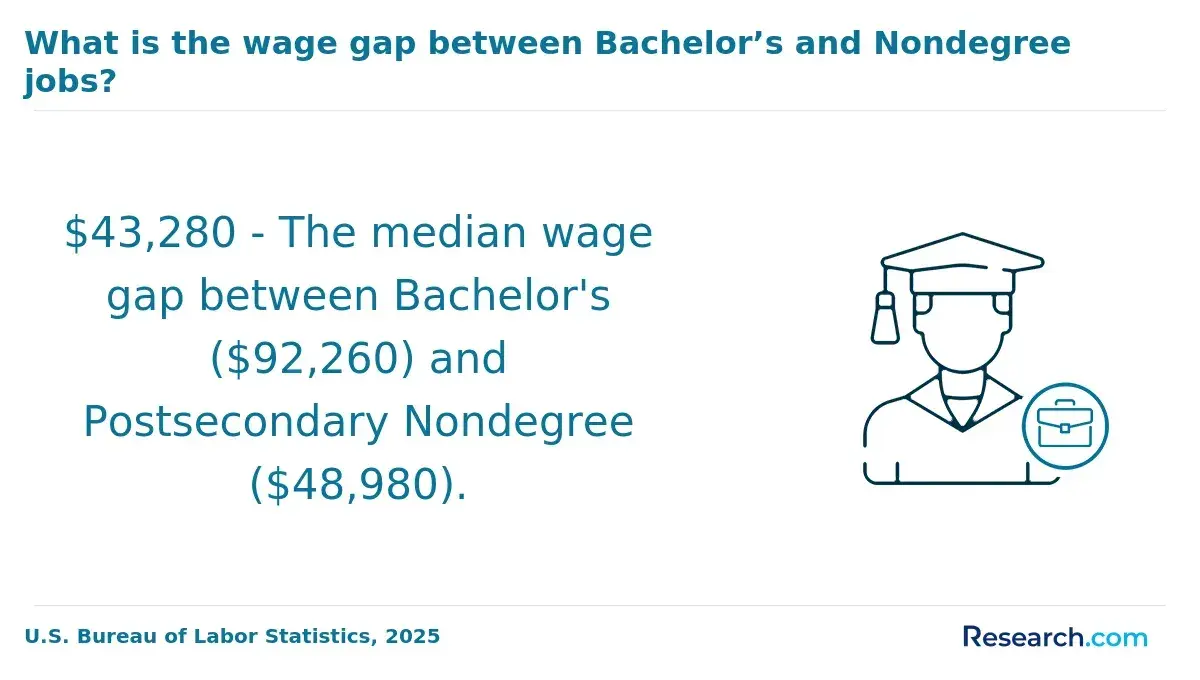
- Master's Degree in Taxation: Those holding a master's degree often see a considerable boost in salary, with median earnings between $81,700 and $151,200. The average starting salary for master's graduates falls roughly between $75,000 and $86,000. Factors like the sector of employment and region impact compensation, while advanced degrees open doors to senior roles that offer significantly higher salaries.
- Specialized Certifications and Advanced Roles: Professionals with certifications such as CPA or CMA can expect average annual salaries around $105,000. Tax attorneys, who combine legal expertise with taxation knowledge, earn median salaries near $151,160, often topping the scale. Investing in such qualifications substantially enhances long-term earning prospects.
For students looking to explore education opportunities further, resources like the list of accredited online colleges with no application fee can be valuable when considering how to advance their qualifications in taxation or related fields.
Is There High Demand for Taxation Degree Holders in the Job Market?
Taxation degree holders are currently experiencing high demand in the US job market, fueled by ongoing workforce needs and technological advancements. Employment in tax-related roles such as tax managers, specialists, and auditors remains robust, with unemployment rates significantly below the national average.
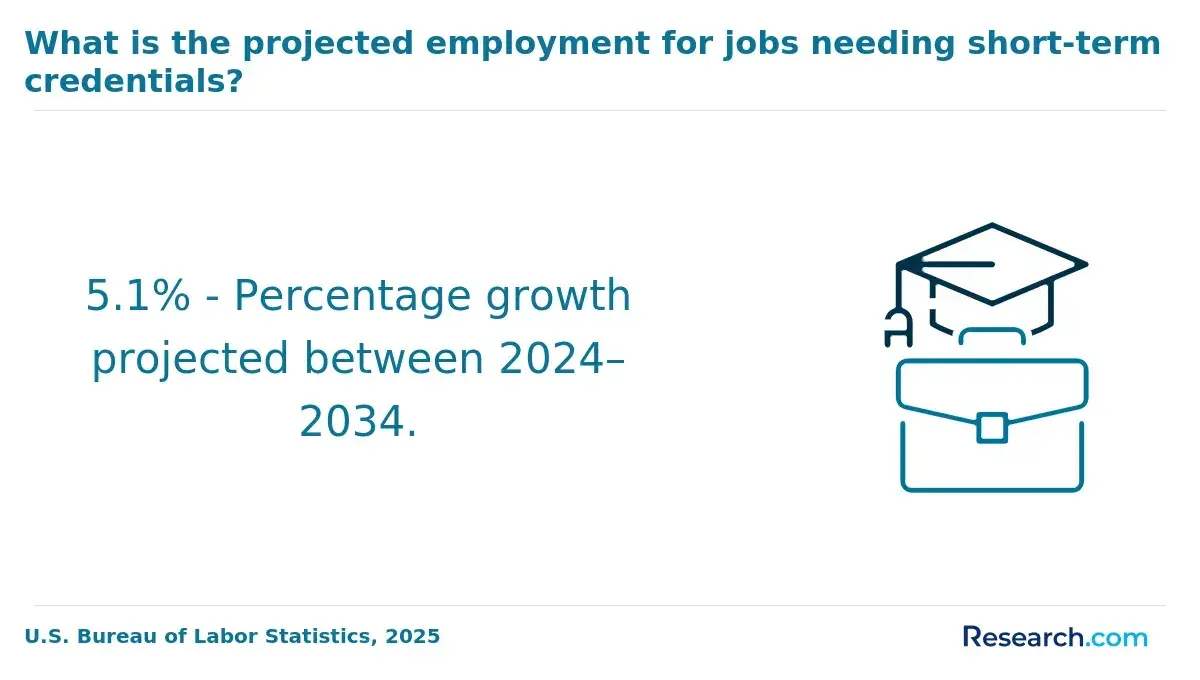
The U.S. Bureau of Labor Statistics anticipates job growth of 5-6% through 2034 in these occupations, reflecting roughly 124,000 to 130,800 openings annually. Emerging technologies like AI and automation are reshaping the industry, increasing the need for professionals who possess both deep tax knowledge and proficiency with digital tools and data analytics platforms.
Businesses are embracing these innovations to enhance compliance and reporting accuracy, meaning tax professionals with updated skills are highly sought after. Additionally, some employers offer signing bonuses and competitive salaries to attract and retain talent in this sector. For those considering entry into the field, exploring certificates that pay well can also be a strategic step toward boosting employability in this competitive environment.
Regional variations also influence demand for taxation graduates, with metropolitan and financial hubs typically providing more abundant opportunities and higher compensation compared to rural areas. However, shortages of qualified professionals persist nationwide, ensuring steady demand across different locales.
The combination of technological evolution, regulatory changes, and persistent talent gaps contributes to a favorable outlook for new graduates. Salaries remain strong with tax managers earning between $133,000 and $207,500 annually, while IRS tax specialists average around $59,000, depending on experience and location.
Overall, the taxation job market favors those who combine traditional expertise with digital fluency, making the future promising for students pursuing taxation degrees and related certifications.
What Factors Should You Consider When Picking a Type of Taxation Degree?
Choosing the right degree level in taxation is a critical decision that shapes your education journey and aligns it with your career aspirations and personal circumstances. This choice affects your job opportunities, earning potential, and the amount of time and money you need to invest.
To make an informed decision, consider the following key factors:
- Career Goals: Your career objectives should guide the degree level you pursue. Entry-level roles like tax preparer may only require an associate degree, while positions such as tax analyst or accountant typically need a bachelor's degree. For advanced roles like tax manager or consultant, a master's degree in taxation or a related field is often necessary.
- Salary Potential: Generally, higher degrees open up greater salary opportunities. A master's degree can command significantly higher pay compared to a bachelor's. Research typical earnings for each degree level and profession to evaluate the return on your educational investment.
- Time Commitment: Degree durations vary, with associate programs usually lasting two years, bachelor's four years, and master's one to two years beyond that. Your available time for study and work will impact which program length fits your lifestyle.
- Program Specialization and Flexibility: Some degrees offer specialized taxation knowledge, while others provide broader business or accounting education with tax electives. Consider whether you prefer a focused curriculum or a versatile program, as well as flexible delivery options like online courses.
- Accreditation and Reputation: Enroll in accredited programs with strong reputations to ensure quality education and better job prospects. Faculty expertise and institutional standing can influence networking and learning outcomes.
- Admission Requirements and Costs: Review criteria such as prior education, GPA, and any required exams along with tuition fees. Weigh these factors against potential scholarships and your anticipated career gains to ensure a worthwhile investment.
What Taxation Graduates Say About Their Degree and Salary
- Debbie: "Completing my bachelor's degree in taxation opened doors I never imagined. The program's focus on practical skills combined with deep regulatory knowledge gave me the confidence to start my career at a top accounting firm immediately after graduation. I appreciate how this degree prepared me not just for the technical challenges but also for ethical decision-making in complex tax situations. It's fulfilling to know my work helps businesses comply and thrive within the law. The community of peers and mentors also played a huge role in my professional growth."
- Ivan: "After earning my master's degree in taxation, I found myself reflecting on how the advanced coursework reshaped my understanding of tax law's impact on social equity. This program encouraged me to think critically about how tax policies affect underserved communities, empowering me to advocate for fairer taxation strategies in my role as a policy analyst. The intellectual challenges pushed me to grow both personally and professionally, and I cherish the opportunity to contribute to meaningful change."
- Ben: "The specialized taxation certificate I earned was a game-changer for my career as a financial advisor. Clients appreciate that I have niche expertise in tax planning, which has set me apart in a competitive market. I've experienced steady professional advancement, thanks in part to the credibility that comes from my certification. Pursuing this credential also deepened my passion for guiding individuals and businesses toward smarter financial decisions, which is incredibly rewarding."
Other Things You Should Know About Taxation Degree Programs & Salaries
A taxation degree in 2027 can significantly enhance career prospects, as it provides specialized knowledge crucial for roles such as tax consultant or financial advisor. Graduates can expect a competitive salary, as demand for tax expertise remains high across various sectors.
In 2027, taxation degrees typically include a Bachelor's in Taxation, Master's in Taxation, and specialized tax law courses. Entry-level tax analysts with a Bachelor's might earn around $55,000 annually, while those with a Master's could start at $70,000. Experienced tax advisors and CPAs in specialized fields can earn upwards of $120,000.
Yes, taxation professionals working in corporate finance or large accounting firms typically earn more than those in government or nonprofit sectors. Industries like finance, insurance, and law generally offer higher wages due to the complexity and volume of tax work required.
References
- How Credible Are Online Degrees? And are they worth it? https://potomac.edu/are-online-degrees-taken-seriously-by-employers/
- Master's in Taxation | Golden Gate University https://ggu.edu/programs/ms-taxation/
- Three reasons to consider earning a Master of Science in Taxation | NATP https://www.natptax.com/news-insights/blog/three-reasons-to-consider-earning-a-master-of-science-in-taxation/
- How to choose between a Master of Taxation degree vs a Master of Accounting https://www.kenan-flagler.unc.edu/perspectives/how-to-choose-between-a-master-of-taxation-degree-vs-a-master-of-accounting/
- Accounting, Accelerated BS/Master of Taxation https://bulletin.uakron.edu/graduate/colleges-programs/business-administration/accountancy/accounting-accelerated-bs-mtax/
- WU (Vienna University of Economics and Business) https://www.wu.ac.at/en/business-taxation/teaching/bachelor-business-and-economics/specialization-accounting-and-taxation


