
2027 Online vs On-Campus Medical Assisting Degree Programs: Pros & Cons

Co-Founder and Chief Data Scientist
The popularity of online medical assisting degree programs has surged, with recent data showing that over 40% of U.S. college students now enroll in at least one online course. This growth reflects increasing demand for flexible educational options that accommodate diverse lifestyles.
Prospective students face a critical choice between online and on-campus formats, each offering distinct benefits and challenges. This article examines key factors such as flexibility, cost, learning experience, and career outcomes to provide a clear comparison. Understanding these differences helps aspiring medical assistants make informed decisions about the best path to their professional goals.
Key Benefits of Online vs On-Campus Medical Assisting Degrees
- Online medical assisting programs offer greater flexibility, allowing students to balance studies with work or family, with 75% of surveyed students reporting improved time management.
- These programs often cost 30-50% less than on-campus options, making them a more affordable choice for many prospective students.
- On-campus medical assisting programs provide valuable hands-on clinical experience through direct access to labs and patient interactions, which 85% of employers consider crucial for job readiness.
Are Online vs. On-Campus Medical Assisting Programs Structured the Same Way?
Online and on-campus medical assisting programs differ mainly in how courses are delivered and how students interact with instructors and peers. These differences influence the learning experience and suit different types of students. The comparison below highlights key structural elements such as scheduling, course delivery, and student engagement.
- Course Delivery: On-campus programs use face-to-face instruction where students attend lectures, labs, and clinical practice in person. Online programs rely on digital platforms for content and assignments, allowing access from anywhere, though hands-on clinical skills often require scheduled in-person sessions.
- Scheduling and Pace: Campus-based programs have fixed class times requiring attendance at set hours, providing structure but less flexibility. Online programs typically offer self-paced learning within a flexible timeframe, accommodating students balancing work or family commitments.
- Hands-On Training: In-person labs and clinical externships are essential to campus programs for skill mastery. Online formats arrange local externships or short on-site requirements to ensure students gain practical experience despite remote coursework.
- Interaction and Collaboration: On-campus students benefit from immediate, direct engagement with instructors and peers through group work and classroom discussions. Online learners interact primarily via discussion boards, video calls, and digital tools, which promote networking but may lack immediacy and depth.
- Certification Preparation: Both formats prepare students for certification such as the CCMA exam. On-campus programs emphasize in-person review and hands-on practice, while online programs often provide multiple practice exams and extensive digital resources.
Are Admission Requirements the Same for Online vs On-Campus Medical Assisting Degree Programs?
Colleges and universities generally maintain consistent academic standards for both online and on-campus medical assisting programs, ensuring graduates are equally prepared for professional roles. However, they may differ in how they assess applicants' readiness specifically for online learning environments.
Below is a comparison of the key similarities and differences in admission requirements for online and on-campus medical assisting programs.
- Academic qualifications: Both formats usually require a high school diploma or GED. Some programs also mandate completion of prerequisite courses like medical terminology or anatomy with a minimum grade of "C" or higher. Online programs might occasionally accept equivalent coursework from other institutions after review.
- Prerequisite coursework: Successful completion of prerequisite classes such as biology and medical terminology is expected for both online and on-campus admissions. Online applicants may need to provide digital transcripts or additional verification if prerequisites were completed remotely or at different institutions.
- Application materials: Applicants for both program types must submit an online application along with transcripts and sometimes a personal statement. Online programs often require additional proof of computer literacy or access to reliable technology to support remote learning.
- Orientation or information sessions: Many schools require attendance at an orientation session before starting. For online students, these sessions are usually virtual and focus on navigating digital coursework and communication tools.
- Health and safety compliance: Proof of immunizations, physical exams, and CPR certification is mandatory for clinical or externship placement in both formats. Submission typically differs, with online students uploading documents electronically and on-campus students providing paper copies.
- Technical readiness (online only): Some online programs assess applicants' comfort with technology or require completion of a technology orientation. This ensures that students are prepared for the demands of independent, technology-driven learning.
Understanding these admission requirements for online medical assistant programs can help applicants better prepare for their educational journey. For those considering certifications aligned with current market needs, exploring certifications for high paying jobs may also be beneficial.
Do Online Medical Assisting Students Receive the Same Academic Support as On-Campus Students?
Universities and colleges have significantly expanded their academic support systems to ensure that online medical assisting students receive resources and assistance comparable to their on-campus peers. This development highlights a commitment to educational equity as more students choose flexible, online study options.
Key academic support services available in both formats include:
- Tutoring Services: Both online and campus programs offer tutoring with online students accessing help via video calls, chat, and screen sharing, while on-campus students typically benefit from face-to-face sessions. These options enable timely coursework support tailored to each student's needs.
- Career Counseling: Career services such as resume workshops, interview coaching, and job placement assistance are available in both formats. Online learners use virtual counseling and digital job boards, whereas campus students can attend in-person workshops and networking events.
- Library Access: Digital libraries and research databases are accessible 24/7 to all students, providing equal research opportunities. On-campus students also have the advantage of physical libraries for group study and additional resources.
- Faculty Interaction: Online students connect with instructors through email, discussion boards, and video conferencing, offering flexible communication but less spontaneous feedback. On-campus students benefit from direct faculty access during office hours and classes, which can enhance mentorship and immediate support.
How Long Does It Take to Complete an Online vs an On-Campus Medical Assisting Degree?
The time required to complete a medical assisting degree varies based on whether a student enrolls in an online or on-campus program, as well as individual pacing and scheduling flexibility. Both delivery formats cover essential skills but differ in how quickly students can progress depending on their commitments and learning preferences. To better understand these differences, here is a comparison of the average completion times for online versus on-campus medical assisting degrees.
- Online medical assisting degree: Online programs typically offer accelerated and self-paced options, enabling students to earn their certificate in as little as 4 to 9 months when studying full-time. This flexibility benefits those balancing work or family, though students must secure local externships to gain necessary hands-on experience. The pace and convenience allow some to enter the workforce faster, provided they successfully complete clinical requirements.
- On-campus medical assisting degree: Traditional classroom programs tend to follow a fixed schedule, with full-time students finishing certificate or diploma courses in 9 to 15 months and associate degrees taking about two years. Part-time options may extend completion to 18-24 months due to set class times and in-person lab sessions. The structured environment supports hands-on learning but often requires more time and commitment, which can impact overall duration and cost.
Reflecting on how long it took to complete an online medical assisting degree, a professional who pursued this pathway shared valuable insights about the experience. He recounted initially feeling overwhelmed by the self-directed nature of the coursework but appreciated the freedom to fit lessons around his busy schedule.
"The start was tough because I had to build my own routine without the fixed campus hours," he explained, "but once I adjusted, the ability to accelerate my pace depending on my time availability was a game-changer."
He also emphasized the importance of coordinating his local externship early to ensure hands-on practice went smoothly. Ultimately, he completed his program in about seven months, faster than many traditional students, and said this efficiency helped him transition to employment sooner than expected. His story highlights how the flexible timing of online degrees can suit motivated learners while still demanding discipline and careful planning.
Are Online Medical Assisting Programs Cheaper Than On-Campus Ones?
Online medical assisting programs generally offer lower tuition and fees compared to on-campus options, while also reducing additional expenses such as housing and commuting. These differences can make online programs a more affordable choice for many students considering medical assisting careers. To better understand these savings, here is a breakdown of key cost factors influencing the total price of online versus on-campus medical assisting programs.
- Tuition and Fees: Online medical assisting program tuition typically ranges from $1,500 to $5,000, often completed in less than a year. On-campus programs, by contrast, can cost between $6,000 and $36,000 depending on the school and program length, largely due to higher overhead and campus facility expenses.
- Living Expenses: On-campus students usually pay for housing, meals, and transportation, which significantly add to total costs. Online students avoid these by studying from home, saving significantly on commuting and campus-related living expenses, an important factor for budget-conscious learners exploring are online medical assistant programs more affordable.
- Technology Costs: Although online learners must invest in a reliable computer and high-speed internet plus possible technology fees, these costs are generally less than the combined lab, facility, and equipment fees paid by on-campus students for hands-on learning environments.
- Financial Aid Availability: Accredited online and on-campus medical assisting programs often qualify for similar federal financial aid, grants, and scholarships. Students must complete FAFSA to determine eligibility, but verifying aid options for specific online programs remains crucial.
Students weighing online medical assisting programs should also consider schedule flexibility and the level of academic support available, which differ between formats. For those researching flexible education paths, it may be helpful to explore what is the easiest bachelors program to get into online as part of their broader educational planning.
What Are the Financial Aid Options for Online vs On-Campus Medical Assisting Programs?
Both online and on-campus medical assisting students may qualify for a wide range of financial aid options, but eligibility and ease of access often depend on the program format and the type of institution.
Differences in accreditation and state policies can also influence which aids are available and how students apply for them. Below is an overview that outlines and compares the main financial aid options for both online and on-campus medical assisting students, highlighting key distinctions and similarities.
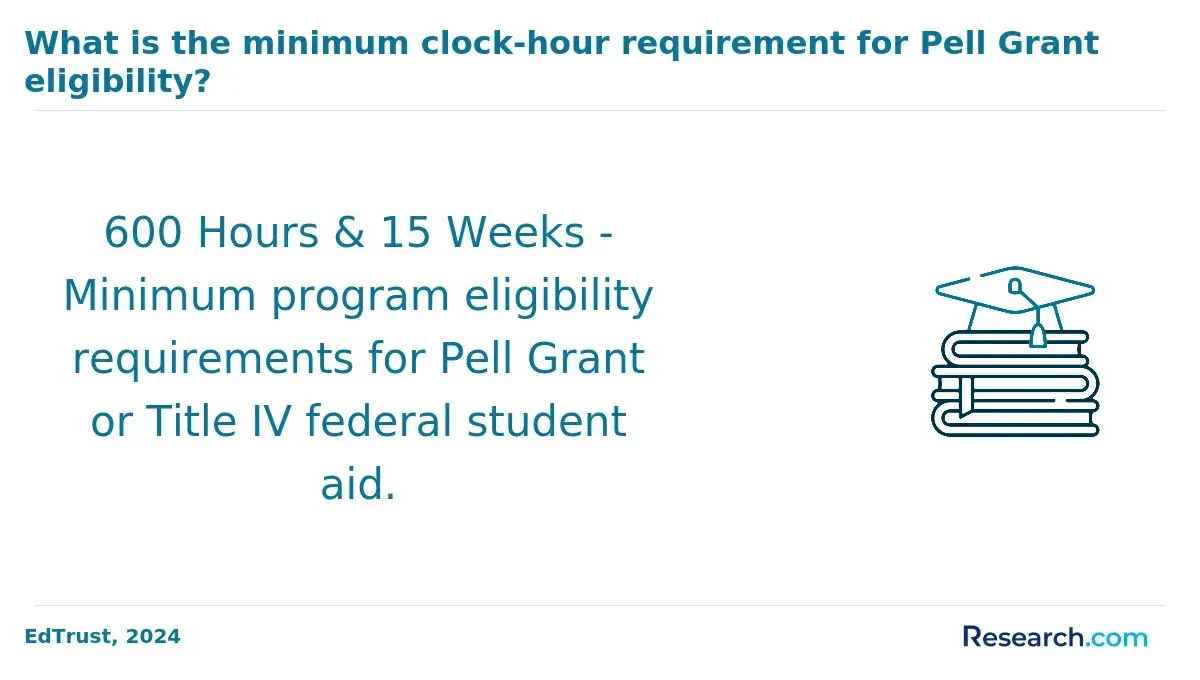
- Federal Student Aid: Most accredited medical assisting programs, whether online or on-campus, allow students to apply for federal financial aid such as Pell Grants, federal loans, and work-study. Eligibility requires program accreditation by recognized agencies and completing the FAFSA. Students enrolled in online medical assisting programs generally have the same access to federal aid as on-campus students when their institution holds proper accreditation.
- State Aid: State-funded scholarships and grants often support both online and on-campus students; however, some states restrict aid to residents attending in-person programs or in-state institutions. Online learners should verify if their distance program qualifies for state aid since policies vary by state and school.
- Scholarships and grants for on-campus medical assisting students: Institutional scholarships and grants may differ between formats. While many schools provide awards for both online and on-campus students, some institutional aid is exclusive to on-campus enrollees or has separate funds for online programs. Private scholarships often do not discriminate by format and can be available regardless of delivery method.
- Employer Tuition Reimbursement: Both online and on-campus students may benefit from employer tuition assistance programs. Online programs often offer greater flexibility, allowing working students to better accommodate employer support requirements and class schedules.
- Private Student Loans: Private loans are typically available for both program types, with eligibility based mostly on creditworthiness rather than delivery format. However, the school must be accredited and eligible for federal funds to qualify.
- Payment Plans: Many programs provide payment plans regardless of format, which help students spread tuition costs over time and improve affordability, especially if other aid is not accessible.
Students considering the fastest online master's degree options should carefully compare financial aid availability and program accreditation to ensure they maximize funding opportunities.
Are Online Medical Assisting Programs as Credible as On-Campus Ones?
Accreditation plays a crucial role in establishing the credibility of both online and on-campus medical assisting programs in the United States. Organizations such as the Commission on Accreditation of Allied Health Education Programs (CAAHEP) and the Accrediting Bureau of Health Education Schools (ABHES) enforce strict standards related to curriculum quality, faculty qualifications, and clinical training requirements.
Whether courses are delivered online or in person, accredited programs must demonstrate that students acquire essential medical assisting skills through rigorous coursework and practical experience.
Moreover, reputable online programs require in-person clinical externships, ensuring students gain hands-on patient care exposure, which maintains parity with traditional on-campus education. This oversight helps maintain consistent competency levels among graduates regardless of the learning format.
Employer and licensing body perceptions of online medical assisting credentials have evolved significantly in recent years. While online degrees were once viewed skeptically, particularly if programs lacked university affiliation or sufficient practical components, this view is changing as hybrid and fully online programs achieve accreditation and include mandatory clinical experiences.
These programs now qualify graduates for certifications and licensure on par with their on-campus counterparts, as recognized by entities like the American Association of Medical Assistants (AAMA) and National Healthcareer Association (NHA).
Advances in virtual simulation technology and strategic industry partnerships have enhanced the quality and credibility of online education, providing interactive and realistic training tools that closely replicate traditional settings. This progress is contributing to greater acceptance by employers and students, especially for those seeking flexible, cost-effective training options without compromising professional standards.
Do Employers Prefer Online vs On-Campus Medical Assisting Degrees?
Employer preferences between online and on-campus medical assisting degrees tend to focus less on the delivery format and more on critical factors such as program accreditation, the reputation of the awarding institution, and the candidate's demonstrated clinical competencies.
Research and employer surveys consistently emphasize that validated clinical skills and hands-on experience carry the most weight in hiring decisions, often surpassing concerns about whether a degree was earned online or in a traditional classroom setting.
Accredited online programs that offer robust externships and clinical practicum components are frequently recognized as meeting industry standards, reflecting an evolving neutrality toward educational format among employers. Furthermore, institutions with strong reputations can help reinforce candidate credibility, with employers trusting that core competencies have been met irrespective of where instruction occurred.
Shifting workplace norms, including the growing acceptance of remote and hybrid work models in healthcare settings, have further enhanced employer openness to online education pathways.
Online medical assisting degrees are valued for their flexibility and accessibility, which allow students juggling work or family obligations to gain necessary credentials without sacrificing educational quality. Despite this, some employers still regard on-campus programs as advantageous for cultivating interpersonal skills and direct mentorship opportunities through immersive labs and face-to-face clinical training.
Ultimately, hiring managers prioritize a candidate's practical experience, clinical readiness, and adaptability in real-world healthcare environments, attributes achievable through reputable programs in either mode. As these trends continue, the focus remains firmly on the candidate's ability to perform effectively on the job.
When speaking with a professional who completed her medical assisting degree online, she noted that employers she encountered valued her hands-on externship experience just as much as her formal education. She shared that when applying for positions, she proactively emphasized her clinical achievements and certifications rather than the online format of her degree.
"What really impressed my employers was my ability to demonstrate real skills and confidence during interviews and practical tests," she said. Reflecting on her journey, she found that the flexibility of an online program enabled her to maintain steady employment while studying, accelerating her career entry. Her positive experience underscores how, in today's healthcare job market, tangible skills and preparedness frequently outweigh concerns about how a degree was earned.
Do Online vs On-Campus Medical Assisting Program Graduates Earn the Same Salaries?
Salary comparisons between online and on-campus Medical Assisting program graduates are increasingly shaped by various factors other than the learning format itself. Employers and industry trends are focusing more on qualifications and experience rather than whether a degree was earned online or in person. The following points outline the current salary trends and influencing factors for medical assistant salary differences online vs on-campus graduates.
Here are the main factors that determine salary outcomes for online vs on-campus Medical Assisting graduates:
- Employer Perception: Most healthcare employers view online and on-campus Medical Assisting degrees equally if the program is accredited and includes essential hands-on clinical experience. Research shows the mode of instruction matters far less than certification and skills, and there is no significant evidence that online graduates earn less than on-campus counterparts.
- Certification and Clinical Experience: Certification such as the CCMA and quality clinical training are critical for salary potential, regardless of program delivery. Online programs that incorporate externships or in-person clinical rotations provide graduates equitable opportunities in the job market.
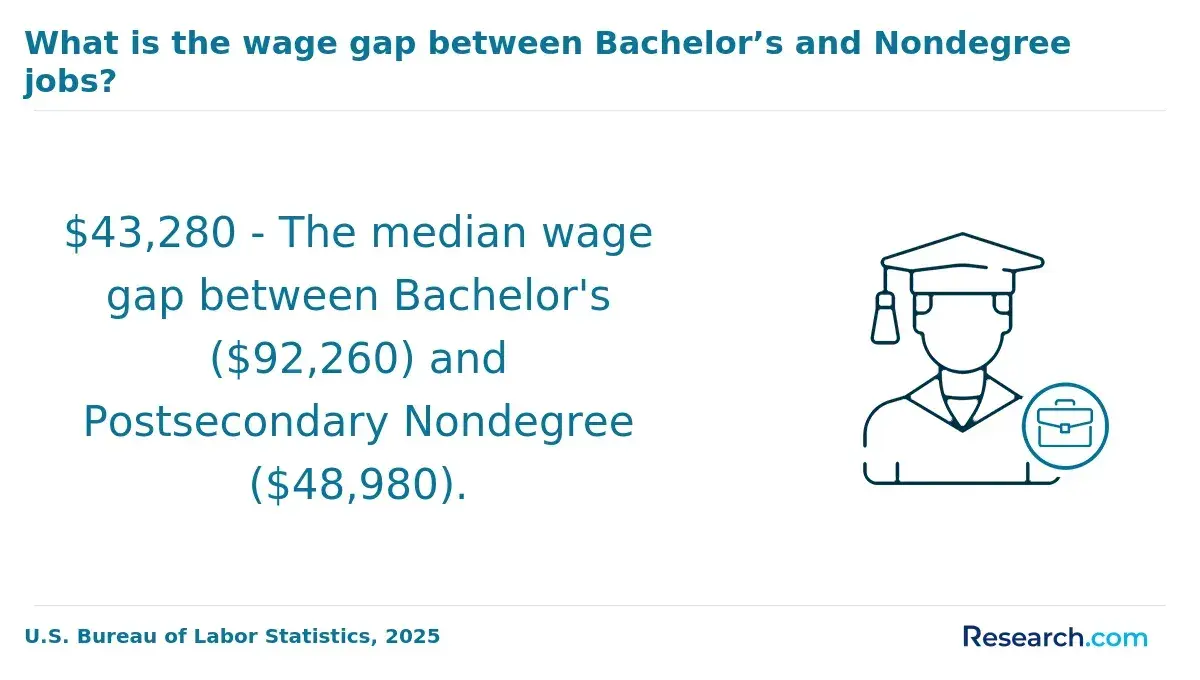
- Geographic Location: Regional demand and cost of living significantly affect earnings more than program format. Salaries vary widely across states, with some earning as low as $29,000 and others exceeding $47,000, impacting both online and on-campus graduates equally.
- Workplace Setting: Medical assistants in outpatient centers or hospitals generally earn higher salaries compared to those in private physician offices or clinics, regardless of their degree format.
- Advancement and Specialization: Additional certifications and specialization in fields like dermatology or oncology can boost salaries beyond $50,000 for graduates from either pathway.
- Program Cost and Flexibility: Online Medical Assisting programs often cost less and offer faster completion, allowing earlier workforce entry. However, this affects return on investment more than starting salary.
For those seeking comprehensive education options, consulting lists of top ranked online universities can be helpful in identifying accredited, flexible programs that meet both career and financial goals.
How Do You Decide Whether an Online vs On-Campus Medical Assisting Program Is Right for You?
Choosing between online and on-campus medical assisting programs depends largely on your personal learning preferences, lifestyle, and professional goals. Understanding these factors can help you select the format that best supports your educational and career aspirations. Below are key considerations to help you decide which pathway aligns with your needs.
Consider the following important factors:
- Learning Style: Online medical assisting programs suit self-motivated learners comfortable with digital coursework and limited face-to-face interaction. In-person programs offer hands-on training and immediate feedback, benefiting students who thrive in structured environments with direct instructor and peer engagement.
- Flexibility Needs: If balancing work, family, or other commitments is a priority, the best online medical assisting programs for flexibility allow you to complete coursework on your own timetable from anywhere. Conversely, on-campus programs require adherence to fixed schedules and attendance, which may conflict with unpredictable or busy lifestyles.
- Budget: Online programs often cost less upfront, sometimes as low as $2,000, and reduce expenses such as commuting and textbooks. In contrast, on-campus study can be significantly more expensive-up to $30,000-especially when factoring in housing and transportation.
- Networking Opportunities: One of the on-campus medical assisting degree advantages is in-person networking with instructors, classmates, and local healthcare providers, which can facilitate internships and job prospects. Online students may need to proactively seek virtual networking or local externships to build professional relationships.
- Access to Campus Resources: On-campus programs provide direct access to labs, equipment, tutoring, and support services essential for mastering clinical skills. Online students might have limited resource availability but may benefit from partnerships with local clinics for hands-on externships.
Regardless of the format you choose, accreditation and eligibility for certification exams remain critical. Many graduates find solid job prospects and competitive wages, reflecting the value of both delivery methods. For those exploring career options after training, researching good paying trade jobs can be a useful next step.
Here's What Graduates of Online vs On-Campus Medical Assisting Programs Have to Say About Their Degree
- Rob: "The hybrid medical assisting degree perfectly suited my learning style by combining online lectures with on-site practical training. This balanced approach allowed me to absorb theoretical knowledge flexibly while gaining in-person patient care experience. My unique education has opened doors to leadership roles because I understand both digital tools and clinical environments deeply. Pursuing a hybrid program helped me make a real impact in my community while advancing professionally in dynamic healthcare settings."
- Linda: "The on-campus medical assisting program gave me the invaluable experience of working closely with instructors and peers in real-time. Being physically present in labs and practice sessions sharpened my hands-on skills and helped me build lasting professional relationships. This immersive environment was crucial as I transitioned into my healthcare career, making me confident and well-prepared for clinical challenges. Reflecting on my journey, I'm grateful for the community and support that shaped my personal and professional growth in such a meaningful way."
- Haymitch: "Completing my medical assisting degree entirely online allowed me to balance school with my full-time job and family responsibilities. The flexibility to study whenever I had time helped me stay motivated and progress steadily. Starting my career with an online degree hasn't limited my opportunities; in fact, employers have often appreciated my ability to manage time and work independently. It's rewarding to know that my education allowed me to help patients efficiently while still growing professionally at my own pace. This path truly empowered me to take control of my future."
Other Things You Should Know About Online & On-Campus Medical Assisting Degree Programs
Online medical assisting programs in 2027 pose challenges such as limited hands-on practice and reduced face-to-face interaction, which can impede skill mastery. Additionally, students need strong self-discipline and effective time management skills to complete coursework without the structured schedule that on-campus programs provide.
In 2027, online medical assisting programs often offer flexibility but can lack the one-on-one, face-to-face interaction found in on-campus programs. On-campus settings frequently provide direct access to instructors, facilitating immediate feedback and personalized guidance, which can be crucial for mastering practical skills in medical assisting.
In 2027, students in online medical assisting programs face challenges like limited hands-on practice and potential technology issues. Conversely, on-campus students may deal with rigid schedules and commuting. Both formats require students to adapt to unique obstacles while striving to achieve their educational and career goals.
References
- Pros of Earning Your Medical Assisting Degree Online https://www.herzing.edu/blog/pros-earning-your-medical-assisting-degree-online
- Online Education vs. On-Campus Tuition: How ACE Online Degree Programs Help Keep Your Costs Down | ACE Blog https://ace.edu/blog/online-education-vs-on-campus-tuition-how-ace-online-degree-programs-help-keep-your-costs-down/
- Online Medical Assistant Programs - Essential Tips Before Enrolling - Preppy https://preppy.org/online-medical-assistant-programs-essential-tips-before-enrolling/
- Online vs Classroom for Medical Tech Training: Which is Better? https://austincareerinstitute.edu/blog/ma/online-vs-classroom-for-medical-tech-training/
- The Acceptability of Online Courses as Criteria for Admission to Medical School https://pmc.ncbi.nlm.nih.gov/articles/PMC3096245/
- Medical Assistant Programs in Texas | CHCP https://www.chcp.edu/degrees-certificates/on-campus/medical-assistant-certificate/
- Tyler Medical Assistant School | Medical Assistant Program https://tylermedicalassistant.com/blog/medical-assisting/should-i-study-medical-assistance-online-or-in-person-in-tyler/
- The Surprising Cost of Online Education: Why 83% of Online Degrees Aren’t More Affordable https://www.nexford.edu/insights/the-surprising-cost-of-online-education-why-83-of-online-degrees-arent-more-affordable
- Medical Assisting FAQ https://www.stanly.edu/online-learning/new-student-orientation/health-science-faq/medical-assisting-faq.html
- Real Versus Virtual Classes: A Perspective from Medical Undergraduate Student’s Point of View with Their Effectiveness in Learning - Gazi Medical Journal https://gazimedj.com/articles/real-versus-virtual-classes-a-perspective-from-medical-undergraduate-students-point-of-view-with-their-effectiveness-in-learning/gmj.2024.3864


