
2027 Online Neurodiagnostic Technology Degree Programs Costs: Tuition & Fees

Co-Founder and Chief Data Scientist
The cost of pursuing an online Neurodiagnostic Technology degree can significantly impact a student's financial planning and long-term budgeting. Tuition, fees, and additional expenses like equipment or certification exams often represent major considerations alongside living costs or lost income during study. Understanding these costs early helps students make informed decisions about their education and career pathways.
Online programs offer varied pricing models influenced by factors such as institution type and program length. This section will explore typical tuition ranges, detailed cost breakdowns, affordability comparisons, and financial aid options available to prospective Neurodiagnostic Technology students.
Key Points About Online Neurodiagnostic Technology Degree Costs
- Average tuition for online Neurodiagnostic Technology degrees ranges from $10,000 to $25,000, varying by institution, program length, and residency status.
- Costs depend on factors such as accreditation, lab access fees, and clinical practicum requirements essential for certification preparation.
- Investing in these programs can lead to higher earning potential and career stability due to increasing demand for qualified neurodiagnostic technologists.
What Is the Average Cost of an Online Neurodiagnostic Technology Degree?
The typical tuition for an online Neurodiagnostic Technology degree in the U.S. during the 2025-2026 academic year ranges from about $5,000 to over $19,000. Tuition fees depend largely on the school attended, degree level, and whether the student qualifies for in-state or out-of-state rates.
Community colleges offering an Associate of Applied Science (AAS) degree usually charge between $5,000 and $16,000 for in-state students. For instance, Alvin Community College estimates around $5,032 for in-district tuition, whereas Lansing Community College cites approximately $16,161 for in-state tuition, with higher fees for out-of-state students.
Per-credit costs also differ-rates can range from $210 at Southwestern Michigan College to nearly $490 at Labouré College of Healthcare, reflecting institutional differences and program specifics. Additional expenses such as textbooks, clinical fees, and equipment further increase overall costs.
When compared with other allied health associate degrees like radiologic technology or respiratory therapy, Neurodiagnostic Technology programs tend to be similarly priced but may lean slightly higher. This is mainly due to their specialized clinical requirements. Most programs present comprehensive total costs rather than per-credit figures, and financial aid opportunities are commonly available to help offset expenses.
What Is Typically Included in the Tuition for an Online Neurodiagnostic Technology Degree?
Tuition for online Neurodiagnostic Technology degree programs generally covers essential academic components necessary for the field. Students gain access to specialized course instruction delivered through an online platform designed to support learning in neurodiagnostic procedures.
This instruction often includes lectures, assignments, and interactive content focusing on key topics like EEG techniques, neuroanatomy, and equipment usage. In addition, the tuition usually bundles various associated fees that support the overall student experience.
- Course instruction: Comprehensive educational content including lectures and interactive modules tailored to neurodiagnostic technology.
- Technology and platform fees: Charges for learning management systems and virtual lab access needed to complete coursework online.
- Student services fees: Support for academic advising and technical assistance throughout the program.
- Digital materials: Some programs include access to electronic textbooks and resources, though this is not universal across schools.
Students should note that additional expenses are frequently not included in tuition. These can encompass textbooks and lab supplies, with costs potentially adding several hundred dollars annually.
Clinical requirements such as CPR certification, background checks, and health clearances often require separate payments. Exam fees for certification bodies like ABRET and graduation-related charges, including cap and gown costs, are usually billed apart from tuition as well.
It's important to review each program's detailed fee statement to plan a comprehensive budget.

What Factors Influence the Cost of Pursuing an Online Neurodiagnostic Technology Degree?
Understanding the cost structure for an online Neurodiagnostic Technology degree is essential for prospective students. Several key factors influence tuition and fees, helping candidates evaluate program options based on total expenses. These variables shape the overall investment beyond just the sticker price.
- Residency Status and Institution Type: Tuition rates vary widely depending on whether a student qualifies as in-district or out-of-district. Community colleges usually offer the most affordable options. For example, Alvin Community College charges about $5,304 for in-district students pursuing an A.A.S. degree, while out-of-district tuition rises to $8,364. Lincoln Land Community College applies different rates per credit hour for residents, and Wake Tech shows significant cost differences between in-state ($5,168) and out-of-state students ($18,224) for a 68-credit program.
- Program Structure and Credit Requirements: The total credits required directly affect tuition costs. Some online Neurodiagnostic Technology programs offer certificates with fewer credits, whereas associate degrees typically require 60 or more credit hours. Hybrid program models may also charge lower rates for general education courses compared to specialized NDT coursework, reflecting tiered pricing systems.
- Additional Mandatory Expenses: Extra costs beyond tuition include textbooks, supplies, uniforms, clinical testing, vaccinations, liability insurance, and national board certification exams. These can add up to $2,000 or more, with certification exams like the ABRET R.EEG.T. costing about $700.
- Partnership and Course Fees: Some programs involve partnerships where educational partners set their own tuition rates, which may differ from the main institution's pricing. This factor often complicates the total cost and requires careful review of all fees involved.
- Comparing Options for Cost-Efficiency: Evaluating these variables empowers students to identify affordable and high-value programs. Prospective students interested in accelerated timelines should also consider visiting resources such as the online accelerated bachelor's data for related degree pathways, which might influence overall education investment.
Breakdown of Private Fully Online For-profit Schools

Are Online Neurodiagnostic Technology Programs Cheaper Than Traditional Programs?
Deciding between online and traditional programs often involves evaluating costs alongside convenience and learning preferences. When considering a cost comparison online vs traditional Neurodiagnostic Technology degree, tuition and fees tend to be fairly comparable in 2025. The average tuition for online Neurodiagnostic Technology programs ranges from about $9,500 to $16,000, depending on the school and residency status.
Traditional on-campus programs vary more widely, with costs between $5,000 and $28,000. These differences reflect varying fees for in-district community college students versus private or out-of-state schools. While on-campus students often pay extra for facility and campus fees such as parking and labs, online students may face additional online technology fees for digital platforms and support.
Clinical requirements add another cost factor since both formats demand in-person clinical hours, resulting in travel expenses regardless of the setting. This balance means that the total expenses for either format are similar overall. For those exploring flexible study options, especially alongside easy online college courses, understanding these cost dynamics is essential.
Are There In-state and Out-of-state Tuition for Online Neurodiagnostic Technology Programs?
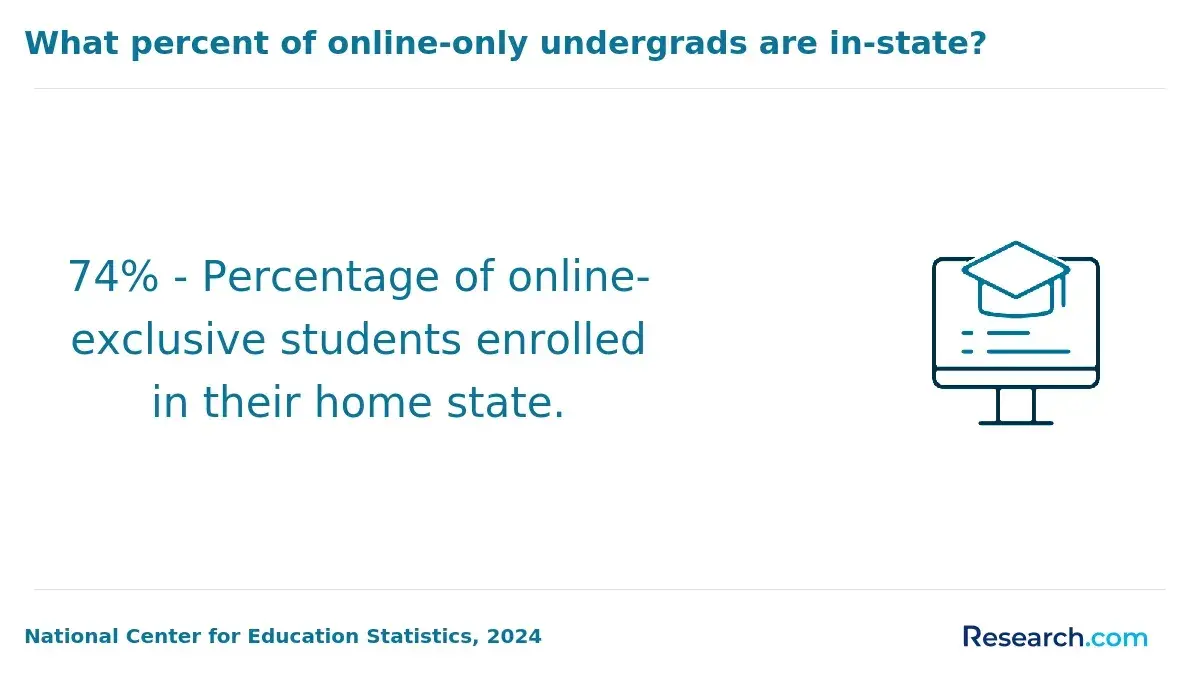
Tuition costs for online Neurodiagnostic Technology degrees often vary based on a student's residency status. Many public colleges and universities charge different tuition rates for in-state and out-of-state students, even for online courses.
For instance, Lansing Community College separates tuition costs, with out-of-state learners paying higher per-credit fees. Mid Michigan College has distinct rates depending on whether students live in-district, out-of-district, or out-of-state, which impacts the overall program expense.
Despite this common practice, some institutions have started offering flat-rate tuition for online programs that applies equally to all students regardless of residency. This approach aims to attract a broader range of applicants and streamline billing but remains relatively rare in neurodiagnostic technology education.
Additionally, regional tuition exchange programs, like the Midwest Student Exchange or Western Undergraduate Exchange, provide discounted tuition rates to students from participating states. However, eligibility requirements and benefits differ by school, so prospective students should confirm details with each program to understand how residency and tuition policies apply to their situation.
Which Schools Offer the Most Affordable Neurodiagnostic Technology Degree Programs?
Several options exist for students seeking the most affordable online Neurodiagnostic Technology programs in the US. These programs typically lead to associate degrees or certificates, with costs influenced by residency, location, and delivery method.
Here are some cost-effective programs that combine accessibility with comprehensive training:
- Johnson County Community College (JCCC): Offers an accredited Associate of Applied Science (AAS) in Neurodiagnostic Technology with a blended format of online coursework and clinical experience. Tuition for Kansas residents is about $124.50 per credit, totaling approximately $4,949 for the full program.
- Trusted Neurodiagnostics Academy: Provides a fully online, ABRET-approved Clinical EEG program priced at $8,000. Flexible monthly start dates and payment plans enhance affordability, and the program's online nature can reduce costs related to commuting or relocation.
- Orange Coast College and Carolinas College of Health Sciences: Both schools offer hybrid associate degree programs that mix online theory with on-site clinical labs. These hybrid formats help manage housing and travel expenses while maintaining competitive tuition rates.
Prospective students should consider program accreditation, clinical placement opportunities, and compare in-state versus out-of-state tuition to identify the cheapest neurodiagnostic technology degrees in the US that fit their needs. Benefits like flat-rate online tuition, reduced fees, bundled textbooks, and flexible start options further improve affordability.
For a detailed comparison of options, reviewing the best affordable associate programs online can provide valuable insights for selecting the right degree program.
Which Schools Offer the Most Expensive Neurodiagnostic Technology Degree Programs?
Online neurodiagnostic technology programs generally fall within a narrow pricing range, with tuition influenced mainly by program length, accreditation, and clinical support. However, some programs stand out due to their elevated costs driven by specialized curricula and extensive clinical components.
For students exploring the most expensive neurodiagnostic technology programs in the US, several institutions represent the higher end of the tuition spectrum. These programs combine flexible scheduling with rigorous clinical requirements and recognized accreditation standards.
- Southwestern Michigan College's EPiC Partnership Model charges $210 per credit hour for its neurodiagnostic courses, plus flat-rate fees each semester. This partnership with the Educational Programs in Collaboration (EPiC) elevates costs beyond many standard community college offerings.
- AIMS Education in New Jersey offers a 20-month associate degree requiring 60 credit hours and 600 clinical hours. Although per-credit tuition is not publicly available, the program's extended length and comprehensive clinical demands contribute to higher overall expenses, making it one of the highest tuition neurodiagnostic technology schools online.
- Institute of Health Sciences and Labouré College provide one-year online programs with supervised clinical practicums emphasizing CAAHEP accreditation and student assistance for clinical placements. Their premium positioning usually comes with tuition rates above average, though exact figures require contacting the schools directly.
Prospective students seeking quality education paired with accreditation and clinical support should consider reviewing rankings of fully accredited online colleges with no application cost to compare options before committing to an expensive program.
How Long Does It Take to See a Return on an Online Neurodiagnostic Technology Degree?
Students pursuing an online Neurodiagnostic Technology degree often consider how quickly they can recoup their educational expenses. Understanding the timeframe for return on investment (ROI) helps in planning both finances and career goals.
Typically, graduates see a return on their investment within two to five years after starting work. This timeline depends on factors such as program costs and regional job availability. Since many online associate or certificate programs can be completed in one to two years, students may enter the workforce faster than those pursuing traditional four-year degrees.
The average starting salary for neurodiagnostic technologists in the U.S. is approximately $68,524, according to recent ASET data. Expenses like tuition are balanced by savings from avoided housing or commuting costs in online formats. Career advancement into supervisory or specialized roles can also increase earnings, shortening the period needed to break even.
Individual financial situations matter greatly. Graduates with minimal loan debt or who work while studying often achieve ROI sooner. Conversely, those with higher debt or pursuing additional degrees might experience longer payback periods but potentially higher future income.
Are Online Neurodiagnostic Technology Students Eligible for Financial Aid?
Online Neurodiagnostic Technology students are generally eligible for federal financial aid for online Neurodiagnostic Technology programs, as most accredited schools participate in federal student aid initiatives. These include Pell Grants and federal student loans, available to students who meet requirements such as holding a high school diploma or GED and enrolling at least half-time. Completing the Free Application for Federal Student Aid (FAFSA) is essential to establish eligibility for these funds.
In addition to federal aid, many institutions offer specific scholarships and grants tailored to Neurodiagnostic Technology students. Additional support may come from workforce development programs or employer tuition assistance, helping reduce overall education costs. Exploring all options with a program's financial aid office can maximize funding opportunities for these students.
- Institutional scholarships: Many schools offer dedicated scholarships for Neurodiagnostic Technology students. For example, Wake Tech provides awards like the Rendahl Memorial and Raleigh Neurology Associates Scholarships, which can substantially offset tuition and fees for enrolled students.
- State or workforce development grants: Programs such as the Pipeline for the Advancement of the Healthcare Workforce (PATH) provide grants and support services to students pursuing healthcare-related degrees, including Neurodiagnostic Technology, helping cover education expenses and training costs.
- Employer tuition assistance: Hospitals or clinics that employ aspiring neurodiagnostic technologists sometimes offer tuition assistance. This option often requires a commitment to work with the employer after graduation, helping to reduce student debt.
Financial aid amounts vary widely, with federal grants potentially covering a significant portion of tuition, supplemented by scholarships and grants that range from a few hundred to several thousand dollars annually. Prospective students should also consider career pathways carefully, as some trades offer competitive salaries; resources like trades jobs that pay well provide valuable insights into earning potential in healthcare fields.
Students seeking Neurodiagnostic Technology scholarships and grants for students should proactively consult their financial aid offices and complete FAFSA early to maximize available aid and reduce the cost of their education.
Are Online Neurodiagnostic Technology Programs Expected to Increase in the Coming Years?
Online degrees in Neurodiagnostic Technology offer a flexible option for students aiming to enter this specialized healthcare field. Understanding the tuition costs is crucial for making informed decisions about these programs.
The cost of online Neurodiagnostic Technology programs varies widely depending on the institution, program length, and whether the school is public or private. Generally, tuition rates for fully online programs tend to be competitive with, or slightly lower than, on-campus equivalents.
Many schools offer tuition per credit hour, ranging from approximately $300 to over $600. Some programs may also include fees for lab materials or clinical placement coordination, which can affect the total expense.
Tuition trends indicate a gradual increase in prices for these programs, reflecting broader educational cost patterns. However, financial aid, scholarships, and employer tuition assistance remain important tools to offset expenses. Prospective students should evaluate all costs and potential funding opportunities when considering an online Neurodiagnostic Technology degree to ensure affordability over the course of their studies.
What Students Say About The Cost of Pursuing Online Neurodiagnostic Technology Programs
- Alfredo: "Enrolling in the online Neurodiagnostic Technology program was a game-changer for me. Despite the average cost of attendance being around $15,000, the flexibility and quality of the coursework made every dollar worth it. Now, I'm confidently advancing in my career, knowing this investment will pay off in the long run. "
- Erik: "The affordable tuition of the Neurodiagnostic Technology degree program allowed me to pursue my passion without overwhelming debt. Balancing work and study was tough, but the return on investment, both financially and personally, has been incredible. This degree opened doors to specialized roles I hadn't considered before. "
- Landon: "As a professional seeking to upskill, I found the cost of the online Neurodiagnostic Technology program reasonable compared to the career advancement opportunities it provides. The relatively low investment gave me access to cutting-edge knowledge and practical skills that significantly enhanced my expertise. Finishing this program has been a strategic decision for my future. "
Other Things You Should Know About Neurodiagnostic Technology Degree Program Costs
In 2027, online Neurodiagnostic Technology programs often include additional fees beyond tuition, such as technology fees, lab fees, and sometimes proctoring fees for exams. These fees are meant to cover online course platforms and specialized equipment necessary for the program.
In 2027, tuition and fees for online Neurodiagnostic Technology degree programs are influenced by several factors including the institution's reputation, program length, and technology fees. Geographic location and additional resources like virtual labs also contribute to overall costs.
References
- Financial Aid | AIMS Education https://aimseducation.edu/financial-aid
- NDT Program Admission & Tuition | Labouré College of Healthcare https://www.laboure.edu/academic-programs/certificate-programs/neurodiagnostic-technology/admission-tuition
- Neurodiagnostic Technology - Program Costs https://www.alvincollege.edu/neurodiagnostic-technology/program-costs.html
- Neurodiagnostic Technology https://orangecoastcollege.edu/academics/career-advantage/program-areas/neurodiagnostic-technology.html
- Neurodiagnostic Technologist | Associate Degree | Fox Valley Technical College https://www.fvtc.edu/program/health-science/10-525-2/neurodiagnostic-technologist
- EEG Certificate | Carroll University https://www.carrollu.edu/academics/health-sciences/majors/neurodiagnostic-technology/eeg-certificate
- Admission Requirements - Neurodiagnostic Technology Institute https://neurodiagnostictechnologyinstitute.com/nti-requirements/
- The impact of ROI extraction method for MEG connectivity estimation: practical recommendations for the study of resting state data - PubMed https://pubmed.ncbi.nlm.nih.gov/39492417/


