
2027 Can You Complete an Online Behavioral Health Degree Program While Working Full-Time?

Co-Founder and Chief Data Scientist
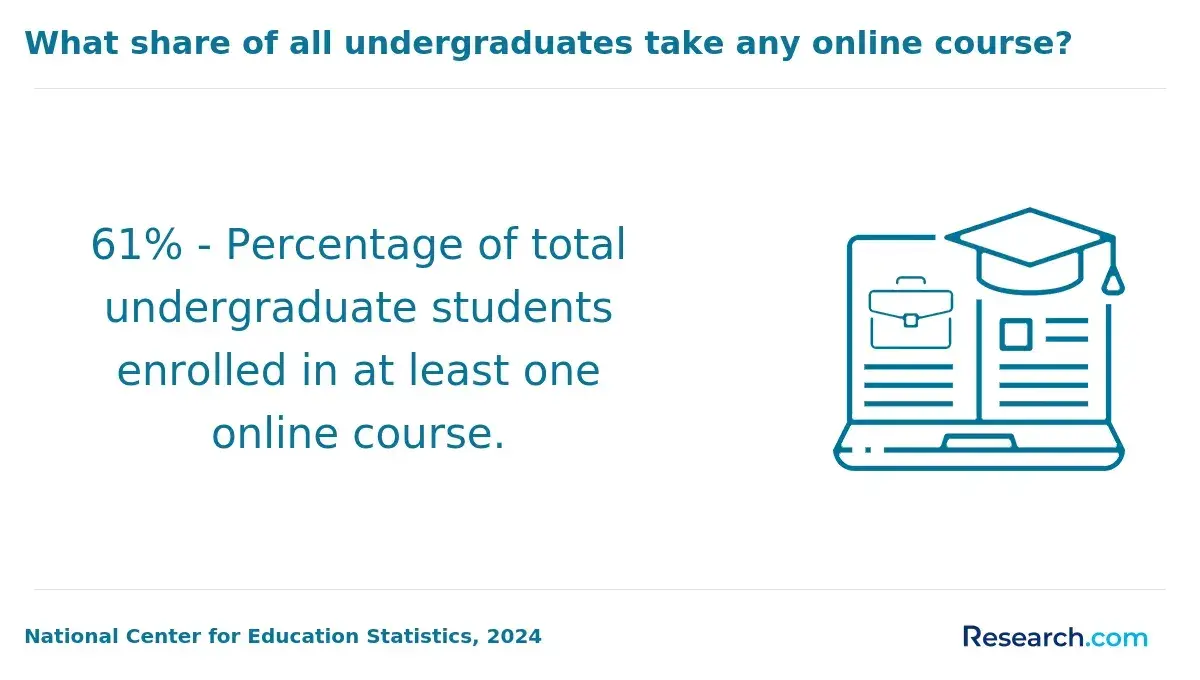
For many full-time professionals, pursuing an online behavioral health degree often feels daunting due to demanding work schedules and family responsibilities. Studies indicate that nearly 70% of online learners in the U.S. juggle education alongside employment, reflecting the challenge of managing time effectively. These pressures can make it difficult to consistently engage with coursework and clinical requirements.
This article explores practical strategies and considerations for full-time workers contemplating an online behavioral health program. By understanding program flexibility, workload expectations, and support resources, prospective students can assess whether this educational path aligns with their lifestyle and professional commitments.
Key Benefits of Completing an Online Behavioral Health Degree Program While Working Full-Time
- Flexible schedules allow full-time workers to study during evenings or weekends, enabling steady progress without compromising job responsibilities in demanding behavioral health roles.
- Online programs reduce commuting time, letting professionals dedicate more hours to coursework and practical learning, crucial for mastering behavioral health therapeutic techniques.
- Access to recorded lectures and digital resources supports varied learning paces, which helps working students grasp complex subjects like mental health assessment with greater retention.
How Long Does It Take to Complete an Online Behavioral Health Degree While Working Full-Time?
The time required to complete an online Behavioral Health degree while working full-time varies significantly based on several factors. These include program format, enrollment status, and personal commitments, all of which impact how quickly a student can graduate.
Key factors influencing the online Behavioral Health degree completion time for working adults include the following:
- Enrollment Status: Full-time students often complete their degrees within 18 to 24 months, especially in accelerated programs. Part-time enrollment is more common among working professionals, extending the degree duration to three or even four years.
- Course Format: Programs with asynchronous classes or accelerated terms enable students to progress more quickly by allowing flexible pacing. Standard-paced and synchronous courses may extend the time needed to graduate.
- Transfer Credits: Prior academic credits or transfer courses can reduce the total coursework required, shortening the overall program length.
- Work Schedule and Weekly Study Hours: Busy professionals typically devote 15-20 hours weekly to coursework, which affects the part-time online Behavioral Health degree duration, making steady progress possible within a manageable timeframe.
- Program-Specific Requirements: Many programs require extensive internships or practicum experiences, often 700-900 hours, usually completed in the final year. These requirements can influence the total time to completion and may necessitate flexible work arrangements.
Programs like The Chicago School demonstrate that completing an online master's in clinical mental health counseling in under four years while working full-time is feasible due to flexible course scheduling and online delivery. For those seeking efficient credentialing options, exploring the best 6 month certificate programs that pay well online can be a complementary strategy for career advancement alongside degree studies.
Is an Asynchronous or Synchronous Online Behavioral Health Program Easier for Students Working Full-Time?
For students working full-time, asynchronous online behavioral health programs are generally easier to manage due to their flexibility. This format allows students to access lectures, participate in discussions, and complete assignments at any time, making it easier to balance coursework with professional and personal obligations. The course format plays a crucial role in a student's ability to handle their studies alongside shift work or family responsibilities, which is why choosing the best online behavioral health degree format for working professionals is important.
Asynchronous programs enable learners, such as behavioral health professionals on rotating hospital shifts, to study whenever convenient, fostering independence and improved time management skills. In contrast, synchronous online programs require attendance at live sessions, offering real-time interaction and structured learning, which benefits those who thrive on scheduled routines and immediate feedback.
However, synchronous formats can be challenging for full-time workers due to fixed meeting times and potential scheduling conflicts. Many students find asynchronous options less stressful, while synchronous sessions promote stronger engagement but demand more effort to coordinate.
Those seeking flexibility and reduced stress may find asynchronous programs advantageous, a consideration supported by research on the easiest associate degree to get here.
What Time Management Strategies Help Online Behavioral Health Students Working Full-Time?
Effective time management is crucial for online behavioral health students balancing full-time work, as it helps prevent burnout and ensures deadlines are consistently met. Applying structured strategies can make juggling responsibilities more manageable.
Consider these practical techniques supported by research:
- Time-blocking: Allocate specific hours for study, work, and personal tasks on a calendar. This visual planning helps maintain a balanced routine and reduces overlooked commitments.
- Pomodoro Technique: Divide study time into focused 25-minute intervals separated by brief breaks to sustain concentration and avoid fatigue.
- Create a study schedule: Track assignments and due dates weekly, syncing study sessions with periods of peak energy to enhance retention.
- Limit distractions: Employ tools to block non-essential websites and silence notifications while studying, alongside setting up a dedicated, quiet workspace.
- Set achievable goals: Break down larger projects into manageable milestones using frameworks like SMART to stay motivated and monitor progress.
A student who completed her online behavioral health degree while working full-time shared that initially she struggled with feeling overwhelmed by simultaneous work and study demands. She found that setting precise daily priorities and recognizing small wins kept her motivated through tough weeks. "I'd start each morning reviewing my goals, and even when unexpected work stress arose, having that clear plan helped me adapt without falling behind."
Creating a consistent evening routine for coursework became her anchor, providing structure amid changing schedules. Reflecting on her experience, she noted that learning to embrace flexibility without losing sight of priorities was key to successfully balancing both commitments.
What Are the Biggest Challenges Full-Time Workers Face in Online Behavioral Health Programs?
Full-time professionals frequently find it difficult to juggle their work duties alongside the demanding coursework of an online behavioral health degree. The combination of strict job schedules and rigorous academic tasks can increase pressure and reduce overall well-being. Below are the primary obstacles these workers face while managing their education.
- Time management strain: Coordinating fixed work hours with assignment deadlines requires precise organization. Many students misjudge how much time online discussions, clinical hours, and reflective activities need, leading to delayed submissions and heightened stress, which is critical in behavioral health studies that rely on engagement and insight.
- Burnout and fatigue: Working full-time while studying behavioral health elevates risk for exhaustion. Surveys show a majority of behavioral health professionals experience burnout, with many facing moderate to severe symptoms; this state can impair both academic achievement and job performance, threatening career sustainability.
- Difficulty setting boundaries: The flexibility of online learning often blurs lines between work, study, and personal life. Without clear boundaries, students may multitask excessively, harming effectiveness in their roles and conflicting with the mental wellness principles emphasized in behavioral health education.
How Do Online Behavioral Health Programs Handle Internships for Full-Time Workers?
Internships often pose significant challenges for full-time workers enrolled in online behavioral health degrees, as they require hands-on hours that can clash with job responsibilities. Despite this, such practical experiences are essential for building clinical skills required for state licensure and professional readiness. Programs have adapted to meet these demands through flexible internship options.
- Flexible Scheduling: Students can complete internship hours gradually over longer periods, often working 8-14 hours per week instead of intensive full-time blocks. This method supports balancing work commitments with field experience.
- Use of Academic Breaks: Some programs enable students to accumulate hours during semester breaks or intersessions, allowing concentrated fieldwork without disrupting employment.
- Remote and Telehealth Placement: Incorporating telehealth options reduces travel and geographic constraints, making clinical hours more accessible for working students.
- Extended Internship Terms: Requirements are frequently spread across multiple semesters rather than back-to-back full-time terms, facilitating simultaneous course completion, work, and practicum.
- Consultation via Videoconferencing: Weekly group supervision sessions with licensed clinicians conducted online replace daily in-person oversight, maintaining guidance while respecting students' work schedules.
A student pursuing an online behavioral health degree while working full-time shared that scheduling was the biggest hurdle initially. "At first, I worried I wouldn't find enough time for hands-on hours while managing my job," he explained. However, the program's allowance to pace hours weekly, combined with telehealth placements close to home, eased much of the strain.
He found that virtual supervision meetings were "a lifesaver," enabling regular feedback without commuting or taking time off work. Reflecting on the experience, he noted, "It felt like the program truly understood the realities of balancing full-time employment with professional training, making the internship achievable rather than overwhelming."
What Technology Do You Need for an Online Behavioral Health Degree While Working Full-Time?
For busy professionals pursuing an online Behavioral Health degree while working full-time, having the right technology is essential to manage coursework effectively alongside job duties. Reliable digital tools not only support learning but also simulate real-world practice, ensuring students develop skills relevant to the behavioral health field. Below are key technology requirements designed to help full-time students stay organized, engaged, and successful.
- Reliable Computer with Adequate Specs: A high-performance laptop or desktop is critical. The best computer for online behavioral health students typically features at least an Intel Core i7 (12th Gen) or AMD Ryzen 7 (5000 series) processor, 16GB of RAM (32GB preferred), and a modern GPU. These specs enable smooth multitasking, video conferencing, and running telehealth simulation platforms, essential for interactive behavioral health learning.
- High-Speed Internet Connection: A fast, stable internet connection is vital for participating in live video sessions, timely uploading assignments, and accessing online course materials. Reliable connectivity ensures seamless interaction during remote supervision and collaborative projects common in behavioral health education.
- Telehealth Simulation Platforms: Secure platforms such as Zoom or dedicated university portals allow students to practice virtual counseling scenarios in environments that mimic professional teletherapy. These tools offer feedback opportunities and help students build critical clinical communication skills while balancing busy schedules.
- Learning Management System (LMS) Access: Access to systems like Canvas or Blackboard centralizes course content, submission portals, progress tracking, and communication with instructors and peers. LMS platforms are indispensable for full-time professionals managing both work and academic responsibilities.
- Secure Communication and Confidentiality Tools: Encrypted email, secure cloud storage solutions such as OneDrive or Google Drive with institutional protections, and digital consent/documentation tools are essential to uphold ethical standards when handling sensitive client data. Mastering these technologies prepares students for professional practice and academic compliance.
Some students also consider advanced research options and may explore related academic pathways such as non dissertation online doctoral programs to further enhance their credentials in the behavioral health domain.
Can You Qualify for Financial Aid If You Study Online and Work Full-Time?
Financial aid often plays a critical role for full-time professionals aiming to pursue an online behavioral health degree, as it helps manage the combined costs of education and daily living. Balancing work and study expenses can be challenging, making access to financial support a deciding factor. Several key considerations influence financial aid eligibility for those studying online while working full-time.
- FAFSA and Federal Aid Eligibility: Most federal financial aid, including loans and grants, requires completing the Free Application for Federal Student Aid (FAFSA). Full-time workers enrolled in accredited behavioral health programs generally qualify, provided they meet citizenship and academic progress standards, supporting access to federal financial aid for working professionals in behavioral health.
- Enrollment Status: Many federal aid programs mandate at least half-time enrollment, typically six credits per term for graduate students. Professionals working full-time may choose part-time study, but must ensure they maintain minimum credit hours to remain eligible for aid.
- Employer Tuition Assistance: Numerous employers offer tuition reimbursement or assistance for employees pursuing relevant degrees. Behavioral health agencies, for example, often reimburse tuition partially or entirely if employees commit to continued service after graduation, providing an essential aid source for working students.
- Scholarships for Working Students: Specific scholarships target behavioral health students balancing work and study, such as Massachusetts' Behavioral Health Workforce Scholarship Program, which offers up to $12,500 annually. Eligibility criteria may include state residency or a commitment to work in behavioral health after completion.
- Income and Need-Based Considerations: Financial aid formulas consider income and assets, and full-time professionals might report higher earnings, reducing need-based aid chances. However, many still qualify for unsubsidized federal loans and merit-based awards, making financial aid eligibility for online behavioral health students a realistic possibility.
For professionals interested in advancing their education swiftly, exploring the shortest online doctoral programs can be valuable when planning financial aid and time management strategies.
Do Employers Support Employees Pursuing Online Behavioral Health Degrees in 2027?
Employer support has become increasingly vital for full-time professionals pursuing an online behavioral health degree due to the challenge of balancing demanding job responsibilities with academic coursework. Workplace policies like tuition reimbursement and flexible scheduling can greatly affect a student's ability to progress without sacrificing job performance. Understanding these supports helps working students navigate their educational goals while maintaining employment.
Common ways employers support or limit employees earning online behavioral health degrees include:
- Tuition Assistance: Many large healthcare organizations and social service agencies offer partial or full tuition reimbursement for accredited behavioral health degrees, easing financial burdens. This type of employer tuition reimbursement for online behavioral health degrees signals an investment in employee growth and reduces obstacles to degree completion.
- Flexible Scheduling: Employers who provide flexible work hours, compressed weeks, or remote options enable staff to attend synchronous classes and fulfill field placement requirements, which are essential for behavioral health programs.
- Career Advancement Incentives: Some employers promote or increase pay to employees who earn behavioral health credentials, creating motivation for skill development and long-term retention in a sector with growing mental health demand.
- Practicum/Field Placement Support: Behavioral health employers sometimes facilitate required field placements within the organization, reducing logistical challenges and scheduling conflicts for working students.
- Performance Concerns: Certain employers hesitate to support degree programs due to worries about reduced productivity or absenteeism, especially in high-demand roles without clear direct benefits from the advanced credential.
Recent trends show workplace support for employees earning online behavioral health degrees varies widely by employer size and sector. This variability mirrors the growing recognition of accredited online behavioral health degrees among professionals. For individuals exploring financial aid options, understanding employer tuition assistance policies can be critical. For a broader perspective on career opportunities outside traditional degrees, exploring some of the highest paid trades may also be worthwhile.
Does Completing an Online Behavioral Health Degree While Working Full-Time Improve Your Salary?
Completing an online behavioral health degree while working full-time can boost your earning potential, but salary gains depend on multiple factors. High industry demand supports growth, with the U.S. Bureau of Labor Statistics predicting a 19% increase in jobs for counselors over the next decade. Degree level matters significantly-those with a master's in counseling typically earn around $50,000 annually, compared to about $37,000 for bachelor's holders.
Employer attitudes toward online degrees have improved, especially for accredited programs tailored to working adults. Additionally, relevant experience gained alongside studies strengthens your positioning, as median salaries for behavioral health specialists reached approximately $64,000 by mid-2025.
Staying employed full-time while earning your degree provides strategic advantages. Applying new knowledge in your current role may speed up consideration for promotions and enhance job security, since employers value immediate demonstration of skills and growth.
However, salary increases are influenced by the specific behavioral health sector, company compensation structures, and wider economic patterns. Some employers also offer tuition assistance, which can reduce costs and increase the overall financial benefit of pursuing your degree while working.
What Should Full-Time Workers Look for When Choosing an Online Behavioral Health Program?
Choosing the right online behavioral health program is crucial for working adults juggling full-time jobs, studies, and personal life. The program's design and support can significantly influence whether students manage their responsibilities effectively and finish their degree. Key aspects must be carefully considered to enhance the chances of success.
- Flexible Course Delivery: Programs offering asynchronous classes allow learners to complete coursework on their own schedules, which is essential for those with irregular or changing work hours. This flexibility prevents conflicts and reduces stress for busy professionals.
- Support Services and Faculty Accessibility: Access to tutoring, academic advising, and timely faculty responses helps students overcome challenges and maintain progress. Strong support systems mimic campus resources, benefiting online learners balancing work and study.
- Accreditation and Reputation: Choosing a regionally accredited institution ensures the degree meets professional standards and licensure requirements. Reputation affects job prospects and eligibility for certifications within behavioral health fields.
- Practical Experience Requirements: Investigate how fieldwork, internships, or practicums fit into the program, ensuring they can be scheduled around work commitments without added burden.
- Course Load and Completion Time: Programs that let students control their course intensity or offer multiple start dates provide needed flexibility, supporting part-time study or faster completion when time allows.
What Graduates Say About Completing an Online Behavioral Health Degree While Working Full-Time
- Art: "Balancing a full-time job and pursuing an online behavioral health degree was challenging, but the flexible pace truly made it manageable. The course material was engaging and relevant, allowing me to immediately apply what I learned at work. Considering the average cost of attendance was reasonable, investing in this degree felt like a smart step toward advancing my career."
- Elysse: "Enrolling in an online behavioral health degree program while working full time gave me a unique perspective on time management and resilience. The asynchronous learning allowed me to absorb information deeply without feeling rushed, which made the process rewarding. Though the cost was a consideration, the personal growth and new career opportunities it unlocked made every dollar worth it."
- Marissa: "As a full-time professional, the online behavioral health program offered a structured yet adaptable learning environment that respected my busy schedule. The practical knowledge gained has already enhanced my client interactions, underscoring the program's value beyond just academic theory. Given the competitive pricing compared to traditional programs, this online degree was a well-calculated investment in my future."
Other Things You Should Know About Behavioral Health Degrees
Balancing full-time work and an online behavioral health degree can impact the depth of engagement with course material, but it does not necessarily lower the quality of learning. Students must be disciplined to allocate sufficient study time to grasp complex concepts and participate in discussions. Many programs are designed to support working students by offering flexible deadlines and modular content.
Yes, many online behavioral health programs facilitate professional networking through virtual events, group projects, and discussion forums. Although these networks may not be as extensive as those in traditional settings, full-time workers can still build connections with peers and instructors. Some programs also incorporate mentorship opportunities tailored for working professionals.
Yes, balancing work and study is feasible with good time management and prioritization skills in 2027. Many programs offer asynchronous classes, allowing students to learn at their own pace. Additionally, using available resources like digital tools, scheduling aids, and support groups can significantly help manage both commitments effectively.
Yes, many online behavioral health degree programs allow students to transfer credits from previous coursework or relevant work experience. Prospective students should check specific program policies and consult with admissions for eligibility and documentation requirements. Transfer credits can expedite degree completion for working professionals.
References
- 15 Skills and Qualifications You'll Need to Offer Therapy Online https://aihcp.net/2024/02/29/15-skills-and-qualifications-youll-need-to-offer-therapy-online/
- Benefits of online counseling degrees: Flexibility and growth https://online.marquette.edu/counseling/blog/benefits-of-online-counseling-degrees
- Asynchronous vs. Synchronous Learning | Provo College https://www.provocollege.edu/blog/asynchronous-vs-synchronous-learning-whats-the-difference-and-which-is-right-for-you/
- Behavioral Health Professions Service Cancelable Loan Program (BHP SCL) https://www.gafutures.org/hope-state-aid-programs/loans/behavioral-health-professions-scl/
- Embrace the future: the benefits of choosing an online CMHC program https://online.okcu.edu/clinical-mental-health-counseling/blog/the-benefits-of-choosing-an-online-cmhc-program
- Home https://www.husson.edu/online/blog/2024/05/time-management-tips-for-college-students
- Synchronous vs Asynchronous | University of Bridgeport https://www.bridgeport.edu/news/synchronous-vs-asynchronous/
- Clinical Student Internship - Journey to Healing | Sign Up for therapy https://journey2healing.org/clinical-student-internship/
- Is remote work worse for wellbeing than people think? https://www.bbc.com/worklife/article/20220616-is-remote-work-worse-for-wellbeing-than-people-think
- Asynchronous and Synchronous Online Courses https://dacc.nmsu.edu/faculty-and-staff/online-quality-assurance/asynchronous-and-synchronous-online-courses.html


