
2027 How To Become a Phlebotomist in Indiana

Co-Founder and Chief Data Scientist
Indiana's healthcare sector shows a growing demand for skilled phlebotomists, with employment in this field projected to increase by 14% over the next decade-significantly higher than the national average. This growth reflects not only the state's expanding medical facilities but also a rising emphasis on preventative care requiring reliable laboratory services.
Choosing a career as a phlebotomist in Indiana offers stability, competitive wages, and opportunities to advance within healthcare, challenging the misconception that this role is merely entry-level or temporary.
This article, crafted by career planning experts, guides prospective students through the specific steps to become a phlebotomist in Indiana. Readers will gain insights into certification requirements, training programs, and practical advice tailored to the state's unique regulatory landscape, ensuring informed and strategic career decisions.
Key Things to Know About Becoming a Phlebotomist in Indiana
- Complete a state-recognized phlebotomy training program, typically requiring 25 to 60 hours of instruction and hands-on practice, ensuring readiness for Indiana's competitive healthcare environment.
- Obtain national certification through recognized bodies like the American Society for Clinical Pathology, as Indiana employers increasingly prefer certified phlebotomists for over 20% higher job placement rates.
- Capitalize on Indiana's growing demand, with employment projected to rise by 10% through 2030, reflecting an expanding healthcare workforce needing skilled phlebotomists in both urban and rural settings.
- What are the education requirements to become a phlebotomist in Indiana?
- What subjects are taught in phlebotomy classes in Indiana?
- Do you need a state license to work as a phlebotomist in Indiana?
- What phlebotomy certifications are recognized in Indiana?
- Where can you find accredited phlebotomy training programs in Indiana?
- How much does phlebotomy training cost in Indiana?
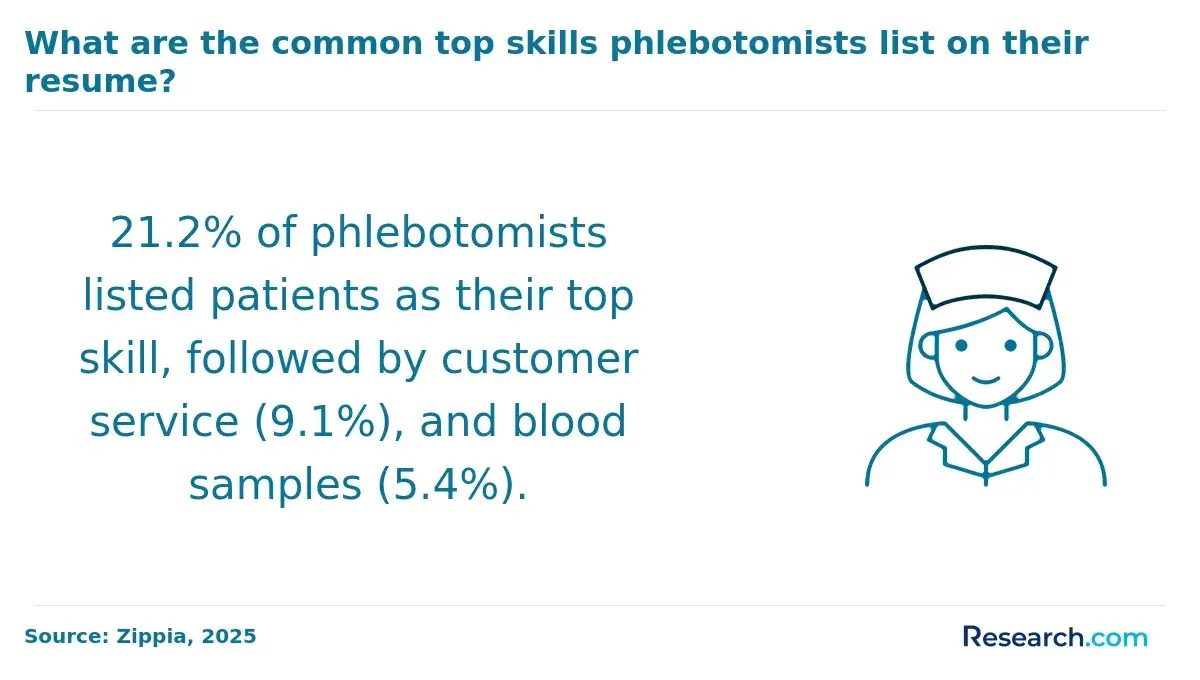
- What skills are required to become a successful phlebotomist in Indiana?
- Where do phlebotomists typically work in Indiana?
- What is the average salary for phlebotomists in Indiana?
- What are the best ways to grow your phlebotomy career in Indiana?
What are the education requirements to become a phlebotomist in Indiana?
Proper education and training form the foundation that enables phlebotomists to perform blood collection with precision and care, protecting both patient well-being and specimen quality. This rigorous preparation is far more than a procedural checklist-it shapes professionals who understand the critical balance between technical skill and compassionate care in clinical and laboratory environments.
The following points highlight the essential phlebotomy training program requirements in Indiana and what it takes to build this expertise.
Here are the key Indiana phlebotomist education prerequisites:
- High School Diploma or Equivalent: This baseline qualification ensures candidates have sufficient literacy, numeracy, and communication skills to grasp medical procedures and interact effectively within healthcare settings.
- State-Approved Phlebotomy Training Program: Completion of an accredited program is mandatory, emphasizing both theory and practical skill development. These programs, typically offered by community colleges and vocational institutions, align with industry standards to prepare students for real-world challenges.
- Classroom and Clinical Instruction: Instruction includes anatomy, infection control, and specimen handling in a classroom setting, complemented by supervised hands-on clinical experience. This combination is crucial for mastering phlebotomy techniques and building confidence in patient interaction.
- National Certification (Recommended): Although Indiana does not require certification by law, earning credentialing from recognized bodies like ASCP or NHA is strongly advised. Certification elevates professional credibility and expands employment opportunities.
- Minimum Age Requirement: Enrollment in most programs requires candidates to be at least 18 years old, ensuring compliance with workplace regulations and readiness for the responsibilities of patient care.
Those interested in healthcare careers may also explore related paths such as how to get into medical coding, which involves a different but complementary skill set within the healthcare industry.
What subjects are taught in phlebotomy classes in Indiana?
Mastering the subjects taught in a phlebotomy course curriculum in Indiana is fundamental for developing the precision and care required in blood collection. These subjects not only prepare students to perform venipuncture safely but also to uphold patient trust and ensure laboratory results are reliable. Here is an overview of the essential topics that shape competent phlebotomists in the state:
- Anatomy and Physiology: This area explores the human circulatory system's structure and function, focusing on veins, arteries, and blood components. Understanding these elements is key to selecting appropriate venipuncture sites and minimizing patient discomfort or risk during blood draws.
- Venipuncture Techniques: Students are trained in diverse blood collection methods such as standard venipuncture and butterfly needle draws, emphasizing hands-on skill development. Mastery here ensures consistent specimen quality and patient safety in real-world clinical settings.
- Infection Control and Safety: This subject teaches critical protocols to prevent disease transmission, including hand hygiene, use of PPE, and sharps disposal. Following OSHA and CDC guidelines becomes second nature, safeguarding both patients and healthcare staff.
- Specimen Processing and Handling: Instruction in proper labeling, transporting, and storage preserves specimen integrity essential for accurate diagnostics. Students learn to identify suitable tubes and understand anticoagulants, reducing errors that could compromise lab results.
- Patient Communication and Professionalism: Effective communication skills prepare students to interact empathetically with diverse populations and explain procedures clearly. Ethical behavior, confidentiality, and precise documentation further enhance patient confidence and care quality.
Phlebotomy programs in Indiana blend these subjects with practical experiences, reflecting the state's commitment to producing capable health professionals. For those considering complementary healthcare roles, understanding what medical billers and coders do at work can also broaden career opportunities beyond clinical skills.
Do you need a state license to work as a phlebotomist in Indiana?
Indiana does not mandate a state license to work as a phlebotomist, which may come as a surprise considering many states enforce strict licensing or certification laws. Instead, the oversight of phlebotomy practice is left largely to employers such as hospitals, clinics, and laboratories.
These institutions typically prefer or require candidates to complete formal training programs and obtain national certification from recognized agencies like the ASCP or NHA. This decentralized approach allows employers to establish their own competency standards, often making certification a key factor in hiring decisions.
Therefore, while state licensing is not a barrier, possessing nationally recognized credentials substantially strengthens a candidate's position within Indiana's healthcare job market.
The implications of this regulatory framework ripple through how phlebotomists navigate their careers in Indiana. Without a uniform state license, professionals must be mindful that their qualifications hinge on employer expectations and national certifications rather than state mandates.
This situation challenges the traditional view that state licensing is the sole gatekeeper to employment and encourages candidates to strategically choose reputable certification programs.
For those aiming to work across diverse healthcare settings, understanding these nuances influences where and how they pursue opportunities, affecting mobility and career growth. Recognizing the role of employer-based regulation versus state-imposed licensing sheds light on the complex landscape phlebotomists face in Indiana's evolving healthcare environment.
What phlebotomy certifications are recognized in Indiana?
Certification is a vital milestone for those pursuing a career in phlebotomy in Indiana, as it sets candidates apart in a competitive healthcare job market. Most employers in the state expect or strongly prefer nationally recognized certification, which boosts job prospects while establishing professional credibility.
Beyond just meeting employer standards, certification reflects a commitment to patient safety and quality care, elements essential to long-term success in the medical field. Below are the major nationally recognized phlebotomy certifications valued across Indiana.
- National Healthcareer Association (NHA) - Certified Phlebotomy Technician (CPT): The NHA's CPT certification is highly regarded by Indiana healthcare employers and education programs. Candidates must complete accredited training and demonstrate skill through a minimum number of venipunctures and capillary sticks, making it a practical and trusted credential in hospitals, clinics, and laboratories.
- American Society for Clinical Pathology (ASCP) - Phlebotomy Technician (PBT): Known for rigorous standards, the ASCP's PBT requires formal training and clinical experience before passing a challenging national exam. Its emphasis on laboratory best practices earns preference from many major healthcare systems across Indiana.
- American Medical Technologists (AMT) - Registered Phlebotomy Technician (RPT): AMT offers this certification to individuals with accredited education or relevant experience, requiring a comprehensive exam covering key phlebotomy competencies. Indiana employers of outpatient clinics and diagnostic centers often recognize this credential.
- National Center for Competency Testing (NCCT) - National Certified Phlebotomy Technician (NCPT): Valued for its focus on hands-on skills and patient care, the NCCT's NCPT certification is accepted widely in Indiana, especially among community hospitals and private laboratories, with eligibility through approved programs or experience.
- National Phlebotomy Certification Examination (NPCE) - Certified Phlebotomy Technician (CPT): Recognized in Indiana, NPCE certification confirms that candidates have met national standards via a state-approved program or relevant practical experience, signaling dependable proficiency in blood collection procedures.
For individuals seeking to understand the broader healthcare space, gaining insight from an overview of medical billing and coding can provide complementary knowledge that enhances career versatility within healthcare services.

Where can you find accredited phlebotomy training programs in Indiana?
Enrolling in an accredited phlebotomy training program in Indiana is not merely a formality; it shapes the foundation of your expertise, ensuring comprehensive, hands-on education that directly impacts patient safety and professional credibility.
Accreditation bridges the gap between learning and licensure, granting access to nationally recognized certification exams while elevating your standing within a competitive healthcare market. Securing a spot in a verified program offers a strategic advantage.
Below are common types of institutions offering accredited phlebotomy training across Indiana.
- Community Colleges: These institutions, like Ivy Tech Community College, offer phlebotomy training integrated within broader healthcare programs. They combine classroom instruction with practical labs, following regional accreditation standards that help graduates qualify for certification exams. Accreditation details are available on college websites or through state education commissions.
- Vocational and Technical Schools: Focused and streamlined, schools such as the Indiana School of Phlebotomy deliver short-term, intensive training that emphasizes clinical practice. Approved by Indiana's Office for Career and Technical Schools, they often provide externships to deepen hands-on experience. Verification of program approval can be obtained from institutional or state sources.
- Universities and Continuing Education Programs: Universities like Indiana University Northwest offer phlebotomy courses via continuing education, blending theory with clinical rotations. These programs align with certification standards and maintain transparent accreditation accessible through university offices.
- Private Career Institutes: Flexible in timing, private schools such as Gifted Hands Academy cater to working adults with 8 to 16-week programs. Regulated by state agencies, they emphasize preparation for national exams, with accreditation status usually posted online or by direct inquiry.
- Hospitals and Healthcare Providers: Some facilities run internal training aimed at employees or workforce development. Prioritizing clinical exposure, these programs may partner with accredited schools for oversight. Prospective students should confirm accreditation through hospital channels.
When I spoke with a phlebotomist from Indiana who graduated from a local community college, he reflected on the complexities of navigating program options. "It wasn't just about finding a course; it was understanding which ones truly met accreditation standards," he said. He recalled sifting through websites, speaking with school advisors, and even contacting the Indiana Commission for Higher Education to ensure legitimacy.
The reassurance of enrolling in a program recognized by industry authorities gave him confidence, especially knowing it paved the way for national certification. His experience highlights that while the search may feel overwhelming, thorough research and a commitment to verified accreditation translate to a rewarding career path built on solid training.
How much does phlebotomy training cost in Indiana?
Phlebotomy training costs in Indiana do not follow a single standard; they fluctuate based on whether you choose a private or public institution, the program's length, and what's included in the fees.
Accelerated programs at private schools may appear more affordable upfront, yet longer, comprehensive courses at public universities might offer greater value through extensive clinical practice and included materials. Here is a breakdown of the typical financial components you'll face when pursuing phlebotomy training in Indiana:
- Tuition and Program Fees: Ranging from approximately $500 to $2,100, tuition covers core instruction, lab work, and hands-on training essential for mastering blood collection techniques and patient interaction.
- Registration and Laboratory Fees: Registration often costs between $50 and $100, while lab fees in the $100 to $150 range ensure access to necessary equipment and supervised clinical practice, reinforcing practical skill development.
- Books and Supplies: Expect to spend $100 to $150 on textbooks and study guides that supplement classroom learning and prepare you for certification exams.
- Uniforms and Equipment: Essential scrubs or lab coats typically cost between $50 and $100, meeting healthcare facility standards and infection control requirements.
- Certification Exam Fees: National certification exams usually run from $115 to $200, fees that reflect exam administration and included study materials, sometimes bundled within tuition but often separate.
- Immunization and Health Screening Costs: Health prerequisites such as immunizations and TB tests, not usually covered by tuition, may add another $50 to $150 to your expenses.
What skills are required to become a successful phlebotomist in Indiana?
In Indiana's healthcare environment, the role of a phlebotomist demands more than routine blood collection; it requires a precise balance of technical skill, emotional intelligence, and vigilance to protect patient well-being and ensure test accuracy. Every puncture is a moment to build trust, prevent harm, and uphold safety protocols that safeguard public health. The following key skills form the foundation of effective phlebotomy practice in Indiana.
- Attention to Detail: Small mistakes in labeling or procedure can have large consequences, so precision in every step ensures the accuracy of diagnostic results and patient safety.
- Technical Proficiency: Mastery of various collection techniques and familiarity with equipment reduce complications and improve comfort for patients in diverse clinical settings.
- Communication Skills: Explaining procedures clearly and calming anxious patients helps gain cooperation and fosters a respectful healthcare experience.
- Professionalism: Upholding confidentiality and ethical standards builds trust with patients and colleagues and reflects the high standards expected in Indiana healthcare.
When I spoke with a phlebotomist who graduated from a local Indiana program, she reflected on how developing these skills wasn't just about training but personal growth. "I learned early how a calm voice and eye contact could ease fears more effectively than any technique," she shared. Facing difficult veins or nervous patients taught her to stay adaptable and patient-centered under pressure.
She emphasized that her school's rigorous hands-on approach helped build confidence, but it was the daily real-world challenges in Indiana's clinics that truly shaped her ability to perform accurately and compassionately. "It's a skillset that grows with every patient you serve," she said, illustrating why success in this field extends beyond the needle to the heart of patient care.
Where do phlebotomists typically work in Indiana?
Phlebotomists are crucial to Indiana's healthcare system, ensuring that blood samples are collected with precision to aid in accurate diagnostics, effective patient care, and advancing medical research. Their role goes beyond simple blood draws; it requires skill, attention to detail, and adaptability across various healthcare settings.
The following are the primary environments where phlebotomists contribute significantly to healthcare outcomes.
- Hospitals: Working as hospital phlebotomists in Indiana means operating in a fast-paced environment where timely and accurate specimen collection impacts critical decisions and emergency care. These roles demand strong technical skills and the ability to navigate multiple departments while collaborating with diverse medical teams.
- Diagnostic Laboratories: In these labs, phlebotomists manage high volumes of blood samples that support a range of routine and specialized tests, underpinning accurate diagnoses across healthcare. Their role in this setting is essential for delivering reliable lab results that clinicians depend on.
- Blood Donation Centers: Phlebotomists here play a vital part in maintaining Indiana's blood supply, working with volunteer donors and participating in community blood drives. This setting requires not only technical proficiency but also interpersonal skills to ensure donor comfort and safety.
- Outpatient Clinics: These clinics offer regular and predictable hours where phlebotomists handle specimen collection for chronic disease monitoring and specialty referrals. Collaboration with nursing and physician staff is key, enabling cohesive patient care through consistent laboratory support.
- Physician's Offices: Unlike other settings, phlebotomists here build ongoing patient relationships during scheduled appointments, facilitating preventive care and continuous health monitoring. This environment enhances the patient experience and streamlines sample collection within primary care.
Additionally, the emergence of mobile phlebotomist positions in Indiana reflects growing demand for flexible services, offering blood collection at home or remote sites, broadening access to healthcare. For those considering specialized healthcare roles, exploring the best online medical coding training programs can complement phlebotomy skills and open additional career pathways.
What is the average salary for phlebotomists in Indiana?
Salaries for phlebotomists in Indiana reflect a broad spectrum influenced by multiple factors beyond basic job description. While the average phlebotomist salary in Indiana ranges from approximately $36,210 to $39,748 annually, this figure merely scratches the surface of earning potential based on individual circumstances.
Location, experience level, and the type of employer significantly shape how much one can actually make in this role. The following points highlight key influences on phlebotomist hourly wage in Indiana and overall compensation.
- Years of Experience: Entry-level phlebotomists usually start near the lower pay range, but salaries grow with hands-on experience. Employers tend to reward proven skills and dependability, pushing seasoned professionals closer to the higher end of the scale.
- Workplace Setting: Hospitals and outpatient care centers generally offer superior wages compared to physician offices or smaller clinics. Larger healthcare institutions in urban areas often provide better pay and benefits, reflecting their more extensive resources.
- Geographic Region: Metro areas like Indianapolis have reported hourly wages above the state average, sometimes nearing $22 per hour. In contrast, rural regions usually pay less due to differing demand and cost-of-living factors within Indiana.
- Additional Certifications: Specialized credentials such as Certified Phlebotomy Technician can elevate earning potential. Advanced certifications represent mastery and reduce onboarding time, prompting employers to offer higher compensation.
- Shift Differentials and Overtime: Working nights, weekends, or overtime shifts can increase pay rates significantly. These arrangements are common in 24-hour medical settings, rewarding flexibility and availability.
For those interested in expanding their career path or diversifying skill sets, explore the requirements to become a certified medical coder and biller from home, which may complement phlebotomy qualifications and open new opportunities.
What are the best ways to grow your phlebotomy career in Indiana?
Growing a phlebotomy career in Indiana demands more than just meeting the minimum licensing requirements; it requires strategic investment in advanced certifications and continuous learning.
Pursuing credentials such as the National Phlebotomy Certification or specialized skills like EKG Technician and IV Therapy not only boosts employability but also accelerates salary growth and leadership opportunities.
Equally vital is engaging in ongoing education through local programs offered by institutions like the Indiana School of Phlebotomy and Saint Joseph's College, which provide practical training and national certification pathways.
Networking within Indiana's active professional associations opens doors to mentorship, exclusive job leads, and collaborative growth, especially with employers like Versiti and BioLife Plasma Services.
Career advancement can also mean exploring roles beyond clinical duties, such as supervisory positions in hospitals or educational roles training future phlebotomists.
By embracing multifaceted development-skill enhancement, connection, and diversification-phlebotomists in Indiana position themselves to thrive amid a competitive healthcare landscape.
What Do Phlebotomists in Indiana Say About Their Career?
- Completing my phlebotomy certification at the Indiana Medical Training Institute truly set me on a path I'm passionate about. Starting my career working in a local school gave me a unique perspective on how crucial proper healthcare is for students' success. I love that my role supports the well-being of children right here in our community, especially in a state that values education and health equally. The stability and respect I've found in this profession make every day rewarding and meaningful. Jalen
- Finishing the program at Hoosier Health Academy was a significant achievement for me, and it opened doors I hadn't anticipated. From the beginning, working in an academic institution in Indiana showed me how much I could impact young lives by ensuring they get quality healthcare early on. The demand in this field within the state is high, providing excellent job security and room for advancement. I appreciate how this career challenges me both intellectually and emotionally every day. Keisha
- Training through the Midwestern Phlebotomy School gave me the technical skills I needed, but it's been my experiences in Indiana's local schools that have really shaped my growth. The cultural diversity of the communities here has taught me empathy and adaptability, allowing me to connect with students from all backgrounds. This career has not only enhanced my professional development but also strengthened my commitment to community health. Indiana offers unique opportunities for phlebotomists to make a real difference, and I'm proud to be part of that. Ravi
Related Articles for Nearby States
- 2027 How To Become a Phlebotomist in Ohio
- 2027 How To Become a Phlebotomist in Illinois
- 2027 How To Become a Phlebotomist in Kentucky
- 2027 How To Become a Phlebotomist in Michigan
- 2027 How To Become a Phlebotomist in Wisconsin
- 2027 How To Become a Phlebotomist in Missouri
- 2027 How To Become a Phlebotomist in Tennessee
- 2027 How To Become a Phlebotomist in Iowa
- 2027 How To Become a Phlebotomist in West Virginia
- 2027 How To Become a Phlebotomist in Minnesota
References:
- Search our Job Opportunities at Quest Diagnostics https://careers.questdiagnostics.com/employment/indianapolis-indiana-united-states-phlebotomy-jobs/38852/8503024/6252001-4921868-4260977-4255615-4259418/4
- Online Certified Phlebotomy Technician (Vouchers and Lab Included) from Indiana University Northwest https://careertraining.northwest.iu.edu/training-programs/certified-phlebotomy-technician-lab-and-voucher/
- Course Offerings https://www.indianaphlebotomy.com/courses.php
- Phlebotomy Certification Bloomington Indiana — NPS https://npscerts.com/phlebotomy-certification-bloomington-indiana/
- Top Phlebotomist Skills You Need to Succeed - Precision Labs https://precisionlabtesting.com/2025/03/07/top-phlebotomist-skills-you-need-to-succeed/
- 8 Valuable Phlebotomy Skills for Resume | Phlebotomy USA https://www.phlebotomyusa.com/blog/careers/8-valuable-phlebotomy-skills-for-resume/
- Phlebotomy Technican, Certificate https://catalog.ivytech.edu/preview_program.php
- Medical Career Academy – The Skills that Make You a More Employable Phlebotomist https://medicalcareernwi.com/medical-career-academy-the-skills-that-make-you-a-more-employable-phlebotomist/
- Phlebotomy Certification in Bloomington Indiana with NPCE https://www.npce.org/phlebotomy-certification-bloomington-indiana
- Assessment of the Number of Phlebotomists in a Newly Established Sample Collection Center https://pmc.ncbi.nlm.nih.gov/articles/PMC10493005/
Other Things You Should Know About Becoming a Phlebotomist in Indiana
To become a phlebotomist in Indiana in 2027, candidates typically need to complete a phlebotomy training program. These programs are often available at community colleges or technical schools and may take a few months to a year to complete. Certification from recognized agencies like the American Society for Clinical Pathology (ASCP) is highly recommended.
While Indiana does not mandate certification to practice as a phlebotomist, obtaining certification can enhance job prospects and earning potential. Many employers prefer certified candidates due to the specialized training and competency validation that certification provides.


