
2027 How To Become a Phlebotomist in South Dakota

Co-Founder and Chief Data Scientist
South Dakota offers promising opportunities for phlebotomists, with a projected 12% job growth rate through 2030 that exceeds the national average. The demand for skilled phlebotomists is driven by an aging population and expanding healthcare services, creating stable employment prospects and competitive wages in the region. Pursuing this career in South Dakota provides a practical path to a rewarding healthcare role that requires less time and financial investment compared to other medical professions.
This article outlines essential steps for becoming a certified phlebotomist in South Dakota. Prepared by experts in career planning, it delivers clear guidance on education, certification, and job placement. Readers will find actionable advice and reliable resources to navigate the state's requirements effectively and start a successful career in phlebotomy.
Key Things to Know About Becoming a Phlebotomist in South Dakota
- Complete a state-approved phlebotomy training program, typically lasting 4-8 months, with hands-on clinical hours to meet South Dakota's competency requirements.
- Obtain certification through reputable organizations like the National Phlebotomy Association, as South Dakota employers prefer certified phlebotomists to support patient safety standards.
- Explore employment opportunities in hospitals, clinics, and laboratories where the demand for phlebotomists is expected to grow by 10% over the next decade in South Dakota's healthcare sector.
- What are the education requirements to become a phlebotomist in South Dakota? Educational Requirements
- What subjects are taught in phlebotomy classes in South Dakota? What subjects are taught in phlebotomy classes in South Dakota?
- Do you need a state license to work as a phlebotomist in South Dakota? State License
- What phlebotomy certifications are recognized in South Dakota? Certifications
- Where can you find accredited phlebotomy training programs in South Dakota? Where can you find accredited phlebotomy training programs in South Dakota?
- How much does phlebotomy training cost in South Dakota? Training Cost
- What skills are required to become a successful phlebotomist in South Dakota? Required Skills
- Where do phlebotomists typically work in South Dakota? Where do phlebotomists typically work in South Dakota?
- What is the average salary for phlebotomists in South Dakota? Average Salary
- What are the best ways to grow your phlebotomy career in South Dakota? What are the best ways to grow your phlebotomy career in South Dakota?
What are the education requirements to become a phlebotomist in South Dakota?
Proper education and training are essential for phlebotomists in South Dakota to safely and accurately perform blood collection, which is critical for patient care, diagnostic accuracy, and infection control. Well-structured programs ensure that phlebotomists develop the technical skills and knowledge required for handling specimens and working professionally within healthcare teams.
Below are the key education requirements to enter this field.
- High School Diploma or GED: Candidates must have a high school diploma or an equivalent credential to qualify for entry into phlebotomy training programs or for basic employment. This foundational education supports the comprehension of medical terminology, documentation, and basic math skills crucial for clinical work.
- Completion of a State-Approved Phlebotomy Training Program: Enrollment in a state-recognized program, such as those offered by institutions in South Dakota, is essential. These programs typically include 40 to 80 hours of classroom theory and 20 to 40 hours of supervised clinical practice, focusing on anatomy, blood collection techniques, and infection prevention.
- Classroom and Clinical Instruction Hours: Training combines didactic lessons with hands-on patient experience. Classroom instruction covers protocols including patient identification and safety procedures, while clinical rotations allow students to perform blood draws under supervision to build competence and confidence.
- National or State Certification (Preferred): Although not mandated by law in South Dakota, most employers prefer candidates who hold national certification from bodies like the National Healthcareer Association. Certification demonstrates verified skills and can improve job prospects after completing an accredited phlebotomy training program South Dakota offers.
- Health and Legal Requirements: Candidates may need to submit immunization records, provide negative test results for communicable diseases, and pass background checks before clinical participation, ensuring patient and workplace safety.
For those interested in parallel healthcare fields, understanding medical billing and coding education requirements can also be valuable.
What subjects are taught in phlebotomy classes in South Dakota?
Mastering the phlebotomy course curriculum in South Dakota is essential for students to acquire the skills needed for safe blood collection, patient care, and accurate laboratory testing. Comprehensive instruction prepares future phlebotomists to perform reliably while upholding high standards of professionalism and safety.
Below are the core subjects typically covered in these programs, designed to build both knowledge and practical ability.
- Anatomy and Physiology: This subject teaches the structure and function of the circulatory system, including veins and arteries, enabling students to select appropriate venipuncture sites and understand the impact of blood draws on the body.
- Venipuncture Techniques: Focused on practical skills, this training guides students through proper methods for drawing blood from veins and capillaries, emphasizing efficiency and patient comfort during venipuncture training in South Dakota.
- Specimen Collection and Handling: Students learn how to correctly label, store, and transport blood specimens to preserve their quality, recognizing the importance of anticoagulants and contamination prevention for reliable test results.
- Infection Control and Safety: This course covers vital protocols such as hand hygiene, personal protective equipment use, and safe needle disposal to minimize infection risks in clinical settings.
- Patient Communication and Professionalism: Effective communication skills help students manage patient anxiety, obtain consent, and demonstrate empathy to ensure positive interactions during blood collection procedures.
- Medical Law and Ethics: Training addresses legal considerations including patient confidentiality and consent laws, preparing students to work ethically and comply with healthcare regulations.
- Basic Laboratory Operations: Instruction in maintaining and operating lab equipment like centrifuges supports students in performing quality control and troubleshooting to aid overall laboratory function.
- Point-of-Care Testing: This component introduces bedside diagnostic tests such as blood glucose measurements, expanding students' abilities to assist with immediate clinical assessments.
- Clinical Practicum: Hands-on experience under supervision is required to apply classroom theory in real healthcare environments, often involving 20 to 40 clinical hours with documented successful blood draws.
Choosing a program that covers each of these subjects thoroughly will ensure you gain the practical knowledge and confidence needed to excel. If you are also exploring healthcare certifications beyond phlebotomy, consider learning is there a difference between CPC cand CBCS certification to broaden your professional options.
Do you need a state license to work as a phlebotomist in South Dakota?
South Dakota does not require a state license to work as a phlebotomist. The state lacks specific licensing or certification mandates and does not have a regulatory board overseeing phlebotomy professionals.
Instead, regulatory oversight is generally managed by employers, including hospitals, clinics, and laboratories, which typically require candidates to complete accredited training programs and obtain national certification from recognized bodies.
This employer-driven system means that while the state imposes no direct legal credentialing, workforce standards are maintained through hiring practices emphasizing formal education and professional credentials.
The absence of a state license affects employment opportunities by placing greater importance on national certification and training credentials.
Prospective phlebotomists should focus on completing reputable programs and earning certifications such as those from the American Society for Clinical Pathology or the National Healthcareer Association to enhance their job prospects.
Understanding this framework helps candidates align their education and preparation with employer expectations, ensuring eligibility for positions across various healthcare settings.
Awareness of these requirements provides practical guidance on how to enter the workforce effectively, even in a state without formal licensing processes for phlebotomy.
What phlebotomy certifications are recognized in South Dakota?
Certification greatly benefits phlebotomists in South Dakota by aligning with employer expectations, improving job prospects, and establishing professional credibility. Although the state does not require licensure, most healthcare facilities prefer or require phlebotomy certification to ensure skill competency and reliability.
Understanding the nationally recognized phlebotomy certifications accepted across the state can help candidates make informed decisions when pursuing a career in this field.
Here are the key certifications recognized in South Dakota:
- National Healthcareer Association (NHA) - Certified Phlebotomy Technician (CPT): Offered by the NHA, this certification requires completion of an accredited training program or relevant work experience with documented blood draws. It is widely valued by South Dakota employers due to its alignment with healthcare standards and broad acceptance in local education.
- American Society for Clinical Pathology (ASCP) - Phlebotomy Technician (PBT): The ASCP's PBT credential is highly respected nationwide and often required by larger hospitals and clinical labs in South Dakota. Candidates must have completed an approved training program or meet alternative experience pathways, ensuring strong laboratory practice knowledge.
- American Medical Technologists (AMT) - Registered Phlebotomy Technician (RPT): This nationally recognized certification combines theoretical and practical phlebotomy skills. South Dakota employers value the AMT RPT for its comprehensive assessment of professional competence based on either accredited education or relevant work experience.
- National Center for Competency Testing (NCCT) - National Certified Phlebotomy Technician (NCPT): The NCCT offers flexible certification routes, including educational and experience-based eligibility, ending with a thorough exam covering safety and specimen collection. It is a respected option for many South Dakota candidates seeking national recognition.
- National Phlebotomy Solutions (NPS) - Certified Phlebotomy Technician (CPT): NPS certification stands out for its online exam process coupled with study materials and practice tests, catering to accessibility and workforce needs unique to South Dakota health employers.
For those interested in expanding their healthcare qualifications or exploring additional online training options, online medical coding training programs can offer complementary skills beneficial in a healthcare setting.
Where can you find accredited phlebotomy training programs in South Dakota?
Enrolling in an accredited phlebotomy training program in South Dakota ensures you receive high-quality education that meets industry standards and prepares you for national certification exams.
Certification is an important credential that many healthcare employers prefer or require, improving your chances of employment in a growing field.
Below are common institutions where you can find accredited programs that equip you with the skills and credentials needed for a phlebotomy career.
- Community Colleges: These colleges offer certificate programs that combine classroom instruction with practical clinical experience. Programs typically last about one semester, providing a solid foundation in phlebotomy techniques. Accreditation can be verified on the college's website or through state and national accrediting agencies.
- Universities: Universities provide certificate programs focusing on both theory and hands-on practice for diverse healthcare environments. Students should confirm accreditation status via the university's program page or academic office before enrolling.
- Vocational and Technical Schools: These schools deliver shorter, intensive training with lab and clinical hours suited for quick workforce entry. Confirm program approval through the school's admissions office or the South Dakota Board of Technical Education.
- Hospitals and Medical Centers: Some healthcare facilities offer practical phlebotomy training aimed at skill development with potential employment pathways. Interested individuals should check with the hospital's education or human resources departments about program eligibility and certification.
- Private Career Institutes: These institutes may provide flexible schedules or online options but require careful verification of accreditation and recognition by certifying agencies before enrollment.
A phlebotomist from South Dakota shared his experience exploring training options in the state. He recalled, "Finding a program that was truly accredited was a critical step for me. Early on, it was confusing because some schools offered quick courses without proper certification eligibility."
Graduating from a local community college, he appreciated the clear accreditation information that helped him confidently choose his program. "The clinical hours at nearby healthcare facilities gave me real-world experience, and knowing my training met certification standards was reassuring throughout the process," he reflected.
His journey highlights the importance of thorough research and verifying program credentials when embarking on phlebotomy training in South Dakota.
How much does phlebotomy training cost in South Dakota?
The cost of phlebotomy training in South Dakota varies widely based on whether the program is offered at a public or private institution, the length of the course, and the credit structure. Public technical colleges generally offer more affordable rates, while private providers may charge higher flat fees.
Here are the typical cost components to expect when budgeting for phlebotomy training in the state:
- Tuition and Fees: This is the largest expense in phlebotomy training. Public colleges charge per credit hour, with total tuition ranging from around $2,700 to over $6,000 depending on program length and included fees. Private or non-credit programs often use flat fee pricing, usually between $750 and $2,000.
- Books and Supplies: Required textbooks, workbooks, and lab manuals usually add between $100 and $200 to your costs. Some schools may include these in their tuition, but if not, you should factor this expense into your budget as these materials are essential for coursework success.
- Uniforms and Equipment: Most programs require students to purchase scrubs and basic medical gear like gloves and protective eyewear. Budgeting an additional $50 to $150 for these items ensures you are prepared for clinical sessions and lab work.
- Certification Exam Expenses: Certification is important for employment and requires passing a national exam. Fees typically range from $110 to $200 depending on the certification body and may include study guides or practice exams. These costs are paid separately from tuition.
- Clinical Placement or Lab Fees: Some programs charge extra fees to cover supervision, insurance, and use of lab facilities during clinical training. Expect to pay an additional $100 to $300 for these essential hands-on experiences.
What skills are required to become a successful phlebotomist in South Dakota?
Success as a phlebotomist in South Dakota depends on mastering a range of essential skills that ensure patient comfort, maintain strict safety standards, and guarantee accurate blood collection. These abilities not only support smooth healthcare operations but also foster trust and reliability in laboratory results.
Below are the key competencies vital for excelling in this profession.
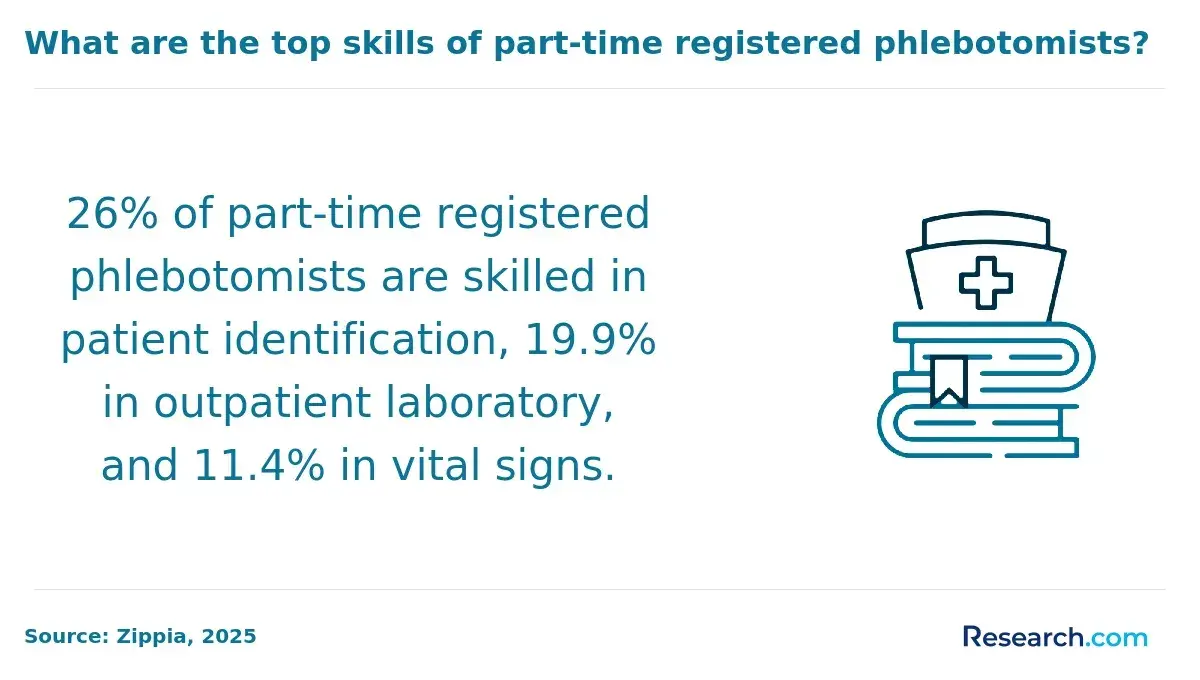
- Attention to Detail: Precisely identifying patients and labeling specimens correctly prevents errors that could jeopardize patient safety and diagnostic accuracy.
- Technical Proficiency: Skilled use of venipuncture and blood collection devices, combined with proper aseptic technique, ensures safe and efficient sample collection.
- Communication Skills: Explaining procedures clearly and compassionately helps reduce patient anxiety and builds rapport, improving overall experience.
- Professionalism: Respecting confidentiality, adhering to regulations, and demonstrating reliability uphold trust and ethical standards in the workplace.
When I spoke with a phlebotomist from South Dakota who graduated from a local program, she reflected on the initial challenges of gaining confidence with clinical techniques and managing anxious patients.
She shared that hands-on training was critical, as classroom knowledge alone can't fully prepare you for unpredictable patient reactions or difficult veins.
Over time, her communication and organizational skills became as important as her technical abilities, making her not only more effective but also more empathetic. "The journey to becoming successful isn't just about the needle-it's about connecting with people and staying steady under pressure," she explained thoughtfully.
Where do phlebotomists typically work in South Dakota?
Phlebotomists play a critical role in healthcare across South Dakota by accurately collecting blood and other specimens needed for diagnostic testing, patient care, and medical research.
Their work supports proper diagnosis and treatment throughout various healthcare settings. Below are common places where phlebotomists typically work in South Dakota, highlighting how each environment contributes to healthcare delivery.
- Hospitals: These are some of the largest employers of phlebotomists in the state, often requiring around-the-clock availability. Phlebotomist jobs in South Dakota hospitals involve collecting specimens from diverse patient populations and managing urgent testing requests that impact immediate clinical decisions.
- Diagnostic Laboratories: In labs, phlebotomists focus on precise specimen collection, labeling, and processing to ensure reliable test results. This setting emphasizes accuracy and teamwork with medical laboratory professionals to support efficient laboratory operations.
- Blood Donation Centers: These centers employ phlebotomists to safely collect blood from donors, requiring strong interpersonal skills to help donors feel comfortable. Their efforts ensure a steady supply of high-quality blood products for patient transfusions.
- Outpatient Clinics: Phlebotomist positions in South Dakota clinics often involve routine blood collection for screening and chronic condition monitoring. This environment typically offers daytime hours and a steady workflow that supports ongoing patient care outside hospitals.
- Physician's Offices: Phlebotomists here work closely with healthcare teams to collect specimens during routine exams or diagnostics. This setting allows building relationships with patients, facilitating continuous, personalized care.
Individuals interested in advancing their healthcare career may also consider exploring related opportunities in medical billing and coding.
For those seeking flexible education options, billing and coding classes online offer a practical path to enhance skills complementary to phlebotomy work.
What is the average salary for phlebotomists in South Dakota?
Salaries for phlebotomists in South Dakota vary significantly depending on factors like geographic location, experience level, and type of employer. Understanding these differences is essential when considering career planning, especially since the phlebotomist average salary in South Dakota can range broadly.
Below are key factors that influence the pay levels for phlebotomists in the state.
- Years of Experience: Entry-level phlebotomists usually start with lower wages, around $24,460 annually, while experienced professionals can earn upwards of $38,180. Those with more years on the job often qualify for supervisory roles, which typically offer higher salaries.
- Workplace Setting: Salaries differ based on the employer's type; hospitals and diagnostic labs often pay more than smaller clinics. For example, mobile phlebotomists earn about $27.86 per hour, which is higher than traditional roles.
- Geographic Region: Location matters, with urban centers like Brookings offering higher average pay-around $34,972 per year-compared to rural areas. Local job demand and cost of living affect these regional disparities in South Dakota phlebotomist annual pay.
- Additional Certifications: Certifications such as Certified Phlebotomy Technician (CPT) improve job prospects and salary potential. Certified phlebotomists in South Dakota average $21.81 per hour, with the highest earners making up to $58,000 annually. To learn more about certification timelines, visit how long does it take to become a certified medical coder and biller.
What are the best ways to grow your phlebotomy career in South Dakota?
To advance your phlebotomy career in South Dakota, focus on obtaining advanced certifications beyond the basic phlebotomy license.
National credentials like the Certified Phlebotomy Technician (CPT) enhance your employability and open doors to supervisory roles. Complement these with related certifications such as EKG technician or medical laboratory assistant to diversify your skills.
Pursuing continuing education is vital; institutions like Southeast Technical College in Sioux Falls offer hands-on training and short courses in infection control and patient communication to keep your skills current.
Building a strong professional network by joining organizations like the South Dakota Health Care Workforce Resource Center and attending local healthcare events can connect you with mentors and job opportunities.
Explore career growth in hospitals, laboratories, or teaching roles at technical colleges. Regional centers such as Sanford Health actively recruit and promote phlebotomists, making South Dakota an excellent place to develop a rewarding healthcare career.
What Do Phlebotomists in South Dakota Say About Their Career
- DeShawn: "Completing the phlebotomy program at Sioux Falls Technical College was a truly transformative experience for me. The hands-on training prepared me well to start working at a local school, where I have had the privilege of making a direct impact on students' health and comfort during their appointments. South Dakota's tight-knit communities make it rewarding to be part of such essential care, and I appreciate the stable career opportunities here that allow me to grow professionally while serving others. The blend of practical skills and compassionate work has made every day fulfilling."
- Isabella : "After finishing my certification at Rapid City Health Academy, I began my phlebotomy career in a nearby academic institution. The work is both challenging and inspiring, especially because I can contribute to the well-being of young people in rural areas where healthcare access can be limited. South Dakota's unique environment means we often work with patients who value personalized care and community ties, which has helped me develop a deeper sense of empathy and adaptability. This career is more than a job; it's a way to give back to the place I call home. "
- Liam : "My experience completing the phlebotomy training at Black Hills Medical Academy opened doors I didn't expect, leading to a rewarding position working with school children in South Dakota. The professional development opportunities here have been exceptional, allowing me to refine my skills and take on leadership roles within the school health program. Working in this environment has also made me appreciate the importance of early healthcare education and support, reaffirming my passion to contribute positively to community health in a state known for its strong values and collaborative spirit."
Related Articles for Nearby States
- 2027 How To Become a Phlebotomist in North Dakota
- 2027 How To Become a Phlebotomist in Nebraska
- 2027 How To Become a Phlebotomist in Minnesota
- 2027 How To Become a Phlebotomist in Wyoming
- 2027 How To Become a Phlebotomist in Iowa
- 2027 How To Become a Phlebotomist in Montana
- 2027 How To Become a Phlebotomist in Colorado
- 2027 How To Become a Phlebotomist in Kansas
- 2027 How To Become a Phlebotomist in Wisconsin
- 2027 How To Become a Phlebotomist in Missouri
References:
- Career Planning https://sdworkforce.com/recruitment/career-planning
- Certified Phlebotomy Technician Programs in South Dakota https://medassisting.org/phlebotomy/sd
- Phlebotomy Certification Sioux Falls South Dakota — NPS https://npscerts.com/phlebotomy-certification-sioux-falls-south-dakota
- How to Become a Phlebotomist in South Dakota (Salary, Classes, and Certification) https://www.exploremedicalcareers.com/phlebotomist/phlebotomist-south-dakota
- Phlebotomy Tech: 7 Common Myths Debunked https://calregional.com/blog/phlebotomy-tech-7-common-myths-debunked
- South Dakota Phlebotomy Schools & Certification Information | PhlebotomyTraining.org https://www.phlebotomytraining.org/state/south-dakota
- Patients Per Hour: How Many Should You Draw? https://www.phlebotomy.com/phlebotomyblog/how-fast-is-fast-enough.html
- Is a Phlebotomist Career the Right Fit for You? https://www.mycareersunlimited.com/blog/phlebotomist-career-outlook
- Assessment of the Number of Phlebotomists in a Newly Established Sample Collection Center https://pmc.ncbi.nlm.nih.gov/articles/PMC10493005
- How Much Do Phlebotomists Make? https://nurse.org/healthcare/phlebotomy-salary
Other Things You Need to Know About Becoming a Phlebotomist in South Dakota
To become a phlebotomist in South Dakota in 2027, you typically need to complete a state-approved phlebotomy training program that includes both theoretical and hands-on clinical experience. Certification through an accredited body, such as the National Phlebotomy Association, may increase job prospects.
Phlebotomy certification from another state is not automatically valid in South Dakota in 2027. You may need to meet specific state requirements, including verifying your certification with a national organization and possibly completing additional training or testing as dictated by South Dakota regulations.


