
2027 How To Become a Phlebotomist in Maryland

Co-Founder and Chief Data Scientist
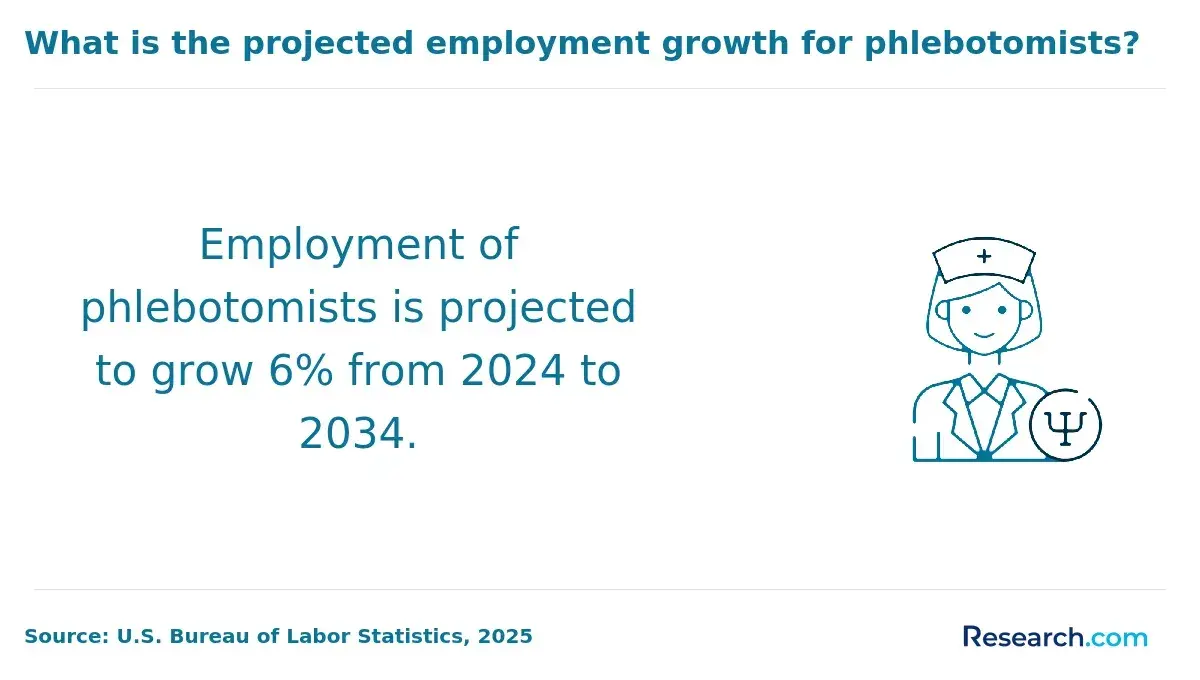
Maryland's healthcare sector continues to grow, with employment for phlebotomists expected to increase by 12% over the next decade, reflecting a strong demand for trained professionals. The state's diverse medical facilities, including hospitals and specialized clinics, offer varied and stable employment opportunities. Pursuing a career as a phlebotomist in Maryland combines practical skill with meaningful patient interaction, making it a rewarding choice for those entering healthcare.
This article outlines the step-by-step process to become a phlebotomist in Maryland. Crafted by experts in career planning, it provides clear guidance to help readers navigate certification, training, and job placement. The goal is to equip aspiring professionals with all necessary information to start their careers confidently and successfully in this vital healthcare role.
Key Things to Know About Becoming a Phlebotomist in Maryland
- Complete a state-approved phlebotomy training program, which typically includes 100 to 120 hours of instruction combining classroom and clinical practice, a requirement Maryland employers generally expect.
- Obtain national certification from bodies like the ASCP or NHA; while Maryland does not mandate certification by law, about 70% of local employers prefer certified phlebotomists for higher job prospects.
- Gain practical experience through internships or entry-level positions; Maryland's healthcare sector is growing, with a 12% rise in phlebotomy jobs projected over the next decade, emphasizing the value of hands-on skills.
- What are the education requirements to become a phlebotomist in Maryland? Educational Requirements
- What subjects are taught in phlebotomy classes in Maryland? What subjects are taught in phlebotomy classes in Maryland?
- Do you need a state license to work as a phlebotomist in Maryland? State License
- What phlebotomy certifications are recognized in Maryland? Certifications
- Where can you find accredited phlebotomy training programs in Maryland? Where can you find accredited phlebotomy training programs in Maryland?
- How much does phlebotomy training cost in Maryland? Training Costs
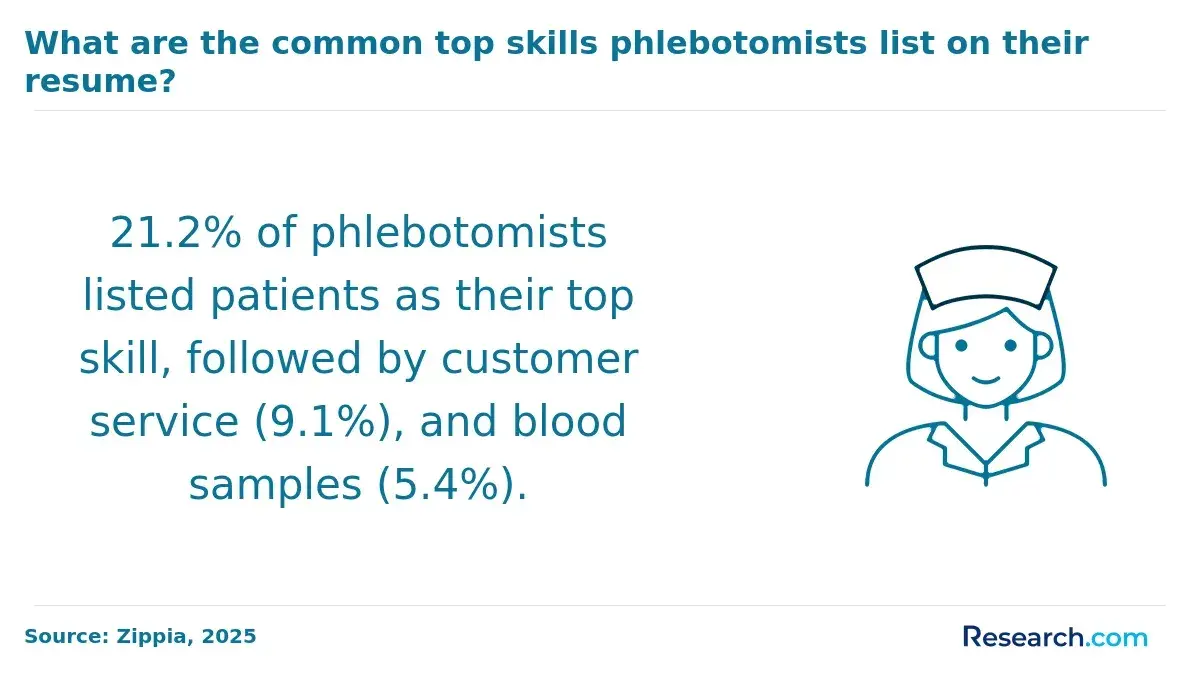
- What skills are required to become a successful phlebotomist in Maryland? Required Skills
- Where do phlebotomists typically work in Maryland? Where do phlebotomists typically work in Maryland?
- What is the average salary for phlebotomists in Maryland? Average Salary
- What are the best ways to grow your phlebotomy career in Maryland? What are the best ways to grow your phlebotomy career in Maryland?
What are the education requirements to become a phlebotomist in Maryland?
Proper education and training form the cornerstone of safe and accurate blood collection, which directly impacts patient care and diagnostic reliability. Phlebotomists must master both the technical skills and interpersonal aspects required in clinical and laboratory environments.
Maryland's standards highlight thorough preparation as essential to meeting these demands, ensuring graduates are both competent and confident. Below are the fundamental educational requirements for those pursuing a career in this field.
- High School Diploma or Equivalent: Prospective phlebotomists in Maryland must hold a high school diploma or GED. This foundational education equips candidates with basic reading, math, and science skills necessary to understand medical terminology and laboratory concepts.
- Completion of State-Approved Phlebotomy Training Program: Enrollment in an accredited Maryland phlebotomy training program is required. These programs vary from 4 to 12 weeks and provide comprehensive instruction in anatomy, infection control, and venipuncture techniques, preparing students to enter the workforce with solid technical knowledge.
- Classroom and Clinical Instruction: Effective training combines theoretical classroom lessons with real-world clinical experience. Typically spanning 120 to 170 hours, this blend ensures students gain hands-on practice under supervision, essential for developing competence and patient interaction skills.
- National Certification (Preferred by Employers): While not legally mandatory in Maryland, national certification is strongly preferred or required by many employers. Successfully passing recognized exams validates a phlebotomist's expertise and improves job prospects, reflecting a commitment to professional standards.
- Health and Safety Compliance: Candidates must fulfill health prerequisites like immunizations, CPR certification, and background checks before clinical placements. This protects patient safety and maintains healthcare facility standards.
Those considering how to advance quickly in healthcare may also explore related fields such as medical billing and coding how fast can you graduate, expanding their career options and versatility within the system.
What subjects are taught in phlebotomy classes in Maryland?
Gaining a clear understanding of the subjects covered in Maryland phlebotomy classes is vital for anyone preparing to enter this healthcare field. These subjects provide the foundation for performing blood collection safely, interacting with patients compassionately, and ensuring laboratory results are accurate and reliable.
A thoughtfully designed phlebotomy course curriculum in Maryland thoroughly equips students with the knowledge and skills demanded by clinical environments. Here are the key subjects commonly included in such training programs:
- Anatomy and Physiology: This subject explores the human body's structure and function, especially focusing on the cardiovascular system and blood vessels. Students learn how to identify veins and arteries correctly, which is crucial for safe and effective blood draws.
- Medical Terminology: Mastering healthcare language enables students to accurately interpret lab orders and physician instructions, reducing errors and improving communication within medical teams.
- Venipuncture and Capillary Collection Techniques: Students receive practical instruction on drawing blood through various methods, including veins and fingersticks. This training covers needle selection, site preparation, and handling complications to prepare students for real-world practice.
- Infection Control and Safety: Emphasizing protocols to prevent disease transmission, this area teaches hand hygiene, use of personal protective equipment, and safe disposal of needles. Understanding OSHA standards ensures safety for both patients and phlebotomists.
- Specimen Processing and Handling: Proper labeling, storage, and transport of samples are taught to maintain specimen integrity. This ensures that test results remain accurate and reliable throughout the diagnostic process.
- Patient Communication and Professionalism: Effective communication skills help phlebotomists explain procedures and support patients emotionally. Training also covers confidentiality issues and how to work respectfully with diverse populations.
- Legal and Ethical Considerations: Students learn about patient consent, documentation, and regulatory compliance, fostering ethical and responsible practice within healthcare settings.
- Clinical Externship: Hands-on clinical experience is required, allowing students to apply their skills under supervision. This real-world training is often critical for employment and certification eligibility.
For individuals pursuing advancement beyond phlebotomy, understanding related healthcare certifications can be beneficial. Exploring options like CBCS or CPC certification for career growth may open additional opportunities while complementing skills gained through the Maryland phlebotomy course curriculum.
Do you need a state license to work as a phlebotomist in Maryland?
Maryland does not require a state license to work as a phlebotomist. Unlike some states that regulate phlebotomy through formal licensing or mandated certification, Maryland leaves this largely unregulated at the state level.
Instead, standards for practicing phlebotomy are set by individual employers such as hospitals, laboratories, and clinics. Most employers strongly prefer or require candidates to hold a national phlebotomy certification, which has become the practical benchmark for employability in the state.
This reliance on employer-based standards creates a system where formal state oversight is minimal, but national certification significantly influences job prospects and career advancement.
Knowing this regulatory environment is vital for anyone aiming to build a career in phlebotomy in Maryland. Since the state does not issue licenses, candidates must understand that their ability to work depends on meeting employer expectations rather than state statutes.
This dynamic affects where phlebotomists can work and how competitive they remain in the labor market, particularly in settings like Baltimore's hospitals or smaller clinics statewide. Awareness of these employer-driven requirements allows aspiring professionals to focus their efforts on obtaining nationally recognized credentials, ensuring they align with the practical qualifications demanded by Maryland's healthcare employers.
What phlebotomy certifications are recognized in Maryland?
Certification serves as a key indicator of a phlebotomist's expertise and dedication in Maryland, meeting the expectations of employers who prioritize safety, accuracy, and patient care. While the state itself does not mandate certification, holding a recognized credential significantly enhances job prospects and professional credibility within the healthcare community.
Below are some of the recognized phlebotomy certifications in Maryland that reflect industry standards and employer preferences.
- National Healthcareer Association (NHA) - Certified Phlebotomy Technician (CPT): The NHA CPT credential is widely accepted by Maryland healthcare providers and often integrated into local programs. It requires candidates to complete accredited training or relevant work experience and pass a certification exam, showcasing competence in blood collection and specimen handling.
- American Society for Clinical Pathology (ASCP) - Phlebotomy Technician (PBT): Known for its rigorous standards, the ASCP PBT certification is respected nationwide, including in Maryland. It combines educational prerequisites with clinical experience and a challenging exam, making it attractive to hospitals and diagnostic labs.
- American Medical Technologists (AMT) - Registered Phlebotomy Technician (RPT): The AMT RPT focuses on a balance between theoretical knowledge and practical skills. Candidates must complete an approved program or possess equivalent experience before passing the AMT exam, which is highly regarded by Maryland employers seeking job-ready phlebotomists.
- National Center for Competency Testing (NCCT) - National Certified Phlebotomy Technician (NCPT): The NCCT NCPT offers flexible eligibility options through training or work experience, followed by a national exam. This certification is recognized across Maryland for demonstrating comprehensive technical and procedural expertise.
- National Phlebotomy Association (NPA) - Certified Phlebotomist (NPA-CPT): This credential emphasizes high standards in blood collection and patient care and is nationally respected. It appeals to employers placing importance on specialized training and ongoing professional development in phlebotomy.
- American Academy of Phlebotomy Technicians (AAPT) - Professional Phlebotomy Certification: As a Maryland-based organization, AAPT offers certification and continuing education with strong ties to national credentialing efforts. Their certification is popular among local employers and training programs alike.
For those interested in broadening their healthcare credentials, exploring opportunities such as a free online medical coding course can complement phlebotomy skills and open additional career pathways.
Where can you find accredited phlebotomy training programs in Maryland?
Choosing an accredited phlebotomy training program in Maryland is a vital step in building a solid foundation for a career in healthcare. Accreditation guarantees that a program meets rigorous standards of quality, clinical relevance, and safety, making graduates eligible for certification exams that enhance job prospects.
With Maryland's growing demand for skilled phlebotomists, enrolling in a recognized program ensures both competence and competitiveness in the job market. Below are common institutions offering accredited phlebotomy training in the state.
- Community Colleges: These institutions offer well-rounded phlebotomy programs combining classroom theory, lab practice, and clinical rotations. Often state-approved or nationally accredited, students can confirm credentials by visiting college websites or speaking with program advisors.
- Vocational and Technical Schools: Focused on hands-on skills, these schools provide flexible schedules suited for rapid workforce entry, including evening or weekend classes. Accreditation status is typically verified through the Maryland Higher Education Commission or accrediting agencies listed on their sites.
- Hospitals and Healthcare Facilities: Some healthcare centers run in-house phlebotomy training programs with direct patient care experience. Program standards rely on affiliations with national certification bodies, so contacting the facility's education department is key to confirming accreditation.
- Private Career Institutes: Accelerated courses focused on certification exam preparation are common here. Accreditation may come from professional healthcare organizations or business bureaus, and prospective students should research institute credentials and student feedback.
- Universities and Online Programs: Offering flexible study options, these programs blend virtual labs with optional clinical hours. Accreditation and state licensing compatibility can be checked through university program details and accreditation listings.
Reflecting on these options, a phlebotomist from Maryland I spoke with shared that finding the right accredited program required careful research. After checking several schools, he chose a local community college known for its strong clinical partnerships. "It wasn't easy at first," he recalled, "with so many programs claiming quality, I focused on those with verifiable accreditation first, then on where I could get hands-on experience."
The assurance that his training was recognized gave him confidence heading into certification and the workforce. He emphasized that speaking to current students and advisors helped him navigate the choices and truly understand what each program offered beyond just the curriculum.
How much does phlebotomy training cost in Maryland?
Phlebotomy training costs in Maryland vary significantly based on factors such as the type of institution, program length, and whether it is a public or private school. Community colleges and public training centers often offer longer programs at moderate prices, whereas private institutes may charge differently, especially for shorter courses.
These cost differences can impact your total investment, so it's important to understand each key expense involved. Below are the main cost components to consider when planning for phlebotomy training in Maryland.
- Tuition and Fees: This is the largest part of the training cost, covering classroom instruction, hands-on practice, and lab access. Tuition can range from about $600 for brief private programs to around $2,400 for comprehensive certificate courses at community colleges. Additional administrative or lab fees may apply depending on the institution.
- Books and Supplies: Students should budget between $100 and $300 for textbooks, workbooks, and study materials not typically included in tuition. These resources are essential for grasping theoretical concepts and preparing for certification exams.
- Uniforms and Equipment: Medical scrubs, gloves, safety glasses, and notebooks usually cost between $50 and $100. Wearing proper uniforms and having necessary equipment is crucial for clinical practice and maintaining professional standards.
- Certification Exam Expenses: Passing a certification exam is mandatory, with costs around $200. This fee often includes study guides, practice tests, and multiple exam attempts, providing valuable support through the certification process.
What skills are required to become a successful phlebotomist in Maryland?
Success as a phlebotomist in Maryland requires a balanced blend of precision, empathy, and professionalism to ensure patient comfort, uphold strict safety standards, and deliver reliable blood collection results.
These skills not only protect patients but also build trust within diverse healthcare environments. The essential skills to cultivate include:
- Attention to Detail: Ensuring patient identification and specimen labeling are flawless prevents errors that could harm patients or delay treatment.
- Technical Proficiency: Mastering blood draw techniques and equipment handling guarantees efficient and safe sample collection.
- Interpersonal and Communication Skills: Reassuring anxious patients and clearly explaining procedures fosters cooperation and eases the process.
- Professionalism and Ethics: Upholding confidentiality and demonstrating reliability strengthens patient confidence and workplace integrity.
- Infection Control and Safety Awareness: Strict protocol adherence protects both patients and staff from health risks.
One Maryland phlebotomist I spoke with reflected on her local training experience, emphasizing how hands-on practice challenged her initially. She recalls feeling nervous during early patient interactions but learned that patience and clear communication became her strongest tools.
"No matter how skilled you are technically, connecting with patients and adapting on the spot is what truly makes the difference," she shared.
Her journey from classroom simulations to real clinical settings highlights that continual learning and interpersonal growth are as vital as mastering the technical side to become an effective phlebotomist in Maryland.
Where do phlebotomists typically work in Maryland?
Phlebotomists play an indispensable role in Maryland's healthcare system by expertly collecting blood samples essential for diagnostic testing, patient care, and medical research. Their precision and professionalism ensure reliable laboratory results that directly influence treatment decisions.
The following outlines the most common environments where phlebotomists contribute their skills, each uniquely supporting health services across the state.
- Hospitals: Hospitals hiring phlebotomists in Maryland rely on these professionals to collect blood in diverse departments such as emergency rooms and surgical units. Their timely work supports rapid diagnostic testing crucial for managing acute patient conditions and guiding clinical decisions.
- Diagnostic Laboratories: In these labs, phlebotomists specialize in specimen handling and processing, often coordinating with multiple healthcare providers. Their accuracy in labeling and preparing samples preserves specimen integrity, which is vital for precise laboratory analyses.
- Blood Donation Centers: Phlebotomists working in blood banks focus on safely drawing blood from donors to maintain Maryland's critical blood supply. Following stringent protocols, they ensure donor safety while facilitating life-saving transfusions and medical procedures.
- Outpatient Clinics: Outpatient phlebotomy jobs in Maryland often involve high patient volumes requiring efficient specimen collection for routine and preventive care. These settings demand not only technical skill but also a compassionate approach to enhance patient experience.
- Physician's Offices: Smaller practices employ phlebotomists to conduct blood draws and sample preparation alongside administrative tasks. Their work streamlines office workflow and provides patients with convenient, on-site services.
For those considering a career in phlebotomy, exploring online vocational training in medical billing and coding can complement clinical skills and expand professional opportunities within Maryland's healthcare landscape.
What is the average salary for phlebotomists in Maryland?
Salaries for phlebotomists in Maryland vary widely based on key factors such as location, years of experience, and the type of employer. Urban areas and larger healthcare facilities often offer higher pay, while rural settings may provide lower hourly wages.
These differences reflect the varying demands and cost of living across the state. Below are some important factors that influence the phlebotomist average salary in Maryland:
- Years of Experience: Entry-level phlebotomists typically start near the lower end of the pay scale, earning around $17 to $18 per hour. With more hands-on experience, salaries rise steadily, and seasoned professionals can earn $23 per hour or more, with supervisory roles often exceeding $50,000 annually.
- Workplace Setting: Hospitals and major healthcare systems tend to offer higher wages and better benefits compared to outpatient clinics or physician offices. For example, hospital phlebotomists may earn up to $30.79 per hour, while smaller clinical settings often pay closer to $17.89 per hour.
- Geographic Region: Salaries are generally higher in urban areas like Silver Spring and Bethesda, where hourly wages can range from $21.37 to $23.01. More rural parts of Maryland usually see pay rates at the lower end of the spectrum.
- Additional Certifications: Holding certifications such as Certified Phlebotomy Technician can substantially increase earnings, with certified individuals earning nearly $24 per hour. Advanced credentials lead to better opportunities and often quicker advancement.
For those curious about advancement or other healthcare professions, exploring how long does it take to become a certified medical coder and biller from home can provide useful perspective on varied career paths.
What are the best ways to grow your phlebotomy career in Maryland?
Growing a phlebotomy career in Maryland requires more than mastering basic skills; it demands strategic investment in certifications, continuing education, and professional networking.
While certification is not legally mandated, earning credentials like the Phlebotomy Technician (PBT) or Certified Phlebotomy Technician (CPT) greatly enhances employability in competitive healthcare settings. Taking advantage of local programs at institutions such as Carroll and Harford Community Colleges can provide essential exam preparation and clinical experience.
Beyond certification, ongoing education is crucial-courses in related fields like EKG or laboratory procedures at Montgomery or Hagerstown Community College diversify your expertise and readiness for advancement. Networking through associations like the American Society for Clinical Pathology or Maryland healthcare organizations offers valuable connections, mentorship, and job leads.
Exploring advancement paths, including supervisory roles, medical laboratory technician positions, or instructor opportunities at regional colleges, can lead to higher pay and career satisfaction. By combining education, credentials, and relationships, Maryland phlebotomists can build resilient, rewarding careers in an evolving healthcare landscape.
What Do Phlebotomists in Maryland Say About Their Career
- Kwame: "Completing the phlebotomy program at Chesapeake Medical Academy was truly transformative for me. The hands-on training prepared me well to start my career in a local school, where I immediately felt the impact of my work helping students and staff stay healthy. Maryland's diverse communities offer a unique setting to develop both technical skills and cultural sensitivity. Knowing that I contribute directly to the well-being of young people motivates me every day. The demand for skilled phlebotomists here also means job stability and ongoing growth possibilities."
- Lina: "After finishing my training at Baltimore Health Institute, I began working as a phlebotomist in a nearby school, and the experience has been incredibly rewarding. It's not just about drawing blood-it's about building trust with children and their families and being a calm presence during stressful health situations. Maryland's public health initiatives provide unique opportunities to engage with community health programs, giving me a stronger sense of purpose. This career challenged me to grow professionally and personally, and I'm proud to play a role in supporting school-based health services."
- Diego: "Training through the Harborview Career Center gave me a solid foundation, enabling me to take on a phlebotomy role in a local academic setting. Maryland's rich healthcare resources and collaborative work environments have allowed me to advance my skills quickly and take on additional responsibilities. I appreciate the professional development opportunities that come with working in this field, especially within schools where I see the direct benefits of early health intervention. It's fulfilling to contribute to both individual health and broader community well-being in such a vibrant state. "
Related Articles for Nearby States
- 2027 How To Become a Phlebotomist in Virginia
- 2027 How To Become a Phlebotomist in West Virginia
- 2027 How To Become a Phlebotomist in Pennsylvania
- 2027 How To Become a Phlebotomist in Delaware
- 2027 How To Become a Phlebotomist in New Jersey
- 2027 How To Become a Phlebotomist in New York
- 2027 How To Become a Phlebotomist in Ohio
- 2027 How To Become a Phlebotomist in North Carolina
- 2027 How To Become a Phlebotomist in Kentucky
- 2027 How To Become a Phlebotomist in Connecticut
References:
- Continuing Education https://www.nationalphlebotomy.org
- Phlebotomy Certification in Waldorf Maryland with NPCE https://www.npce.org/phlebotomy-certification-waldorf-maryland
- How to Become a Phlebotomist in Maryland https://www.healthjob.org/guide/how-to-become-a-phlebotomist-in-maryland
- Too few phlebotomists—is Aletta the answer? https://www.captodayonline.com/too-few-phlebotomists-is-aletta-the-answer
- Phlebotomy Technician - Piedmont Community College https://piedmontcc.edu/program/phlebotomy-technician/
- Average Phlebotomist Salary in Maryland https://www.vivian.com/allied-health/phlebotomist/maryland/salary
- Salary: Phlebotomist in Maryland 2025 | Glassdoor https://www.glassdoor.com/Salaries/maryland-phlebotomist-salary-SRCH_IL.0,8_IS3201_KO9,21.htm
- Phlebotomist salary https://www.careerexplorer.com/careers/phlebotomist/salary/maryland
- Phlebotomy Courses https://www.hagerstowncc.edu/phlebotom
- Phlebotomy Technician - Explore Healthcare Careers - Mayo Clinic College of Medicine & Science https://college.mayo.edu/academics/explore-health-care-careers/careers-a-z/phlebotomy-technician
Other Things You Need to Know About Becoming a Phlebotomist in Maryland
To enroll in a phlebotomy program in Maryland in 2027, applicants typically need a high school diploma or GED. Some programs may also require a background check and proof of immunizations. It's advisable to check with specific schools for additional prerequisites or recommendations.
To enroll in a phlebotomy program in Maryland in 2027, you typically need a high school diploma or GED. Research accredited programs, and apply directly to your chosen institution. Some schools might require you to take placement tests or submit health and background checks.


