
2027 Marriage and Family Therapy Degree Careers That Do Not Require Graduate School

Co-Founder and Chief Data Scientist
A recent marriage and family therapy graduate faces a clear divide: certain entry-level roles welcome candidates with a bachelor's degree, while others demand graduate education or specialized licenses. According to the Bureau of Labor Statistics, employment for family and marriage therapists is projected to grow 14% through 2032, yet many of these positions require advanced qualifications.
Understanding which career paths provide immediate employment opportunities without graduate school can guide graduates in planning their next steps effectively. This article explores marriage and family therapy degree careers that offer strong long-term potential without further schooling.
Key Things to Know About the Marriage and Family Therapy Careers That Do Not Require Graduate School
- Many marriage and family therapy careers allow direct workforce entry with a bachelor's degree, bypassing the need for graduate school credentials.
- Employers often prioritize practical skills, relevant internships, and certifications over advanced degrees for entry-level positions in this field.
- Focus on gaining hands-on experience and industry-specific competencies to access roles that offer meaningful growth without immediate graduate education requirements.
What Career Paths Can You Pursue with a Marriage and Family Therapy Degree Without Graduate School?
About 40% of graduates with a marriage and family therapy degree secure employment in professional roles related to their field without pursuing graduate school. While the availability of these roles varies by industry demand and job type, many entry-level positions welcome bachelor's-level applicants due to the versatile skills gained in this program.
Below are some accessible career options that graduates often pursue without further academic training.
- Case Manager: This role involves helping clients navigate social services and community resources. It leverages strong communication skills and an understanding of family dynamics, making it accessible to those with a bachelor's degree in marriage and family therapy.
- Behavioral Health Technician: Often found in healthcare settings, this job supports mental health professionals by assisting with patient care interventions. It is an entry-level position suitable for graduates with foundational therapy training but without graduate degrees.
- Youth Counselor: Working in schools, shelters, or nonprofits, youth counselors provide guidance using knowledge of family systems and individual behavior. These roles emphasize interpersonal skills and on-the-job training over advanced degrees.
- Rehabilitation Specialist: Specialists help individuals adjust to physical, mental, or emotional disabilities. Because of its hands-on nature, this position is often open to those holding only a bachelor's degree in marriage and family therapy.
- Program Coordinator: Coordinating community outreach or nonprofit programs allows graduates to apply their broad understanding of social systems. Employers value the counseling fundamentals taught in the degree, making this an accessible role without graduate school.
For students exploring routes after earning a marriage and family therapy degree, it's useful to consider institutions known for their welcoming admissions and diverse healthcare programs. Resources highlighting high acceptance rate nursing schools can provide insight into flexible educational opportunities related to health and human services fields.
What Are the Highest-Paying Jobs for Marriage and Family Therapy Degree Graduates Without a Graduate Degree?
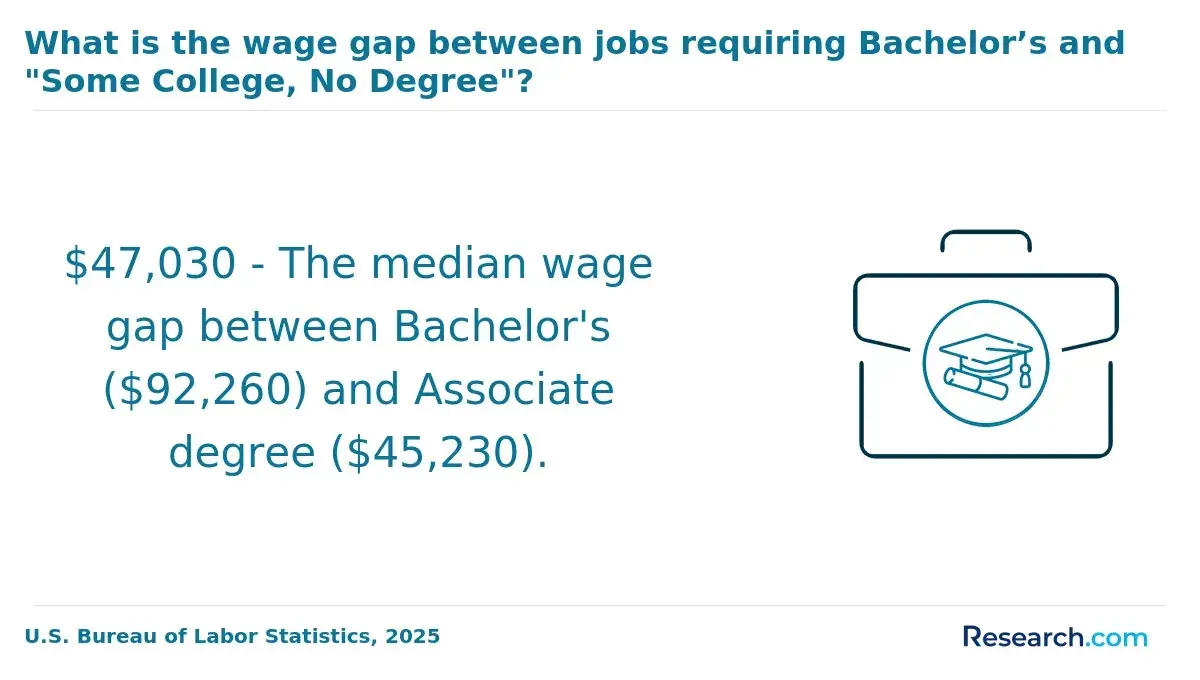
Some of the highest-paying careers available to marriage and family therapy graduates can be accessed without pursuing graduate school, especially in roles where employers prioritize bachelor's-level education and strong leadership or organizational skills. For example, social and community service management roles report median annual wages around $69,600, reflecting substantial earning potential at this education level. These positions often combine therapy knowledge with business, administrative, or community-focused expertise.
Below are several well-compensated career options for graduates without graduate degrees:
- Social And Community Service Manager: These professionals lead programs addressing family and social challenges. Their salaries benefit from responsibilities such as staff supervision, budgeting, and community engagement, which require strong interpersonal and organizational skills commonly developed in marriage and family therapy studies.
- Human Resources Specialist: With a solid grasp of interpersonal relations and conflict resolution, graduates fit well in HR roles that focus on recruitment and employee development. Companies value these abilities, often offering competitive pay without mandating advanced degrees.
- Health Educator Or Community Outreach Coordinator: These roles emphasize mental health education and public wellness initiatives. The combination of therapeutic insight and communication proficiency enhances their impact and earning potential in public health settings.
- Case Manager: Case managers oversee client services and advocate for access to resources. The complexity and responsibility of managing cases translate into higher salaries, making this role attractive for those with a marriage and family therapy background.
What Skills Do You Gain from a Marriage and Family Therapy Degree That Employers Value?
A marriage and family therapy degree imparts a versatile set of skills that employers highly regard, particularly for roles not necessitating graduate education. Research shows that 85% of employers emphasize transferable abilities like communication and problem-solving when hiring, signaling the critical role these skills play in career readiness.
These programs cultivate practical competencies useful across many job settings, such as:
- Clear Communication: Students are trained to express complex social and emotional ideas with clarity and sensitivity, a skill that benefits teamwork and customer service in various industries.
- Empathetic Listening: Developing an ability to genuinely understand and respond to others' perspectives prepares graduates to effectively handle conflict and support roles.
- Analytical Problem-Solving: The curriculum fosters critical thinking by teaching how to assess interpersonal situations and formulate actionable solutions, which employers value for efficient decision-making.
- Ethics and Responsibility: Emphasis on professional ethics builds trustworthiness and accountability, traits essential in any workplace environment.
A marriage and family therapy degree graduate shared that early in their career, the ability to listen empathetically made a notable difference in managing challenging interactions. They noted, "Applying my active listening skills helped me navigate tense conversations more effectively than I initially expected, turning potential conflicts into constructive dialogues." This experience highlighted how the degree's focus on interpersonal skills translates directly into workplace success.
What Entry-Level Jobs Can Marriage and Family Therapy Graduates Get with No Experience?
About 65% of recent marriage and family therapy graduates secure entry-level positions shortly after completing their degrees, even without previous professional experience. Employers frequently create roles specifically designed to help those with a bachelor's degree enter the workforce, making it possible to start a career without graduate school or prior job history. This trend reflects a growing demand for support roles that build foundational skills.
Several accessible positions allow graduates to gain practical experience while contributing to therapeutic settings. Typical entry-level jobs include:
- Case Management: These roles enable graduates to assist licensed therapists by coordinating client care and managing logistics. The structured nature of case management makes it ideal for new professionals seeking hands-on exposure without prior experience.
- Behavioral Health Technician: Often requiring only a bachelor's degree, these positions involve helping clients with daily therapeutic activities and provide a direct way for recent graduates to enter mental health environments.
- Rehabilitation Specialist: Specialists support clients in adapting to life changes through therapeutic programs. Employers hire bachelor's degree holders to fulfill demand for compassionate, entry-level support staff.
- Intake Coordinator: These roles focus on managing initial client interactions and paperwork. The emphasis on organizational and interpersonal skills makes this position accessible to graduates without advanced credentials.
Graduates seeking entry-level marriage and family therapy jobs without graduate degrees can also explore MHA online programs as a pathway to advance later in their careers.
What Certifications and Short Courses Can Boost Marriage and Family Therapy Careers Without Graduate School?
Certifications and short courses provide marriage and family therapy graduates with practical skills that improve employability and open new career opportunities without the need for graduate school. These credentials focus on specialized, job-relevant training that strengthens readiness and supports professional growth. According to a 2023 survey by the National Association of Workforce Development Professionals, nearly 65% of employers in human services favor candidates with relevant certifications or short-term training.
Several certifications and courses stand out for enhancing career prospects in marriage and family therapy-related fields, including the following:
- Certified Family Life Educator: This widely respected credential centers on family dynamics, parenting, and relationship education. It equips professionals to work effectively in community programs and nonprofit agencies, increasing their marketability.
- Mental Health First Aid: Offering essential skills to identify and respond to mental health crises, this short course enhances practical abilities useful in support roles and promotes preparedness in counseling environments.
- Certified Peer Specialist: Leveraging personal experience in recovery, this certification enables professionals to support others facing mental health and family challenges, broadening advocacy and peer support opportunities.
- Trauma-Informed Care Training: Focused on delivering sensitive assistance to trauma-affected individuals, this training benefits those working in social service or educational settings focused on family wellbeing.
- Communication and Conflict Resolution Courses: These short courses develop interpersonal and mediation skills vital for client interaction and career advancement in marriage and family therapy roles.
A professional with a marriage and family therapy degree shared how pursuing a certification in Trauma-Informed Care significantly impacted their outlook and career path. They described the challenge of balancing coursework with a full-time job but emphasized the valuable insights gained into trauma-sensitive practices. "Completing this training gave me confidence to engage more empathetically with clients and opened doors to new roles," they reflected. The focused curriculum and practical approach allowed them to immediately apply what they learned, enhancing both their skills and job prospects without attending graduate school.
Which Industries Hire Marriage and Family Therapy Graduates Without Graduate Degrees?
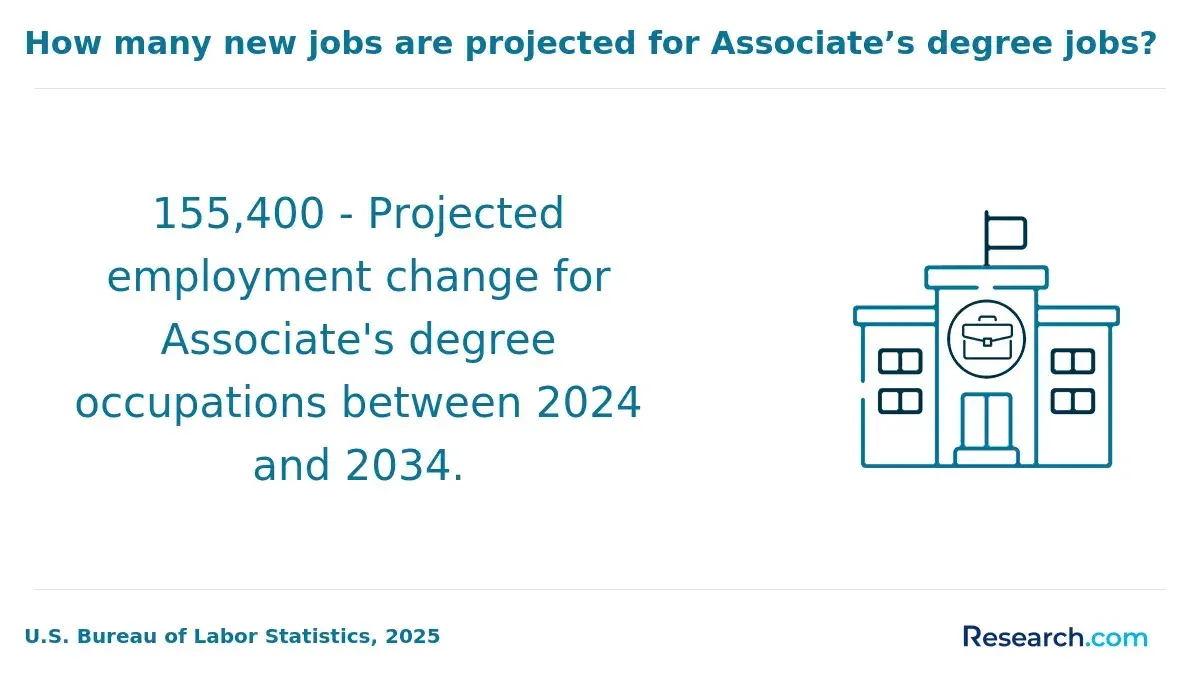
Opportunities for marriage and family therapy graduates without graduate degrees differ widely across industries. Certain sectors stand out for their substantial hiring of bachelor's degree holders due to broad workforce demands and roles that do not require specialized clinical credentials. Data from the U.S. Bureau of Labor Statistics indicates that approximately 30% of mental health and social service positions are filled by individuals with a bachelor's degree as their highest qualification.
The following industries typically present more accessible entry points for marriage and family therapy graduates who have not completed graduate school:
- Social Services Agencies: These organizations often hire bachelor's-level professionals for case management and community outreach roles, leveraging their foundational knowledge to support various family assistance programs amidst consistent staffing needs.
- Educational Support Services: Schools and educational nonprofits recruit bachelor's holders for positions like family liaison and student support, focusing on fostering family involvement and well-being without requiring advanced therapy credentials.
- Healthcare Administration: Healthcare settings employ graduates in patient advocacy and coordination roles that facilitate mental health initiatives, relying on bachelor's-level staff to connect families with necessary services without direct clinical intervention.
- Community Organizations: Faith-based and community groups provide supportive services through counseling referrals and resource coordination, often engaging bachelor's degree holders to manage and operate family-oriented programs.
- Workforce Development: Agencies focusing on employment and crisis intervention use bachelor's-educated staff to deliver outreach and family services, offering diverse roles that do not depend on therapeutic certification.
What Freelance, Remote, and Non-Traditional Careers Are Available for Marriage and Family Therapy Graduates?
Non-traditional career structures expand access for marriage and family therapy graduates by reducing dependence on formal licensure and traditional workplace pathways. Digital and independent work models increasingly influence how these graduates enter the workforce, offering flexible routes that bypass the need for graduate school credentials. Approximately 36% of workers with bachelor's degrees now engage in some form of remote or freelance work, underscoring this shift toward flexible professional models.
The following outlines several freelance, remote, or non-traditional career options that allow marriage and family therapy graduates to apply their expertise in flexible, location-independent roles:
- Digital-First Support Roles: These jobs include online mental health coaching, peer support moderation, and wellness content creation, leveraging asynchronous communication and broad geographic reach without requiring clinical licensure.
- Project-Based Independent Consulting: Graduates may contract with organizations or educational institutions to advise on family dynamics, program development, or community engagement, offering flexible schedules and remote collaboration.
- Distributed Collaborative Teams: Working on virtual teams for mental health technology platforms or educational content allows graduates to contribute expertise from any location within structured, digital work environments.
- Content Creation and Curriculum Development: Freelance writing, training, and curriculum design on family therapy topics empower graduates to influence learning and development remotely, engaging diverse clients worldwide.
- Virtual Facilitation and Workshop Delivery: Leading online workshops or support groups on relational themes enables flexible hours and broad participation, well-suited to remote facilitation.
How Can You Build a Career Without Graduate School Using a Marriage and Family Therapy Degree?
Graduates holding a marriage and family therapy degree can start building careers directly after completing their bachelor's degree by accessing entry-level roles in social services, community outreach, and mental health agencies. These positions often do not require graduate school or licensure and provide crucial early exposure to workplace environments and professional settings. Approximately 40% of marriage and family therapy bachelor's graduates enter the workforce without pursuing advanced degrees, gaining momentum through practical experience and developing foundational skills on the job. This approach aligns with the availability of roles where understanding family dynamics is valued without immediate graduate-level training, offering sustainable entry points into the field.
Long-term career development for marriage and family therapy graduates who bypass graduate school typically happens through growth within organizations, expanding responsibilities, and evolving professional roles over time. Many move laterally or upward by taking on supervisory, administrative, or program development tasks, leveraging their experience instead of additional academic qualifications. This flexible career progression varies widely depending on the work setting but is supported by ongoing engagement in roles related to behavioral support and human services. Graduates also demonstrate adaptability by transitioning to allied fields, sometimes pursuing fasttrack medical opportunities that complement their background in marriage and family therapy degree careers without graduate school.
What Are the Pros and Cons of Skipping Graduate School for Marriage and Family Therapy Careers?
Skipping graduate school is a common pathway for those pursuing marriage and family therapy careers without graduate school, allowing earlier entry into the workforce. However, this choice can influence long-term professional options depending on the career direction, as advanced degrees often open doors to clinical licensure and specialized roles. Recent studies show that graduates with master's degrees in related fields earn approximately 20% more on average than those with only bachelor's degrees, reflecting significant long-term earning potential.
Consider these main advantages and disadvantages of bypassing graduate education:
- Early Workforce Entry: Without the time and financial investment required for a master's degree, individuals can begin working sooner in community-based or support roles, gaining valuable experience early in their careers.
- Lower Opportunity Costs: Avoiding graduate school reduces student debt and allows income generation sooner, which can be critical for those balancing financial obligations.
- Limited Clinical Advancement: Most licensed marriage and family therapist (LMFT) positions require graduate degrees, so skipping graduate school restricts access to higher-tier clinical and supervisory roles.
- Career Flexibility: Entering the field with a bachelor's degree may allow exploration of nonclinical roles such as administrative or program support positions, which can be fulfilling and offer a foothold in the industry.
For those considering educational pathways, exploring related fields like dietetics can also offer fulfilling career options, as detailed in dietitian graduate programs.
What Are the Real-World Career Outcomes and Job Market Trends for Marriage and Family Therapy Graduates?
Graduates holding a bachelor's degree in marriage and family therapy face diverse job placement patterns and workforce participation trends. Employment opportunities without graduate school can vary widely, with many positions reflecting entry-level demands and corresponding salary ranges. Labor market data show that bachelor's-level graduates tend to experience broader wage distributions and varied placement rates, influenced by sector needs and local demand. Understanding these nuances is critical for those evaluating career paths in this field.
Outcomes for marriage and family therapy degree holders differ depending on the chosen career path, as labor market forces impact accessibility and compensation rates. Opportunities span healthcare, social services, education, and nonprofit sectors, each offering distinct roles and pay scales. These variations highlight that no single trajectory defines success, as market conditions and role requirements play significant roles. For those exploring options, resources such as accelerated nursing programs may also provide alternative pathways in related fields.
What Graduates Say About Marriage and Family Therapy Careers Even Without Pursuing Graduate School
- Leonard: "Graduating with a marriage and family therapy degree gave me a unique perspective that employers really valued. I found that my understanding of interpersonal dynamics translated well into human resources roles, helping me navigate conflict resolution effectively. Looking back, I'm grateful that the skills I gained opened doors immediately without the need for further schooling."
- Jairo: "When I entered the workforce after earning my degree in marriage and family therapy, I wasn't sure what to expect without pursuing graduate studies. However, I quickly realized the degree's emphasis on communication and empathy allowed me to excel in social services and community outreach positions. It was rewarding to apply what I learned in practical ways that positively impacted clients' lives early in my career."
- Charles: "My marriage and family therapy degree equipped me with strong analytical and interpersonal skills that proved invaluable in various early career opportunities. By focusing on real-world application rather than further academic credentials, I was able to secure a role in nonprofit program management where these skills are essential. Reflecting on this path, it's clear that the degree's foundation helped me adapt and succeed professionally."
Other Things You Should Know About Marriage and Family Therapy Degrees
Yes, there are several support roles in counseling and social services that do not require a graduate degree in marriage and family therapy. Positions such as case managers, peer support specialists, and behavioral health technicians allow you to work closely with clients and support licensed therapists. These roles often involve assisting with client coordination, monitoring progress, and providing emotional support.
Volunteer and internship opportunities can provide valuable experience in the field without requiring graduate education. Many community organizations and non-profits offer roles in family support services, crisis counseling, and advocacy that allow you to develop practical skills. These experiences can strengthen your resume and may lead to paid positions in related fields.
Entry-level positions include roles like case manager, family support worker, or mental health technician. These positions often require a bachelor's degree in a related field and provide opportunities to gain practical experience without needing a graduate degree, as of 2027.
References
- How to Pursue a Career as a Marriage and Family Therapist https://gsep.pepperdine.edu/blog/posts/how-to-pursue-a-career-as-a-marriage-and-family-therapist.htm
- Marriage & Family Therapist Career Profile: Required Skills, Training, and Guides | https://www.qwyse.com/hub/careerpath/marriage-family-therapists/
- Remote & Hybrid Family Therapist Jobs | iHireSocialServices https://www.ihiresocialservices.com/t-family-therapist-remote-jobs.html
- Best Online Marriage and Family Therapy Master’s Programs for 2025 https://www.onlinemastersdegrees.org/best-programs/counseling/marriage-and-family-therapy-mft/
- Is an MFT Degree Worth It? https://onlinecounselingprograms.com/online-counseling-degrees/online-mft-masters-programs/mft-degree-worth-it/
- What You Can Do with an MFT Degree | Study Online at TUW https://www.tuw.edu/psychology/mft-degree-career-options/
- How to Become a Marriage and Family Therapist in 2023 https://mastersinsocialworkonline.org/careers/marriage-and-family-therapist/
- Workforce Study https://www.aamft.org/AAMFT/Workforce_Study/Home.aspx
- 50+ Career Alternatives to Being a Therapist If You Enjoy Psychology But Dread Burnout https://valnelson.com/career-transitions/career-alternatives-to-therapist/
- Licensed Marriage and Family Therapist - Remote at [Hidden Company] https://dailyremote.com/remote-job/licensed-marriage-and-family-therapist-remote-4899686


