
2027 Which Employers Hire Marriage and Family Therapy Degree Graduates? Industries, Roles, and Hiring Patterns

Co-Founder and Chief Data Scientist
Graduates with a marriage and family therapy degree often face uncertainty about which employers value their specialized skills-especially as hiring trends shift across industries and regions. One common challenge is identifying whether opportunities lie primarily in mental health clinics, educational institutions, or private practice settings. Data from the U. S. Bureau of Labor Statistics indicates that around 45% of marriage and family therapy professionals are employed by outpatient mental health centers, highlighting a dominant industry presence.
This article examines the industries, roles, and hiring patterns shaping employment for marriage and family therapy graduates-equipping readers with insights to strategically navigate their career paths.
Key Things to Know About the Employers That Hire Marriage and Family Therapy Degree Graduates
- Marriage and family therapy graduates commonly find employment in mental health clinics, social service agencies, and private practices-sectors collectively accounting for over 60% of hiring.
- Entry-level roles often focus on clinical support and case management, while mid-career professionals transition into supervisory and specialized therapeutic positions.
- Hiring patterns reveal geographic concentration in urban centers with expanded healthcare infrastructure-highlighting the importance of location in job availability and salary variation.
Which Industries Hire the Most Marriage and Family Therapy Degree Graduates?
Identifying the industries that hire the most marriage and family therapy degree graduates in the United States is key to aligning academic preparation with career opportunities. Data from the Bureau of Labor Statistics (BLS) Occupational Employment and Wage Statistics, National Center for Education Statistics (NCES) graduate outcomes, and LinkedIn Workforce Insights reveal several dominant sectors where these graduates find employment.
- Healthcare Services: Leading by employment volume, this sector includes hospitals, outpatient centers, and mental health clinics that rely on graduates for family counseling, clinical services, and integrated behavioral health programs. Marriage and family therapy here serves as a core operational function focused on individual and family treatment.
- Social Assistance: Agencies in child welfare, family support, and community outreach employ many graduates. These roles emphasize intervention within social services, addressing systemic family challenges and acting as key support within social work teams.
- Educational Services: Schools and universities hire primarily for counseling and student support roles. While marriage and family therapy is complementary rather than central, its application in adolescent and family engagement makes it a valuable skill set.
- Residential Care Facilities: Specialized mental health and substance abuse treatment centers depend on graduates for therapeutic programming closely integrated into care plans-marking a core operational role.
- Government and Public Administration: Departments focusing on health, family services, and veterans affairs employ graduates in policy implementation and direct service, blending core and supportive functions depending on agency focus.
- Private Practice and Counseling Services: Private mental health clinics and group practices offer strong opportunities-especially for those with graduate-level qualifications-where therapeutic roles are central to business operations.
- Nonprofit Organizations: Nonprofits working in housing, crisis intervention, and family advocacy incorporate these therapists mainly as support staff to enhance program effectiveness.
The concentration of employment within these sectors varies by degree level and specialization. Associate-level graduates often enter social assistance and educational roles, while master's and doctoral degree holders secure core clinical positions in healthcare and private practice. This overview helps map the employer ecosystem for marriage and family therapy degree graduates nationwide, connecting employment prospects to academic and career planning.
For those also evaluating the financial investment involved in advanced education or certification pathways, resources detailing medical billing certification cost can inform decisions related to career support services and administrative roles in the field.
What Entry-Level Roles Do Marriage and Family Therapy Degree Graduates Typically Fill?
Graduates with a marriage and family therapy degree commonly begin their careers in roles that leverage their expertise in human behavior, systemic thinking, and therapeutic methods. Entry-level job titles span several core categories-each shaped by industry sector and organizational structure, influencing responsibilities and advancement pathways.
- Clinical Therapist or Counselor:
- Deliver direct therapeutic services to individuals, couples, and families in outpatient clinics, mental health centers, or private practices, meeting the growing demand in healthcare settings.
- Report to licensed supervisors or clinical coordinators who oversee treatment quality and progress.
- Competencies in assessment, evidence-based interventions like cognitive-behavioral therapy, and treatment planning position graduates well for these roles.
- Case Manager or Care Coordinator:
- Act as liaisons connecting clients to community resources, managing care plans, and tracking outcomes-roles frequently found in social service agencies and nonprofits.
- Typically answer to program managers or directors responsible for service compliance.
- Strong communication, crisis intervention, and cultural competence gained through marriage and family therapy education support success here, particularly in common entry roles for marriage and family therapy graduates in social services.
- Behavioral Health Technician or Associate:
- Assist licensed clinicians by carrying out therapeutic activities, documenting client interactions, and monitoring behavior in inpatient or residential settings.
- Report to supervising therapists or clinical leaders.
- Developing client rapport, ethical practices, and modality knowledge typically underpins growth in this supportive role.
- Program Analyst or Research Assistant:
- Work in nonprofit management or public health sectors conducting program evaluation, data collection, and outcome analysis.
- Report to program directors or research managers within interdisciplinary teams.
- Graduates use critical thinking, qualitative and quantitative methods, and systemic perspectives derived from their degree to inform evidence-based initiatives.
- Associate Consultant or Wellness Coordinator:
- In corporate wellness, HR, or consulting, graduates design employee assistance programs, deliver training, and support organizational health efforts.
- Report to senior consultants, wellness directors, or HR managers and adapt clinical skills to business contexts.
- Communication, conflict resolution, and systemic evaluation skills translate effectively across these diverse roles.
Graduates should strategically map their internship experience, degree focus, and portfolio-especially clinical hours and applied projects-to align with the role categories above. Industry context, whether healthcare, nonprofit, or corporate, significantly shapes title conventions and role expectations. This informed alignment helps optimize job placement and long-term career trajectories within the marriage and family therapy field.
For individuals exploring related fields, pursuing an online healthcare administration degree can complement clinical expertise and broaden employment opportunities in healthcare settings.
What Are the Highest-Paying Employer Types for Marriage and Family Therapy Degree Graduates?
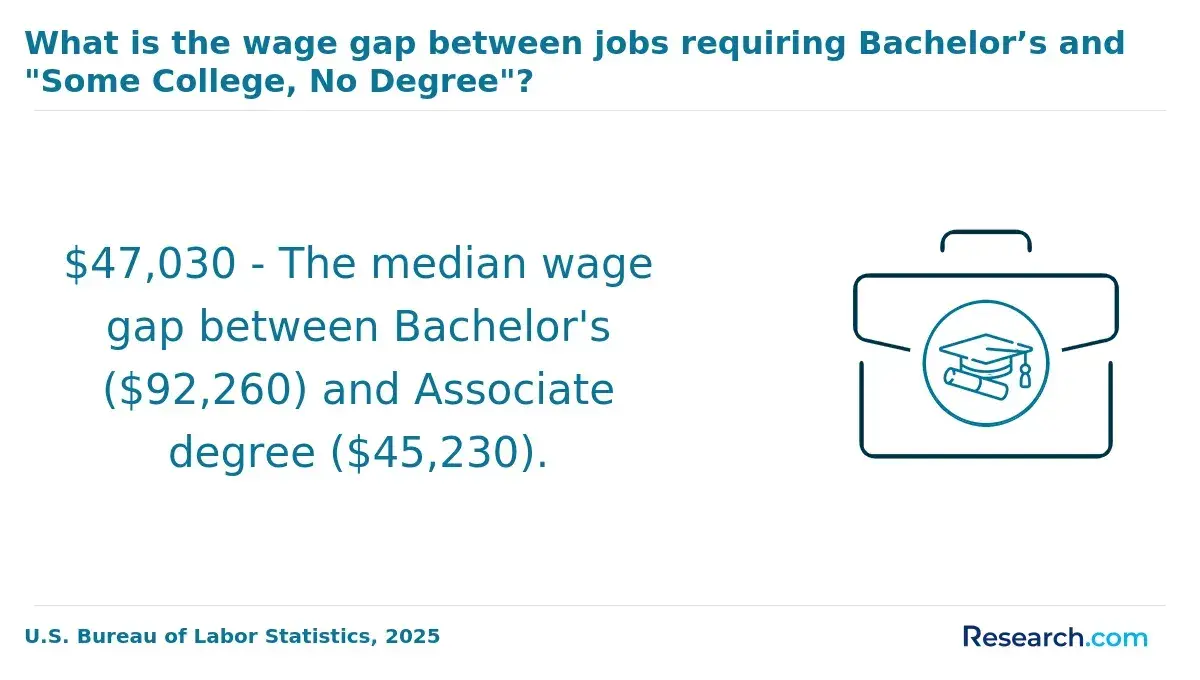
Compensation for marriage and family therapy degree graduates varies widely by employer type, reflecting the underlying business models and revenue streams driving pay scales. Private healthcare organizations-including major hospital systems and specialized mental health practices-generally top the list with the highest base salaries. Their stronger reimbursement rates and patient volumes support competitive wages, often coupled with bonuses and professional development benefits.
- Investment-Backed Technology Firms: Though a less traditional employer for this field, tech companies focusing on mental health platforms or employee wellness programs offer attractive salaries, frequently augmented by equity or profit-sharing arrangements.
- Financial Services Corporations: These tend to pay above average, employing therapists within employee assistance programs and providing extras like retirement contributions and bonuses aligned with high industry wage standards.
- Professional Services Consultancies: Consulting firms with psychological or wellness divisions reward expertise with strong base pay and performance incentives, leveraging higher billing rates and specialized services to justify compensation.
- Government Agencies: These public-sector employers usually offer lower starting pay due to budget limits but offset this with job security, pensions, and health benefits.
- Nonprofit Organizations: Nonprofits often pay beneath median wages but may compensate through flexible schedules and mission-driven work, with funding often supplemented by grants or donor funds.
Total compensation goes beyond base salary-bonuses, equity, retirement benefits, and professional support must be factored in. A high base salary with limited growth or poor workplace culture may underperform compared to a moderate base with strong advancement potential and richer benefit programs. Evaluating salary alongside career trajectory and benefits helps identify superior long-term opportunities.
A professional who successfully graduated with a marriage and family therapy degree shared how navigating this landscape was both challenging and eye-opening. He recalled hesitating at first, uncertain if higher-paying private sector roles matched his values, but found that large healthcare organizations offered financial stability early in his career. "The interview process was intense-many required understanding both clinical and business aspects," he said, emphasizing that gaining insight into total compensation helped him avoid traps of chasing salary alone. He noted that internships aligned with target employers gave him an edge, ultimately shaping a clearer career path beyond initial salary figures."
Do Large Corporations or Small Businesses Hire More Marriage and Family Therapy Degree Graduates?
Data from sources such as the U.S. Census Bureau and Bureau of Labor Statistics reveal that small to mid-sized organizations-including community clinics, nonprofits, and boutique counseling centers-are the primary employers of entry-level and mid-career marriage and family therapy degree graduates. These employers tend to have more frequent hiring cycles than large healthcare systems or Fortune 500 companies, making them accessible for early-career professionals.
- Large Employers: Major hospitals, integrated health networks, and government bodies often recruit fewer new graduates directly, preferring candidates with advanced certifications or experience. They offer advantages like structured onboarding, formal training programs, distinct promotion pathways, and recognizable brand equity, which can enhance long-term career prospects.
- Small Businesses and Nonprofits: Smaller counseling practices and nonprofit agencies typically hire more regularly, providing graduates with wider responsibilities and closer client engagement. This setting fosters rapid skill acquisition and exposure to varied tasks, which benefit those desiring accelerated professional growth.
- Employer Specialization and Size Fit: Subfields such as organizational consultation or corporate wellness often align with the complex environments of large institutions, while family counseling, trauma recovery, or teletherapy commonly thrive in nimble, smaller organizations. Aligning employer scale with personal learning styles and career goals is crucial.
Graduates should consider employer size as part of a comprehensive evaluation-including sector, mission, location, and growth potential-rather than in isolation. For deeper insight into degree options and career pathways, exploring the anchors part-time Ph.D. in economics can offer relevant guidance.
How Do Government and Public Sector Agencies Hire Marriage and Family Therapy Degree Graduates?
Federal, state, and local government agencies form a significant employment sector for marriage and family therapy degree holders-driven by formalized hiring systems like the General Schedule (GS) classification. This pay scale links salary bands directly to education, experience, and job complexity, making advanced degrees especially valuable for entry and mid-level roles. The GS framework distinguishes government hiring from private sector recruitment, emphasizing structured promotion ladders and a focus on merit-based advancement.
- Agency Employers: Key federal departments-such as Health and Human Services, Veterans Affairs, and the Department of Justice-frequently employ marriage and family therapy practitioners. State-level health agencies, social services, and correctional facilities likewise offer clinical, counseling, and administrative roles.
- Credential Requirements: Clinical licensure as a marriage and family therapist is generally mandatory, often supplemented by state-specific certifications. Additional licenses, such as those for Clinical Social Workers or Licensed Professional Counselors, may broaden eligibility for various positions.
- Hiring Structures: Competitive service hiring dominates-utilizing exams and ranking lists-while excepted service pathways exist for specialized roles. Certain jobs require security clearances, particularly within justice or defense programs.
- Compensation and Benefits: Public sector jobs provide defined-benefit pensions, robust health insurance, and enhanced job security. However, salary increments are often slower than in private practice, with promotions tied closely to standardized performance reviews and tenure.
- Career Pipelines: Programs like SAMHSA fellowships and VA internships create entry points for early-career graduates, offering structured mentoring and practical experience within government mental health services.
A professional who started her career after earning a marriage and family therapy degree shared that navigating the government hiring process required patience and persistence. "The paper application and online testing felt intimidating at first," she recalled, "but understanding how GS levels correspond to education helped me tailor my resume clearly." She emphasized that waiting for security clearance and adapting to the formal hiring timelines took longer than expected but ultimately provided a stable foundation for her career. "The ongoing mentorship through VA internships was invaluable-it eased my transition into the public sector and opened doors I hadn't known existed," she reflected. This experience illustrates how government hiring, while complex, offers meaningful opportunities for marriage and family therapy professionals committed to public service.
What Roles Do Marriage and Family Therapy Graduates Fill in Nonprofit and Mission-Driven Organizations?
Many graduates with a marriage and family therapy degree find meaningful employment within nonprofits and mission-driven organizations-settings that capitalize on their clinical skills and relational expertise to address community challenges beyond traditional therapy.
- Program Areas: Nonprofits commonly engage these graduates in mental health treatment, family assistance programs, substance abuse counseling, and crisis response. Typical employers include community health centers, shelters for domestic violence survivors, youth-focused organizations, and veteran support groups.
- Organizational Types: Employment opportunities range from grassroots nonprofits to large umbrella entities-each with distinct missions emphasizing social justice, public health, or child welfare. Faith-based organizations and advocacy groups also employ marriage and family therapy professionals, integrating systemic therapeutic approaches aligned with their goals.
- Functional Roles: Job titles often include counselor, clinical coordinator, program manager, or case manager-positions that combine direct client services with program administration and outreach. Compared to private practice, nonprofit roles demand adaptability, often requiring skills in grant writing, data tracking, and community collaboration alongside therapy delivery.
- Scope and Culture Differences: Nonprofit positions typically entail broader responsibilities versus similar private sector roles, offering accelerated skill development in program management and cross-sector teamwork. However, salaries tend to be lower than private sector counterparts due to funding limitations.
- Mission-Driven For-Profit Organizations: An expanding segment of benefit corporations, social enterprises, certified B Corporations, and impact startups provide alternatives-offering marriage and family therapy graduates opportunities to work with purpose-driven missions while accessing more competitive compensation than traditional nonprofits.
- Practical Trade-Offs for Job Seekers: Those pursuing nonprofit careers should weigh lower initial pay and slower wage growth against non-financial advantages such as meaningful mission alignment and eligibility for Public Service Loan Forgiveness programs. This balance can yield deep professional satisfaction despite fewer financial incentives.
How Does the Healthcare Sector Employ Marriage and Family Therapy Degree Graduates?
The healthcare sector offers diverse employment opportunities for marriage and family therapy degree graduates across multiple organizational types. Hospital systems integrate behavioral health services where graduates contribute as care navigators and behavioral health coordinators. Insurance carriers design mental health programs and hire graduates for policy analysis and patient engagement roles. Pharmaceutical companies benefit from their expertise in patient support and adherence interventions, while public health agencies focus on community wellness initiatives. Health tech startups innovate digital mental health tools, increasingly seeking graduates with systems thinking and communication skills.
- Organizational Types: Positions span hospital systems, insurance firms, pharmaceutical companies, public health bodies, and digital health startups.
- Functional Roles: Common jobs include behavioral health coordinators, patient engagement specialists, policy analysts, care navigators, and data analysts, leveraging key therapy competencies like client-centered communication and complex system assessment.
- Competency Intersections: Demand is driven by strengths in behavioral science application, operations management, policy research, and data analysis-graduates' talents in interpreting psychosocial data and managing patient-centered programs underpin their value in healthcare.
- Regulatory Considerations: Many roles require licensure such as Licensed Marriage and Family Therapist (LMFT), alongside knowledge of healthcare regulations like HIPAA; graduates must evaluate credential and compliance requirements specific to their desired positions.
- Employment Growth and Stability: The healthcare sector remains recession-resilient with significant expansion in behavioral health services, telehealth, and integrated care, especially within public health and health technology subsectors, representing promising career pathways.
Which Technology Companies and Sectors Hire Marriage and Family Therapy Degree Graduates?
Technology companies hiring marriage and family therapy graduates reflect an evolving employment landscape where therapy competencies meet tech-driven business needs. Data from LinkedIn Talent Insights, BLS technology sector statistics, and Burning Glass labor market analytics reveal two key pathways. One involves roles within tech-core firms-such as software development, health tech, fintech, edtech, climate tech, and AI-adjacent startups-where therapy skills enhance product innovation, user experience, behavioral research, and mental health applications. The other pathway lies within technology functions of non-tech companies, where therapy graduates support digital transformation, IT governance, and employee well-being as organizations navigate remote and hybrid work models.
Skills-Based Hiring and Remote Work: As the tech sector embraces skills and cross-disciplinary collaboration over formal technical degrees, marriage and family therapy graduates increasingly enter operations, policy analysis, user research, and digital health coordination roles. Building portfolios emphasizing technology fluency, data literacy, and communication remains crucial for success.
High-Demand Sub-Sectors:
- Health Tech: Platforms focusing on mental health apps and teletherapy rely on therapy expertise for clinical content and user engagement.
- Fintech: Financial wellness services integrate relationship dynamics, offering opportunities for therapy professionals to influence product design and policy.
- EdTech: Therapy expertise supports social-emotional learning tools and student mental health initiatives.
- Climate Tech and AI-Adjacency: Behavioral science informs adaptation and ethics in these emerging fields, creating niche roles aligned with therapy knowledge.
Technology sectors employing marriage and family therapy professionals offer graduates strategic advantages by leveraging their understanding of interpersonal dynamics, systemic thinking, and emotional resilience. Those exploring graduate programs should consider options like an online masters in nutrition and dietetics to complement therapy training for broader tech-adjacent health roles.
What Mid-Career Roles Do Marriage and Family Therapy Graduates Commonly Advance Into?
Mid-career roles for marriage and family therapy graduates-typically reached five to ten years into their careers-reflect significant broadening in responsibilities and specialization. Data from the Bureau of Labor Statistics, LinkedIn career progression analytics, and NACE alumni outcomes show advancement into leadership and niche clinical positions that build on foundational counseling skills. These mid-career roles often require enhanced credentials and skill sets to support functional leadership and specialized practice.
- Clinical Supervisor: Many therapists ascend to supervisory roles overseeing junior clinicians, managing caseloads, and ensuring compliance with therapeutic standards. These roles commonly require advanced certifications in clinical supervision and regular professional development.
- Program Director: Graduates working within healthcare or community organizations tend to advance into directing therapy or wellness programs, involving budgeting, staff training, and strategic planning. Often, a master's or doctoral degree complements these administrative duties.
- Specialist Therapist: A subset of mid-career professionals deepen expertise in niches such as trauma, adolescent family therapy, or substance abuse, acquiring targeted certifications and postgraduate training to demonstrate their specialization.
- Private Practice Owner: Some therapists pursue entrepreneurship by establishing private practices-an avenue that demands strong business management skills alongside clinical expertise.
- Corporate Wellness Consultant: Graduates in larger corporate wellness settings often transition to advising on mental health programs and employee assistance initiatives, requiring knowledge of workplace dynamics and policy formation.
Advancement trajectories vary by initial employer type-graduates in large organizations generally follow structured promotion ladders culminating in management, while those in startups or smaller agencies experience more lateral, self-directed growth paths that require deliberate career planning and skill development. Early career investment in licensure, counseling skills, and complementary certifications is crucial to building the career capital needed for these mid-career roles, positioning graduates for advanced career opportunities in marriage and family therapy fields.
For professionals considering further education to boost their advancement prospects, options like the easiest RN to BSN online programs illustrate how accessible degree pathways can enhance career capital in related health and therapy fields.
How Do Hiring Patterns for Marriage and Family Therapy Graduates Differ by Geographic Region?
Major metropolitan centers such as New York City, Los Angeles, and Chicago dominate employment for Marriage and Family Therapy graduates by offering the highest volumes of job openings coupled with attractive entry-level salaries. These urban hubs benefit from extensive healthcare networks, research institutions, and diverse populations that sustain demand for mental health professionals. Meanwhile, mid-sized regional cities like Raleigh, NC, and Denver, CO provide a compelling balance of competitive wages relative to living costs and solid growth potential thanks to expanding healthcare infrastructure and academic research clusters.
In contrast, rural and less populated areas tend to have fewer job opportunities but also face less competition, creating openings accessible to those obtaining certificates or completing bootcamp programs. Regional economic ecosystems-including hospitals, community health centers, nonprofits, and government agencies-largely dictate these geographic hiring trends.
The rise of remote and hybrid roles since 2020 has significantly shifted this landscape by broadening access to well-paying positions nationwide. Candidates in lower-cost or rural markets can now vie for jobs once tied to urban centers, though this has also intensified competition. Graduates with geographic flexibility can enhance placement speed and earning potential by targeting markets with dense employment activity, whereas those limited to their locale should focus on employers with consistent hiring patterns, such as regional healthcare systems and government-funded services.
- Metropolitan Dominance: Largest hubs lead in volume and salaries due to strong healthcare and research sectors.
- Regional Viability: Mid-sized cities strike a balance between cost and compensation amid growing healthcare presence.
- Rural Access: Fewer openings but lower competition allow alternative credential holders opportunities.
- Remote Work Effects: Expands reach to high-paying roles nationwide while driving nationwide applicant competition.
- Geographic Flexibility: Relocation or remote work readiness improves speed of placement and salary growth.
LinkedIn reports a 15% annual increase in remote hiring for Marriage and Family Therapy positions, underlining the growing importance of virtual and cross-regional employment models in this field.
What Role Does Internship Experience Play in How Employers Hire Marriage and Family Therapy Graduates?
Completing internships significantly influences how quickly marriage and family therapy graduates secure jobs and their starting salaries, according to data from the National Association of Colleges and Employers (NACE). Graduates with internship experience typically obtain employment over 20% faster than those without it, reflecting the importance of practical experience in developing clinical skills and professional readiness.
Internships with reputable organizations-such as counseling centers, hospitals, or community agencies-enhance early career outcomes by serving as powerful signals of a candidate's fit and dedication. This credential amplification effect extends beyond initial hiring, improving prospects for competitive mid-career roles and leadership positions within the field.
However, access to quality internships varies widely. Students from economically disadvantaged backgrounds often face challenges with unpaid internship models, while those attending smaller or less connected institutions struggle to find meaningful placements. Geographic limitations, particularly in underserved areas with fewer mental health resources, further restrict opportunities. To counter these inequities, programs have expanded virtual internships, cooperative education models, and diversity-focused recruitment initiatives.
Current students should prioritize securing internships well in advance-typically six to twelve months before graduation. Strategic steps include targeting organizations aligned with career goals, leveraging university career services, tapping into alumni networks, and utilizing faculty referrals to improve placement chances.
- Impact: Internship experience correlates with over 20% faster employment outcomes in marriage and family therapy roles.
- Quality: Prestigious internships multiply hiring advantages and signal long-term professional value.
- Equity: Structural barriers exist but are mitigated through virtual programs and diversity recruitment.
- Strategy: Early application and targeted outreach maximize internship placement success.
What Graduates Say About the Employers That Hire Marriage and Family Therapy Degree Graduates
- Eloise: "Graduating with a marriage and family therapy degree opened my eyes to the variety of industries actively seeking these professionals-ranging from healthcare facilities to nonprofit organizations. What surprised me most were the diverse organizational types, from small community clinics to large hospital systems, each with unique roles tailored for therapists. I've noticed a growing hiring trend in urban markets, especially on the West Coast, where interdisciplinary collaboration is emphasized."
- Susanna: "Reflecting on my career after earning a marriage and family therapy degree, I've realized employers often prioritize candidates who demonstrate flexibility across settings-schools, correctional facilities, and private practice groups are all key places hiring. Nonprofits and government agencies frequently look for therapists to fill roles that require strong community engagement skills. Geographically, there seems to be consistent demand in both metropolitan and rural areas, though the positions differ by focus and intensity."
- Charlene: "From a professional standpoint, employers recruiting marriage and family therapy graduates typically belong to established health systems, private counseling centers, and specialized mental health agencies. The hiring patterns show preference for those with specialized certifications and experience in family dynamics. While major cities tend to offer abundant opportunities, I've also seen promising roles emerge in suburban regions, reflecting a shift toward broader access to mental health services."
Other Things You Should Know About Marriage and Family Therapy Degrees
In 2027, marriage and family therapy degree graduates are primarily hired by community mental health agencies, private practices, and healthcare organizations. These employers value the specialized skills of graduates for roles focused on mental health services and family counseling.
Employers in marriage and family therapy place significant value on practical experience demonstrated through internships, clinical hours, and supervised counseling sessions. Portfolios highlighting case studies, intervention strategies, and community engagement can differentiate candidates. Extracurricular activities that show commitment to mental health advocacy or leadership in relevant organizations are also positively viewed.
The job market for marriage and family therapy graduates is expected to grow steadily over the next decade due to increasing demand for mental health services. Aging populations, rising awareness of emotional well-being, and expanded insurance coverage contribute to more job openings. Growth will be especially strong in community health centers, private therapy practices, and social service agencies.
Diversity, equity, and inclusion (DEI) initiatives are increasingly influencing hiring in marriage and family therapy-employers seek candidates who can serve diverse populations effectively. Graduates with cultural competence and training in DEI principles often have a competitive edge. Organizations may prioritize hiring therapists who reflect the communities they serve, improving both outreach and care outcomes.
References
- Why Interns are Excellent Marriage Counselors | Couples Therapy in Texas — Center for Couples Counseling https://www.erikalabuzanlopeztherapy.com/blog-psychotherapy-marriage-counseling-infertility-postpartum-depression-minimalism-leaguecity-houston-tx/2024/5/27/the-benefits-of-working-with-a-graduate-student-intern-as-your-couples-therapist
- What Companies Employ Marriage and Family Counselors? https://www.marriageandfamilycounselingdegrees.com/faq/what-companies-employ-marriage-and-family-counselors/
- Job Classification https://www.aamft.org/AAMFT/Advocacy/Job_Classification.aspx
- Marriage & Family Therapist Career Profile: Required Skills, Training, and Guides | https://www.qwyse.com/hub/careerpath/marriage-family-therapists/
- Marriage and Family Therapy Interns https://www.mcmh.nyc/careers/marriage-and-family-therapy-interns
- Is MFT a Good Career? Why MFT Careers Are Booming - California MFT https://californiamft.org/is-mft-a-good-career/
- 6 Unique MFT Careers | Opportunities for Recent Grads https://www.tuw.edu/health/6-unique-marriage-family-therapy-job-opportunities/
- Master's in MFT jobs | edX | edX https://www.edx.org/resources/what-can-you-do-with-a-masters-in-mft
- 3 Great Marriage and Family Therapy Jobs | The Chicago School https://www.thechicagoschool.edu/insight/career-development/3-career-opportunities-in-marriage-and-family-therapy/
- MFT https://therapistdevelopmentcenter.com/mft


