
2027 What Job Postings Reveal About Marriage and Family Therapy Careers: Skills, Degrees, and Experience Employers Want

Co-Founder and Chief Data Scientist
What do employers truly seek when hiring for marriage and family therapy roles? Job seekers often expect a straightforward checklist of degrees and skills, but the reality can be more nuanced. For example, nearly 20% of marriage and family therapy job listings emphasize not only licensure but also advanced communication and cultural competency.
Entry-level positions commonly require a master's degree paired with supervised clinical experience. As demand for qualified therapists grows, staying informed about these evolving expectations is crucial. This article analyzes current job postings to clarify the skills, educational credentials, and experience employers prioritize in the marriage and family therapy field.
Key Things to Know About Skills, Degrees, and Experience Employers Want
- Employers prioritize strong communication, empathy, and clinical assessment skills, highlighting these as essential for effective Marriage and family therapy practice.
- Most postings require a master's degree in marriage and family therapy and 2-3 years of supervised clinical experience, aligning education with practical competence.
- Analyzing job listings reveals real-world hiring patterns, helping candidates tailor qualifications to meet evolving standards in Marriage and family therapy careers.
What Do Job Postings Say About Marriage and Family Therapy Careers?
Job postings for marriage and family therapy careers highlight clear expectations for candidates, consistently emphasizing a master's degree in the field or a related discipline along with licensure or eligibility for licensure.
Employers commonly seek strong communication skills, cultural competence, and the ability to engage diverse client populations. Experience requirements often include supervised clinical hours, with one study noting that approximately 87% of postings demanded at least two years of clinical experience, illustrating the competitive nature of the job market.
Patterns within job postings reveal a steady demand for formal education combined with practical skills tailored to various work settings. While core qualifications remain consistent, some variation appears depending on the role or organizational environment, such as community agencies versus private practices.
There is also a growing emphasis on familiarity with evidence-based treatments and telehealth delivery methods, reflecting evolving standards across the profession.
What Skills Are Most Requested in Marriage and Family Therapy Job Postings?
Job postings for marriage and family therapy roles consistently highlight a core set of essential skills that align with the profession's relational focus. A recent analysis showed that about 78% of these job listings explicitly emphasized communication, active listening, and empathy as critical qualifications.
Employers place high importance on these skills because they directly impact therapists' ability to engage with diverse clients and support emotional healing.
Below are key skills frequently sought after in marriage and family therapy job ads:
- Effective Communication: Clear and sensitive communication is foundational for therapists to establish trust, convey empathy, and facilitate meaningful conversations among family members. This skill helps professionals navigate complex emotional and relational issues thoughtfully.
- Active Listening: Beyond hearing words, active listening involves understanding underlying emotions and family dynamics. It enables therapists to identify significant problems and respond in ways that validate clients' experiences, creating a supportive therapeutic environment.
- Problem-Solving and Conflict Resolution: Marriage and family therapists often mediate tensions and help clients work through interpersonal challenges. The ability to analyze situations, identify obstacles, and collaboratively develop solutions is crucial to therapeutic success.
- Empathy: Employers seek therapists capable of genuinely understanding clients' perspectives without judgment. This quality fosters strong rapport and enhances client engagement.
- Cultural Competence: Sensitivity to clients' cultural, ethnic, and social backgrounds is vital. Demonstrating cultural competence ensures treatment plans are respectful, relevant, and mindful of diverse values and traditions.
Those pursuing these roles should also consider expanding their knowledge through resources such as RN to BSN no clinicals programs, which help in related healthcare fields. Recognizing these essential skills in job listings guides prospective therapists in aligning their qualifications with what employers prioritize for marriage and family therapy positions.
What Degrees Do Employers Require for Marriage and Family Therapy Careers?
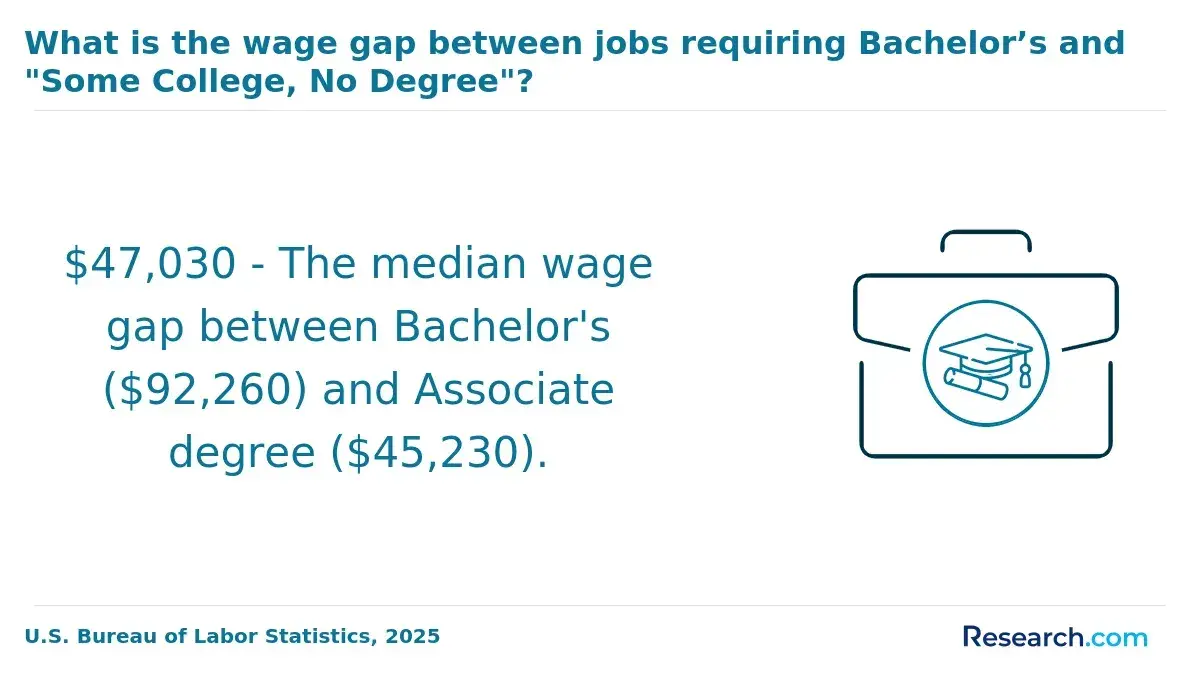
Job listings for marriage and family therapy careers commonly highlight degree requirements as a foundational hiring criterion. The level of education expected typically corresponds to the complexity of the position and the standards set by different employers across various settings. Notably, surveys indicate that nearly 85% of clinical openings require a master's degree or higher.
Below are typical patterns in degree expectations seen in marriage and family therapy job postings:
- Bachelor's-Level Entry: Some positions, especially entry-level or support roles in community organizations and nonprofits, accept candidates with a bachelor's degree. These roles often involve assisting clinicians or managing program coordination rather than delivering therapy directly.
- Graduate Degree Preference: For direct clinical work, a master's degree in marriage and family therapy, counseling, social work, psychology, or a related area is the standard. This advanced degree usually includes supervised clinical hours essential for licensure and independent practice.
- Doctoral Requirements: Higher-level jobs including research, academia, and leadership roles often require a doctoral degree, such as a PhD or PsyD, to ensure deep theoretical expertise and the ability to contribute to policy or scholarship.
- Industry Variation: Degree expectations can vary by employer type, with hospitals and governmental agencies generally demanding graduate-level qualifications, while some nonprofit settings may offer flexibility for less advanced degrees in non-therapeutic capacities.
One marriage and family therapy degree graduate recalled how navigating these requirements felt daunting at first. "Getting through my master's program while completing the clinical hours was intense," he said.
"Employers clearly expect not just education but meaningful, supervised experience, which made me appreciate the rigor behind these standards. I remember feeling both challenged and motivated knowing these qualifications are what open doors to real clinical roles."
How Much Experience Do Marriage and Family Therapy Job Postings Require?
Marriage and family therapy job postings vary widely in experience requirements, depending on the role's level and specialization. Employers often use these experience criteria as a primary filter to determine candidates' readiness and fit for specific positions. The required years of experience for marriage and family therapy careers typically increase as job complexity and responsibility grow.
Common patterns across postings highlight typical experience expectations:
- Entry-Level Roles: These positions usually ask for minimal to no prior professional experience, focusing instead on supervised practice, internships, or clinical practicums completed during graduate studies.
- Mid-Level Positions: Candidates need two to five years of relevant experience, having independently managed diverse client cases and demonstrated therapeutic competence.
- Senior or Advanced Roles: Extensive experience beyond five years is expected, often including supervisory responsibilities, specialized certifications, or leadership in managing complex clinical programs.
- Specialized Experience: Some roles require expertise in particular treatment modalities or populations, emphasizing the importance of targeted clinical experience.
- Interdisciplinary Settings: Employers occasionally prefer experience within community-based programs or multidisciplinary environments, reflecting a broader scope of practice.
For those exploring pathways into this field, considering options such as nursing schools without entrance exam may offer alternative clinical foundations supporting marriage and family therapy careers.
What Industries Hire Fresh Graduates With No Experience?
Certain industries are notably receptive to hiring fresh graduates with backgrounds in marriage and family therapy, even when they lack professional experience. This openness is evident in many entry-level job listings that value educational qualifications more than extensive work history.
A report from the National Board for Certified Counselors revealed that about 35% of such roles in counseling and therapy explicitly target candidates without prior experience.
Below are some sectors where new graduates frequently find entry points:
- Community Mental Health organizations often recruit recent graduates for roles involving outreach, support groups, and case management. These workplaces focus on teamwork and skill development through hands-on practice.
- Nonprofit Agencies centered on family welfare and counseling usually welcome new therapists, valuing their enthusiasm and foundational training. Entry-level tasks often include client intake, educational programs, or guided therapy sessions.
- Educational Institutions and school counseling services commonly employ graduates as assistant counselors or support staff, providing supervised experience while working with youth and families.
- Healthcare Facilities such as clinics and hospitals occasionally hire newcomers to join interdisciplinary teams, offering learning opportunities under licensed supervisors.
- Government and Social Services frequently open positions for junior therapists or case workers who assist with family and social issues while gaining professional guidance.
When I spoke with a recent marriage and family therapy graduate about her transition into the workforce, she shared how navigating entry-level roles initially felt overwhelming due to the required licensing process and limited experience.
Yet, she described the supportive environments in nonprofit and community mental health settings as crucial to building her confidence. 'Starting without prior professional hours was intimidating, but being embraced in these collaborative spaces helped me grow more quickly than I expected,' she recalled.
Her journey highlights how certain industries actively foster new professionals despite initial challenges.
Which Industries Require More Experience or Skills?
Certain industries demonstrate greater selectivity when hiring marriage and family therapy professionals, often prioritizing candidates with extensive experience, certifications, or advanced clinical skills. Job postings in these fields frequently emphasize specialized expertise and multi-year practical involvement, reflecting the complex demands placed on therapists.
Notably, nearly 40% of listings in some sectors require over five years of professional experience.
The following highlights key industries that typically seek higher qualifications and experience in marriage and family therapy roles:
- Healthcare and Behavioral Health: Employers in hospitals, mental health facilities, and substance abuse centers often mandate Licensed Marriage and Family Therapist (LMFT) credentials alongside three to five years of clinical experience due to the sensitive nature of cases managed.
- Correctional and Veterans' Services: These areas prioritize specialized training in trauma, PTSD, or forensic family therapy. Candidates commonly need advanced clinical skills and a proven track record working with high-risk populations.
- Educational Institutions: While somewhat less stringent, schools and universities favor candidates with expertise in adolescent or child-family therapy. Advanced degrees or specialized certifications are regularly preferred for these roles.
- Community Organizations: Experience in culturally diverse settings and specific family therapy modalities are valued. Organizations often seek therapists possessing doctoral degrees or focused certifications to address varied community needs.
Employer Confidence in Online vs. In-Person Degree Skills, Global 2024

Which Credentials Are Most Valuable for Marriage and Family Therapy Careers?
Employers in marriage and family therapy careers rely heavily on specific credentials to evaluate candidates' qualifications and professional readiness. Licenses, advanced degrees, and certifications serve as key indicators of competence and adherence to industry standards, influencing hiring decisions in this field.
The following credentials are commonly valued by employers and frequently mentioned in job postings:
- Licensed Marriage and Family Therapist (LMFT) License: This state-issued license confirms that the therapist has completed necessary educational requirements, clinical hours, and passed a comprehensive examination. Employers prioritize the LMFT license because it authorizes independent practice and ensures commitment to ethical and professional standards.
- Graduate Degrees: A master's or doctoral degree in marriage and family therapy, psychology, or counseling provides the essential theoretical knowledge and clinical skills needed for effective therapy. These degrees are often required as a baseline qualification, reflecting deep understanding of family systems and therapeutic approaches.
- Professional Certifications: Certifications from bodies such as the American Association for Marriage and Family Therapy (AAMFT) signify ongoing professional development and expertise beyond licensure. These credentials may focus on specialized therapy types or populations, adding to a candidate's credibility.
- Additional Credentials: Clinical supervision credentials enable therapists to mentor others, continuing education certificates show updated clinical competence, and specialty certifications address areas like trauma, substance abuse, or child therapy. These further demonstrate dedication to professional growth and clinical excellence.
Are Salaries Negotiable Based on Experience?
Salary levels in marriage and family therapy careers, as reflected in job postings, are influenced by a combination of a candidate's experience, education, and the complexity of the position. Employers typically establish salary ranges that accommodate entry-level therapists on the lower end and those with advanced expertise or specialized skills at the higher end.
Industry data shows that therapists with over five years of clinical experience can earn up to 25% more than entry-level practitioners, reflecting how experience impacts marriage and family therapy compensation. Employers often adjust pay offers based on demonstrated qualifications, signaling some room for marriage and family therapy salary negotiation based on experience.
Salary flexibility in job postings usually varies according to the level of experience required. Entry-level roles commonly have standardized pay structures, offering less negotiation potential, while advanced positions involving supervision or specialized clinical duties tend to feature wider pay bands.
Employers often tailor compensation packages by considering candidates' backgrounds and credentials, highlighting how experience impact on marriage and family therapy compensation shapes overall offers.
Those interested in exploring educational options tailored to career advancement may benefit from researching self paced online colleges that accommodate professional growth.
How Can You Match Your Resume to Job Descriptions?
Job postings serve as essential tools for candidates aiming to tailor their resumes effectively in marriage and family therapy careers. Since 75% of employers rely on applicant tracking systems (ATS) to filter applications, closely aligning your resume with job descriptions boosts the chances of passing initial screenings.
Understanding these postings also helps emphasize the right skills and qualifications that employers prioritize.
To better match your resume with job descriptions, consider these strategies:
- Interpreting Job Postings: Analyze each listing to identify key competencies such as clinical assessment, family dynamics expertise, and evidence-based therapeutic techniques. This helps target your resume content to reflect what employers specifically seek.
- Highlighting Relevant Experience: Emphasize roles, internships, or practicum placements that directly relate to the duties outlined in the job posting. This demonstrates practical application of skills and increases your resume's relevance.
- Aligning Terminology: Use language consistent with the job description, especially for certification titles, therapy models, and credentials. Matching terminology improves ATS compatibility and clarity for hiring managers.
- Prioritizing Required Qualifications: Showcase essential credentials like state licensure, specific degree levels such as Master's or doctorate, and supervision experience. These are often critical screening factors in the hiring process.
- Emphasizing Core Skills: Include interpersonal abilities and counseling techniques central to marriage and family therapy roles. This aligns your resume with employer expectations for competent and compassionate care providers.
Understanding how to tailor your resume for marriage and family therapy job postings ensures that your application highlights key skills to highlight on a marriage and family therapy resume, increasing your competitiveness in this specialized field.
For those exploring educational pathways to meet these qualifications, resources like ASN programs online offer recognized routes to develop foundational expertise.
What Should You Look for When Analyzing Job Ads?
Job advertisements reveal what employers expect from candidates pursuing marriage and family therapy careers. Analyzing these postings carefully provides clarity on essential role requirements. Recent data show that 68% of healthcare-related therapy job listings clearly specify both desired skills and experience, underscoring employer transparency in hiring.
Key factors to observe when reviewing marriage and family therapy job ads include the following:
- Responsibilities: Job ads often list clinical duties such as client evaluation, treatment development, and collaboration with other healthcare professionals alongside administrative tasks.
- Qualifications: Most positions require a master's degree in marriage and family therapy or a related field, as well as necessary licensure or certification to ensure professional competency.
- Experience Levels: Some roles welcome entry-level applicants or interns, while others demand several years of practice or specialization in areas like trauma or substance abuse treatment.
- Skills: Employers prioritize strong communication, cultural competency, and the ability to work effectively with diverse populations. Familiarity with electronic health records and ethical guidelines is also commonly mentioned.
- Educational Pathways: For candidates exploring further studies, programs like a healthcare MBA can complement clinical expertise with administrative knowledge.
What Graduates Say About Skills, Degrees, and Experience Employers Want
- Leonard: "As a fresh graduate, I found job postings to be invaluable in identifying roles that align perfectly with my qualifications in marriage and family therapy. They helped me understand the specific skills employers expect and showed me various settings where I could start my career. This guidance made my job search focused and confident, ultimately landing a position that matched my credentials."
- Jairo: "Relying on job ads has been central to advancing my career in marriage and family therapy. Each posting offered insight into growing specializations and emerging demands, allowing me to tailor my continuing education and experience accordingly. This strategic approach helped me step confidently into leadership positions and broaden my professional impact over time."
- Charles: "Throughout my career as a marriage and family therapy professional, job postings have continually highlighted evolving trends and opportunities in the field. They influenced how I adapt my practice and pursue certifications to stay relevant. These ads served as a pulse check on the profession, enabling me to keep my skills sharp and my career path well informed."
Other Things You Should Know About Marriage and Family Therapy Degrees
Employers frequently look for licenses such as the Licensed Marriage and Family Therapist (LMFT) credential, which is required to practice independently in many states. Some job postings also value certifications in specific therapeutic approaches like Emotionally Focused Therapy (EFT) or trauma-informed care. These certifications demonstrate specialized skills that can enhance a candidate's qualifications and appeal to employers.
Job advertisements for marriage and family therapy roles often emphasize communication skills, empathy, and cultural competence. These soft skills are critical because they enable therapists to build trust with clients and navigate complex family dynamics. Employers recognize that technical knowledge alone is insufficient without the ability to connect meaningfully with diverse individuals.
Most job postings specify that candidates must have completed a set number of supervised clinical hours as part of their degree or licensure process. Internships and practica provide essential hands-on experience and are often mandatory before independent practice. Employers rely on these requirements to ensure that candidates have practical skills and have demonstrated competence in real-world therapeutic settings.
References
- What does a Licensed Marriage and Family Therapist (LMFT) do? Career Overview, Roles, Jobs | BPA https://jobs.blackpsychiatrists.org/interview-questions/licensed-marriage-and-family-therapist-lmft
- 6 Unique MFT Careers | Opportunities for Recent Grads https://www.tuw.edu/health/6-unique-marriage-family-therapy-job-opportunities/
- 30 Marriage and Family Therapist Resume Examples & Guide for 2025 https://owlapply.com/en/resume-examples/marriage-and-family-therapist
- 5 MFT Careers to Consider https://blog.tfc.edu/articles/5-mft-careers-to-consider
- Marriage And Family Therapist Resume Example https://www.jobseeker.com/en/resume/examples/marriage-family-therapist
- How to Become a Marriage and Family Therapist in 2023 https://mastersinsocialworkonline.org/careers/marriage-and-family-therapist/
- Marriage And Family Therapist - Alternative Careers and Similar Jobs (Updated for 2026) https://resumeworded.com/career-profiles/marriage-and-family-therapist-career-profile
- Marriage and Family Therapist Resume Examples & Templates (2026) https://resume.io/resume-examples/marriage-and-family-therapist
- How to Pursue a Career as a Marriage and Family Therapist https://gsep.pepperdine.edu/blog/posts/how-to-pursue-a-career-as-a-marriage-and-family-therapist.htm


