2027 Highest-Paying Jobs You Can Get With a Physical Therapy Assistant Degree

Co-Founder and Chief Data Scientist
Considering a career with a physical therapy assistant degree raises a crucial question-how much more can one earn compared to alternative credentials? The wage premium for licensed and certified physical therapy assistants often surpasses that of similar entry-level healthcare roles, particularly in specialized industries and high-demand regions. For example, licensed physical therapy assistants earn a median annual salary approximately 15% higher than their non-licensed peers. This article examines the factors driving these salary differences-such as credential level, certification status, and geographic location-to provide a clear return-on-investment comparison and guide readers toward financially informed career decisions.
Key Things to Know About the Highest-Paying Jobs You Can Get With a Physical Therapy Assistant Degree
- Earning a physical therapy assistant degree typically commands a wage premium of 10-15% over non-degree healthcare aides, reflecting higher technical skill and patient care responsibilities.
- Professional licensure and certification-such as state-required PTA licenses-increase median salaries by approximately 12%, ensuring compliance with healthcare standards and enhancing job prospects.
- The return on investment for a physical therapy assistant degree surpasses many alternatives, with median annual wages near $60,000 and shorter training periods compared to registered nursing or occupational therapy.
What Exactly Does a Physical Therapy Assistant Degree Qualify You to Do in Today's Job Market?
A physical therapy assistant degree qualifies graduates to support licensed physical therapists in delivering rehabilitative care aimed at improving patients' mobility and reducing pain. According to the U.S. Bureau of Labor Statistics (BLS) and industry standards, holders of this credential perform therapeutic interventions under direct supervision-such as assisting with exercises, applying therapeutic modalities, and monitoring patient progress-but do not diagnose or develop treatment plans independently.
This degree plays a critical role in licensed physical therapy assistant career outcomes, ensuring compliance with licensure requirements and patient safety. Core competencies include:
- Technical Skills: Proper application of physical therapy techniques, equipment usage, and documentation adhering to regulatory and safety guidelines.
- Analytical Abilities: Interpreting therapist instructions, recognizing patient responses, and adapting care within supervisory limits.
- Interpersonal Expertise: Building rapport with diverse patient groups, effective communication, and collaborating within multidisciplinary healthcare teams.
Employer data from Lightcast and LinkedIn Insights show that candidates with a physical therapy assistant degree are preferred over those relying only on on-the-job training or alternate credentials. This formal education baseline reduces clinical errors and improves treatment efficacy, highlighting the wage premium linked to credential-gated pathways.
Misconceptions often arise around scope of practice-physical therapy assistants cannot practice independently, prescribe medication, or create therapy plans, which are reserved for physical therapists. Graduating from an accredited program and passing licensure exams differentiate credential-gated roles from open-entry positions.
Throughout this article, the highest-paying jobs attainable with a physical therapy assistant degree will be explored, emphasizing how advanced degrees-such as bachelor's, master's, or doctoral credentials-increase earning potential and occupational opportunities. For those assessing the financial returns of educational investments, including a comparison to other options like nursing programs easy to get into, understanding these outcomes is key to making an informed enrollment decision tailored to one's career goals.
Which Physical Therapy Assistant Jobs Command the Highest Salaries Right Now?
Several positions stand out for their higher earning potential among the highest paying physical therapy assistant jobs in the United States, according to the most recent Bureau of Labor Statistics (BLS) Occupational Employment and Wage Statistics (OEWS) and supplementary salary data. These roles offer a realistic outlook across experience levels and specializations, highlighting true compensation potential.
- Outpatient Rehabilitation Services: Physical therapy assistants employed in outpatient rehabilitation clinics report median wages above $60,000 annually, with top 10% earners exceeding $80,000. Specialized expertise in orthopedics and sports injury rehabilitation notably boosts earning capacity.
- Home Health Care: Those working in home health environments earn competitive salaries near $58,000 at the median, with advanced certifications and experience in neurological rehabilitation pushing the 75th percentile beyond $75,000-particularly in high-demand regions for elder care.
- Skilled Nursing Facilities: Offering stable employment, this sector provides median pay around $55,000. Additional credentials in geriatrics or wound care generate noticeable salary premiums due to the complexity of long-term patient needs.
- Specialized Surgical Rehabilitation: Partnering with orthopedic surgeons and sports medicine specialists, physical therapy assistants in surgical rehab earn median salaries near $62,000, while the top decile reaches over $85,000-often localized to metropolitan markets.
- Advanced Credentials Impact: Licensure, certifications, and degree completion significantly enhance salary prospects, with graduate-level certifications in modalities like dry needling or manual therapy driving earnings higher than those holding only high school diplomas or basic experience.
- Competitive Occupational Titles: Jobs overlapping between physical therapy assistant roles and other allied health occupations-for example, occupational therapy assistants or rehabilitation aides-show salary variation influenced by state licensure and employer demands. In these cases, holding a physical therapy assistant degree commonly yields a measurable salary advantage when paired with relevant certifications.
Salary potential for physical therapy assistants depends heavily on multiple factors:
- Degree Level: Advanced degrees and certifications award clear wage premiums.
- Area of Specialization: Orthopedics, neurological rehabilitation, geriatrics, and surgical rehab tend to command higher pay scales.
- Industry Segment: Hospital settings, outpatient centers, home health agencies, and long-term care facilities all maintain distinct compensation frameworks.
- Geographic Market: Metropolitan markets generally offer greater salary opportunities compared to rural locations.
- Employer Types: Public institutions, private clinics, and specialized care centers impact earning potential.
For those navigating the field, comparing these salary dynamics offers valuable insight into choosing among the top physical therapy assistant specialties with highest salaries. Evaluating return on investment and credential requirements is essential for prospective students, career changers, and veterans assessing whether this degree aligns with their financial and professional goals.
To explore affordable educational pathways that complement these career opportunities, consider reviewing the RN to BSN online programs cost comparison for related health credentials that can support advanced career mobility within allied health fields.
How Does Degree Level-Bachelor's vs. Master's vs. Doctoral-Affect Physical Therapy Assistant Earning Potential?
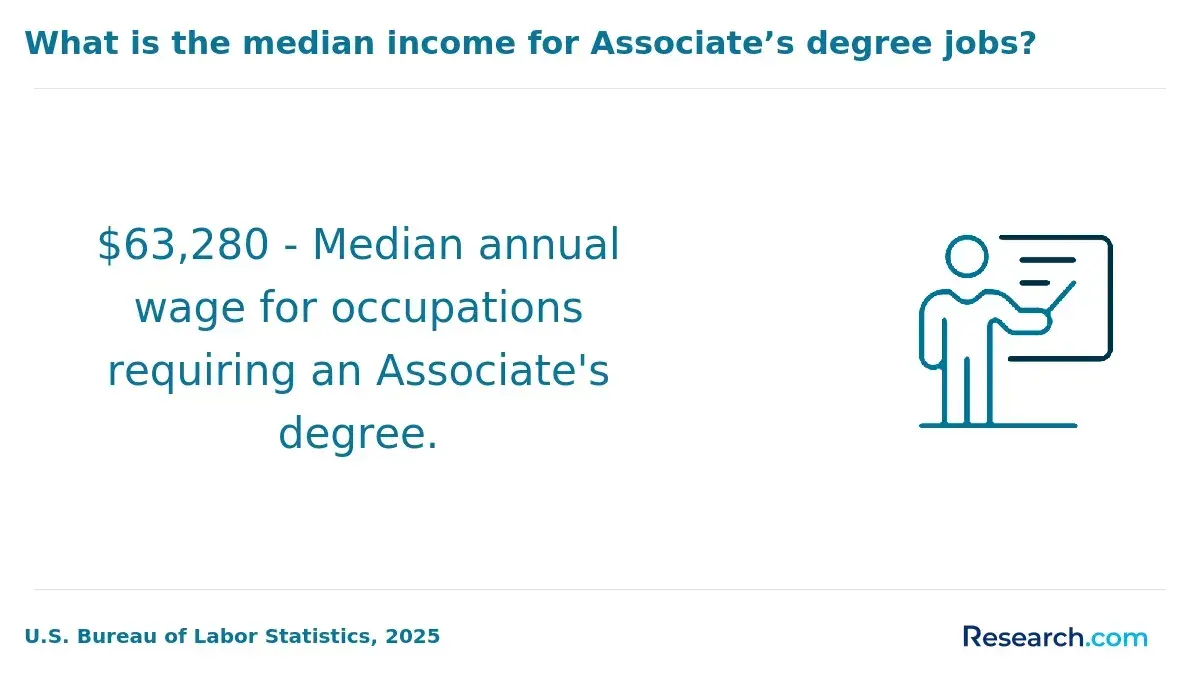
Individuals holding unrelated bachelor's degrees must evaluate if pursuing graduate education yields enough financial return to justify additional costs and time, compared to starting work earlier with an associate credential.
- Salary Differential: Data from the U.S. Bureau of Labor Statistics and College Scorecard indicates that physical therapy assistants with a bachelor's degree typically earn about 10%-15% more than those holding only an associate degree, varying by region and employer. Professionals with master's degrees in related fields, such as physical therapy or rehabilitation services, often enjoy a 20%-30% salary increase-especially when advancing into supervisory or specialized clinical positions. Doctoral degrees, including professional doctorates like the Doctor of Physical Therapy, primarily benefit licensed practitioners rather than assistants; salary premiums for doctoral physical therapy assistants are less documented but may be considerable in academic or research roles.
- Credential-Gated Roles: Higher-paying jobs in this field generally mandate advanced degrees. Positions like clinical specialists or program managers usually require a master's degree combined with professional certification. Those involved in research, academia, or advanced therapeutic innovation often need a doctoral degree-professional or research-focused-to satisfy employer and licensing board expectations.
- Licensing and Certification Impact: While most states license physical therapy assistants with an associate degree plus certification exam success, graduate-level certifications can unlock leadership roles and greater compensation.
Future students should carefully balance tuition expenses and lost income during graduate programs against expected salary gains. For those with a relevant bachelor's degree, a master's degree often represents a worthwhile investment. Conversely, career changers may benefit more from entering assistant roles sooner via an associate or bachelor's degree pathway.
Which Industries and Employers Pay Physical Therapy Assistant Graduates the Most?
Physical therapy assistant graduates see significant pay differences depending on their industry and employer type. Organizations with larger budgets and complex care demands-typically within the private sector-offer the highest compensation. These employers include major hospital systems, specialized outpatient centers, and rehabilitation clinics, where competitive market forces push salaries well above national averages.
- Private Sector: Hospitals and outpatient specialty care facilities generally provide top-paying roles, often supplemented by bonuses and comprehensive benefits aligned with workload intensity and skill scarcity.
- Government Employers: Federal, state, and local agencies-including veterans' hospitals-feature structured salary scales and stable raises, though their base pay may fall slightly below private entities.
- Nonprofit Organizations: These typically pay less due to funding constraints but offer valuable experience in mission-driven environments.
- Self-Employed and Contract Roles: Freelance assistants, especially in high-income or underserved markets, can command premium rates, though incomes vary widely with clientele and business savvy.
Among the highest-paying industries for physical therapy assistant graduates, outpatient care centers stand out-offering wages up to 20% beyond the overall industry average thanks to their specialized, efficiency-focused practices. Government roles emphasize income stability and incremental growth linked to tenure. Compensation also hinges on job titles and credentials; orthopedic specialty clinics commonly pay more than general rehab roles, and certified assistants earn 10-15% more than non-certified peers.
To secure top salaries, graduates should focus on building targeted credentials and industry-specific expertise. Networking within high-paying hospital systems or outpatient centers can open doors to premium positions. Careful selection of employers based on industry dynamics and regulatory context will help graduates align career choices with their financial objectives.
For those seeking streamlined educational paths that lead to these opportunities, exploring fast degree programs can offer an accelerated route to entering this competitive labor market.
What Geographic Markets Offer the Best-Paying Physical Therapy Assistant Jobs?
Several metropolitan areas and states lead in offering top wages for physical therapy assistants when salaries are adjusted for cost of living. Urban centers like San Francisco, CA, Boston, MA, and Washington, DC feature substantial healthcare infrastructures and specialized clinics, which drive higher pay through intensified demand.
States including Alaska, California, and Massachusetts rank highly after accounting for living expenses-Alaska's remote healthcare context requires more generous pay, while California and Massachusetts benefit from dense populations paired with thriving healthcare sectors.
Regionally, the Northeast and West Coast generally show superior compensation levels due to established healthcare markets, although the Midwest presents growing opportunities with a more affordable cost of living, leading to stronger real income for some workers.
- Metropolitan Areas: San Francisco, Boston, and Washington, DC top earnings and host numerous large healthcare employers.
- States: Alaska's unique environment, along with California and Massachusetts, offer elevated wages after cost-of-living adjustments.
- Regions: The Northeast and West Coast deliver strong pay backed by high demand, while the Midwest's affordability boosts actual take-home pay despite somewhat lower nominal wages.
Remote and hybrid work arrangements are slowly influencing geographic pay disparities in this field. While traditional PTA roles require onsite patient care due to licensing and physical presence needs, certain telehealth and administrative functions-such as clinical documentation and patient education-are increasingly performed remotely.
These roles allow assistants based in lower-cost areas to tap into higher-paying markets without relocating. Thus, professionals must weigh the high nominal salaries available in expensive metros against the advantages of working remotely from affordable locations, preserving purchasing power without sacrificing compensation.
How Do Professional Certifications and Licenses Boost Physical Therapy Assistant Salaries?
Candidates should confirm that credentials are accredited by reputable organizations such as ANSI or NCCA to avoid low-value certifications. Researching employer-preferred versus required certifications within specific regions and settings is crucial for prioritizing credentials offering the best financial return on investment.
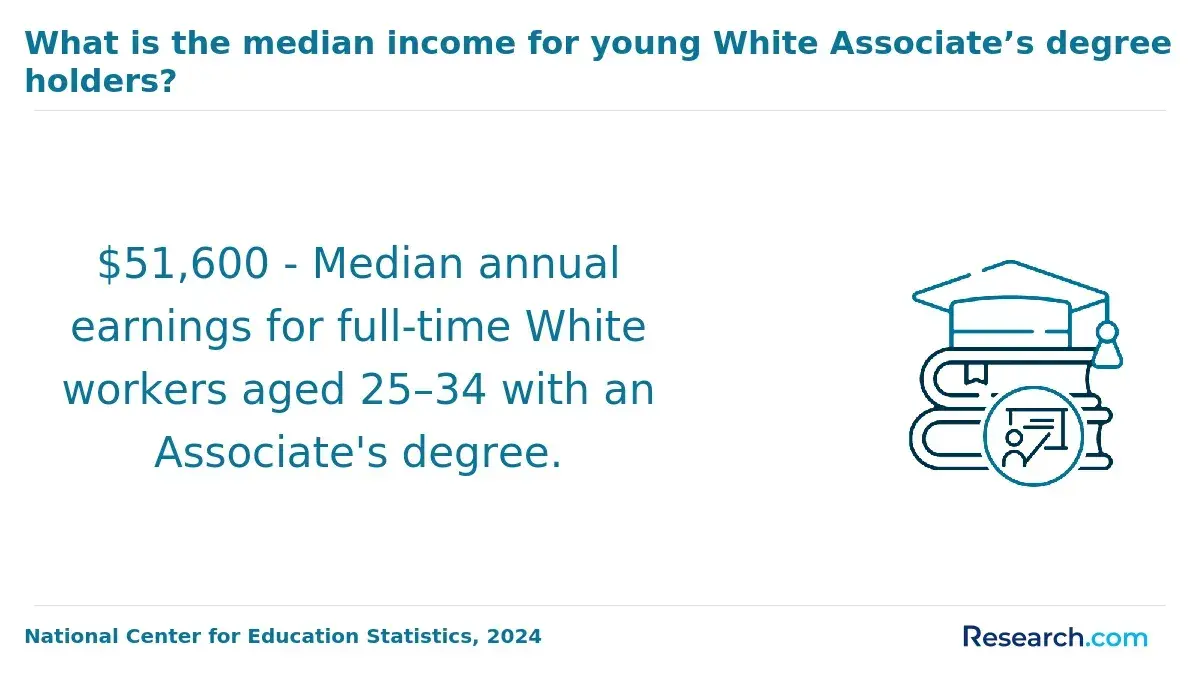
- Certified Physical Therapist Assistant (CPTA): Required in most states, this credential demands graduation from an accredited program and passing the National Physical Therapy Exam (NPTE) conducted by the Federation of State Boards of Physical Therapy (FSBPT). Successfully obtaining the CPTA typically increases salaries by approximately 10% to 15% compared to those without licensure.
- Specialty Certifications: Additional credentials like the Certified Orthopedic Physical Therapy Assistant (COPTA) and Certified Lymphedema Therapist (CLT) further enhance earning potential. Candidates must complete clinical hours, coursework, and pass specialized exams. Initial certification fees range from $300 to $700, depending on the certifying organization. PTAs holding specialty certifications can earn up to 20% higher wages than their non-certified peers.
- Renewal and Continuing Education: Maintaining certifications requires periodic renewal-usually every two to three years-through continuing education or re-examination. These renewal activities are necessary to uphold salary advantages and professional eligibility, with costs varying by credential and accreditor.
What Is the Salary Trajectory for Physical Therapy Assistant Professionals Over a Full Career?
Physical therapy assistant earnings typically begin at an entry-level range influenced by licensure and degree credentials. New graduates can expect modest starting salaries that grow steadily as they gain practical experience and refine clinical competencies.
- Early Career: Within five years, salary increases of 15-25% are common as assistants develop hands-on expertise and value. This period marks essential skill acquisition and foundational professional growth.
- Mid-Career Progression: Around the ten-year mark, opportunities for wage acceleration arise through strategic moves such as obtaining advanced certifications, specializing in areas like orthopedics or geriatrics, or stepping into leadership roles. These inflection points often yield 20-35% higher earnings compared to peers.
- Senior and Peak Career: At 15 to 20 years, physical therapy assistants who assume management responsibilities, engage in business development, or build strong professional reputations typically reach the top salary brackets-earning up to 50% more than the median. These outcomes highlight how specialization and leadership drive long-term compensation gains.
Strategic career decisions-such as pursuing specialty credentials, renewing licensure, embracing continuous education, and expanding client networks-distinguish higher earners from those with equivalent academic qualifications. Industry surveys and earnings data from the Bureau of Labor Statistics and workforce research underscore that these choices translate into measurable financial returns over a full career.
This longitudinal perspective equips prospective physical therapy assistant students-including college-bound graduates, military veterans utilizing education benefits, mid-career professionals evaluating credential upgrades, and career changers seeking a credential-gated field-with realistic income expectations and actionable guidance for maximizing return on investment.
Understanding these factors helps align enrollment decisions with salary goals, risk tolerance, and aspirations for leadership or specialization within this dynamic healthcare profession.
Which Physical Therapy Assistant Specializations and Concentrations Lead to the Highest-Paying Roles?
Specializations within physical therapy assistant programs that yield the highest salaries often emphasize advanced clinical areas like orthopedics, geriatrics, and neurological rehabilitation. Orthopedics typically offers a wage premium due to the complexity of treating musculoskeletal injuries and post-surgical recovery-a segment fueled by strong demand in outpatient clinics and sports medicine. Geriatrics commands higher pay as it addresses the needs of an aging population requiring chronic condition management and fall prevention.
Neurological rehabilitation specialists work with stroke recovery, traumatic brain injuries, and spinal cord injuries, where advanced certifications correlate with better salary outcomes. These highest-paying physical therapy assistant specializations in the United States reflect labor market scarcity and rigorous certification requirements.
Certifications such as Certified Orthopedic Physical Therapy Assistant (COPTA) or Neurologic Clinical Specialist credential markedly enhance earning potential, as employers value the sophisticated skills and diverse patient populations involved. The impact of physical therapy assistant certification on salary is significant-markedly increasing employability and compensation in specialized fields.
For students beginning their academic journey, analyzing job posting volumes, regional growth projections, and employer demand is essential to selecting a specialization with strong income potential rather than choosing purely by interest.
Those already enrolled in general physical therapy assistant programs can boost their market value through targeted internships and continuing education focused on high-paying concentrations, avoiding the need for additional degrees. Many top online programs also emphasize flexible specialization paths aligned with labor market needs, ensuring positive return on investment. For career changers or those seeking advanced credentials, exploring MSN to DNP programs can complement physical therapy assistant qualifications in healthcare planning.
- Orthopedics: High demand in outpatient and sports clinics; premium wages for post-surgical rehabilitation expertise.
- Geriatrics: Elevated pay driven by chronic care and fall prevention needs within aging demographics.
- Neurological Rehab: Specialized care for brain and spinal injuries; technical certifications result in salary premiums.
- Post-Graduation Strategies: Undertake specialty certifications to increase employability and salary potential. Seek internships focused on high-paying concentrations for practical experience.
- Return on Investment: Top online programs offer flexible specialization options that align with labor market demand enhancing salary prospects.
How Does the Physical Therapy Assistant Job Market's Growth Outlook Affect Long-Term Earning Stability?
The physical therapy assistant job market is projected by the U.S. Bureau of Labor Statistics to grow about 27% from 2022 to 2032-significantly faster than the average for all occupations. This strong growth is primarily driven by demographic shifts-an aging population increasing demand for rehabilitative care-and expansion in outpatient healthcare settings.
Workers in these roles benefit from long-term earning stability for physical therapy assistants, reinforced by legislative support for healthcare access and improved reimbursement policies for therapy services.
Automation risk within this field remains low due to the hands-on nature of the work-tasks require direct physical engagement, interpersonal communication, and individualized judgment that technology cannot easily replicate. Technological advances in therapy equipment tend to augment rather than replace skilled assistants, broadening opportunities for those able to adapt.
- Growth Potential: Specializations in geriatric and orthopedic rehabilitation show especially strong employment increases, supporting physical therapy assistants seeking high-paying and stable careers.
- Automation Resistance: Direct patient interaction limits automation threats and promotes job security over the long term.
- Credential Value: Licenses and certifications significantly raise earning potential and access to top employers.
- Market Headwinds: Certain sectors face budget shortfalls, outsourcing risks, or geographic wage stagnation that may curb opportunities.
- Competition and Credential Inflation: The field is professionalizing rapidly. Assistants must prioritize ongoing skill development and education to remain competitive.
Candidates evaluating a physical therapy assistant degree should distinguish between roles offering stable wage premiums due to sustainable demand and those commanding high pay because of rarity or instability. Aligning credentials with evolving industry needs maximizes return on investment over a career.
For those considering further credentialing, programs such as an online MBA healthcare can complement clinical skills with management expertise, enhancing career flexibility and salary prospects.
What Leadership and Management Roles Are Available to High-Earning Physical Therapy Assistant Graduates?
Leadership positions within the physical therapy assistant career track often include roles such as lead physical therapy assistant, clinic coordinator, and rehabilitation services manager. These jobs typically involve middle-management responsibilities and operate within healthcare facilities, outpatient centers, or rehabilitation clinics. Professionals in these roles oversee staff, manage budgets, ensure regulatory compliance, and contribute to strategic planning efforts.
- Salary Premium: According to Bureau of Labor Statistics data, management-level healthcare professionals earn a median annual wage around $100,000-significantly higher than the approximately $60,000 earned by frontline physical therapy assistants. This difference in compensation reflects the expanded scope of accountability and decision-making authority required in leadership positions.
- Experience and Credentials: Individuals moving into leadership roles usually bring several years of clinical practice alongside advanced qualifications. Common credentials include Certified Rehabilitation Registered Nurse (CRRN) certification or graduate degrees such as an MBA or a master's degree in healthcare administration, which enhance managerial expertise.
- Career Advancement Pathways: Advancement to supervisory or managerial roles generally occurs within 5 to 10 years and depends on demonstrating strong patient care skills, effective communication, and team leadership. Engaging in professional development-like management training programs or association memberships-also supports career growth.
- Strategic Career Decisions: Prospective leaders benefit from seeking early leadership opportunities, such as project or team lead roles, and considering graduate education that complements their clinical credentials. Attaining an MBA or similar advanced degree markedly improves competitiveness for executive-level salaries and responsibilities.
Which Emerging Physical Therapy Assistant Career Paths Are Positioned to Become Tomorrow's Highest-Paying Jobs?
Technological advances and demographic changes are shaping new, lucrative roles for physical therapy assistants. Specializing in telehealth and digital rehabilitation tools allows assistants to offer remote care, expanding beyond traditional clinical environments. As the population ages, home-based and geriatric care expertise commands higher wages, prompting degree programs to integrate these skills extensively.
Earning certifications in focused areas like orthopedics, neurology, or pediatrics further elevates income potential by distinguishing professionals in competitive markets.
- Technology Integration: Mastery of telehealth platforms and remote monitoring positions assistants for expanding virtual care opportunities.
- Geriatric and Home-Based Care: Training in elderly rehabilitation and chronic condition management attracts wage premiums amid growing demand.
- Specialized Credentials: Certifications in niche therapy domains enhance employability and salary prospects.
- Interdisciplinary Collaboration: Skills in data analysis and care coordination enable assistants to thrive within integrated healthcare teams.
- Risk Assessment: Emerging roles carry uncertainties-some jobs evolve slower or encounter resistance-so balancing risk with market data is essential.
- Trend Monitoring: Staying updated through associations and labor market analytics tools provides insight into viable high-paying roles.
Degree programs are adapting by combining foundational coursework with training in emerging competencies, encouraging students to pursue supplementary boot camps and micro-credentials. This proactive approach enhances early mover advantages while mitigating risk.
For prospective physical therapy assistants, assessing credential-driven wage premiums, licensure benefits, and return on investment relative to alternative certifications is crucial. By aligning education choices with reliable labor market intelligence, individuals can confidently select a pathway that matches income goals, geographic considerations, and long-term career trajectories in a dynamic employment landscape.
What Graduates Say About the Highest-Paying Jobs You Can Get With a Physical Therapy Assistant Degree
- Danny: "Choosing to earn my physical therapy assistant degree truly transformed my earning potential-the wage premium for graduates like me is undeniable. I've found that obtaining additional professional licensure practically opened doors to higher-paying roles that I wouldn't have accessed otherwise. The investment I made in this degree makes more financial sense now than any alternative path I considered, and that peace of mind is invaluable."
- Jamir: "Reflecting on my experience, I can confidently say the type of industry and geographic location where you work plays a huge role in salary differences for physical therapy assistants. Securing my certifications showed a marked increase in what employers were willing to pay-it's like an investment in yourself that keeps paying off. Comparing this degree to other routes, the return on investment was far greater, especially knowing I'm working in a high-demand market."
- Ethan: "From a professional point of view, the return-on-investment for my physical therapy assistant degree was clear even before graduation. Professional licensure wasn't just a formality-I saw firsthand how it boosted my paycheck while enhancing my career credibility. Plus, targeting employers in specific industries and regions allowed me to maximize my salary, proving that where you work matters as much as what you know."
Other Things You Should Know About Physical Therapy Assistant Degrees
In 2027, some of the highest-paying jobs for physical therapy assistant degree holders include positions in hospitals, outpatient care centers, and specialized rehabilitation facilities. Expanding into management roles or working in regions with higher demand can also boost earnings.
Physical therapy assistant graduates who pursue entrepreneurship or self-employment can increase their earning potential by offering specialized or niche services. Owning a small practice or contracting independently allows for flexible scheduling and the ability to charge premium rates in underserved markets. However, success depends on business management skills and local licensing regulations, which vary by state.
The type of employer significantly influences a physical therapy assistant's salary. Private sector jobs-especially in outpatient clinics or home health care companies-often offer higher salaries and performance incentives. Public employers, such as hospitals or government agencies, may provide more stable benefits but usually have lower base pay. Nonprofit settings tend to offer moderate compensation with a focus on community service, which may affect salary scales.
Internships, practicums, and early clinical experience play a crucial role in securing higher starting salaries. These opportunities provide practical skills, build professional networks, and demonstrate readiness to employers. Graduates with extensive clinical hours are more competitive in the job market and often receive better compensation offers due to proven on-the-job competence.
References
- what - Tłumaczenie po polsku - Słownik angielsko-polski Diki https://www.diki.pl/slownik-angielskiego
- Physical Therapist Assistants — Career Path Guide https://jobcannon.io/careers/physical-therapist-assistants
- Verifying that you are not a robot... https://pioneer-healthcare.com/blog/exploring-the-high-demand-for-physical-therapist-assistant-jobs/
- WHAT - Translation from English into Polish https://en.pons.com/translate/english-polish/what
- PT vs. PTA vs. Aide: A Guide to Physical Therapy Careers https://www.georgefox.edu/physical-therapy/resources/pt-pta-aide.html
- Where Physical Therapy Assistants Work and Career Options https://www.cbd.edu/blog/physical-therapist-assistant/where-physical-therapy-assistants-work/
- WhatsApp Web https://web.whatsapp.com/
- The Top-5 Highest Paying States for Physical Therapy Assistants | AMN Healthcare https://www.amnhealthcare.com/blog/allied/travel/the-top-5-highest-paying-states-for-physical-therapy-assistants/
- 15 Physical Therapy Specialties That Boost Careers & Salaries | 2025 Guide https://www.sprypt.com/blog/physical-therapy-specialties-to-amplify-your-career
- What w języku angielskim https://www.ang.pl/blog/slowo-what-w-angielskim