
2027 Which Marriage and Family Therapy Degree Careers Have the Highest Barriers to Entry?

Co-Founder and Chief Data Scientist
Entering the field of marriage and family therapy is not uniform for all roles. Some positions demand extensive education, licensure, and supervised clinical hours, creating significant hurdles for prospective practitioners. For example, clinical marriage and family therapists typically require a master's degree plus 3,000 hours of post-graduate supervised experience before licensure. According to recent employment data, the demand for these licensed therapists is expected to grow by 22% over the next decade, highlighting both opportunities and entry challenges. This article explores which marriage and family therapy degree careers present the highest barriers to entry and what makes them more difficult to pursue successfully.
Key Things to Know About Marriage and Family Therapy Careers With the Highest Barriers to Entry
- Extensive education requirements typically include a master's degree plus 2,000-4,000 supervised clinical hours, limiting access to those with substantial time and financial resources.
- Competitive hiring often favors candidates with specialization certifications, research experience, or bilingual skills, intensifying selection among limited advanced graduate degree holders.
- Strict credentialing requires passing national and state licensing exams and fulfilling ongoing supervision mandates, which can delay entry by years despite degree completion.
Which Marriage and Family Therapy Careers Are Hardest to Get Into?
Certain careers within marriage and family therapy are notoriously challenging to enter due to their high selectivity and the limited number of available positions. For instance, some competitive clinical roles can have acceptance rates as low as 10%, reflecting the intense competition many applicants face. These factors create some of the highest barriers to entry in marriage and family therapy careers.
The following roles are widely recognized as some of the most competitive marriage and family therapy career paths in the field:
- Forensic Therapist: These positions involve working closely within legal systems, but opportunities are scarce, leading to significant competition among candidates. Limited availability drives up the difficulty of gaining entry into this specialized area.
- Clinical Supervisor: Few clinical supervisor roles exist, and these positions often require a reputation for trustworthiness and proven leadership, making them highly selective and challenging to obtain.
- University Professor: Tenure-track professor roles in marriage and family therapy at accredited universities are limited compared to the large pool of qualified applicants, resulting in highly competitive entry.
- Community Mental Health Leader: Leadership roles in large community organizations attract many candidates but have relatively few openings, increasing the barriers to employment in these positions.
- Research Specialist: Research careers focusing on marriage and family therapy interventions often face competition due to the scarcity of funded projects and limited positions available.
For those seeking pathways in related fields, pursuing an online pharmacy degree can represent an alternative route with its own unique professional challenges and opportunities.
What Academic Requirements Make Marriage and Family Therapy Careers Harder to Enter?
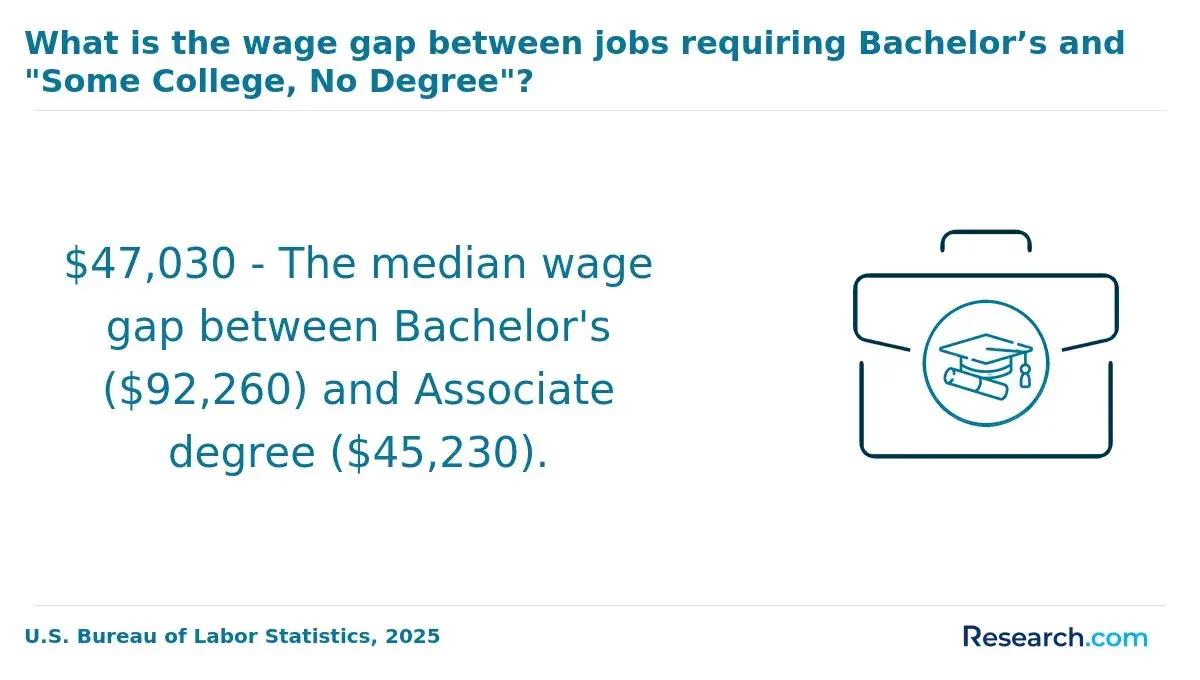
Academic requirements can present significant barriers to entering marriage and family therapy careers, particularly when roles demand extended education or specialized study. These hurdles often translate into longer timelines and higher costs. Approximately 85% of jobs in marriage and family therapy-related fields require a master's degree or higher.
The following academic factors contribute to the difficulty prospective professionals face when pursuing careers in this area:
- Advanced Degree Requirements: Most marriage and family therapy roles mandate at least a master's degree. Certain specialized or academic positions require a doctoral degree, adding years of study beyond undergraduate education.
- Specialized Coursework: In addition to general psychology or counseling classes, students must complete focused courses on family systems, ethical practices, therapy techniques, and human development within the field.
- Extended Study Timelines: Graduate programs usually last two to three years, with clinical practicum requirements extending the educational timeline to five or more years in many cases.
- Research and Thesis Components: Many academic programs require completion of original research or a thesis, which demands skills in research design, data analysis, and scholarly writing.
- Credit Hour Intensity: Graduate study often involves a substantial number of credit hours, increasing financial commitments and requiring sustained academic focus across multiple semesters.
Such rigorous academic expectations raise the threshold for entry and require substantial dedication from those committed to marriage and family therapy careers.
What Certifications Are Required for Marriage and Family Therapy Careers?
Certifications act as essential formal qualifications in many marriage and family therapy careers, often serving as required credentials for practicing professionally or specializing within the field. These credentials ensure that therapists meet established standards of competency and ethics, shaping access to various roles. Notably, over 90% of therapists hold licenses or certifications as a baseline for practice.
The following list highlights key certifications that commonly create barriers to entry in marriage and family therapy careers:
- Licensed Marriage and Family Therapist (LMFT): This state-issued license confirms that a professional has satisfied strict educational, clinical, and examination benchmarks. It is widely regarded as the fundamental credential to practice independently in marriage and family therapy, setting a clear threshold for entry.
- Specialized Therapy Certifications: Credentials focused on areas such as child and adolescent therapy or trauma-informed care require additional training and supervised hours. These certifications demand extra effort beyond basic licensure and serve as advanced qualifications for niche expertise.
- Clinical Supervision Certification: Designed for therapists who oversee and mentor others, this credential imposes both educational and practical experience prerequisites. It restricts those who seek roles in clinical leadership or supervisory positions.
- Trauma Therapy Certification: Specialized training in trauma approaches adds a layer of credentialing that validates advanced proficiency. Achieving this certification often involves rigorous coursework and practical verification, limiting entry to those with dedicated focus.
A marriage and family therapy degree graduate shared that obtaining certification was both a rigorous and emotional process. They described navigating complex paperwork and exam preparations as challenging but ultimately rewarding, stating, "I struggled to balance study with personal responsibilities, and the wait times for licensure sometimes felt overwhelming." Their experience underscored how certifications not only test knowledge but also require patience and resilience, reflecting the significant barriers faced when entering this profession.
How Much Experience Is Required for Competitive Marriage and Family Therapy Jobs?
Experience requirements play a significant role in shaping the competitiveness of marriage and family therapy careers. Employers often use specific experience thresholds to distinguish qualified candidates for more specialized or responsible roles. This filtering process narrows applicant pools, particularly for positions demanding advanced expertise.
Below are common experience levels that reflect increasing challenges in meeting the qualifications needed for marriage and family therapy careers:
- Entry Level: Typically requires little to no prior experience, aimed at recent graduates or those beginning their professional journey. These roles provide foundational exposure to therapy practice.
- Early Career: Positions in this range usually seek one to three years of supervised or practical experience, demonstrating basic competence in handling client cases under guidance.
- Mid Level: These jobs expect three to five years of direct experience, often involving more independent client management and development of specialized skills.
- Senior Level: Advanced roles requiring five or more years of extensive experience, frequently including leadership responsibilities, expertise in specialized therapeutic techniques, and managing complex cases.
- Clinical Specialist: The most demanding tier, which may call for longer tenure along with a proven record of handling challenging cases or administrative duties within the field.
Understanding how many years of experience do competitive marriage and family therapy jobs require is key for those targeting these roles. For applicants considering further education to meet these barriers, MSN to DNP online programs can provide pathways to advanced qualifications.
What Skills Are Required for High-Barrier Marriage and Family Therapy Careers?
Careers in high-barrier marriage and family therapy require a blend of advanced and specialized skills that limit who can access these roles. Employers in this sector often seek professionals with well-honed competencies, resulting in highly selective hiring processes. Recent data shows that more than 60% of employers prioritize candidates demonstrating expertise in essential therapy skills.
The following key skills are especially significant for these demanding positions:
- Clinical Assessment: Mastering the ability to evaluate mental health within family contexts is vital. This skill demands an in-depth grasp of both psychological issues and family dynamics, increasing the complexity of entry into these roles.
- Communication Proficiency: Efficient communication goes beyond listening; it involves skillfully managing emotional and interpersonal nuances during therapy sessions, which raises expectations for competence.
- Cultural Sensitivity: Adapting therapeutic methods to respect diverse family backgrounds and cultural identities is essential. Candidates who can navigate this complexity are more likely to succeed in selective hiring environments.
- Ethical Decision-Making: Applying strict ethical guidelines and maintaining confidentiality under complex conditions adds responsibility and heightens barriers to entry.
- Systemic Perspective: Viewing families as interconnected systems requires advanced analytical abilities, contributing to the difficulty of gaining access to these specialized careers.
A professional with a Marriage and Family Therapy degree shared her experience, noting how mastering these skills was both challenging and rewarding. She emphasized the emotional intensity of learning to balance clinical judgment with empathy, describing moments when ethical dilemmas tested her resolve. "It's a continuous process of growth," she reflected, "where understanding the bigger family picture and cultural nuances truly shapes your effectiveness." Her journey underscores the layered demands of high-barrier roles and the personal dedication needed to meet them.
Do Some Industries Have Higher Barriers to Entry Than Others?
Barriers to entering careers in marriage and family therapy vary widely depending on the industry. Some sectors enforce tougher entry standards due to the complexity of the work, regulatory requirements, and the populations served. These differences can significantly impact accessibility for professionals in the field.
Below are examples of industries where the entry requirements tend to be more demanding:
- Healthcare Settings: Hospitals and specialty clinics often require therapists to navigate strict privacy rules and regulatory scrutiny. These environments demand a high level of caution given the sensitive nature of patient care.
- Government and Military: Employment in these areas involves handling confidential matters related to service members and their families. Security clearances and rigorous administrative protocols contribute to elevated barriers.
- Private Practices with Multidisciplinary Care: Therapists in these settings face challenges tied to licensing, business compliance, and acceptance by insurance providers. These factors can limit initial access to establishing or joining these practices.
- Education and Juvenile Justice Systems: Working within schools or juvenile facilities requires adherence to child protection laws, coordination with multiple agencies, and strict procedural requirements, all of which raise entry hurdles.
- Research and Academia: Although less direct in clinical practice, this sector demands adherence to stringent evidence-based standards and competitive professional accomplishments, making entry more selective.
Industries with these characteristics impose stricter adherence to ethical, legal, or operational standards, creating naturally higher thresholds compared to more general counseling or community-based roles.
Do Certain States or Regions Have Stricter Requirements?
Geographic location significantly impacts the barriers to entry for careers in marriage and family therapy by shaping regulatory demands and workforce expectations. Variations in state and regional regulations create diverse levels of accessibility, influencing how challenging it is to qualify for certain roles. About 30% of states enforce more rigorous clinical supervision or require extended post-degree experience compared to the national norm.
These factors reflect broader regional differences that affect entry requirements. Key elements include:
- Licensing Regulations: States vary widely in their required supervised clinical hours and examination criteria, with some implementing more stringent rules that increase the time and effort needed to qualify.
- Continuing Education: Requirements for ongoing training differ, impacting how professionals maintain credentials and remain eligible to practice, which can add complexity to licensure upkeep.
- Urban vs. Rural Demand: Rural areas often demand therapists with broader skill sets due to limited personnel, while urban centers typically have more specialized roles and standardized licensing procedures.
- Scope of Practice Laws: Legal definitions about what therapists are authorized to do vary by region, affecting both the nature of work permitted and the credentials necessary for compliance.
- State Support and Funding: The availability of mental health training programs and clinical placements can fluctuate based on state resources, influencing how easily candidates can complete required qualifications.
The geographic and regulatory landscape creates a complex environment for marriage and family therapy candidates, where location directly shapes the level of preparation and certification needed for entry into the profession.
How Competitive Is the Hiring Process for Marriage and Family Therapy Careers?
Competitiveness in the hiring process for marriage and family therapy careers is influenced by factors such as the volume of applicants, availability of roles, and employer selectivity. Interest in therapy-related professions has surged, resulting in higher applicant-to-job ratios; some counseling and therapy positions attract as many as 10 to 15 applicants per opening. Employers often prioritize candidates who demonstrate a good cultural fit and meet client needs, which increases competition. This dynamic is a core element in understanding marriage and family therapy job market competitiveness and requirements.
This level of competitiveness leads to variability across the field, with some positions characterized by intense selectivity and others more accessible. Highly sought-after roles in established clinics can be particularly challenging to secure due to limited openings and elevated employer standards. Prospective therapists may encounter differing barriers depending on the setting, making perseverance and strategic preparation essential. For those seeking education without barriers, exploring options like no application fee online colleges can be a practical step toward entering this competitive profession.
Which Companies Are Hardest to Get Hired by in Marriage and Family Therapy Fields?
In the field of marriage and family therapy, certain types of organizations are known for their highly selective hiring processes due to limited job openings, high standards, or strong reputations. Industry data shows that positions at top-tier mental health institutions can receive up to five times more applicants per opening compared to smaller clinics, highlighting the intense competition for these roles. Candidates aiming for these employers often face the toughest barriers to entry.
Below are some of the hardest companies to get hired by in marriage and family therapy fields:
- Large Healthcare Institutions: These organizations maintain rigorous screening protocols because of their extensive reputation and high institutional standards. Their limited vacancies relative to demand make the competition especially fierce.
- Highly Selective Nonprofit Agencies: Driven by mission-focused goals and constrained funding, these agencies carefully vet candidates to ensure alignment with core values and a commitment to long-term service.
- Specialized Treatment Centers: Focused on particular populations or unique therapeutic approaches, these centers require niche expertise, attracting fewer qualified applicants but raising the hiring bar.
- Government Mental Health Departments: Due to attractive benefits and job security, public sector roles receive many applicants and involve complex, lengthier hiring processes.
- Academic-Affiliated Clinics: Clinics connected to universities or research institutions emphasize evidence-based practices and continuing education, resulting in more demanding candidate selection.
Prospective therapists seeking to enter these top competitive employers in marriage and family therapy careers can benefit from pursuing advanced training through one of the best DNP programs online, which can help distinguish candidates in this competitive field.
Do Difficult Marriage and Family Therapy Careers Lead to Higher Salaries?
Careers in marriage and family therapy that involve more rigorous entry requirements often come with higher salary potential, though this is not a strict rule. Positions demanding extensive clinical hours, specialized training, or complex licensing typically reflect higher compensation due to the limited number of qualified professionals and the increased responsibilities. According to a 2023 report, therapists in private practice or specialized roles can earn between 20% and 30% more than those in entry-level positions. This trend highlights a correlation between career difficulty and marriage and family therapy salary potential in many segments of the field.
However, the link between entry barriers and pay is not consistent across all marriage and family therapy careers. Some roles requiring moderate qualifications may still provide competitive salaries depending on their focus and employer type. Careers involving administrative duties or policy work may demand high qualifications but do not necessarily offer the highest earnings compared to clinical paths. Those interested in understanding specific pathways with varied demands and rewards should explore resources such as the best online post master's PMHNP programs for additional insights into professional growth opportunities.
What Graduates Say About Marriage and Family Therapy Careers With the Highest Barriers to Entry
- Leonard: "Choosing a marriage and family therapy degree was a deliberate decision despite knowing the rigorous licensing process and extensive clinical hours required. I found that building a solid network and seeking mentorship early were key to overcoming the career's toughest barriers. This degree has profoundly shaped my approach to helping families heal and grow, making every challenge worthwhile."
- Jairo: "Reflecting on my journey in marriage and family therapy, I realize how important it was to stay committed and proactive about professional development. Taking additional certifications and engaging in community workshops boosted my credibility and opened doors in this competitive field. The degree not only equipped me with essential skills but also gave me a deep sense of purpose as a therapist."
- Charles: "Professionally, the marriage and family therapy degree transformed how I view relationships and emotional dynamics within families. While the pathway had high barriers like comprehensive exams and practicum requirements, the career rewards are significant. Persistence and continuous learning have been crucial strategies for success in this demanding yet fulfilling profession."
Other Things You Should Know About Marriage and Family Therapy Degrees
Yes, supervised clinical hours significantly influence the difficulty of entering certain marriage and family therapy careers. High-barrier positions often mandate thousands of hours of supervised experience before licensure or employment is possible. Meeting these clinical requirements ensures therapists are well-prepared to handle complex cases but lengthens the pathway to practice.
Licensing examinations are a key factor in determining access to marriage and family therapy careers with elevated entry barriers. These exams test knowledge of ethics, clinical practice, and state regulations, and passing them is mandatory for legal practice in most states. The rigorous preparation needed for these exams creates an additional hurdle for some aspiring therapists.
Continued education and periodic recertification are crucial for sustaining careers in higher-barrier marriage and family therapy roles. Therapists must complete specific hours of training regularly to keep their licenses active, often focusing on evolving therapeutic techniques and legal standards. This ongoing commitment helps ensure high professional standards but requires time and financial investment.
References
- A Step-by-Step Guide: How to Become a Licensed Marriage and Family Therapist (LMFT) https://onlinegrad.pepperdine.edu/blog/how-to-become-licensed-mft/
- Couples or Family https://www.amhca.org/members/career/credential/apply/couplesfamily
- 3 Great Marriage and Family Therapy Jobs | The Chicago School https://www.thechicagoschool.edu/insight/career-development/3-career-opportunities-in-marriage-and-family-therapy/
- Marriage & Family Therapists (AMFTs & LMFTs) | Top Recruiting Firm https://hcrnetwork.com/employers/behavioral-mental-health-recruiters/marriage-and-family-therapist-lmft-amft/
- Early-Career MFTs Are Struggling — And the Workforce Depends on Supporting Them https://plus.aamft.org/early-career-mfts-are-struggling-and-the-workforce-depends-on-supporting-them/
- How to Pursue a Career as a Marriage and Family Therapist https://gsep.pepperdine.edu/blog/posts/how-to-pursue-a-career-as-a-marriage-and-family-therapist.htm
- Job Classification https://www.aamft.org/AAMFT/Advocacy/Job_Classification.aspx
- 50+ Free Personality Tests — Big Five, MBTI, DISC, Enneagram | JobCannon https://jobcannon.io/skills-for/marriage-and-family-therapists
- Marriage and Family Therapists: Salary, career path, job outlook, education and more - RaiseMe https://www.raise.me/careers/community-and-social-service/marriage-and-family-therapists/
- Verifying that you are not a robot... https://draudrey.net/2025/10/08/what-about-marriage-and-family-therapist-education-requirements/


